







Pure Spikenard Oil: Benefits, Uses & Complete Guide in Australia
What is Spikenard Essential Oil and where does it come from?
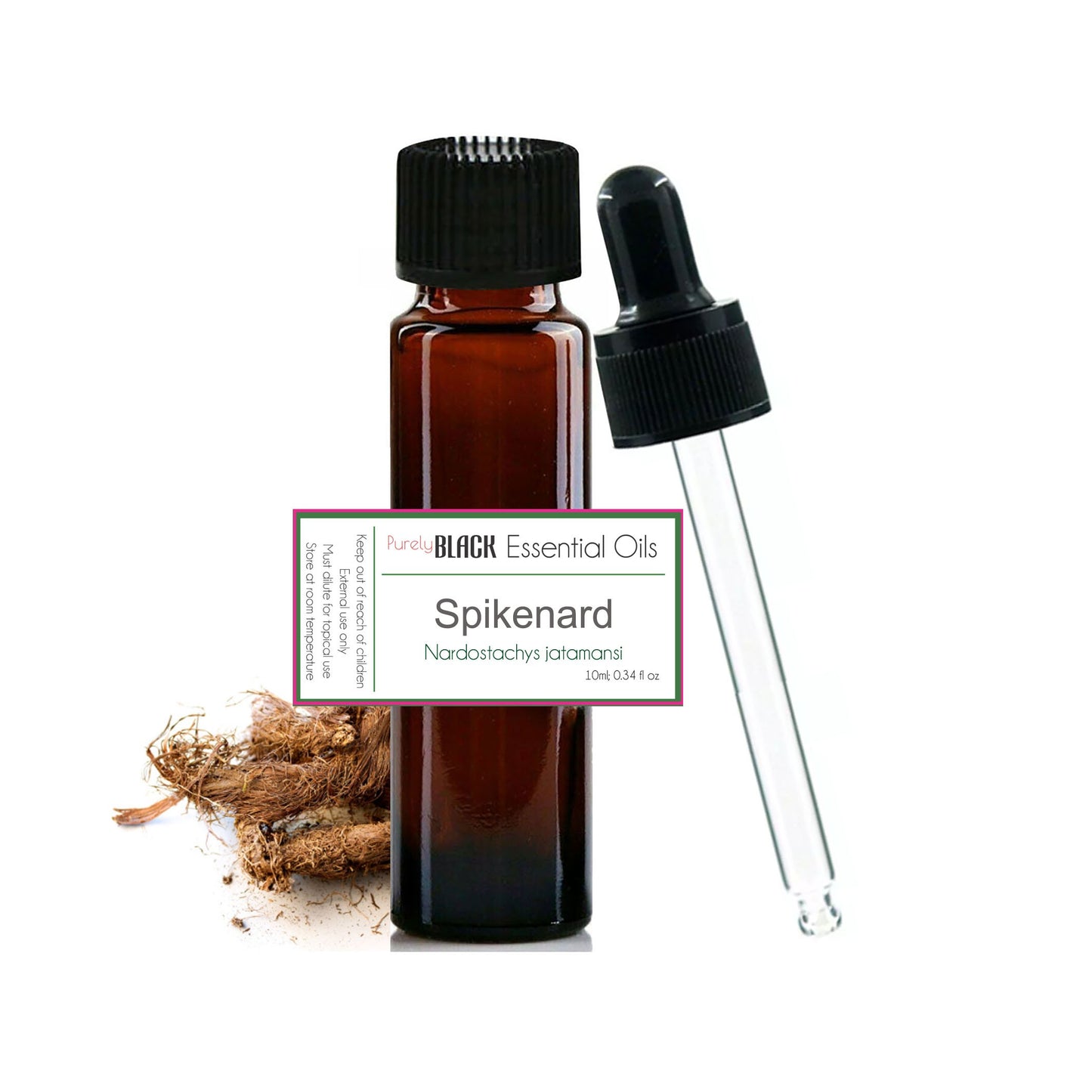
Spikenard Essential Oil is steam distilled from the roots of Nardostachys jatamansi, a Himalayan plant native to Nepal, India, and Bhutan.
- Botanical Source: Extracted from Nardostachys jatamansi, a flowering plant in the Valerianaceae family.
- High-Altitude Origin: Grows slowly above 3,000 metres in the Himalayas, historically limiting supply.
- Ancient History: Referenced in Sanskrit Ayurvedic texts and the Bible as a rare, valuable botanical.
The plant's roots and rhizomes are dried and steam distilled to produce the oil, a slow and labour-intensive process given the small yield per harvest. This scarcity, combined with the difficulty of harvesting at high altitude, is part of why Spikenard Oil has remained a premium botanical throughout history. Spikenard appears in ancient Sanskrit Ayurvedic texts under the name "jatamansi," where it was traditionally valued for grounding and calming purposes.
It is also referenced in the Bible, most notably in the Gospels of Mark and John, where "spikenard" or "nard" describes a costly perfumed oil used in an act of anointing. Roman and Greek physicians, including Dioscorides, documented its traditional use in their botanical writings, and it was traded along ancient spice routes stretching from the Himalayas to the Mediterranean.
Spikenard Essential Oil's traditional properties are generally attributed to its complex chemical profile, which is dominated by sesquiterpenes. GC-MS analysis of root oil samples has identified Valeranone as the major constituent, making up as much as 37–40% of the oil depending on regional growing conditions, alongside Cadin-4-en-10-ol and Patchouli Alcohol as other significant components (published GC-MS constituent analysis).
| Constituent | Typical Range | Chemical Class |
|---|---|---|
| Valeranone | 37–40% | Sesquiterpene |
| Cadin-4-en-10-ol | 28–30% | Sesquiterpene alcohol |
| Patchouli Alcohol | 6–7% | Sesquiterpene alcohol |
purelyBlack's Pure Spikenard Oil is available as a 100% pure essential oil, dispatched from Sydney.


What does Spikenard Oil smell like?
Spikenard Oil has an earthy, musky, woody aroma with a warm, heavy base note and a slightly bitter edge.
Its scent is sometimes compared to a combination of valerian root, patchouli, and damp forest floor — not a bright or floral oil, but a deep, grounding one. In perfumery, Spikenard Oil is classified as a base note, meaning its aroma lingers longest and forms the foundation of a blend, typically appearing beneath lighter top and middle notes rather than as the first scent noticed.
This heaviness is part of why Spikenard Oil has traditionally been used sparingly in blends, with a little going a long way. People new to the scent sometimes find it an acquired aroma compared to lighter florals or citrus oils, though many come to value its depth precisely because it is so distinctive.


What is Spikenard Essential Oil used for?
Spikenard Essential Oil is traditionally diffused for evening relaxation, used diluted in skincare, and diffused during meditation.
- Evening Relaxation: Add 3–4 drops to a diffuser 30 minutes before bed, or dilute 1 drop per 10ml carrier oil and apply to the wrists and back of the neck, to support a settled, restful atmosphere.
- Diluted Skincare: Blend at a 0.5–1% dilution (roughly 1 drop per 10ml carrier oil such as Jojoba Oil) and massage into cleansed skin to support the appearance of calm, balanced-looking skin.
- Meditation Practice: Diffuse 2–3 drops in the room, or apply a diluted drop to the temples, during quiet reflection for its grounding, centring aroma.
Historically, Spikenard has been valued across Ayurvedic, biblical, and traditional Mediterranean practices for grounding and ceremonial purposes. Many people incorporate a few drops into an evening wind-down routine, either through diffusion or a diluted application to pulse points before bed. Because of its long association with spiritual and ceremonial use, Spikenard Oil is also commonly diffused during yoga or quiet reflection.
As with any essential oil, Spikenard should never be applied to the skin undiluted. When properly diluted in a carrier oil, it is traditionally valued in skincare routines that focus on calm, balanced-looking skin rather than any specific treatment outcome.
Is Spikenard Oil like Lavender?
No, Spikenard Oil and Lavender Oil are both calming but smell quite different, with Spikenard being heavier and earthier.
Lavender Oil has a lighter, sweeter, floral-herbaceous aroma, while Spikenard Oil's scent is heavier, earthier, and more resinous. Some aromatherapists consider Spikenard a grounding counterpart to Lavender's calming profile, and the two are often blended together for evening use, with Lavender lifting the top notes while Spikenard anchors the base.
Among grounding and calming oils more broadly, individual results and preferences vary, and there is no single essential oil that outperforms all others for every purpose. The right choice generally comes down to personal scent preference and the intended use, whether that is an evening diffuser blend, a meditation practice, or a diluted skincare routine.
Why was Spikenard Oil historically so expensive, and is it still available today?
Spikenard was costly because it grows only at high Himalayan altitudes, matures slowly, and required long ancient trade routes to reach buyers.
In biblical accounts, a small vessel of spikenard oil was described as being worth close to a labourer's annual wages, a reflection of just how rare and prized the botanical was. Spikenard Oil still exists and is commercially produced today, primarily in Nepal and northern India, though sustainable sourcing remains an important consideration given the plant's slow growth cycle at high altitude. The plant is also known as nard, muskroot, or jatamansi, all names for the same botanical source.
- Restful Evening Blend: Combine 1:1 with Lavender Oil for a calming evening diffuser blend.
- Grounding Meditation Blend: Combine 1:1 with Frankincense Oil for meditation or quiet reflection.
- Deep Earthy Composition: Use 1:2 with Patchouli Oil or Cedarwood Oil for a heavier, resinous blend.
As a highly concentrated essential oil, Spikenard Oil should always be diluted in a suitable carrier oil, such as Jojoba Oil or Fractionated Coconut Oil, before skin contact. Because Spikenard is such a heavy base note, it is generally used in smaller proportions relative to lighter oils in a blend, with the ratios above serving as a general starting point rather than a fixed rule.
What are the side effects of Spikenard Oil, and where can you buy it in Australia?
Yes, purelyBlack sells Pure Spikenard Essential Oil online in Australia, dispatched from Sydney with GC/MS testing.
- General Precautions: Always dilute before skin contact and patch test on the inner forearm 24 hours before wider use.
- Who Should Take Care: Those pregnant, breastfeeding, or with a diagnosed bleeding disorder or Valerianaceae sensitivity should consult a healthcare professional first.
- Quality Check: Look for the botanical name clearly stated, dark glass packaging, and an available GC/MS report.
Spikenard Oil is generally well tolerated when properly diluted, though as with all essential oils, individual sensitivity varies. Keep away from the eyes, inner ears, and broken or damaged skin, discontinue use if irritation occurs, and always store out of reach of children. Essential oils are for external and aromatic use only and should never be ingested. purelyBlack's Pure Spikenard Oil is sold on our website and dispatched from Sydney.
To explore similar profiles, discover these pure purelyBlack creations: Pine Oil, Cardamom Oil, and Petitgrain Oil — each dispatched from Sydney.
About the Author
Written by H.R. Kim
Founder at purelyBlack — an Australian-owned perfumery and botanical studio based in Sydney. H.R. specialises in scent profiling and natural ingredient sourcing, meticulously balancing premium fragrance oils and 100% pure essential oils to create elevated aromatic experiences.
Last updated: August 2026
Disclaimer: purelyBlack essential oils are for external use and aromatherapy purposes only. They are not intended to diagnose, treat, cure, or prevent any disease. Always dilute with a carrier oil before topical application and consult a healthcare professional if pregnant or under medical supervision.
Can you put spikenard on skin
Yes, you can apply spikenard essential oil to your skin, provided it is properly diluted with a suitable carrier oil before any topical use.
Like all pure essential oils, applying undiluted spikenard directly to the skin can cause sensitivity or irritation. For general body care, aim for a two per cent dilution by mixing roughly four drops of spikenard oil into ten millilitres of a base oil like jojoba, sweet almond, or fractionated coconut oil.
Once blended, many people favour adding it to their evening skincare routine to enjoy its deeply grounding, earthy aroma while moisturising the skin. Always perform a small patch test on your inner forearm and wait twenty-four hours to ensure your skin reacts comfortably to the blend.
What essential oil is similar to spikenard
Valerian, vetiver, and patchouli essential oils are the closest alternatives to spikenard, sharing a deep, earthy, and musky aromatic profile.
Because spikenard belongs to the same botanical family as valerian, the two oils share remarkably similar heavy, woody, and root-like scent characteristics. If you find valerian's aroma too pungent, vetiver and patchouli offer a smoother, slightly sweeter earthiness that replicates spikenard's grounding base notes in diffuser blends.
For those looking to recreate the resinous and warm aspects of spikenard, frankincense and myrrh also serve as excellent aromatic substitutes. Blending a drop of cedarwood with patchouli can help you achieve a complex, woody fragrance when spikenard is unavailable.
What is spikenard called today
Today, spikenard is still called spikenard, though it is also commonly referred to as nard, muskroot, or jatamansi in modern aromatherapy.
Botanically, the plant is recognised as Nardostachys jatamansi, a flowering herb from the valerian family native to the Himalayas. In the essential oil industry, you will most frequently find it labelled as either Spikenard or Jatamansi. Regardless of the name used on the bottle, this potent oil is favoured for its deep, earthy, and grounding aroma.
What is the significance of spikenard oil in the Bible
In the Bible, spikenard oil symbolises profound devotion, luxury, and humility, most notably used by Mary of Bethany to anoint the feet of Jesus.
Sourced from the Himalayas, this rare ointment was worth nearly a year's wages in ancient times. Because of its immense value, pouring it out was recognised as an ultimate act of sacrifice and worship. It is also mentioned in the Song of Solomon as a deeply prized, romantic fragrance.
Today, its rich, earthy aroma is still favoured for creating a peaceful atmosphere during quiet reflection. Diffusing spikenard essential oil can help foster a grounding environment that connects you to these ancient traditions.
