





Skip to product information
1 of 8

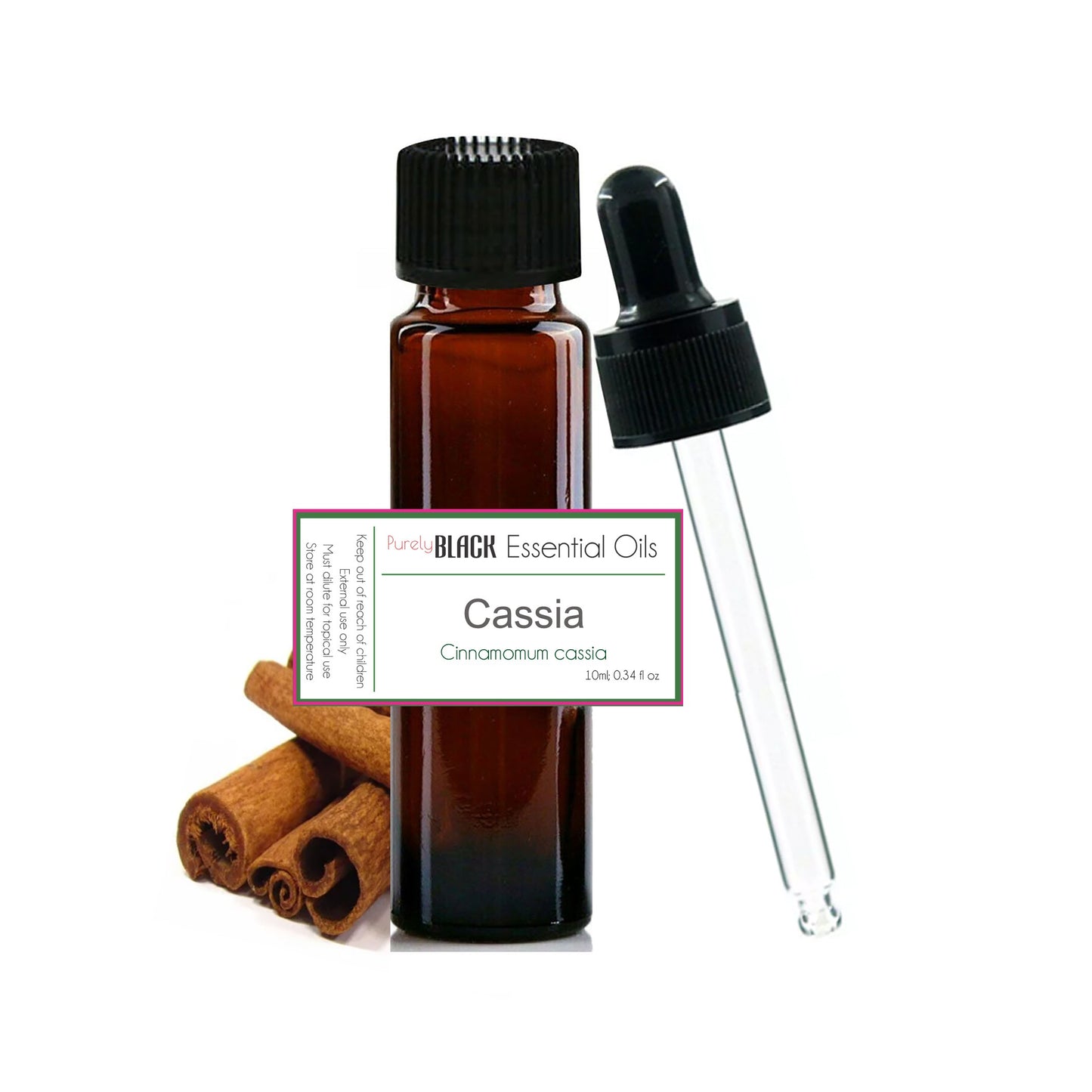
Cassia Essential Oil 10ml

Regular price $13.95 AUD
Regular price Sale price $13.95 AUD
Sale Sold out
Quantity

Cassia oil for warming aromatherapy brings deep, spiced radiance to diffuser blends and topical applications that require grounding intensity. Steam-distilled from the bark of Cinnamomum cassia, this potent aromatic carries the comforting warmth of cinnamon with a sharper, more resinous edge. GC/MS tested and vegan, this Australian brand delivers pure botanical support for seasonal wellness rituals and skin-soothing formulations. Its rich, amber-toned aroma settles beautifully into winter diffusions, while diluted topicals offer gentle warmth to tired muscles. Explore the tabs below for detailed aromatic profiles, step-by-step application methods, and safety guidelines.

Product Details & Aroma

Core Product Details

  • Botanical Name: Cinnamomum Cassia
  • Plant Family: Lauraceae
  • Plant Part Used: Bark
  • Extraction Method: Steam distillation
  • Country of Origin: India

Quality & Purity

  • 100% Pure & Natural: No fillers, synthetics, or carrier oils added.
  • GC/MS Tested: Every batch tested to verify purity and constituent integrity.
  • Vegan & Cruelty-Free: No animal-derived ingredients. Never tested on animals.
  • Australian Brand: Proudly Australian-owned and operated.

Aromatic Profile & Notes

  • Aromatic Note: Middle to base
  • Aromatic Profile: What does Cassia essential oil smell like? Cassia oil opens with an immediate burst of hot, spiced cinnamon that is sharper and more penetrating than true cinnamon bark. The initial intensity softens into a rich, resinous sweetness with subtle woody undertones and a lingering warm glow. Unlike the rounded softness of Ceylon cinnamon, cassia presents a bold, almost fiery character that anchors diffuser blends with commanding presence. Historically prized in Traditional Chinese Medicine as rou gui, cassia bark was valued for its warming properties and used in ancient spice routes alongside frankincense and myrrh. The dry-down reveals a faintly leathery, balsamic finish that adds depth to masculine and earthy fragrance compositions.
  • Key Constituents: Cinnamaldehyde (70–90%), cinnamyl acetate (2–8%), coumarin (up to 6%), cinnamic acid, eugenol, and trace benzyl benzoate. High cinnamaldehyde content gives cassia its characteristic heat and antimicrobial properties, while coumarin contributes to its sweet, hay-like undertones.

Core Benefits & Properties

How Does Cassia Oil Support Seasonal Wellness Practices?

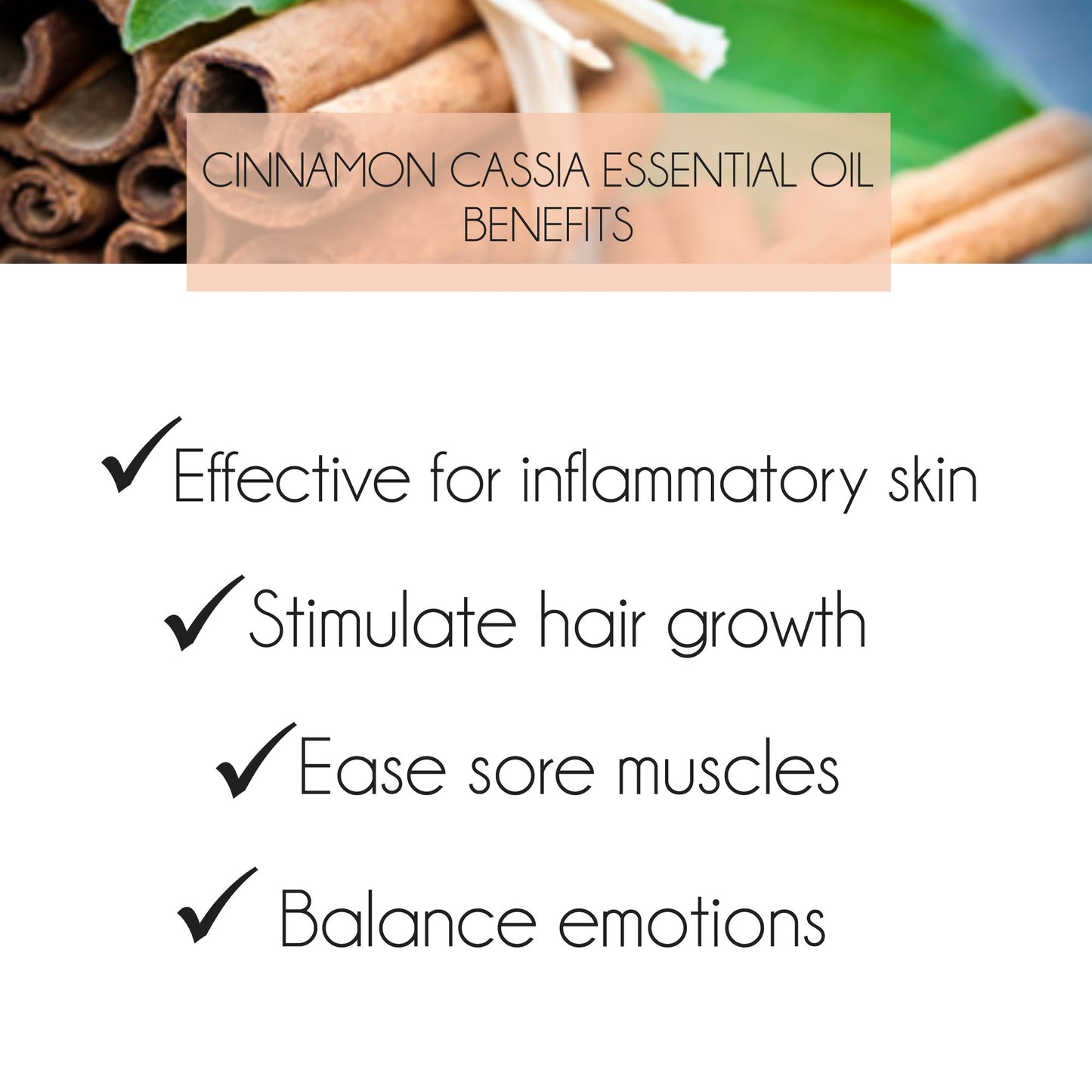
Cassia oil provides aromatic comfort during cooler months by creating a warming, uplifting atmosphere that many turn to when seasonal changes affect mood and energy. The high cinnamaldehyde content—typically 75–85% in quality cassia oils—delivers the signature spiced warmth that has been traditionally used in botanical aromatherapy to promote feelings of vitality and resilience. Tisserand & Young note that cassia's robust aromatic profile makes it a popular choice in diffuser blends designed for autumnal and winter settings, where grounding, heat-radiating oils are preferred. When diffused alongside citrus or conifer oils, cassia contributes a comforting, cocooning quality to indoor environments. Learn more about warming aromatic diffusion techniques suited to Australian climates.

Can Cassia Oil Be Used in Topical Formulations?

When properly diluted, cassia oil offers a gentle warming sensation on the skin, making it a traditional choice for massage blends targeting tired muscles and areas of discomfort. Dilution is critical: the National Association for Holistic Aromatherapy (NAHA) recommends a maximum dermal use level of 0.1% for cassia due to its high cinnamaldehyde content, which can cause sensitisation if used neat or in high concentrations. In practice, this means just 1 drop of cassia oil per 50 ml of carrier oil for safe topical application. When blended into balms or salves with coconut oil, shea butter, and supportive oils like myrrh or patchouli, cassia lends a subtle heat that supports circulation and provides aromatic comfort. Explore topical warming sensation strategies for safe dilution.

How Is Cassia Oil Used in Natural Cleaning and Surface Care?

Cassia oil's potent antimicrobial properties, driven by cinnamaldehyde concentrations above 70%, make it a valued addition to natural cleaning formulations and surface sprays. Research published in the International Journal of Food Microbiology found that cinnamaldehyde exhibited significant antimicrobial activity against a broad spectrum of bacteria and fungi, supporting its traditional use in food preservation and household care. When added to vinegar-based or alcohol-based cleaning solutions at 0.5–1% dilution, cassia oil contributes both cleansing action and a warm, spiced aroma to kitchens, bathrooms, and high-touch surfaces. It blends effectively with oregano and thyme oils for enhanced antimicrobial formulations. Read more on antimicrobial surface applications in the home.

How to Use & Blends Well With

How to Use Cassia Oil

  • Create a Targeted Roll-On: Combine 1 drop of cassia oil with 50 ml of fractionated coconut oil in a glass roller bottle. Apply to pulse points, temples, or the soles of feet for grounding warmth. For enhanced aromatherapy support, add 2 drops of vetiver and 3 drops of sweet orange to the blend.

How to Make a Cassia Room Spray

  • DIY Application: In a 100 ml glass spray bottle, combine 80 ml distilled water, 20 ml witch hazel or vodka, 4 drops cassia oil, 6 drops sweet orange oil, and 4 drops clove bud oil. Shake well before each use and mist into living spaces, linen, or car interiors for a seasonal, spiced atmosphere. For a floral variation, substitute 3 drops of organic rosewater and reduce water by 10 ml.

Aromatherapy Diffusion

Cassia oil creates a warming, emotionally grounding atmosphere when diffused, traditionally used in cooler months to promote feelings of comfort and mental clarity. Add 2–3 drops to an ultrasonic diffuser with complementary oils like sweet orange, frankincense, or cedarwood. In Traditional Chinese Medicine, cassia bark was burned as incense to invite warmth and dispel stagnation, a practice echoed in modern aromatic diffusion rituals designed to support focus and seasonal wellness.

Blends Well With

Oregano Oil, Thyme Oil, Niaouli Oil, Myrrh Oil, Melissa Oil, Patchouli Oil, Vetiver Oil

Safety & Precautions

General Safety & Application Guidelines

  • External Use Only: Never ingest cassia essential oil. Internal consumption can cause severe irritation to mucous membranes and digestive tissues.
  • High Potency & Dilution: Cassia oil contains 70–90% cinnamaldehyde, a potent skin irritant. NAHA recommends a maximum dermal use level of 0.1% (1 drop per 50 ml carrier oil). Always perform a patch test on inner forearm skin 24 hours before broader application. For safe topical use, dilute in fractionated coconut oil, jojoba, or sweet almond oil.
  • Medication Interactions: Tisserand & Young caution that cassia oil may interact with anticoagulant medications (e.g., warfarin, aspirin) due to its coumarin content, which can potentiate blood-thinning effects. It may also interfere with diabetes medications by influencing blood glucose regulation. Consult a healthcare professional before use if taking prescribed medications.
  • Safe Storage: Store in a cool, dark location away from direct sunlight, heat sources, and out of reach of children and pets. Amber or cobalt glass bottles preserve oil integrity.

Specific Precautions

  • Pregnancy & Nursing: Avoid use during pregnancy and breastfeeding. Cassia oil is contraindicated due to its emmenagogue properties and potential to stimulate uterine contractions.
  • Children & Pets: Not suitable for children under 10 years of age. Tisserand & Young recommend avoiding dermal use in children altogether due to high sensitisation risk. Keep away from pets, particularly cats and dogs, as cassia oil can be toxic if ingested or absorbed through skin.

View full details
  • How do I know purelyBlack essential oils are truly 100% pure?

    Unlike many aromatherapy oils sold online that contain synthetic fillers, purelyBlack oils are 100% plant-derived. We use zero additives, bases, or synthetics. Our oils are sourced directly from growers in their native regions—such as Tea Tree from Australia and Peppermint from India—ensuring you get the potent, unadulterated plant extract every time.

  • Why are your oils more affordable than big brands like doTerra or Young Living?

    We operate on a direct-to-consumer model. Large Multi-Level Marketing (MLM) brands often mark up their products by 300-500% to pay commissions to their tiered distributors. We cut out the middleman and fancy packaging, allowing us to sell the exact same Therapeutic Grade quality oils at a fraction of the price.

  • Are your essential oils Therapeutic Grade?

    Yes. We source our oils specifically for their therapeutic properties, not just their smell. This means our oils are harvested at the peak time to ensure high levels of active compounds (like 1,8-cineole in Eucalyptus). They are perfect for use in diffusers, DIY skincare, and hair growth treatments when used as directed.

  • Can purelyBlack essential oils be used on the skin?

    Yes, because our oils are 100% pure, they are safe for topical use when properly diluted with a carrier oil (like Jojoba or Fractionated Coconut Oil). This makes them superior to cheaper fragrance oils found in discount stores, which are often synthetic and strictly for room scenting only.