
Skip to product information
1 of 8

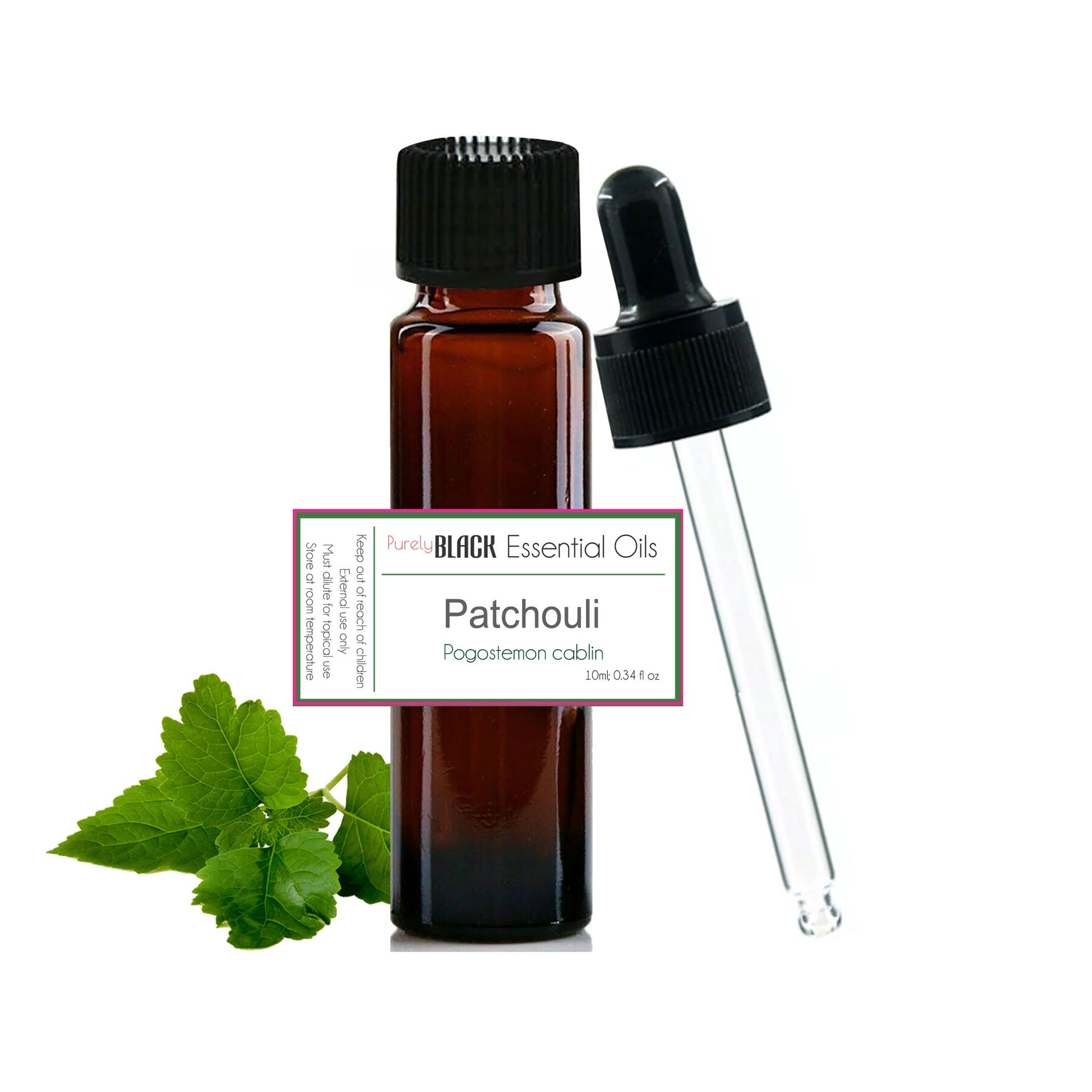
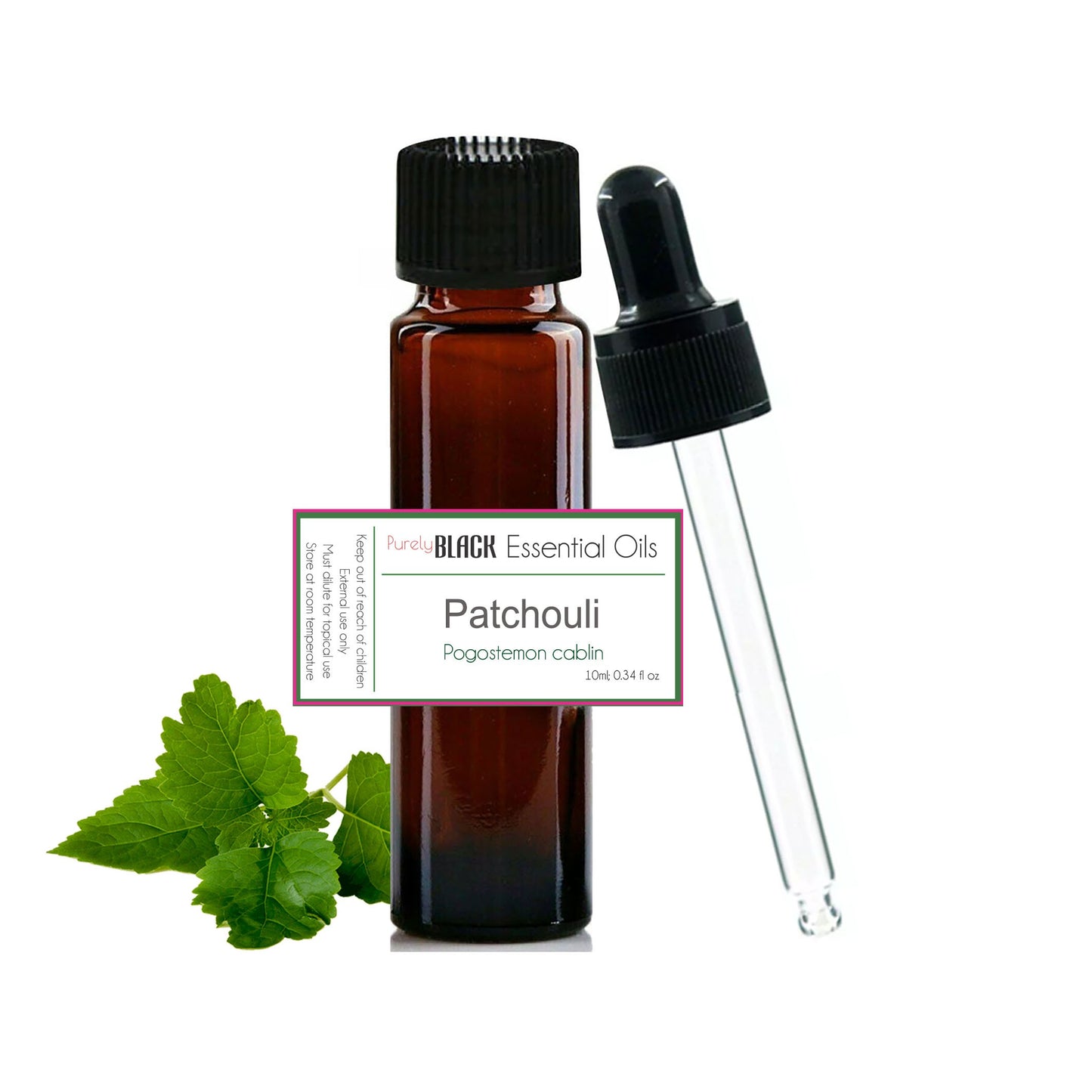
Pure Patchouli Essential Oil 10ml - Pogostemon cablin

Regular price $13.95 AUD
Regular price Sale price $13.95 AUD
Sale Sold out
Quantity

Patchouli oil for natural perfume creation delivers a grounding, earthy warmth that has anchored fine fragrances and skincare rituals for centuries. This richly complex oil—steam-distilled from fermented Indonesian leaves and validated through GC/MS testing by an Australian vegan and cruelty-free brand—offers a musky, almost wine-like depth that deepens beautifully over time. Where transient top notes fade within minutes, patchouli's base note character lingers for hours, making it indispensable for fixative work and meditative diffusion alike. Explore the tabs below for detailed aromatic profiles, step-by-step application methods, and safety guidelines.

Product Details & Aroma

Core Product Details

  • Botanical Name: Pogostemon cablin
  • Plant Family: Lamiaceae (mint family)
  • Plant Part Used: Dried and fermented leaves
  • Extraction Method: Steam distillation
  • Country of Origin: Indonesia

Quality & Purity

  • 100% Pure & Natural: No fillers, synthetics, or carrier oils added.
  • GC/MS Tested: Every batch tested to verify purity and constituent integrity.
  • Vegan & Cruelty-Free: No animal-derived ingredients. Never tested on animals.
  • Australian Brand: Proudly Australian-owned and operated.

Aromatic Profile & Notes

  • Aromatic Note: Base
  • Aromatic Profile: What does Patchouli essential oil smell like? Patchouli unfolds with an unmistakably earthy, almost soil-rich opening—damp forest floor mingled with dried tobacco leaf and dark chocolate. As the oil develops on the skin, a sweet, wine-like fruitiness emerges, softening the initial intensity into something warm, resinous, and faintly spicy. The dry-down reveals a musky, woody persistence that can last twelve hours or more, a signature that made patchouli the cornerstone of 1960s counterculture perfumery and nineteenth-century European textile protection. Fermentation of the leaves before distillation is essential; it mellows harsh green notes and unlocks the velvety, ambery character prized in haute parfumerie and traditional Asian medicine.
  • Key Constituents: Patchoulol (25–35%), α-bulnesene (12–20%), α-guaiene (10–16%), seychellene (5–11%), β-patchoulene (2–6%), α-patchoulene (1–3%), norpatchoulenol, pogostol, and trace sesquiterpenes. High patchoulol content correlates with superior fixative performance and skin-soothing properties.

Core Benefits & Properties

How Does Patchouli Oil Support Healthy, Glowing Skin?

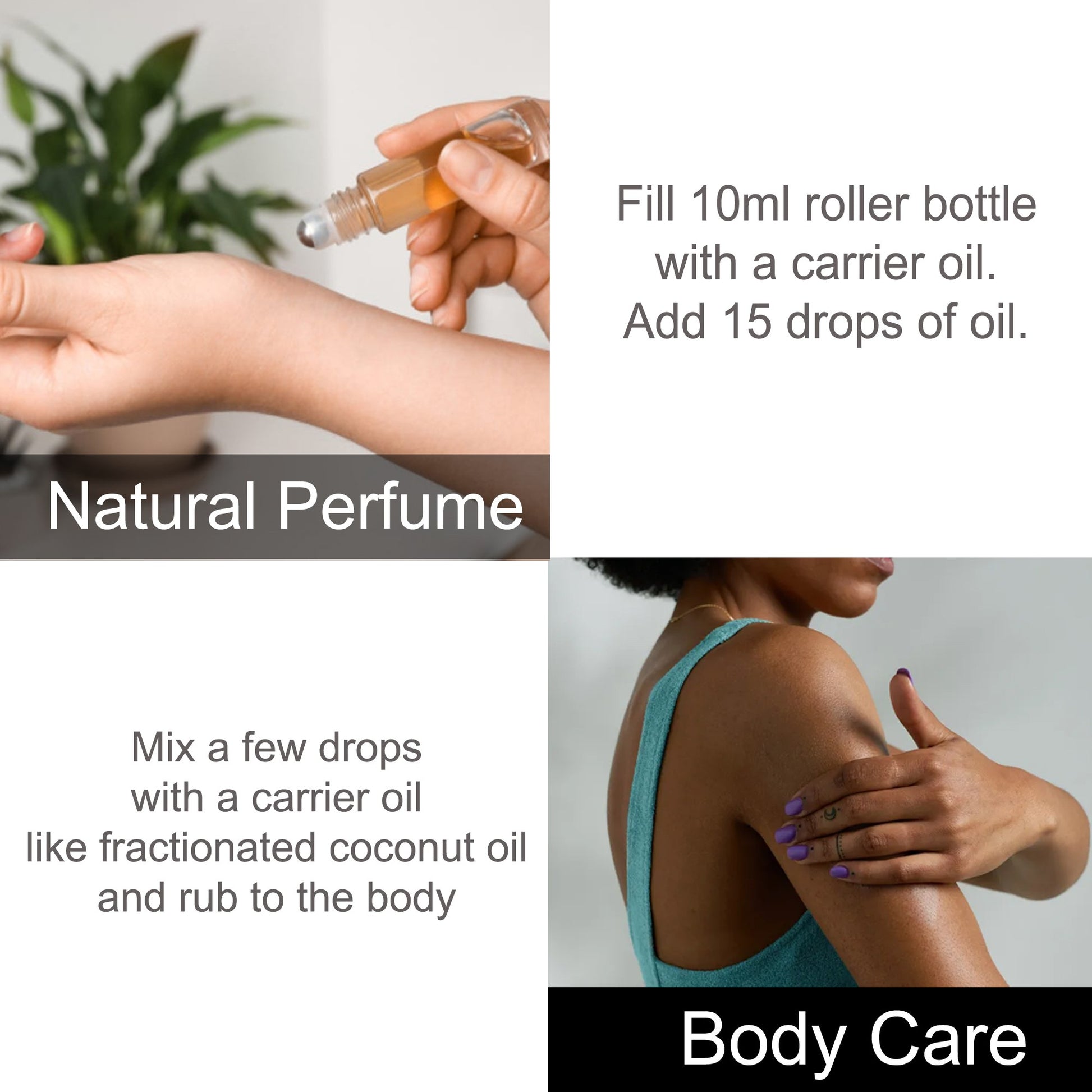
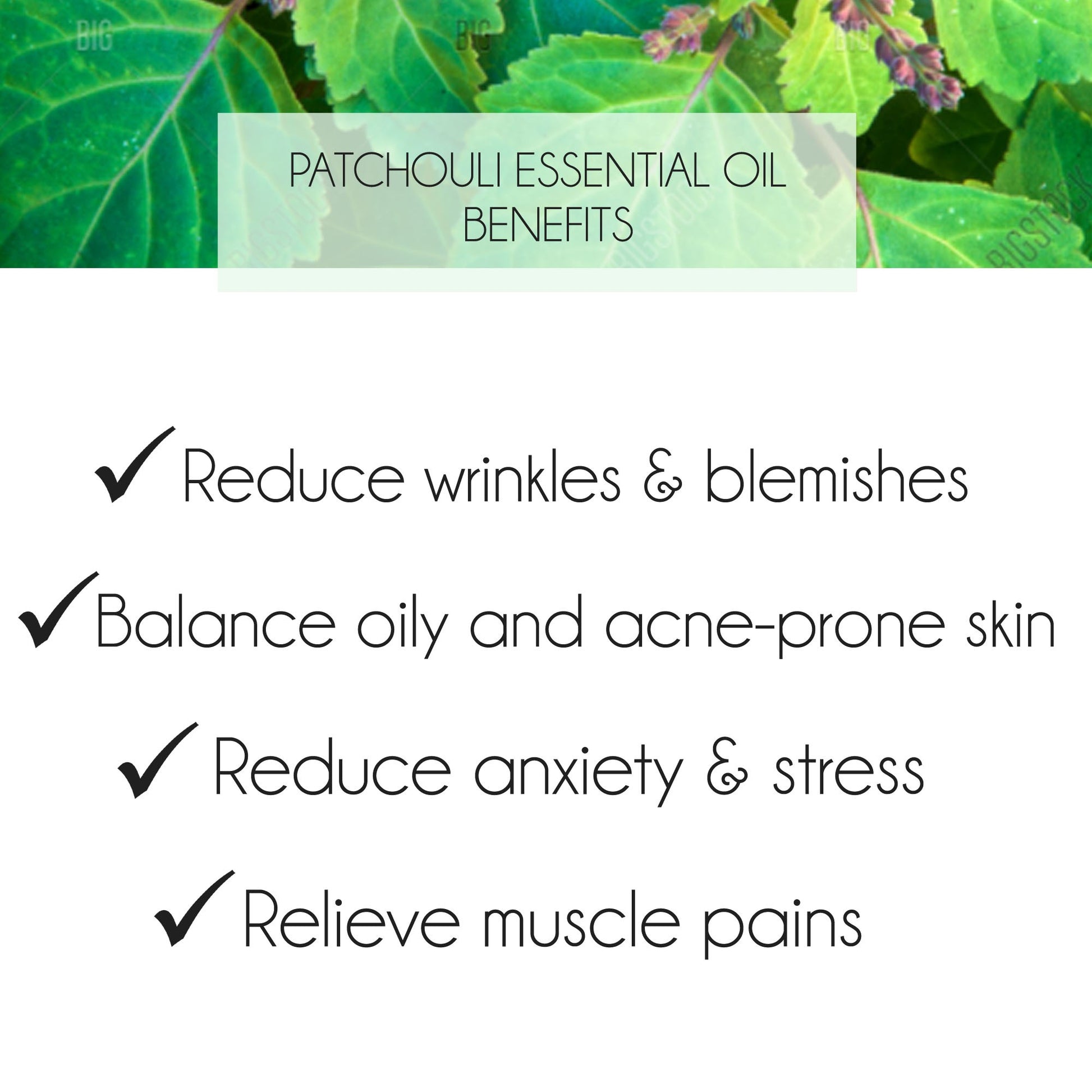
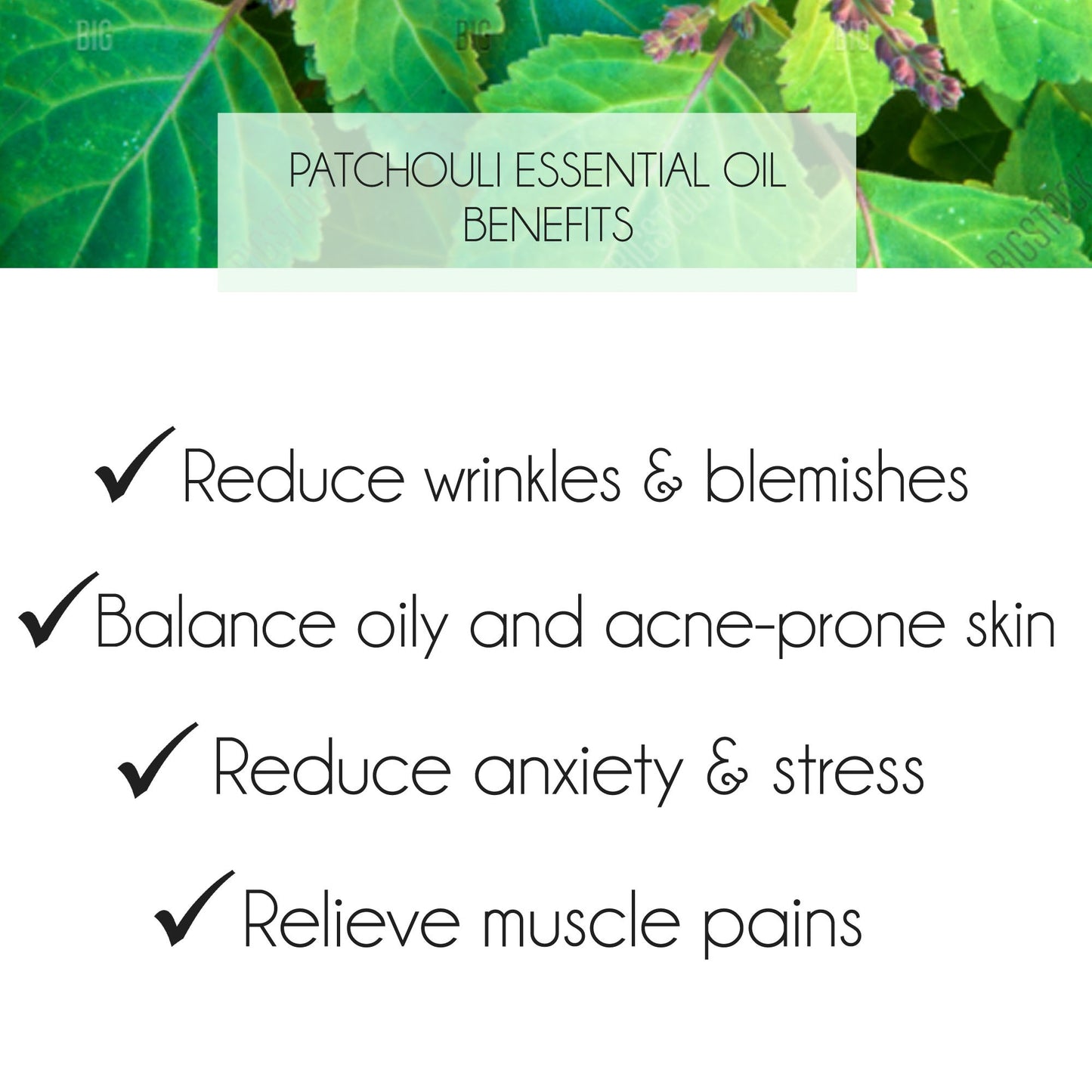
Patchouli oil supports a healthy complexion by promoting skin cell regeneration and helping to balance oil production across all skin types. Its high sesquiterpene alcohol content—particularly patchoulol—has been studied for tissue-repair properties, making it a traditional choice in botanical practice for addressing the appearance of scars, blemishes, and uneven texture. A 2013 study published in the Journal of Ethnopharmacology identified patchouli's ability to modulate inflammatory pathways in skin cells, which may explain its long history in Ayurvedic and Traditional Chinese skincare formulations for mature, combination, and acne-prone skin. Diluted to 1–2% in fractionated coconut oil or rosehip seed oil, patchouli can be applied to areas of concern twice daily, though many prefer evening application due to its intense aroma.

Why Is Patchouli Essential Oil the Gold Standard Natural Perfume Fixative?

Patchouli oil functions as a natural perfume fixative because its heavy molecular weight and high boiling point slow the evaporation of lighter, more volatile aromatic compounds. Perfume chemists classify patchouli as a true base note, meaning it evaporates over 24–72 hours rather than minutes. This property allows patchouli to "hold" fleeting citrus, floral, and herbaceous notes in a fragrance blend, extending their presence on skin or fabric. Historically, dried patchouli leaves were packed into bales of Indian silk and cashmere shipped to Europe in the 1800s to repel moths; the aroma became so synonymous with authentic imported textiles that European manufacturers later scented domestic fabrics with patchouli to suggest exotic provenance. Today, over 90% of chypre and oriental-family perfumes contain patchouli as a foundational ingredient, according to fragrance historian Roja Dove.

How Does Patchouli Oil Promote a Tranquil, Grounding Atmosphere?

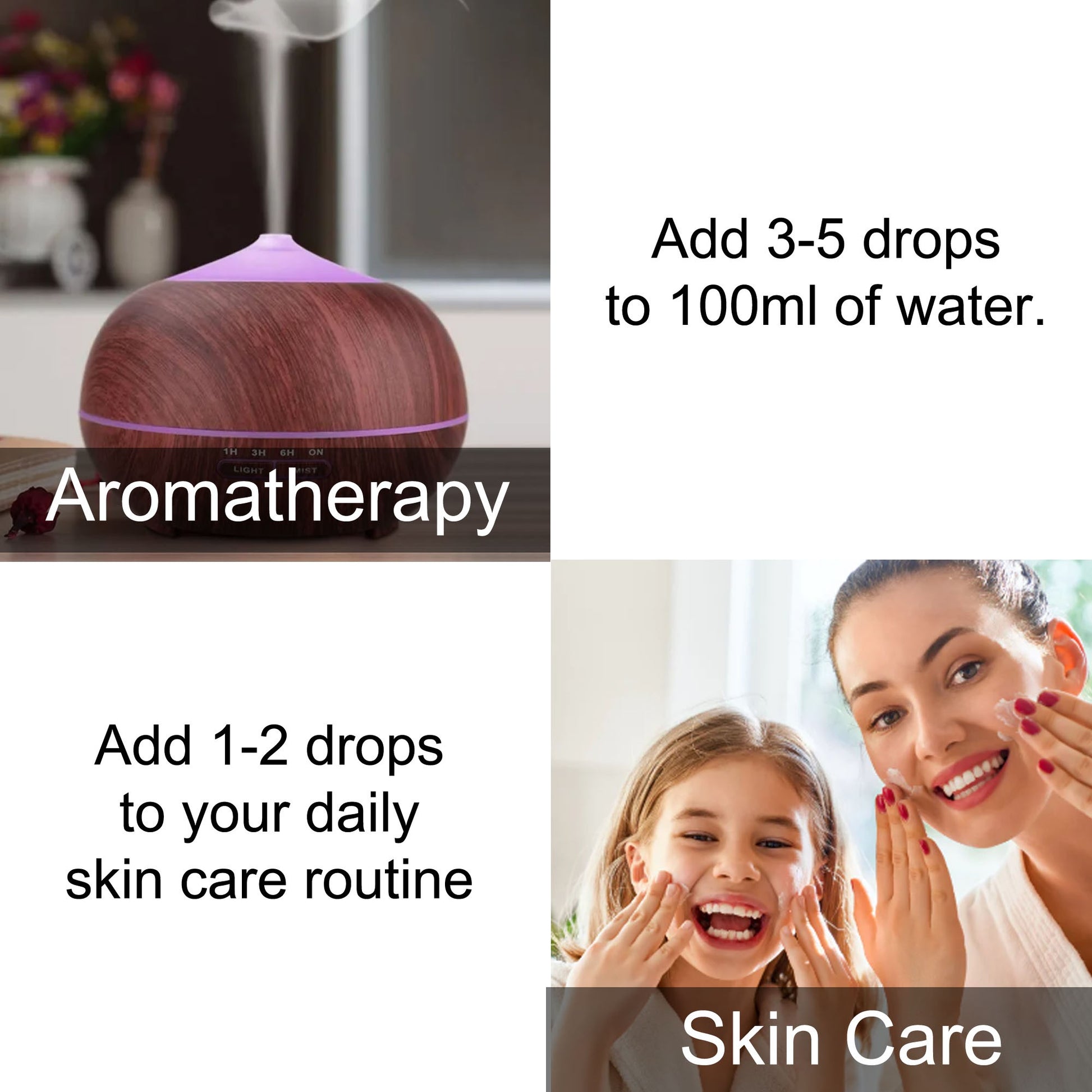
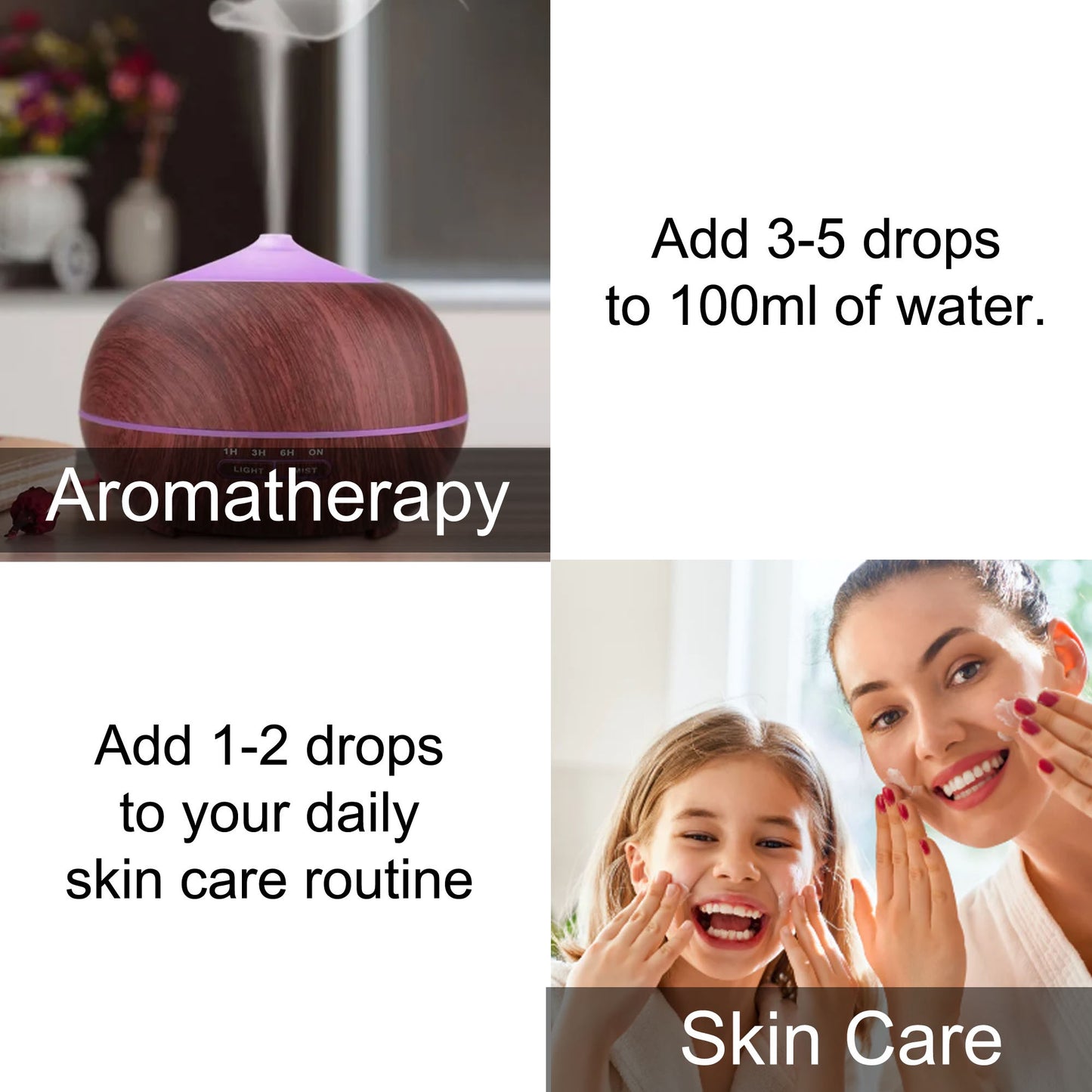
Patchouli oil promotes a tranquil atmosphere by offering a deeply earthy, meditative aroma that many find centring during yoga, breathwork, and contemplative practices. In Traditional Chinese Medicine, patchouli (Guang Huo Xiang) is classified as warming and drying, used to harmonise the spleen and stomach meridians and to settle restless energy. Western aromatherapy literature, including Tisserand & Young's Essential Oil Safety (2nd ed.), notes patchouli's historical use for emotional grounding and anxiety relief, though clinical trials remain limited. Anecdotally, the National Association for Holistic Aromatherapy (NAHA) reports that practitioners frequently select patchouli for clients experiencing overwhelm, scattered thinking, or creative blocks. Diffusing 3–5 drops in a 100 mL ultrasonic diffuser for 30–60 minutes creates an anchoring environment without sedation.

Can Patchouli Oil Help Balance Oily Scalp and Hair?

Patchouli oil helps balance oily scalp conditions by regulating sebum production and supporting a healthy scalp microbiome. When experiencing flakiness, excess oil, or scalp discomfort, many turn to patchouli blended at 0.5–1% into an unscented shampoo base or light carrier oil for pre-wash scalp massage. Its astringent sesquiterpene profile may help tighten pores and reduce the appearance of greasy roots between washes. A 2016 study in Phytotherapy Research demonstrated patchouli's antimicrobial activity against common scalp flora, including Malassezia species implicated in dandruff and seborrhoeic dermatitis. For best results, blend 2 drops patchouli with 1 drop peppermint oil and 10 mL jojoba oil, massage into damp scalp, and leave for 15 minutes before shampooing.

How to Use & Blends Well With

How to Use Patchouli Oil

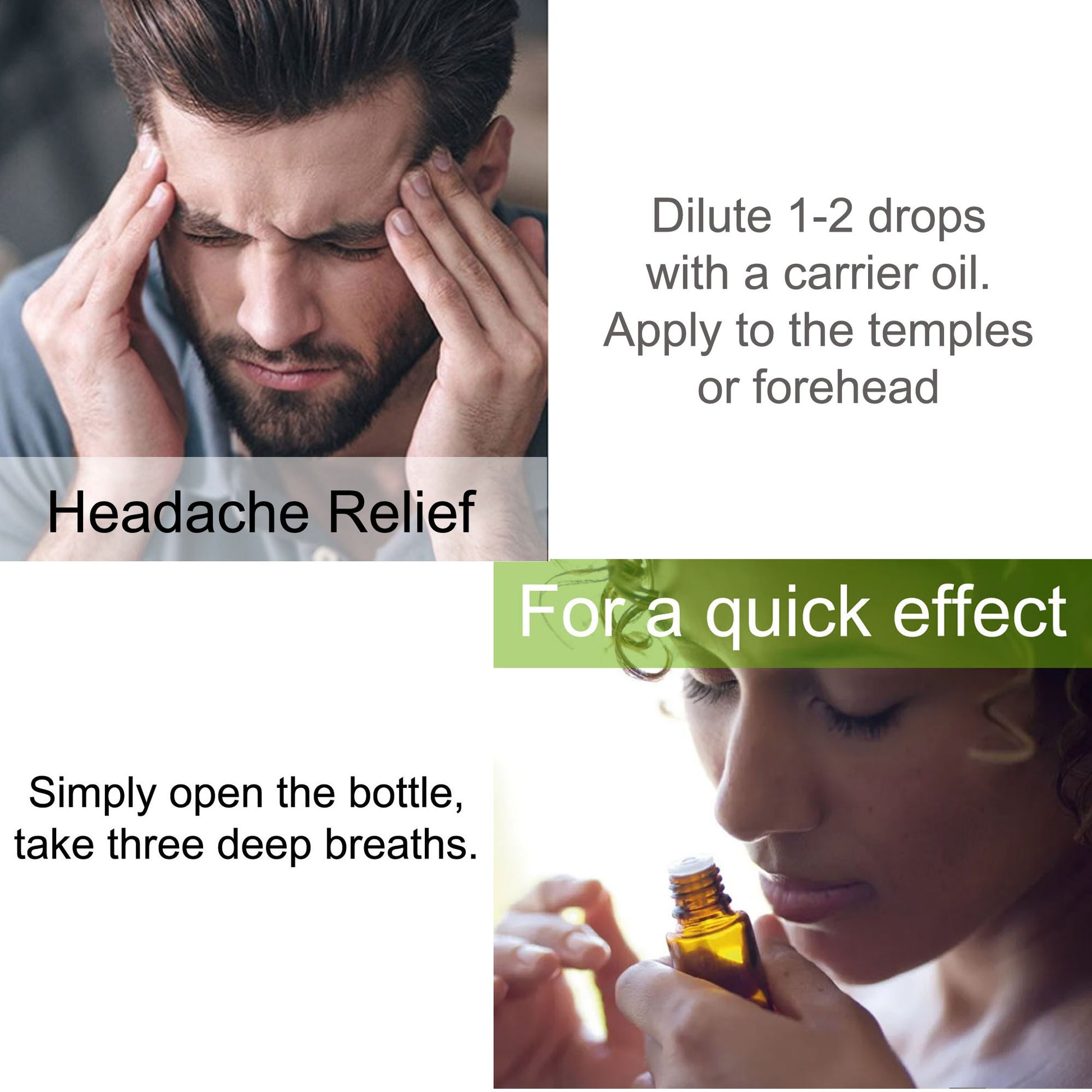
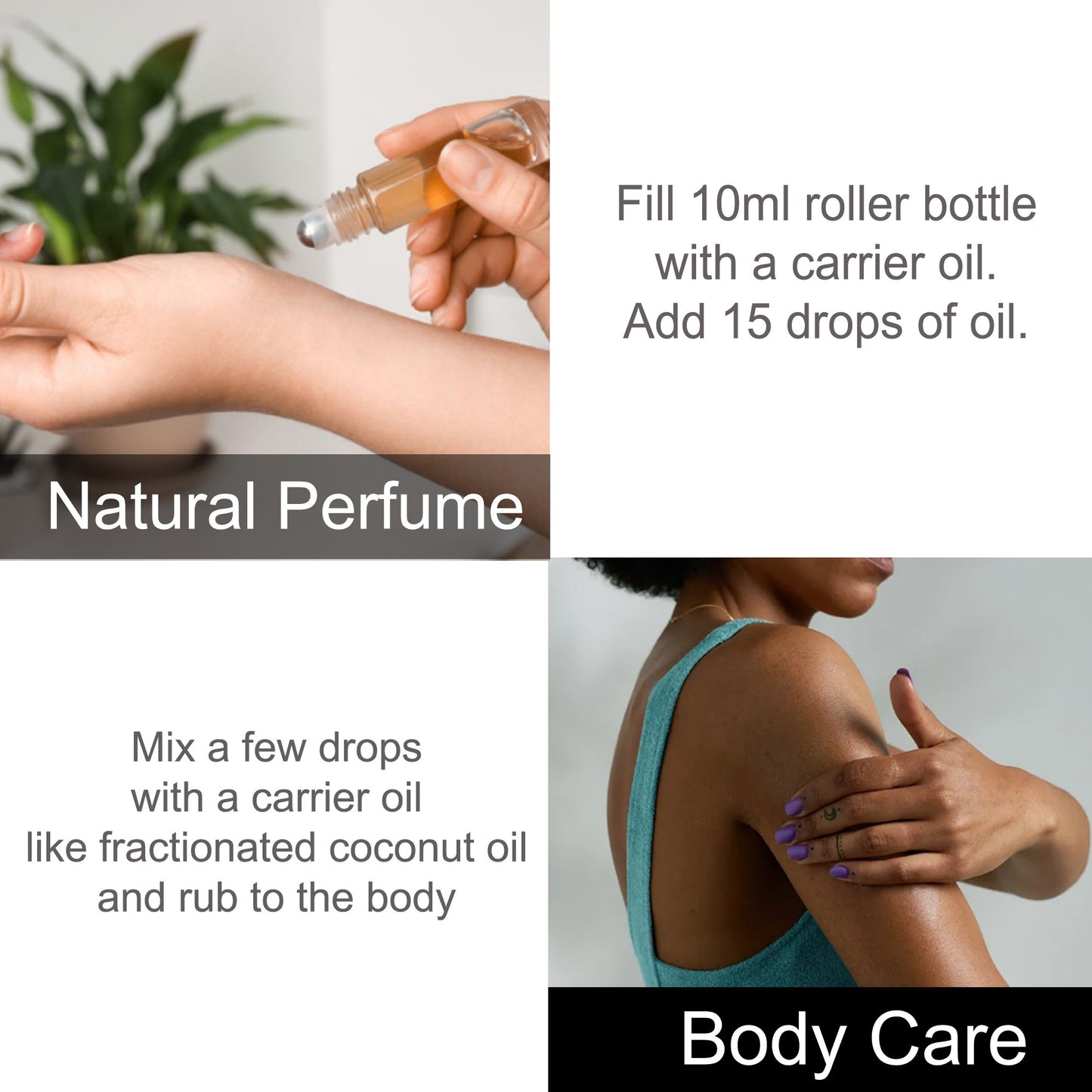
  • Create a Targeted Roll-On: Combine 6 drops patchouli essential oil with 5 drops carrot seed oil in a 10 mL roller bottle, then fill with fractionated coconut oil. Apply to pulse points morning and evening to support healthy-looking skin and enjoy a subtle, earthy personal fragrance. For a warmer, more resinous profile, replace carrot seed with 5 drops myrrh oil.

How to Make a Patchouli Room Spray

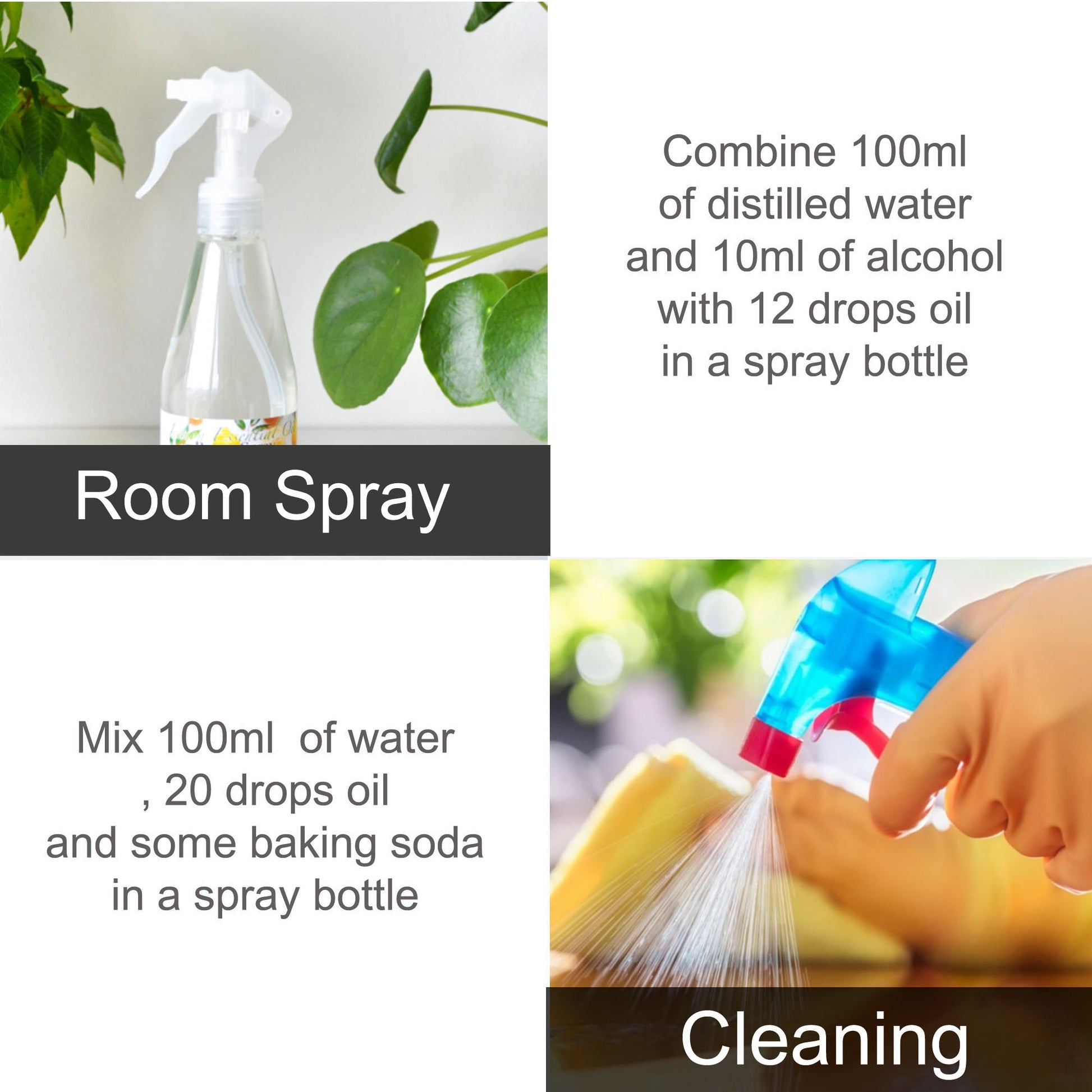
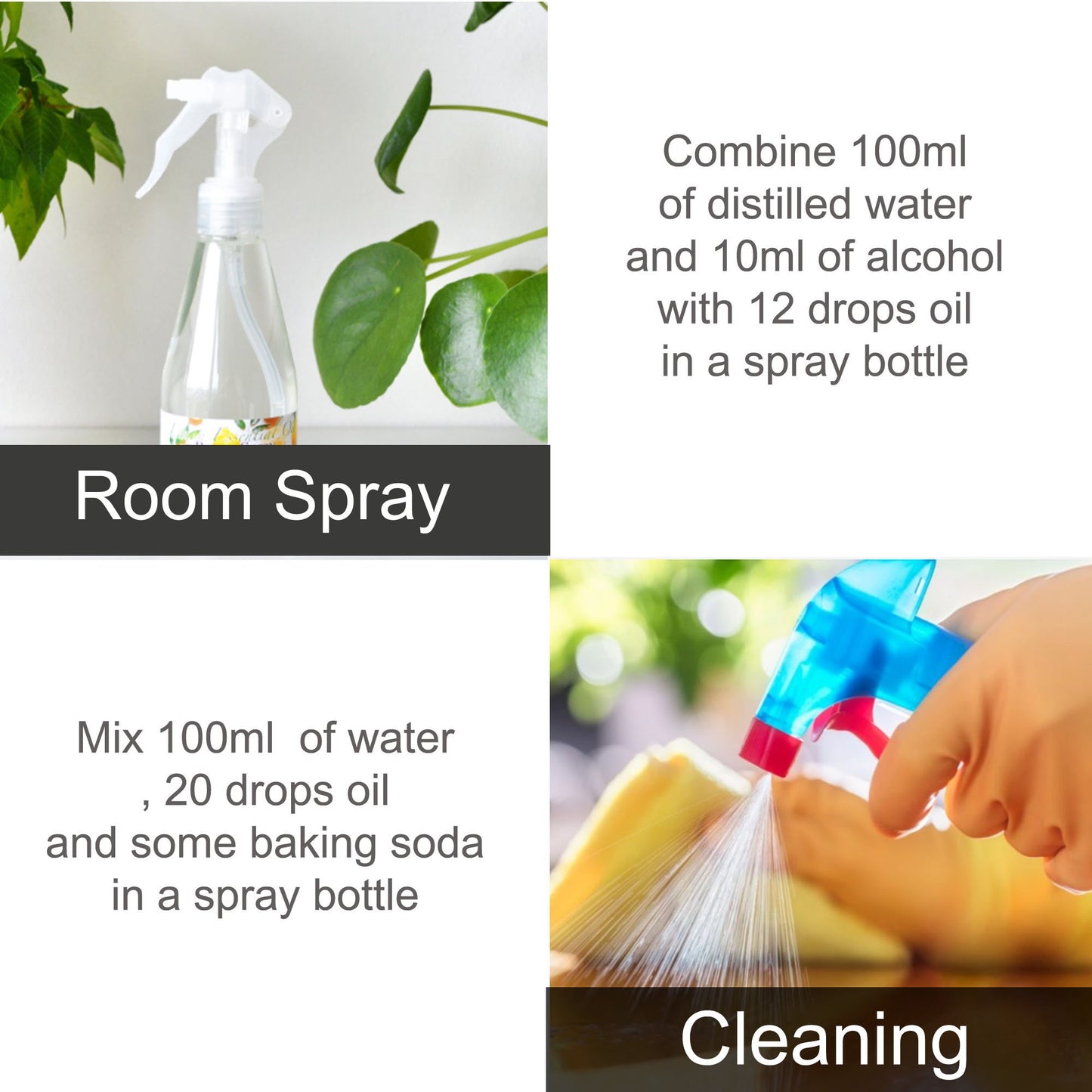
  • DIY Application: Add 15 drops patchouli, 10 drops ylang ylang, and 5 drops pine oil to a 100 mL amber glass spray bottle. Fill with distilled water and 1 teaspoon polysorbate 20 (a natural emulsifier). Shake well before each use and mist linens, yoga mats, or meditation spaces to create a grounding, slightly sweet ambience. For a smokier variation, replace pine with 5 drops Siberian fir oil.

Aromatherapy Diffusion

Diffusing patchouli oil provides aromatic comfort during times of mental restlessness, offering an earthy anchor that has been valued in spiritual and contemplative traditions across Asia for over a millennium. The oil's dense, resinous molecules diffuse slowly, making it ideal for extended meditation sessions or evening wind-down rituals. Use 3–5 drops in a 100 mL ultrasonic diffuser for 30–60 minutes. Because patchouli's aroma can dominate lighter oils, keep diffusion sessions shorter if blending with delicate florals or citruses.

Blends Well With

Myrrh Oil, Ylang Ylang Oil, Pine Oil, Siberian Fir Oil, Mugwort Oil, Carrot Seed Oil, Peppermint Oil, and Nutmeg Oil. Patchouli's earthy base harmonises especially well with resinous, woody, and spicy profiles, while softening and extending brighter top notes in complex perfume blends.

Safety & Precautions

General Safety & Application Guidelines

  • External Use Only: Never ingest patchouli essential oil. Internal use can cause gastrointestinal irritation and is not recommended by aromatherapy safety authorities.
  • High Potency & Dilution: Patchouli oil is generally non-irritating and non-sensitising, but should always be diluted before topical use. NAHA recommends a maximum dermal dilution of 2% for daily skincare (approximately 12 drops per 30 mL of carrier oil) and up to 5% for targeted, short-term application to specific areas. For facial use, 0.5–1% is preferred. Always perform a patch test on the inner forearm 24 hours before broader application. Dilute in fractionated coconut oil, jojoba, or rosehip seed oil.
  • Medication Interactions: Tisserand & Young note no known drug interactions for patchouli oil at typical aromatherapy dilutions. However, individuals taking anticoagulant or antiplatelet medications should consult a healthcare professional before extensive topical use, as high concentrations of certain sesquiterpenes may theoretically influence clotting factors.
  • Safe Storage: Store in a cool, dark place away from direct sunlight, heat sources, and out of reach of children and pets. Patchouli oil is remarkably stable and may improve in aroma over time, unlike most essential oils which degrade with age.

Specific Precautions

  • Pregnancy & Nursing: Patchouli oil is considered safe for use during pregnancy and breastfeeding when diluted appropriately (1% or less) and used topically or aromatically. Avoid oral ingestion. Consult a qualified aromatherapist or midwife if you have concerns.
  • Children & Pets: Safe for topical use on children aged 2 years and older at a maximum 1% dilution, according to Tisserand & Young. Avoid use on infants under 2 years. Keep diffusion sessions short (15–20 minutes) in rooms occupied by young children. Patchouli is not recommended for use around cats, as their livers cannot efficiently metabolise certain sesquiterpenes. Use with caution around dogs; monitor for signs of distress and ensure good ventilation.

View full details
  • How do I know purelyBlack essential oils are truly 100% pure?

    Unlike many aromatherapy oils sold online that contain synthetic fillers, purelyBlack oils are 100% plant-derived. We use zero additives, bases, or synthetics. Our oils are sourced directly from growers in their native regions—such as Tea Tree from Australia and Peppermint from India—ensuring you get the potent, unadulterated plant extract every time.

  • Why are your oils more affordable than big brands like doTerra or Young Living?

    We operate on a direct-to-consumer model. Large Multi-Level Marketing (MLM) brands often mark up their products by 300-500% to pay commissions to their tiered distributors. We cut out the middleman and fancy packaging, allowing us to sell the exact same Therapeutic Grade quality oils at a fraction of the price.

  • Are your essential oils Therapeutic Grade?

    Yes. We source our oils specifically for their therapeutic properties, not just their smell. This means our oils are harvested at the peak time to ensure high levels of active compounds (like 1,8-cineole in Eucalyptus). They are perfect for use in diffusers, DIY skincare, and hair growth treatments when used as directed.

  • Can purelyBlack essential oils be used on the skin?

    Yes, because our oils are 100% pure, they are safe for topical use when properly diluted with a carrier oil (like Jojoba or Fractionated Coconut Oil). This makes them superior to cheaper fragrance oils found in discount stores, which are often synthetic and strictly for room scenting only.