


Skip to product information
1 of 9

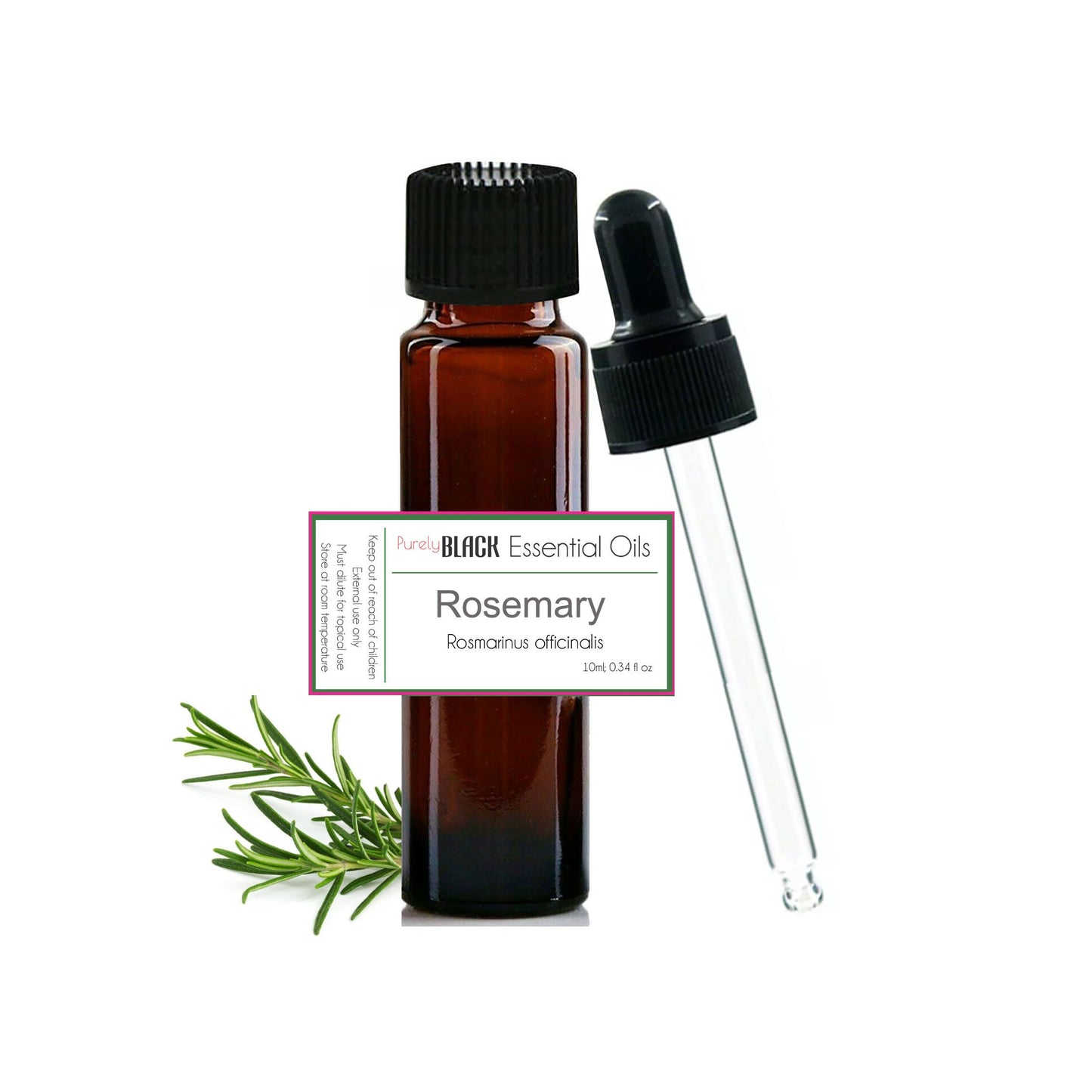
Pure Rosemary Essential Oil 10ml - Rosmarinus Officinalis L.

Regular price $12.95 AUD
Regular price Sale price $12.95 AUD
Sale Sold out
Quantity

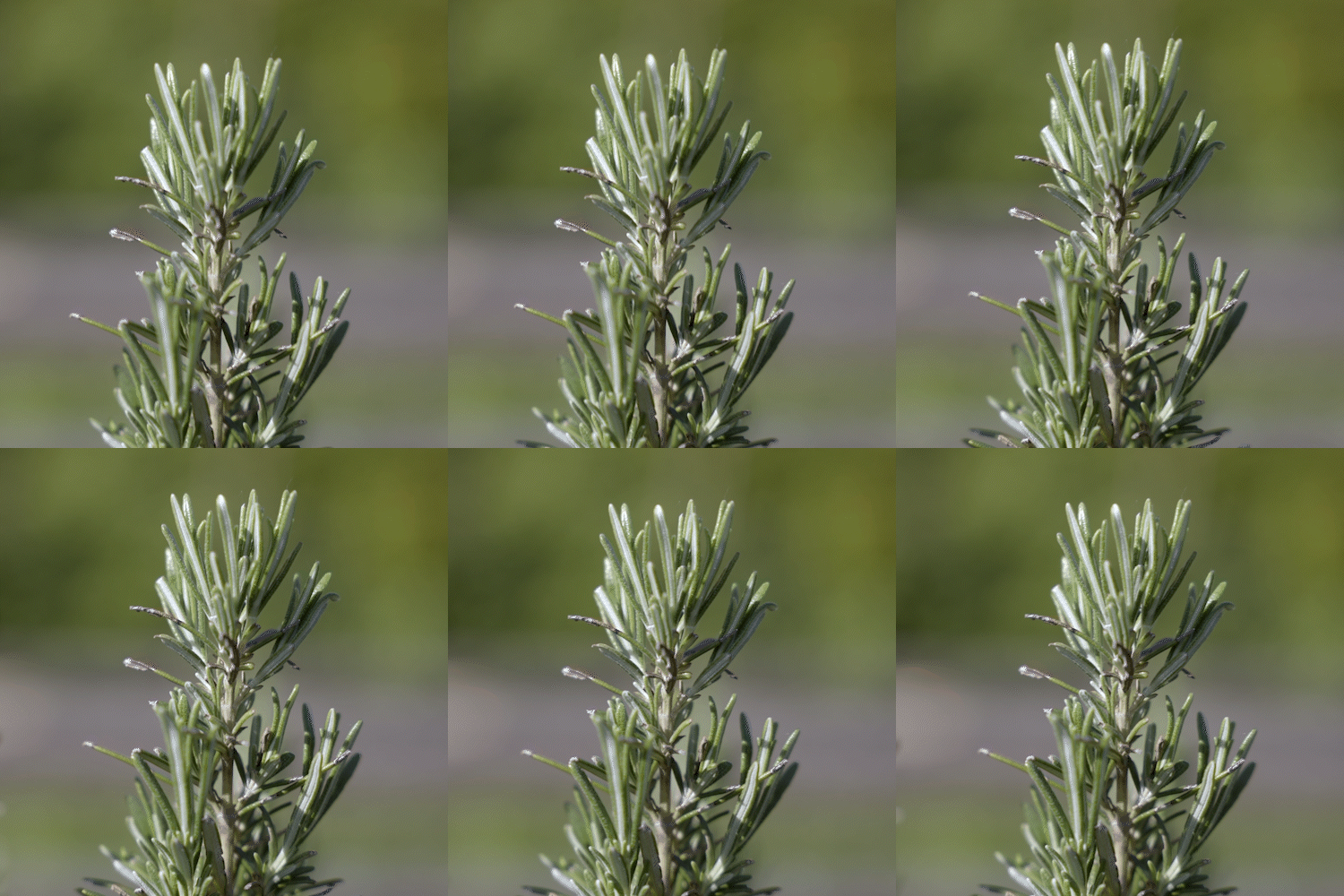
Rosemary oil for hair growth and mental clarity brings herbaceous vitality to your daily aromatherapy ritual. Distilled from the needle-like leaves of Rosmarinus officinalis, this penetrating, camphoraceous oil has grounded botanical practitioners for centuries—sharpening focus during study, invigorating the scalp when massaged into carrier oil blends, and infusing spaces with clean, forest-fresh energy. GC/MS tested, vegan, cruelty-free, and proudly Australian, purelyBlack's pure rosemary essential oil delivers the full aromatic spectrum of this Mediterranean evergreen. Its bright, resinous character uplifts without overwhelming, making it equally at home in morning diffuser blends and post-workout scalp treatments. Explore the tabs below for detailed aromatic profiles, step-by-step application methods, and safety guidelines.

Product Details & Aroma

Core Product Details

  • Botanical Name: Rosmarinus officinalis L.
  • Plant Family: Lamiaceae (mint family)
  • Plant Part Used: Leaves and flowering tops
  • Extraction Method: Steam distillation
  • Country of Origin: India

Quality & Purity

  • 100% Pure & Natural: No fillers, synthetics, or carrier oils added.
  • GC/MS Tested: Every batch tested to verify purity and constituent integrity.
  • Vegan & Cruelty-Free: No animal-derived ingredients. Never tested on animals.
  • Australian Brand: Proudly Australian-owned and operated.

Aromatic Profile & Notes

  • Aromatic Note: Top to middle note
  • Aromatic Profile: What does rosemary essential oil smell like? Rosemary oil opens with a piercing, herbaceous brightness—green and camphorous, reminiscent of crushed pine needles warmed in Mediterranean sunlight. As the aroma develops, soft balsamic undertones emerge, mingling eucalyptol clarity with subtle woody warmth. The dry-down reveals a clean, resinous finish that lingers without cloying, evoking hillside herb gardens and ancient apothecaries. Revered since classical Greece as a symbol of remembrance and mental fortitude, rosemary's aroma carries both invigorating sharpness and grounding earthiness, making it a cornerstone of focus-enhancing and scalp-care formulations across centuries of botanical tradition.
  • Key Constituents: 1,8-cineole (eucalyptol) 38–55%, α-pinene 9–14%, camphor 5–15%, camphene 2.5–6%, β-pinene 2–6%, limonene 1.5–5%, borneol 1.5–5%, bornyl acetate 0.5–2.5%. Constituent percentages vary by chemotype; the cineole-dominant profile is most common and widely studied for cognitive and scalp applications.

Core Benefits & Properties

How Does Rosemary Oil Support Hair Growth and Scalp Health?

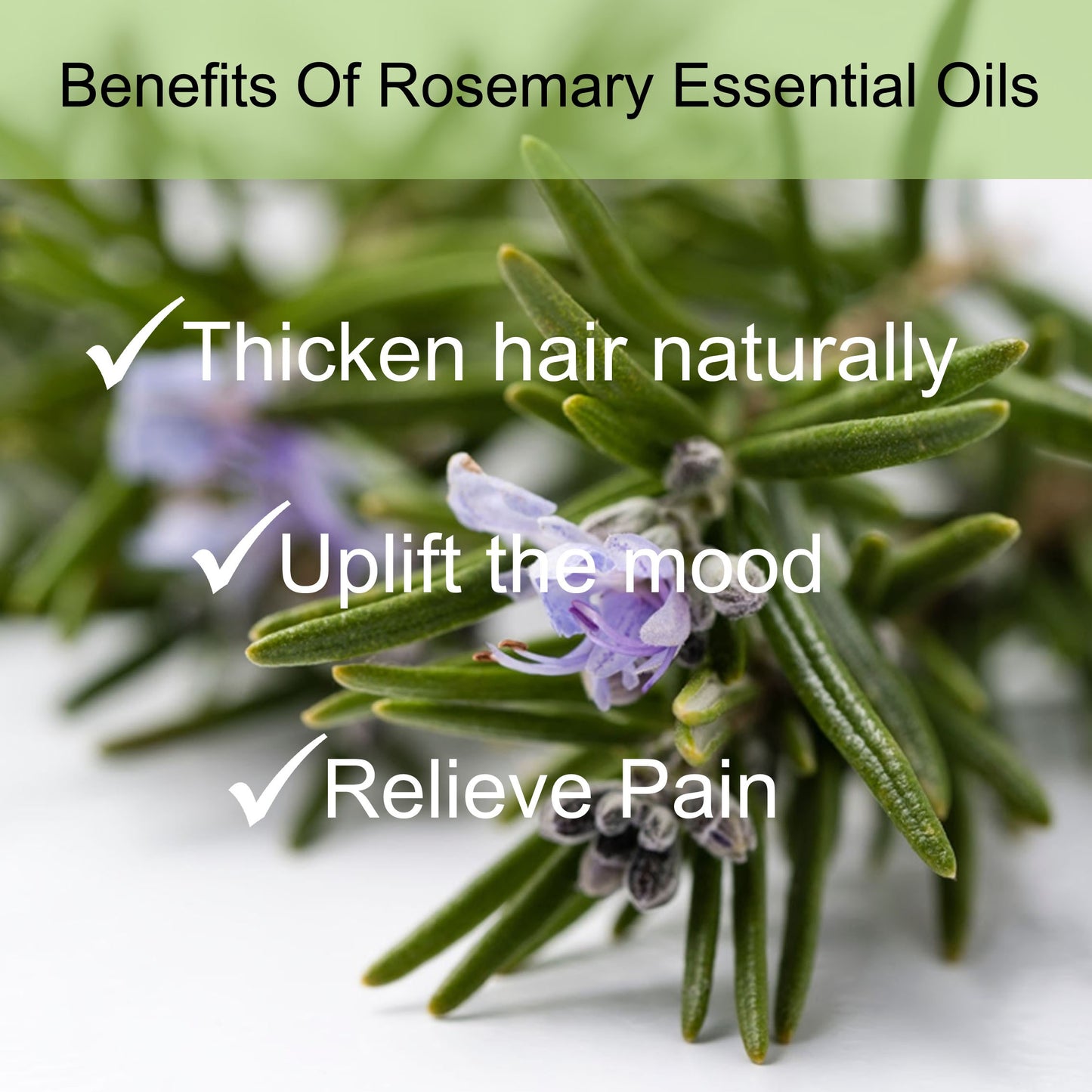
Rosemary oil supports a healthy scalp environment when diluted and massaged into the hair and scalp, traditionally used in botanical hair-care rituals to promote the appearance of fuller, healthier-looking hair. A 2015 randomised comparative trial published in SKINmed compared rosemary oil to a pharmaceutical topical treatment for androgenetic alopecia over six months; participants using diluted rosemary oil experienced significant increases in hair count, with researchers attributing the effect to improved scalp microcirculation. The oil's high 1,8-cineole content (38–55%) creates a warming, stimulating sensation upon application, while camphor (5–15%) provides additional aromatic invigoration. When diluted to 2–3% in jojoba, argan, or fractionated coconut oil and massaged into the scalp 2–3 times weekly, rosemary oil has been a staple of traditional Mediterranean and Ayurvedic hair-care practices for centuries.

Can Rosemary Oil Improve Mental Clarity and Focus?

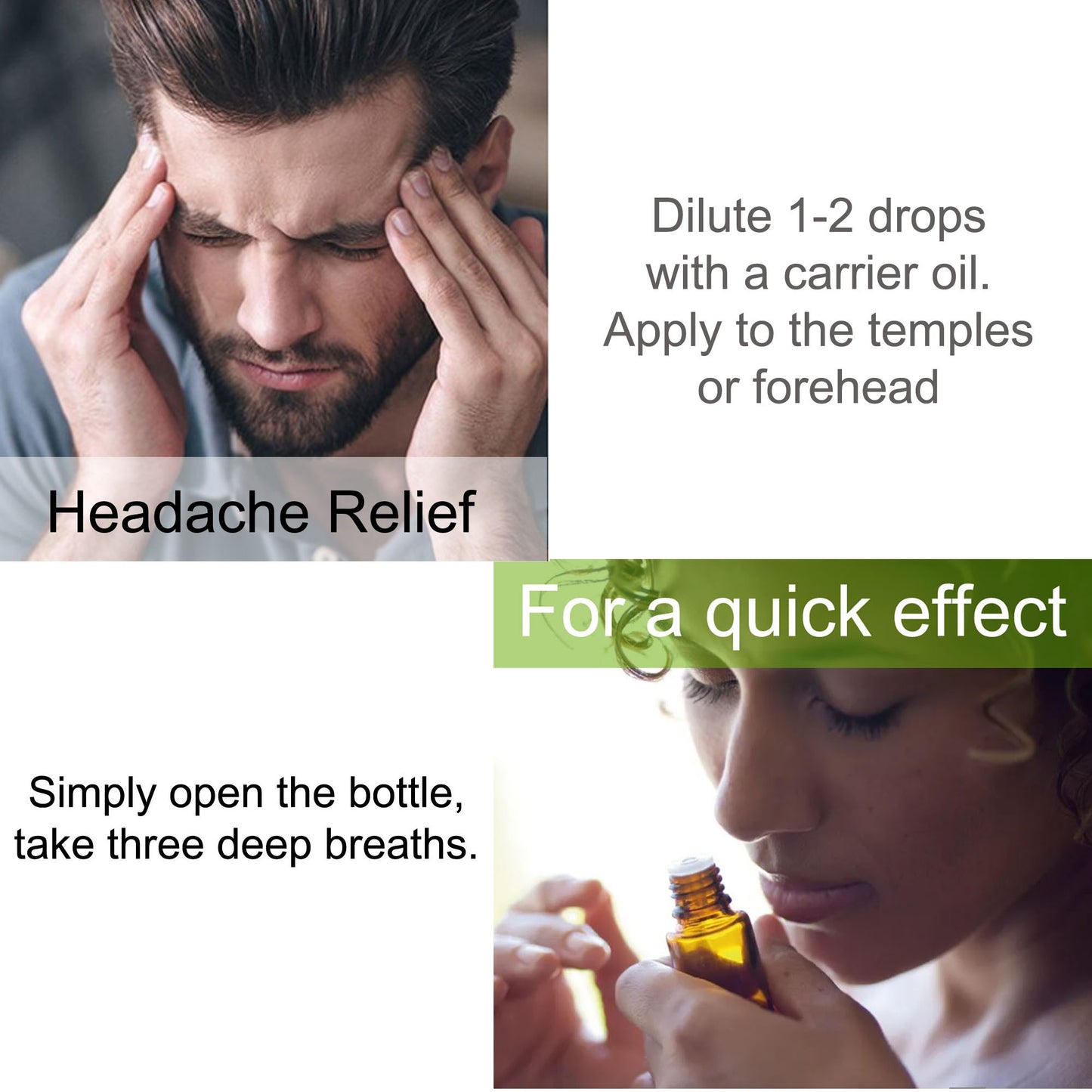
Rosemary oil promotes an atmosphere of mental clarity and alertness when diffused or inhaled, supporting concentration during study, work, or creative tasks. Research conducted at Northumbria University and published in Therapeutic Advances in Psychopharmacology (2012) found that participants exposed to rosemary aroma in a testing cubicle demonstrated statistically significant improvements in memory performance and alertness compared to control groups. The study identified 1,8-cineole as the probable active constituent, noting its presence in blood plasma following inhalation. Tisserand and Young reference rosemary's historical use as a cognitive enhancer, citing its reputation in Elizabethan England where students wore sprigs during examinations. Diffuse 4–6 drops in 100ml water for 30–60 minutes during mentally demanding tasks, or apply 1 drop to a personal inhaler for portable aromatic support.

What Role Does Rosemary Oil Play in Respiratory Comfort?

Rosemary oil provides aromatic respiratory comfort when inhaled via steam or diffusion, traditionally used during seasonal transitions or when experiencing nasal congestion. The oil's eucalyptol content (38–55%) creates a cooling, opening sensation similar to eucalyptus, while α-pinene (9–14%) and camphene (2.5–6%) contribute additional fresh, forest-like notes associated with clear breathing. Add 2–3 drops to a bowl of steaming water, drape a towel over your head, and inhale deeply for 5–10 minutes, keeping eyes closed. This method has been documented in European herbal traditions since the medieval period, when rosemary was burned as a fumigant during times of seasonal illness.

How Does Rosemary Oil Support Muscle Comfort After Physical Activity?

Rosemary oil supports aromatic muscle comfort when diluted and massaged into tired areas after exercise or physical exertion. Camphor (5–15%) and borneol (1.5–5%) create a warming, stimulating sensation upon topical application, while the oil's overall aromatic profile has been associated with feelings of invigoration and relief in traditional sports massage blends. Dilute 8–10 drops in 30ml carrier oil and massage into shoulders, calves, or lower back after workouts. NAHA guidelines support dilutions up to 3–5% for localised adult use, though starting at 2% is advisable for sensitive skin.

How to Use & Blends Well With

How to Use Rosemary Oil

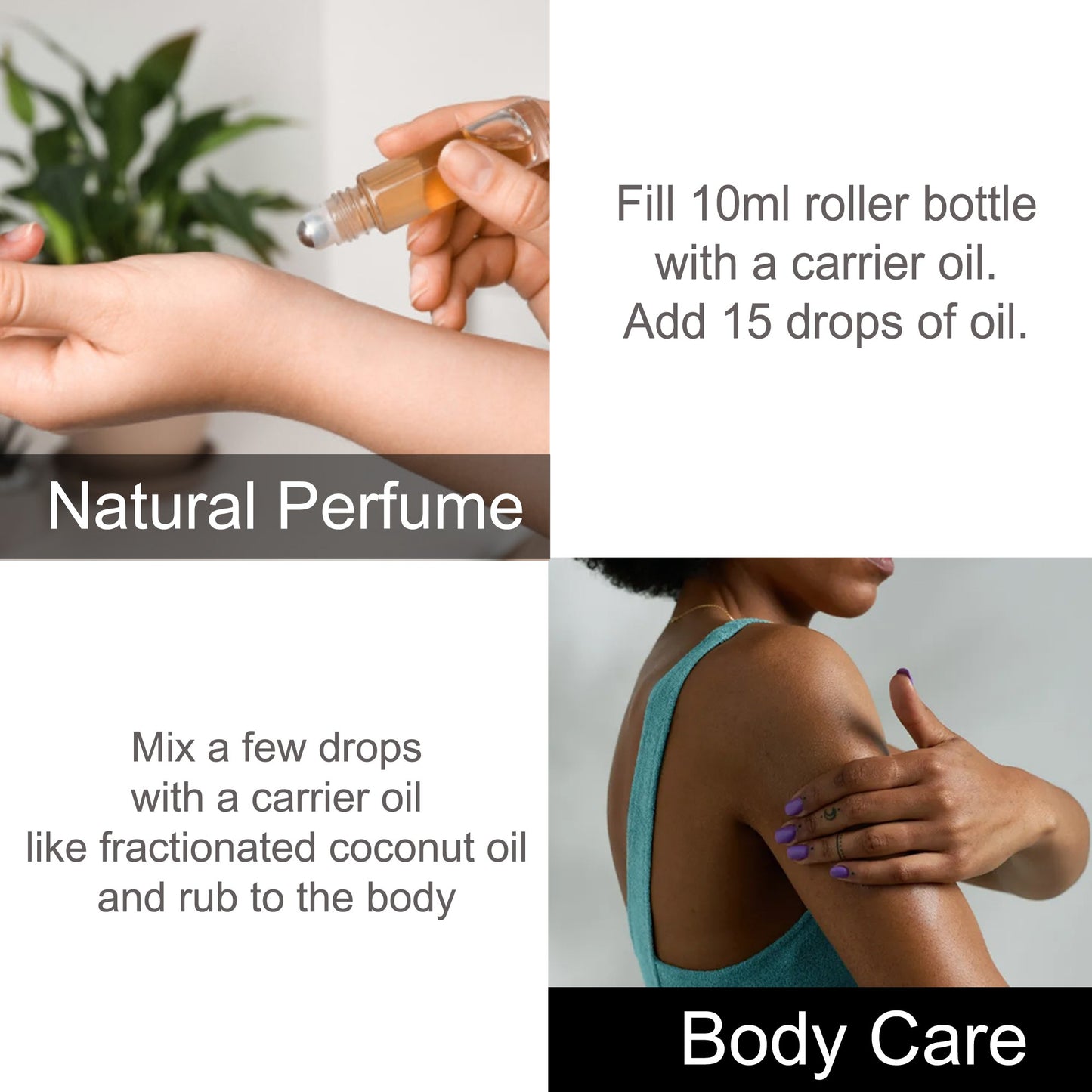
  • Create a Targeted Roll-On: Combine 6 drops rosemary oil with 10ml jojoba or sweet almond oil in a rollerball bottle. Apply to temples, wrists, or the back of the neck before study sessions or morning routines to promote an alert, focused atmosphere. For scalp application, increase to 8–10 drops per 10ml carrier oil and massage into the scalp in circular motions, leaving on for at least 30 minutes (or overnight) before washing.

How to Make a Rosemary Room Spray

  • DIY Application: Add 15 drops rosemary oil, 10 drops Cedarwood Oil, and 5 drops Frankincense Oil to a 100ml glass spray bottle filled with distilled water and 1 teaspoon witch hazel (as an emulsifier). Shake well before each use and mist into home offices, study spaces, or yoga studios to create an environment of clarity and grounding. For a warming winter variation, substitute Cinnamon Oil for cedarwood at 5 drops only, given cinnamon's higher potency.

Aromatherapy Diffusion

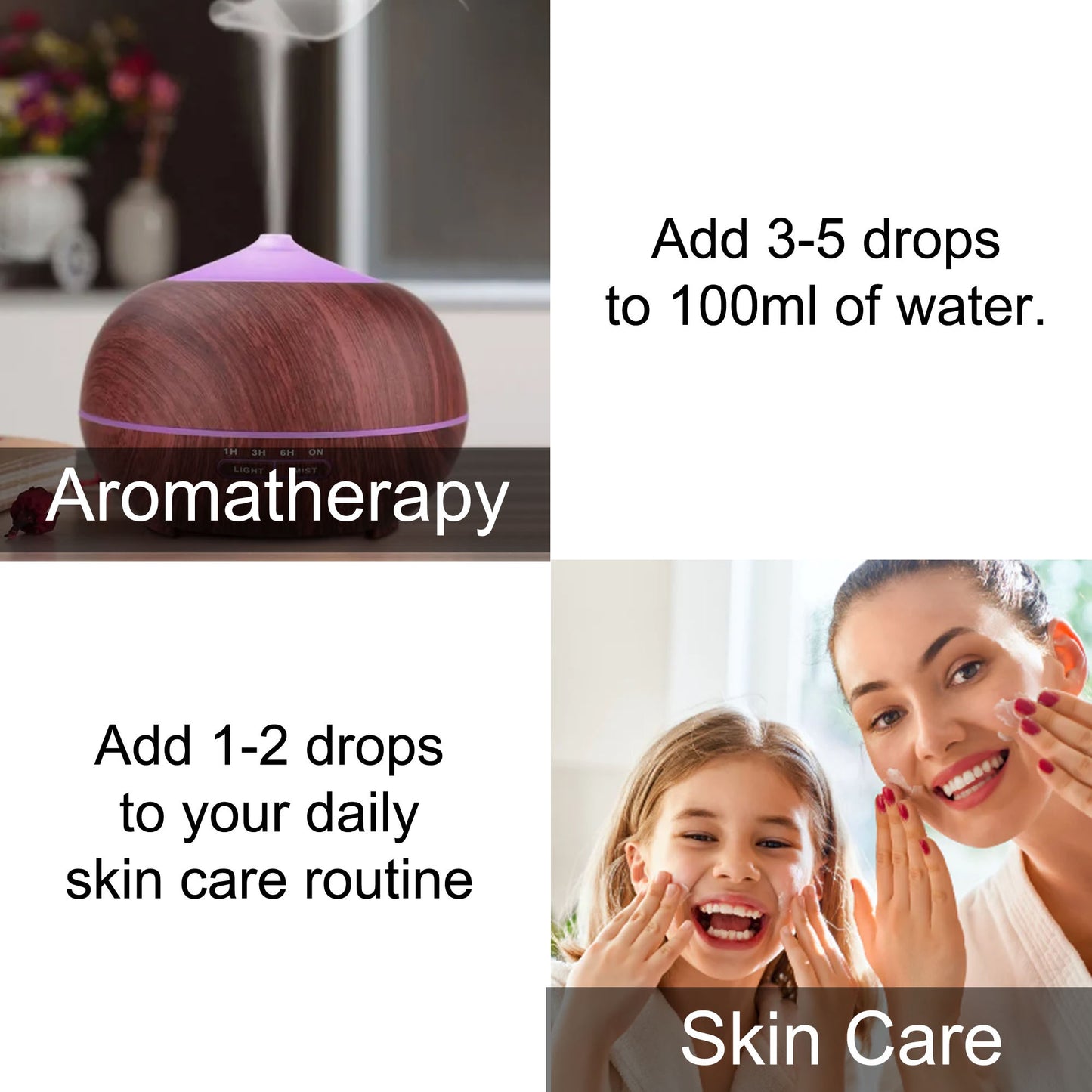
Rosemary oil diffuses beautifully to create an atmosphere of mental sharpness and clean, herbaceous freshness. Add 4–6 drops to an ultrasonic diffuser with 100ml water and run for 30–60 minutes in workspaces, kitchens, or entryways. Historically, rosemary branches were strewn across floors in medieval Europe to freshen air and ward off unwanted odours; today's diffusion practices echo that tradition with greater control and aromatic refinement. Pair with Black Spruce Oil for a coniferous forest blend, or Ginger Oil for a spicy, invigorating morning atmosphere.

Blends Well With

Vetiver Oil, Ginger Oil, Coriander Oil, Cedarwood Oil, Black Spruce Oil, Cinnamon Oil, Caraway Oil, Frankincense Oil.

Safety & Precautions

General Safety & Application Guidelines

  • External Use Only: Never ingest rosemary essential oil. Internal consumption can cause serious adverse effects and is not recommended by NAHA or Tisserand and Young.
  • High Potency & Dilution: Always dilute rosemary oil before topical application. NAHA recommends 2–3% dilution for general adult use (6–9 drops per 10ml carrier oil) and up to 5% for localised, short-term application on intact skin. For your first use, blend with fractionated coconut oil, jojoba, or sweet almond oil.
  • Medication Interactions: Tisserand and Young note that rosemary oil's camphor content may theoretically interact with medications metabolised by certain liver enzymes, though clinical evidence is limited. If you are taking anticoagulant, antidiabetic, or antihypertensive medications, consult your healthcare provider before regular topical or aromatic use.
  • Safe Storage: Store in a cool, dark place away from direct sunlight, heat sources, and out of reach of children and pets. Amber glass bottles preserve constituent integrity and extend shelf life.

Specific Precautions

  • Pregnancy & Nursing: Avoid rosemary oil during pregnancy, especially in the first and second trimesters, due to its camphor content and historical association with emmenagogue properties. Tisserand and Young advise against use during breastfeeding as well.
  • Children & Pets: Do not use rosemary oil on children under 10 years of age due to camphor and 1,8-cineole content, which may pose respiratory risks in young children. Avoid use around cats, who lack the liver enzymes to metabolise camphor and certain terpenes safely. Use with caution around dogs; diffuse only in well-ventilated spaces where pets can leave freely.
  • Epilepsy & High Blood Pressure: Individuals with epilepsy or high blood pressure should avoid rosemary oil, as camphor and other constituents may theoretically trigger adverse neurological or cardiovascular responses, according to traditional contraindications referenced by Tisserand and Young.

View full details
  • How do I know purelyBlack essential oils are truly 100% pure?

    Unlike many aromatherapy oils sold online that contain synthetic fillers, purelyBlack oils are 100% plant-derived. We use zero additives, bases, or synthetics. Our oils are sourced directly from growers in their native regions—such as Tea Tree from Australia and Peppermint from India—ensuring you get the potent, unadulterated plant extract every time.

  • Why are your oils more affordable than big brands like doTerra or Young Living?

    We operate on a direct-to-consumer model. Large Multi-Level Marketing (MLM) brands often mark up their products by 300-500% to pay commissions to their tiered distributors. We cut out the middleman and fancy packaging, allowing us to sell the exact same Therapeutic Grade quality oils at a fraction of the price.

  • Are your essential oils Therapeutic Grade?

    Yes. We source our oils specifically for their therapeutic properties, not just their smell. This means our oils are harvested at the peak time to ensure high levels of active compounds (like 1,8-cineole in Eucalyptus). They are perfect for use in diffusers, DIY skincare, and hair growth treatments when used as directed.

  • Can purelyBlack essential oils be used on the skin?

    Yes, because our oils are 100% pure, they are safe for topical use when properly diluted with a carrier oil (like Jojoba or Fractionated Coconut Oil). This makes them superior to cheaper fragrance oils found in discount stores, which are often synthetic and strictly for room scenting only.