


Skip to product information
1 of 9

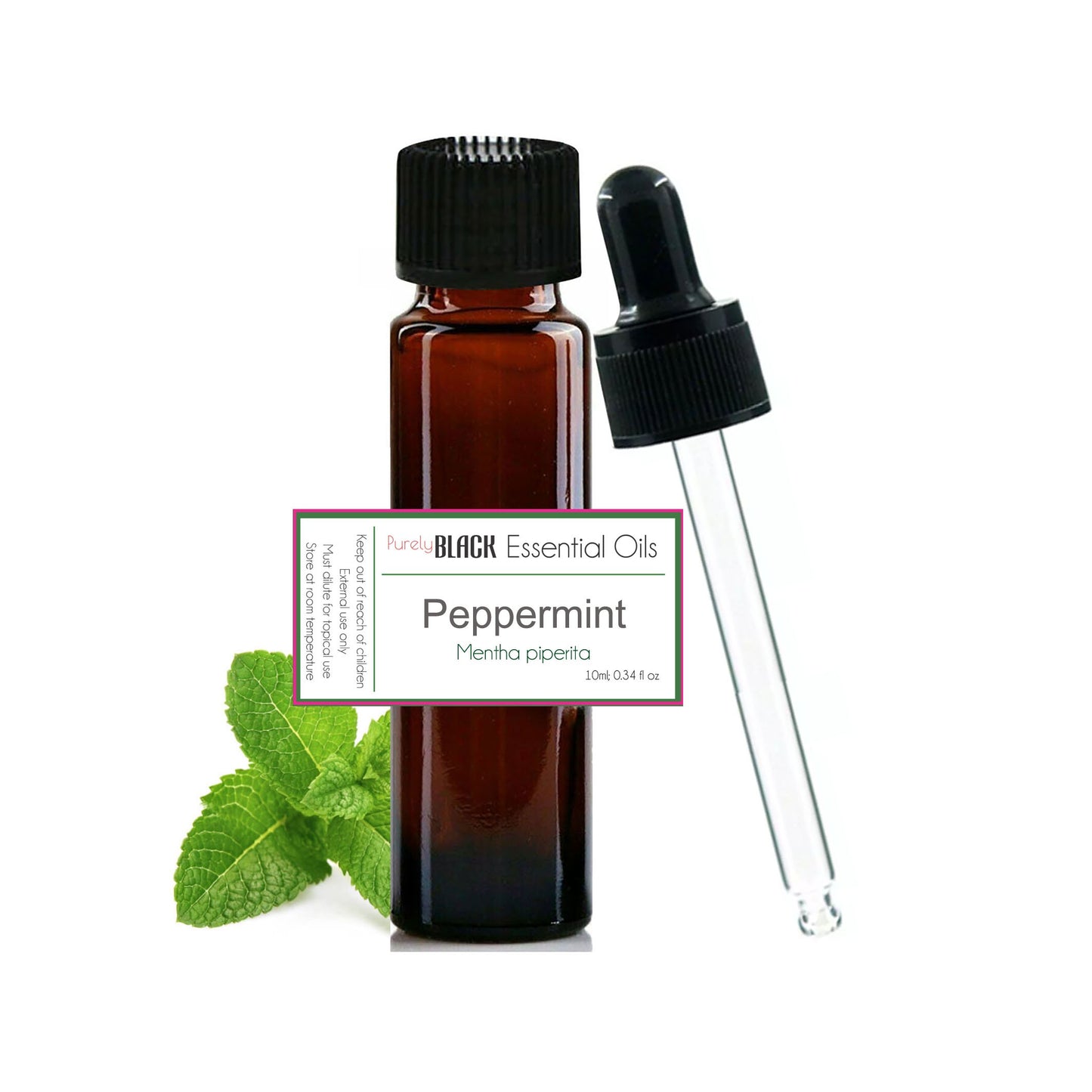
Peppermint Essential Oil 10ml

Regular price $12.95 AUD
Regular price Sale price $12.95 AUD
Sale Sold out
Quantity

Peppermint oil for focus and natural cooling comfort brings piercing clarity to scattered minds and muscular tension alike. This peppermint essential oil from Mentha piperita delivers an intense, herbaceous freshness that cuts through fatigue, offering aromatic invigoration when energy wanes and concentration drifts. GC/MS tested for purity and proudly bottled by an Australian brand committed to vegan, cruelty-free botanical excellence, it transforms everyday rituals into moments of sharp, minty revival. Whether diffused during afternoon slumps or blended into post-exercise formulations, peppermint creates an atmosphere of cool precision. Explore the tabs below for detailed aromatic profiles, step-by-step application methods, and safety guidelines.

Product Details & Aroma

Core Product Details

  • Botanical Name: Mentha piperita
  • Plant Family: Lamiaceae
  • Plant Part Used: Leaves and flowering tops
  • Extraction Method: Steam distillation
  • Country of Origin: India

Quality & Purity

  • 100% Pure & Natural: No fillers, synthetics, or carrier oils added.
  • GC/MS Tested: Every batch tested to verify purity and constituent integrity.
  • Vegan & Cruelty-Free: No animal-derived ingredients. Never tested on animals.
  • Australian Brand: Proudly Australian-owned and operated.

Aromatic Profile & Notes

  • Aromatic Note: Top
  • Aromatic Profile: What does Peppermint essential oil smell like? The opening is a piercing rush of menthol—bright, icy, and unmistakably sharp. As the volatile topnotes settle, a softer herbal sweetness emerges, revealing gentle green undertones and a whisper of minty warmth. The dry-down retains its cool clarity, lingering with a crisp, clean finish that feels both refreshing and grounding. Cultivated for centuries across European monastery gardens and Indian plantations, peppermint's aroma has been synonymous with mental alertness and digestive comfort since ancient Greek and Roman times, where it adorned banquet tables and temple offerings.
  • Key Constituents: Menthol (30–55%), menthone (14–32%), 1,8-cineole (3–10%), menthyl acetate (2.8–10%), menthofuran (1–9%), limonene (1–5%), pulegone (trace–4%), caryophyllene (trace–3%).

Core Benefits & Properties

How Does Peppermint Oil Support Mental Clarity and Focus?

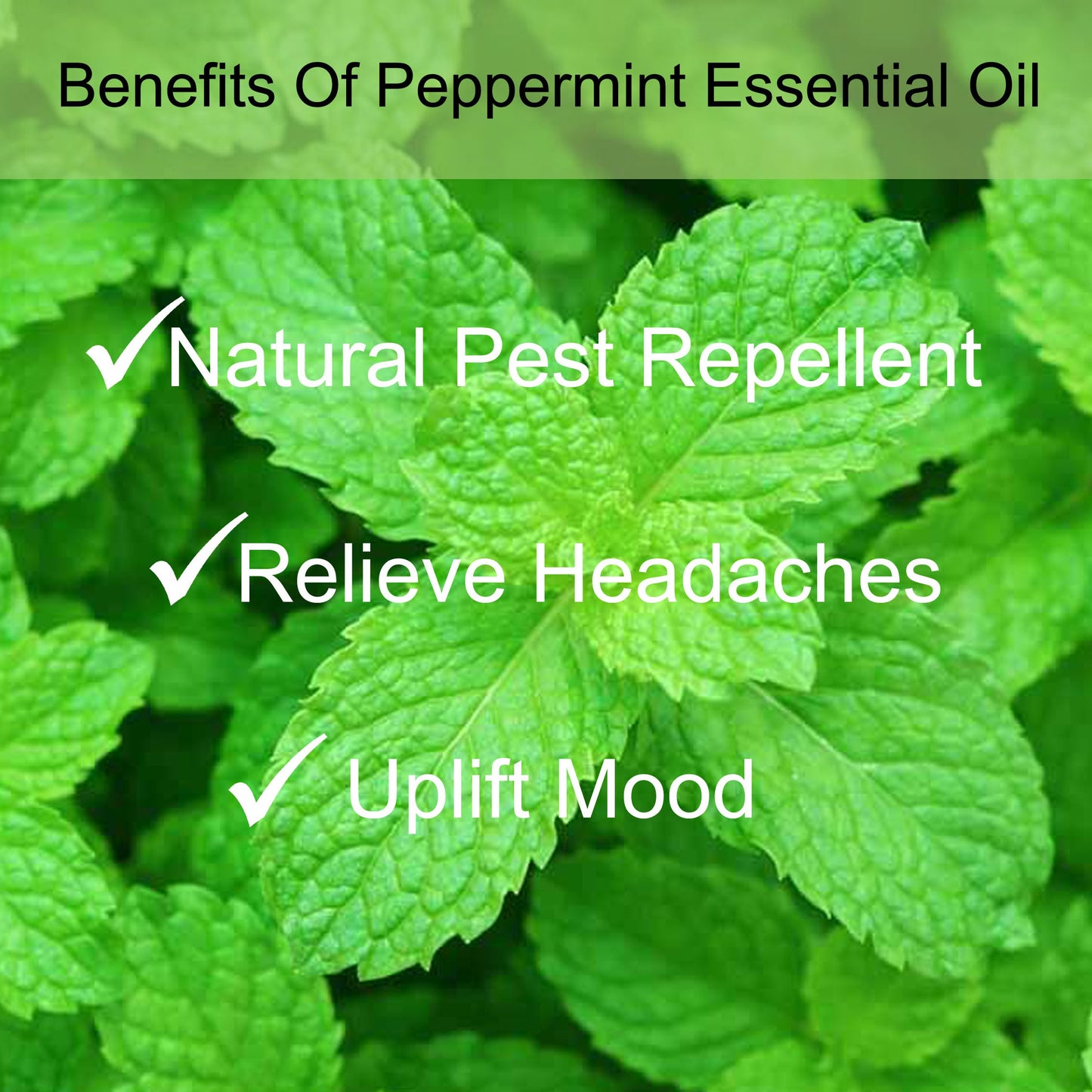
Peppermint oil promotes enhanced concentration by creating an invigorating aromatic environment that many users turn to during periods of mental fatigue or scattered attention. The high menthol content—ranging from 30 to 55 percent—activates cold-sensitive receptors in the nasal passages, triggering a sensation of alertness that subjectively enhances cognitive sharpness. A 2018 study published in the International Journal of Neuroscience found that inhalation of peppermint aroma improved memory accuracy and increased alertness in participants compared to control conditions. Traditionally, peppermint has been used in botanical practice to support sustained focus during long study sessions or demanding work periods. Diffusing 4–6 drops in a workspace or applying a diluted roll-on to pulse points provides aromatic support throughout the day. For deeper insight into cognitive applications, explore our guide on peppermint oil for headaches.

Can Peppermint Oil Help With Headaches and Tension?

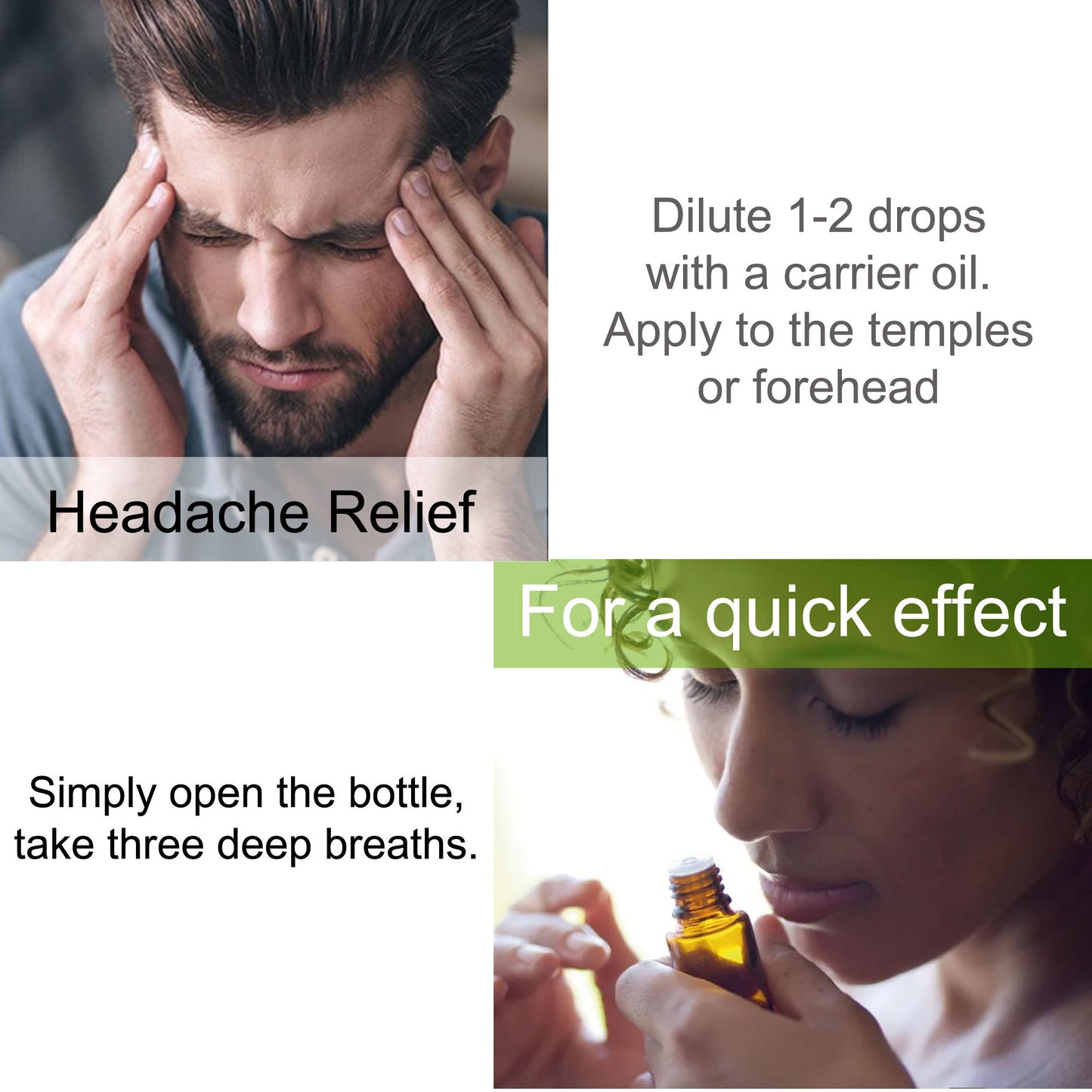
When experiencing headache discomfort, many turn to peppermint oil for its traditional use in providing cooling aromatic comfort. Menthol's cooling effect on skin receptors creates a sensation that users often describe as soothing during tension-type headaches. According to Tisserand & Young's Essential Oil Safety (2nd edition), topical application of diluted peppermint oil to the temples and forehead has been studied for its subjective relief properties. A German study cited in the text found that a 10% peppermint oil solution applied to the forehead produced a cooling sensation comparable to 1,000 mg of acetaminophen in participants with tension headaches. When blended at 2–3% dilution in fractionated coconut oil and applied gently to the temples, neck, and shoulders, peppermint provides aromatic relief during moments of discomfort. Read more about tension relief applications in our extended guide.

How Does Peppermint Oil Provide Cooling Comfort for Muscles?

Peppermint oil supports muscular comfort after physical exertion by delivering a cooling aromatic sensation that soothes overworked tissue. The menthol constituent activates TRPM8 cold receptors, creating a subjective cooling effect without altering actual tissue temperature—a phenomenon widely documented in aromatherapy literature. Post-exercise massage blends traditionally incorporate peppermint at 2–3% dilution to promote a sense of relief and freshness. Paired with marjoram oil, which brings its own warm, herbaceous support, peppermint creates a balanced topical blend for after-gym rituals or weekend hikes. For step-by-step cooling massage formulations, visit our article on muscle comfort applications.

Does Peppermint Oil Repel Spiders and Insects Naturally?

Peppermint oil has been traditionally used as a natural deterrent for spiders and insects, offering an aromatic alternative to synthetic repellents. Menthol and menthone are believed to interfere with the sensory receptors of many arthropods, making treated areas less hospitable. A 2010 study published in Bioresource Technology found that peppermint oil showed significant repellent activity against agricultural pests, and anecdotal evidence from Australian households suggests similar efficacy against common spiders. Dilute 10–15 drops in 100 ml of water with a dispersant, then spray along skirting boards, windowsills, and entry points. While not a registered pesticide, many prefer peppermint's botanical approach over chemical options. For detailed pest-control methods, read our full guide on peppermint for spiders.

What Are the Traditional Respiratory and Digestive Uses of Peppermint Oil?

Peppermint oil has been traditionally used in botanical practice to provide aromatic comfort during seasonal congestion and digestive unease. The 1,8-cineole content (3–10%) supports clear breathing when diffused or inhaled via steam, making it a staple in European and Ayurvedic respiratory traditions. Menthol's cooling vapour opens nasal passages and creates a sensation of easier airflow. Digestive discomfort—bloating, occasional nausea—has historically been addressed with peppermint tea and topical abdominal massage using diluted peppermint oil. While TGA regulations prevent claims of treatment, centuries of herbal use across cultures affirm peppermint's role in promoting digestive ease. Blending with holy basil oil creates a synergistic aromatic experience for stress-related digestive concerns.

How to Use & Blends Well With

How to Use Peppermint Oil

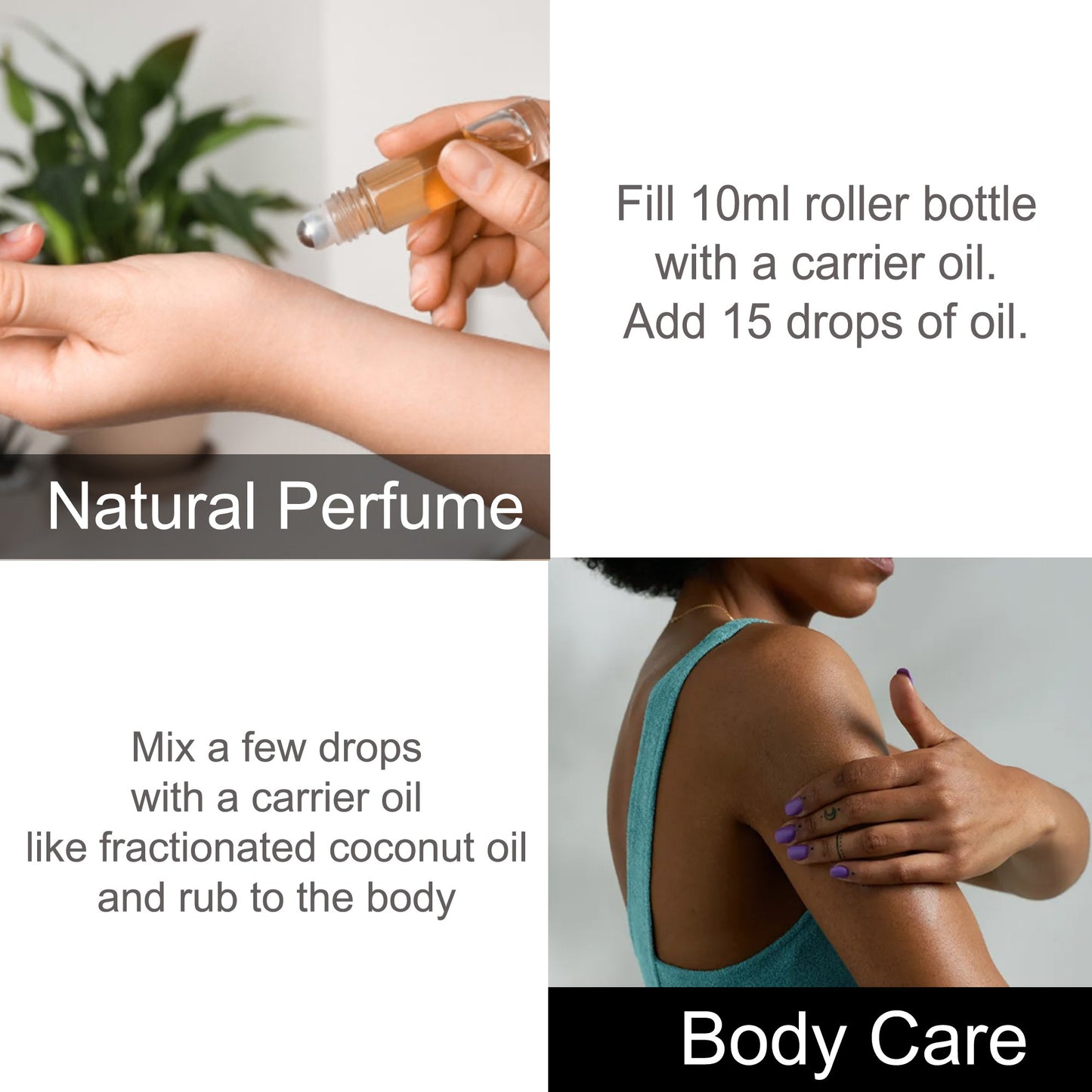
  • Create a Targeted Roll-On: Combine 6 drops of peppermint oil with 10 ml of fractionated coconut oil in a glass roller bottle for a 3% dilution. Apply to temples, wrists, or the back of the neck when seeking mental clarity or cooling comfort. For headache support, gently massage onto the forehead and temples, avoiding the eye area. For post-exercise relief, roll onto calves, thighs, or shoulders after stretching. Store in a cool, dark place and shake gently before each use.

How to Make a Peppermint Room Spray

  • DIY Application: Add 20 drops of peppermint oil to 100 ml of distilled water in a glass spray bottle, along with 5 ml of witch hazel or vodka as a dispersant. Shake vigorously before each use and mist into the air to refresh stale rooms, home offices, or cars. For a pest-deterrent variation, increase to 30 drops and spray along windowsills, doorways, and skirting boards where spiders are commonly sighted. Reapply every 3–5 days for sustained aromatic coverage.

Aromatherapy Diffusion

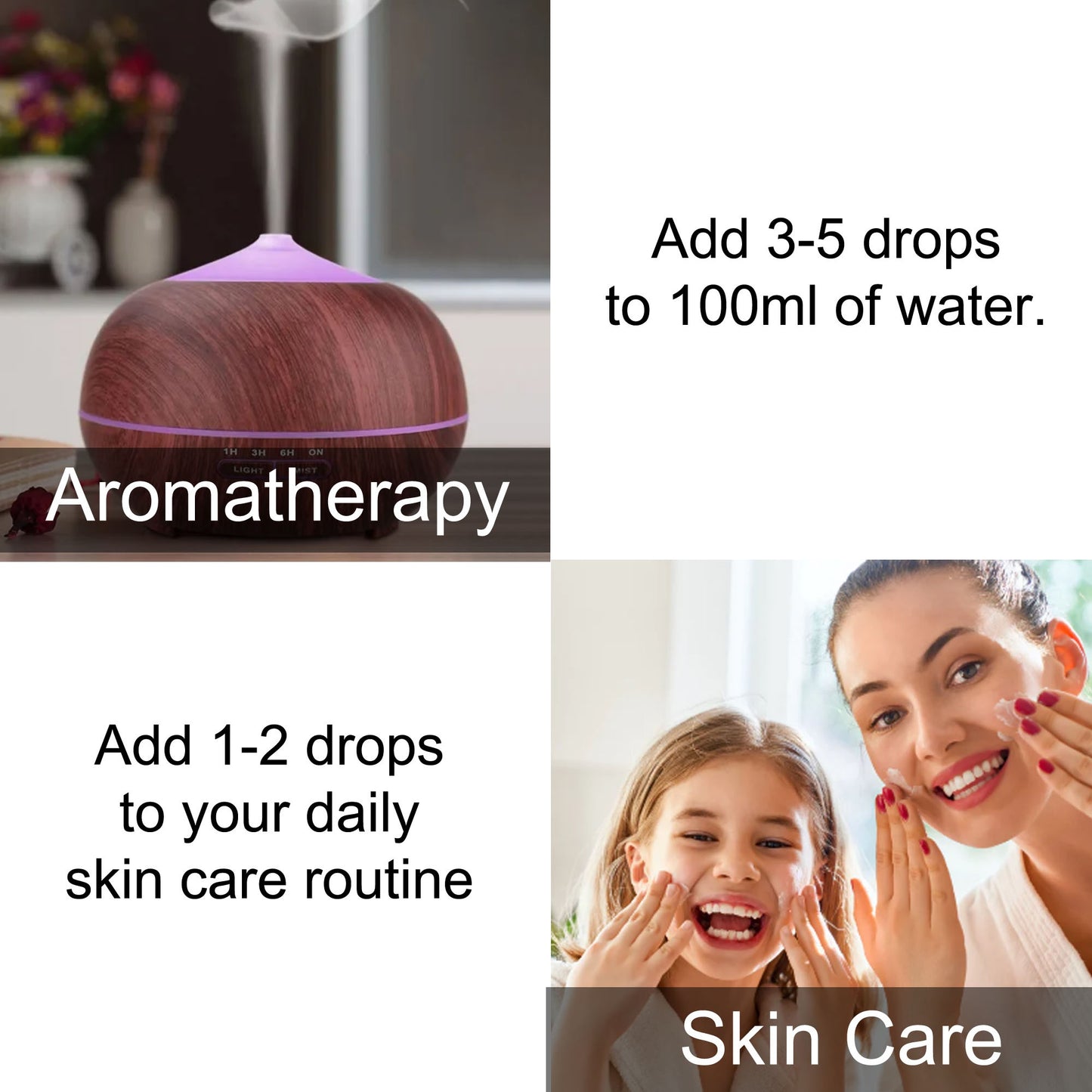
Diffuse 4–6 drops of peppermint oil in an ultrasonic or nebulising diffuser to create an invigorating atmosphere that supports focus and mental stamina. Historically valued in monastic study halls and apothecaries, peppermint's sharp, herbaceous aroma cuts through mental fog and seasonal sluggishness. Ideal for workspaces, study zones, or morning routines, it blends seamlessly with citrus oils for an uplifting synergy or with eucalyptus during winter months for respiratory freshness. Diffuse for 30–60 minutes at a time, allowing breaks to prevent olfactory fatigue.

Blends Well With

Cedarwood Oil, Frankincense Oil, Thyme Oil, Marjoram Oil, Carrot Seed Oil, Coffee Oil, Peru Balsam Oil, Holy Basil Oil

Safety & Precautions

General Safety & Application Guidelines

  • External Use Only: Never ingest peppermint essential oil. Internal consumption can cause serious mucous membrane irritation, nausea, and adverse reactions. Use only for topical or aromatic applications.
  • High Potency & Dilution: Due to its high menthol content, peppermint oil must be diluted before skin application. The National Association for Holistic Aromatherapy (NAHA) recommends a maximum dermal use level of 5.4% for adults, though 2–3% is more comfortable for most users and reduces the risk of skin sensitisation. For facial application, stay below 1%. Always perform a patch test on the inner forearm 24 hours before broader use. Dilute in fractionated coconut oil or another carrier oil before applying to skin.
  • Medication Interactions: Peppermint oil may interact with certain medications. According to Tisserand & Young's Essential Oil Safety, menthol can enhance the absorption of some pharmaceutical compounds through the skin. Those taking medications metabolised by the liver enzyme CYP3A4, or using transdermal patches, should consult a healthcare professional before topical peppermint use. Individuals with gastroesophageal reflux disease (GORD) should avoid peppermint inhalation or topical abdominal application, as it may relax the lower oesophageal sphincter.
  • Safe Storage: Store peppermint oil in a cool, dark place, tightly capped, away from children, pets, and direct sunlight. Oxidation can occur with prolonged exposure to air, reducing efficacy and increasing the risk of skin irritation.

Specific Precautions

  • Pregnancy & Nursing: Avoid peppermint oil during pregnancy and breastfeeding. Menthol and menthone may affect uterine tone and milk supply, and topical menthol can be absorbed systemically. Consult a qualified aromatherapist or healthcare provider before use during these periods.
  • Children & Pets: Do not use peppermint oil on or near children under 6 years of age. Tisserand & Young cite the risk of respiratory distress and laryngospasm in young children due to menthol's potent effect on airways. For children aged 6–10, dilute to a maximum of 0.5% and avoid application near the face or chest. Keep peppermint oil away from cats and small pets, as their livers cannot efficiently metabolise certain terpenes, leading to potential toxicity.

View full details
  • How do I know purelyBlack essential oils are truly 100% pure?

    Unlike many aromatherapy oils sold online that contain synthetic fillers, purelyBlack oils are 100% plant-derived. We use zero additives, bases, or synthetics. Our oils are sourced directly from growers in their native regions—such as Tea Tree from Australia and Peppermint from India—ensuring you get the potent, unadulterated plant extract every time.

  • Why are your oils more affordable than big brands like doTerra or Young Living?

    We operate on a direct-to-consumer model. Large Multi-Level Marketing (MLM) brands often mark up their products by 300-500% to pay commissions to their tiered distributors. We cut out the middleman and fancy packaging, allowing us to sell the exact same Therapeutic Grade quality oils at a fraction of the price.

  • Are your essential oils Therapeutic Grade?

    Yes. We source our oils specifically for their therapeutic properties, not just their smell. This means our oils are harvested at the peak time to ensure high levels of active compounds (like 1,8-cineole in Eucalyptus). They are perfect for use in diffusers, DIY skincare, and hair growth treatments when used as directed.

  • Can purelyBlack essential oils be used on the skin?

    Yes, because our oils are 100% pure, they are safe for topical use when properly diluted with a carrier oil (like Jojoba or Fractionated Coconut Oil). This makes them superior to cheaper fragrance oils found in discount stores, which are often synthetic and strictly for room scenting only.