




Skip to product information
1 of 9

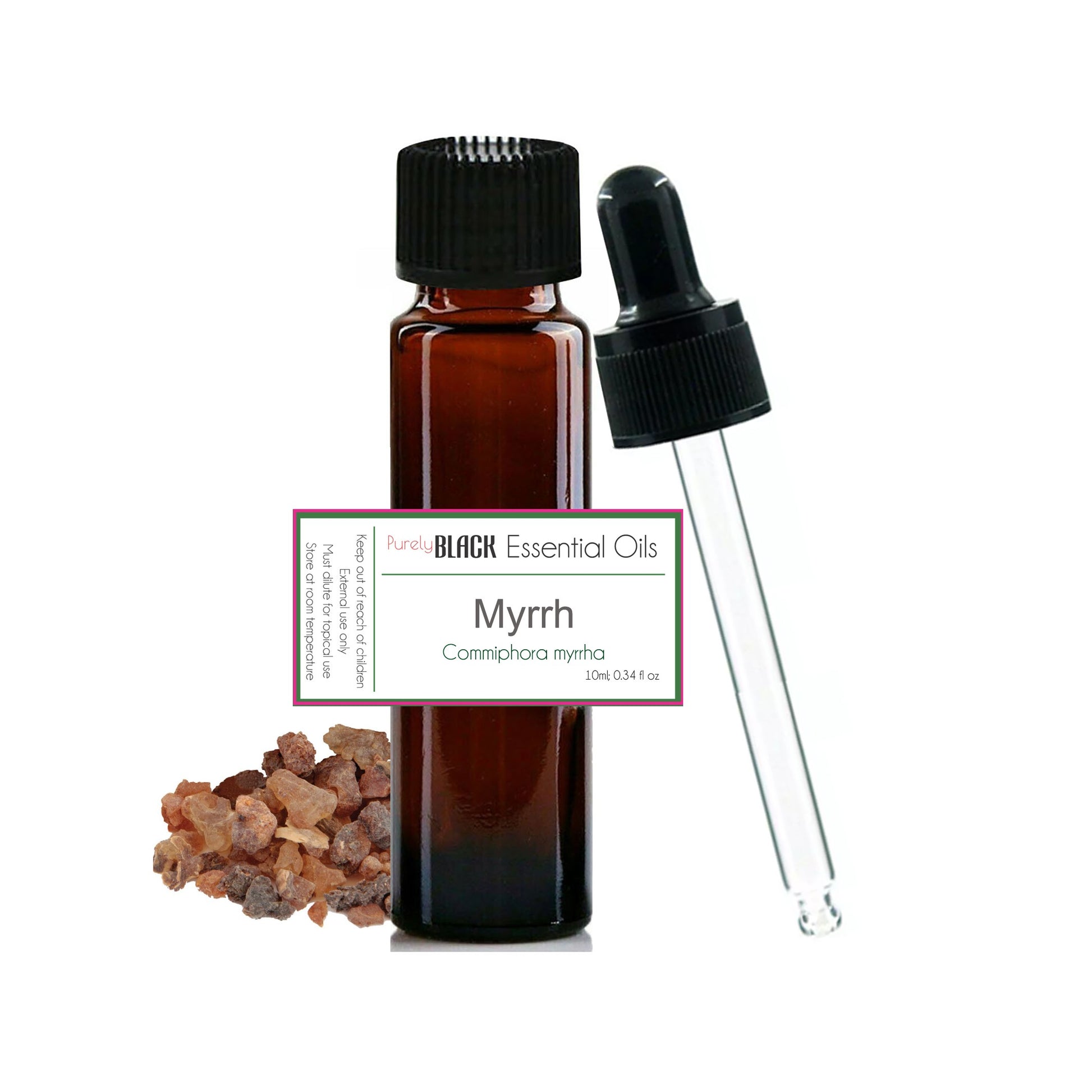
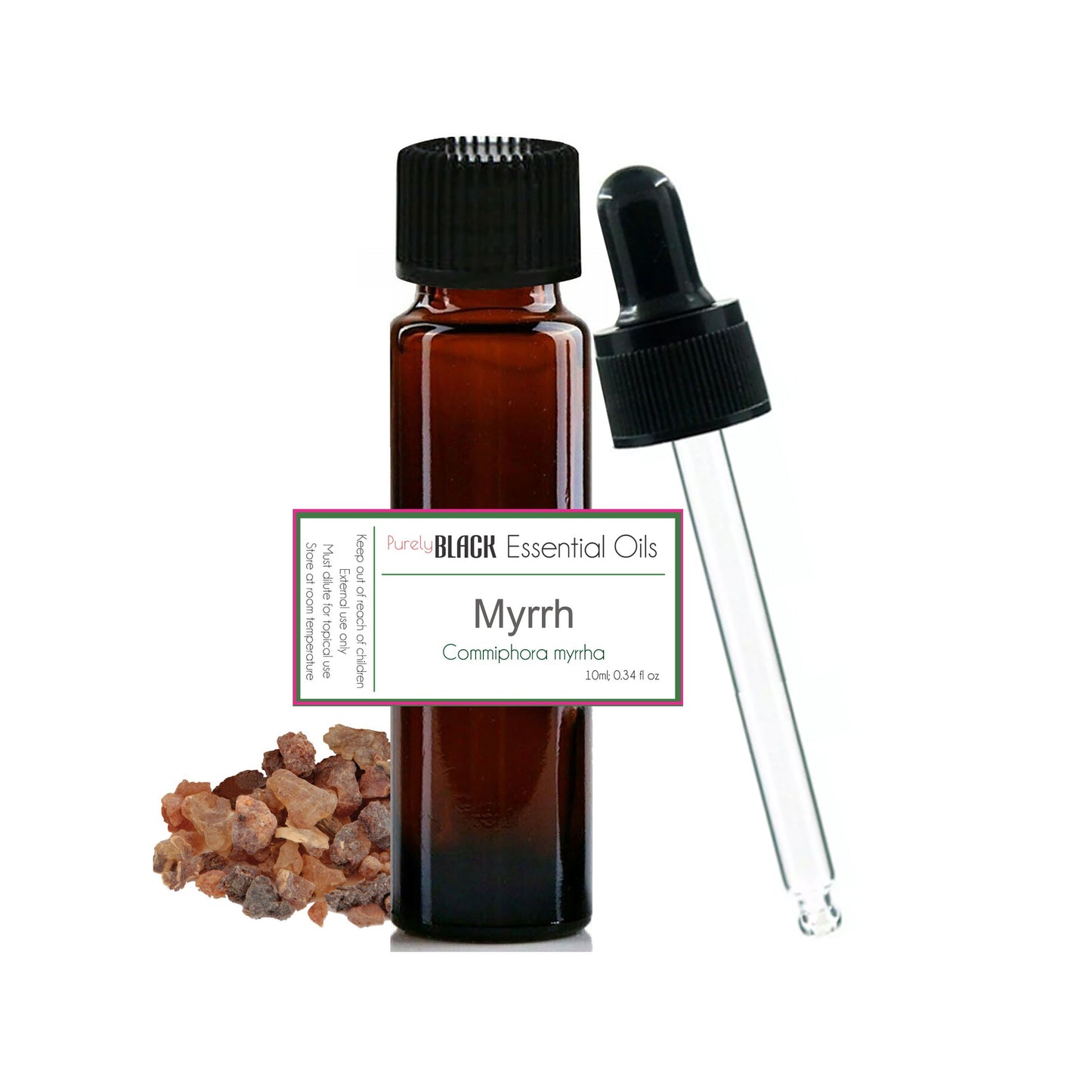
Myrrh Essential Oil 10ml

Regular price $16.95 AUD
Regular price Sale price $16.95 AUD
Sale Sold out
Quantity

Myrrh oil for mature skin and meditation rituals brings the ancient resinous warmth of Commiphora myrrha into modern aromatic practice. This deeply grounding essential oil, steam-distilled from hardened tree sap in India, supports a healthy complexion while promoting tranquil, introspective atmospheres—GC/MS tested for purity, vegan, cruelty-free, and proudly Australian. Its smoky, balsamic character has anchored sacred ceremonies for millennia, from Egyptian temples to Biblical anointing oils. Explore the tabs below for detailed aromatic profiles, step-by-step application methods, and safety guidelines.

Product Details & Aroma

Core Product Details

  • Botanical Name: Commiphora myrrha
  • Plant Family: Burseraceae
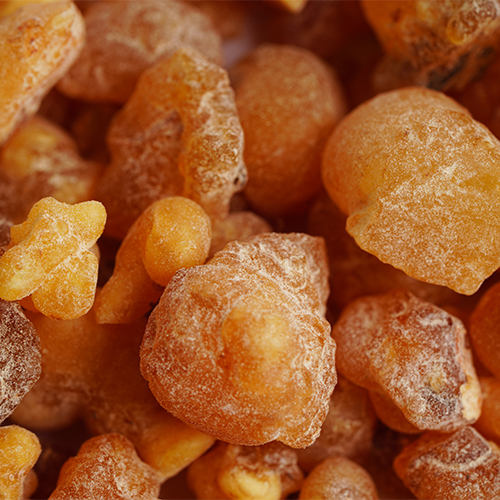
  • Plant Part Used: Resin (hardened oleo-gum resin)
  • Extraction Method: Steam distillation
  • Country of Origin: India

Quality & Purity

  • 100% Pure & Natural: No fillers, synthetics, or carrier oils added.
  • GC/MS Tested: Every batch tested to verify purity and constituent integrity.
  • Vegan & Cruelty-Free: No animal-derived ingredients. Never tested on animals.
  • Australian Brand: Proudly Australian-owned and operated.

Aromatic Profile & Notes

  • Aromatic Note: Base
  • Aromatic Profile: What does Myrrh essential oil smell like? Myrrh oil opens with a warm, earthy bitterness—smoky and medicinal, reminiscent of old incense and temple corridors. As it develops, balsamic sweetness emerges, softening the resinous edge with subtle honey and anise undertones. The dry-down is profoundly grounding: leathery, woody, almost amber-like, with a faint powdery shadow that lingers on skin and fabric for hours. This is the scent of ancient Egypt's embalming chambers, of Biblical gifts, of desert wisdom distilled into golden-brown droplets. Complex, contemplative, and utterly timeless—myrrh anchors any blend with gravity and soul.
  • Key Constituents: Furanoeudesma-1,3-diene (20–40%), lindestrene (8–18%), curzerene (6–12%), β-elemene (4–8%), germacrene D (3–6%), α-copaene (2–4%), cadinenes (2–5%). Exact percentages vary by harvest season, resin age, and distillation parameters.

Core Benefits & Properties

How Does Myrrh Oil Support Healthy Skin and Complexion?

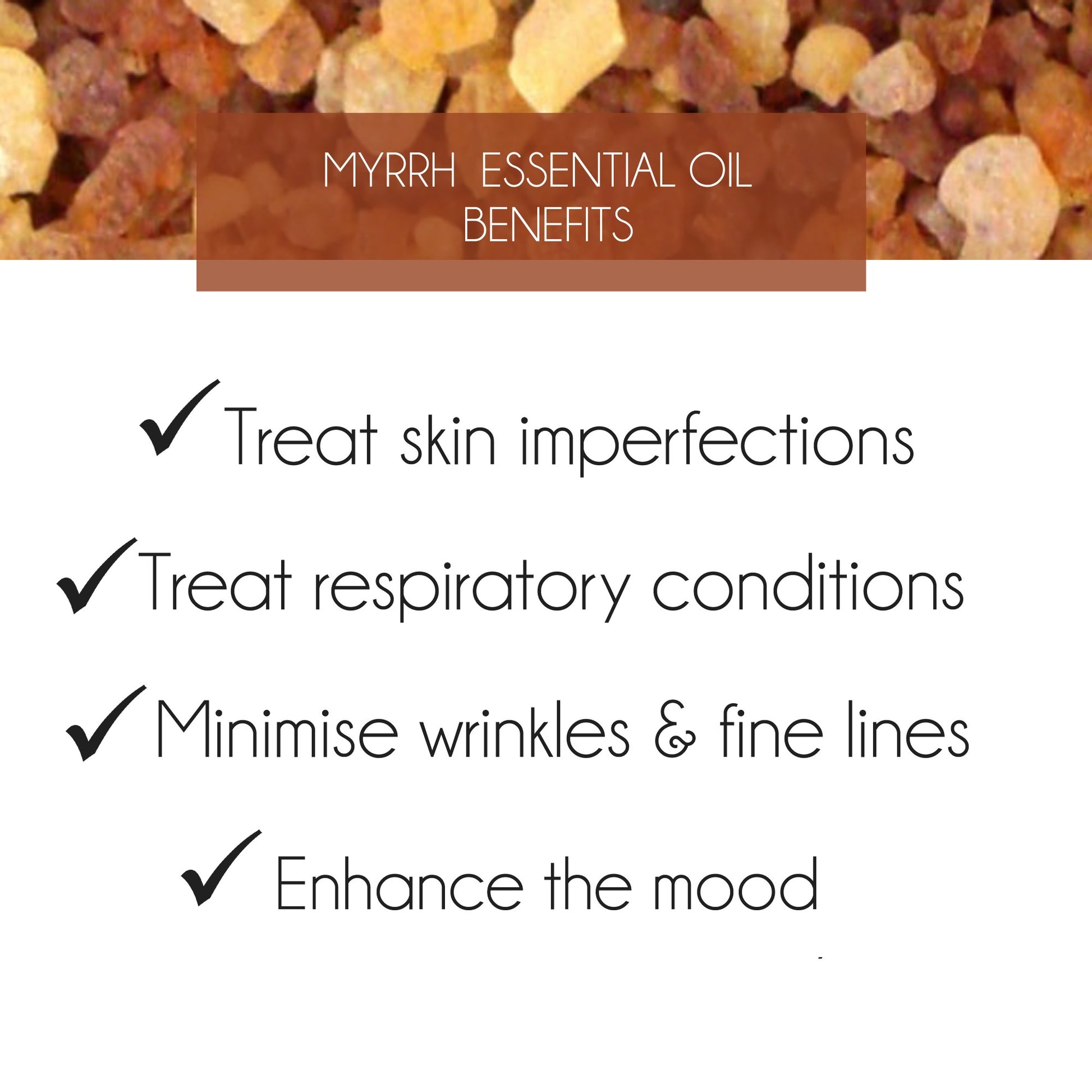
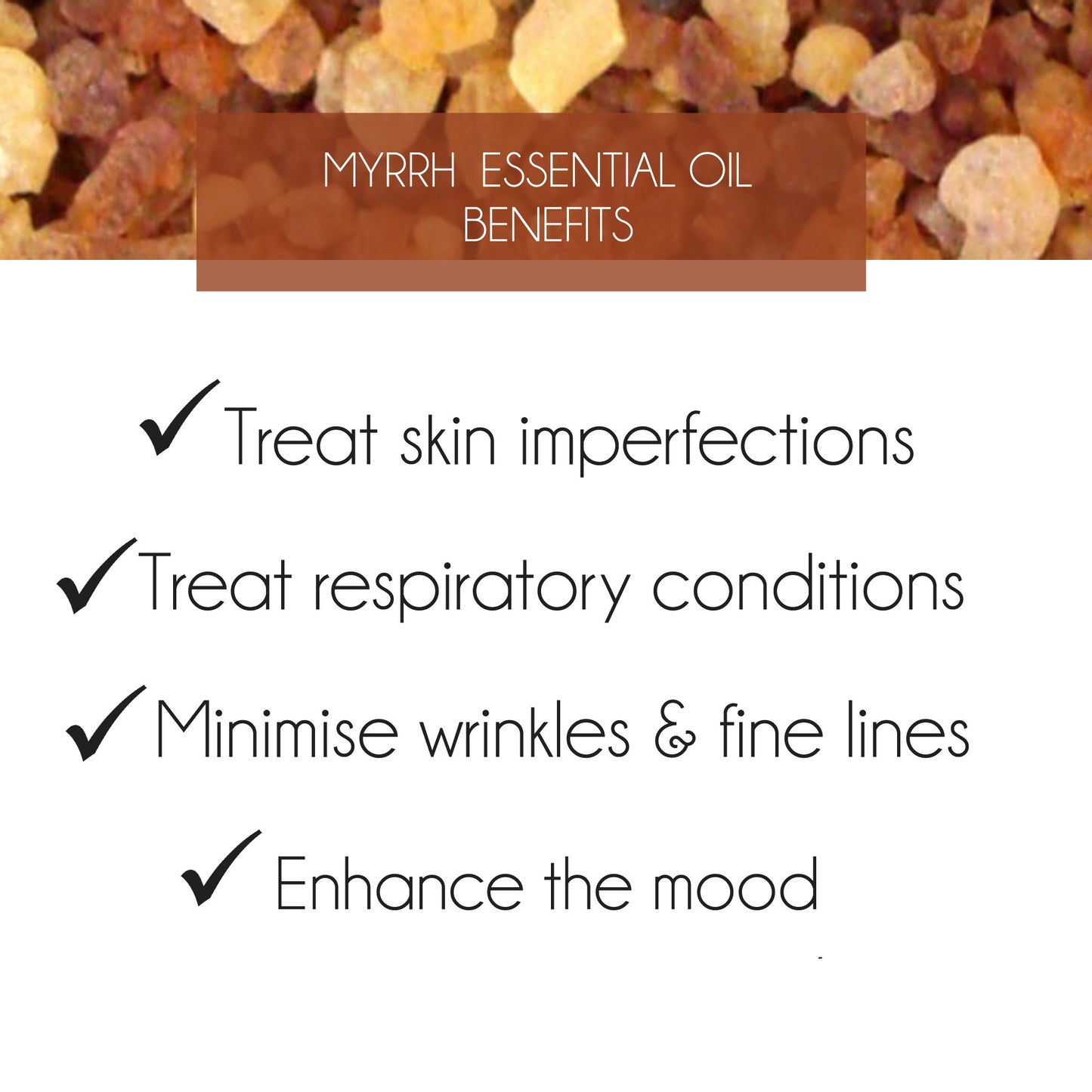
Myrrh essential oil supports a healthy complexion by providing aromatic comfort during times of dryness, irritation, and visible ageing. The oil's high concentration of sesquiterpenes—particularly furanoeudesma-1,3-diene—traditionally associated with skin-soothing properties in botanical practice. Historically, myrrh was applied in Egyptian beauty rituals to promote smooth, resilient skin texture, a practice documented in papyri dating to 1500 BCE. When diluted appropriately (typically 1–2% in facial applications), many turn to myrrh oil to support the appearance of mature, environmentally stressed, or reactive skin types. Tisserand & Young note myrrh's low irritation profile when properly diluted, making it suitable for inclusion in restorative facial serums and balms.

Can Myrrh Oil Promote Calm and Meditative Atmospheres?

Myrrh oil promotes a tranquil, introspective atmosphere when diffused or inhaled, making it a cornerstone of meditation and contemplative practice. Its base-note character slows respiration naturally, encouraging deeper, more rhythmic breathing patterns conducive to mindfulness. Studies on sesquiterpene-rich essential oils suggest these compounds may influence emotional processing centres, though mechanisms remain under investigation. Myrrh has anchored sacred rituals across cultures for over 3,000 years—from Coptic incense ceremonies to Ayurvedic dhoop blends—precisely because its aroma fosters stillness and presence. When experiencing mental restlessness or emotional overwhelm, many aromatherapy practitioners turn to myrrh in diffuser blends, often paired with Holy Basil Oil or Calamus Oil to deepen meditative states.

What Traditional Uses Have Defined Myrrh Oil in Botanical Practice?

Myrrh resin and its essential oil have been traditionally used in botanical practice for supporting oral health, wound care, and respiratory comfort. Ancient Greek physicians, including Dioscorides, documented myrrh tinctures for gum health and mouth sores—a practice echoed in modern natural dental care formulations, though we make no claims of efficacy. In Traditional Chinese Medicine, myrrh (mo yao) is paired with frankincense to support healthy circulation and joint comfort, particularly in topical liniments. The resin's historical role as an embalming agent speaks to its preservative qualities, which translate in aromatherapy to its ability to prolong the aromatic life of blends and support skin barrier function.

How to Use & Blends Well With

How to Use Myrrh Oil

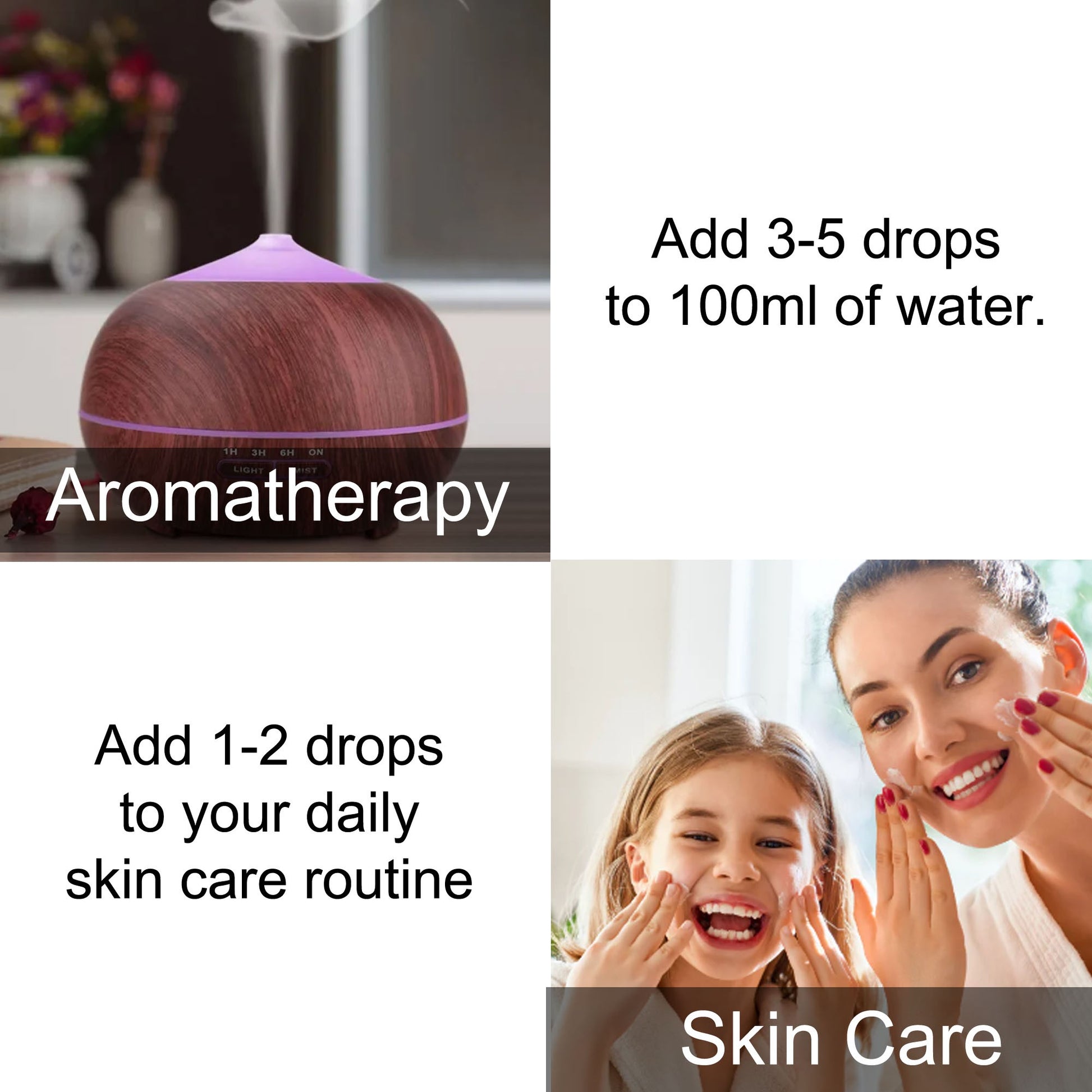
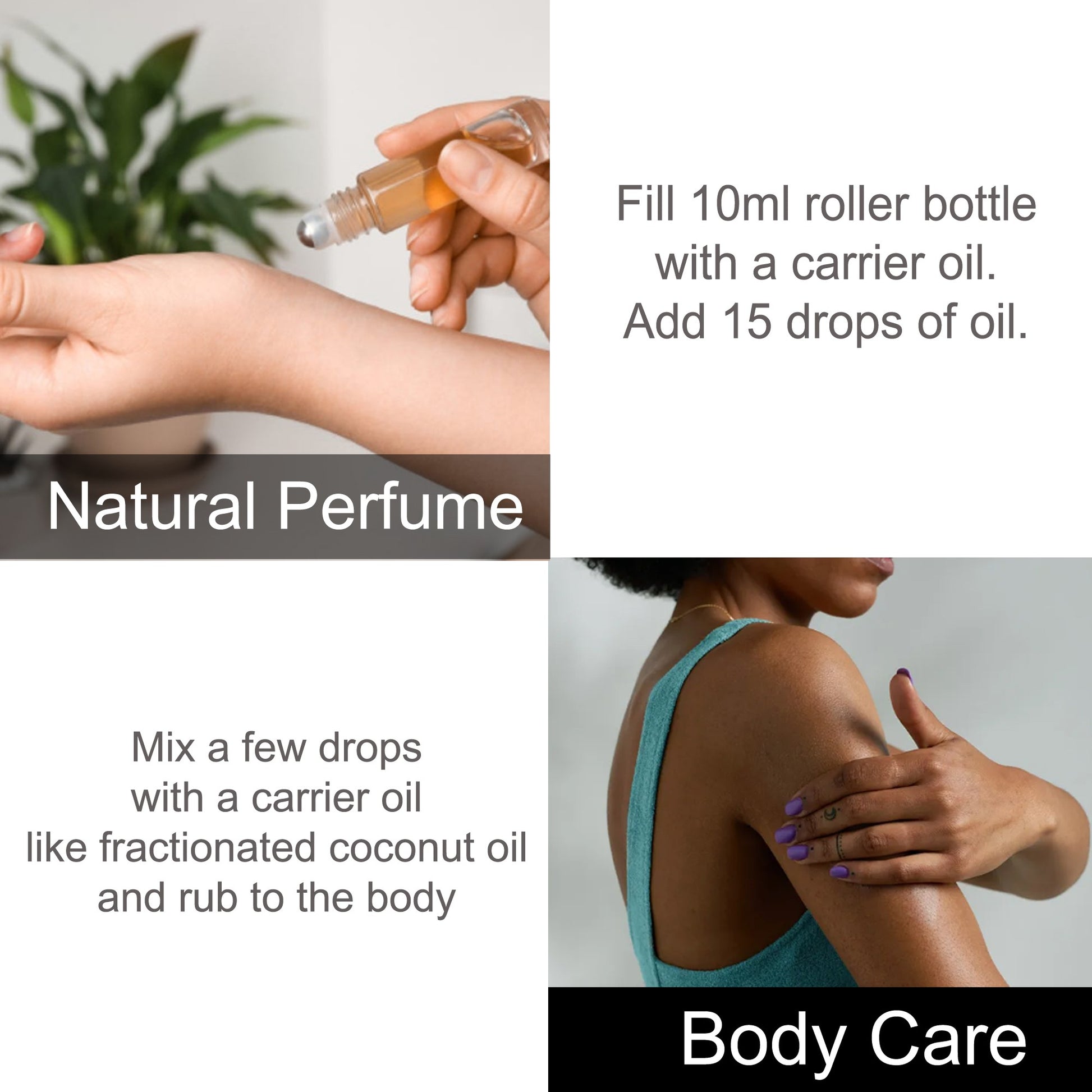
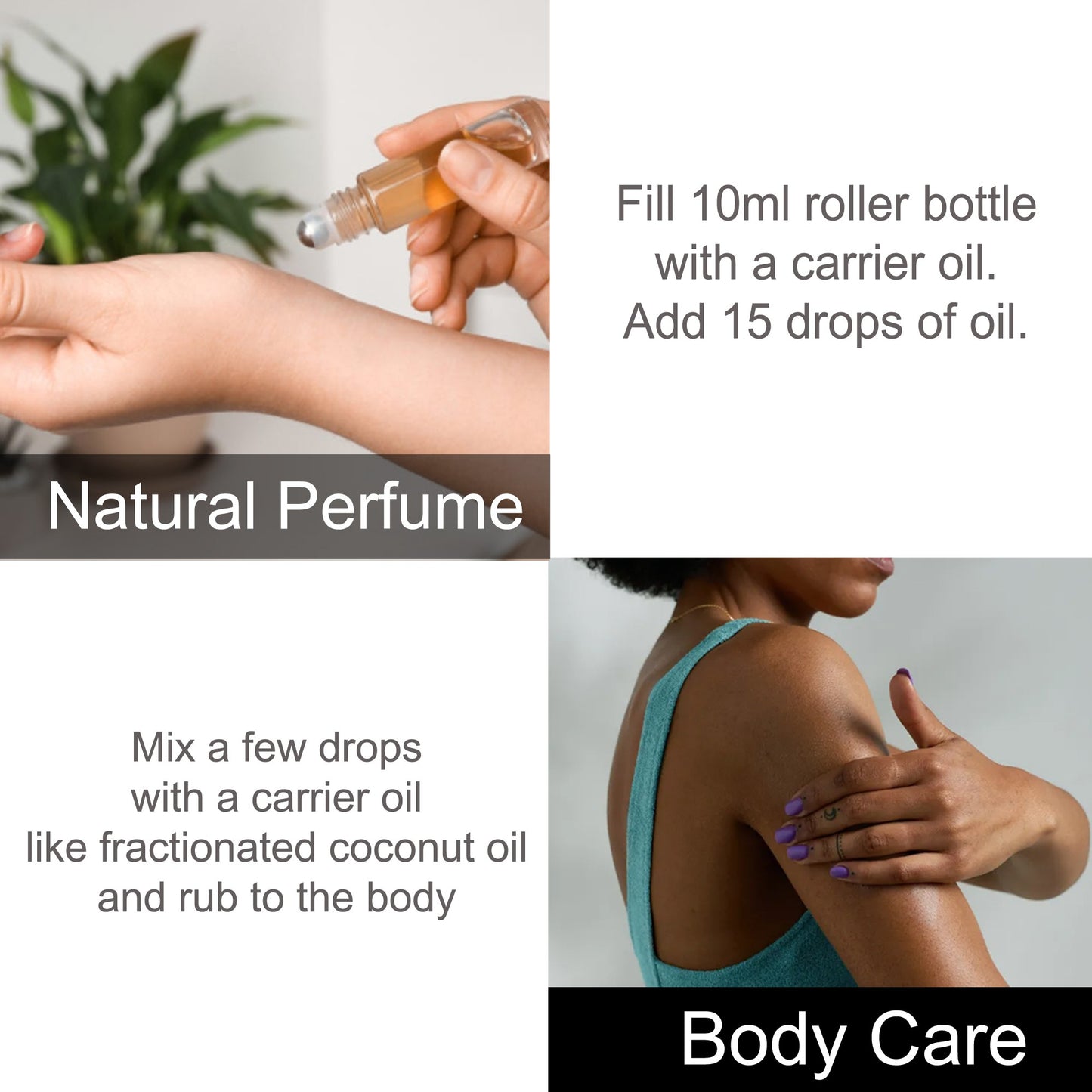
  • Create a Targeted Roll-On: Combine 6 drops myrrh oil with 30 ml carrier oil (such as jojoba or rosehip) in a glass roller bottle for a 1% facial dilution. Apply sparingly to areas of concern on mature or dry skin—around eyes, nasolabial folds, or décolletage. For a richer body blend targeting dry elbows or heels, increase to 2% (12 drops per 30 ml). Myrrh absorbs slowly; allow 10–15 minutes before applying makeup or clothing.

How to Make a Myrrh Room Spray

  • DIY Application: Add 15 drops myrrh oil, 10 drops Cypress Oil, and 5 drops Cassia Oil to 100 ml distilled water and 10 ml witch hazel in a glass spray bottle. Shake vigorously before each use. Mist meditation spaces, yoga mats, or linen before evening rituals. For a lighter, floral variation, substitute Roman Chamomile Oil for cypress.

Aromatherapy Diffusion

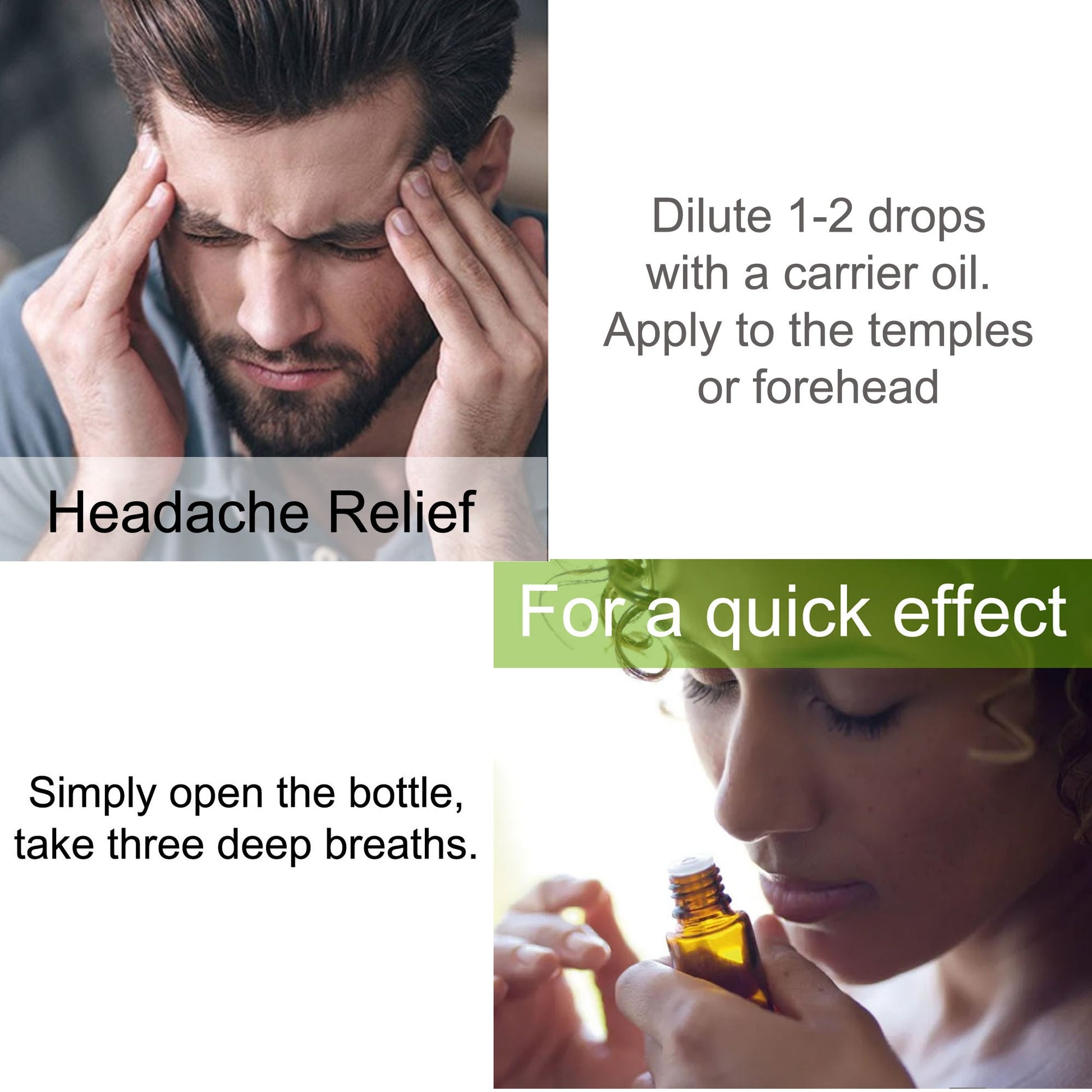
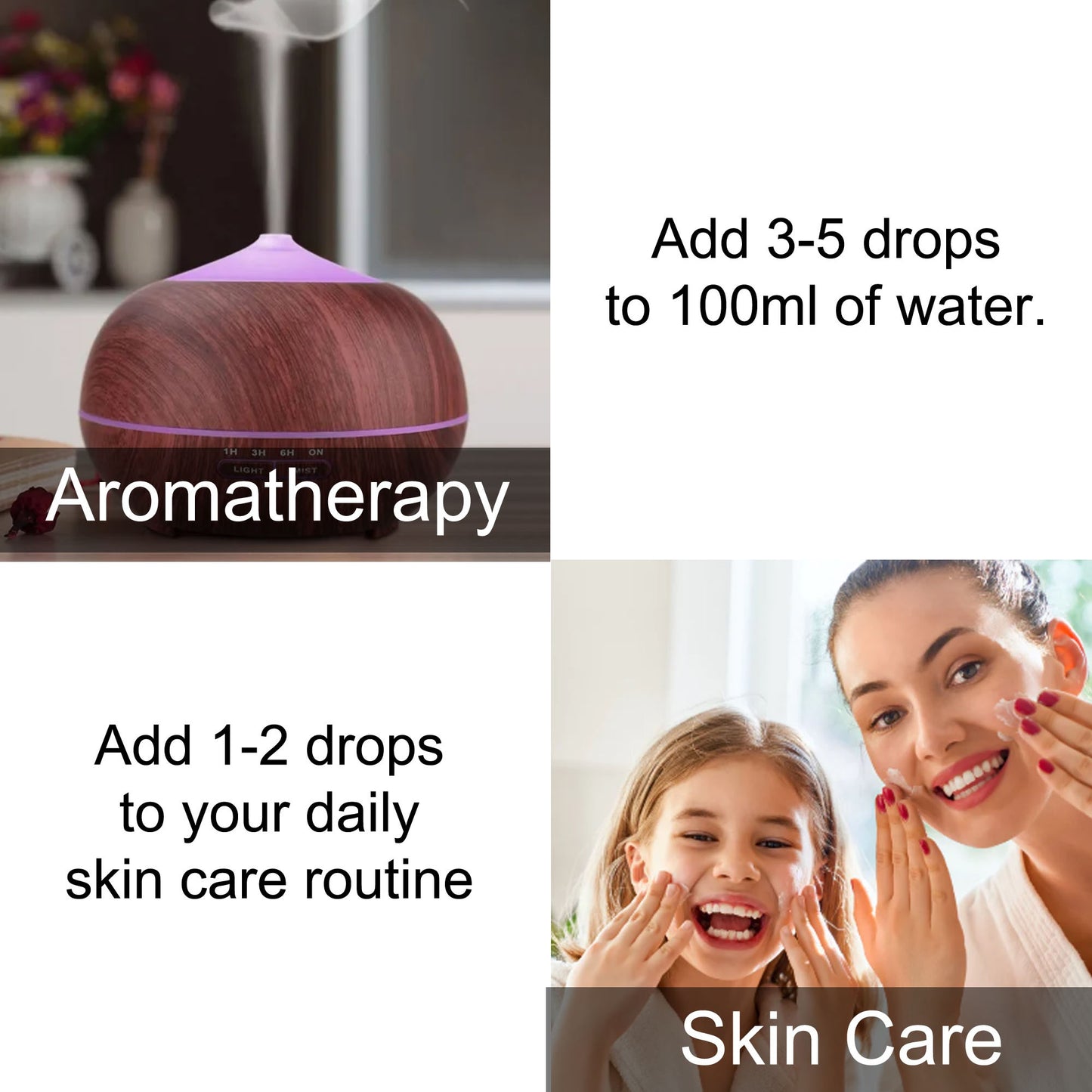
Add 4–6 drops myrrh oil to an ultrasonic diffuser during meditation, prayer, or journaling practices. Myrrh's heavy, grounding aroma slows mental chatter and encourages inward focus—a quality prized in Vedic and Buddhist traditions, where resinous incense has accompanied contemplative practice for millennia. Pair with sandalwood or cedarwood for deeper sessions, or lighten with citrus oils for morning reflection.

Blends Well With

Carrot Seed Oil, Coriander Oil, Holy Basil Oil, Calamus Oil, Cassia Oil, Cypress Oil. Myrrh's balsamic depth harmonises beautifully with spicy, woody, and herbaceous oils, while its resinous sweetness softens sharper citrus or camphoraceous notes.

Safety & Precautions

General Safety & Application Guidelines

  • External Use Only: Never ingest myrrh essential oil. Ingestion may cause nausea, gastrointestinal irritation, or adverse systemic effects. Keep away from eyes, mucous membranes, and broken skin unless appropriately diluted.
  • High Potency & Dilution: Always dilute myrrh oil before topical application. NAHA guidelines recommend 1–2% dilution for facial use (6–12 drops per 30 ml carrier oil) and up to 2.5% for body applications. For your first dilution, use fractionated coconut oil as a neutral, stable carrier. Conduct a patch test on inner forearm 24 hours before broader use.
  • Medication Interactions: Tisserand & Young caution that myrrh may potentiate the effects of anticoagulant and antiplatelet medications (e.g., warfarin, aspirin) due to its coumarin-related constituents. Consult a healthcare professional if you are taking blood-thinning medications or have a bleeding disorder before topical use.
  • Safe Storage: Store in a cool, dark location away from direct sunlight, heat sources, and out of reach of children and pets. Amber glass bottles preserve oil integrity; tighten caps firmly after each use.

Specific Precautions

  • Pregnancy & Nursing: Avoid myrrh oil during pregnancy, particularly in the first and second trimesters. Myrrh has a historical association with emmenagogue effects (stimulating menstrual flow) and uterine stimulation in traditional herbal medicine. Tisserand & Young recommend avoidance throughout pregnancy and lactation due to insufficient safety data.
  • Children & Pets: Do not use myrrh oil on children under 2 years of age. For children aged 2–10, dilute to 0.5–1% and limit diffusion to 30 minutes in well-ventilated spaces. Keep diffusers and undiluted bottles out of reach. Myrrh oil may be irritating to cats and small mammals; diffuse only in pet-free rooms with adequate ventilation.

View full details
  • How do I know purelyBlack essential oils are truly 100% pure?

    Unlike many aromatherapy oils sold online that contain synthetic fillers, purelyBlack oils are 100% plant-derived. We use zero additives, bases, or synthetics. Our oils are sourced directly from growers in their native regions—such as Tea Tree from Australia and Peppermint from India—ensuring you get the potent, unadulterated plant extract every time.

  • Why are your oils more affordable than big brands like doTerra or Young Living?

    We operate on a direct-to-consumer model. Large Multi-Level Marketing (MLM) brands often mark up their products by 300-500% to pay commissions to their tiered distributors. We cut out the middleman and fancy packaging, allowing us to sell the exact same Therapeutic Grade quality oils at a fraction of the price.

  • Are your essential oils Therapeutic Grade?

    Yes. We source our oils specifically for their therapeutic properties, not just their smell. This means our oils are harvested at the peak time to ensure high levels of active compounds (like 1,8-cineole in Eucalyptus). They are perfect for use in diffusers, DIY skincare, and hair growth treatments when used as directed.

  • Can purelyBlack essential oils be used on the skin?

    Yes, because our oils are 100% pure, they are safe for topical use when properly diluted with a carrier oil (like Jojoba or Fractionated Coconut Oil). This makes them superior to cheaper fragrance oils found in discount stores, which are often synthetic and strictly for room scenting only.