


Skip to product information
1 of 8

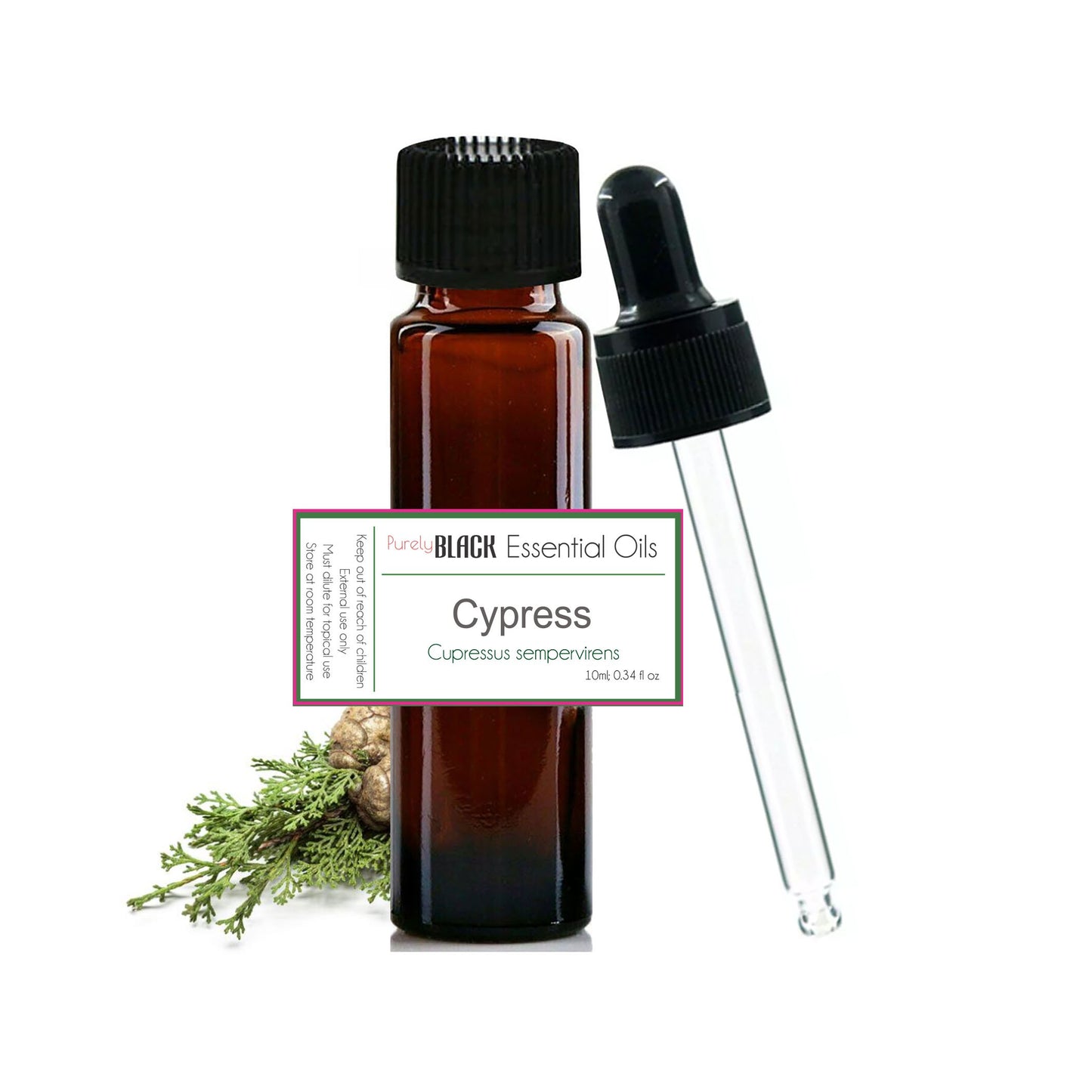
Cypress Essential Oil 10ml

Regular price $13.95 AUD
Regular price Sale price $13.95 AUD
Sale Sold out
Quantity

Cypress oil for circulation support brings a crisp, forest-born clarity to skin rituals and emotional grounding practices alike. Steam-distilled from the silvery needles of Cupressus sempervirens, this cypress oil for vein health delivers a resinous, balsamic aroma that steadies the breath and supports a toned, revitalised complexion. GC/MS tested, vegan, and cruelty-free—purelyBlack delivers 100% pure cypress oil from an Australian brand committed to botanical integrity. Its astringent properties have made it a fixture in Mediterranean wellness traditions for centuries. Explore the tabs below for detailed aromatic profiles, step-by-step application methods, and safety guidelines.

Product Details & Aroma

Core Product Details

  • Botanical Name: Cupressus sempervirens
  • Plant Family: Cupressaceae
  • Plant Part Used: Leaves and twigs
  • Extraction Method: Steam distillation
  • Country of Origin: India

Quality & Purity

  • 100% Pure & Natural: No fillers, synthetics, or carrier oils added.
  • GC/MS Tested: Every batch tested to verify purity and constituent integrity.
  • Vegan & Cruelty-Free: No animal-derived ingredients. Never tested on animals.
  • Australian Brand: Proudly Australian-owned and operated.

Aromatic Profile & Notes

  • Aromatic Note: Middle to base note
  • Aromatic Profile: What does Cypress essential oil smell like? Cypress opens with a sharp, pine-like brightness—green, resinous, and immediately forest-evocative. As it settles, a woody warmth emerges, laced with smoky balsamic undertones and a subtle sweetness reminiscent of juniper berries. The dry-down is grounding and meditative, with a clean, slightly peppery finish that lingers on the skin. Ancient Egyptians used cypress wood in sarcophagi, prizing its preservative qualities and enduring aroma. Today, that same timeless, contemplative character makes cypress essential oil a staple in grounding rituals and circulatory skincare.
  • Key Constituents: α-Pinene (40–55%), δ-3-Carene (15–25%), cedrol (3–8%), limonene (2–4%), terpinolene (1–3%), α-terpineol (trace–2%), camphene (trace–1%). Rich in monoterpenes, cypress oil exhibits astringent, toning, and decongestant properties valued in both aromatic and topical applications.

Core Benefits & Properties

How Does Cypress Oil Support Healthy Circulation and Vein Health?

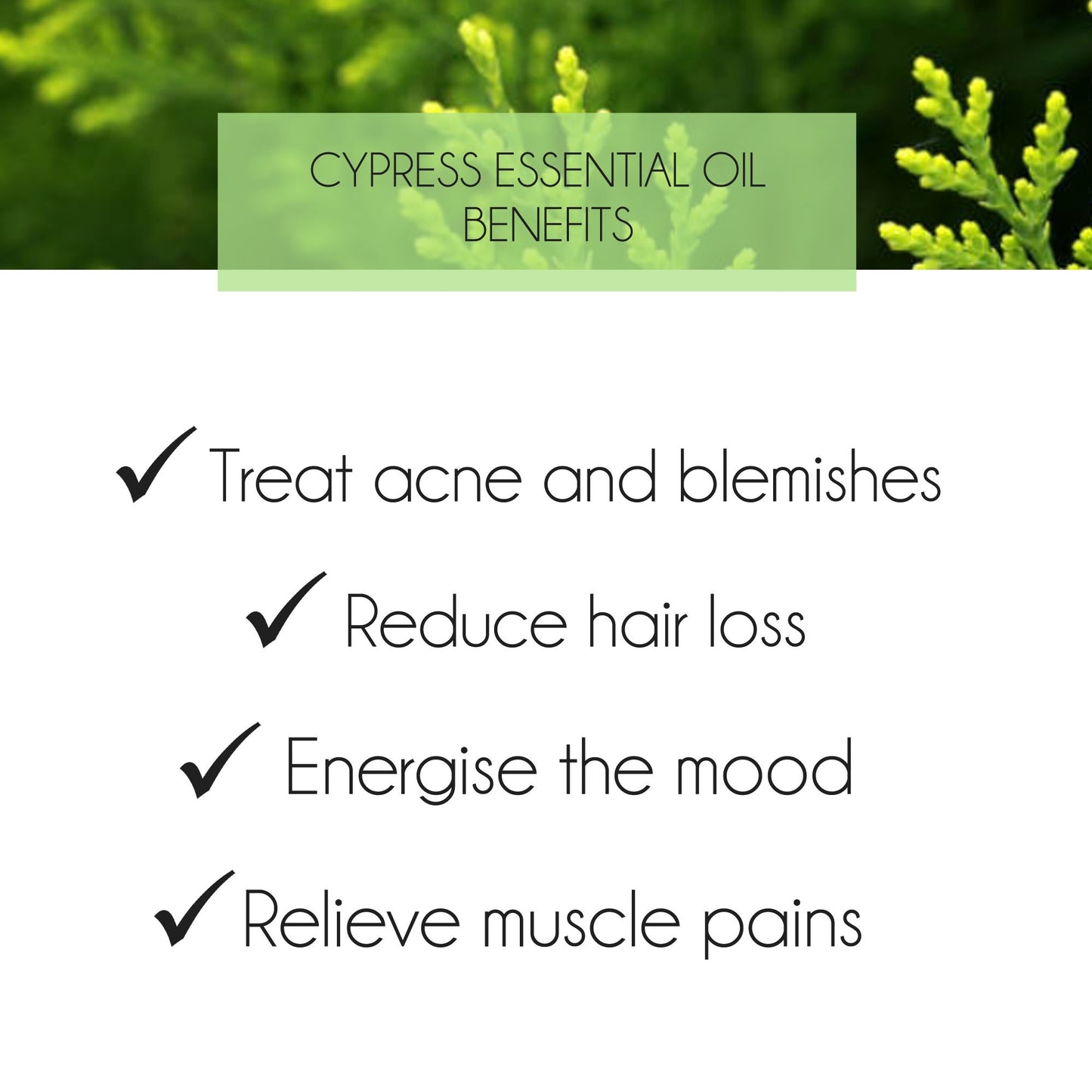
Cypress essential oil supports healthy circulation by promoting skin tone and vascular resilience through its astringent monoterpene profile. α-Pinene and δ-3-carene, the oil's dominant constituents, are traditionally associated with venous toning and fluid balance in botanical skincare. When diluted and massaged into areas of concern—such as tired legs, ankle swelling, or visible capillaries—cypress oil provides aromatic comfort and a cooling, tightening sensation. Many aromatherapy practitioners recommend cypress for circulatory and vein health support, particularly during pregnancy (after the first trimester and with professional guidance) or after prolonged standing. Tisserand & Young note cypress oil's long history in Mediterranean folk medicine for venous complaints, though they emphasise that topical application should always be paired with gentle massage and appropriate dilution to avoid skin sensitisation.

Can Cypress Oil Help with Respiratory Congestion and Seasonal Discomfort?

Cypress oil provides aromatic relief during respiratory congestion by opening airways and soothing irritated mucous membranes. Its high α-pinene content—a compound also found in pine and eucalyptus—delivers expectorant and decongestant effects when diffused or applied to the chest in diluted form. According to NAHA guidelines, cypress is traditionally used in botanical practice for seasonal respiratory discomfort, offering a less camphoraceous alternative to eucalyptus. When experiencing a tight chest or persistent cough, many turn to cypress oil in steam inhalation or chest rubs. A 2014 study published in Phytotherapy Research identified α-pinene as a bronchodilator with anti-inflammatory activity in murine models. For detailed application protocols, see our guide on respiratory congestion support.

How Does Cypress Oil Promote Emotional Grounding and Resilience During Grief?

Cypress essential oil promotes emotional grounding by creating a tranquil, contemplative aromatic environment conducive to reflection and acceptance. Its woody, balsamic profile has been used in funeral rites and bereavement rituals since antiquity—cypress trees line Mediterranean cemeteries as symbols of eternal life. Modern aromatherapists recommend cypress for transitional moments: grief, change, or loss of identity. The oil's cedrol and α-pinene constituents interact with the limbic system to foster stillness and mental clarity without sedation. Gabriel Mojay, in Aromatherapy for Healing the Spirit, describes cypress as an oil for "letting go" and "moving forward with courage." For those navigating emotional grounding and grief, cypress offers aromatic support that honours sorrow while gently encouraging resilience.

Does Cypress Oil Benefit Oily, Acne-Prone, or Mature Skin?

Cypress oil supports a healthy complexion by regulating excess sebum, toning pores, and promoting skin firmness. Its astringent monoterpenes tighten tissue and reduce the appearance of enlarged pores, making it a valuable addition to facial serums for oily or combination skin. For mature skin, cypress oil pairs beautifully with patchouli oil, which offers cellular regeneration properties, or coffee oil, renowned for tightening and firming. Dilute cypress at 1–2% in fractionated coconut oil or rosehip carrier and apply to damp skin after cleansing. A 2016 review in the Journal of Evidence-Based Complementary & Alternative Medicine highlighted cypress extract's antioxidant and anti-inflammatory activity, supporting its traditional use in topical formulations for problem skin.

How to Use & Blends Well With

How to Use Cypress Oil

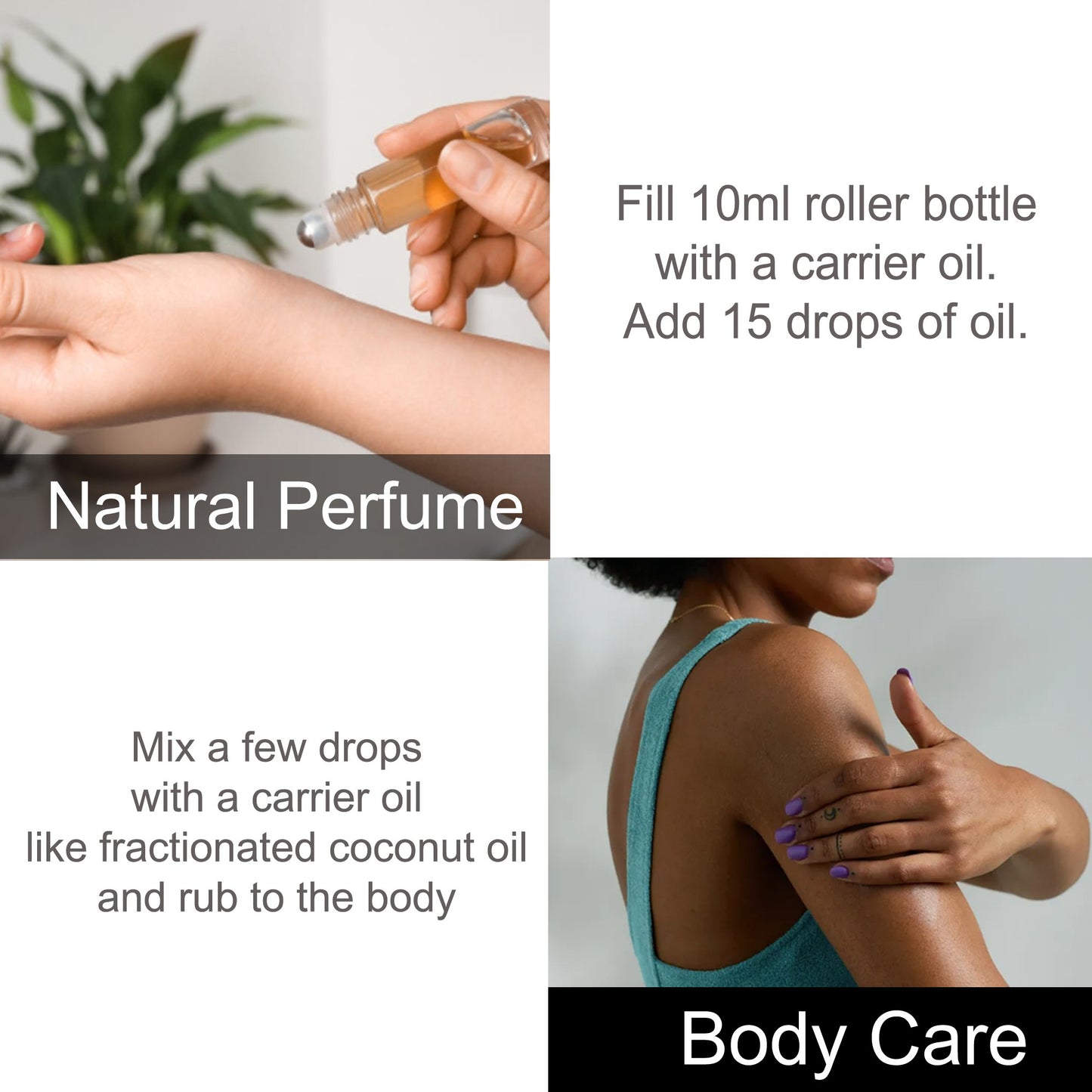
  • Create a Targeted Roll-On: Combine 6 drops of cypress oil with 10 ml of fractionated coconut oil in a glass roller bottle. Apply to ankles, calves, or areas of visible veins twice daily, massaging upward toward the heart to support healthy circulation.

How to Make a Cypress Room Spray

  • DIY Application: Add 15 drops of cypress oil, 10 drops of pine oil, and 5 drops of clary sage oil to 100 ml of distilled water in a glass spray bottle. Shake well before each use. Mist linen, yoga mats, or meditation spaces to create a grounding, forest-fresh atmosphere. For a seasonal twist, add 3 drops of Siberian fir oil for deeper resinous warmth.

Aromatherapy Diffusion

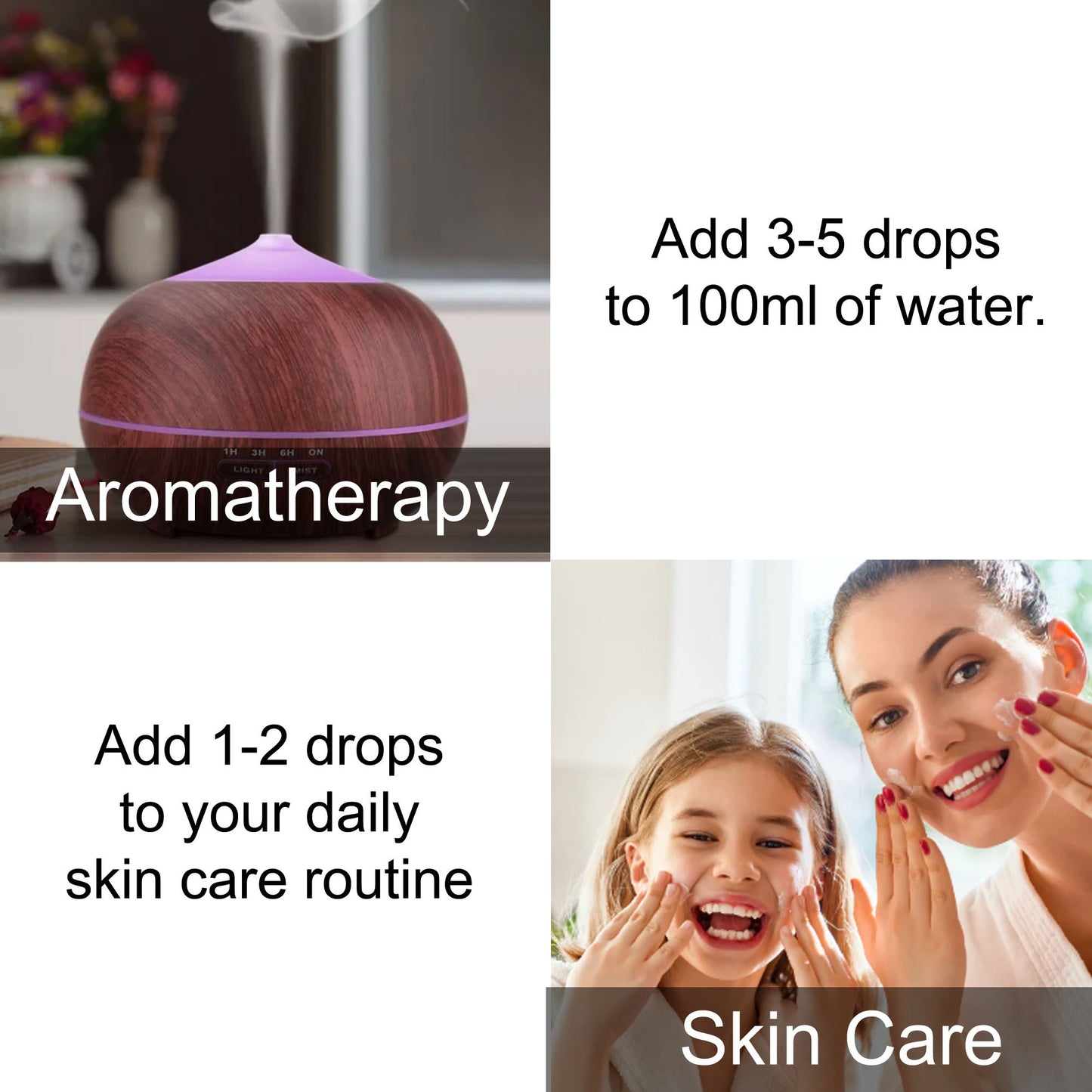
Cypress oil in the diffuser promotes a tranquil, contemplative atmosphere ideal for meditation, breathwork, or grief rituals. Historically burned in temples and cemeteries across the Mediterranean, cypress smoke was believed to purify spaces and honour transitions. Add 4–6 drops to an ultrasonic diffuser during yoga practice, journaling, or evening wind-down. Pair with ravensara oil for immune-season support or niaouli oil for respiratory clarity.

Blends Well With

Clary Sage Oil, Pine Oil, Siberian Fir Oil, Niaouli Oil, Ravensara Oil, Caraway Oil, Patchouli Oil, Coffee Oil.

Safety & Precautions

General Safety & Application Guidelines

  • External Use Only: Never ingest cypress essential oil. For aromatic or topical use only.
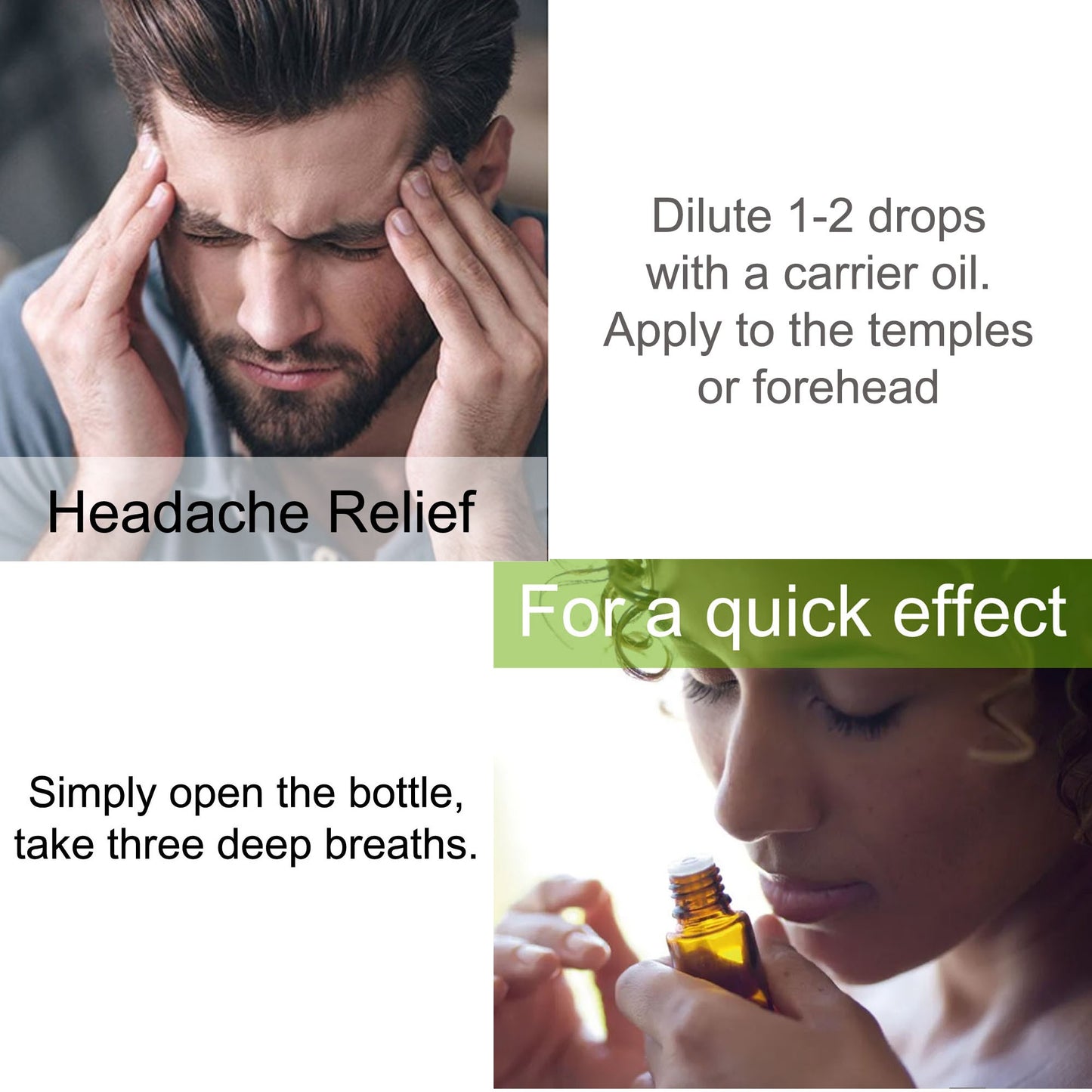
  • High Potency & Dilution: NAHA recommends diluting cypress oil to 2–3% for general topical use (approximately 12–18 drops per 30 ml of carrier oil) and 1% for facial application or sensitive skin. Always dilute in a carrier oil such as fractionated coconut oil, jojoba, or rosehip before applying to skin.
  • Medication Interactions: Tisserand & Young note no known drug interactions for cypress oil. However, individuals taking anticoagulant or antiplatelet medications should consult a healthcare professional before topical use on areas of compromised circulation.
  • Safe Storage: Store in a cool, dark place away from direct sunlight and out of reach of children and pets. Keep bottle tightly closed to preserve aromatic integrity.

Specific Precautions

  • Pregnancy & Nursing: Avoid cypress oil during the first trimester. After 12 weeks, use at 1% dilution and only with guidance from a qualified aromatherapist or midwife. Not recommended for use during labour due to its vascular toning properties.
  • Children & Pets: Tisserand & Young advise against topical use of cypress oil on children under 6 years of age. Diffuse at half the adult concentration (2–3 drops per 100 ml water) in well-ventilated spaces. Cypress oil is toxic to cats and should not be diffused in homes with feline companions.

View full details
  • How do I know purelyBlack essential oils are truly 100% pure?

    Unlike many aromatherapy oils sold online that contain synthetic fillers, purelyBlack oils are 100% plant-derived. We use zero additives, bases, or synthetics. Our oils are sourced directly from growers in their native regions—such as Tea Tree from Australia and Peppermint from India—ensuring you get the potent, unadulterated plant extract every time.

  • Why are your oils more affordable than big brands like doTerra or Young Living?

    We operate on a direct-to-consumer model. Large Multi-Level Marketing (MLM) brands often mark up their products by 300-500% to pay commissions to their tiered distributors. We cut out the middleman and fancy packaging, allowing us to sell the exact same Therapeutic Grade quality oils at a fraction of the price.

  • Are your essential oils Therapeutic Grade?

    Yes. We source our oils specifically for their therapeutic properties, not just their smell. This means our oils are harvested at the peak time to ensure high levels of active compounds (like 1,8-cineole in Eucalyptus). They are perfect for use in diffusers, DIY skincare, and hair growth treatments when used as directed.

  • Can purelyBlack essential oils be used on the skin?

    Yes, because our oils are 100% pure, they are safe for topical use when properly diluted with a carrier oil (like Jojoba or Fractionated Coconut Oil). This makes them superior to cheaper fragrance oils found in discount stores, which are often synthetic and strictly for room scenting only.