
Skip to product information
1 of 9

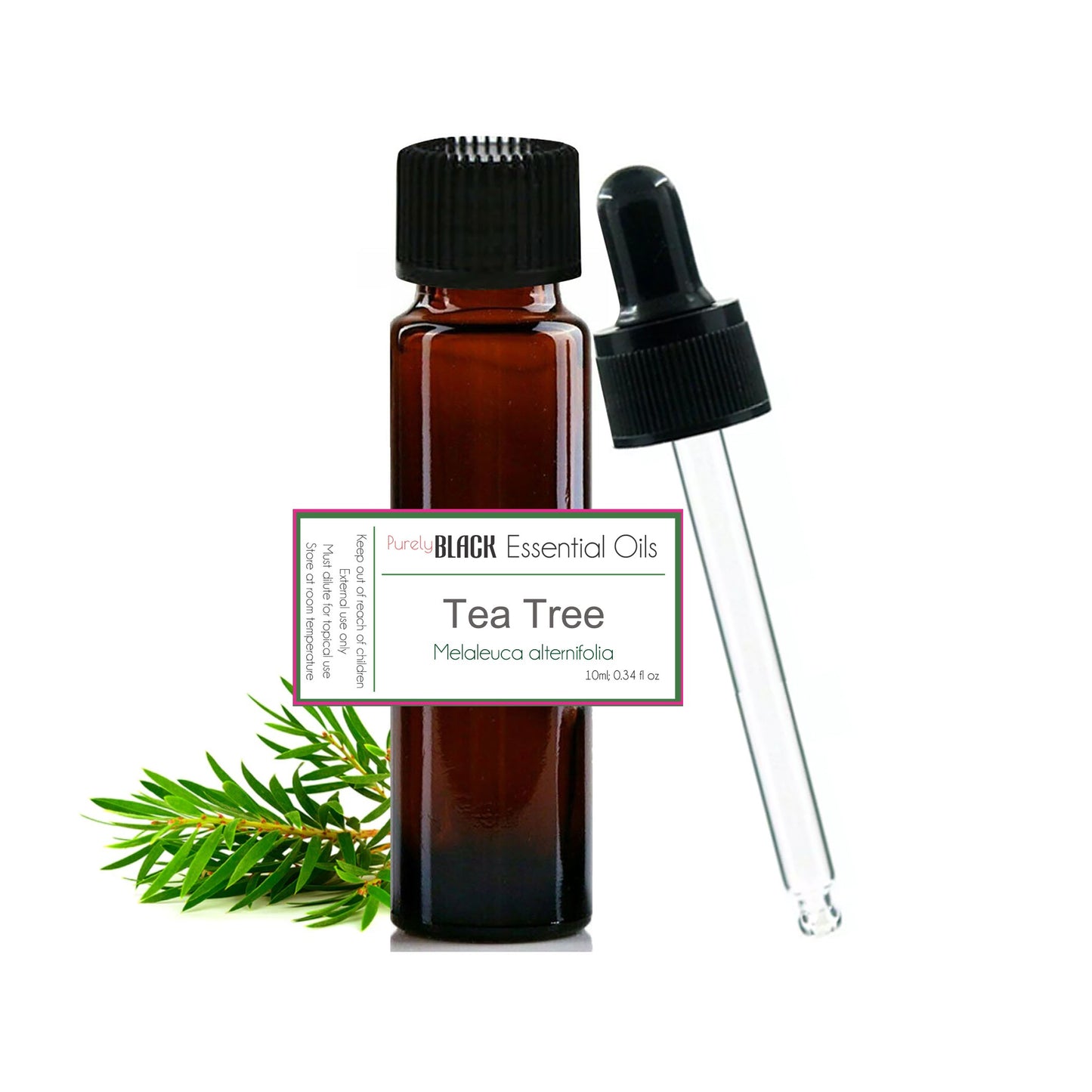
Tea Tree Essential Oil 10ml

Regular price $11.95 AUD
Regular price Sale price $11.95 AUD
Sale Sold out
Quantity

Tea tree oil for skin repair and fungal care brings the raw, medicinal clarity of Australian bushland to your apothecary. This tea tree essential oil — steam-distilled from Melaleuca alternifolia leaves and GC/MS tested by an Australian brand committed to vegan, cruelty-free purity — has been a staple of botanical skincare practice for generations. Its sharp, camphorous aroma cuts through with clean, herbaceous confidence. Apply diluted for targeted complexion support, diffuse for clarifying freshness, or weave into your ritual for resilience and renewal. Explore the tabs below for detailed aromatic profiles, step-by-step application methods, and safety guidelines.

Product Details & Aroma

Core Product Details

  • Botanical Name: Melaleuca alternifolia
  • Plant Family: Myrtaceae
  • Plant Part Used: Leaves and terminal branches
  • Extraction Method: Steam distillation
  • Country of Origin: Australia

Quality & Purity

  • 100% Pure & Natural: No fillers, synthetics, or carrier oils added.
  • GC/MS Tested: Every batch tested to verify purity and constituent integrity.
  • Vegan & Cruelty-Free: No animal-derived ingredients. Never tested on animals.
  • Australian Brand: Proudly Australian-owned and operated.

Aromatic Profile & Notes

  • Aromatic Note: Top to middle note
  • Aromatic Profile: What does tea tree essential oil smell like? Tea tree oil opens with a sharp, penetrating freshness — medicinal and green, edged with camphor and eucalyptus-like brightness. As it develops, a subtle earthy sweetness emerges beneath the clean, antiseptic top notes, grounding the intensity with herbaceous warmth. The dry-down is persistent yet unobtrusive, leaving a crisp, clarifying trail. Indigenous Australians have utilised the leaves of Melaleuca alternifolia for generations, crushing them to inhale their vapours or preparing infusions for topical application, a practice that inspired modern aromatherapy's embrace of this iconic Australian botanical.
  • Key Constituents: Terpinen-4-ol (30–48%), γ-terpinene (10–28%), α-terpinene (5–13%), 1,8-cineole (trace–15%), α-terpineol (1.5–8%), α-pinene (1–6%), p-cymene (0.5–12%), limonene (0.5–4%). The high terpinen-4-ol content is characteristic of therapeutic-grade tea tree oil and underpins its traditional use in skin support practices.

Core Benefits & Properties

How Does Tea Tree Oil Support Healthy Skin and Complexion?

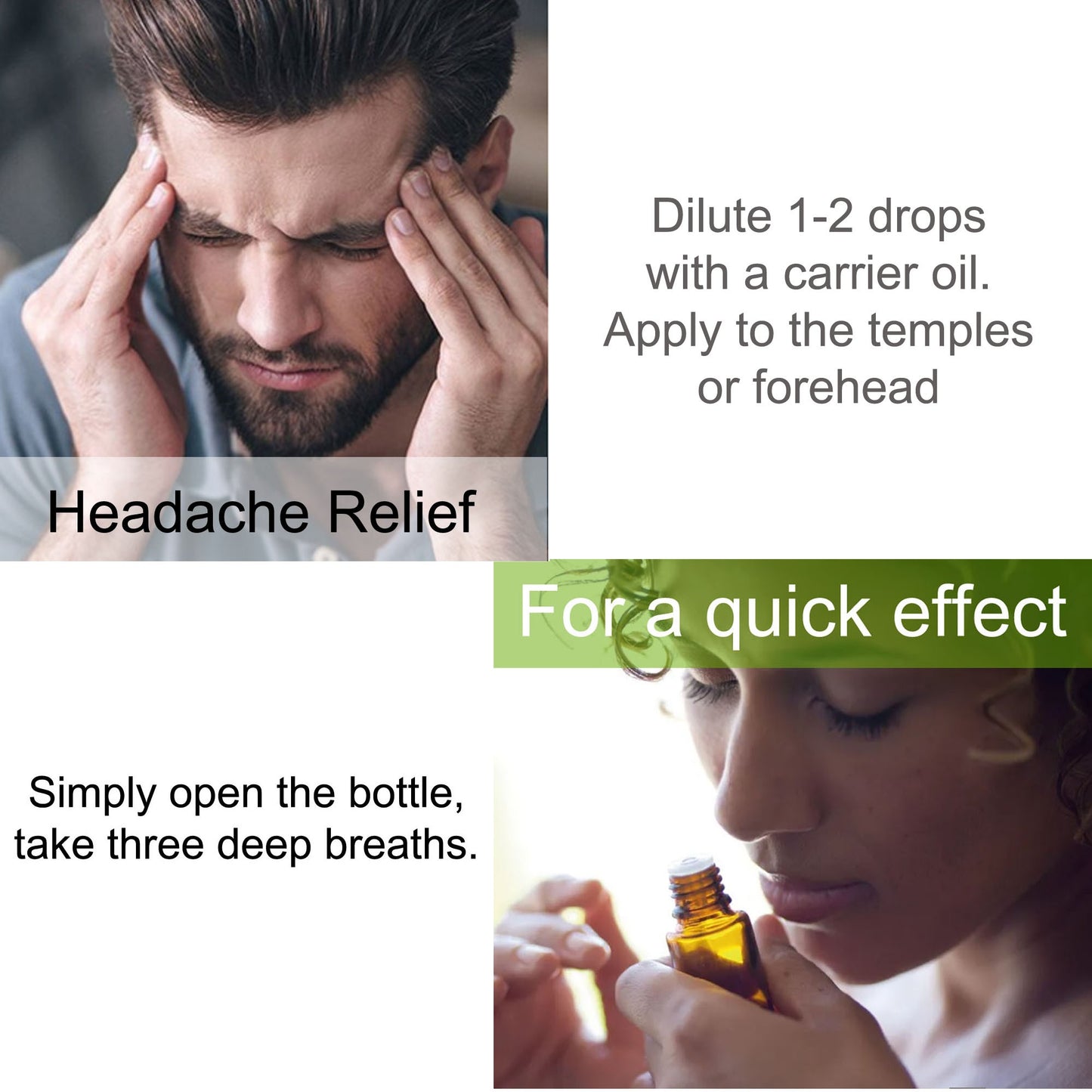
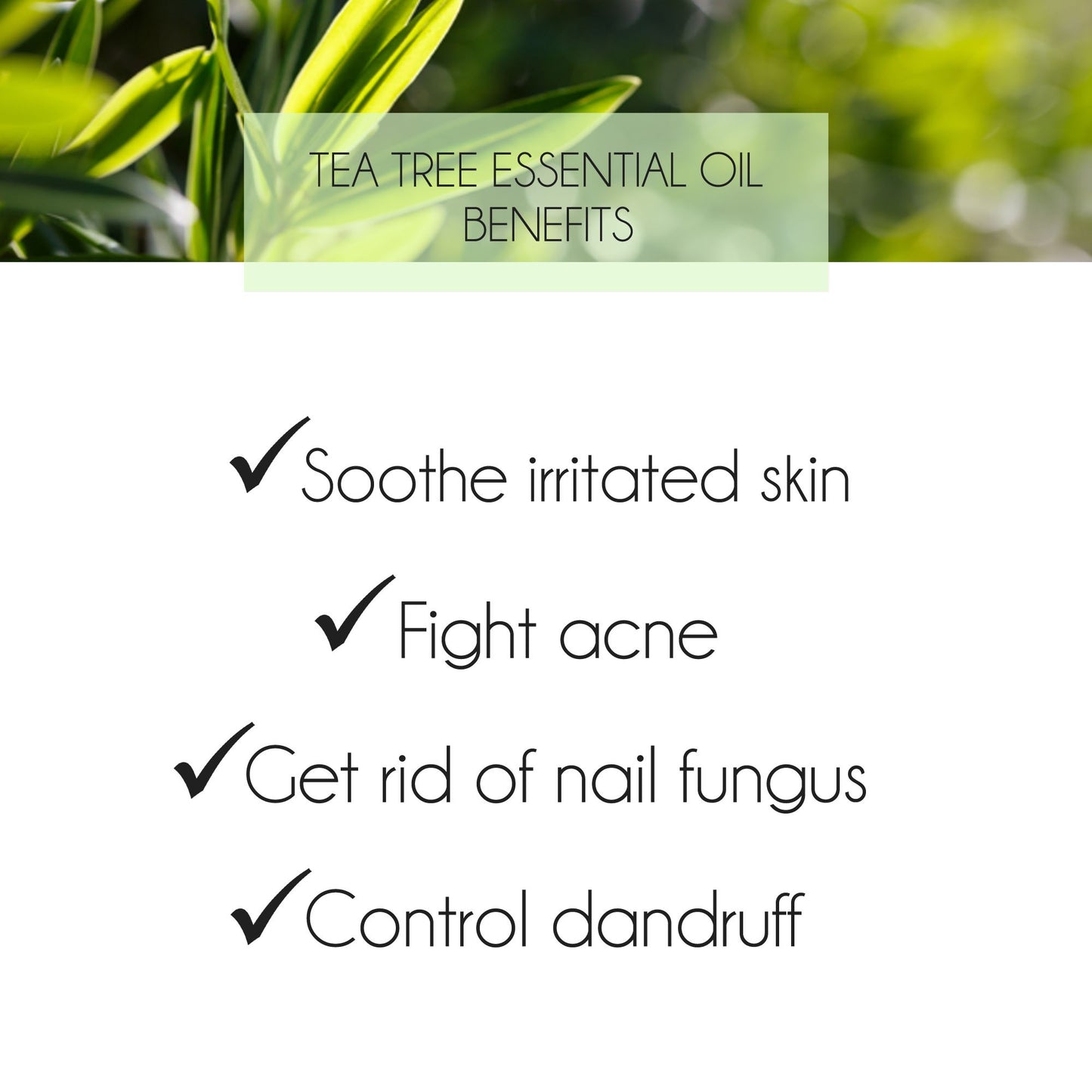
Tea tree oil supports a healthy complexion by providing gentle aromatic comfort and promoting cleaner-feeling skin when applied diluted. The constituent terpinen-4-ol, which comprises 30–48% of the oil's profile according to International Standard ISO 4730, is traditionally associated with skin-clarifying practices. Many turn to tea tree oil when experiencing occasional blemishes, minor skin imperfections, or areas requiring targeted attention. Tisserand and Young note in Essential Oil Safety (2nd edition) that tea tree oil has been a cornerstone of Australian folk remedy for skin integrity, and modern dilution protocols recommend 2–5% for facial application and up to 10% for localised body use. When blended into gentle carrier oils, tea tree offers aromatic support for those seeking a clearer, more balanced appearance. Studies published in the Australasian Journal of Dermatology have explored tea tree oil's role in skincare routines, reinforcing its long-standing reputation in botanical practice.

Can Tea Tree Oil Be Used for Nail and Cuticle Care?

Tea tree oil is traditionally used in nail and cuticle care to promote the appearance of healthy, resilient nails when experiencing occasional fungal concerns. Diluted tea tree oil (typically 5–10% in a carrier such as jojoba or fractionated coconut oil) may be applied around the nail bed and cuticle, where its fresh, penetrating aroma and constituent profile offer aromatic comfort. The National Association for Holistic Aromatherapy (NAHA) recognises tea tree as one of the most versatile oils for topical dilution blends targeting nail health. Historical use in Australia included direct application of crushed leaves to affected areas, a practice that modern aromatherapy has refined through precise dilution and blending. Regular application — once or twice daily over several weeks — is common among those seeking natural alternatives for nail appearance and resilience.

How Does Tea Tree Oil Provide Aromatherapy Benefits?

Tea tree oil promotes a clarifying, mentally refreshing atmosphere when diffused, traditionally valued for its ability to support focus and emotional resilience. Its sharp, camphorous aroma cuts through stagnant air, making it popular in workspace diffusion and during study or creative practice. Aromatherapists often describe tea tree as a bridge note — neither entirely top nor middle — which allows it to anchor brighter citrus oils while lifting heavier, grounding bases. Historical records from early European settlers in Australia document the inhalation of tea tree leaf vapours to promote clear breathing and mental alertness. In contemporary practice, 3–5 drops in a diffuser create an environment associated with clarity, courage, and renewal, particularly during seasonal transitions or periods of low vitality.

What Role Does Tea Tree Oil Play in Household and Surface Aromatics?

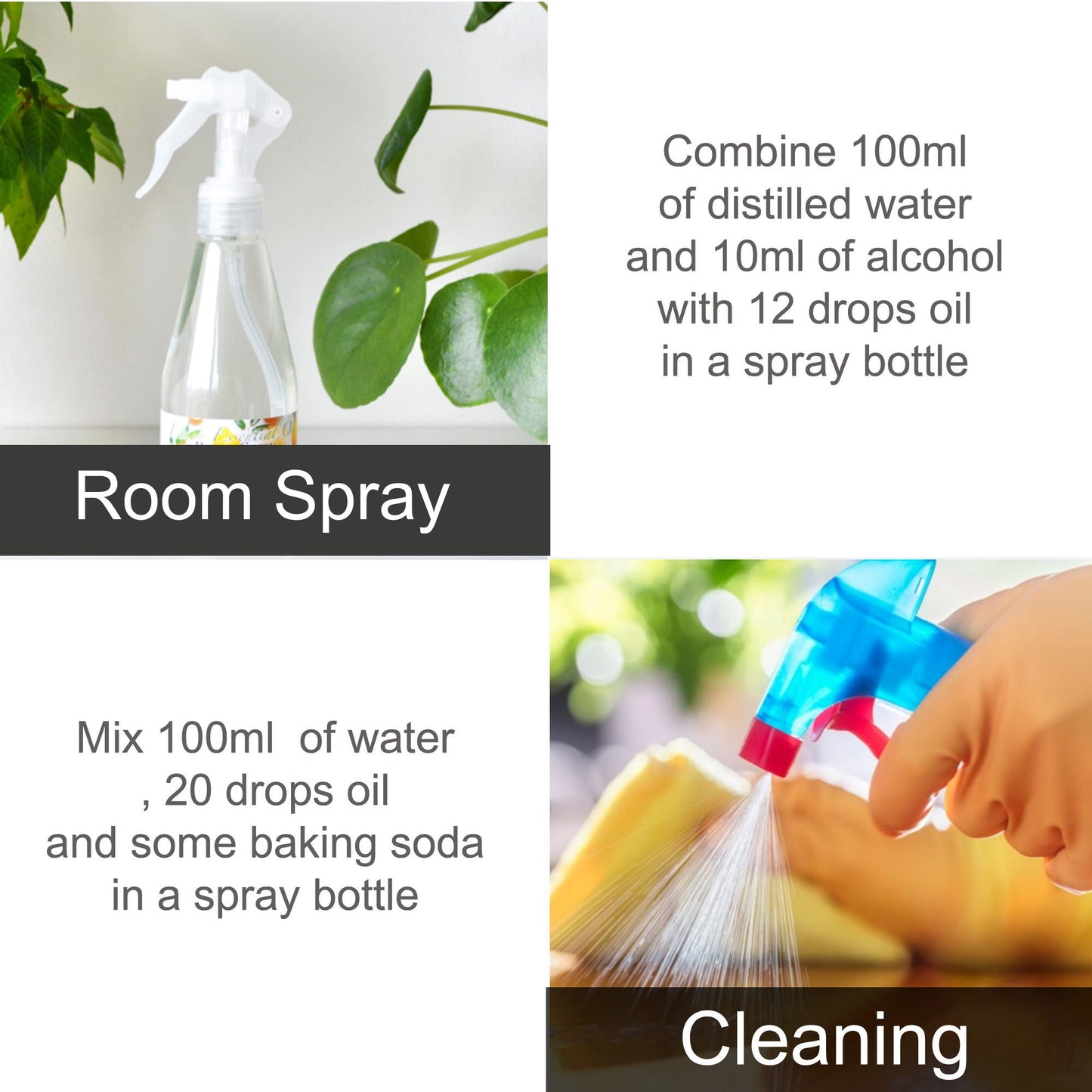
Tea tree oil is widely used in DIY household blends for its fresh, clean aroma and traditional reputation as a natural surface companion. Many add 10–15 drops to spray bottles filled with water and a dispersant (such as a small amount of liquid soap or witch hazel) to create aromatic mists for yoga mats, shoe interiors, or linen freshening. While making no medicinal claims, the oil's sharp, herbaceous scent is culturally associated with cleanliness and renewal. NAHA guidelines note that tea tree blends with vinegar-based solutions for aromatic kitchen and bathroom sprays, though the oil itself should never be applied undiluted to surfaces or textiles. This practice echoes the historical use of tea tree leaves as a natural aromatic in Indigenous Australian camps and early settler homesteads.

How to Use & Blends Well With

How to Use Tea Tree Oil

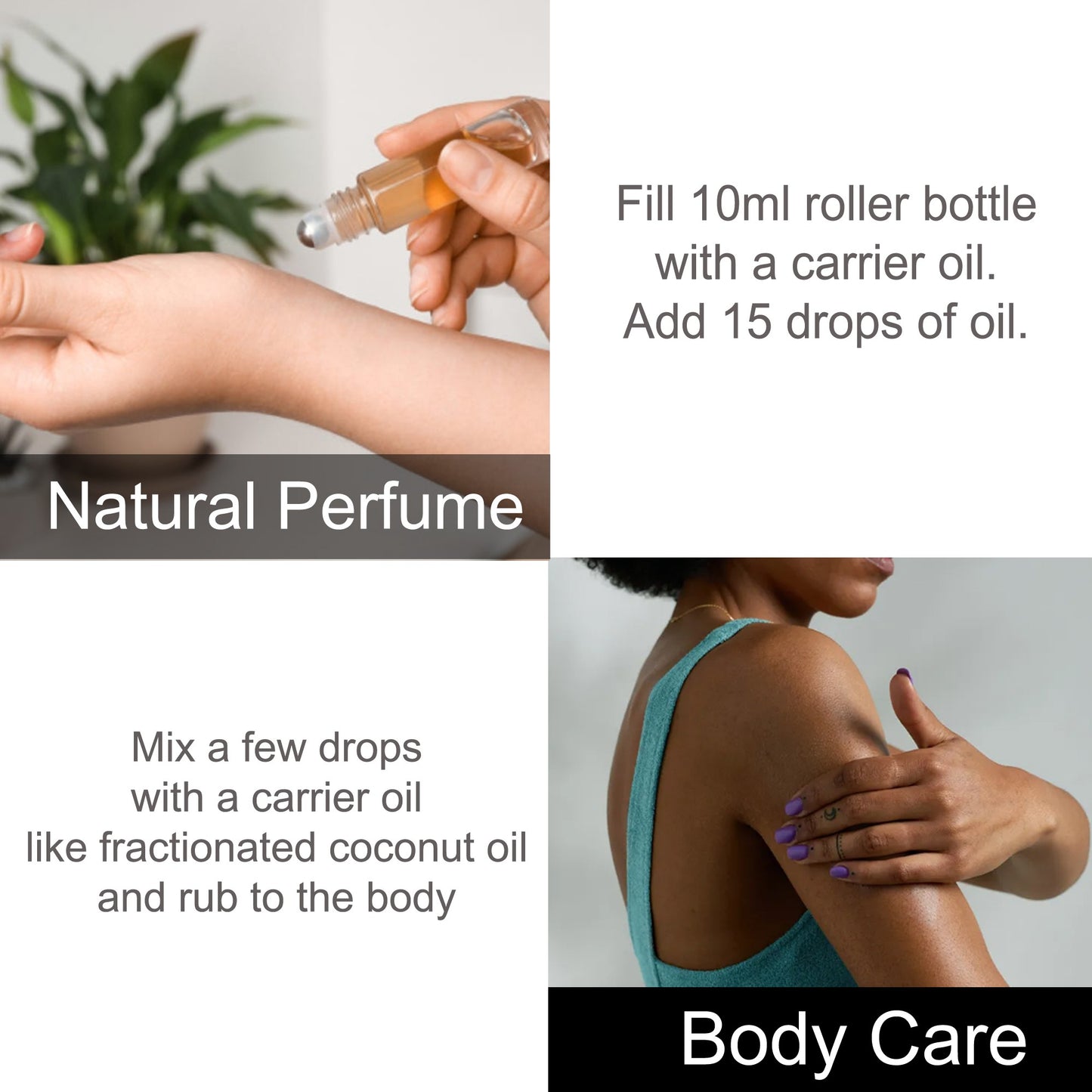
  • Create a Targeted Roll-On: Combine 6 drops of tea tree oil with 10 ml of fractionated coconut oil in a roll-on bottle for a 3% dilution. Apply to blemishes, cuticles, or areas requiring aromatic attention morning and evening. For enhanced support, add 2 drops of lavender oil for soothing balance or 2 drops of frankincense for resilience.

How to Make a Tea Tree Room Spray

  • DIY Application: Fill a 100 ml glass spray bottle with distilled water. Add 1 teaspoon of witch hazel or unscented liquid Castile soap as a dispersant, then 20 drops of tea tree oil. Shake vigorously before each use and mist into the air, over yoga mats, or into shoes for a clarifying, fresh aromatic lift. For a variation, add 10 drops of eucalyptus and 5 drops of lemon for a crisp, invigorating blend.

Aromatherapy Diffusion

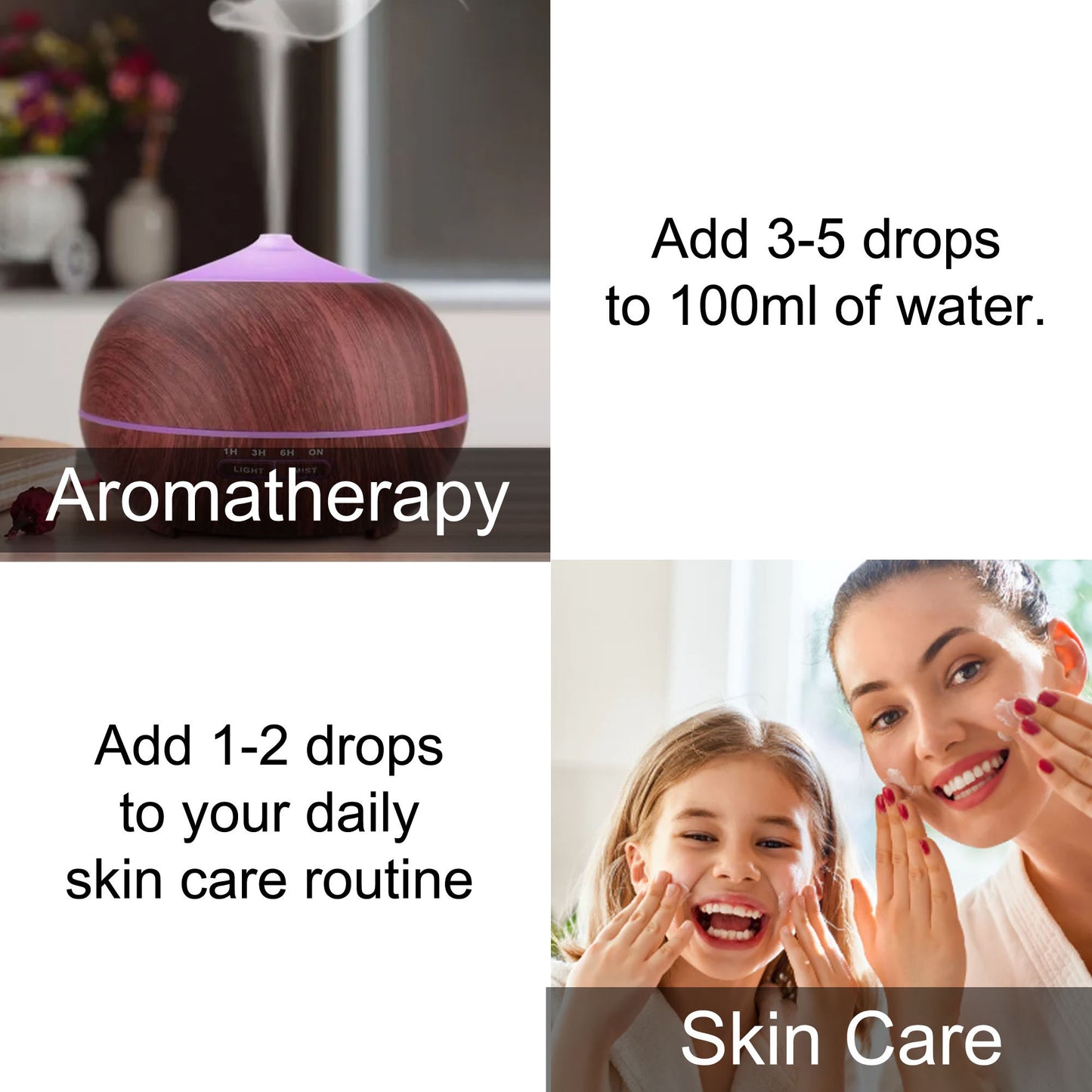
Tea tree oil promotes a mentally clarifying, emotionally resilient atmosphere when diffused, traditionally used to support focus and renewal. Add 3–5 drops to an ultrasonic diffuser during work, study, or creative practice. Historically, Indigenous Australians inhaled the steam from crushed tea tree leaves to clear the mind and invigorate the senses, a ritual that modern aromatherapy honours through diffusion. Pair with citrus oils for morning energy or with grounding woods for evening balance.

Blends Well With

Tea tree's sharp, camphorous profile harmonises beautifully with a wide range of aromatics. It complements the warm, herbaceous character of Marjoram Oil and Holy Basil Oil, the bright clarity of Grapefruit Oil, the earthy depth of Spikenard Oil, the fresh, medicinal lift of Niaouli Oil, the calming sweetness of Melissa Oil, and the warming spice of Ginger Oil. These combinations offer endless possibilities for aromatic layering and personalised blending.

Safety & Precautions

General Safety & Application Guidelines

  • External Use Only: Never ingest tea tree essential oil. For aromatic and topical use only when properly diluted in a suitable carrier oil.
  • High Potency & Dilution: Tea tree oil is potent and should always be diluted before topical application. NAHA recommends 2–5% dilution for facial use (6–15 drops per 30 ml carrier oil) and up to 10% for targeted body application (30 drops per 30 ml). For your first topical use, blend with fractionated coconut oil to ensure gentle skin compatibility.
  • Medication Interactions: Tisserand and Young note that tea tree oil applied topically at recommended dilutions is not known to interact with oral medications. However, individuals using topical corticosteroids or other medicated skin treatments should consult a qualified aromatherapist or healthcare provider before use, as concurrent application may alter absorption.
  • Safe Storage: Store in a cool, dark place away from direct sunlight, heat, and out of reach of children and pets. Oxidised tea tree oil (exposed to air or light over time) may cause increased skin sensitivity; use within 12–18 months of opening.

Specific Precautions

  • Pregnancy & Nursing: Tea tree oil is generally considered safe for use during pregnancy and nursing when diluted to 1–2% and applied topically to small areas. Avoid diffusion in the first trimester and always consult a qualified aromatherapist or midwife before use.
  • Children & Pets: Tisserand and Young recommend tea tree oil be avoided on or near children under 2 years of age due to potential sensitivity and the risk of accidental ingestion. For children aged 2–10, use a maximum dilution of 1% (3 drops per 30 ml carrier oil). Keep diffusers in well-ventilated spaces and out of reach. Tea tree oil is toxic to cats and dogs if ingested; never apply to pet fur, bedding, or areas they may lick, and ensure adequate ventilation during diffusion.

View full details
  • How do I know purelyBlack essential oils are truly 100% pure?

    Unlike many aromatherapy oils sold online that contain synthetic fillers, purelyBlack oils are 100% plant-derived. We use zero additives, bases, or synthetics. Our oils are sourced directly from growers in their native regions—such as Tea Tree from Australia and Peppermint from India—ensuring you get the potent, unadulterated plant extract every time.

  • Why are your oils more affordable than big brands like doTerra or Young Living?

    We operate on a direct-to-consumer model. Large Multi-Level Marketing (MLM) brands often mark up their products by 300-500% to pay commissions to their tiered distributors. We cut out the middleman and fancy packaging, allowing us to sell the exact same Therapeutic Grade quality oils at a fraction of the price.

  • Are your essential oils Therapeutic Grade?

    Yes. We source our oils specifically for their therapeutic properties, not just their smell. This means our oils are harvested at the peak time to ensure high levels of active compounds (like 1,8-cineole in Eucalyptus). They are perfect for use in diffusers, DIY skincare, and hair growth treatments when used as directed.

  • Can purelyBlack essential oils be used on the skin?

    Yes, because our oils are 100% pure, they are safe for topical use when properly diluted with a carrier oil (like Jojoba or Fractionated Coconut Oil). This makes them superior to cheaper fragrance oils found in discount stores, which are often synthetic and strictly for room scenting only.