






Can You Put Copaiba Oil Directly on Skin? A Topical Guide
Can you put copaiba oil directly on skin?
No, direct neat application of copaiba oil can cause sensitivity, so you should always dilute it with a nourishing carrier oil.
- Dilution Ratios: Mix 2 to 3 drops with one teaspoon of carrier oil for safe daily topical application.
- Patch Testing: Apply a small diluted amount to your inner forearm and wait 24 hours to monitor sensitivity.
- Carrier Oils: Pair this resinous oil with Fractionated Coconut Oil to support smooth absorption into targeted areas.


Oleoresin collected from the trunk of Copaifera officinalis, a majestic tree belonging to the Fabaceae family, undergoes gentle steam distillation to yield Copaiba essential oil. While it is naturally milder than hot botanical oils, applying undiluted concentrated extracts can irritate delicate skin or disrupt the cutaneous barrier. Mixing your extracts with plant-based carriers helps spread active botanical compounds evenly across larger surface areas while preserving skin hydration.
Incorporating diluted Copaiba oil into your evening skincare routine supports a healthy complexion and balances natural skin lipids. The resinous liquid is dense with natural sesquiterpenes, making it a soothing addition to facial serums, body moisturisers, and targeted massage oils across Australia. Practising consistent patch tests before full application ensures a safe and comfortable experience for every skin type.
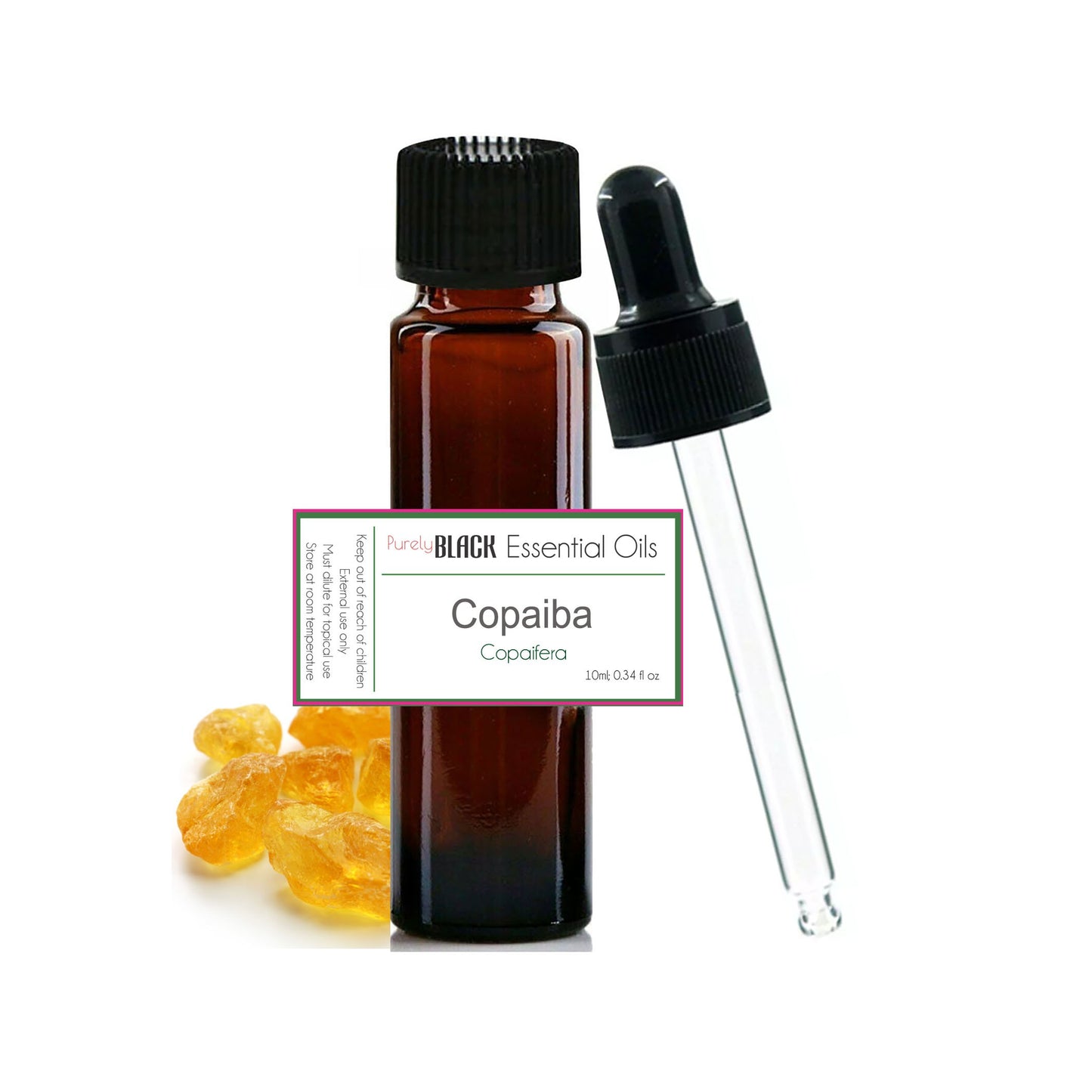
purelyBlack's pure copaiba oil is available as a 100% pure essential oil, dispatched from Sydney.
What is the most powerful anti-inflammatory essential oil?
When experiencing localized swelling or stiffness, many people turn to high-beta-caryophyllene botanicals like Copaiba oil to provide comfortable soothing relief.
| Essential Oil | Primary Active Constituent | Aromatic Profile |
|---|---|---|
| Copaiba oil | Beta-Caryophyllene (up to 60%) | Warm, balsamic, woody |
| Patchouli oil | Patchoulol (30–35%) | Earthy, rich, musky |
| Cypress oil | Alpha-Pinene (40–50%) | Fresh, clean, woody |
Botanical extracts containing high proportions of sesquiterpene molecules are highly regarded in physical care for their calmative topical properties. A published phytochemical study confirms that Copaiba oleoresin contains up to 60% beta-caryophyllene, making it one of the richest botanical sources on earth. Additional secondary constituents including alpha-bergamotene and germacrene D further enhance its overall soothing profile.
Integrating high-caryophyllene botanicals into daily physical recovery rituals helps provide aromatic comfort during periods of overexertion. Diluting Copaiba essential oil in cold-pressed plant fats allows these dense active compounds to absorb easily without leaving a greasy residue. Combined with light massage, this therapeutic approach promotes a tranquil atmosphere while caring for tired joints and strained muscles.


How do I use Copaiba oil for pain?
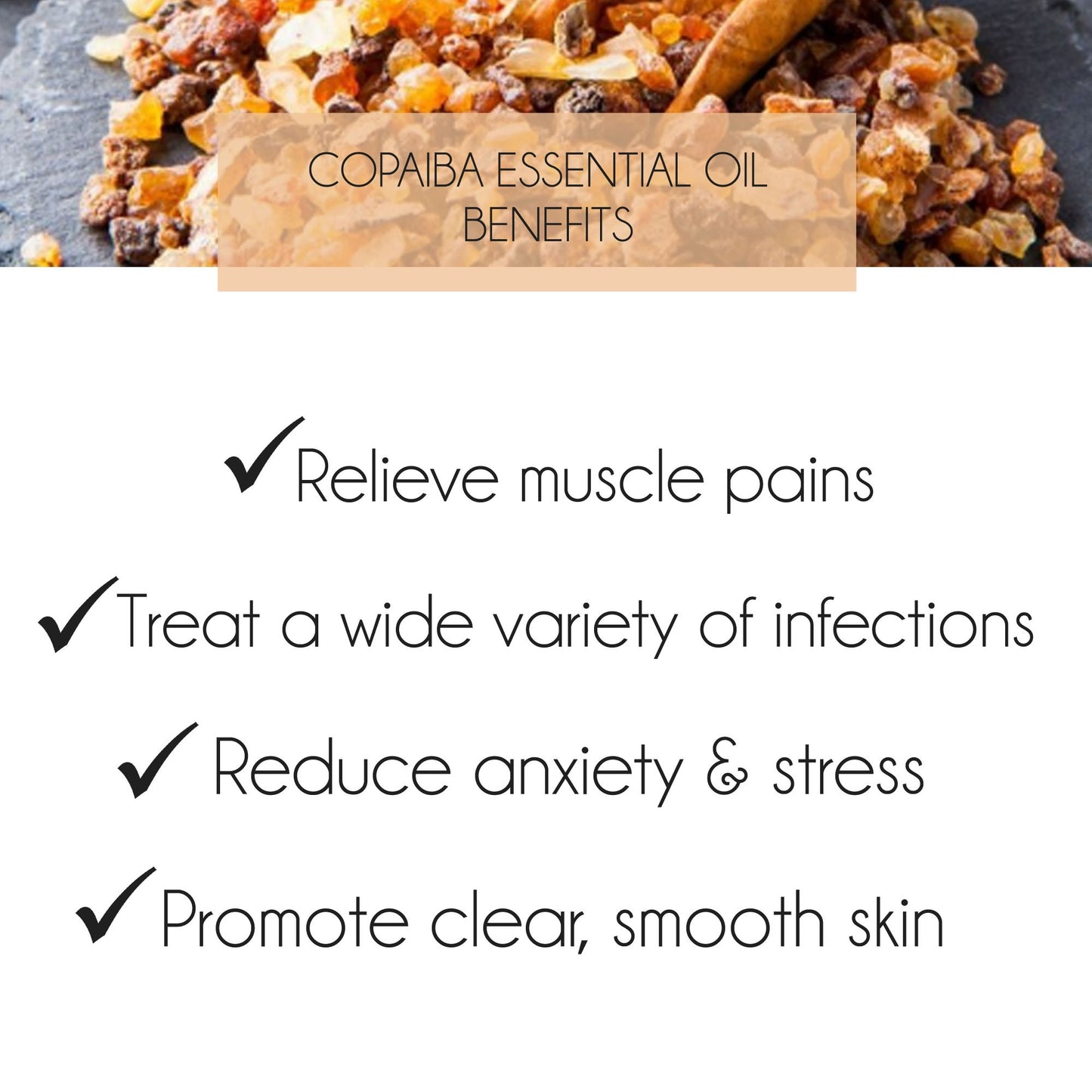
When experiencing muscle discomfort or joint stiffness, many people turn to Copaiba essential oil blends to provide comforting topical warmth.
- Targeted Massage: Dilute 4 drops in ten millilitres of carrier oil and massage gently into aching joints or muscles.
- Warm Compress: Add 3 drops to warm water, soak a cloth, and place over tense areas for comfort.
- Soothing Bath: Combine 5 drops with liquid castile soap before adding to warm bathwater for total body relaxation.
Applying Copaiba oil topically to high-tension zones offers immediate aromatic comfort following long workdays or intense athletic training. The natural warm notes of the resin interact pleasantly with the senses, creating a peaceful sensory environment during evening self-care routines. Standard dilution guidelines suggest maintaining a 2% to 3% concentration for targeted body applications on adult skin.
Synergising Copaiba with complementary cooling botanicals like Peppermint or warming options like Black Pepper elevates your personal care formulations. Massaging the diluted mixture into overworked limbs stimulates local blood flow while nourishing the skin envelope. Regular application supports daily physical agility and promotes general physical ease.
What essential oil is similar to copaiba?
Black pepper, Frankincense, and Patchouli oils share similar earthy aromas and rich sesquiterpene chemical profiles closely matching Copaiba oil.
Black Pepper oil features significant levels of beta-caryophyllene, making it a functional chemical cousin to Copaiba for topical warming applications. Meanwhile, Frankincense supplies a deeply grounding balsamic aroma alongside similar skin-restorative benefits that support a youthful, healthy complexion. Both resinous extracts excel when incorporated into custom facial oils and restorative nighttime creams.
Patchouli Oil offers a heavy, grounding base note profile that matches Copaiba in natural perfumery and body oils. Additionally, Cypress Oil provides a crisp, woody tone that complements resinous scents during joint-focused rub applications. Formulators frequently combine these distinct oils to craft complex, harmonious botanical blends.
Is copaiba the same as CBD?
No, Copaiba and CBD originate from entirely different plant families, although both interact with body cannabinoid receptors through beta-caryophyllene.
CBD is extracted from industrial hemp or Cannabis sativa plants, whereas Copaiba resin comes strictly from wild-harvested South American trees. Despite their differing botanical backgrounds, Copaiba contains high levels of beta-caryophyllene, which directly binds with human CB2 receptors. This shared pathway accounts for many similar topical soothing benefits noted by holistic wellbeing practitioners.
Unlike hemp products, Copaiba essential oil contains absolutely zero tetrahydrocannabinol (THC) or controlled cannabinoids, ensuring complete safety and legal ease in Australia. It offers a fully accessible, clear, and sustainable botanical alternative for individuals seeking natural physical comfort without regulatory hurdles. Its rich resinous background renders it a staple for holistic home care collections.
What is the scent of copaiba oil?
Copaiba essential oil features a subtle, warm, sweet, and resinous wood aroma with mild honey and balsam undertones.
Unlike pungent herbal oils like Lavender or Rosemary, Copaiba presents a soft, unobtrusive aroma that acts as an excellent fixative in perfume blends. It anchors volatile top notes, slowing down evaporation rates and giving custom fragrance creations longer lasting staying power on skin. Diffusing it creates a peaceful, grounding atmosphere throughout living spaces without overpowering sensitive senses.
Because of its quiet aromatic profile, Copaiba harmonises beautifully with bright citrus notes, delicate florals, and rich spice oils. Adding a few drops to your diffuser recipe imparts a gentle comforting warmth that calms mind and body after busy days.
To explore similar profiles, discover these pure purelyBlack creations: Oregano Oil, Citronella Oil, and Caraway Oil — each dispatched from Sydney.
Related Reading
For more on copaiba, see our companion guides: What Is Copaiba Oil Good For? Benefits and Uses. Copaiba (Copaifera officinalis): Tree, Resin & Botanical Science. What Is Copaiba Essential Oil? Benefits, Uses & How to Use It.
About the Author
Written by H.R. Kim
Founder at purelyBlack — an Australian-owned perfumery and botanical studio based in Sydney. H.R. specialises in scent profiling and natural ingredient sourcing, meticulously balancing premium fragrance oils and 100% pure essential oils to create elevated aromatic experiences.
Last updated: August 2026
Disclaimer: purelyBlack essential oils are for external use and aromatherapy purposes only. They are not intended to diagnose, treat, cure, or prevent any disease. Always dilute with a carrier oil before topical application and consult a healthcare professional if pregnant or under medical supervision.
