






What Is Copaiba Oil Good For? Benefits and Uses
What is the oil copaiba used for?
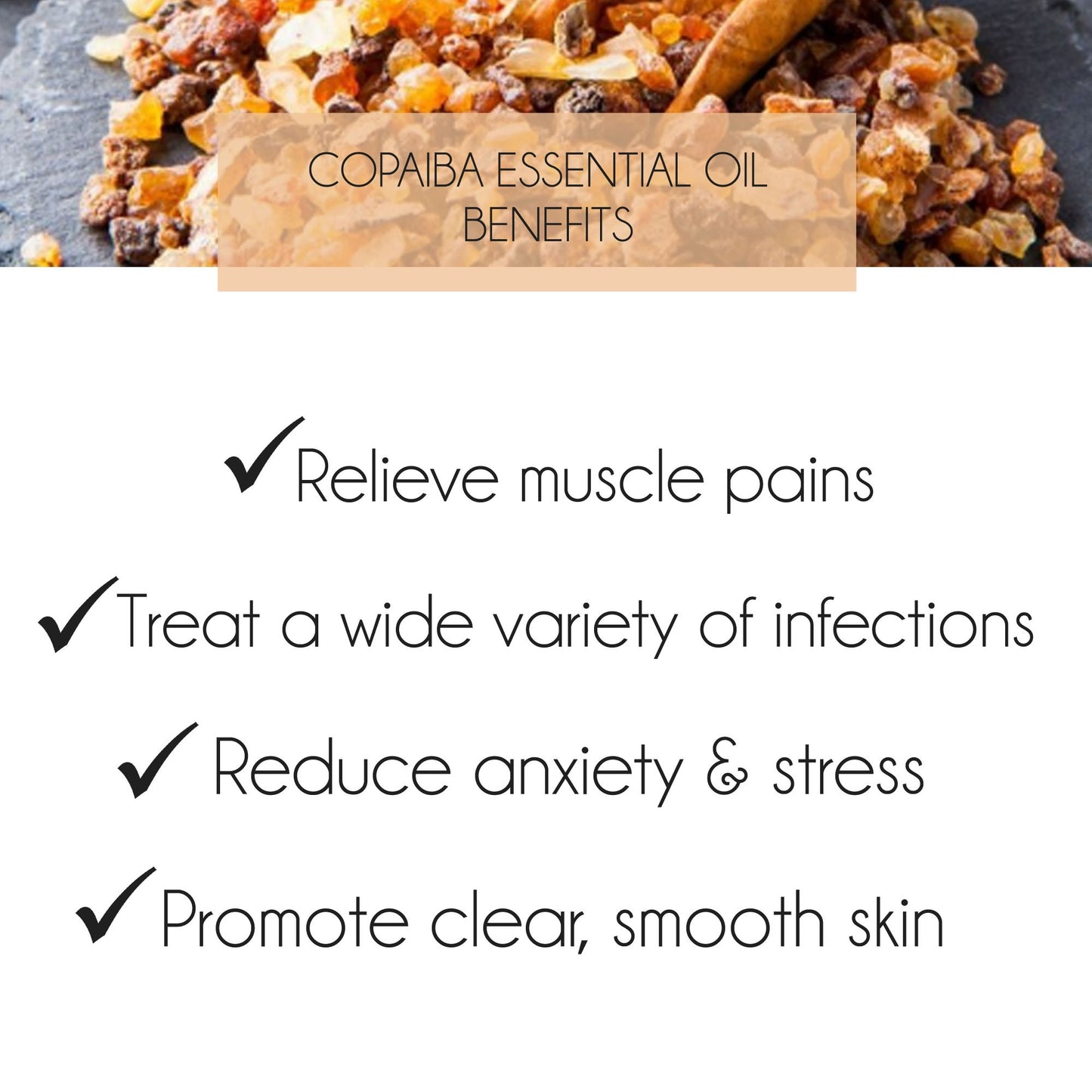
Copaiba oil is primarily used in topical skincare, calming aromatherapy, and cosmetic massage formulations to support skin comfort and promote tranquility.- Topical Care: Blended into daily serums to support a smooth, healthy complexion and soothe dry areas.
- Aromatic Diffusion: Diffused in living areas to cultivate a peaceful, grounding atmosphere during stressful routines.
- Massage Base: Combined with carrier oils for soothing body massages after physical activity or long workdays.


Extracted from the resin of Copaifera officinalis trees belonging to the Fabaceae family, this steam-distilled oleoresin originates from South America, predominantly Brazil. In traditional botanical practice, the resin was gathered by tapping wild forest trees, a technique that preserves both the tree and surrounding ecosystem. Today, aromatherapists across Australia favour Copaiba oil for its gentle nature and high concentration of sesquiterpenes.
Beyond skincare applications, this resinous liquid serves as a versatile anchor in complex essential oil blends. Its soft, warm aromatic notes bind lighter top notes while offering deep atmospheric comfort. Incorporating this oil into evening routines helps transition the mind into a relaxed state.
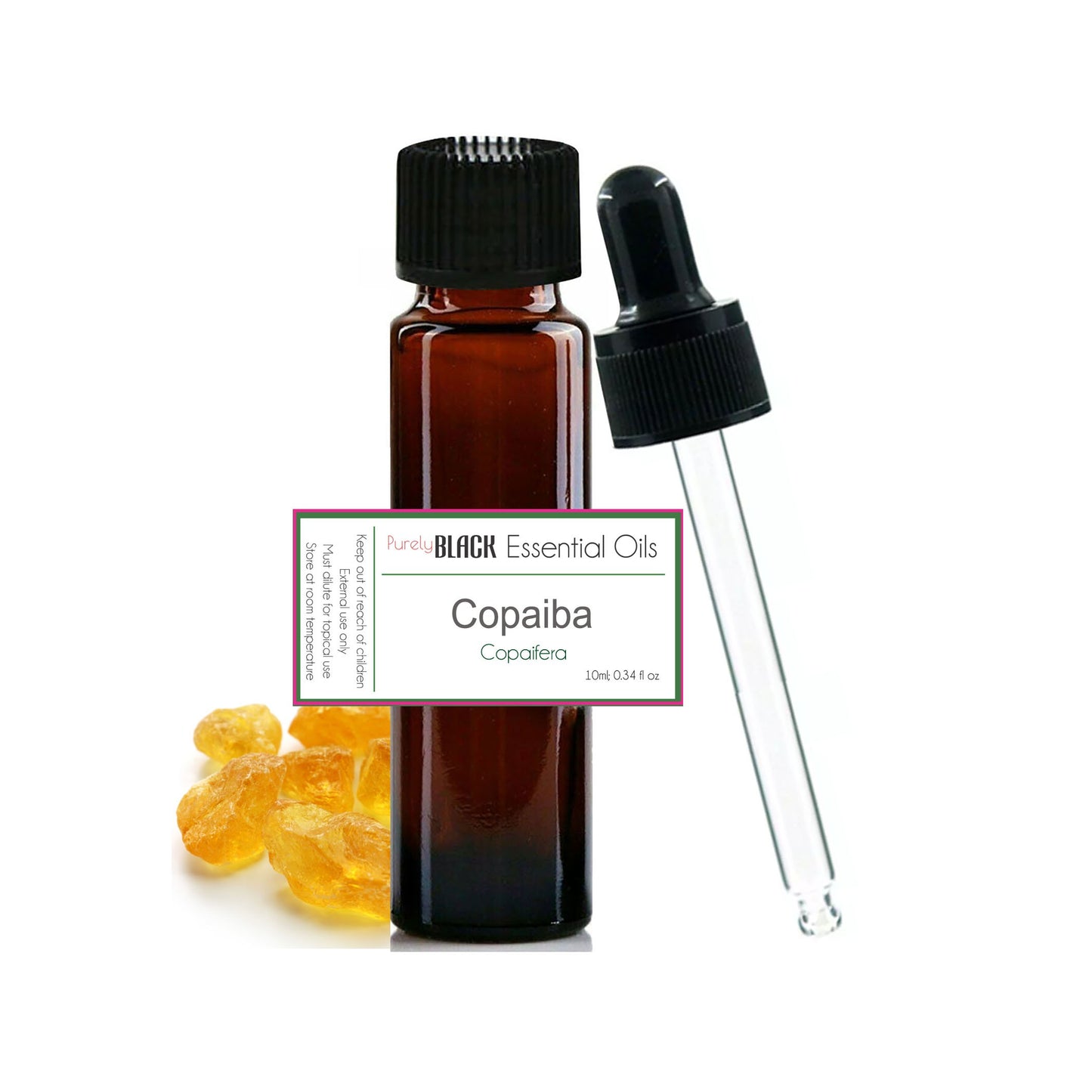
purelyBlack's pure copaiba oil is available as a 100% pure essential oil, dispatched from Sydney.
What is the function of copaiba?
Copaiba functions as a natural aromatic fixative, skin-nourishing botanical, and calming diffuser agent that helps soothe senses and clarify skin.| Chemical Constituent | Functional Role | Average Composition (%) |
|---|---|---|
| Beta-Caryophyllene | Skin soothing, fragrance fixative, grounding aroma | 45%–55% |
| Alpha-Bergamotene | Antioxidant support, subtle woody fragrance | 5%–10% |
| Germacrene D | Aromatic balancing, herbal undertone | 3%–8% |
| Alpha-Humulene | Terpene complexity, calming aromatic presence | 4%–9% |
The primary function of Copaiba essential oil stems from its rich sesquiterpene makeup, dominated by beta-caryophyllene. According to a published phytochemical study, beta-caryophyllene constitutes up to half of the total volatile oil profile. This specific compound interacts with natural cutaneous receptors to maintain healthy skin barrier integrity and reduce the visual appearance of redness.
In fragrance formulation, Copaiba acts as a natural fixative that slows down the evaporation of volatile floral and citrus notes. Its functional presence extends the wear time of natural perfumes while adding a warm, woody backbone. In diffusion, its chemical structure helps stabilize surrounding aromas, resulting in a consistent and lasting scent experience throughout living spaces.
Furthermore, its mild chemical interaction with atmospheric oxygen makes it a stable component in botanical formulations. Unlike highly volatile monoterpenes, Copaiba maintains its aromatic structural integrity over extended periods. This stability makes it an indispensable addition to custom skincare formulations and long-lasting artisanal perfume blends.


What does copaiba do for the body?
When experiencing physical tension, many people turn to Copaiba essential oil diluted in carrier oil to provide soothing topical comfort.- Complexion Support: Diluted Copaiba oil supports a healthy complexion by balancing excess facial oils and moisture levels.
- Physical Comfort: Applied during massages, Copaiba provides soothing warmth and relaxes tired muscles following daily physical activity.
- Aromatic Relaxation: Inhaling Copaiba aroma promotes a tranquil atmosphere that helps ease daily mental fatigue and tension.
When applied topically in diluted form, Copaiba oil provides profound comfort to weary body parts and stressed facial skin. The high sesquiterpene content supports the skin's moisture barrier, making it an excellent addition to post-shower body oils or daily facial moisturisers. Regular topical application helps smooth skin texture and supports overall skin vitality without leaving a greasy residue.
For body massages, blending Copaiba with nourishing plant oils enhances physical relaxation after strenuous workouts or demanding physical labour. Its delicate warming sensation combined with aromatic depth eases feelings of bodily stiffness. Practitioners in Australia frequently combine it with complement oils like Lavender or Eucalyptus to create custom massage blends tailored for end-of-day recovery.
Additionally, incorporating Copaiba into daily body care routines provides holistic sensory relief during times of physical exhaustion. Diffusing the oil alongside topical massage creates a soothing dual-action sensory environment. This balanced approach helps quiet physical restlessness while cultivating a deeply serene personal atmosphere.
What does copaiba smell like?
Copaiba possesses a mild, sweet, warm, resinous, and subtly woody aroma with gentle balsamic undertones and faint honey-like notes.Unlike pungent woody oils such as Cedarwood or Pine, Copaiba essential oil offers a remarkably soft and smooth olfactory profile. Its scent opens with a faint, honeyed warmth before unveiling a gentle resinous core. Because it lacks harsh medicinal notes, it provides a subtle, unobtrusive aroma that appeals to both beginners and experienced aromatherapy enthusiasts.
In blending practice, Copaiba functions as a versatile middle-to-base note that unifies disparate fragrance families. It pairs exceptionally well with floral scents like Jasmine, Neroli, and Geranium, softening their intensity while adding rich depth. It also complements citrus oils like Sweet Orange, as well as earthy undertones like Patchouli or spice oils such as Cassia.
When exposed to ambient room air through an ultrasonic diffuser, its soft balsamic facets slowly expand without overpowering smaller living spaces. This delicate diffusion quality ensures that surrounding living spaces feel inviting rather than heavily perfumed. Users frequently describe the ambient fragrance as reminiscent of a quiet, sunlit forest floor.
What is Copaiba essential oil good for spiritually?
Spiritually, Copaiba essential oil fosters emotional grounding, deepens meditation, clears energetic blockages, and encourages inner tranquility during mindfulness practice.In holistic botanical practices, Copaiba is revered for its strong connection to grounding and emotional stability. Its deep, resinous scent profile helps quiet an overactive mind, making it an ideal companion for breathwork, yoga, and reflective meditation. Diffusing this oil creates a sanctuary-like environment that encourages emotional clarity and steady focus.
Energetically, Copaiba essential oil is often associated with the Root and Sacral chakras, supporting feelings of safety, stability, and creative flow. Many practitioners apply a diluted drop to energy points before spiritual rituals to release lingering emotional static. The calming aroma promotes a sense of inner peace, helping individuals remain present and composed during life transitions.
Many spiritual practitioners also utilize Copaiba during evening gratitude journaling or silent contemplation to mark the boundary between busy work hours and restful night cycles. The grounding resinous aroma encourages a gentle turning inward, fostering deeper self-awareness. Incorporating this simple ritual helps clear chaotic mental chatter and reinstates a sense of harmonious balance.
How to use copaiba essential oil?
Use Copaiba essential oil by diffusing three to five drops in water or diluting two drops per teaspoon of carrier oil.- Topical Application: Mix 2 drops of Copaiba oil with 1 teaspoon of Fractionated Coconut Oil for daily skin nourishing or targeted body massage.
- Ultrasonic Diffusion: Add 3 to 5 drops of Copaiba essential oil to your ultrasonic diffuser reservoir filled with clean water to refresh room air.
- Aromatic Bathing: Pre-mix 4 drops of Copaiba with 1 tablespoon of jojoba oil or bath gel before adding to warm running bathwater.
Always perform a patch test on a small area of skin prior to widespread topical use to check for personal sensitivity. For facial skincare, maintain a mild 1% dilution ratio (roughly 1 drop per 5 mL of carrier oil) to ensure gentle application. Store your bottle in a cool, dark place away from direct sunlight to preserve its botanical integrity over time.
To explore similar profiles, discover these pure purelyBlack creations: Eucalyptus Oil, Sweet Orange Oil, and Geranium Oil — each dispatched from Sydney.
Related Reading
For more on copaiba, see our companion guides: Can You Put Copaiba Oil Directly on Skin? A Topical Guide. Copaiba (Copaifera officinalis): Tree, Resin & Botanical Science. What Is Copaiba Essential Oil? Benefits, Uses & How to Use It.
About the Author
Written by H.R. Kim
Founder at purelyBlack — an Australian-owned perfumery and botanical studio based in Sydney. H.R. specialises in scent profiling and natural ingredient sourcing, meticulously balancing premium fragrance oils and 100% pure essential oils to create elevated aromatic experiences.
Last updated: August 2026
Disclaimer: purelyBlack essential oils are for external use and aromatherapy purposes only. They are not intended to diagnose, treat, cure, or prevent any disease. Always dilute with a carrier oil before topical application and consult a healthcare professional if pregnant or under medical supervision.
