





Skip to product information
1 of 8

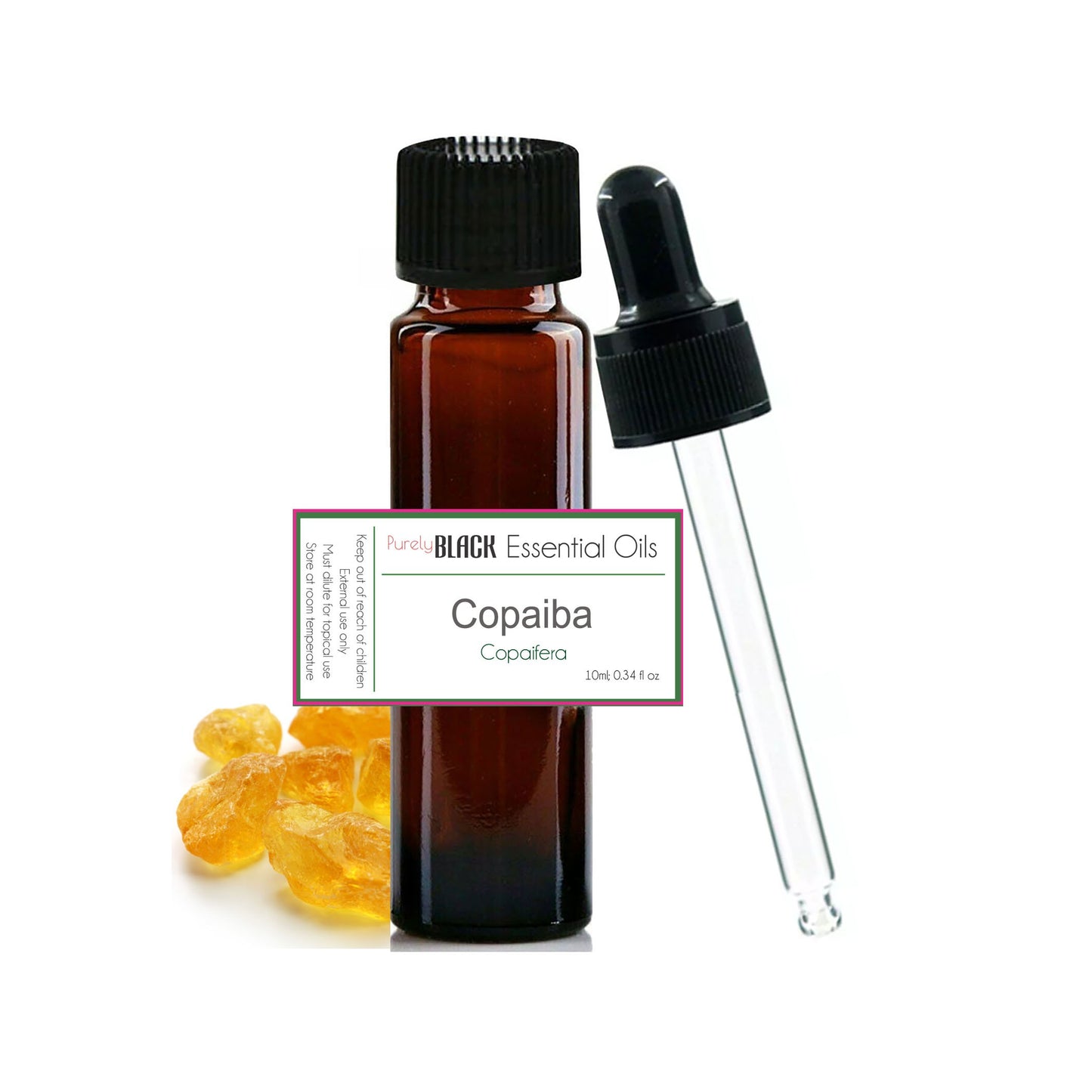
Pure Copaiba Essential Oil 10ml - Copaifera Officinalis

Regular price $13.95 AUD
Regular price Sale price $13.95 AUD
Sale Sold out
Quantity

Copaiba oil for joint comfort delivers profound grounding warmth while supporting skin resilience and emotional balance. Distilled from Brazilian Copaifera Officinalis resin, this softly balsamic oil has been treasured for centuries in South American botanical traditions for its gentle, centering presence. Each GC/MS-tested batch from our Australian vegan brand offers aromatic depth and topical versatility. Its mild, woody sweetness blends seamlessly into restorative massage rituals and calming diffuser blends. Explore the tabs below for detailed aromatic profiles, step-by-step application methods, and safety guidelines.

Product Details & Aroma

Core Product Details

  • Botanical Name: Copaifera Officinalis
  • Plant Family: Fabaceae (Legume)
  • Plant Part Used: Oleoresin
  • Extraction Method: Steam Distillation
  • Country of Origin: Brazil

Quality & Purity

  • 100% Pure & Natural: No fillers, synthetics, or carrier oils added.
  • GC/MS Tested: Every batch tested to verify purity and constituent integrity.
  • Vegan & Cruelty-Free: No animal-derived ingredients. Never tested on animals.
  • Australian Brand: Proudly Australian-owned and operated.

Aromatic Profile & Notes

  • Aromatic Note: Base to Bridge
  • Aromatic Profile: What does Copaiba essential oil smell like? Copaiba opens with a soft, honeyed warmth—subtly sweet and resinous without the heaviness of myrrh or benzoin. As it develops, gentle woody undertones emerge alongside a whisper of peppery spice, creating a grounding yet unobtrusive backdrop. The dry-down is clean and balsamic, lingering like sunlit amber on warm skin. Indigenous Amazonian communities have tapped Copaifera trees for their precious resin for over four hundred years, using the golden oleoresin in both ceremonial and healing contexts. Its mildness makes it a versatile blending base that supports rather than dominates.
  • Key Constituents: β-Caryophyllene (40–60%), α-Humulene (8–12%), α-Copaene (8–10%), β-Elemene (2–5%), γ-Cadinene (1–3%), δ-Cadinene (1–2%), Germacrene D (1–3%). The dominance of β-caryophyllene—a sesquiterpene known for interacting with the body's endocannabinoid receptors—distinguishes copaiba from most other essential oils and contributes to its traditional use in soothing topical applications.

Core Benefits & Properties

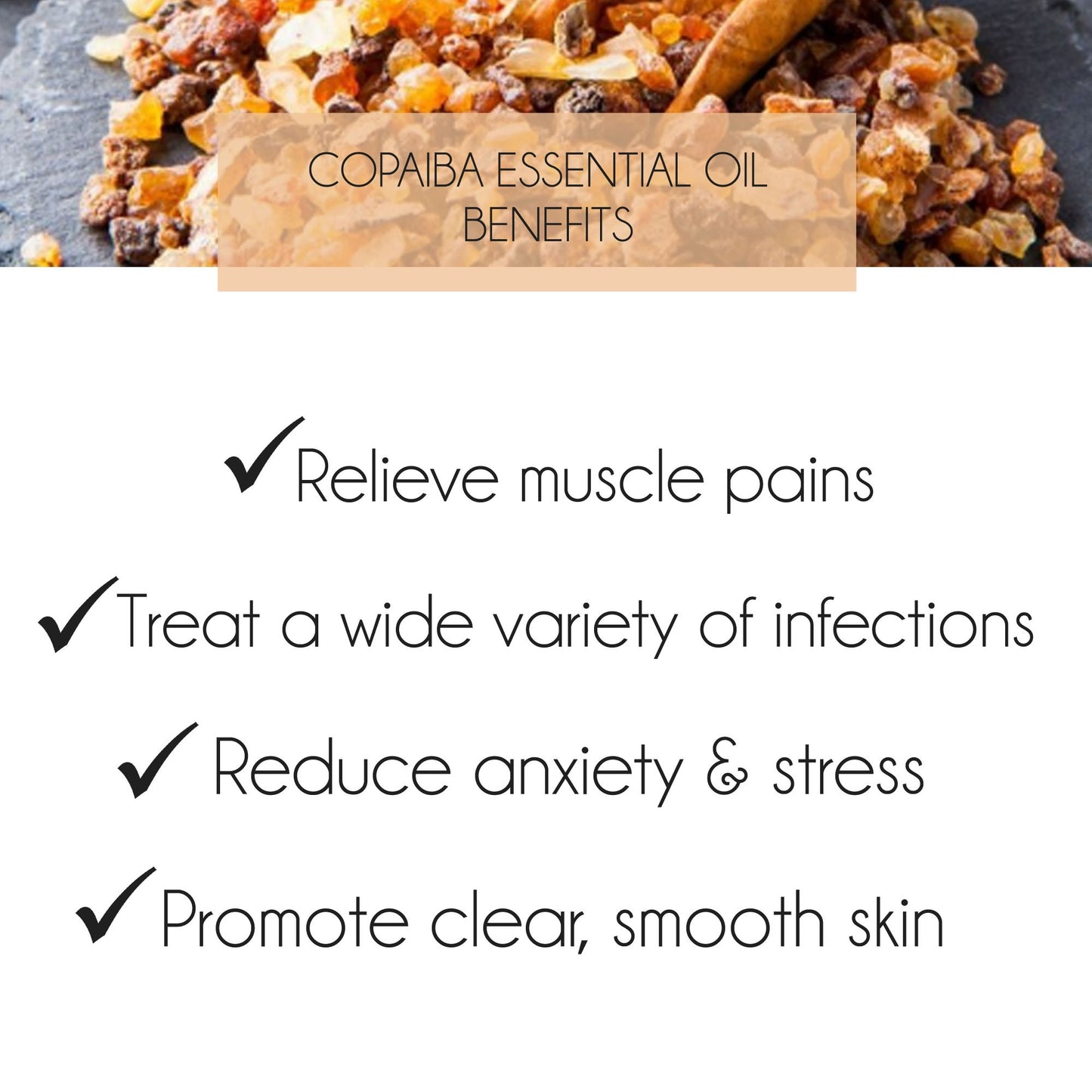
How Does Copaiba Oil Support Joint Comfort and Physical Ease?

Copaiba oil provides aromatic comfort and topical support when diluted and applied to areas of physical tension. Its high β-caryophyllene content—often exceeding 50%—interacts uniquely with CB2 receptors in peripheral tissues, which traditional South American herbalists have long recognised in botanical practice for supporting musculoskeletal ease. Tisserand & Young note that β-caryophyllene is non-psychoactive yet offers a gentle, calming effect when applied topically. When experiencing minor everyday discomfort after exercise or extended activity, many turn to copaiba in massage oils or roll-on blends. Dilute at 2–3% in fractionated coconut oil and massage into knees, elbows, lower back, or shoulders. A pure copaiba oil joint comfort application can become a valued part of post-workout or evening wind-down rituals, particularly when blended with black pepper or eucalyptus for enhanced aromatic warmth.

Why Is Copaiba Oil Valued for Skin Health and Dermal Resilience?

Copaiba supports a healthy, balanced complexion and is traditionally used in botanical practice for promoting skin clarity. The resin's gentle astringent properties help refine the appearance of pores, while its balsamic nature delivers a soothing layer of aromatic moisture. Research published in Evidence-Based Complementary and Alternative Medicine (2012) highlights copaiba's traditional role in addressing minor skin irritations and supporting the skin's natural barrier function. For those with combination or blemish-prone skin, copaiba offers a milder alternative to tea tree, working quietly beneath heavier treatment oils. Apply at 1–2% dilution to cleansed skin morning or evening, or add two drops to your moisturiser. Pure copaiba oil dermal hydration practices have been adopted widely in natural skincare formulations across Australia, particularly in facial serums and post-shave balms.

How Does Copaiba Oil Promote Emotional Grounding and Mental Clarity?

Copaiba oil promotes a tranquil atmosphere and creates a gently grounding aromatic environment. Its warm, woody aroma anchors without sedating, making it ideal for meditation, journalling, or slow-morning rituals. Unlike sharper clarifying oils such as peppermint or eucalyptus, copaiba works through subtle presence rather than intensity. Diffuse 4–6 drops alone or blended with palo santo oil and petitgrain oil during evening wind-down or pre-sleep routines. The National Association for Holistic Aromatherapy (NAHA) recognises copaiba as a supporting oil in blends designed to ease racing thoughts and restore mental equilibrium. Explore aromatic grounding practices with copaiba as a foundation note, particularly when combined with citrus or resinous oils for layered emotional support.

How to Use & Blends Well With

How to Use Copaiba Oil

  • Create a Targeted Roll-On: Combine 6 drops copaiba oil, 3 drops black pepper oil, and 2 drops eucalyptus oil in a 10 ml roller bottle. Top with fractionated coconut oil. Apply to knees, wrists, lower back, or temples after exercise or during periods of physical exertion. The warming synergy of black pepper and eucalyptus amplifies copaiba's grounding presence while supporting localised comfort.

How to Make a Copaiba Room Spray

  • DIY Application: In a 100 ml amber glass spray bottle, combine 80 ml distilled water, 20 ml witch hazel, 15 drops copaiba oil, 10 drops grapefruit oil, and 5 drops tea tree oil. Shake well before each use and mist into yoga studios, bedrooms, or treatment spaces. For a deeper, more meditative variation, replace grapefruit with calamus oil and add 5 drops frankincense.

Aromatherapy Diffusion

Copaiba essential oil creates a quietly centred atmosphere, ideal for restorative practices and reflective solitude. Diffuse 4–6 drops in an ultrasonic diffuser during meditation, slow stretching, or evening reading. Indigenous Amazonian healers have long burned copaiba resin during ceremonial gatherings to foster calm presence and communal grounding. In modern aromatherapy, copaiba serves as a bridge oil—neither stimulating nor heavily sedative—making it a versatile daily companion for those seeking emotional equilibrium without drowsiness.

Blends Well With

Peppermint Oil, Eucalyptus Oil, Black Pepper Oil, Grapefruit Oil, Tea Tree Oil, Palo Santo Oil, Petitgrain Oil, Calamus Oil.

Safety & Precautions

General Safety & Application Guidelines

  • External Use Only: Never ingest copaiba essential oil. For aromatic and topical use only.
  • High Potency & Dilution: Copaiba oil is generally mild and well-tolerated. NAHA recommends dilution at 1–3% for topical application (3–9 drops per 30 ml carrier oil). For facial application, use 1% dilution. Always dilute in a carrier oil such as fractionated coconut oil before applying to skin.
  • Medication Interactions: Tisserand & Young note that β-caryophyllene may theoretically interact with medications metabolised by cytochrome P450 enzymes, though clinical evidence remains limited. If you are taking anticoagulants, immunosuppressants, or undergoing chemotherapy, consult your healthcare provider before topical use.
  • Safe Storage: Store in a cool, dark place away from direct sunlight and out of reach of children and pets. Keep bottle tightly closed to preserve aromatic integrity.

Specific Precautions

  • Pregnancy & Nursing: Copaiba oil is considered safe during pregnancy and breastfeeding when used topically at recommended dilutions (1–2%). Avoid oral ingestion.
  • Children & Pets: Safe for children aged 2 and above at 0.5–1% dilution. For infants under two, consult a qualified aromatherapist. Copaiba is generally well-tolerated by dogs when diffused in well-ventilated spaces; avoid topical application without veterinary guidance. Always toxic to cats—never diffuse or apply in households with felines.

View full details
  • How do I know purelyBlack essential oils are truly 100% pure?

    Unlike many aromatherapy oils sold online that contain synthetic fillers, purelyBlack oils are 100% plant-derived. We use zero additives, bases, or synthetics. Our oils are sourced directly from growers in their native regions—such as Tea Tree from Australia and Peppermint from India—ensuring you get the potent, unadulterated plant extract every time.

  • Why are your oils more affordable than big brands like doTerra or Young Living?

    We operate on a direct-to-consumer model. Large Multi-Level Marketing (MLM) brands often mark up their products by 300-500% to pay commissions to their tiered distributors. We cut out the middleman and fancy packaging, allowing us to sell the exact same Therapeutic Grade quality oils at a fraction of the price.

  • Are your essential oils Therapeutic Grade?

    Yes. We source our oils specifically for their therapeutic properties, not just their smell. This means our oils are harvested at the peak time to ensure high levels of active compounds (like 1,8-cineole in Eucalyptus). They are perfect for use in diffusers, DIY skincare, and hair growth treatments when used as directed.

  • Can purelyBlack essential oils be used on the skin?

    Yes, because our oils are 100% pure, they are safe for topical use when properly diluted with a carrier oil (like Jojoba or Fractionated Coconut Oil). This makes them superior to cheaper fragrance oils found in discount stores, which are often synthetic and strictly for room scenting only.