



How to Use Clove Oil for Pain and Toothaches
How to use cloves for pain relief?
When experiencing temporary physical discomfort, many people turn to diluted Clove essential oil mixed with a carrier oil to provide soothing localized comfort.
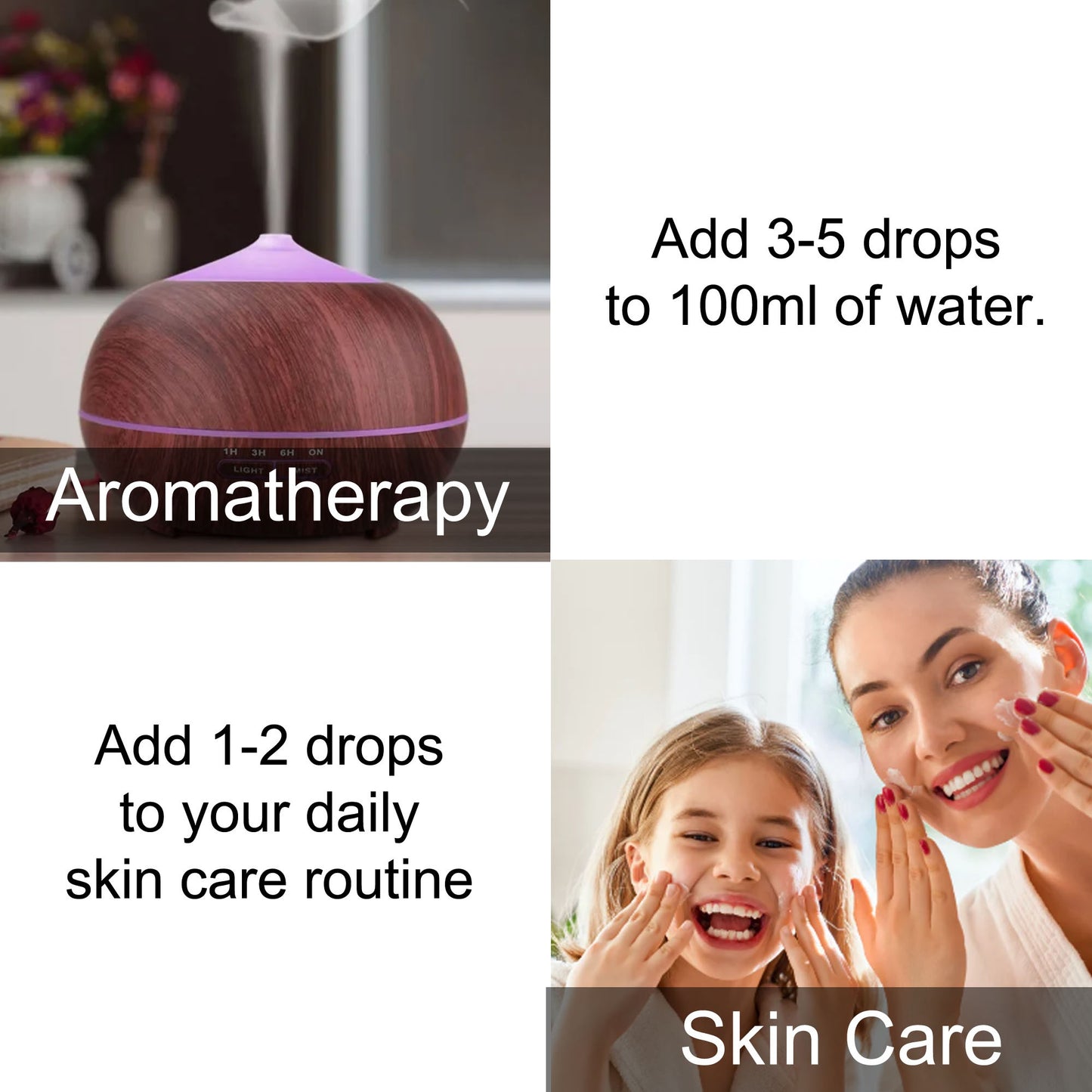
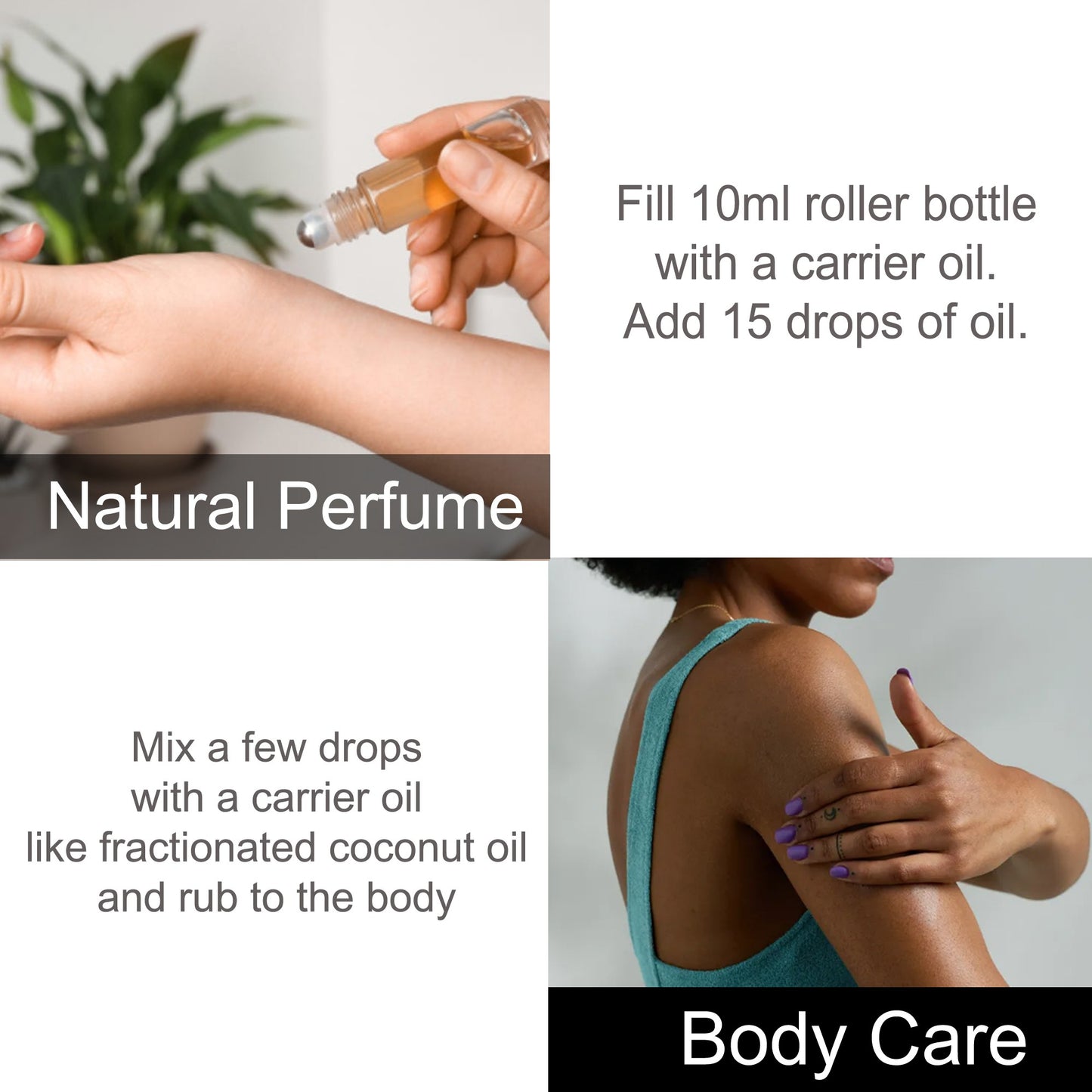
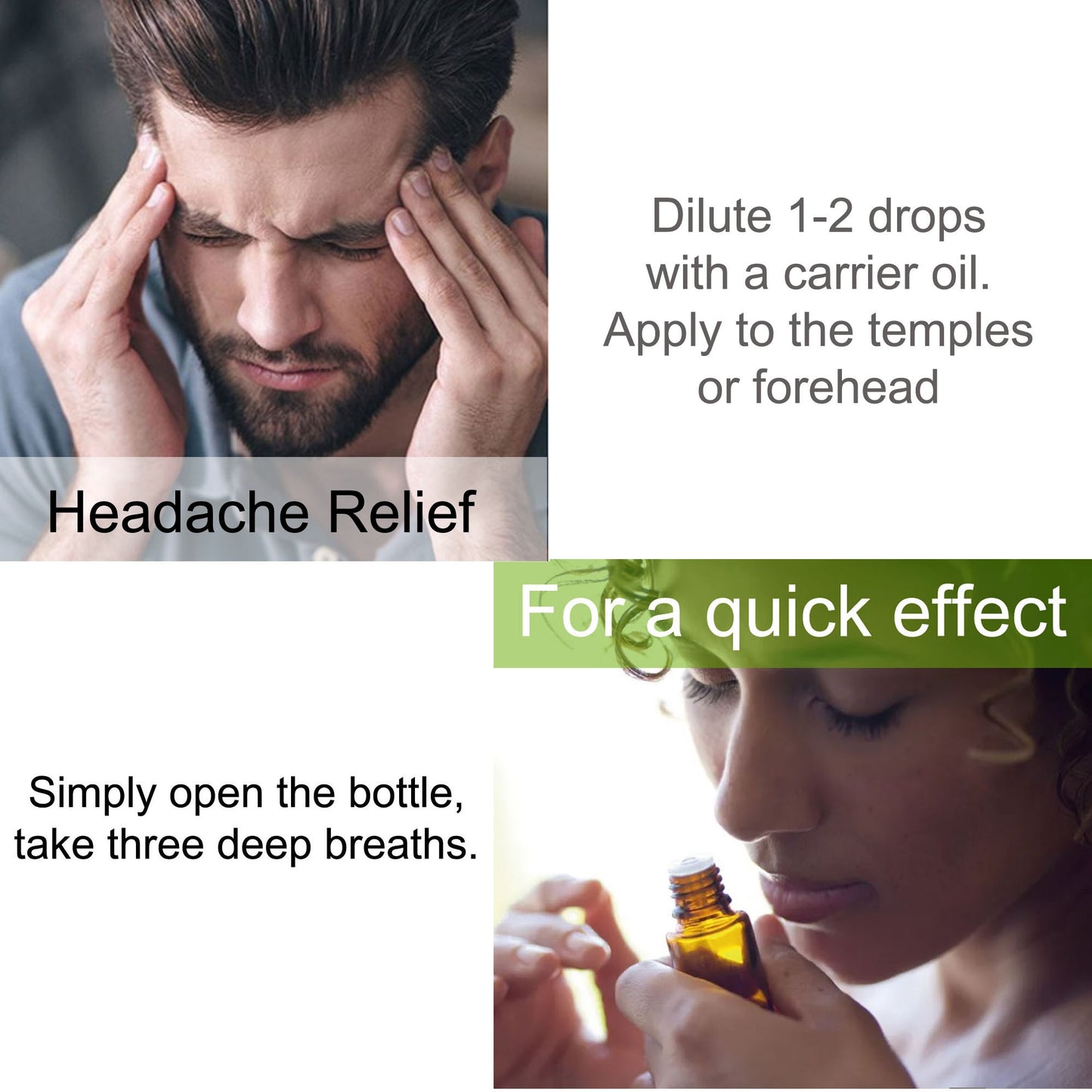
- Topical Dilution: Combine two drops of Clove oil with one teaspoon of carrier oil before applying to targeted skin areas.
- Warm Compress: Add three drops of Clove essential oil to warm water, soak a cloth, and place over tense muscles.
- Aromatic Massage: Mix Clove with complementary botanical extracts to create a warming massage blend for joint comfort and relaxation.


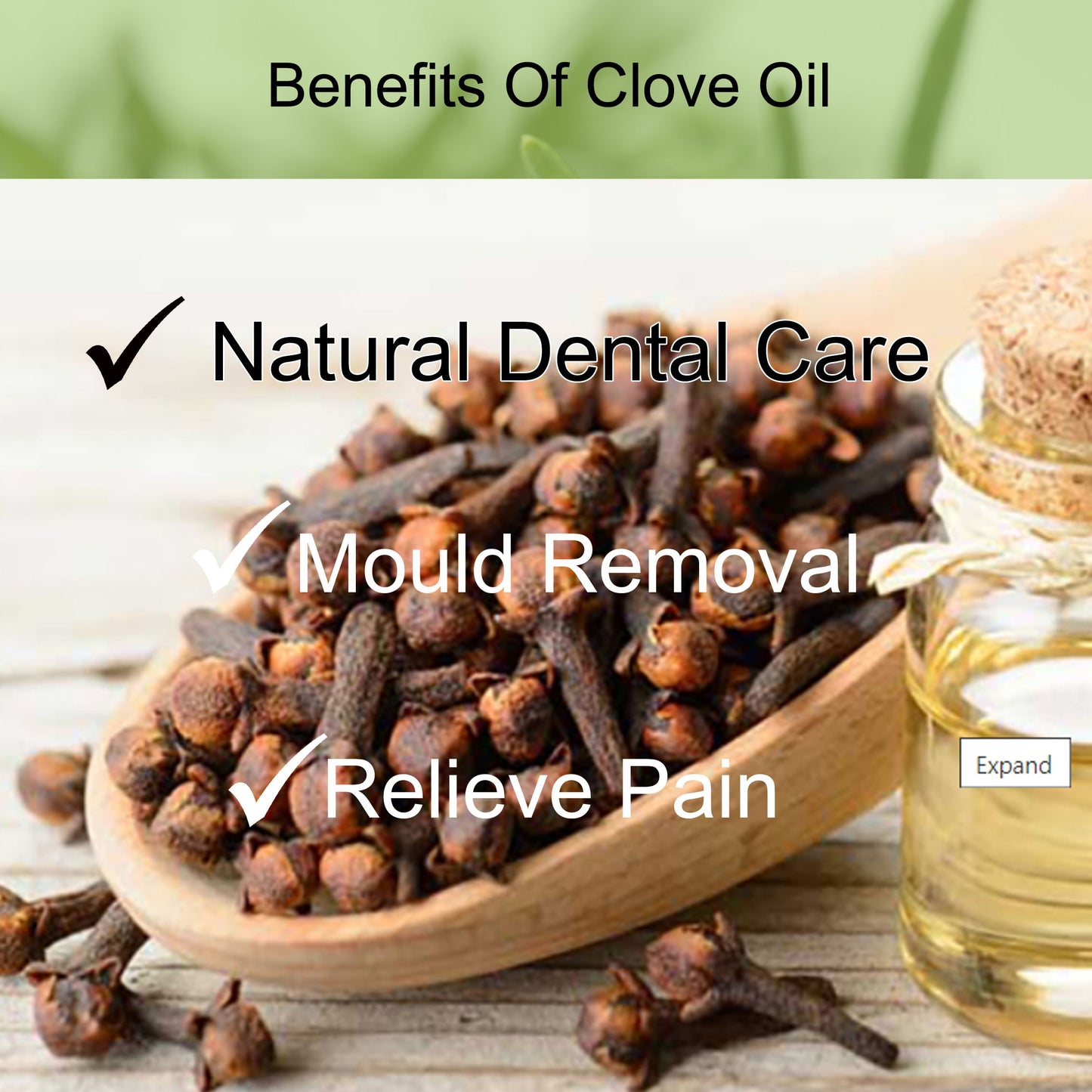
Derived from the dried flower buds of Syzygium aromaticum, belonging to the Myrtaceae family, Clove essential oil is produced through steam distillation. Traditionally used in botanical practice to provide comfort for bodily tension, this aromatic extract offers a distinctly warm, spicy fragrance. The primary constituent responsible for its characteristic aroma and warming dynamic is eugenol, which typically comprises up to 85% of the botanical extract.
When creating topical application blends for body comfort, choosing a high-quality carrier base ensures proper skin absorption without triggering irritation. Applying Clove topically delivers a subtle heating sensation that helps ease stiffness after strenuous physical activity. Regular use in personal care rituals promotes overall physical relaxation and renewed sense of vitality.
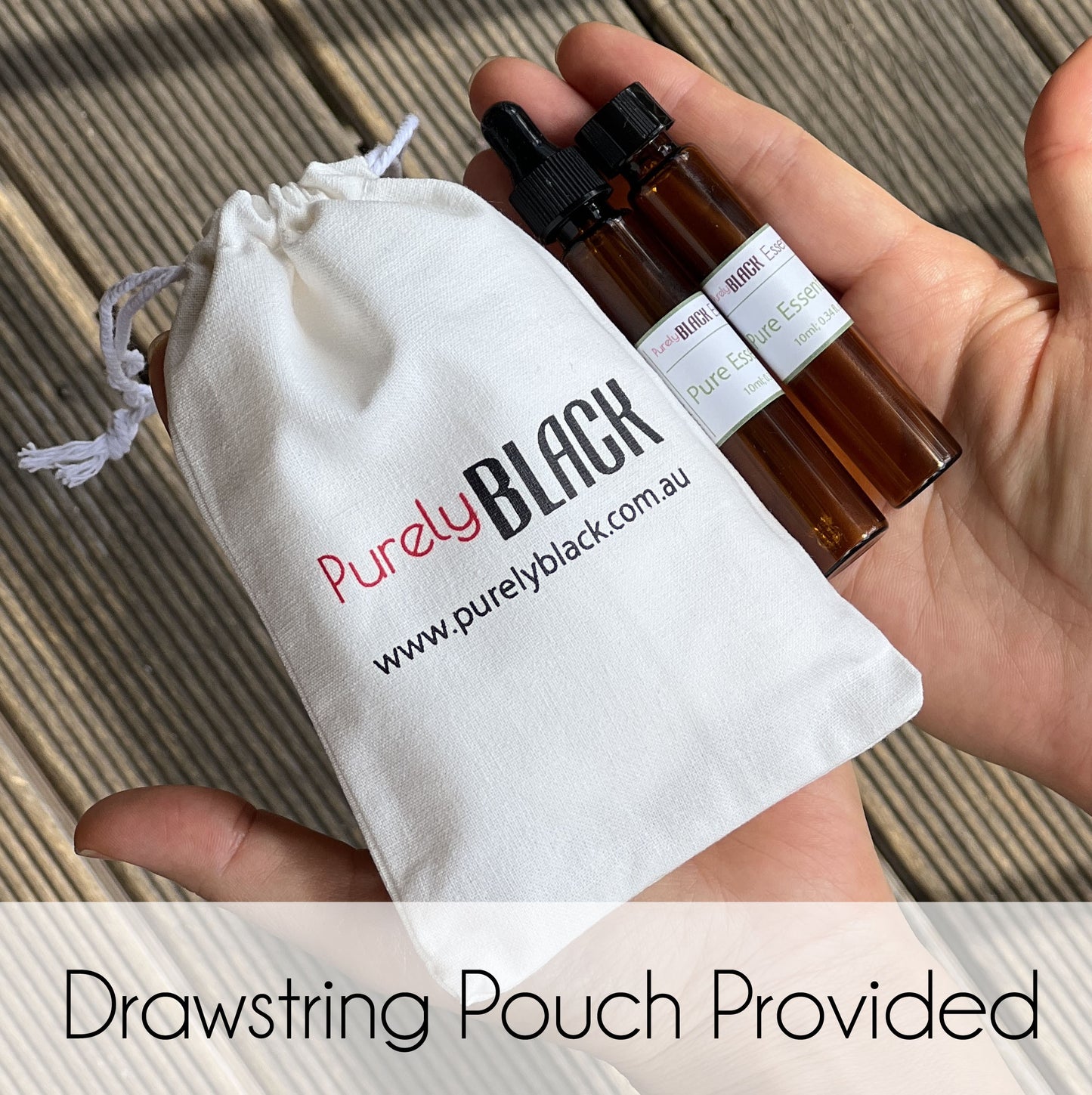
purelyBlack's pure clove oil is available as a 100% pure essential oil, dispatched from Sydney.
How long should I leave clove oil on my tooth?
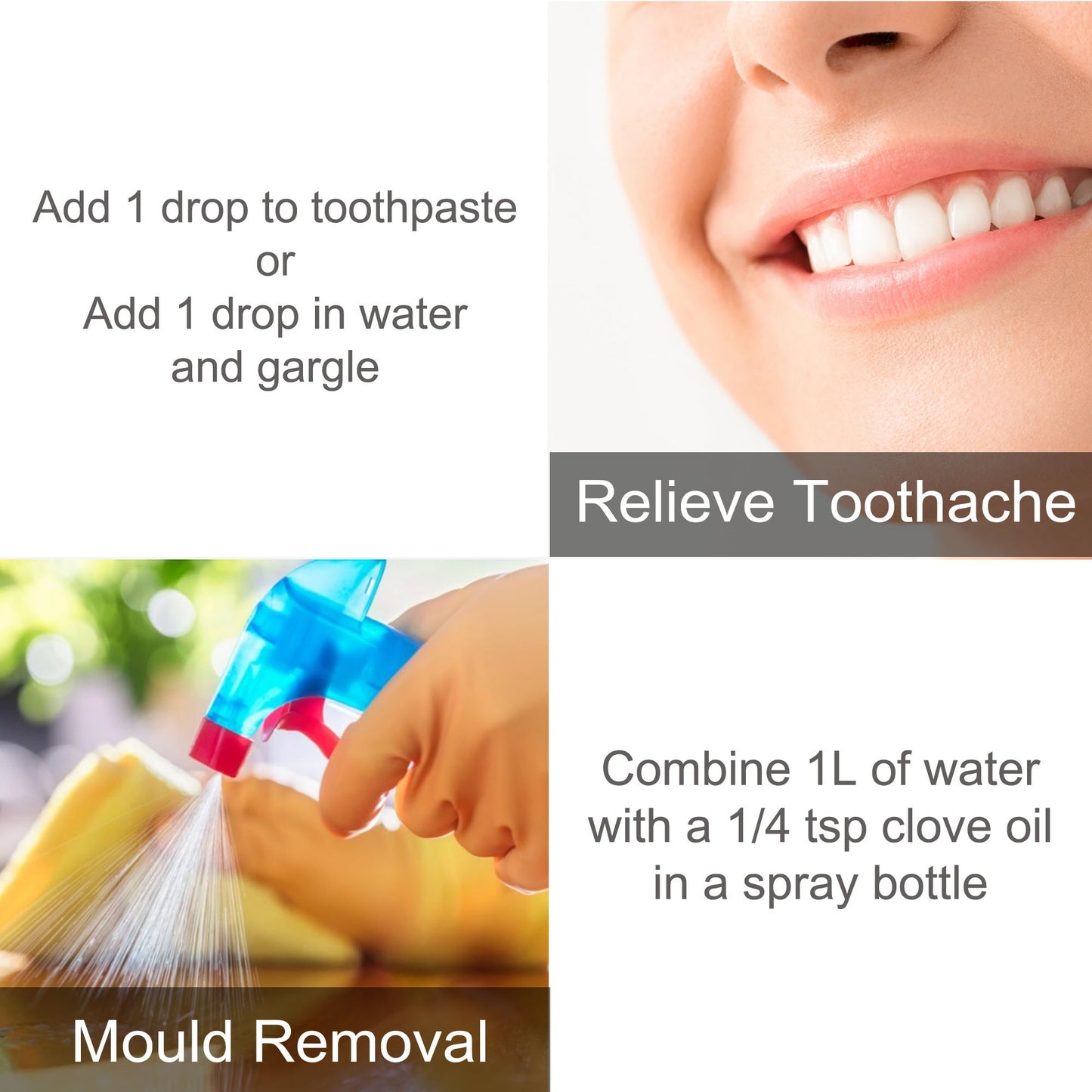
When experiencing tooth discomfort, many people turn to Clove essential oil diluted in carrier oil applied via cotton swab for two to five minutes.
To maintain optimal safety during localized oral application, place a tiny drop of diluted Clove oil onto a clean cotton swab. Position the cotton swab gently against the affected gum area surrounding the tooth without swallowing any liquid. Leaving the swab in place for several minutes provides gentle botanical comfort before removing the cotton and rinsing thoroughly with water.
Never leave application swabs in contact with oral tissues for longer than five minutes at a time. Prolonged contact with concentrated eugenol can lead to localized tissue sensitivity or mild irritation. Practise moderation by limiting application to two or three times daily as needed for short-term aromatic comfort.
If discomfort persists beyond a short period, consult a dental professional in Australia for a thorough examination. Botanical applications serve strictly as transient comfort measures while awaiting professional care. Always prioritize oral hygiene and gentle application techniques.


Does clove oil stop nerve pain?
When experiencing intense nerve discomfort, many people turn to Clove essential oil blended with carrier oil to provide localized warming aromatic comfort.
- Sensory Comfort: Blending Clove essential oil into plant bases delivers a warming sensation that distracts from acute nerve sensitivity.
- Compound Synergy: Chemical constituents like eugenol and beta-caryophyllene work together to provide deep aromatic and topical comfort.
- Targeted Application: Gently massaging diluted Clove oil along neural pathways promotes relaxation and temporary relief from physical stress.
The major active chemical constituent in Clove oil is eugenol, which comprises between 70% and 90% of the distilled oil according to published phytochemical analysis. Beta-caryophyllene and eugenyl acetate represent secondary constituents that enhance its dynamic aromatic property. In botanical practice, these bioactive compounds are recognised for their ability to deliver a warm, intense soothing sensation upon skin contact.
While Clove oil provides a soothing sensory distraction, it does not cure underlying neurological conditions or structural issues. Combining Clove with calming botanicals like Lavender Oil creates an effective massage oil that supports overall physical tranquility. Consistent dilution and gentle stroke patterns help optimize topical application.
Can I apply clove oil directly?
No, direct application of undiluted Clove essential oil is not recommended because raw concentrated eugenol causes severe skin and mucosal irritation.
Neat application of Clove essential oil directly to bare skin or soft oral membranes poses a high risk of contact dermatitis and tissue burn. Because Clove is classified as a warm, pungent botanical extract, concentrated contact overwhelms sensitive skin barriers. Always mix Clove oil with a suitable fatty carrier oil prior to any dermal or mouth-area contact.
For general dermal application, a concentration between 0.5% and 1% is strongly advised for safe topical use. This equates to approximately one to two drops of Clove per 10 millilitres of carrier base. Individuals with sensitive skin should perform a patch test on the inner forearm prior to broader physical application.
Proper dilution ensures that you receive the aromatic and tactile benefits of Clove without compromising skin integrity. Taking precautionary steps protects delicate dermal barriers across all age groups.
What oil is best to mix with clove oil?
Fractionated Coconut Oil is the best carrier oil to mix with Clove essential oil due to its stable liquid texture and neutral scent.
| Oil Category | Recommended Partner | Primary Application & Ratio |
|---|---|---|
| Carrier Oil | Fractionated Coconut Oil | 1–2 drops per 10mL carrier for gentle skin massage |
| Spicy Essential Oil | Black Pepper Oil | 1 drop Clove + 2 drops Black Pepper for warming muscles |
| Herbal Essential Oil | Ginger Oil | 1 drop Clove + 2 drops Ginger for joint comfort massage |
| Floral Essential Oil | Neroli Oil | 1 drop Clove + 3 drops Neroli for balanced perfume blends |
Choosing an appropriate carrier oil ensures proper dispersion of Clove essential oil while mitigating potential dermal irritation. Fatty vegetable oils act as a barrier buffer, facilitating smooth cutaneous absorption without dampening botanical efficacy. Aromatherapists frequently recommend pairing Clove with secondary floral or herbal essential oils to balance its intense, medicinal scent profile.
Blending Clove oil with herbaceous or citrus essential oils creates a synergistic warming effect for physical comfort. Alternatively, adding softer floral notes such as Neroli Oil or Ylang Ylang Oil tones down the sharp spicy aroma, producing a harmonious personal fragrance blend. Experimenting with different proportions allows tailored scent creation.
Can you put clove oil directly on a tooth?
No, neat Clove oil should not be placed directly on a tooth or gums because undiluted eugenol causes severe chemical irritation.
Direct contact between pure Clove essential oil and tooth enamel or soft gum tissue can damage delicate oral membranes. Undiluted application often results in a harsh burning sensation, potential tissue ulceration, and systemic absorption through damaged mucosal lining. Always dilute Clove oil thoroughly using a liquid carrier oil prior to localized application around teeth.
To apply safely, dilute one drop of Clove in half a teaspoon of liquid carrier oil and soak a small piece of clean cotton ball. Press the diluted cotton ball against the specific tooth area for short intervals while avoiding swallowing any excess fluid. If discomfort persists, consult a qualified dental practitioner in Australia for comprehensive diagnostic evaluation and care.
To explore similar profiles, discover these pure purelyBlack creations: Tea Tree Oil, Lavender Oil, and Black Pepper Oil — each dispatched from Sydney.
Related Reading
For more on clove oil, see our companion guides: A Guide to Safely Using Clove Oil on Your Skin. Using Clove Essential Oil for Mould and Bug Repellent.
About the Author
Written by H.R. Kim
Founder at purelyBlack — an Australian-owned perfumery and botanical studio based in Sydney. H.R. specialises in scent profiling and natural ingredient sourcing, meticulously balancing premium fragrance oils and 100% pure essential oils to create elevated aromatic experiences.
Last updated: August 2026
Disclaimer: purelyBlack essential oils are for external use and aromatherapy purposes only. They are not intended to diagnose, treat, cure, or prevent any disease. Always dilute with a carrier oil before topical application and consult a healthcare professional if pregnant or under medical supervision.
