





Clove Oil for Mould: How to Use Oil of Cloves at Home
What is clove oil used for?
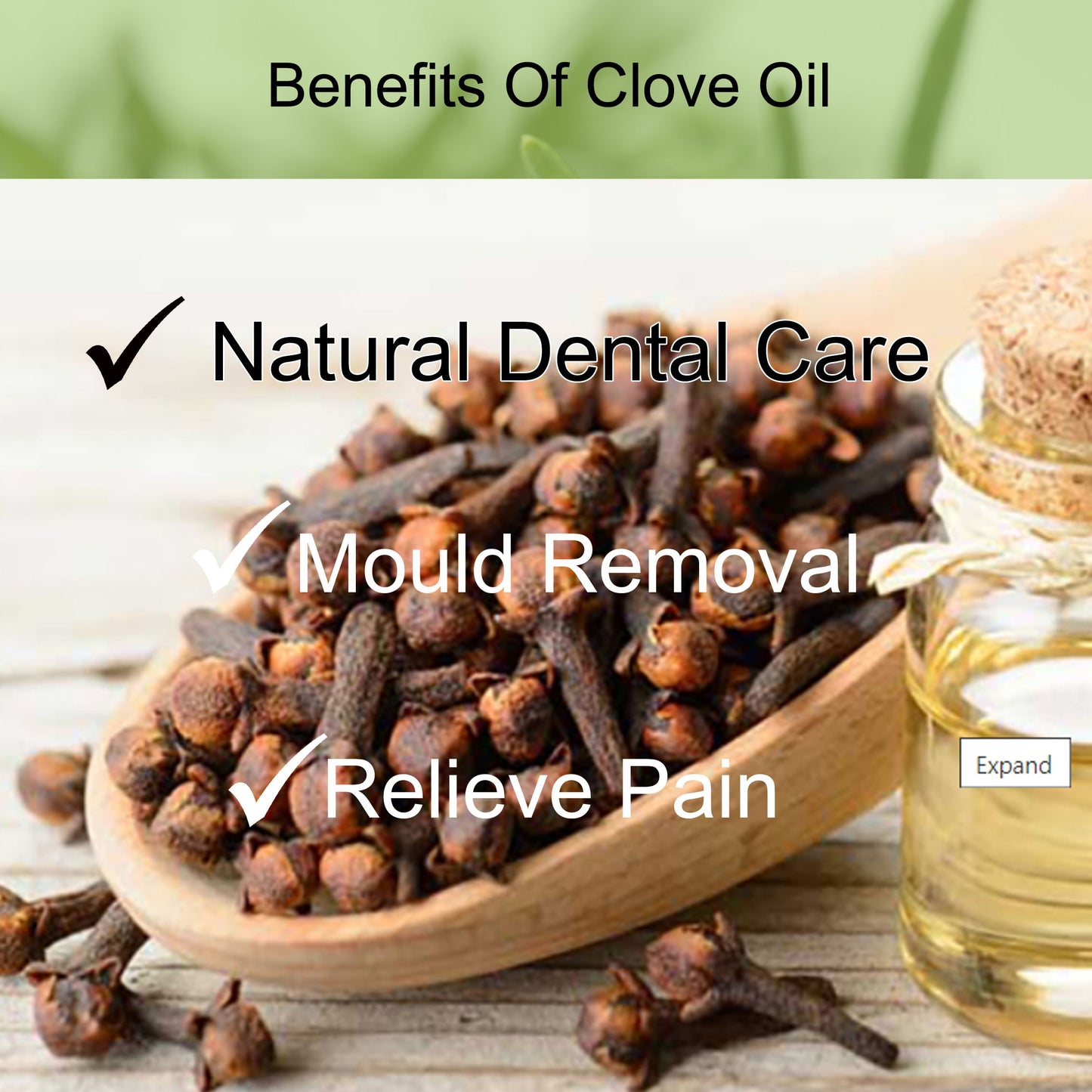
Clove oil is used primarily as a natural household cleaner for tackling surface mould and as an effective botanical insect repellent.
- Mould Cleaning: It breaks down organic surface growth on household walls, tiles, and bathroom grout efficiently.
- Insect Repellent: Natural aroma compounds deter common household pests like ants, spiders, and silverfish effectively.
- Aromatic Diffusion: Diffusing creates a warm, spicy environment that freshens stale indoor air in damp spaces.


Derived from the dried flower buds of Syzygium aromaticum, a plant belonging to the Myrtaceae family, Clove essential oil (commonly sold in Australia as "oil of cloves") is widely recognised for its robust aromatic profile. Produced through traditional steam distillation, this botanical oil originates predominantly from tropical regions such as Indonesia and Madagascar. A published phytochemical study reveals that eugenol comprises 70–90% of its chemical structure, supported by secondary compounds like eugenyl acetate and beta-caryophyllene.
Due to this rich chemical composition, many Australian households rely on Clove oil for environmental maintenance without resorting to harsh synthetic chemicals. Its strong active properties help inhibit fungal development on vulnerable porous and non-porous indoor surfaces. Furthermore, the warm spice aroma acts as a multi-purpose scent enhancer while restoring freshness to enclosed storage areas.
When applied around moisture-prone zones in kitchens and laundries, it leaves a protective aromatic barrier that lingering dampness cannot easily penetrate. Incorporating this natural power into regular cleaning routines ensures a cleaner, more hygienic home atmosphere year-round.
purelyBlack's pure clove oil is available as a 100% pure essential oil, dispatched from Sydney.
Does oil of cloves kill mould?
Oil of cloves is one of the most widely used DIY options for surface mould in Australian homes, as its main aromatic compound, eugenol, has been widely studied in laboratory research on mould and fungi.
It is best suited to light surface mould on non-porous areas such as bathroom tiles, grout and painted walls. Heavy, recurring or structural mould needs professional assessment, as surface cleaning does not address the underlying moisture source.
How to use clove oil for mould?
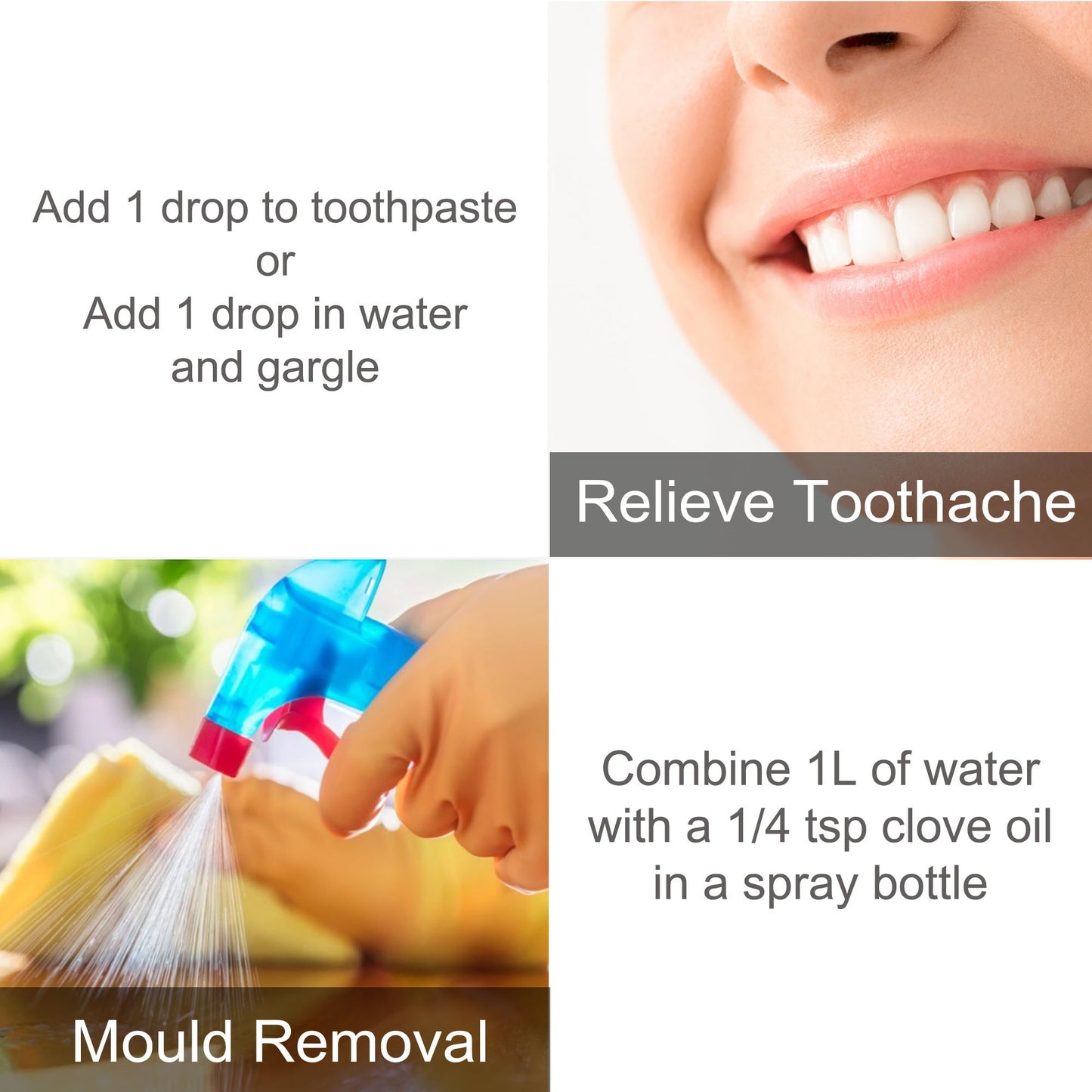
To use clove oil for mould, mix about 1/4 teaspoon of clove oil with an emulsifier and 1 litre of water, mist it onto the affected surface, leave it for several hours, then wipe clean.
- Mix: Combine 1/4 teaspoon (about 1.25 mL, or roughly 20–25 drops) of clove oil with 10 mL of alcohol or dish soap in a glass spray bottle, then add 1 litre of water and shake well.
- Apply: Lightly mist the affected surface, such as bathroom tiles, grout or painted plasterboard. Spot-test first on a hidden area.
- Wait: Leave the solution on the surface for several hours.
- Wipe: Wipe clean with a damp cloth and allow the area to dry with good ventilation.
Eucalyptus is one of the most popular oils to mix with clove oil for mould cleaning. Add a few drops of Eucalyptus Oil to the same spray for a fresher scent. Wear gloves, keep the room ventilated, and store sprays away from children and pets.
What is the difference between clove oil and clove bud oil?
Clove bud oil comes from the dried flower buds and has a milder eugenol content, while whole "clove oil" can be distilled from the stem or leaf with a sharper, harsher profile.
| Type | Plant Part | Typical Eugenol Content | Common Household Use |
|---|---|---|---|
| Clove Bud Oil | Dried flower buds | 70–90% | Mould treatment, diffusing, diluted topical use |
| Clove Leaf Oil | Leaves | Up to 95% | Industrial cleaning, lower-cost formulations |
| Clove Stem Oil | Stems and twigs | Up to 95% | Industrial fragrance and flavour manufacturing |
Because the bud carries a more rounded, less astringent aroma than the leaf or stem, it is generally preferred for home diffusing and skin-adjacent applications where dilution is standard practice. Leaf and stem oils are typically pressed for industrial or manufacturing purposes rather than direct household use.
purelyBlack's clove bud oil is distilled from the dried flower bud and supplied as a 100% pure essential oil, dispatched from Sydney.


What bugs does clove oil repel?
Clove oil naturally repels a wide range of crawling and flying insects, including ants, spiders, mosquitoes, flies, silverfish, and cockroaches.
The high concentration of eugenol present in Clove essential oil acts as a powerful sensory disruptor for many outdoor and indoor pests. Insects rely heavily on olfactory receptors to navigate, locate food sources, and communicate via pheromone pathways. The strong aromatic vapour of Clove masks these signals, forcing pests to seek alternative shelter away from treated living spaces.
| Pest Category | Repellent Mechanism | Target Household Application |
|---|---|---|
| Ants and Spiders | Disrupts sensory organs and pheromone trails | Perimeter spray along window sills, door frames, and skirting boards |
| Mosquitoes and Flies | Volatile vapours mask human attractant scent signals | Diffuser dispersal or diluted topical mist for personal outdoor comfort |
| Silverfish and Moths | Pungent aromatic compounds discourage nesting behaviour | Cotton balls placed in dark wardrobes, linen cupboards, and pantries |
| Cockroaches and Fleas | Strong botanical aroma deters entry into dark spaces | Direct application spray on moisture-prone cabinet corners and under sinks |
Combining Clove with complementary insect-repelling botanicals like Lemon Eucalyptus Oil creates a synergistic barrier against biting insects during warm seasons. In damp areas prone to crawling pests, routine application prevents recurring infestations naturally. Australian homes benefit from using this non-toxic insect repellent around outdoor dining areas, patios, and entryways.
Does clove oil mix with water?
No, clove oil does not naturally mix with water because essential oils are hydrophobic and float on the surface without an emulsifier.
- Solubiliser Necessity: Adding high-proof alcohol or natural soap ensures the oil disperses evenly throughout liquid formulations.
- Vigorous Agitation: Shaking spray containers immediately prior to application temporarily distributes droplets evenly across solutions.
- Witch Hazel Base: Combining Clove with Organic Witch Hazel Extract improves surface adhesion and dispersion in cleaning sprays.
Because essential oils lack water solubility, attempting to combine Clove oil directly with plain water results in separation. The un-emulsified oil floats on top, which can cause erratic application and localised surface damage or skin irritation. Utilising a dispersing agent breaks down the oil molecules, creating an emulsion that sprays uniformly.
For effective surface cleaning solutions, mixing Clove essential oil with a small quantity of liquid castile soap or isopropyl alcohol before adding water is recommended. This simple step guarantees that every misting spray contains an equal concentration of botanical active ingredients. Proper emulsion also extends the shelf life and structural stability of your homemade household cleaner.
How to properly use clove essential oil?
Properly use clove oil by diluting it in water with an emulsifier for surface cleaning or in a carrier oil for skin.
For surface mould, follow the step-by-step spray method in the clove oil for mould section above.
When preparing topical pest repellents, proper dilution is essential to prevent skin sensitivity or contact dermatitis. Always mix 1 to 2 drops of Clove essential oil into 10 mL of Fractionated Coconut Oil prior to skin application. Always perform a small patch test on your inner forearm before widespread topical use.
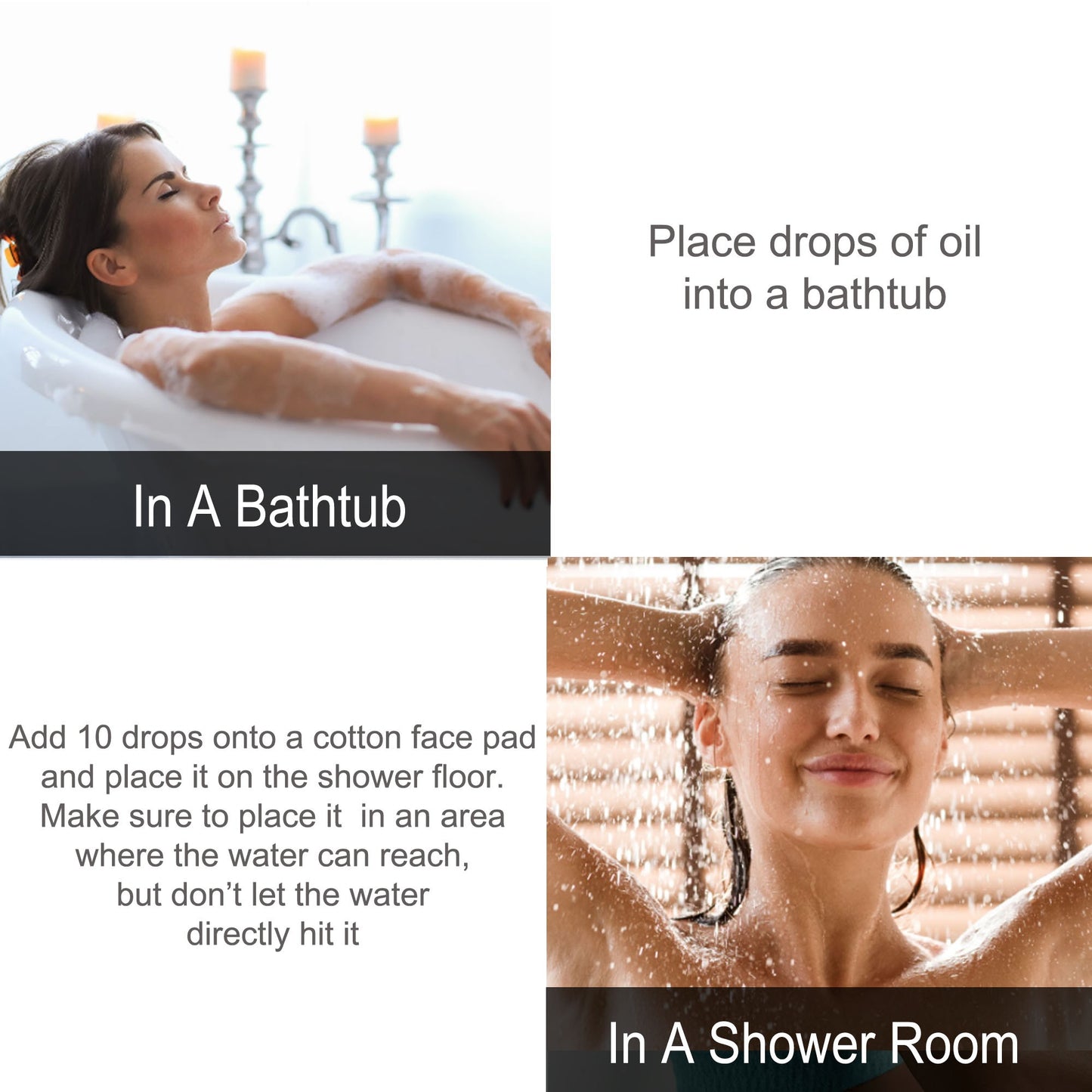
For ambient space conditioning, place 3 to 5 drops of Clove oil into an ultrasonic diffuser filled with clean water. Diffusing for 30-minute intervals helps clear musty smells from humid rooms without overpowering indoor living areas. Always store your prepared sprays in amber glass bottles away from heat sources to retain maximum potency over time.
What is clove essential oil best used for?
Clove oil is best used for eradicating household surface mould, repelling persistent garden pests, and creating warm, inviting indoor room sprays.
Beyond tackling surface mould and lingering insects, Clove essential oil excels as a versatile household freshener. Blending Clove with crisp citrus oils such as Lime Oil produces a revitalising room deodoriser that neutralises heavy humidity smells. Alternatively, pairing Clove with warm spice notes like Cinnamon Oil creates a cosy, welcoming scent profile ideal for cooler months.
Its rich botanical profile makes it an indispensable addition to eco-friendly living routines across Australia. Whether protecting outdoor spaces against seasonal insects or safeguarding indoor walls against dampness, Clove offers powerful natural utility. Using pure botanical oils supports a cleaner, healthier living environment without environmental toxins.
Where to buy clove oil for mould in Australia?
You can buy 100% pure clove bud oil for mould online from purelyBlack, dispatched from Sydney. Clove oil is also sold in some Australian supermarkets and pharmacies, so check the label before buying.
- Plant part: Check whether the bottle contains clove bud, leaf or stem oil, as each has a different aroma profile.
- Purity: Look for 100% pure clove oil rather than a blend or a product diluted in a carrier oil.
- Quantity: A mould spray uses only about 1/4 teaspoon per litre, so even a small bottle makes several batches.
Related Reading
For more on clove oil, see our companion guide: A Guide to Safely Using Clove Oil on Your Skin.
About the Author
Written by H.R. Kim
Founder at purelyBlack — an Australian-owned perfumery and botanical studio based in Sydney. H.R. specialises in scent profiling and natural ingredient sourcing, meticulously balancing premium fragrance oils and 100% pure essential oils to create elevated aromatic experiences.
Last updated: September 2026
Disclaimer: purelyBlack essential oils are for external use and aromatherapy purposes only. They are not intended to diagnose, treat, cure, or prevent any disease. Always dilute with a carrier oil before topical application and consult a healthcare professional if pregnant or under medical supervision.
