




Skip to product information
1 of 9

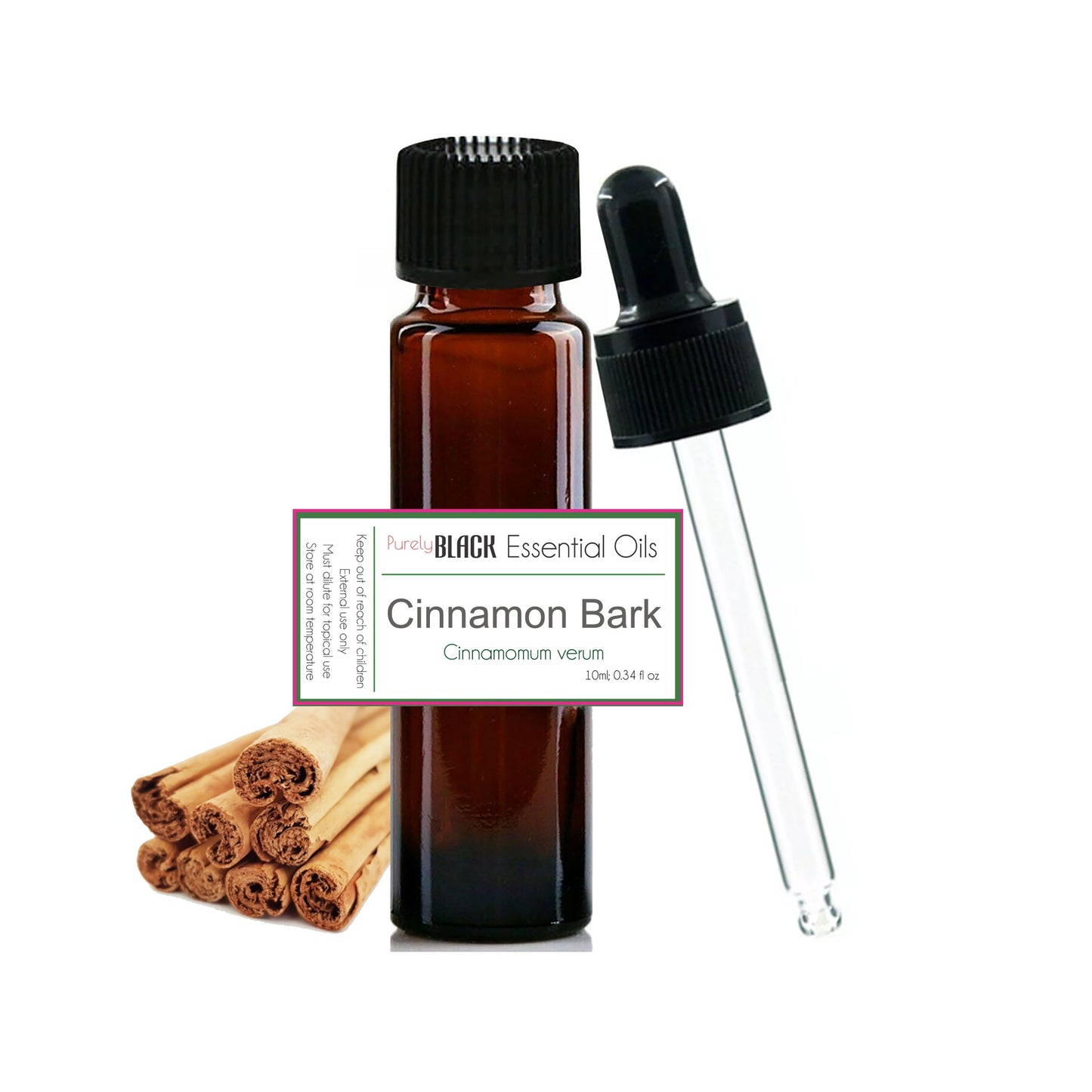
Cinnamon Bark Essential Oil 10ml. Cinnamomum verum

Regular price $13.95 AUD
Regular price Sale price $13.95 AUD
Sale Sold out
Quantity

Cinnamon oil for warmth and aromatic vitality brings deeply spiced comfort to your aromatic practice, diffusing a rich, clarifying atmosphere that grounds the senses and evokes timeless ritual. Extracted from the bark of Cinnamomum zeylanicum, this potent oil has been treasured across centuries in both ceremonial and everyday botanical traditions. GC/MS tested, vegan, and cruelty-free, our pure cinnamon bark essential oil is crafted by an Australian brand committed to uncompromising quality. Its robust, sweet-spice character transforms blends with singular intensity. Explore the tabs below for detailed aromatic profiles, step-by-step application methods, and safety guidelines.

Product Details & Aroma

Core Product Details

  • Botanical Name: Cinnamomum zeylanicum
  • Plant Family: Lauraceae
  • Plant Part Used: Bark
  • Extraction Method: Steam distillation
  • Country of Origin: India

Quality & Purity

  • 100% Pure & Natural: No fillers, synthetics, or carrier oils added.
  • GC/MS Tested: Every batch tested to verify purity and constituent integrity.
  • Vegan & Cruelty-Free: No animal-derived ingredients. Never tested on animals.
  • Australian Brand: Proudly Australian-owned and operated.

Aromatic Profile & Notes

  • Aromatic Note: Middle to base
  • Aromatic Profile: What does Cinnamon essential oil smell like? The aroma opens with an immediate rush of sweet, spiced warmth—honey-like and penetrating, with a peppery bite that awakens the senses. As the scent develops, dry, woody undertones emerge, revealing a balsamic richness that recalls ancient spice routes and meditative spaces. The dry-down is enduring and grounding, with a subtle resinous sweetness that lingers long after the initial intensity fades. Historically prized in traditional botanical practices across Asia and the Middle East, cinnamon bark's complex aromatic signature has symbolised abundance, protection, and vitality for millennia.
  • Key Constituents: Cinnamaldehyde (60–75%), eugenol (4–10%), linalool (2–4%), beta-caryophyllene (1–3%), cinnamyl acetate (trace amounts). The high cinnamaldehyde content is responsible for the oil's characteristic warmth and potency, requiring careful dilution and handling.

Core Benefits & Properties

How Does Cinnamon Oil Promote a Warming, Uplifting Atmosphere?

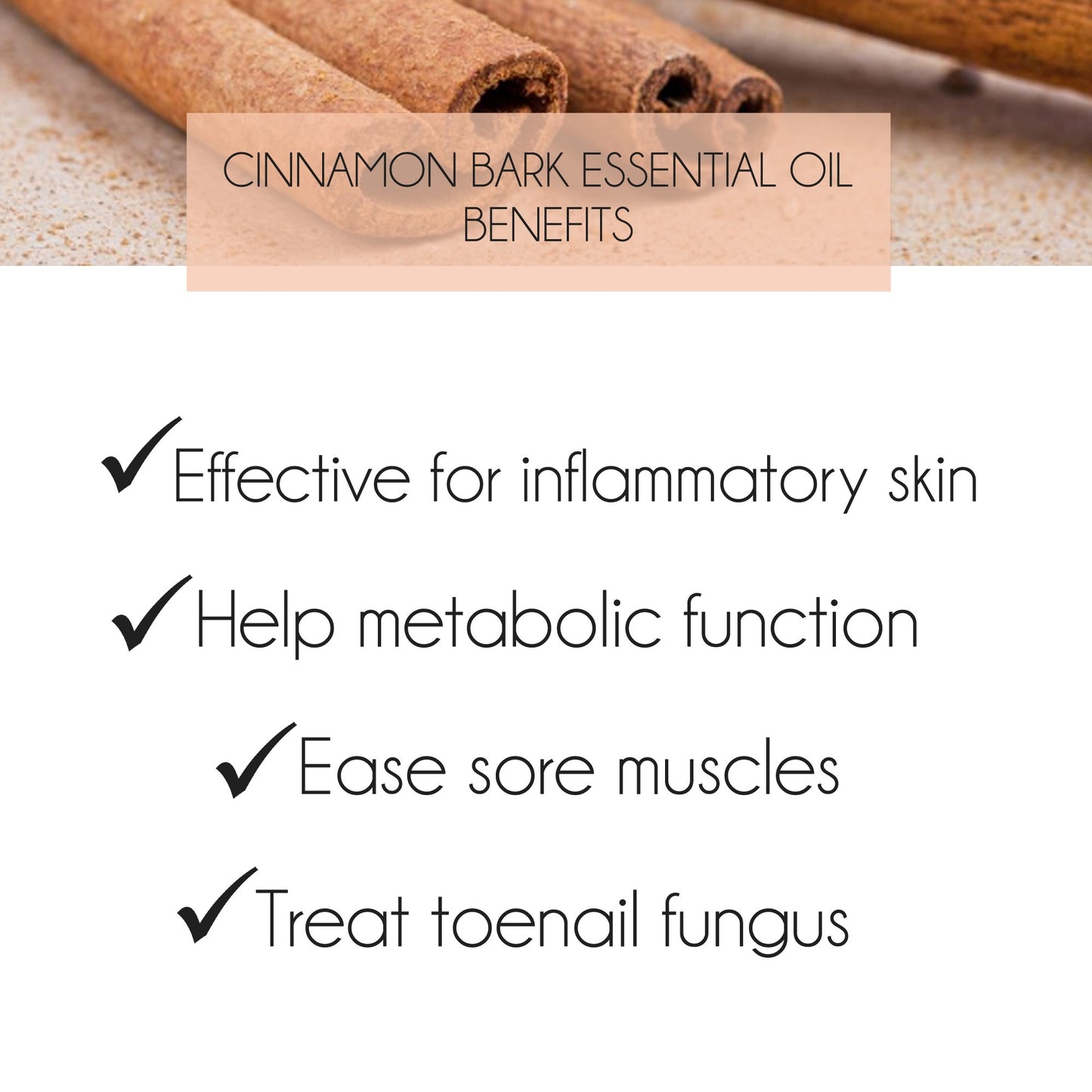
Cinnamon oil creates an aromatic environment characterised by warmth, focus, and emotional grounding. The dominant constituent, cinnamaldehyde, produces a stimulating sensory experience that many find clarifying during moments of mental fatigue or seasonal coldness. Atmospheric diffusion of cinnamon bark oil has been traditionally used in botanical practice to support alertness and encourage a sense of cosy vitality during cooler months. When diffused in shared spaces, cinnamon's robust, spiced aroma may help establish an inviting, centred atmosphere conducive to both social gatherings and solitary reflection.

Can Cinnamon Oil Support Natural Pest Management?

Cinnamon oil's potent aromatic compounds contribute to its use in natural household applications, particularly as a botanical deterrent. Research published in the Journal of Agricultural and Food Chemistry identified cinnamaldehyde as an effective natural compound in discouraging common household insects. Many households incorporate natural pest control methods using diluted cinnamon oil in surface sprays or cotton-ball placements near entry points. While not a registered insecticide, the oil's strong aromatic profile may provide a complementary approach to integrated pest management strategies. Always dilute appropriately and test surfaces for compatibility before widespread use.

How Is Cinnamon Oil Used for Aromatic Comfort During Physical Discomfort?

When experiencing temporary muscle tension or joint stiffness, many turn to cinnamon oil blended with carrier oils for topical aromatic application. The warming sensation produced by cinnamaldehyde, when properly diluted to NAHA-recommended guidelines (typically 0.5–1% for facial applications, 1–2% for body applications), provides aromatic comfort that complements gentle massage. Tisserand and Young note in Essential Oil Safety (2nd edition) that cinnamon bark oil should be used with caution due to its potential for skin sensitisation; however, when blended with fractionated coconut oil and applied to areas seeking warming relief, it offers a time-honoured botanical approach to physical ease. Combine with Cypress Oil for enhanced circulation support.

What Role Does Cinnamon Oil Play in Traditional Botanical Practice?

Cinnamon bark has been central to Ayurvedic, Traditional Chinese Medicine, and Middle Eastern herbal traditions for over 4,000 years. Ancient texts describe its use in aromatic preparations intended to support vitality, promote healthy digestion (through aromatic inhalation, not ingestion), and provide comforting warmth. The oil's inclusion in ceremonial blends across diverse cultures underscores its enduring significance as a symbol of prosperity, purification, and protection. Modern aromatherapy continues to honour these traditions, integrating cinnamon oil into blends designed for grounding, focus, and seasonal wellness support.

How to Use & Blends Well With

How to Use Cinnamon Oil

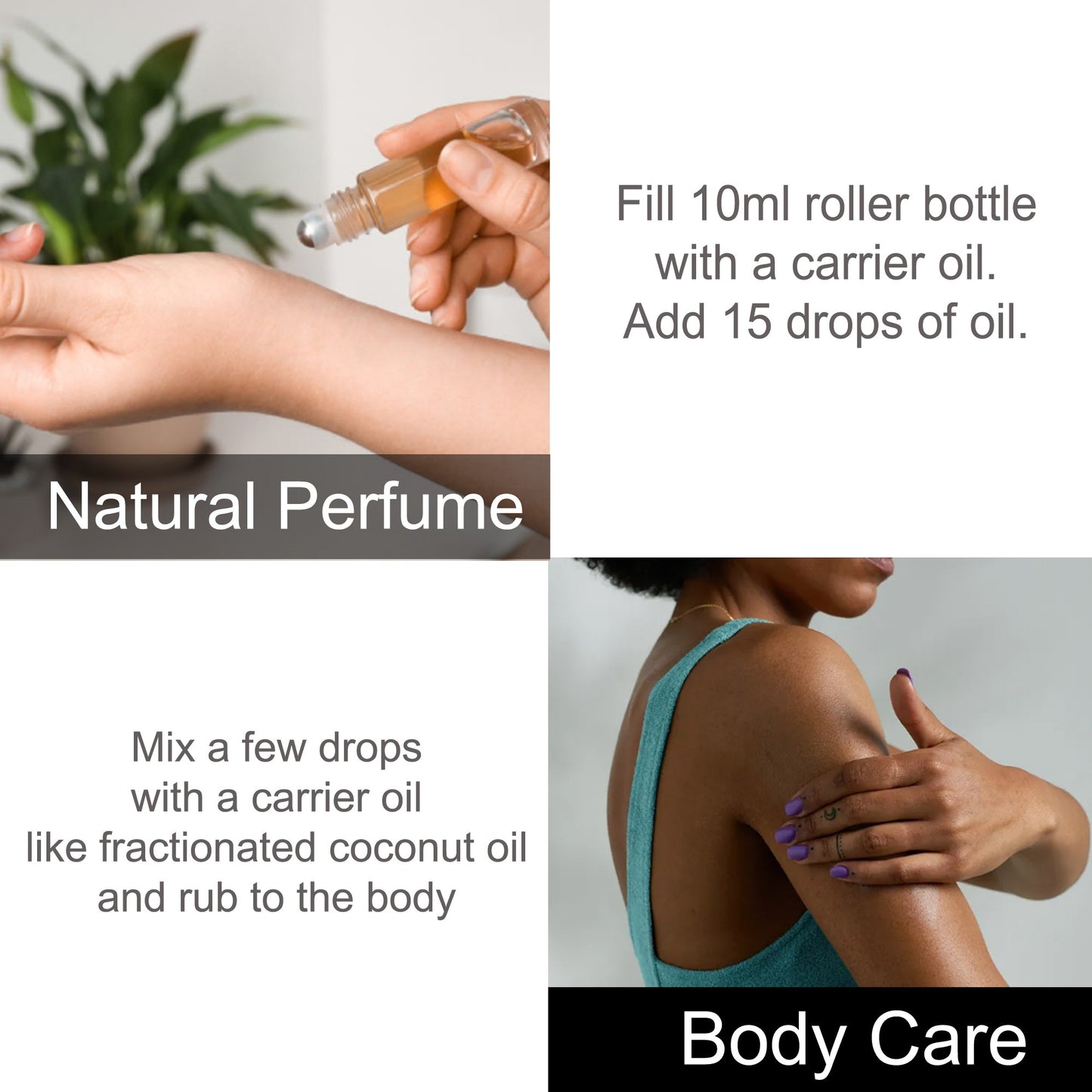
  • Create a Targeted Roll-On: Dilute 3 drops of cinnamon bark oil with 10 ml of fractionated coconut oil (a 1.5% dilution). Apply to temples, wrists, or the soles of feet for aromatic grounding and warmth. This concentration is appropriate for adult use and provides aromatic comfort without overwhelming the senses. For facial application, reduce to 1 drop per 10 ml carrier oil (0.5% dilution).

How to Make a Cinnamon Room Spray

  • DIY Application: Combine 10 drops of cinnamon oil, 5 drops of Geranium Oil, 2 tablespoons of witch hazel, and 100 ml of distilled water in a glass spray bottle. Shake well before each use and mist into living spaces to establish a warm, inviting atmosphere. For a festive variation, add 3 drops of Petitgrain Oil and 2 drops of Cassia Oil to deepen the spiced, citrus-floral complexity.

Aromatherapy Diffusion

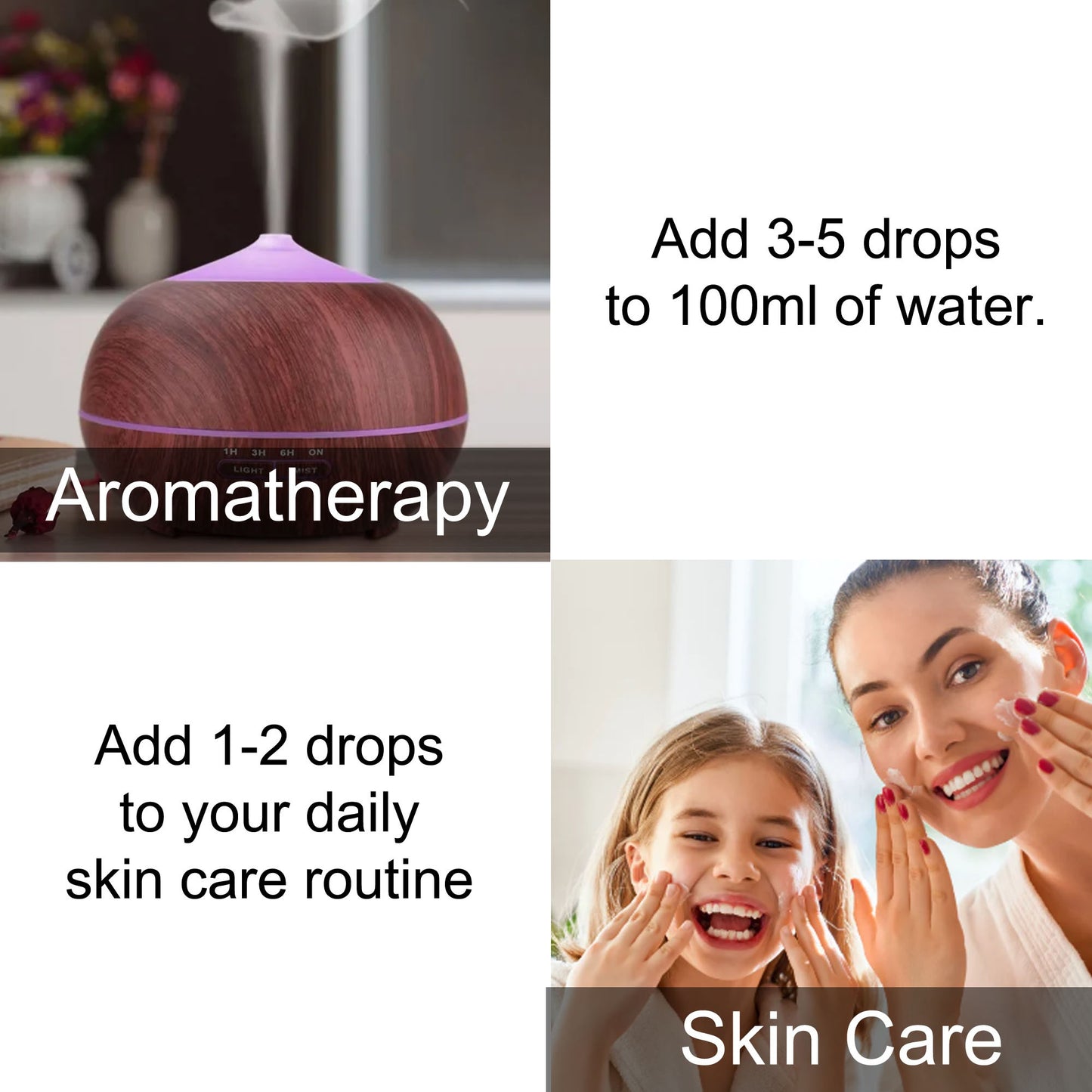
Diffuse 2–3 drops of cinnamon bark oil in an ultrasonic or nebulising diffuser for 30–60 minutes to promote alertness, warmth, and a clarifying atmosphere. Historically, cinnamon's aroma has been associated with abundance and protection, making it a favoured choice during autumn and winter months or when establishing a focused, centred environment. Blend with Cedarwood Oil and Honeysuckle Oil for a grounding, floral-woody diffusion that balances cinnamon's intensity with softer, resinous notes.

Blends Well With

Cassia Oil, Cypress Oil, Calamus Oil, Caraway Oil, Honeysuckle Oil, Petitgrain Oil, Geranium Oil, Cedarwood Oil

Safety & Precautions

General Safety & Application Guidelines

  • External Use Only: Never ingest cinnamon bark essential oil. Ingestion can cause severe irritation to mucous membranes, gastrointestinal distress, and toxicity. This oil is formulated exclusively for topical (diluted) and aromatic use.
  • High Potency & Dilution: Due to the high cinnamaldehyde content (60–75%), cinnamon bark oil is a dermal irritant and sensitiser. NAHA guidelines recommend a maximum dermal dilution of 0.5–1% for facial applications and 1–2% for body applications. Always blend with a carrier oil such as fractionated coconut oil before skin contact. Conduct a patch test on the inner forearm 24 hours before broader use.
  • Medication Interactions: Tisserand and Young (Essential Oil Safety, 2nd edition) caution that cinnamon bark oil may interact with anticoagulant medications (warfarin, aspirin) due to eugenol content, potentially enhancing bleeding risk. Individuals taking blood-thinning medications, diabetic medications, or undergoing surgery should consult a healthcare professional before topical or aromatic use.
  • Safe Storage: Store in a cool, dark place away from direct sunlight, heat sources, and out of reach of children and pets. Use amber or cobalt glass bottles to preserve constituent integrity.

Specific Precautions

  • Pregnancy & Nursing: Avoid topical use of cinnamon bark oil during pregnancy and breastfeeding due to its emmenagogue properties and potential for skin sensitisation. Aromatic diffusion at low concentrations (1–2 drops) is generally considered safe but should be discussed with a healthcare provider.
  • Children & Pets: Tisserand and Young recommend avoiding topical use of cinnamon bark oil on children under 10 years of age due to high sensitisation risk. Aromatic diffusion should be limited to well-ventilated spaces and discontinued if irritation occurs. Cinnamon oil is toxic to cats and dogs; do not diffuse or apply in spaces accessible to pets.

View full details
  • How do I know purelyBlack essential oils are truly 100% pure?

    Unlike many aromatherapy oils sold online that contain synthetic fillers, purelyBlack oils are 100% plant-derived. We use zero additives, bases, or synthetics. Our oils are sourced directly from growers in their native regions—such as Tea Tree from Australia and Peppermint from India—ensuring you get the potent, unadulterated plant extract every time.

  • Why are your oils more affordable than big brands like doTerra or Young Living?

    We operate on a direct-to-consumer model. Large Multi-Level Marketing (MLM) brands often mark up their products by 300-500% to pay commissions to their tiered distributors. We cut out the middleman and fancy packaging, allowing us to sell the exact same Therapeutic Grade quality oils at a fraction of the price.

  • Are your essential oils Therapeutic Grade?

    Yes. We source our oils specifically for their therapeutic properties, not just their smell. This means our oils are harvested at the peak time to ensure high levels of active compounds (like 1,8-cineole in Eucalyptus). They are perfect for use in diffusers, DIY skincare, and hair growth treatments when used as directed.

  • Can purelyBlack essential oils be used on the skin?

    Yes, because our oils are 100% pure, they are safe for topical use when properly diluted with a carrier oil (like Jojoba or Fractionated Coconut Oil). This makes them superior to cheaper fragrance oils found in discount stores, which are often synthetic and strictly for room scenting only.