

Skip to product information
1 of 8

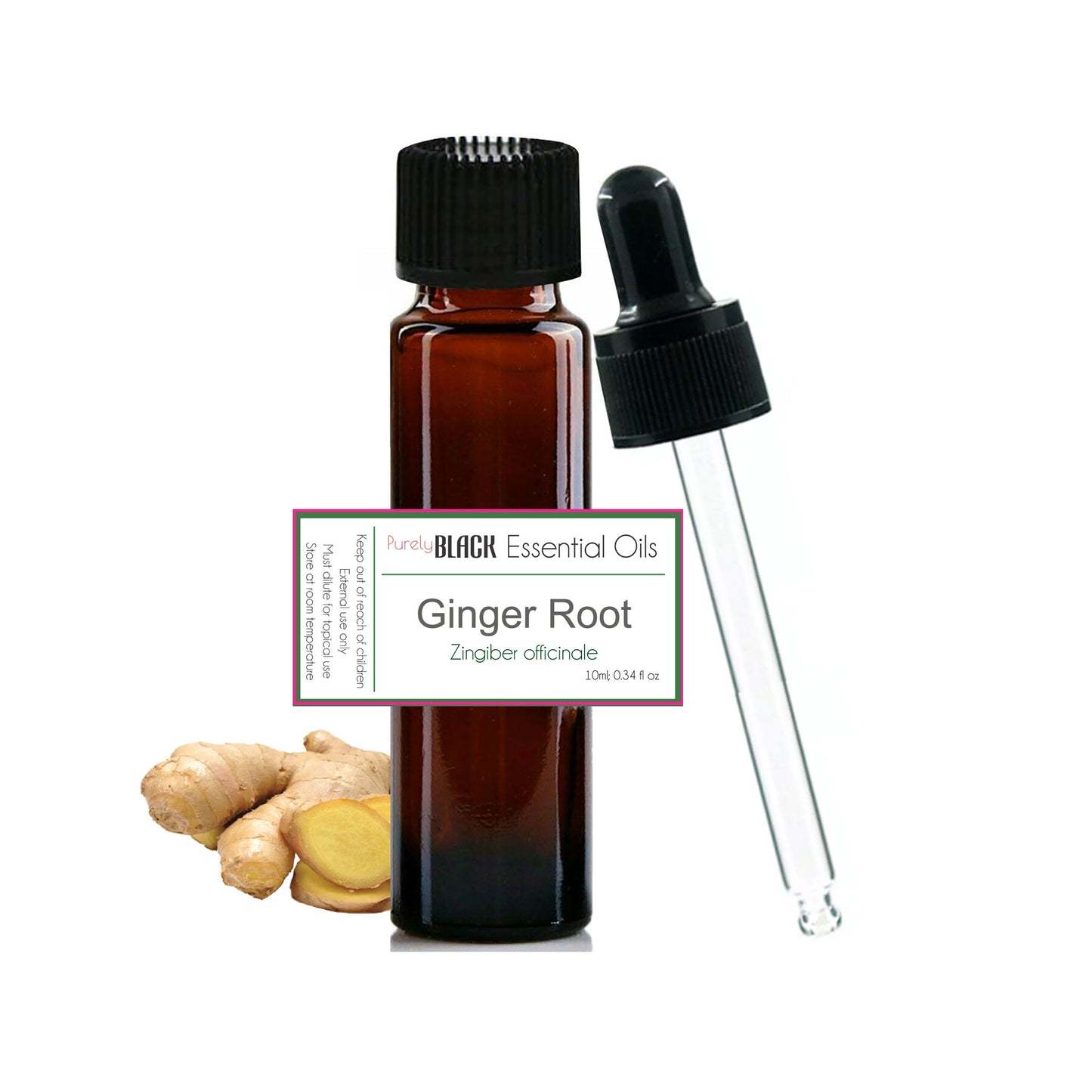
Pure Ginger Essential Oil 10ml - Zingiber Officinale

Regular price $14.95 AUD
Regular price Sale price $14.95 AUD
Sale Sold out
Quantity

Ginger oil for nausea and digestive comfort delivers warming, spicy-sweet aromatic support treasured across centuries of botanical tradition. Steam-distilled from fresh Indian rhizomes (Zingiber Officinale), this pure ginger root essential oil brings grounding warmth to topical blends for muscular ease, circulation rituals, and diffusion practices that promote clarity and focus. GC/MS tested, vegan, cruelty-free, and proudly Australian, purelyBlack's formulation delivers uncompromising purity in every drop. The bright, zesty-peppery character opens with sparkling citrus-like freshness before revealing deep, earthy-resinous warmth that lingers on skin and in space. Explore the tabs below for detailed aromatic profiles, step-by-step application methods, and safety guidelines.

Product Details & Aroma

Core Product Details

  • Botanical Name: Zingiber Officinale
  • Plant Family: Zingiberaceae
  • Plant Part Used: Rhizome (root)
  • Extraction Method: Steam distillation
  • Country of Origin: India

Quality & Purity

  • 100% Pure & Natural: No fillers, synthetics, or carrier oils added.
  • GC/MS Tested: Every batch tested to verify purity and constituent integrity.
  • Vegan & Cruelty-Free: No animal-derived ingredients. Never tested on animals.
  • Australian Brand: Proudly Australian-owned and operated.

Aromatic Profile & Notes

  • Aromatic Note: Top to middle
  • Aromatic Profile: What does Ginger essential oil smell like? Ginger oil opens with a bright, sparkling citrus-pepper sharpness that immediately awakens the senses. Within moments, the aroma develops into warm, resinous spice—earthy yet sweet, with subtle lemon-wood undertones and a dry, lingering heat. The dry-down reveals a grounding, almost balsamic richness that anchors blends without overwhelming delicate floral or citrus companions. Used for over 5,000 years in Ayurvedic and Traditional Chinese Medicine, ginger's unmistakable warmth has made it a cornerstone of both culinary and aromatic practice. The oil's complex character mirrors the fresh rhizome's bite softened by time and steam, delivering both invigoration and comfort in a single inhalation.
  • Key Constituents: α-Zingiberene (20–35%), β-Sesquiphellandrene (10–15%), Camphene (6–10%), β-Bisabolene (5–8%), Geranial (3–5%), Neral (2–4%), 1,8-Cineole (2–5%), Citronellol (trace–2%)

Core Benefits & Properties

How Does Ginger Oil Provide Aromatic Comfort for Nausea and Digestive Discomfort?

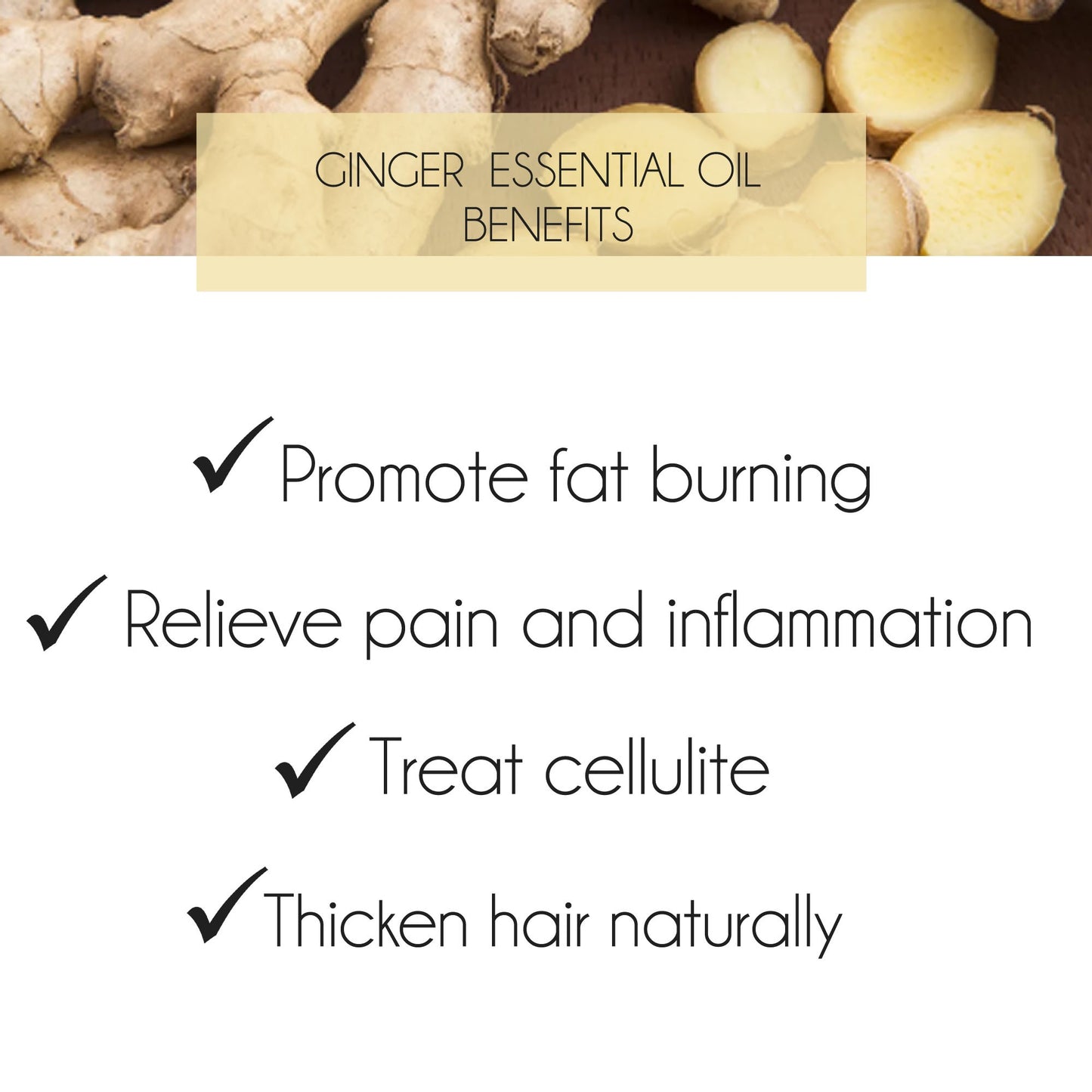
Ginger oil provides aromatic comfort during nausea and digestive upset by creating a grounding, warming atmosphere traditionally associated with settling sensations. When experiencing queasiness during travel, hormonal shifts, or general stomach unease, many turn to ginger's familiar spicy-sweet aroma inhaled directly from the bottle, a personal inhaler, or a diffuser blend. Tisserand & Young note that while ginger's constituents α-zingiberene and β-sesquiphellandrene do not directly treat nausea, the oil's warming aromatic character has been valued in traditional botanical practice for centuries as a comforting presence during digestive distress. A 2018 pilot study published in Complementary Therapies in Medicine observed that participants who inhaled ginger essential oil reported improved subjective comfort scores compared to control groups, though researchers emphasise aromatic comfort does not constitute medical treatment. For detailed guidance on digestive soothing applications, explore inhalation and topical dilution methods.

Can Ginger Oil Support Muscular Comfort and Ease After Physical Activity?

Ginger oil supports muscular comfort when diluted and massaged into areas of occasional tightness, providing a warming sensation that complements post-activity rituals. The oil's warming aromatic profile, combined with the mild rubefacient (skin-warming) effect of constituents like camphene and 1,8-cineole, makes it a popular choice for topical blends applied to shoulders, legs, and lower back after exercise or long periods of physical strain. According to research compiled by the National Association for Holistic Aromatherapy (NAHA), topical application of ginger oil at 2–3% dilution in carrier oils provides aromatic warmth without irritation for most adults. Tisserand & Young recommend pairing ginger with cypress, white camphor, or niaouli in post-workout massage blends to amplify the sensation of warmth and ease. For comprehensive protocols on muscular and joint applications, review dilution ratios and blending combinations.

How Does Ginger Oil Promote Circulation and Warmth in Aromatic Wellness Practices?

Ginger oil promotes a sensation of warmth and vitality when applied topically in diluted form, making it a favoured choice for circulation-focused aromatic rituals. The oil's rich content of sesquiterpenes and monoterpenes—particularly α-zingiberene and camphene—contribute to its reputation as a warming botanical that supports the body's natural sense of vitality. In traditional Ayurvedic and Chinese medicine systems, ginger has been used for over 3,000 years to support what practitioners describe as "moving energy" and promoting warmth in cooler climates or seasons. Modern aromatherapy blends often combine ginger with Cypress Oil and Cinnamon Oil for foot soaks, warming massage oils, and winter diffusion blends that create an enveloping, spicy-sweet atmosphere.

Can Ginger Oil Support Scalp Health and Hair Vitality?

Ginger oil supports scalp health by promoting circulation to the scalp when diluted in carrier oils and massaged into roots, creating an invigorating, warming sensation. This warming effect, attributed to gingerols (converted during distillation into related aromatic compounds) and sesquiterpene-rich constituents, is traditionally believed to encourage a healthy scalp environment. A 2013 study published in the Journal of Applied Pharmaceutical Science found that ginger extract applied to cell cultures demonstrated measurable activity in promoting healthy cell behaviour, though researchers caution that in vitro results do not directly translate to topical human use. For practical hair growth and scalp stimulation methods, explore pre-shampoo treatments and leave-in scalp serums blending ginger with sandalwood and coffee oils.

How Does Ginger Oil Create a Grounding, Clarifying Atmosphere in Diffusion?

Ginger oil creates a grounding, clarifying atmosphere when diffused, promoting focus and warmth during meditation, study, or creative work. The oil's bright-yet-earthy aromatic profile—blending sharp citrus-pepper top notes with deep, resinous warmth—anchors diffusion blends without the cloying sweetness of some spice oils. NAHA-certified aromatherapists frequently recommend ginger in morning diffusion blends to support alertness and in evening blends to promote a sense of centred calm. The oil pairs beautifully with Sandalwood Oil and Calamus Oil for meditative practices, creating a warm, temple-like atmosphere that encourages presence and mental clarity.

How to Use & Blends Well With

How to Use Ginger Oil

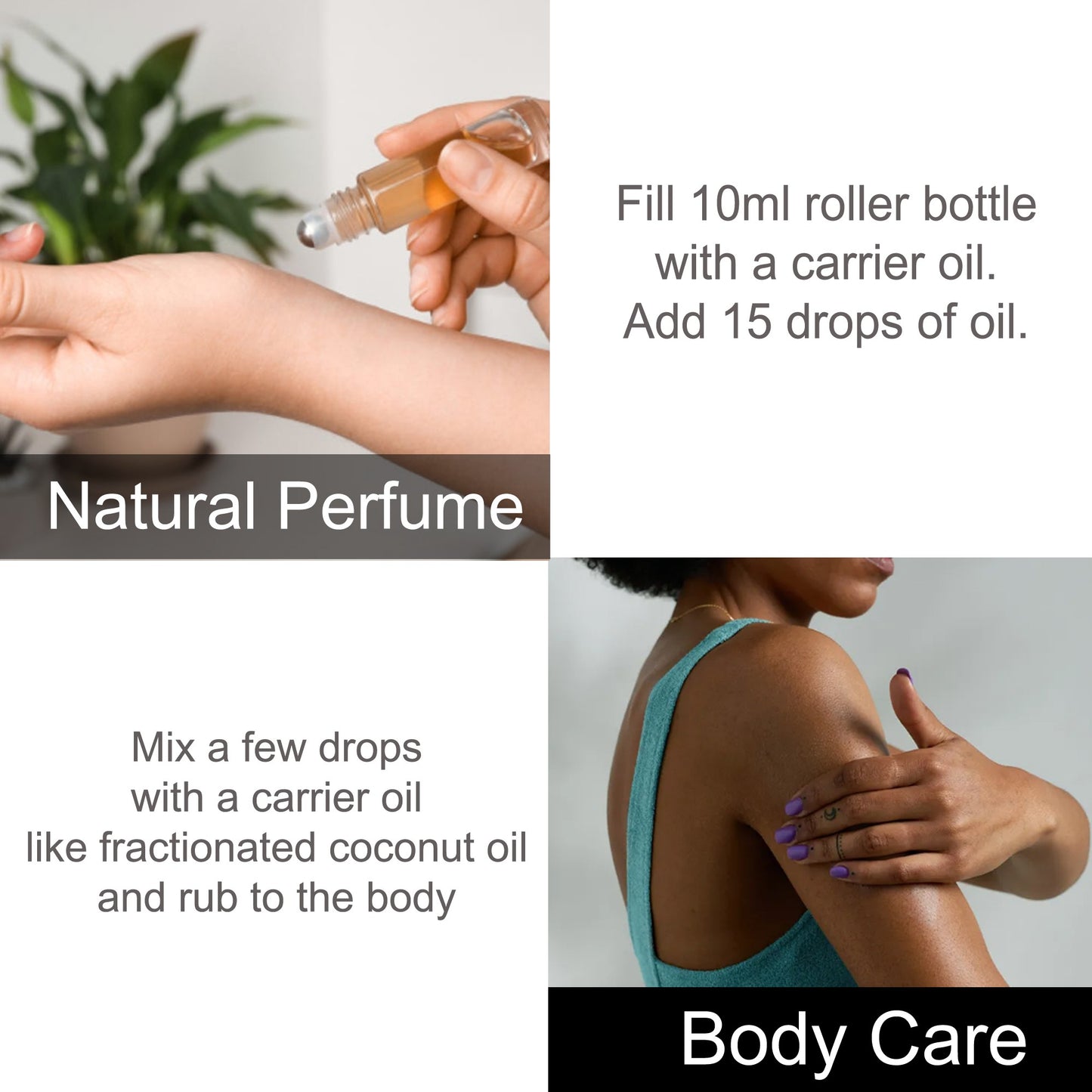
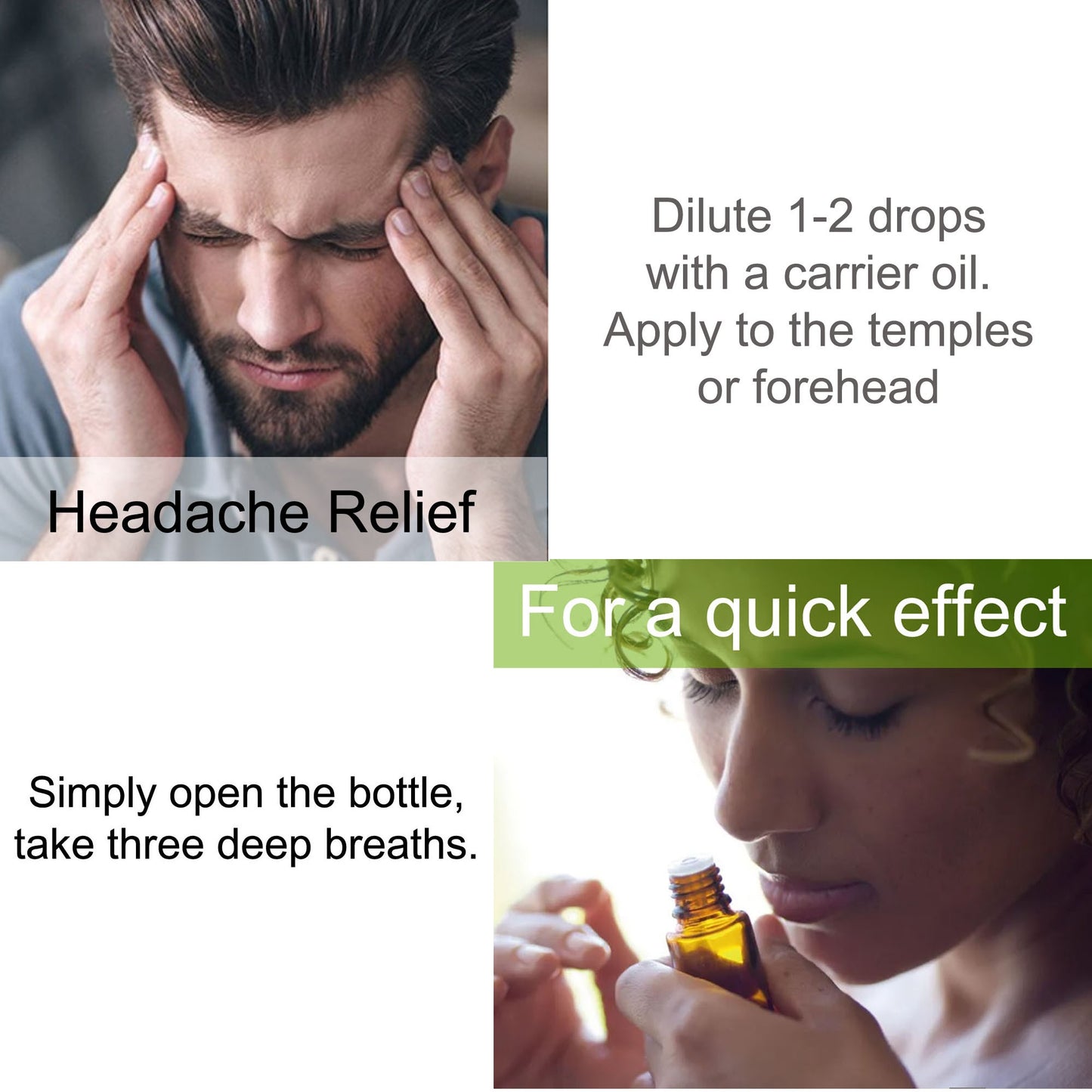
  • Create a Targeted Roll-On: Dilute 6 drops of ginger oil in 10 ml fractionated coconut oil (2% dilution) for a warming roll-on. Apply to wrists, temples, or the abdomen before travel or during digestive discomfort. For enhanced effect, blend with 3 drops of Niaouli Oil and 3 drops of White Camphor Oil for a clarifying, multi-purpose roll-on that supports both digestive and respiratory comfort.

How to Make a Ginger Room Spray

  • DIY Application: Combine 15 drops of ginger oil, 10 drops of Cypress Oil, and 5 drops of Cinnamon Oil in a 100 ml glass spray bottle. Add 1 teaspoon of witch hazel or vodka (to disperse oils), then top with distilled water. Shake before each use and mist into living spaces, yoga studios, or offices to create a warming, invigorating atmosphere. For a sweeter variation, substitute cinnamon with Coffee Oil for a rich, roasted warmth.

Aromatherapy Diffusion

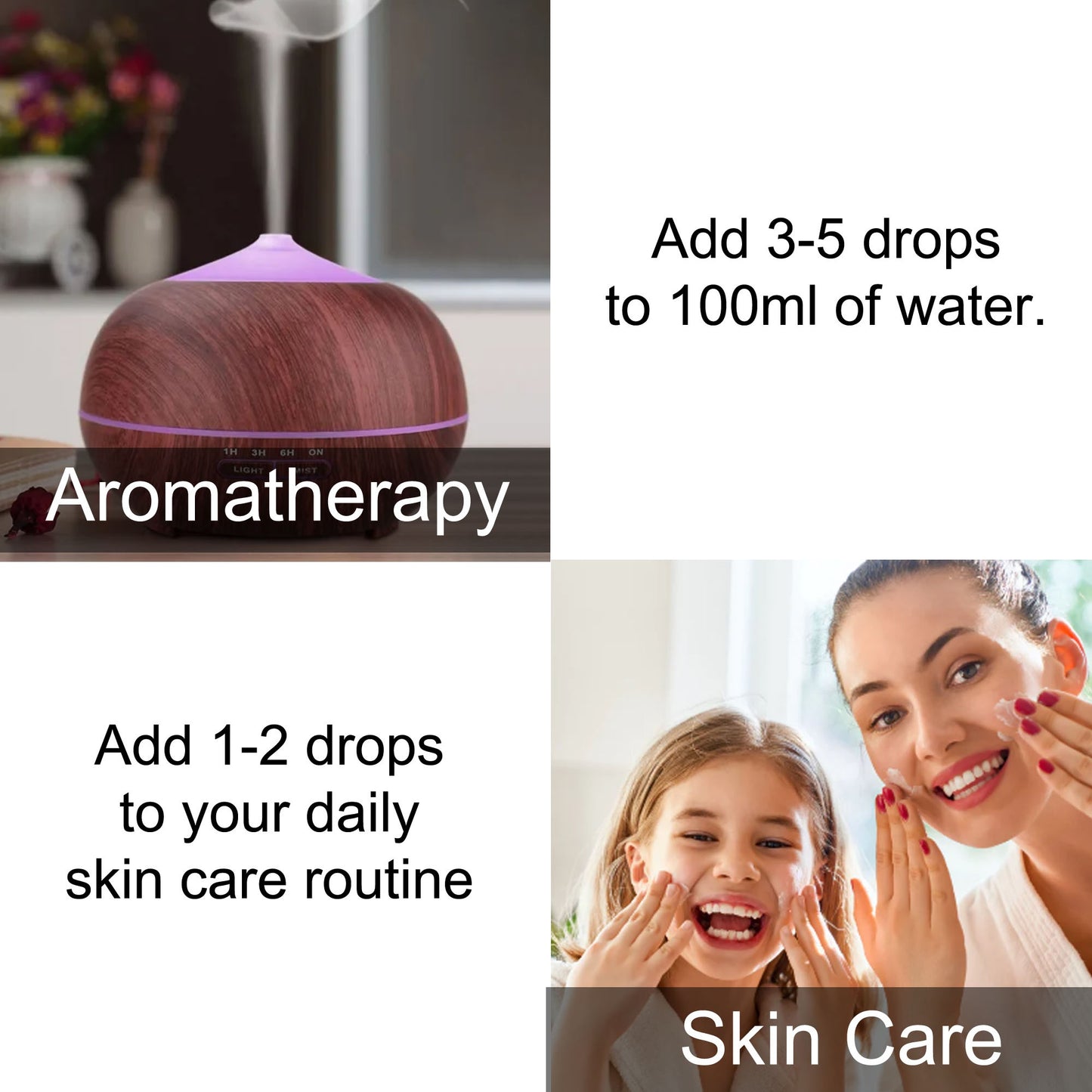
Ginger oil in diffusion promotes grounding warmth and mental clarity, a practice rooted in centuries of Ayurvedic and Chinese aromatic traditions. Add 3–5 drops to an ultrasonic or nebulising diffuser during morning routines to support focus and alertness, or blend with sandalwood and calamus in the evening for a centred, meditative atmosphere. The oil's warming character makes it ideal for cooler months, creating a cosy, spice-market ambiance that evokes ancient trade routes and apothecary rituals.

Blends Well With

Sandalwood Oil, Cypress Oil, Cinnamon Oil, Calamus Oil, White Camphor Oil, Niaouli Oil, Coffee Oil

Safety & Precautions

General Safety & Application Guidelines

  • External Use Only: Never ingest ginger essential oil. Ingestion of essential oils can cause serious internal irritation, toxicity, or adverse reactions and should only occur under the direct supervision of a qualified healthcare practitioner trained in aromatic medicine.
  • High Potency & Dilution: Ginger oil is potent and must always be diluted before topical application. NAHA recommends a 2–3% dilution for adults (6–9 drops per 10 ml of carrier oil). For facial application or sensitive skin, reduce to 1% (3 drops per 10 ml). Always conduct a patch test on the inner forearm 24 hours before full application. For dilution, use fractionated coconut oil, jojoba, or sweet almond oil.
  • Medication Interactions: Tisserand & Young note that ginger oil may theoretically interact with anticoagulant or antiplatelet medications due to constituents that influence blood flow. If you are taking warfarin, aspirin, clopidogrel, or other blood-thinning medications, consult your healthcare provider before topical or aromatic use of ginger oil.
  • Safe Storage: Store in a cool, dark location away from direct sunlight, heat sources, and out of reach of children and pets. Amber or cobalt glass bottles preserve oil integrity.

Specific Precautions

  • Pregnancy & Nursing: Ginger oil is generally considered safe for topical use during the second and third trimesters at 1% dilution or less, and is commonly used aromatically for nausea support during pregnancy. However, avoid topical application during the first trimester due to limited safety data. Always consult a qualified aromatherapist or healthcare provider before use during pregnancy or breastfeeding.
  • Children & Pets: Tisserand & Young recommend avoiding topical use of ginger oil on children under 2 years of age. For children aged 2–10, use at 0.5–1% dilution only. Diffuse in well-ventilated spaces for no more than 30 minutes when children or pets are present. Cats and small pets are particularly sensitive to essential oils; never apply ginger oil directly to pets and ensure they can leave the room during diffusion.

View full details
  • How do I know purelyBlack essential oils are truly 100% pure?

    Unlike many aromatherapy oils sold online that contain synthetic fillers, purelyBlack oils are 100% plant-derived. We use zero additives, bases, or synthetics. Our oils are sourced directly from growers in their native regions—such as Tea Tree from Australia and Peppermint from India—ensuring you get the potent, unadulterated plant extract every time.

  • Why are your oils more affordable than big brands like doTerra or Young Living?

    We operate on a direct-to-consumer model. Large Multi-Level Marketing (MLM) brands often mark up their products by 300-500% to pay commissions to their tiered distributors. We cut out the middleman and fancy packaging, allowing us to sell the exact same Therapeutic Grade quality oils at a fraction of the price.

  • Are your essential oils Therapeutic Grade?

    Yes. We source our oils specifically for their therapeutic properties, not just their smell. This means our oils are harvested at the peak time to ensure high levels of active compounds (like 1,8-cineole in Eucalyptus). They are perfect for use in diffusers, DIY skincare, and hair growth treatments when used as directed.

  • Can purelyBlack essential oils be used on the skin?

    Yes, because our oils are 100% pure, they are safe for topical use when properly diluted with a carrier oil (like Jojoba or Fractionated Coconut Oil). This makes them superior to cheaper fragrance oils found in discount stores, which are often synthetic and strictly for room scenting only.