



A Guide to Safely Using Clove Oil on Your Skin
What happens when clove oil gets on your skin?
When neat Clove oil contacts skin, it causes rapid warming, intense redness, severe irritation, and potential contact dermatitis due to high eugenol levels.
- Eugenol Concentration: High concentrations of naturally occurring eugenol induce rapid thermal sensation and intense dermal irritation on unbuffered skin.
- Skin Barrier Impact: Undiluted botanical extracts disrupt the lipid barrier, leading to localized inflammation, scaling, and heightened sensitivity.
- Sensitisation Risk: Repeated exposure to undiluted Clove essential oil significantly elevates the risk of allergic contact dermatitis over time.


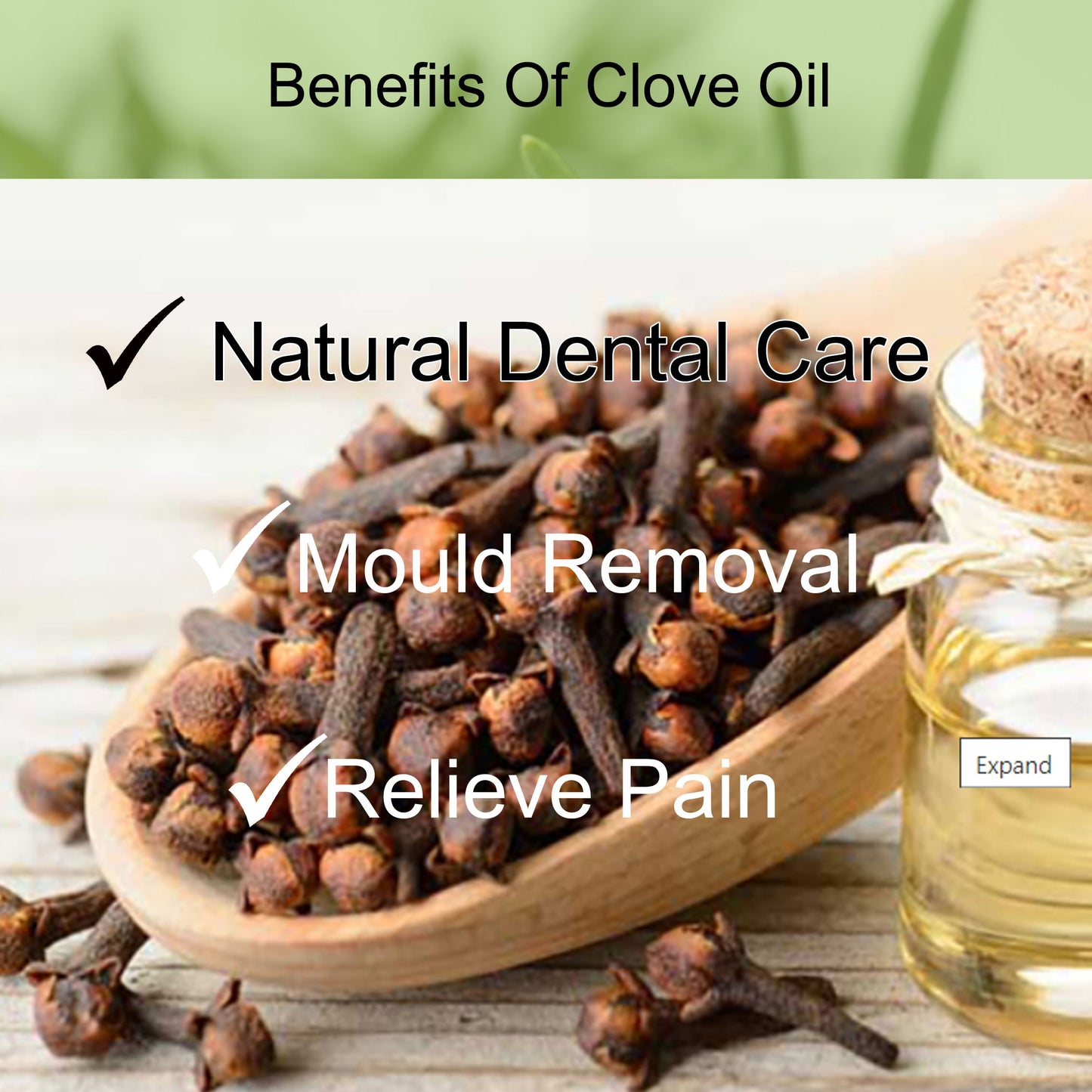
Botanical extracts derived from the unopened floral buds of Syzygium aromaticum—an evergreen tree in the Myrtaceae family—possess remarkable aromatic intensity. Through meticulous steam distillation, these dried floral buds yield an oil densely packed with potent active constituents. According to a published phytochemical study, natural eugenol makes up between 70% and 90% of the complete chemical profile, supported by eugenyl acetate and beta-caryophyllene.
When raw Clove oil makes direct contact with human epidermal tissue, these concentrated phenolic compounds penetrate the skin barrier almost instantly. This rapid absorption triggers localized vasodilation, resulting in surface flushing, prickling warmth, and uncomfortable burning sensations. Without a protective fatty buffer, undiluted application strips away natural intercellular lipids, leaving delicate skin exposed to severe environmental stressors.
Over time, applying neat spice extracts leads to accelerated moisture loss, epidermal peeling, and uncomfortable tissue reaction. Skincare enthusiasts across Australia often mistake this immediate warming sensation for healthy stimulation, when it actually signals acute tissue stress. Prolonged topical contact with raw extracts can even result in localized chemical burns or long-lasting cutaneous hypersensitivity.
purelyBlack's pure clove oil is available as a 100% pure essential oil, dispatched from Sydney.
Can I put clove oil directly on my skin?
No, you should never apply Clove essential oil directly to your skin without diluting it properly in a protective carrier oil first.
Safe topical application requires blending powerful plant concentrates into a rich, nourishing carrier oil before dermal contact. Carrier lipids slow the evaporation of volatile aromatic molecules, facilitating gentle absorption across the outer skin layer. When experiencing dullness or uneven tone, many people turn to well-diluted spice oils to support a healthy complexion without triggering inflammation.
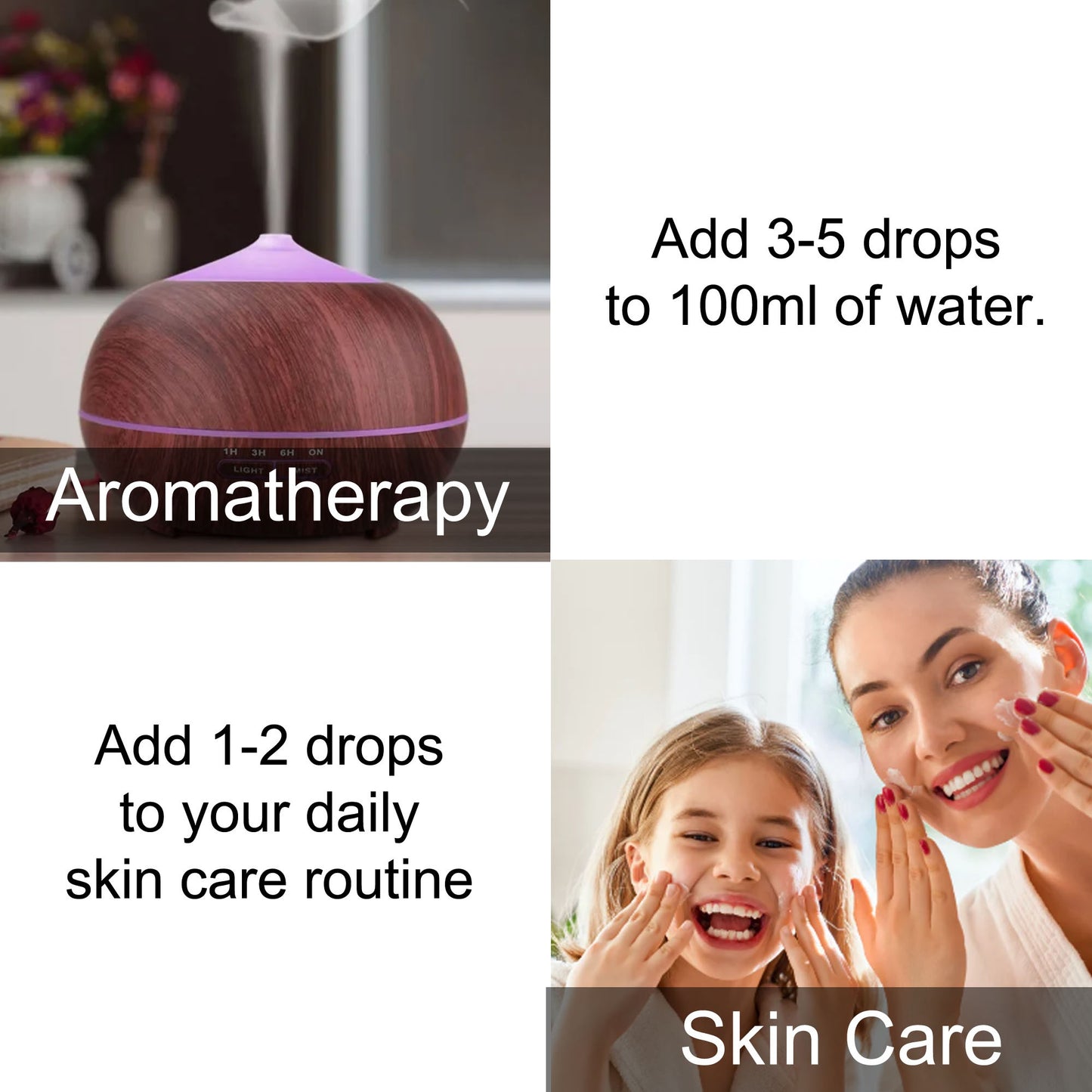
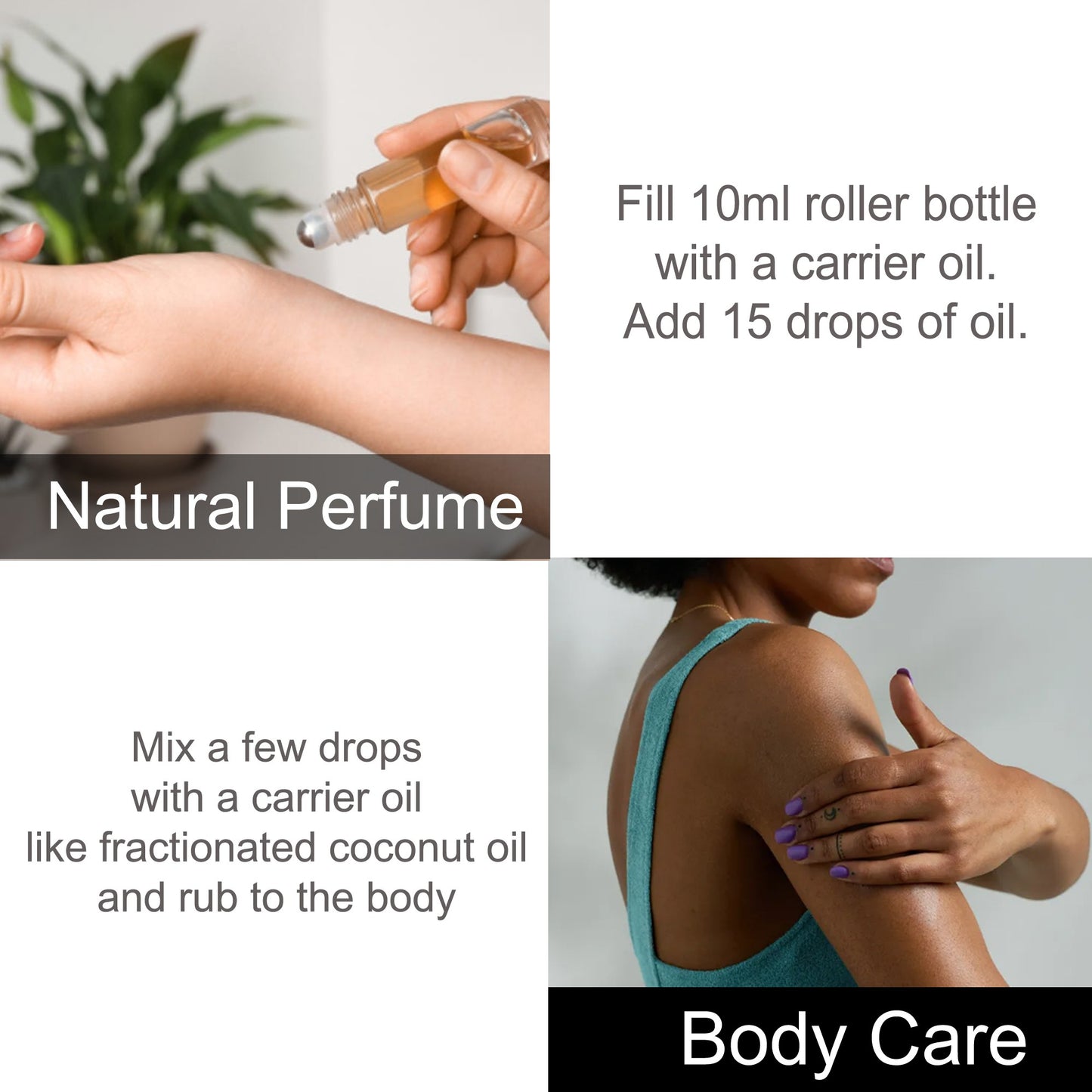
To safely prepare your topical mixture, combine your chosen extract with a lightweight carrier like organic Fractionated Coconut Oil. For routine facial application, maintain a conservative concentration between 0.25% and 0.5%, which equals one drop per twenty millilitres of carrier oil. For broader body application, a standard 1% dilution ratio ensures optimal comfort and protection.
Before applying any newly blended formulation across larger areas, performing a basic cutaneous patch test is essential. Place two drops of your diluted mixture onto the inner forearm, seal with a breathable bandage, and monitor the site for twenty-four hours. If redness, itching, or swelling develops, wash the skin immediately with plain vegetable oil and discontinue topical use.
| Application Type | Dilution Percentage | Carrier Base Ratio |
|---|---|---|
| Facial Care Massage | 0.25% – 0.5% | 1 drop per 20 mL carrier base |
| Full Body Application | 1.0% – 2.0% | 2 to 4 drops per 10 mL carrier base |
| Targeted Spot Application | 0.5% | 1 drop per 10 mL carrier base |
Maintaining accurate dilution ratios protects your dermal moisture barrier while allowing you to enjoy rich botanical aromas safely. Soft carrier oils like jojoba or sweet almond oil work alongside coconut derivatives to lock in essential hydration. Always measure your drops carefully using a glass dropper to avoid accidental over-concentration.


What not to mix with clove oil?
Avoid combining Clove oil with strong synthetic exfoliants, retinoids, benzoyl peroxide, or other potent dermally active hot essential oils.
- Chemical Exfoliants: Combining phenolic compounds with alpha-hydroxy acids compromises the dermal moisture layer and exacerbates redness.
- Active Retinoids: Mixing potent botanical extracts with prescription retinoids heightens transepidermal water loss and skin peeling.
- Pungent Botanical Oils: Blending warm phenolic extracts with oregano or thyme oil multiplies sensitization hazards on sensitive skin.
Formulating a safe, effective skincare routine requires recognizing how active synthetic ingredients interact with powerful botanical compounds. Mixing concentrated spice extracts with synthetic exfoliants like glycolic acid, salicylic acid, or topical retinoids rapidly destabilises fragile skin tissue. Because chemical exfoliants thin the outermost corneum layer, phenolic molecules enter the epidermis unchecked, causing severe irritation.
Similarly, blending multiple hot essential oils together within a single topical cosmetic product amplifies skin reactivity. Botanical extracts rich in carvacrol, thymol, or cinnamaldehyde—such as oregano, thyme, or cinnamon bark—should never be combined with Clove for topical application. These intense phenol-rich combinations overwhelm skin nerve endings, provoking localized burning, intense heat, and barrier dysfunction.
Instead, balance warm spice profiles by incorporating soothing botanical waters and cooling carrier bases into your beauty ritual. Pair your diluted formulations with hydrating skin toners like Organic Rosewater or alcohol-free Organic Witch Hazel Extract to preserve moisture equilibrium. Gentle floral hydrosols temper intense spicy aromas while providing mild, refreshing comfort to sensitive skin.
What are the side effects of using clove oil?
When experiencing skin irritation from Clove, side effects commonly include localized burning, swelling, chemical burns, contact rash, and increased photosensitivity.
The primary side effect associated with improper topical application is immediate thermal discomfort and surface erythema. High concentrations of raw eugenol cause rapid microvascular dilation, leading to persistent warmth, stinging, and visible skin inflammation. If left unaddressed on vulnerable skin, raw spice extracts can strip protective epidermal lipids, resulting in painful chemical burns and localized blistering.
Repeated exposure to inadequately buffered spice formulations increases the probability of developing permanent allergic contact dermatitis. Once an individual becomes immunologically sensitised to eugenol, even minute trace amounts found in commercial cosmetics can trigger immediate allergic flare-ups. This allergic response usually manifests as itchy red papules, localized flaking, and severe skin dryness across exposed areas.
Furthermore, individuals with pre-existing skin conditions like eczema, rosacea, or psoriasis must avoid using warm spice extracts topically. Severe skin reactions should be treated immediately by coating the area with plain vegetable oil to dissolve lingering phenols, followed by gentle washing. If topical irritation persists or spreads beyond the application site, seek guidance from an Australian medical professional.
Can I leave clove oil on my face overnight?
No, leaving Clove oil on your face overnight is not recommended because prolonged dermal exposure risks severe burning and barrier destruction.
Facial skin is substantially thinner, more vascular, and far more delicate than skin found across the rest of the human body. Leaving strong phenolic extracts on your face for six to eight hours of sleep allows volatile compounds to accumulate within delicate pores. This extended exposure risks severely damaging your moisture barrier, resulting in morning swelling, intense peeling, and stubborn cutaneous redness.
If you wish to incorporate warm botanical notes into your evening self-care routine, consider ambient room diffusion instead of leave-on topical facial application. Diffusing small amounts of spice oils into the bedroom air promotes a tranquil atmosphere while keeping your skin safe from thermal stress. Soothing floral notes like lavender or calming herbal aromas like melissa can also be safely diffused alongside spicy blends for nighttime relaxation.
To explore similar profiles, discover these pure purelyBlack creations: Coffee Oil, Marjoram Oil, and Rosewood Oil — each dispatched from Sydney.
Related Reading
For more on clove oil, see our companion guides: Using Clove Essential Oil for Mould and Bug Repellent. How to Use Clove Oil for Pain and Toothaches.
About the Author
Written by H.R. Kim
Founder at purelyBlack — an Australian-owned perfumery and botanical studio based in Sydney. H.R. specialises in scent profiling and natural ingredient sourcing, meticulously balancing premium fragrance oils and 100% pure essential oils to create elevated aromatic experiences.
Last updated: August 2026
Disclaimer: purelyBlack essential oils are for external use and aromatherapy purposes only. They are not intended to diagnose, treat, cure, or prevent any disease. Always dilute with a carrier oil before topical application and consult a healthcare professional if pregnant or under medical supervision.
