

What Is Myrrh Oil Used For? — Complete Guide
What is myrrh oil used for?
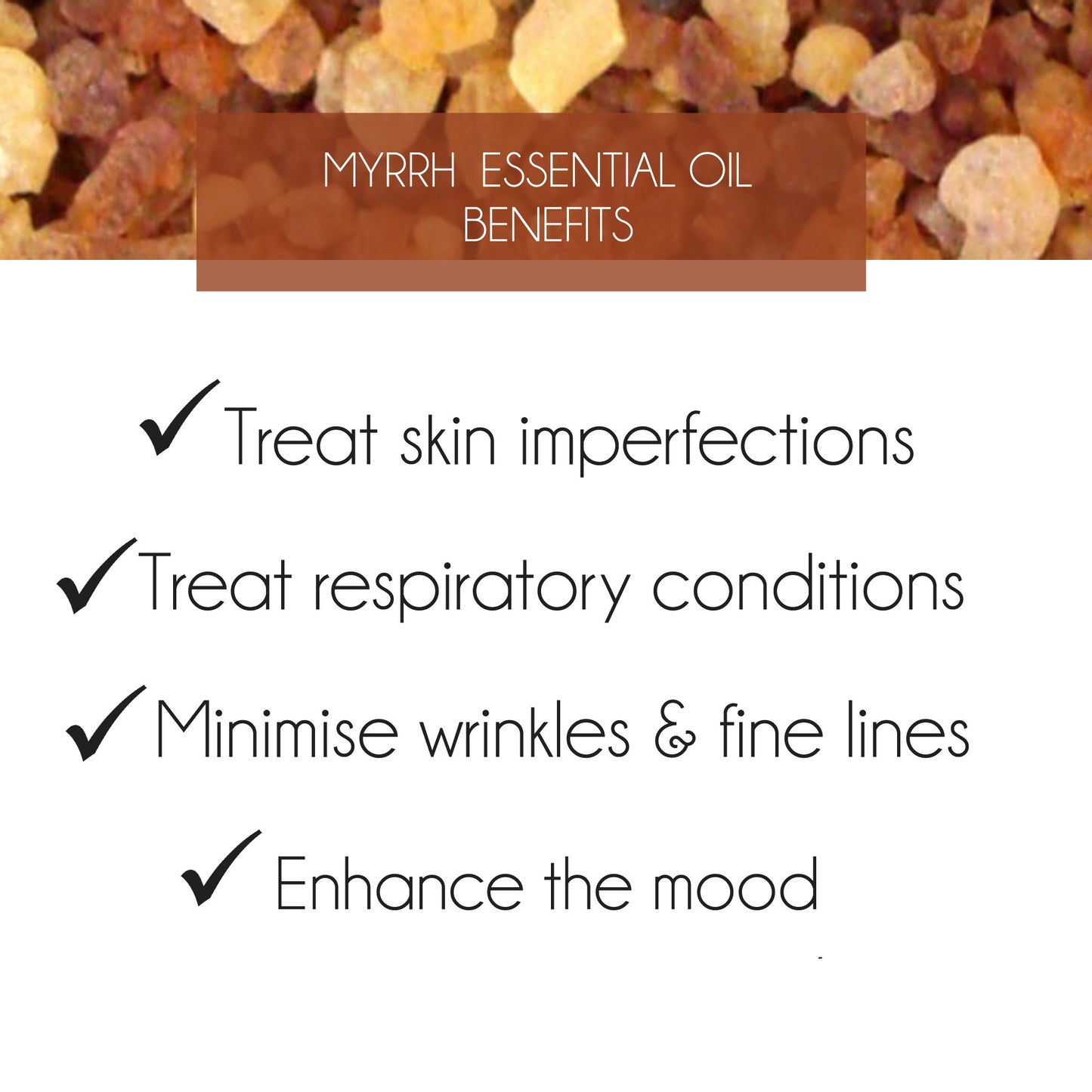
Myrrh essential oil is primarily used for grounding aromatherapy diffusion, supporting a healthy complexion in topical skincare, and meditative wellness rituals.
- Complexion Care: Topical blends help soothe dry patches and support skin vitality when properly diluted.
- Meditative Aromatherapy: Diffusing the resinous aroma promotes a tranquil atmosphere during yoga, meditation, and quiet contemplation.
- Aromatic Comfort: Inhaling the warm earthy vapour provides comfort during seasonal transitions and personal wellness routines.


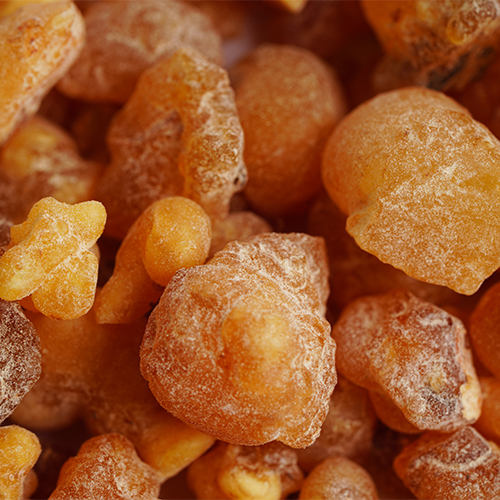
Derived from the oleo-gum-resin of the thorny Commiphora myrrha tree within the Burseraceae botanical family, steam distillation yields this viscous, amber oil. Key chemical constituents include curzerene, lindestrene, and furanoeudesma-1,3-diene, representing over 30% of its volatile profile according to published phytochemical analysis. These natural furanosesquiterpenes give the extract its distinctive restorative qualities and deep aromatic footprint.
Historically harvested across arid desert regions of Somalia, Kenya, and Ethiopia, Myrrh oil remains a treasured botanical staple in natural perfumery and holistic practice. When integrated into daily wellness routines, its rich, smoky, and slightly bittersweet notes help anchor personal headspace. It also serves as a protective emollient base when combined with lightweight carrier mediums for targeted topical hydration.
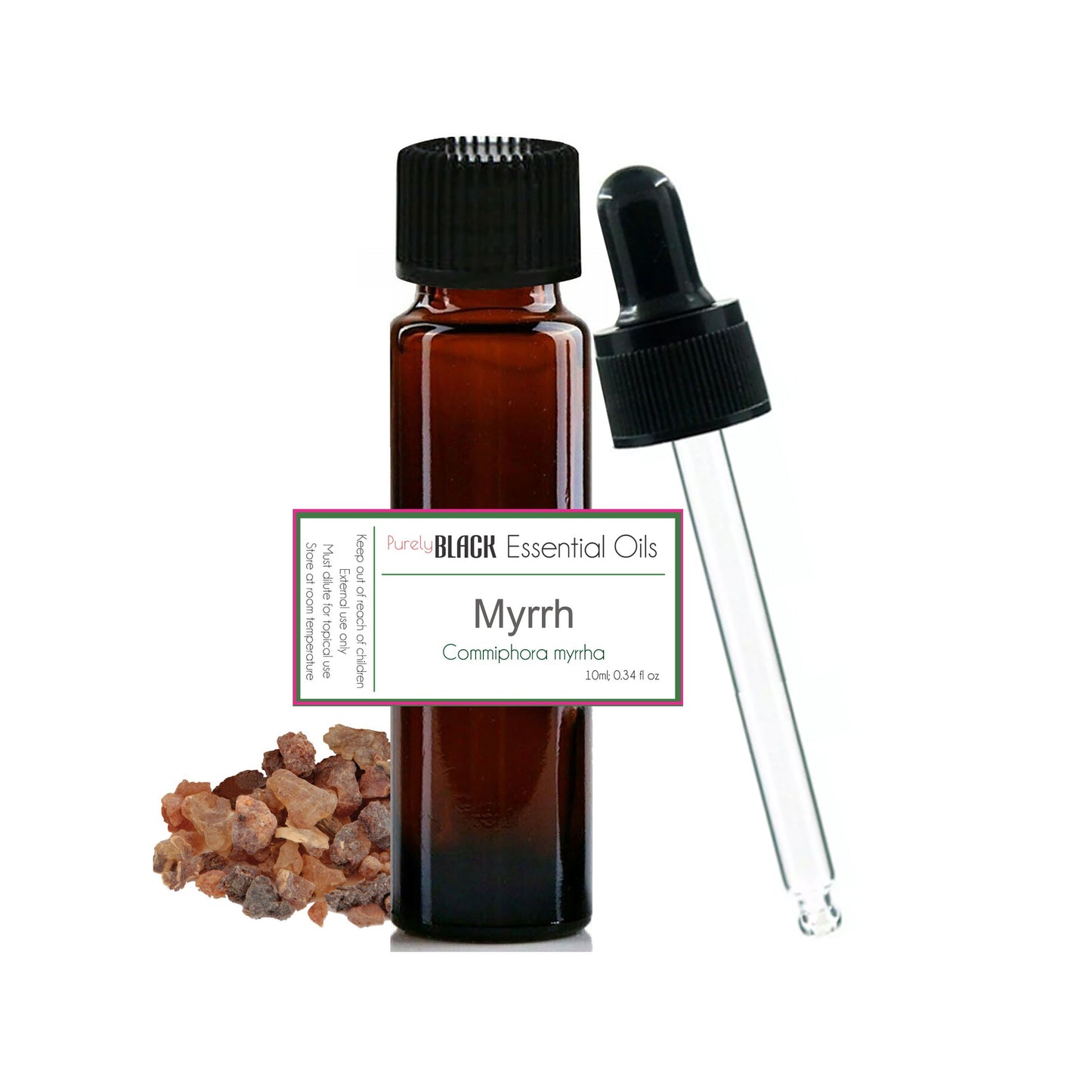
purelyBlack's pure myrrh oil is available as a 100% pure essential oil, dispatched from Sydney.
Is myrrh essential oil the same as frankincense?
No, myrrh essential oil is not the same as frankincense, although both originate from aromatic tree resins within the Burseraceae family.
While both precious botanicals share an interconnected desert heritage, Frankincense is extracted from the Boswellia genus, yielding an uplifting, fresh aroma rich in alpha-pinene. In contrast, Myrrh is derived from Commiphora trees and features a heavier, balsamic, earthy fragrance dominated by sesquiterpene hydrocarbons. Their contrasting aromatic chemistry means each botanical provides distinctly different sensory qualities.
Their practical everyday uses also diverge across personal care and aromatherapy applications. Frankincense is commonly chosen to uplift mental clarity and renew fatigued skin, whereas Myrrh oil offers intensive moisture retention for parched skin barriers and deep meditative grounding. When combined, the two resins create a harmonious synergy that balances high balsamic notes with rich earthy base depth.
| Feature | Myrrh Oil | Frankincense Oil |
|---|---|---|
| Botanical Genus | Commiphora | Boswellia |
| Primary Chemical Family | Furanosesquiterpenes | Monoterpenes (alpha-pinene) |
| Aroma Profile | Smoky, earthy, warm, bittersweet | Fresh, woody, pine-like, citrusy |
| Skincare Focus | Deep conditioning for dry, mature skin | Toning and brightening complexion support |


What are the benefits of frankincense and myrrh oil together?
Combining frankincense and myrrh essential oil creates a synergistic aromatic partnership that promotes deep emotional grounding and supports radiant skin resilience.
- Balanced Aroma: Light pine and bright citrus notes temper deep, smoky, resinous undertones for balanced diffusion.
- Skin Radiance: Combined botanical compounds deliver intensive nourishment to enrich mature, dry, or weathering complexions.
- Meditative Depth: The dual resin fragrance fosters an expansive, tranquil atmosphere ideal for mindfulness and intentional rest.
When blended together in equal parts, these two ancient resins balance heavy base elements with lighter balsamic top notes. Aromatherapists frequently pair them in ultrasonic room diffusers to establish peaceful, sanctuary-like environments across busy Australian homes. The combination allows each oil to temper the other, producing a soothing fragrance that neither overwhelms nor dissipates too quickly.
In topical formulations, their combined application provides comprehensive conditioning for complexions exposed to dry winds and changing seasonal weather. Adding a single drop of each oil to plant-based moisturising oils creates an intensive overnight face and neck serum. This synergistic pairing supports a balanced, supple complexion without leaving behind a heavy or greasy residue.
What is the best way to use myrrh oil?
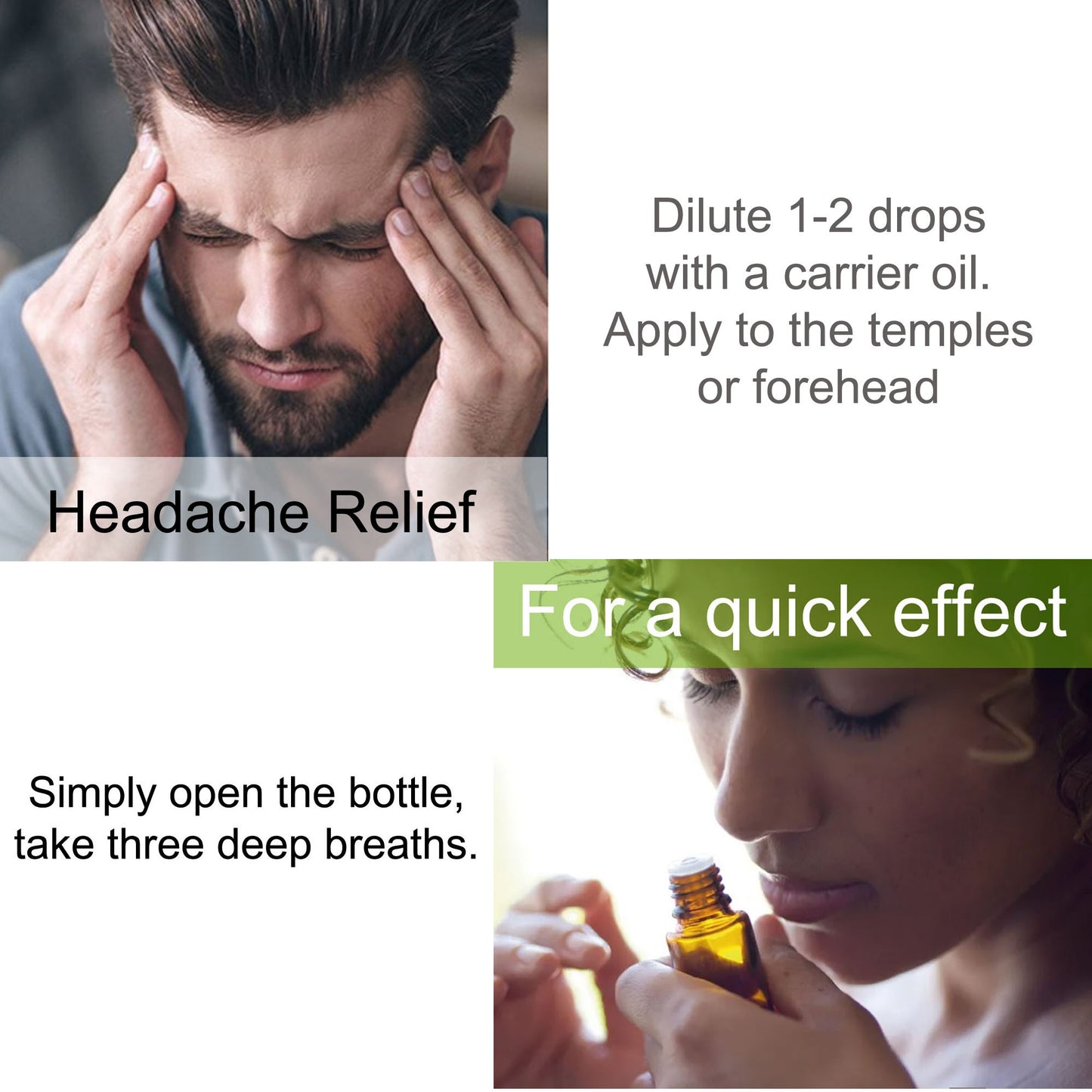
The best way to use myrrh essential oil is through ultrasonic room diffusion or diluted topical application in nourishing plant carrier oils.
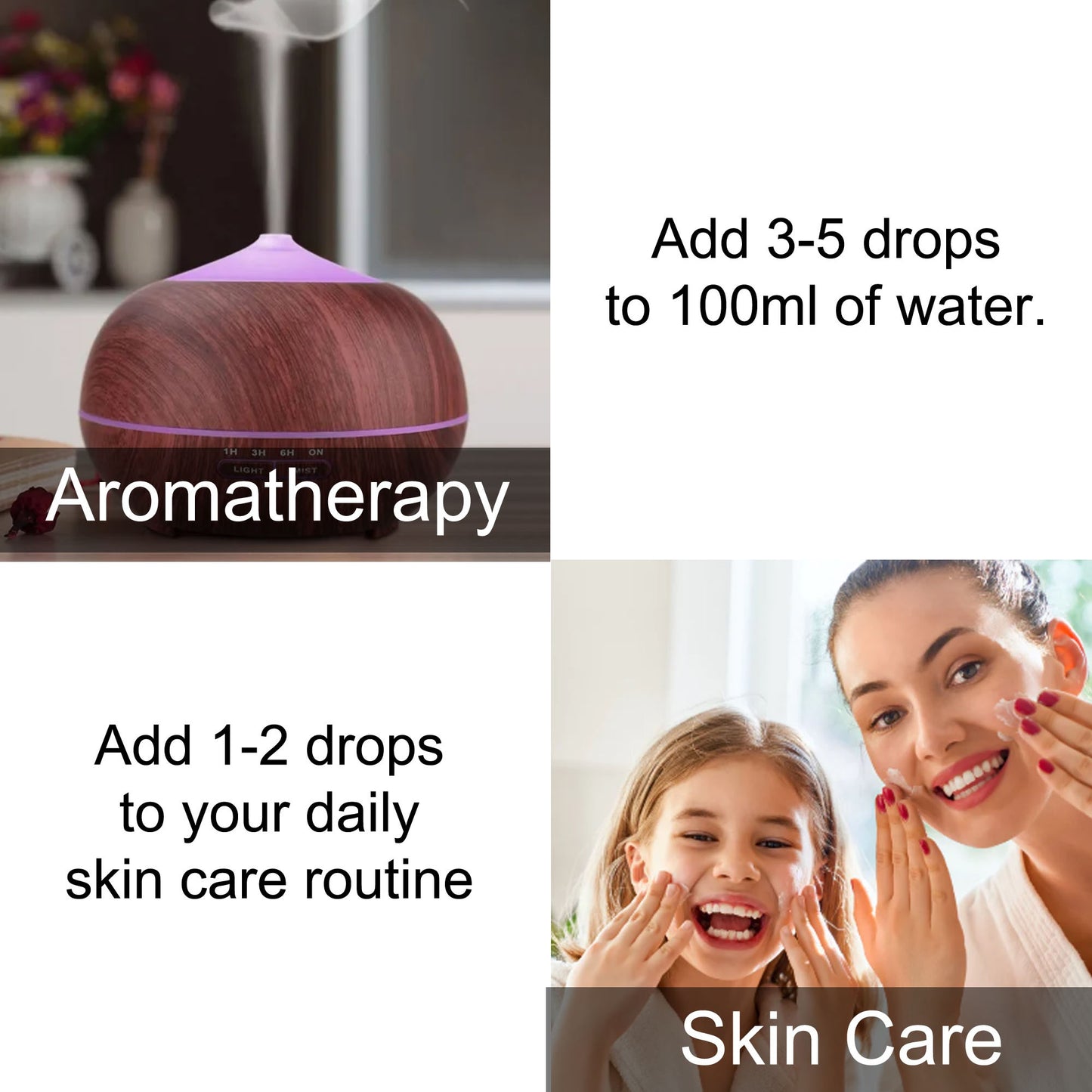
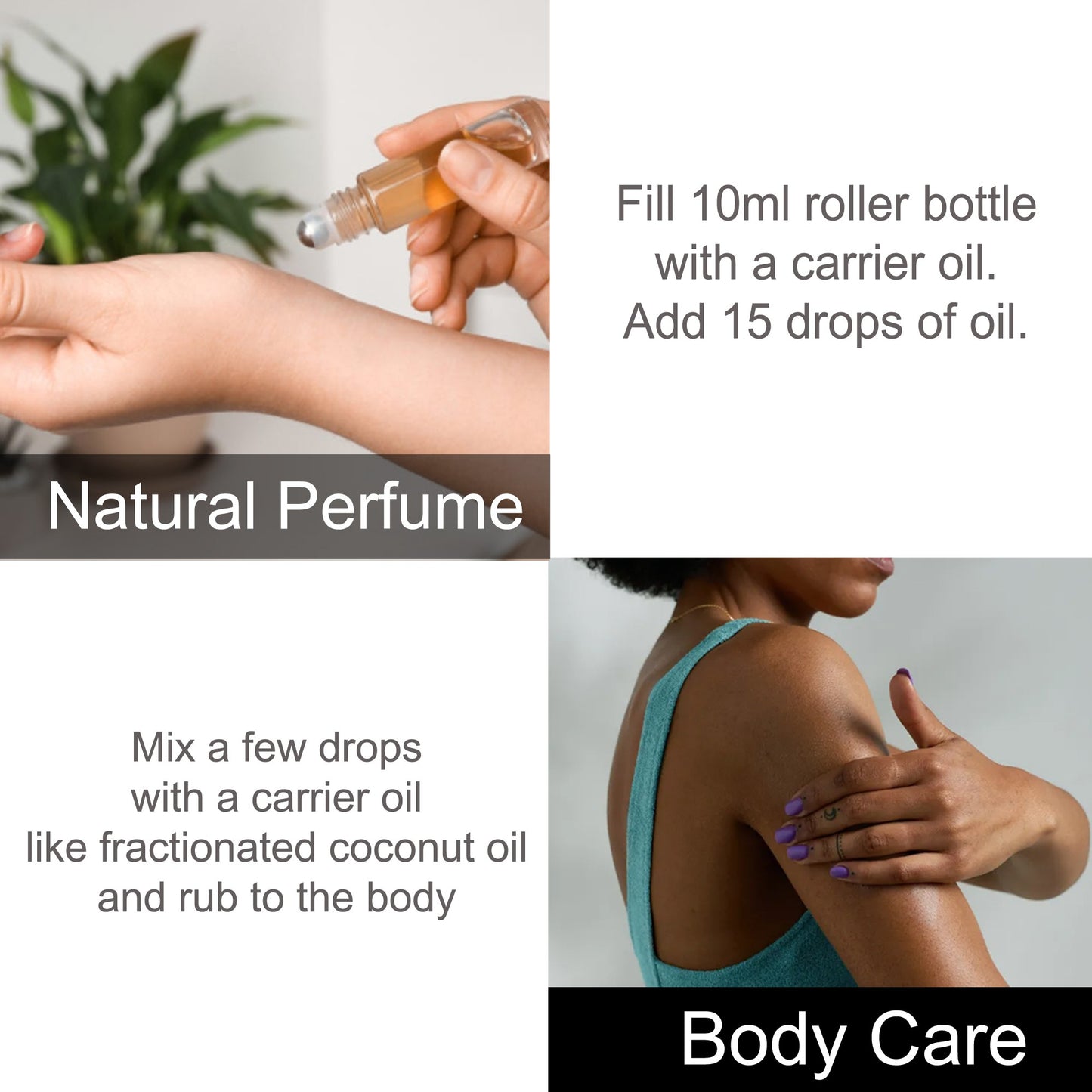
For topical beauty rituals, blend 2 to 3 drops of Myrrh oil into 10ml of Fractionated Coconut Oil before gently smoothing over pulse points or dry skin patches. This standard 1% to 2% dilution ratio maintains skin comfort while ensuring optimal botanical absorption into cutaneous layers. Always perform a small patch test on your inner arm before applying any new essential oil blend broadly across your skin.
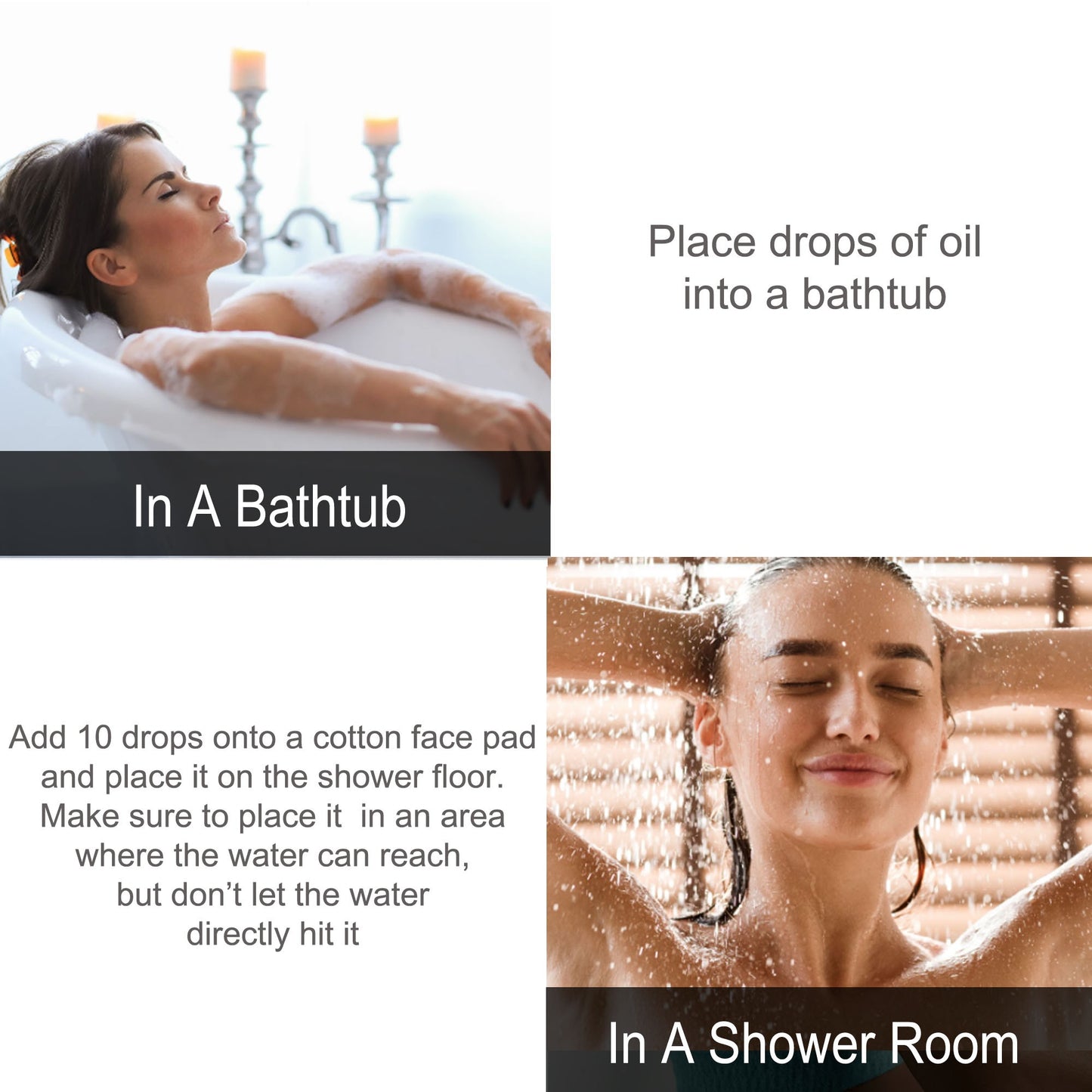
For atmospheric diffusion, add 3 to 4 drops of Myrrh to cool water inside an ultrasonic diffuser for thirty-minute intervals. Because pure resin extracts are naturally thick and viscous, blending Myrrh with lighter botanical oils like Cedarwood Oil or Spearmint Oil helps prevent diffuser mechanism blockages. You can also craft restorative bath soaks by dispersing diluted resin drops into warm bathwater mixed with natural Epsom salts.
What cultures traditionally use myrrh oil?
Ancient Egyptian, Greek, Roman, and Middle Eastern cultures traditionally used myrrh resin and oil for sacred ceremonies, embalming, and beauty balms.
In dynastic Egypt, Myrrh was highly prized as a sacred offering to the sun deity Ra and served as an essential ingredient in temple kyphi incense blends. Egyptian women also integrated the fragrant resin into protective ointments and cosmetics to shield their complexions from harsh desert winds. Classical Greek and Roman physicians carried the aromatic gum to maintain personal hygiene and formulated restorative salves for athletes and soldiers.
Traditional Chinese practices and Ayurvedic traditions similarly incorporated the dried resin into botanical recipes designed to invigorate sluggish vital energy. These cross-cultural historical traditions established the enduring reputation of Myrrh as one of the world's most versatile, revered botanical substances.
To expand your understanding of resinous botanical aromatherapy, explore our related guides:
- Can You Put Myrrh Essential Oil on Skin? Topical Use Guide
- What Are the Benefits of Myrrh Essential Oil for Skin and Wellness?
To explore similar profiles, discover these pure purelyBlack creations: Cardamom Oil, Lemongrass Oil, and Fennel Oil — each dispatched from Sydney.
Related Reading
For more on myrrh oil, see our companion guides: Everyday Uses and Benefits of Pure Myrrh Essential Oil in Australia. What Are the Benefits of Myrrh Oil for Skin and Wellness?. Can You Put Myrrh Oil on Skin? Topical Use Guide.
About the Author
Written by H.R. Kim
Founder at purelyBlack — an Australian-owned perfumery and botanical studio based in Sydney. H.R. specialises in scent profiling and natural ingredient sourcing, meticulously balancing premium fragrance oils and 100% pure essential oils to create elevated aromatic experiences.
Last updated: August 2026
Disclaimer: purelyBlack essential oils are for external use and aromatherapy purposes only. They are not intended to diagnose, treat, cure, or prevent any disease. Always dilute with a carrier oil before topical application and consult a healthcare professional if pregnant or under medical supervision.
