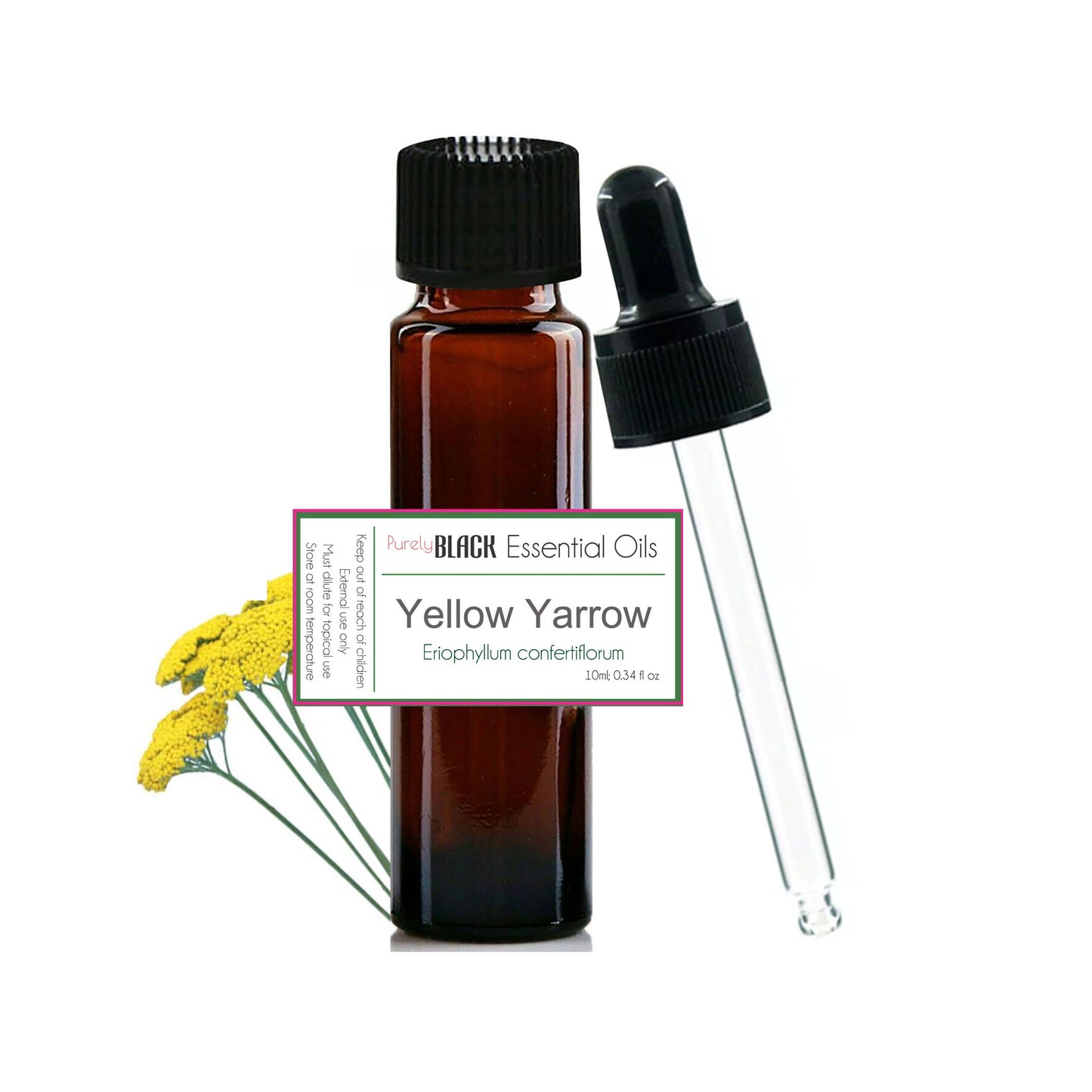
Yellow Yarrow Essential Oil 10ml
Couldn't load pickup availability
Share
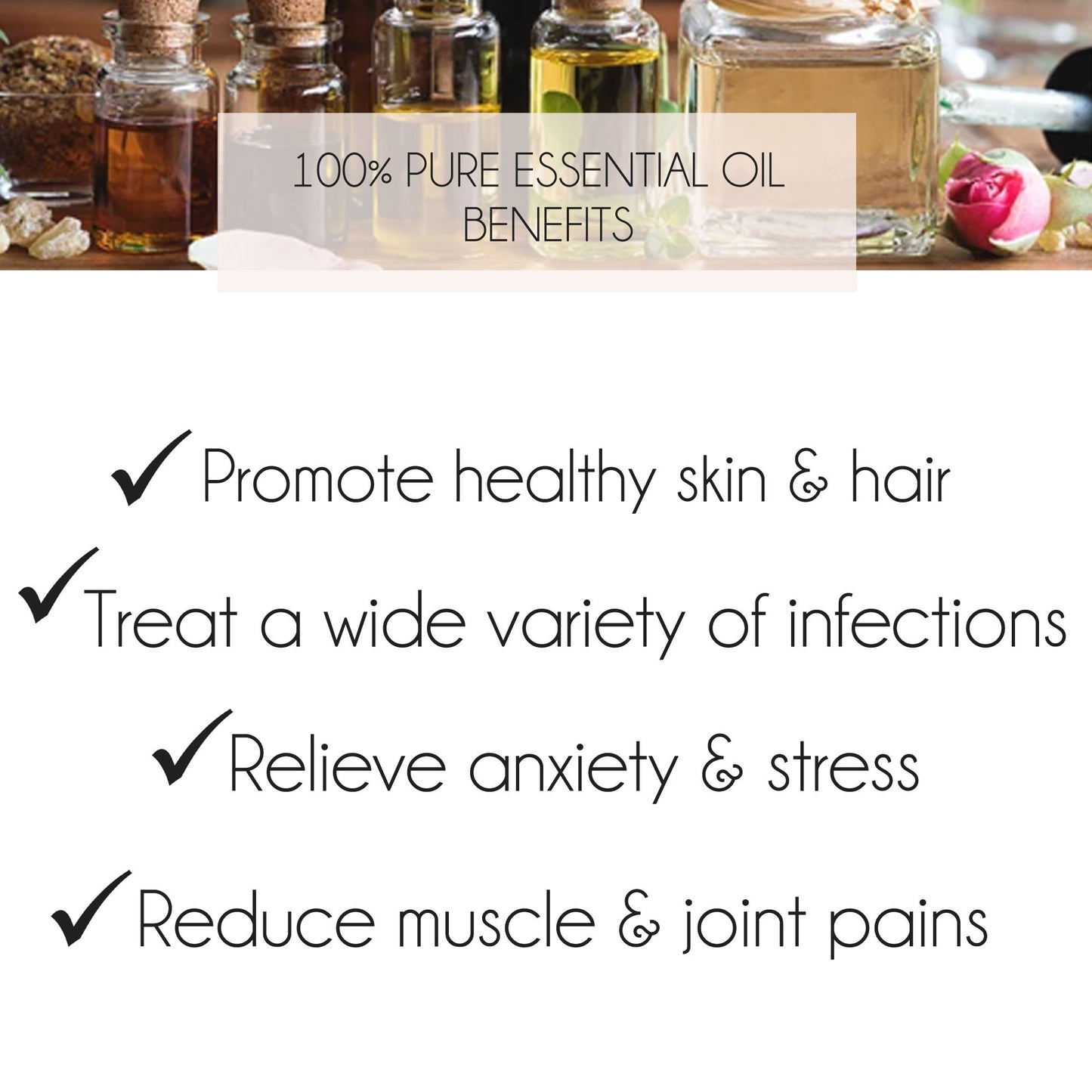
Yarrow oil for skin inflammation brings restorative calm to reactive, stressed complexions with its rare blue hue and grounding herbaceous aroma. Distilled from the flowering tops of Achillea millefolium, this precious oil—GC/MS tested, vegan, cruelty-free, and proudly from an Australian brand—has been valued in botanical practice for centuries to support a healthy complexion and provide aromatic comfort during times of emotional overwhelm. Its deep, bittersweet scent transforms daily rituals into moments of sanctuary. Explore the tabs below for detailed aromatic profiles, step-by-step application methods, and safety guidelines.
Product Details & Aroma
Core Product Details
- Botanical Name: Achillea millefolium
- Plant Family: Asteraceae (Compositae)
- Plant Part Used: Flowering tops and leaves
- Extraction Method: Steam distillation
- Country of Origin: Eastern Europe (Hungary/Bulgaria)
Quality & Purity
- 100% Pure & Natural: No fillers, synthetics, or carrier oils added.
- GC/MS Tested: Every batch tested to verify purity and constituent integrity.
- Vegan & Cruelty-Free: No animal-derived ingredients. Never tested on animals.
- Australian Brand: Proudly Australian-owned and operated.
Aromatic Profile & Notes
- Aromatic Note: Middle to Base
- Aromatic Profile: What does Yarrow essential oil smell like? True yarrow oil opens with an intensely herbaceous, slightly medicinal rush—green and piercing, with whispers of camphor and dried hay. As it settles, a warm, bittersweet undertone emerges, earthy and faintly floral, reminiscent of chamomile's distant cousin. The dry-down reveals a grounding, almost leathery sweetness with subtle licorice-like facets. Historically prized by Achilles—who reportedly used yarrow to tend warriors' wounds—this oil carries an ancient, stoic character that transforms into surprising softness on skin. Its deep azure-blue colour, caused by chamazulene formation during distillation, signals its profound botanical complexity.
- Key Constituents: β-Pinene (8–12%), sabinene (9–13%), 1,8-cineole (4–6%), camphor (10–15%), borneol (2–4%), chamazulene (2–8%, responsible for blue hue), achillicin, achillin. Constituent profiles vary significantly by chemotype and origin; Hungarian yarrow typically displays higher chamazulene content than North American varieties.
Core Benefits & Properties
Why Is Yarrow Oil Used to Support Skin Experiencing Redness and Inflammation?
Yarrow oil provides aromatic support to stressed, reactive skin by creating an environment that promotes a healthy complexion. The presence of chamazulene—a constituent also found in German chamomile—gives yarrow its distinctive blue colour and has been traditionally associated with calming visible redness in botanical skincare practices across Europe. According to Tisserand & Young's Essential Oil Safety (2nd edition), yarrow has been employed in traditional herbal medicine for centuries to support the appearance of skin experiencing minor irritation. When diluted appropriately in carrier oils, many practitioners turn to yarrow oil for soothing dermal redness, particularly for complexions prone to sensitivity or reactive episodes. The synergy of camphor, borneol, and chamazulene creates an aromatic profile that has been valued in botanical tradition for supporting skin's natural resilience during environmental stress.
How Does Yarrow Essential Oil Support the Appearance of Scars and Aging Skin?
Yarrow oil is traditionally used in botanical practice to support a healthy complexion and the appearance of maturing or scarred skin. Historical records document yarrow's use in folk medicine for wound care—the genus name Achillea references the Greek hero Achilles, who purportedly relied on yarrow poultices for battlefield injuries. In contemporary aromatherapy, diluted yarrow oil is incorporated into facial serums and scar-support blends, often combined with sandalwood or rose to provide aromatic comfort during the skin's natural renewal process. The National Association for Holistic Aromatherapy (NAHA) notes that constituents such as β-pinene and chamazulene have been studied in botanical contexts for their traditional role in supporting skin appearance. Many users explore yarrow oil for anti-aging support, incorporating it into nightly rituals to promote a luminous, even-toned complexion.
Can Yarrow Oil Promote a Healthy Scalp and Hair Environment?
When experiencing scalp discomfort or dryness, many turn to yarrow oil diluted in carrier oils to support a balanced, healthy scalp environment. The same constituents that lend aromatic support to facial skin translate well to scalp care, particularly for those managing flakiness, itchiness, or sebum imbalance. A 2017 study published in Phytotherapy Research examined Asteraceae family oils and noted yarrow's traditional use in herbal hair rinses across Central and Eastern Europe. Diluted yarrow oil can be massaged into the scalp before shampooing or added to hair oils alongside rosemary or thyme for a comprehensive aromatic scalp treatment. Learn more about yarrow oil for scalp health and its integration into natural hair care rituals.
What Emotional and Atmospheric Benefits Does Yarrow Provide in Aromatherapy?
Yarrow oil promotes a tranquil, grounding atmosphere, offering aromatic comfort during times of emotional overwhelm, boundary-setting, or transition. Aromatherapists have long valued yarrow for its capacity to support emotional resilience—its bittersweet, herbaceous aroma is said to create a protective energetic boundary, helping diffuse feelings of vulnerability or excessive empathy. When diffused with white camphor or rose geranium, yarrow establishes a centred, introspective environment ideal for meditation or reflective journaling. Historical records show yarrow was burned in ceremonial practices across multiple cultures to invoke courage and clarity—a testament to its enduring role in emotional and spiritual aromatherapy contexts.
How to Use & Blends Well With
How to Use Yarrow Oil
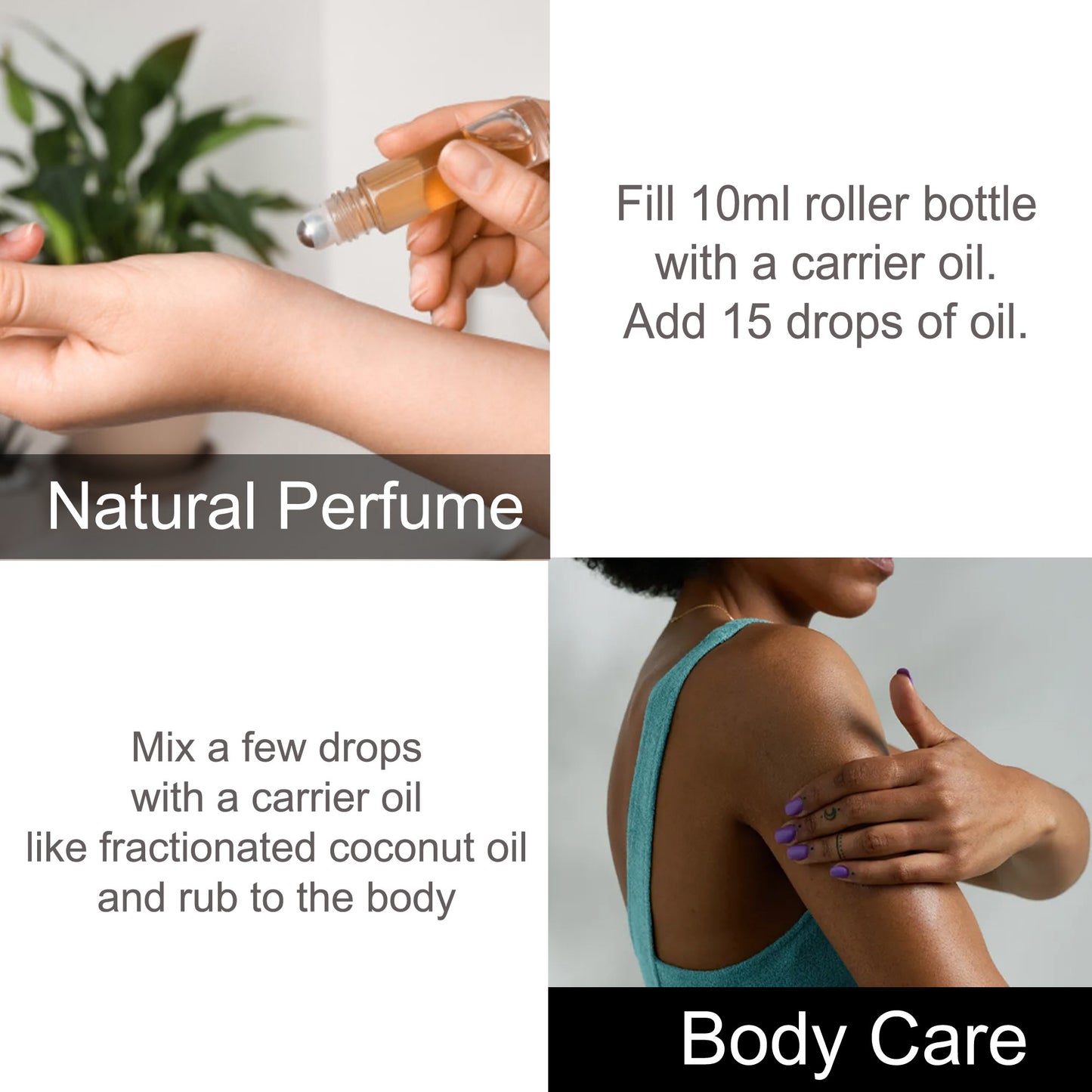
- Create a Targeted Roll-On: Combine 3 drops of yarrow oil with 10 ml of jojoba or fractionated coconut oil in a glass roller bottle. Apply to areas of skin experiencing visible redness, old scars, or reactive patches twice daily. For facial application, reduce to 2 drops per 10 ml to honour delicate skin. This dilution aligns with NAHA's 1.5–2% recommendation for facial use and up to 3% for body application.
How to Make a Yarrow Room Spray
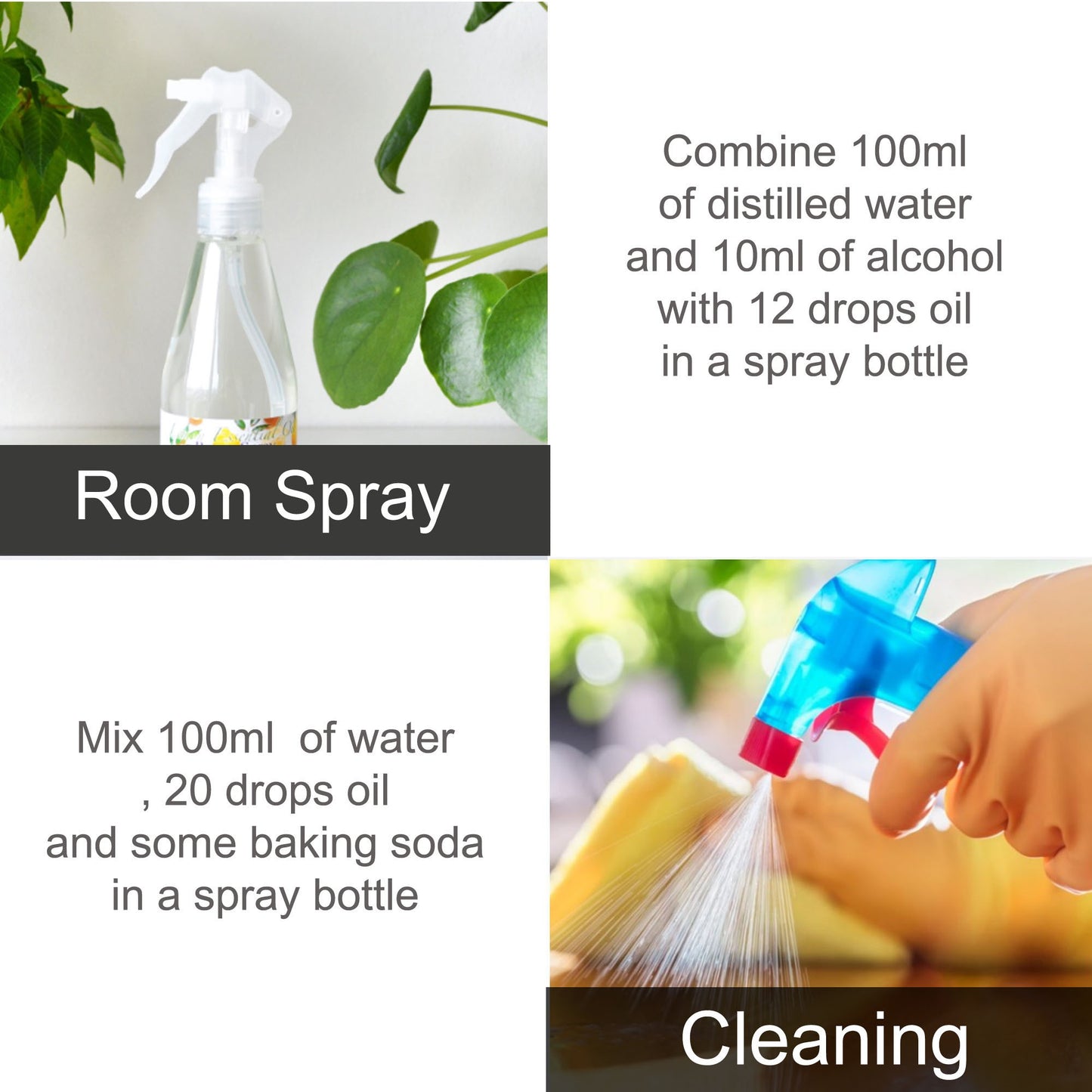
- DIY Application: Add 12 drops of yarrow oil, 8 drops of [mandarin](https://purelyblack.com/products/pure-mandarin-essential-oil-sleep-skin-repair), and 1 teaspoon of witch hazel or vodka (as emulsifier) to a 100 ml glass spray bottle, then top with distilled water. Shake vigorously before each use and mist around your personal space to establish a grounding, protective atmosphere. For a calming bedtime variation, substitute sweet orange for mandarin to soften yarrow's intensity.
Aromatherapy Diffusion
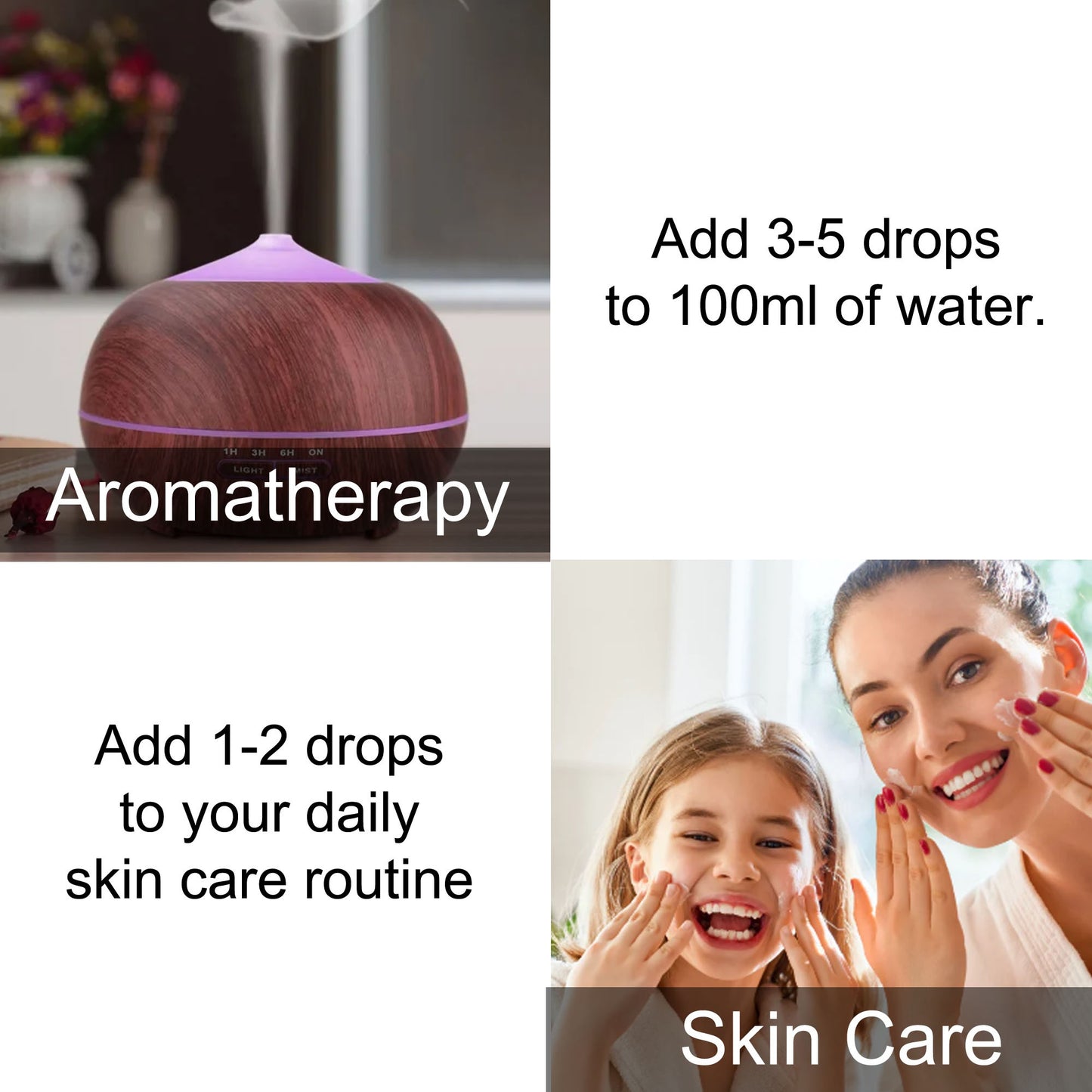
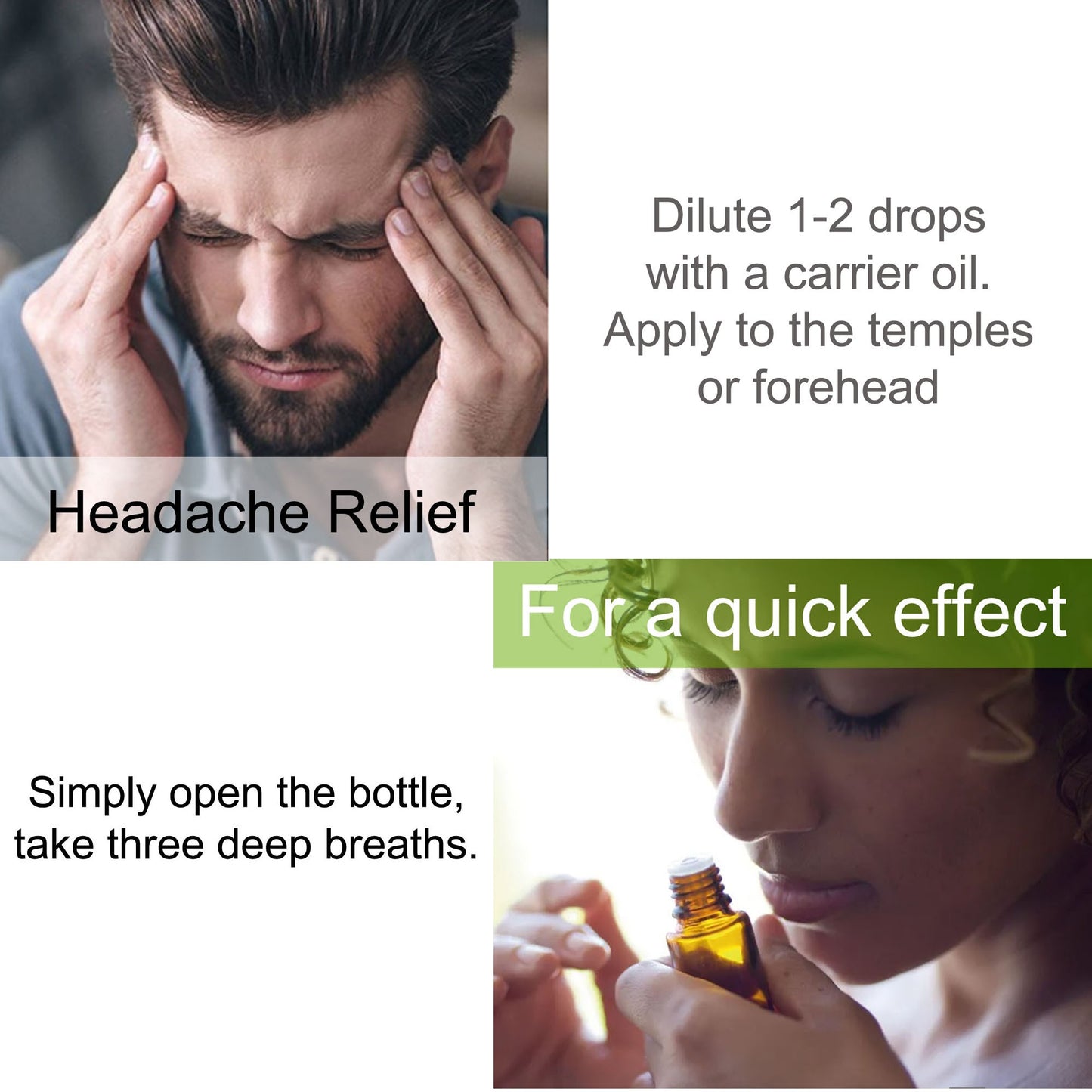
Add 3–4 drops of yarrow oil to an ultrasonic diffuser and run for 30–60 minutes to promote a tranquil, emotionally centred environment. Historically used in folk rituals to invoke courage and clarity, yarrow's herbaceous, grounding aroma creates an ideal backdrop for meditation, boundary-setting practices, or reflective journaling. Its bittersweet profile pairs beautifully with floral or resinous oils for deeper aromatic complexity.
Blends Well With
Sandalwood Oil, White Camphor Oil, Thyme Oil, Rose Oil, Rose Geranium Oil, Mandarin Oil, Sweet Orange Oil, Rosemary Oil
Safety & Precautions
General Safety & Application Guidelines
- External Use Only: Never ingest yarrow essential oil. It is formulated for topical and aromatic use only and must always be diluted before skin contact.
- High Potency & Dilution: Yarrow is a potent essential oil and must be diluted before application. NAHA recommends 1.5–2% dilution for facial use (3 drops per 10 ml of carrier) and up to 3% for body application (6 drops per 10 ml). Suitable carrier oils include jojoba, rosehip seed, or fractionated coconut oil.
- Medication Interactions: According to Tisserand & Young's Essential Oil Safety (2nd edition), yarrow oil may interact with anticoagulant medications (e.g., warfarin, aspirin) due to its natural coumarin and salicylate-related constituents, which may theoretically influence blood clotting pathways. Individuals taking anticoagulant or antiplatelet drugs should consult a healthcare professional before topical or aromatic use of yarrow oil.
- Safe Storage: Store yarrow oil in a cool, dark place away from direct sunlight and out of reach of children and pets. Amber or cobalt glass bottles preserve constituent integrity.
Specific Precautions
- Pregnancy & Nursing: Yarrow oil is contraindicated during pregnancy and breastfeeding. Its camphor and thujone content may pose risks to foetal development and infant safety. Avoid use entirely during these periods.
- Children & Pets: Tisserand & Young advise against use of yarrow oil on children under 6 years of age due to its camphor content and potential for neurotoxicity in developing systems. Keep away from pets, particularly cats and dogs, as yarrow constituents may be harmful if ingested or absorbed.

Something else you'll love
-
Pure Indian Frankincense Essential Oil 10ml - Boswellia Serrata
1 reviewRegular price $16.95 AUDRegular priceSale price $16.95 AUD -
Vanilla Essential Oil 10ml For Aromatherapy Diffuser/Fragrance Perfume/Skin Care
15 reviewsRegular price $13.95 AUDRegular priceSale price $13.95 AUD -
Pure Clove Essential Oil 10ml - Eugenia Caryophyllata
19 reviewsRegular price $13.95 AUDRegular priceSale price $13.95 AUD -
Pure Rosemary Essential Oil 10ml - Rosmarinus Officinalis L.
16 reviewsRegular price $12.95 AUDRegular priceSale price $12.95 AUD
-
How do I know purelyBlack essential oils are truly 100% pure?
Unlike many aromatherapy oils sold online that contain synthetic fillers, purelyBlack oils are 100% plant-derived. We use zero additives, bases, or synthetics. Our oils are sourced directly from growers in their native regions—such as Tea Tree from Australia and Peppermint from India—ensuring you get the potent, unadulterated plant extract every time.
-
Why are your oils more affordable than big brands like doTerra or Young Living?
We operate on a direct-to-consumer model. Large Multi-Level Marketing (MLM) brands often mark up their products by 300-500% to pay commissions to their tiered distributors. We cut out the middleman and fancy packaging, allowing us to sell the exact same Therapeutic Grade quality oils at a fraction of the price.
-
Are your essential oils Therapeutic Grade?
Yes. We source our oils specifically for their therapeutic properties, not just their smell. This means our oils are harvested at the peak time to ensure high levels of active compounds (like 1,8-cineole in Eucalyptus). They are perfect for use in diffusers, DIY skincare, and hair growth treatments when used as directed.
-
Can purelyBlack essential oils be used on the skin?
Yes, because our oils are 100% pure, they are safe for topical use when properly diluted with a carrier oil (like Jojoba or Fractionated Coconut Oil). This makes them superior to cheaper fragrance oils found in discount stores, which are often synthetic and strictly for room scenting only.