


Can You Put Myrrh Oil on Skin? Topical Use Guide
Can you put myrrh oil directly on skin?
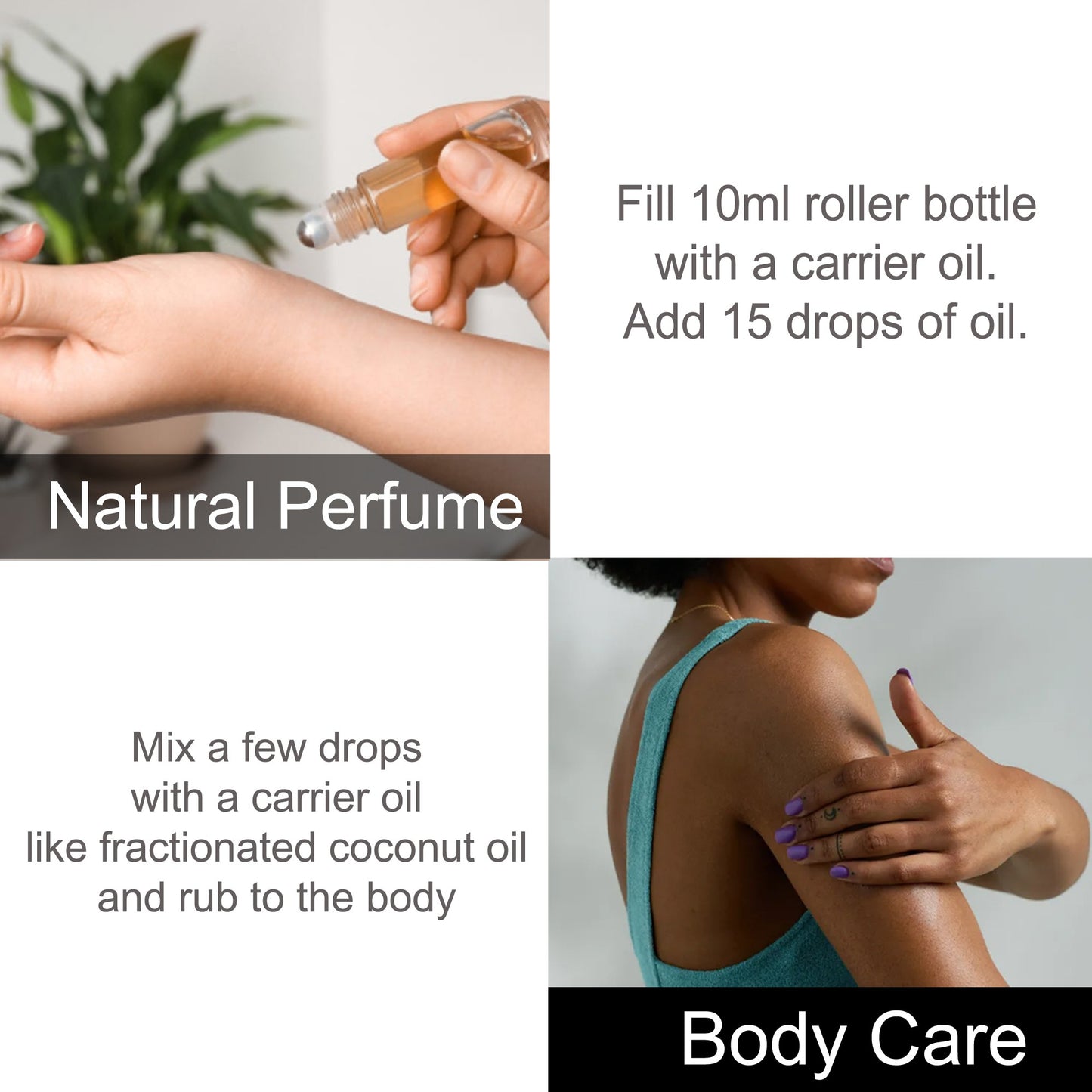
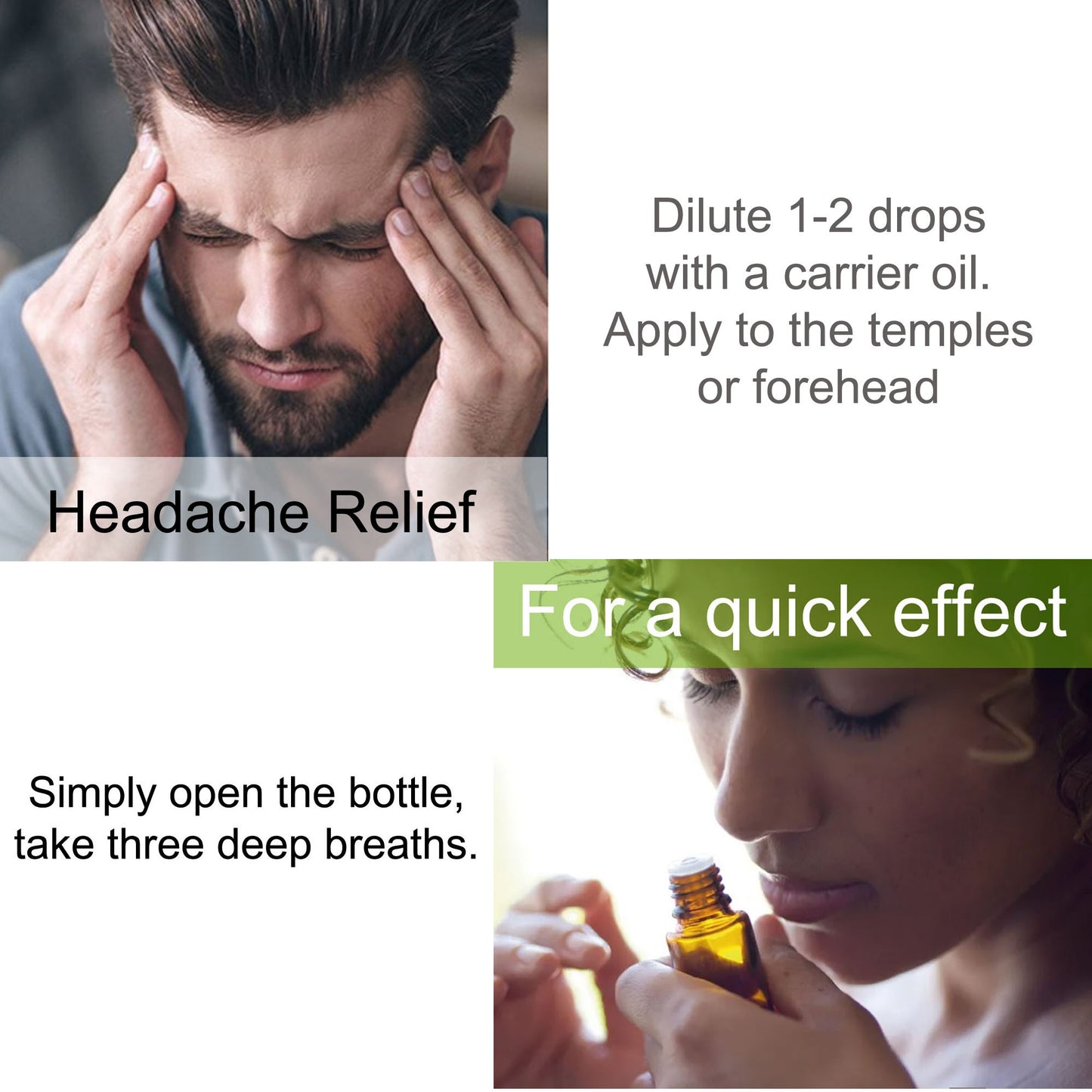
No, you should never apply undiluted myrrh essential oil directly to your skin without prior dilution in a carrier oil.
- Safe Dilution Ratio: Mix two drops of oil per teaspoon of carrier oil for a standard two percent topical dilution.
- Patch Test Protocol: Apply one diluted drop to the inner forearm and wait twenty-four hours to check for dermal sensitivity.
- Skin Barrier Support: Blending with botanical carriers provides essential fatty acids while allowing the resinous oil to absorb evenly.


Extracted via steam distillation from the aromatic oleo-gum-resin of Commiphora myrrha, a thorny tree species belonging to the Burseraceae family, Myrrh possesses an exceptionally dense, viscous consistency. Applying concentrated botanical extracts directly to the epidermis can trigger contact dermatitis, redness, and localised irritation. Blending the viscous extract into a neutral plant medium ensures seamless dispersion across the skin barrier without overwhelming sensitive dermal layers.
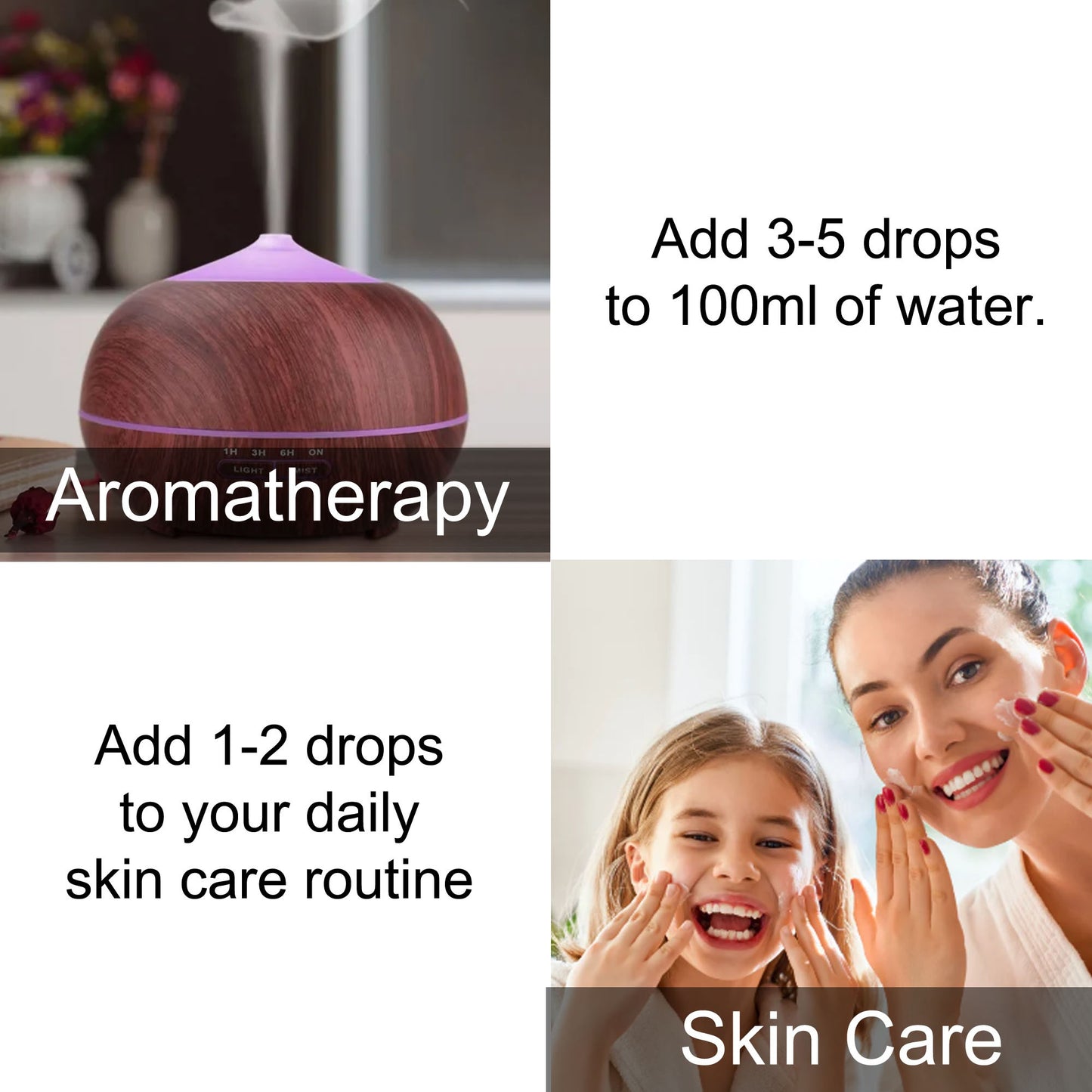
To safely enjoy topical applications, blend your botanical drops into cold-pressed mediums such as Fractionated Coconut Oil, jojoba oil, or rosehip seed oil. For general facial care, a one percent dilution—equivalent to three drops of oil per thirty millilitres of carrier—supports a healthy complexion and helps calm dry patches. For targeted body application, a two percent dilution ratio delivers rich aromatic comfort and nourishment.
Before incorporating any new botanical into your daily skincare ritual, always perform a preliminary patch test on an inconspicuous area of skin. Combine a single drop of Myrrh with half a teaspoon of carrier oil, dab a small amount onto your inner elbow, and monitor the area for twenty-four hours. If no redness, itching, or inflammation occurs, the blend is suitable for regular topical application.
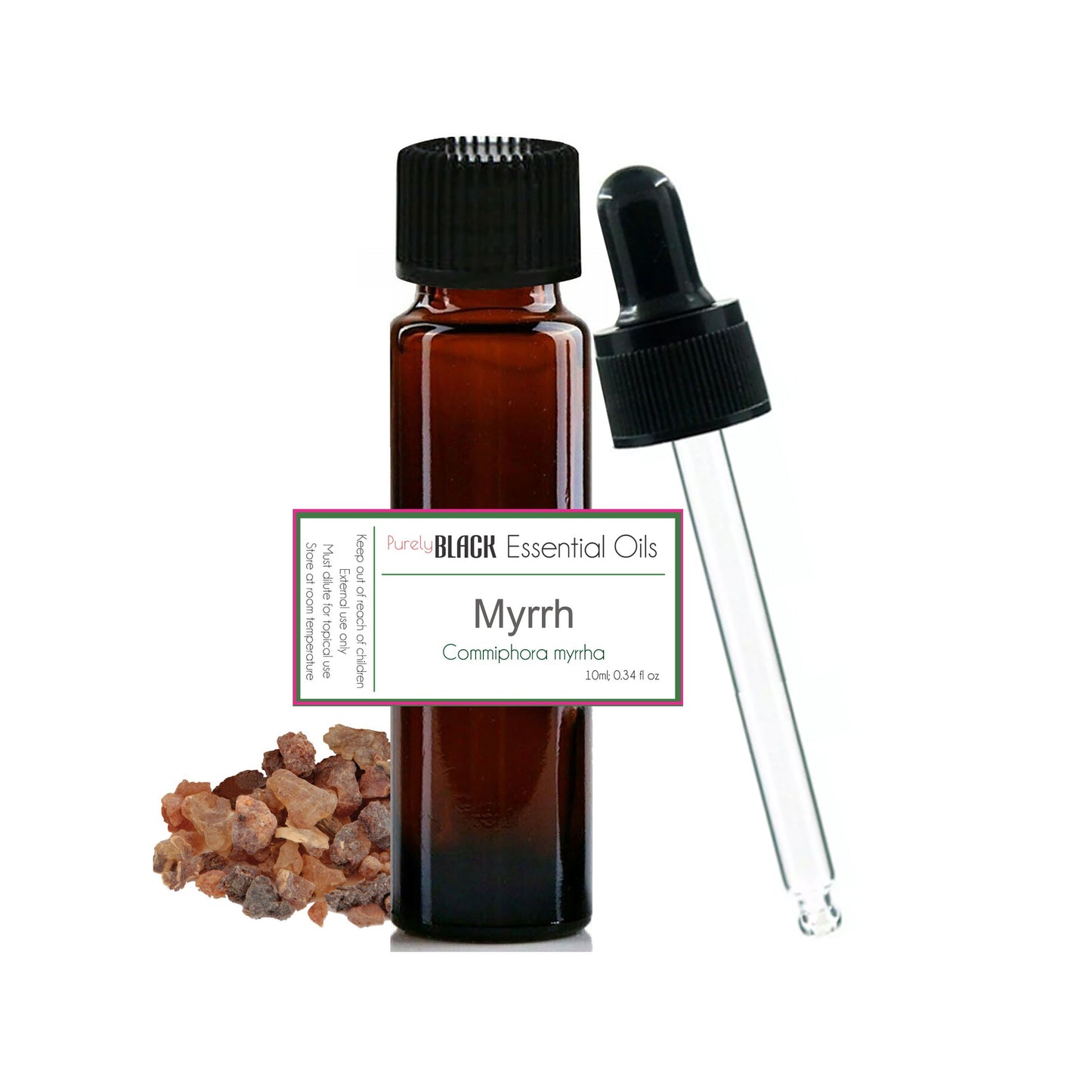
purelyBlack's pure myrrh oil is available as a 100% pure essential oil, dispatched from Sydney.
Who should not use myrrh oil?
Pregnant individuals, nursing mothers, young children, and people taking prescription blood thinners should avoid using myrrh essential oil entirely.
Certain biological groups and individuals with specific medical considerations must exercise strict caution or abstain from using Myrrh oil. Pregnant women should avoid all contact with this resinous botanical because active sesquiterpene compounds are traditionally recognised for their emmenagogue properties, which may stimulate uterine contractions. Nursing mothers and infants under two years of age should likewise avoid topical or aromatic exposure due to developing metabolic pathways.
Individuals managing cardiovascular conditions or preparing for scheduled surgical procedures must also refrain from using Myrrh essential oil. The natural phytochemicals within the resin can interact with anticoagulant and antiplatelet medications, potentially altering normal blood-clotting mechanisms. If you manage an underlying medical condition or take daily prescription drugs, consult a qualified healthcare practitioner before introducing concentrated tree resins into your routine.
People with highly reactive or compromised skin barriers should approach topical application with added care. While Myrrh supports a healthy complexion when properly prepared, unrefined resin compounds can occasionally prompt allergic contact responses in individuals predisposed to balsam sensitivities. Always maintain conservative dilution ratios and discontinue use immediately if dermal discomfort arises.


Is myrrh oil good for hair growth?
Yes, when diluted properly, myrrh essential oil supports a healthy scalp environment that encourages natural hair strength and vitality.
- Scalp Cleansing Action: Massaging diluted myrrh into the scalp clarifies buildup around hair follicles to maintain clean roots.
- Follicle Nourishment: Combining myrrh with carrier oils delivers deep moisture to brittle strands, helping reduce everyday breakage.
- Aromatic Massage Blend: Adding several drops to botanical oils creates a revitalising treatment that supports healthy circulation during massage.
Maintaining strong, resilient hair begins with creating an optimal environment across the scalp surface. Myrrh oil provides natural astringent qualities that help tone the scalp, balance excess sebum production, and gently lift persistent flaking. By purifying the follicle openings from environmental debris and product residue, the resin extract allows emerging hair shafts to grow unhindered.
When experiencing dry or fatigued roots, many people turn to regular botanical scalp massages to restore softness and manageability. Blending three drops of Myrrh essential oil with a tablespoon of argan or jojoba oil produces an intensely hydrating pre-shampoo treatment. Massaging this blend into the scalp for five minutes encourages surface blood flow, delivering essential botanical nutrients directly to root structures.
For enhanced daily conditioning, you can also add two drops of Myrrh to your standard sulphate-free shampoo or leave-in conditioner. The grounding, woody aroma lingers pleasantly on the hair fibres while providing protective moisture against daily environmental stressors. Over consistent weekly applications, this routine helps preserve strand elasticity, minimise split ends, and reinforce general hair lustre.
Why is myrrh oil so expensive?
Myrrh oil is expensive because wild resin harvesting requires intensive manual labour and yields very low essential oil volumes during distillation.
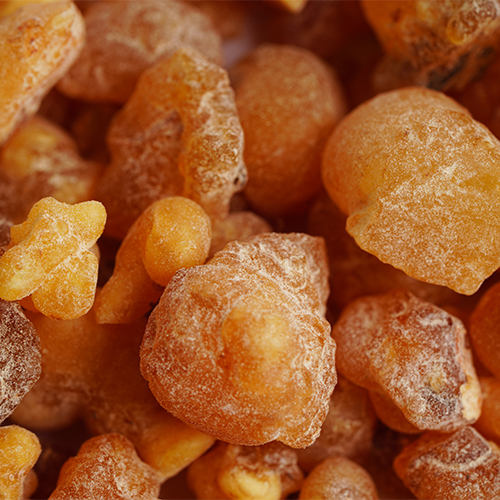
The premium cost of authentic Myrrh essential oil stems directly from the arduous, time-intensive methods required to gather raw oleo-gum-resin. Native to arid regions across Northeast Africa and the Arabian Peninsula—primarily Somalia, Ethiopia, and Yemen—wild Commiphora myrrha trees grow in rugged, inaccessible terrain. Harvester artisans must manually make precise incisions into the tree bark, allowing the sap to weep and harden into reddish-brown resin "tears" over several weeks before hand-collecting them.
Once harvested, the hardened resin undergoes specialised steam distillation, a challenging process due to the botanical's dense, sticky characteristics. Resin distillations produce exceptionally low oil yields, often requiring up to twenty kilograms of raw tears to yield a single small bottle of volatile oil. The volatile profile is exceptionally rich in complex furanosesquiterpenes, including furanoeudesma-1,3-diene (30% to 45%) and curzerene (15% to 25%), as detailed in a published phytochemical study on resin composition.
| Production Factor | Commercial Specification | Impact on Value |
|---|---|---|
| Botanical Source | Commiphora myrrha (Burseraceae) | Requires wild collection from remote desert regions |
| Harvesting Method | Manual bark incising and tear picking | Intensive physical labour and multi-week curing periods |
| Extraction Method | Extended low-pressure steam distillation | Low volatile yield of approximately 2% to 5% by weight |
| Key Active Biomarkers | Furanoeudesma-1,3-diene (30–45%), Curzerene (15–25%) | High therapeutic potency and long shelf stability |
Because genuine resin crops are vulnerable to climate fluctuations, political instability in harvesting regions, and strict international trade tariffs, wholesale prices fluctuate considerably. Lower-grade synthetic duplications or solvent-extracted resinoids often flood commercial markets, making unadulterated, steam-distilled pure Myrrh oil an exclusive, high-value investment in professional aromatherapy.
What are the spiritual uses of myrrh oil?
Traditionally used in botanical practice to provide comfort for spiritual grounding, myrrh oil enhances mindful meditation, prayer, and energetic purification rituals.
Spanning thousands of years across ancient Egyptian, Mediterranean, and Middle Eastern civilisations, Myrrh has occupied a revered position in sacred rites, temple anointings, and meditative ceremonies. Its warm, smoky, balsamic fragrance acts as a powerful anchor for the senses, helping quiet racing thoughts and settle an overstimulated nervous system. Practitioners value the resin for its ability to clear stagnant energetic spaces while fostering a tranquil atmosphere conducive to deep contemplative work.
To incorporate Myrrh oil into your personal wellness rituals, disperse three to four drops through an ultrasonic diffuser during evening yoga, breathwork, or mindfulness sessions. The deep base notes combine harmoniously with sacred woods and citrus essences, elevating contemplative spaces and encouraging emotional centredness. You may also blend one drop into a carrier base and lightly touch the mixture to your temples or pulse points to provide aromatic comfort throughout spiritual practise.
For those interested in exploring complementary guidance, consult our companion resources: What Is Myrrh Essential Oil Used For? — Complete Guide and What Are the Benefits of Myrrh Essential Oil for Skin and Wellness?
To explore similar profiles, discover these pure purelyBlack creations: Spearmint Oil, May Chang Oil, and Frangipani Oil — each dispatched from Sydney.
Related Reading
For more on myrrh oil, see our companion guides: Everyday Uses and Benefits of Pure Myrrh Essential Oil in Australia. What Are the Benefits of Myrrh Oil for Skin and Wellness?. What Is Myrrh Oil Used For? — Complete Guide.
About the Author
Written by H.R. Kim
Founder at purelyBlack — an Australian-owned perfumery and botanical studio based in Sydney. H.R. specialises in scent profiling and natural ingredient sourcing, meticulously balancing premium fragrance oils and 100% pure essential oils to create elevated aromatic experiences.
Last updated: August 2026
Disclaimer: purelyBlack essential oils are for external use and aromatherapy purposes only. They are not intended to diagnose, treat, cure, or prevent any disease. Always dilute with a carrier oil before topical application and consult a healthcare professional if pregnant or under medical supervision.
