

What Are the Benefits of Myrrh Oil for Skin and Wellness?
What are the benefits of myrrh oil for skin?
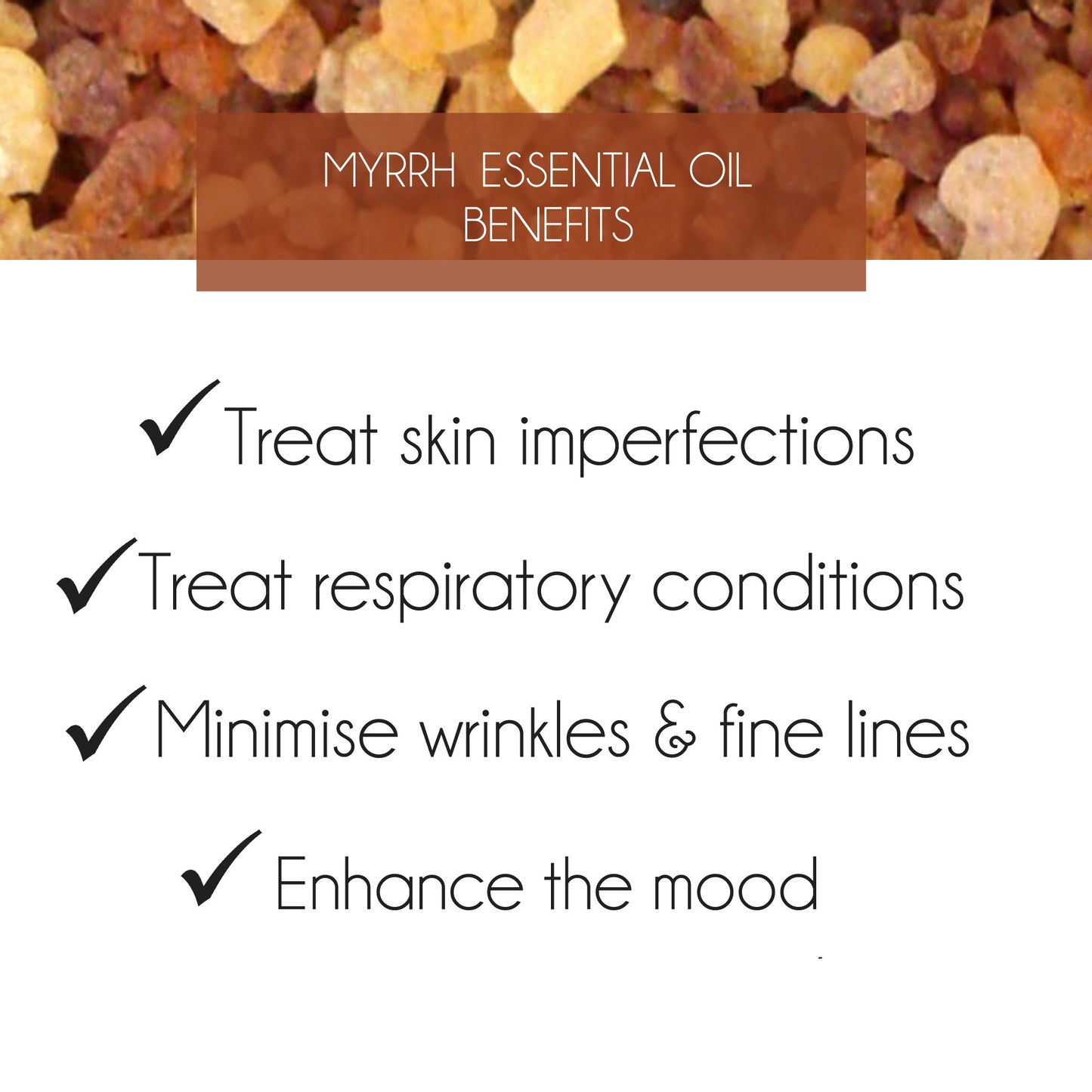
When experiencing dullness or dryness, many people turn to myrrh oil because it provides soothing moisture and supports a smooth complexion.
- Complexion Support: Diluted topical application provides botanical hydration to soothe parched, dry, or mature skin types effectively.
- Astringent Tone: Natural sesquiterpene compounds help balance surface sebum and promote a clear, revitalised facial tone.
- Comforting Cleanse: Integrating botanical resins into daily body oils helps protect the skin barrier against environmental elements.


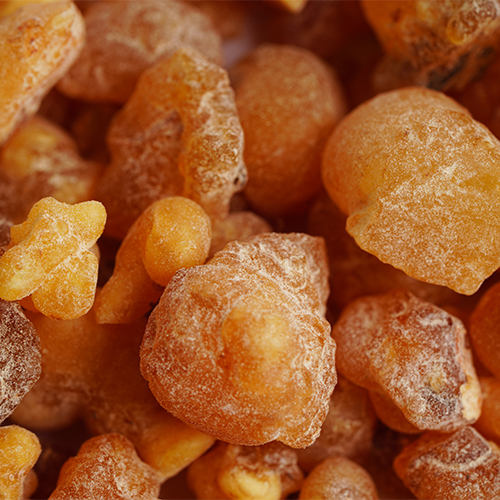
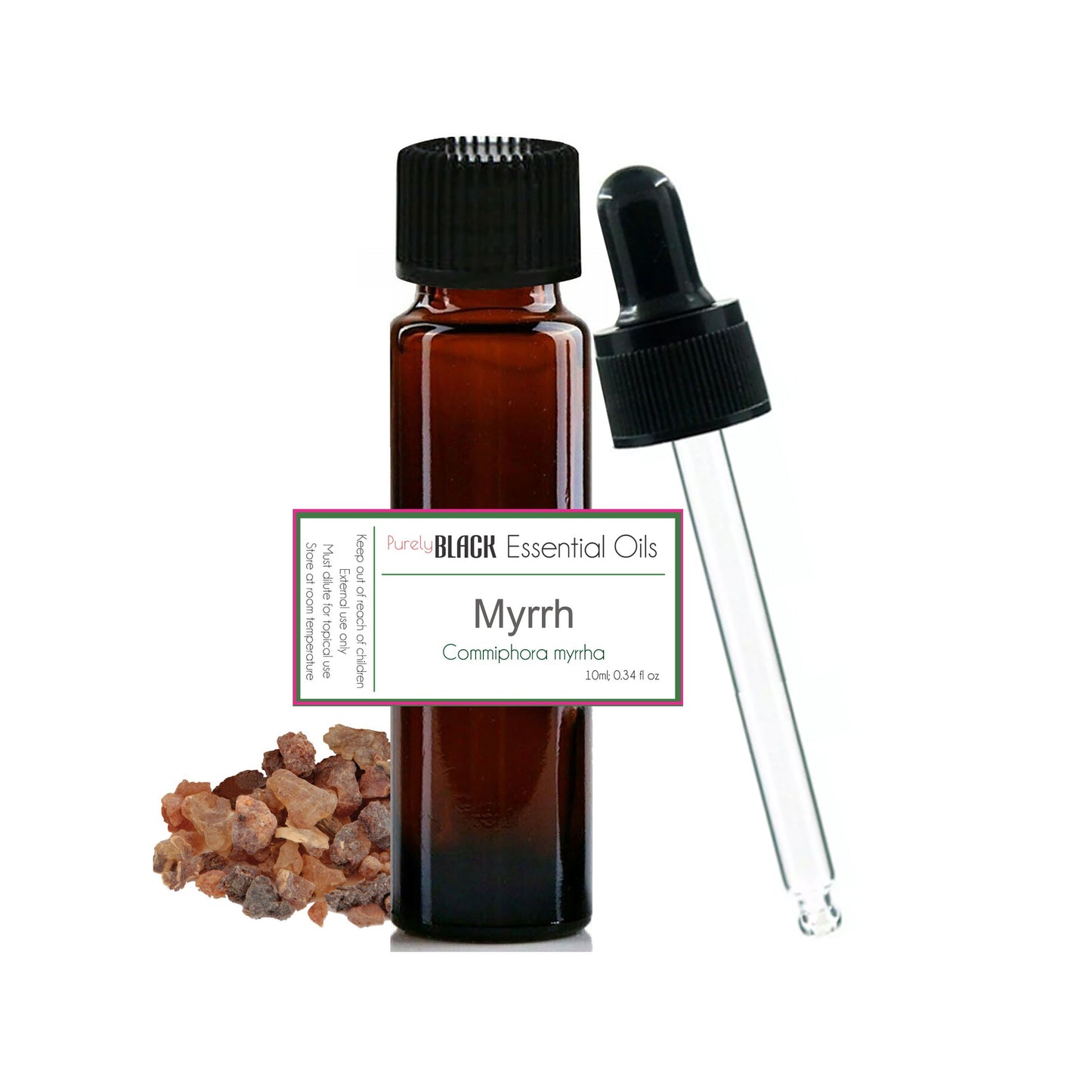
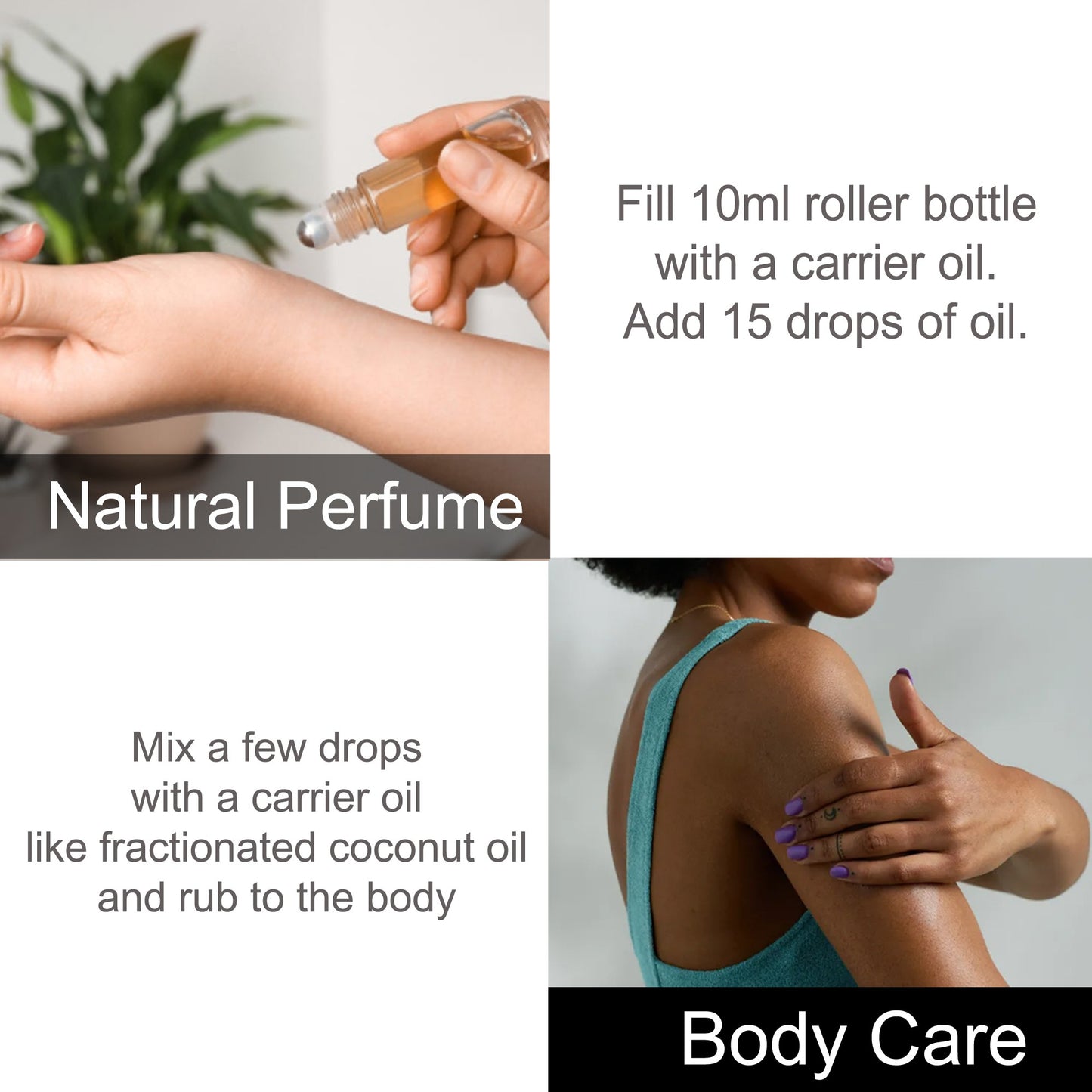
Topical application remains the most celebrated traditional method for utilising Commiphora myrrha, a tree member of the Burseraceae botanical family. Harvested from natural oleo-gum-resin and extracted via careful steam distillation, the resulting viscous oil carries a rich, warm, and balsamic aroma. When blended into a nourishing carrier such as Fractionated Coconut Oil, it delivers non-greasy hydration suitable for weathered or delicate complexions.
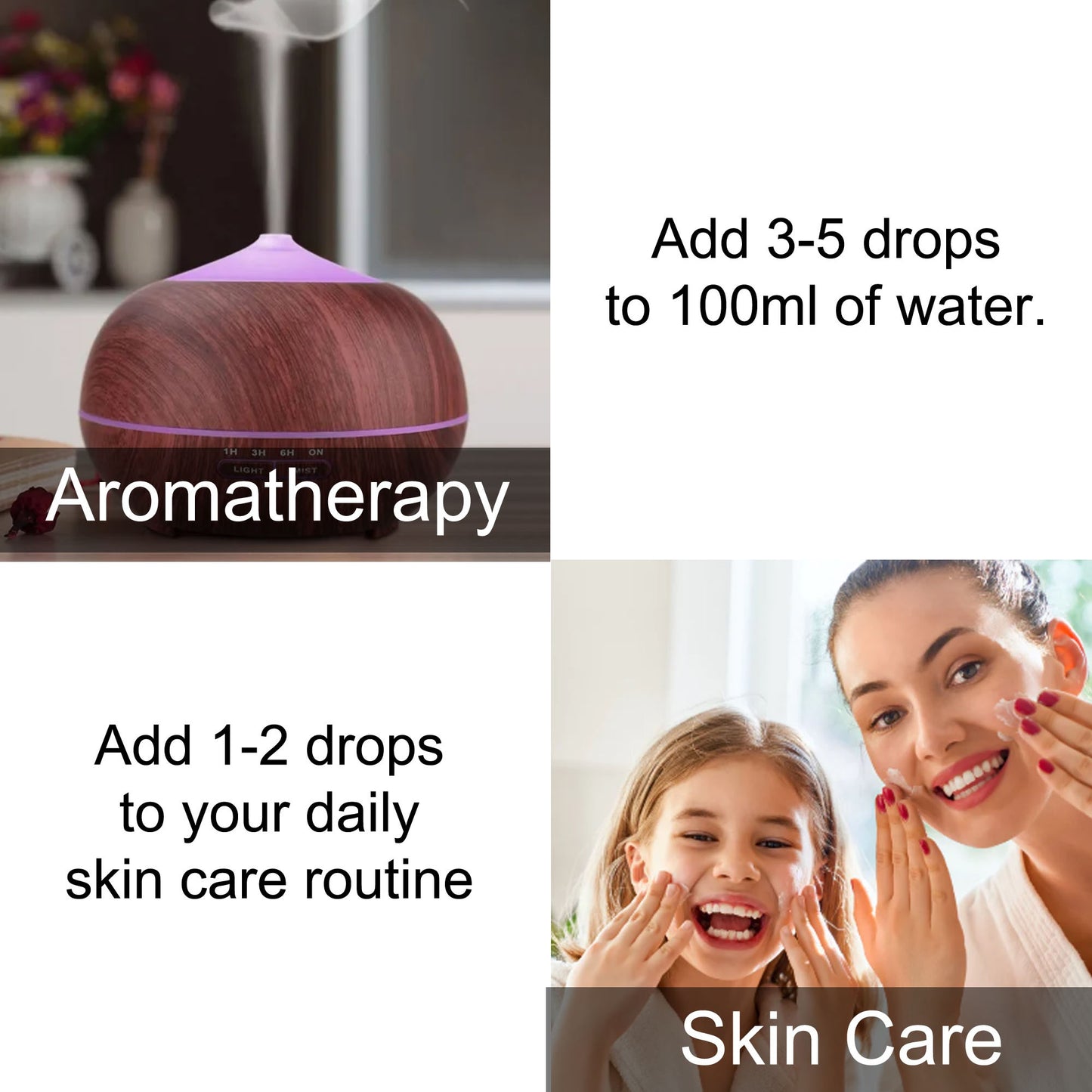
Botanical practitioners have valued resin extracts for thousands of years across Northeast Africa and the Arabian Peninsula to sustain radiant vitality. In modern cosmetic routines, adding two drops of Myrrh oil to your evening facial balm helps seal in hydration and comforts irritated areas. This time-honoured resin works in synergy with other skincare botanicals, enhancing routine self-care rituals with its earthy, grounding presence.
purelyBlack's pure myrrh oil is available as a 100% pure essential oil, dispatched from Sydney.
Does myrrh oil help with weight loss?
No, myrrh essential oil does not cause weight loss, but its grounding aroma helps encourage mindful lifestyle routines during wellness regimes.
Essential oils cannot metabolise body fat, suppress clinical appetite, or replace balanced dietary habits and regular physical movement. Suggesting that aromatic oils directly burn adipose tissue contradicts biological science and regulatory standards. However, aromatherapy plays a supportive, holistic role by fostering tranquil environments that encourage mindfulness throughout demanding fitness journeys.
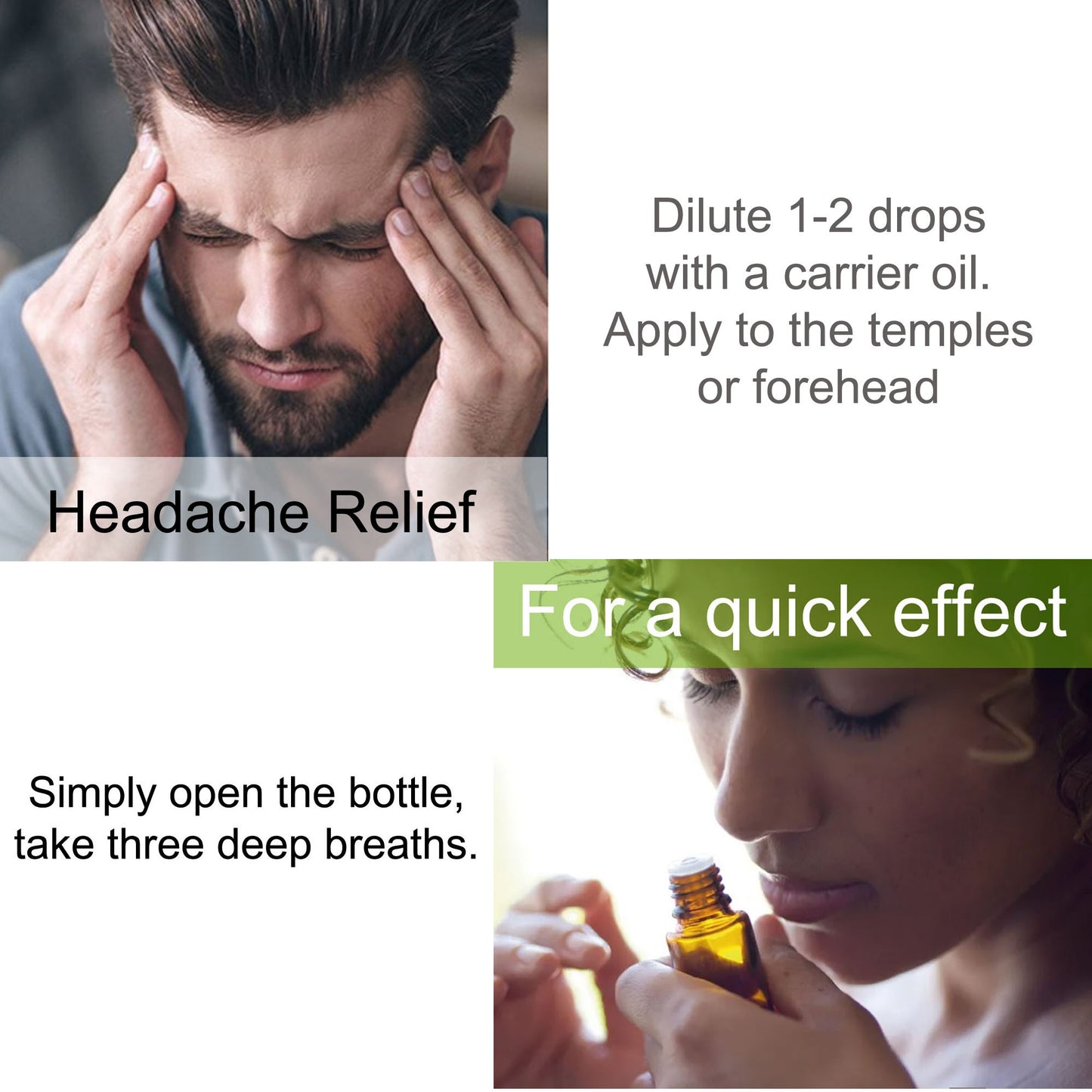
Diffuse Myrrh during restorative stretching, meditation, or evening decompression to help centre thoughts and ease daily tension. Emotional stress often triggers impulsive eating habits, and cultivating a serene atmosphere can assist you in remaining intentional with wellness choices. Blending this resinous oil with uplifting citrus notes like Bergamot or warm spices creates a motivating aromatic backdrop for daily movement.


How do you use myrrh oil for parasites?
While scientific research explores resin extracts, topical myrrh oil is used aromatically or topically diluted only to cleanse skin surfaces.
- Surface Cleansing: Apply diluted botanical blends topically to purify the outer skin surface and maintain hygiene naturally.
- Aromatic Diffusion: Diffuse botanical resins in living spaces to create a refreshing, deodorised environment without harsh chemical sprays.
- Strict External Use: Never ingest botanical extracts internally, as therapeutic parasite management requires professional veterinary or medical consultation.
Considerable confusion exists online regarding pharmaceutical resin preparations and concentrated steam-distilled essential oils. Medical literature often investigates specific standardised resin fractions in clinical antiparasitic applications, but these medications differ completely from commercially available essential oils. Essential oils are extremely concentrated volatile plant liquids and must never be swallowed or introduced internally under any circumstance.
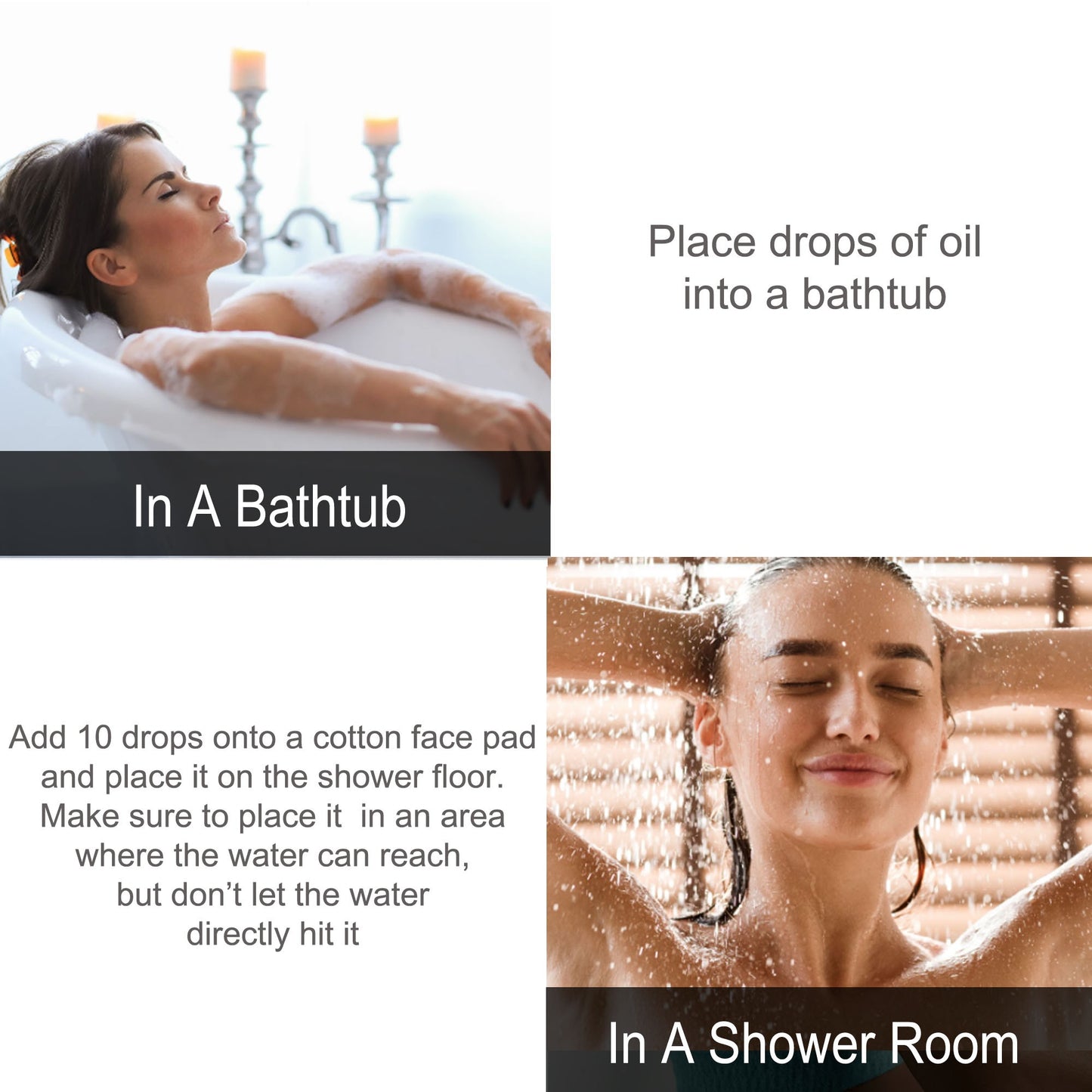
For home wellness routines, Myrrh essential oil is best utilised externally to support general dermal hygiene and environmental freshness. Adding several drops of Myrrh to warm foot baths or cleansing body washes provides aromatic comfort while keeping skin clean. For any internal health concern or suspected parasitic infection, always consult a qualified general practitioner or healthcare provider.
What is a good essential oil?
A good essential oil is an unadulterated, pure botanical extract derived through careful steam distillation or expression without synthetic additives.
Discerning premium botanical extracts requires understanding harvest origins, correct plant taxonomy, and meticulous laboratory testing standards. Authentic therapeutic-grade botanicals contain zero extenders, mineral oils, synthetic fragrances, or residual chemical solvents. Reputable suppliers guarantee complete transparency by identifying the specific plant organ harvested and the country of origin on every bottle.
| Quality Indicator | Pure Botanical Benchmark | Inferior or Adulterated Indicator |
|---|---|---|
| Botanical Identification | Full binomial nomenclature displayed (e.g. Commiphora myrrha) | Generic common names only without plant species verification |
| Phytochemical Purity | Verified sesquiterpene profiles via GC-MS batch testing | Synthetic aroma compounds or unlisted blending carriers added |
| Distillation Integrity | Slow, low-pressure steam extraction preserving delicate terpenes | High-heat rapid processing degrading aromatic complexity |
| Packaging Standards | Amber or cobalt glass bottles protecting against UV degradation | Clear glass or plastic packaging susceptible to rapid oxidation |
High-quality Myrrh oil features a notable concentration of bioactive sesquiterpenes, including curzerene and furanoeudesma-1,3-diene, which typically comprise over 30% of the natural profile according to published phytochemical study data. These complex compounds give the oil its rich amber colour, heavy consistency, and long-lasting base note. When sourcing essential oils in Australia, selecting pure, lab-tested oils ensures your diffuser blends and skincare formulations deliver genuine botanical value.
High-grade resins pair harmoniously with warming botanicals such as Cassia, herbal notes like Aniseed, or sweet florals. Ensuring your collection consists strictly of authentic plant distillations ensures aromatic potency and aromatic purity across every application.
Who should not use myrrh oil?
Pregnant women, nursing mothers, young children, and individuals taking anticoagulant medications should avoid using myrrh oil without medical guidance.
Because traditional herbalism recognises Myrrh as an emmenagogue that may stimulate uterine circulation, pregnant individuals should completely avoid its use. Furthermore, particular sesquiterpene constituents may interact with blood-thinning pharmaceuticals or diabetes management medications. If you have an underlying chronic medical condition or take prescription drugs, consult your primary physician before introducing new essential oils.
Dermal sensitivity is another important consideration when working with potent resin distillations. Always perform a patch test on the inner forearm using a 1% dilution before applying new botanical oils over wider areas of the body. Discontinue topical use immediately if redness, itching, or local skin irritation occurs.
To explore similar profiles, discover these pure purelyBlack creations: Carrot Seed Oil, Thyme Oil, and Marjoram Oil — each dispatched from Sydney.
Related Reading
For more on myrrh oil, see our companion guides: Everyday Uses and Benefits of Pure Myrrh Essential Oil in Australia. Can You Put Myrrh Oil on Skin? Topical Use Guide. What Is Myrrh Oil Used For? — Complete Guide.
About the Author
Written by H.R. Kim
Founder at purelyBlack — an Australian-owned perfumery and botanical studio based in Sydney. H.R. specialises in scent profiling and natural ingredient sourcing, meticulously balancing premium fragrance oils and 100% pure essential oils to create elevated aromatic experiences.
Last updated: August 2026
Disclaimer: purelyBlack essential oils are for external use and aromatherapy purposes only. They are not intended to diagnose, treat, cure, or prevent any disease. Always dilute with a carrier oil before topical application and consult a healthcare professional if pregnant or under medical supervision.
