
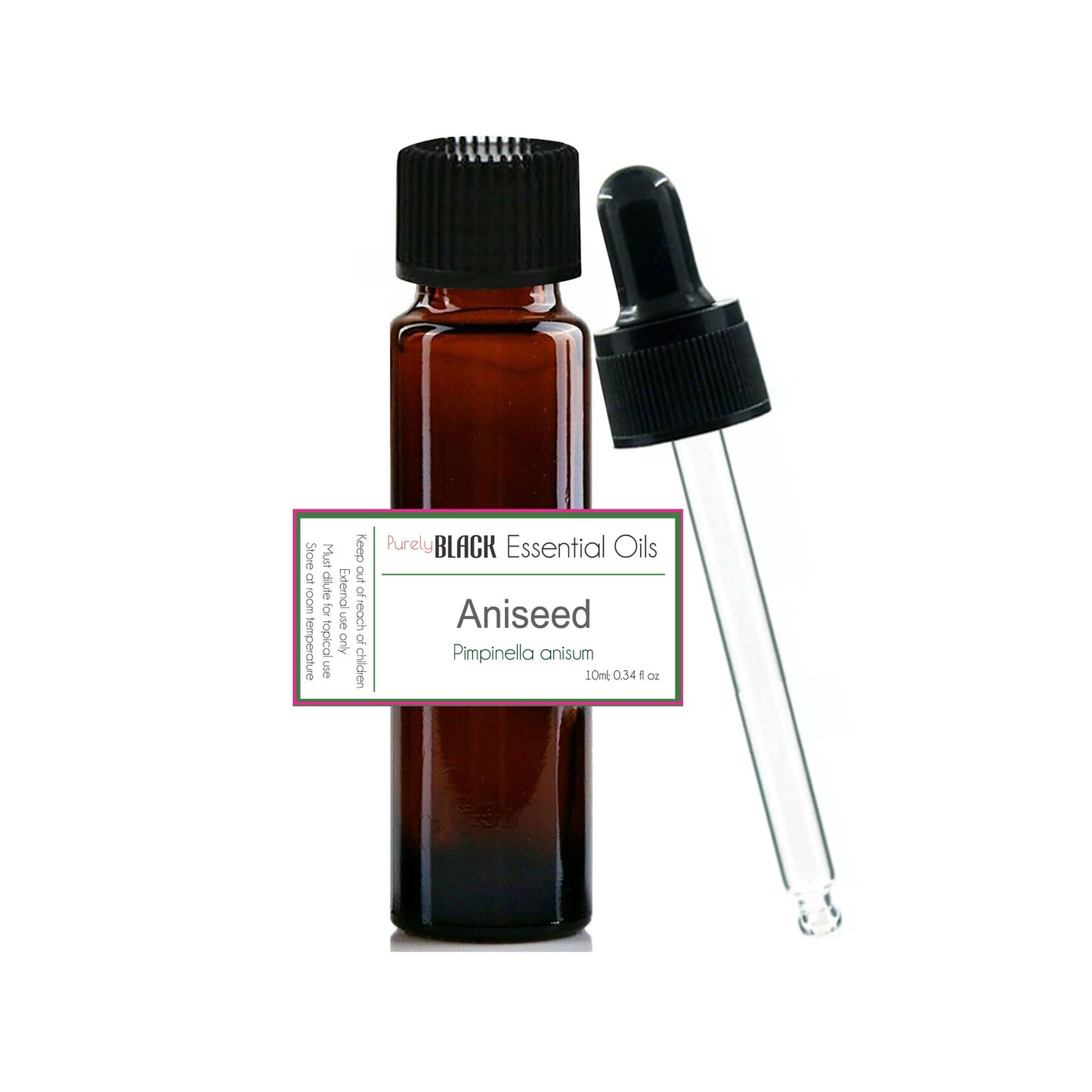




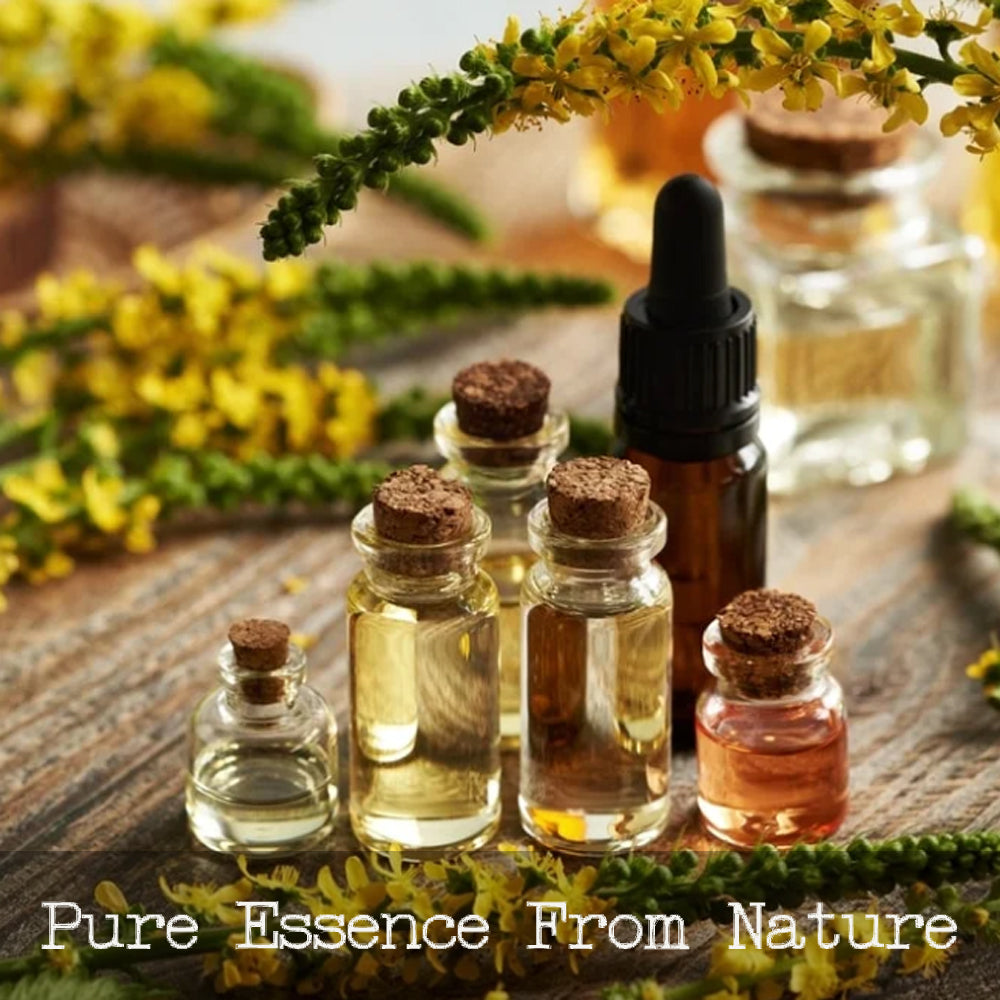
Pure Aniseed Essential Oil 10ml - Pimpinella anisum
Couldn't load pickup availability
Share
Aniseed oil for aromatic comfort brings the warm, liquorice-sweet essence of the Mediterranean into your daily rituals and creative projects. This distinctive oil—GC/MS tested, vegan, and cruelty-free from an Australian brand—transforms spaces with its nostalgic, spice-cabinet familiarity while offering aromatic support when digestive discomfort strikes. Its sweet, grounding character suits both contemplative diffusion and practical household applications. Explore the tabs below for detailed aromatic profiles, step-by-step application methods, and safety guidelines.
Product Details & Aroma
Core Product Details
- Botanical Name: Pimpinella anisum
- Plant Family: Apiaceae (Umbelliferae)
- Plant Part Used: Seeds (dried fruits)
- Extraction Method: Steam distillation
- Country of Origin: Egypt
Quality & Purity
- 100% Pure & Natural: No fillers, synthetics, or carrier oils added.
- GC/MS Tested: Every batch tested to verify purity and constituent integrity.
- Vegan & Cruelty-Free: No animal-derived ingredients. Never tested on animals.
- Australian Brand: Proudly Australian-owned and operated.
Aromatic Profile & Notes
- Aromatic Note: Top to Middle (Bridge)
- Aromatic Profile: What does Aniseed essential oil smell like? Aniseed opens with an immediate, almost candy-like sweetness—liquorice and star anise rolled into one radiant burst. As it settles, warm spice notes emerge, reminiscent of fennel seed and tarragon, grounding the initial brightness with herbal depth. The dry-down reveals a soft, balsamic undertone that lingers gently on textiles and skin. Cultivated since ancient Egyptian times for both culinary and aromatic purposes, aniseed carries the warmth of spice markets and the nostalgia of old-world apothecaries. Its aroma is unmistakable, transporting, and deeply comforting.
- Key Constituents: trans-Anethole (80–95%), Estragole (methyl chavicol, 1–5%), Anisaldehyde (trace–1%), γ-Himachalene (trace), β-Caryophyllene (trace). The dominance of trans-anethole accounts for the oil's characteristic sweet, liquorice-like aroma and its widespread use in flavouring and aromatic applications.
Core Benefits & Properties
Why Do People Use Aniseed Oil for Aromatic Digestive Support?
Aniseed oil provides aromatic comfort during occasional digestive unease, creating a soothing sensory environment when bloating or sluggishness occurs. Traditionally used in botanical practice across Mediterranean and Middle Eastern cultures, aniseed has been valued for centuries as a post-meal aromatic ritual. The high trans-anethole content (typically 80–95% in pure aniseed oil) delivers the oil's signature sweet, warming character, which many find calming to the senses during digestive discomfort. While modern aromatherapy does not claim internal therapeutic action, the inhalation of aniseed vapour during abdominal massage or diffusion is a time-honoured practice. Tisserand & Young note that aniseed oil's traditional use aligns with folk medicine practices in Greece, Turkey, and Egypt, where the seeds were chewed or steeped in teas. When diluted appropriately and applied topically over the abdomen in a carrier oil, the aromatic experience can complement mindful breathing and gentle self-massage.
How Is Aniseed Oil Used in Home Applications?
Aniseed oil works effectively as a natural odour neutraliser, particularly in kitchens and storage areas where food odours linger. Its potent, sweet aroma masks less pleasant smells and adds a warm, spiced note to rooms. A detailed guide on aniseed oil home odor neutralization outlines dilution ratios and spray formulations for cupboards, bins, and pet areas. Beyond household freshening, aniseed oil has found niche applications in pet training and outdoor hobbies. Dog trainers have long used the oil's distinctive scent to create scent trails and detection exercises; our aniseed oil dog scent training guide explores safe dilution and application methods for canine work. Anglers, too, have adopted aniseed as a bait attractant, particularly for coarse fish species; the aniseed oil fishing bait attractant guide provides practical advice on incorporating the oil into groundbait and boilie recipes.
What Makes Aniseed Oil Valuable in Perfumery and Blending?
Aniseed oil contributes a distinctive sweet-spice bridge note to natural perfume blends, harmonising top and base notes with its liquorice warmth. In traditional perfumery, aniseed is classified as a "bridge" or "modifier" oil—it connects disparate aromatic families and softens sharp edges in citrus or resinous compositions. Its high anethole content provides tenacity, meaning the scent lingers longer than many pure top notes. Blending aniseed with Peru balsam oil creates a warm, vanilla-tinged base with balsamic depth, while pairing it with bergamot oil or lemon oil lifts the sweetness with citrus brightness. According to fragrance archives, aniseed has been a component of oriental and fougère-style compositions since the 19th century, prized for its ability to add intrigue without overpowering.
How to Use & Blends Well With
How to Use Aniseed Oil
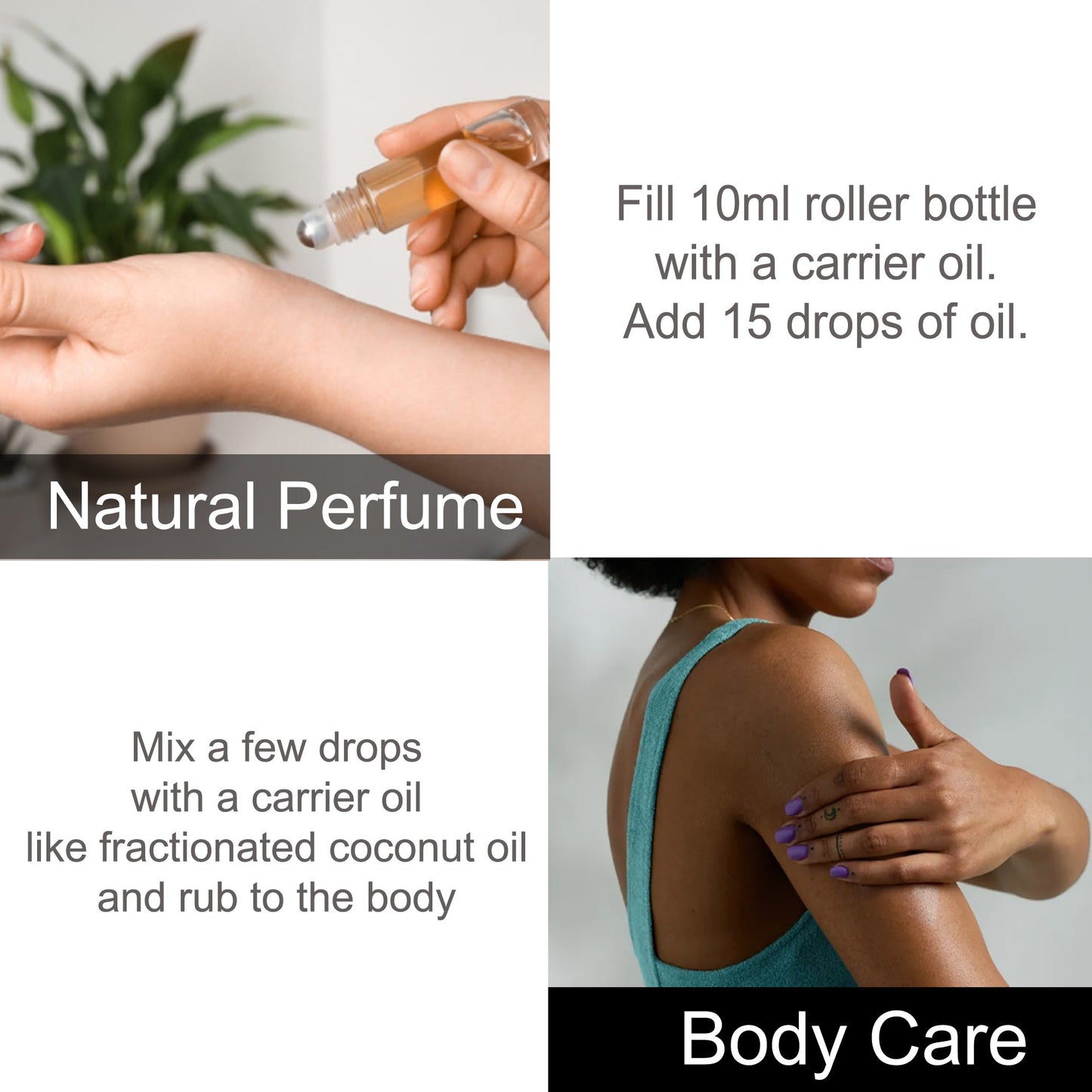
- Create a Targeted Roll-On: Dilute 6 drops of aniseed oil in 10 ml of fractionated coconut oil (3% dilution). Apply to pulse points or over the abdomen during times of digestive sluggishness. The warming aroma supports a sense of aromatic comfort and can be paired with gentle circular massage.
How to Make an Aniseed Room Spray
- DIY Application: Combine 15 drops of aniseed oil with 100 ml of distilled water and 1 teaspoon of polysorbate 20 (emulsifier) in a glass spray bottle. Shake well before each use and mist into kitchen corners, wardrobes, or pet areas to neutralise odours with a sweet, spiced freshness. For a more herbaceous variation, add 5 drops of cajeput oil to balance the sweetness with eucalyptus-like clarity.
Aromatherapy Diffusion
Aniseed oil creates a warm, contemplative atmosphere when diffused, evoking the sensory memory of spice markets and traditional apothecaries. Add 4–6 drops to an ultrasonic diffuser and run for 30–60 minutes in living spaces or study areas. Historically, aniseed was burned on coals in Middle Eastern homes to welcome guests and purify air; modern diffusion offers a safer, smoke-free way to enjoy this age-old aromatic tradition.
Blends Well With
Bergamot oil, marjoram oil, Peru balsam oil, cajeput oil, lemon oil, cassia oil, cypress oil, and cinnamon bark oil.
Safety & Precautions
General Safety & Application Guidelines
- External Use Only: Never ingest aniseed essential oil. Internal consumption of undiluted essential oils can cause severe toxicity, including liver damage and central nervous system effects.
- High Potency & Dilution: Aniseed oil is potent and should always be diluted before topical use. The National Association for Holistic Aromatherapy (NAHA) recommends a maximum dermal dilution of 2–3% for adults (approximately 6–9 drops per 10 ml of carrier oil). For the first topical application, use fractionated coconut oil or another carrier oil to achieve the appropriate dilution and conduct a patch test on the inner forearm.
- Medication Interactions: Tisserand & Young caution that aniseed oil may interact with anticoagulant medications (e.g. warfarin) due to its coumarin-like constituent profile and potential estrogenic activity from trans-anethole. Individuals taking hormone therapies, blood thinners, or medications metabolised by the liver should consult a healthcare professional before use. Aniseed oil should also be avoided by those with estrogen-dependent cancers or hormone-sensitive conditions.
- Safe Storage: Store in a cool, dark location away from direct sunlight, heat sources, and out of reach of children and pets. Oxidation can alter the oil's chemical profile and increase the risk of skin sensitisation.
Specific Precautions
- Pregnancy & Nursing: Avoid aniseed oil during pregnancy and breastfeeding. Trans-anethole has demonstrated estrogenic activity in laboratory studies, and traditional herbal sources classify aniseed as an emmenagogue (a substance that may stimulate menstrual flow).
- Children & Pets: Do not use aniseed oil on children under 5 years of age. Tisserand & Young advise caution due to the oil's estragole content, which is a potential hepatotoxin in high doses. Keep diffusers out of reach of young children and ensure adequate ventilation. Avoid direct application on pets; consult a veterinary aromatherapist if using aniseed oil in pet training or environmental applications.

Something else you'll love
-
Pure Indian Frankincense Essential Oil 10ml - Boswellia Serrata
1 reviewRegular price $16.95 AUDRegular priceSale price $16.95 AUD -
Vanilla Essential Oil 10ml For Aromatherapy Diffuser/Fragrance Perfume/Skin Care
16 reviewsRegular price $13.95 AUDRegular priceSale price $13.95 AUD -
Pure Clove Essential Oil 10ml - Eugenia Caryophyllata
19 reviewsRegular price $13.95 AUDRegular priceSale price $13.95 AUD -
Pure Rosemary Essential Oil 10ml - Rosmarinus Officinalis L.
16 reviewsRegular price $12.95 AUDRegular priceSale price $12.95 AUD
-
How do I know purelyBlack essential oils are truly 100% pure?
Unlike many aromatherapy oils sold online that contain synthetic fillers, purelyBlack oils are 100% plant-derived. We use zero additives, bases, or synthetics. Our oils are sourced directly from growers in their native regions—such as Tea Tree from Australia and Peppermint from India—ensuring you get the potent, unadulterated plant extract every time.
-
Why are your oils more affordable than big brands like doTerra or Young Living?
We operate on a direct-to-consumer model. Large Multi-Level Marketing (MLM) brands often mark up their products by 300-500% to pay commissions to their tiered distributors. We cut out the middleman and fancy packaging, allowing us to sell the exact same Therapeutic Grade quality oils at a fraction of the price.
-
Are your essential oils Therapeutic Grade?
Yes. We source our oils specifically for their therapeutic properties, not just their smell. This means our oils are harvested at the peak time to ensure high levels of active compounds (like 1,8-cineole in Eucalyptus). They are perfect for use in diffusers, DIY skincare, and hair growth treatments when used as directed.
-
Can purelyBlack essential oils be used on the skin?
Yes, because our oils are 100% pure, they are safe for topical use when properly diluted with a carrier oil (like Jojoba or Fractionated Coconut Oil). This makes them superior to cheaper fragrance oils found in discount stores, which are often synthetic and strictly for room scenting only.