

What Does Vanilla Oil Smell Like and Why Do People Love It?
Why do men love the smell of vanilla?
Men love the smell of vanilla because its sweet, warm scent triggers feelings of nostalgia, comfort, and natural subconscious attraction.
- Nostalgic Comfort: Warm vanilla notes evoke fond childhood memories and positive sensory experiences that promote relaxation.
- Subconscious Attraction: Gourmand scent profiles inherently create an inviting atmosphere that enhances interpersonal comfort and closeness.
- Aromatic Balance: Rich vanilla notes complement bold woodsy or spicy fragrances in masculine perfumery formulations exceptionally well.


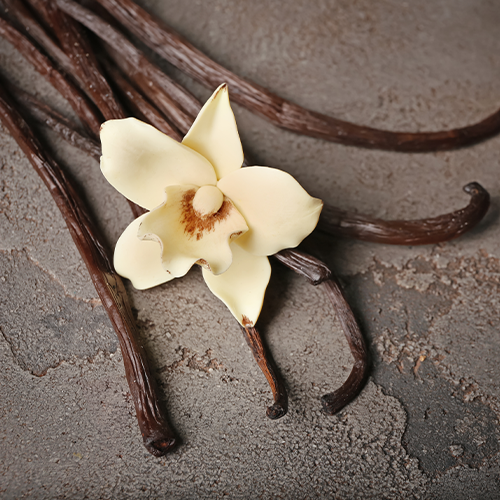
Vanilla oil features a cozy botanical profile belonging to the Orchidaceae plant family. Derived from cured seed pods of Vanilla planifolia through specialized extraction methods, its soft warmth brings harmony to complex fragrance compositions. Olfactory psychology demonstrates that sweet, gourmand fragrances interact directly with the limbic system, evoking immediate emotional grounding and ease.
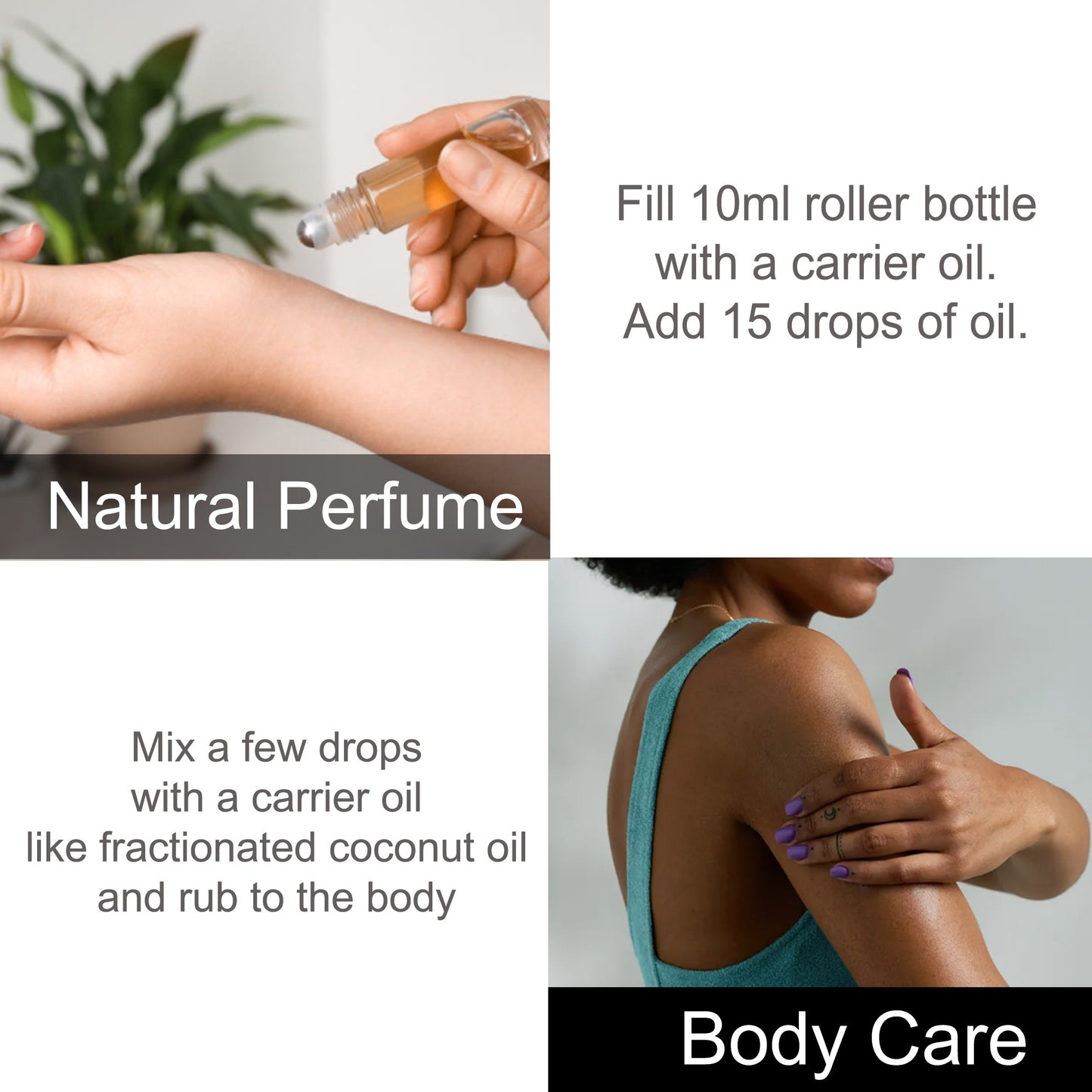
In modern perfumery, vanilla serves as a foundational base note that anchors lighter volatile top notes. When creating custom personal fragrances, many people mix vanilla with grounding spicy notes like Cinnamon Bark Oil or bright citrus oils like Tangerine Oil. Dilute a few drops in Fractionated Coconut Oil to craft a smooth personal pulse-point blend.
The universal preference for vanilla across diverse demographics stems from its non-intrusive warmth. Unlike sharp single-note botanicals, vanilla essential oil offers a velvety smoothness that softens surrounding notes while maintaining its distinct aromatic identity. This makes it an essential staple for personal care blends, artisanal candles, and diffuse room scents.
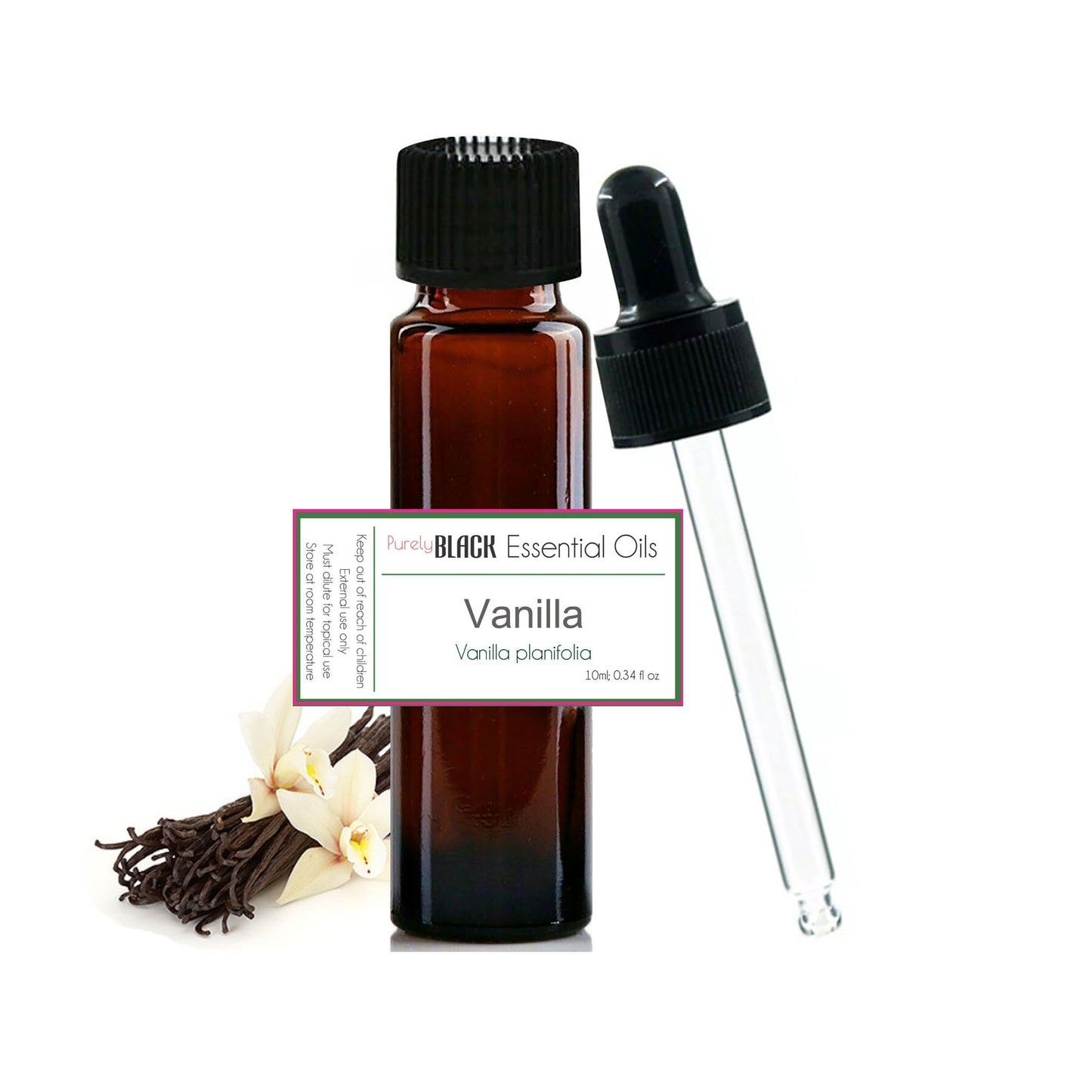
purelyBlack's pure vanilla oil is available as a 100% pure essential oil, dispatched from Sydney.
What's the nicest smelling essential oil?
Vanilla oil is widely considered one of the nicest smelling essential oils due to its universally comforting, creamy, and gourmand profile.
Aromatic preference remains deeply personal, but sweet botanical profiles consistently rank as global favourites. Vanilla oil naturally captures a rich aroma dominated by the natural aromatic compound vanillin, creating an inviting ambience in modern homes. Its characteristic aroma bridges the gap between fresh citrus notes and heavy resinous base notes.
For a delicate floral synergy, pairing vanilla with Rose Oil produces a luxurious botanical scent profile suitable for natural body sprays. Alternatively, combining vanilla with fresh citrus options like Lime Oil creates an uplifting yet soothing sensory experience. Such combinations highlight why vanilla remains a key component in natural fragrance design.
Beyond personal fragrance, diffusing vanilla oil helps transform indoor living areas into tranquil spaces. The creamy undertones cushion sharper botanical notes, resulting in a rounded fragrance profile that lingers gently in ambient air. Whether used alone or in custom blends, vanilla provides a refined sensory experience that appeals to all ages.


What essential oil reduces cortisol?
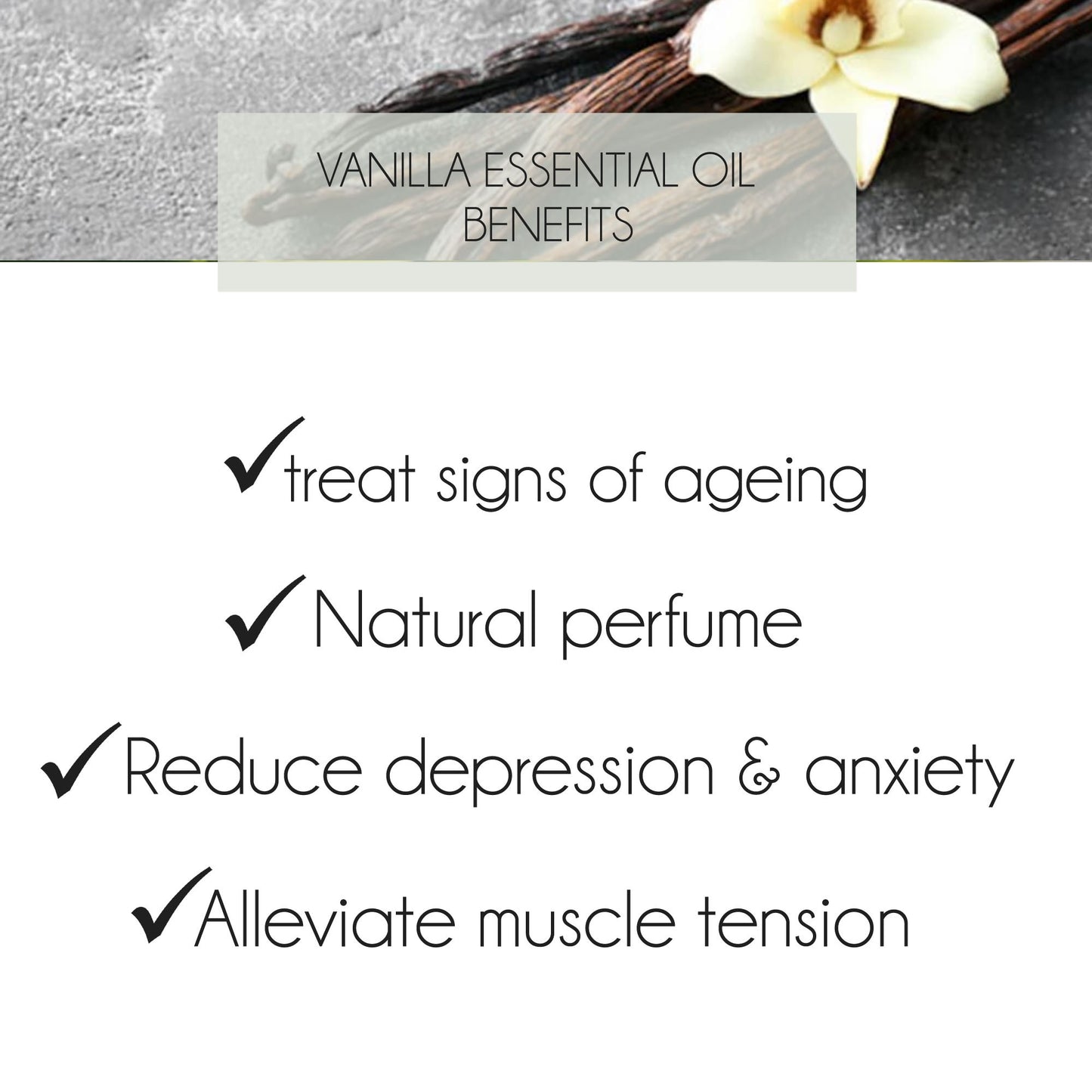
When experiencing elevated stress, many people turn to vanilla oil to diffuse warm botanical aromas that promote a tranquil atmosphere.
- Atmospheric Calming: Diffusing vanilla creates a soothing sensory environment that provides aromatic comfort during high-stress moments.
- Synergistic Blends: Combining vanilla with soothing floral botanicals like Lavender reinforces a peaceful evening environment before rest.
- Aromatic Restfulness: Inhaling subtle gourmand aromas supports a calm, balanced atmosphere conducive to mental relaxation and ease.
Inhaling sweet botanical aromas provides a gentle sensory anchor during hectic daily routines. Vanilla essential oil helps soften environmental tension, transforming hectic spaces into peaceful sanctuaries across homes in Australia. Fragrance plays a significant role in helping create quiet moments of mindfulness after demanding work days.
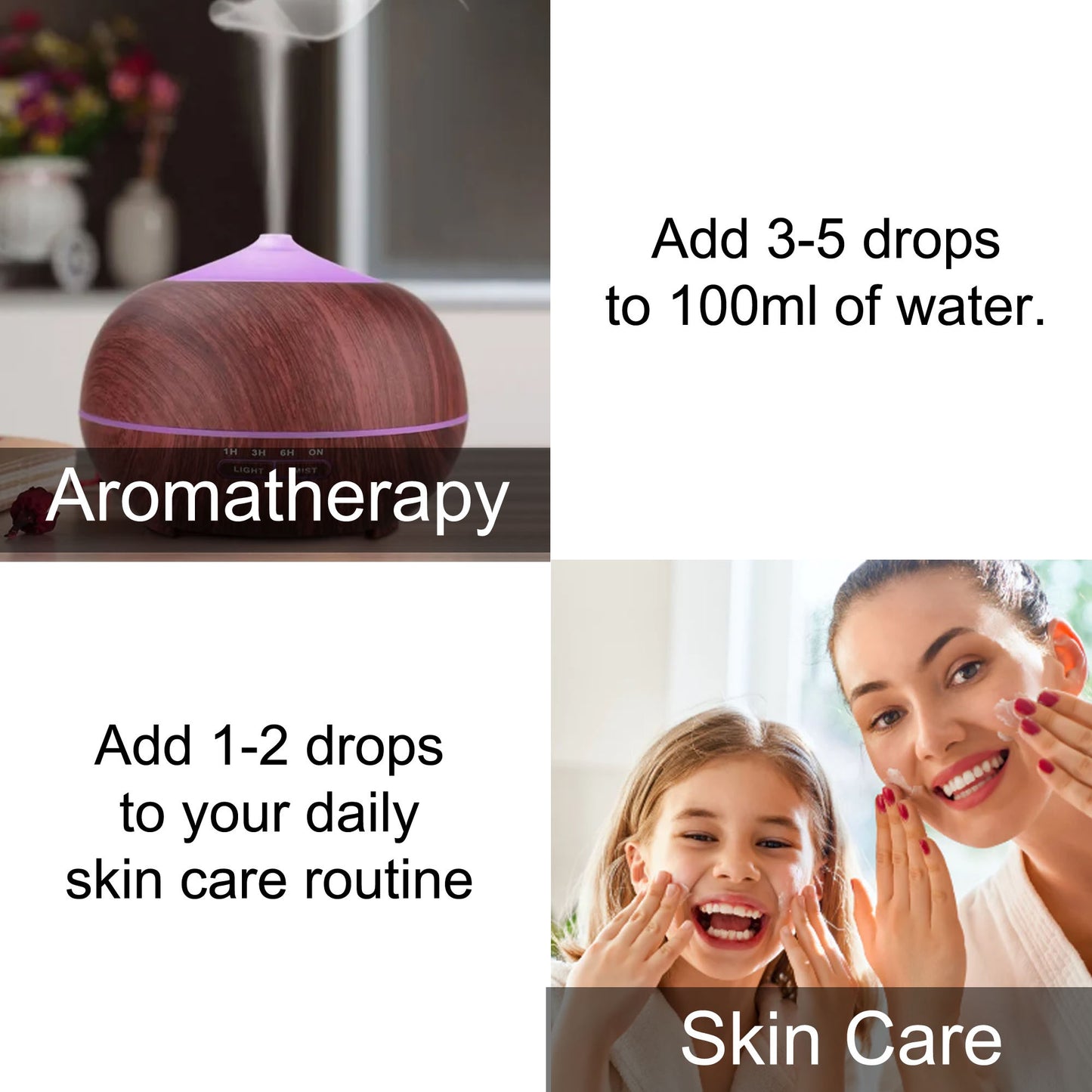
Researchers analyzing natural aromatic constituents note that vanillin can comprise over 80% of vanilla plant extracts according to a published phytochemical study, giving it exceptional aromatic presence. Adding a few drops to an ultrasonic diffuser creates a relaxing ambient backdrop for rest and quiet practice. Combining vanilla with calming oils like Yarrow or Lemon further enhances peaceful living spaces.
Creating a consistent evening routine with warm scents signals to the body that it is time to unwind. Diffusing vanilla essential oil in bedrooms or quiet reading areas helps establish a serene atmosphere that supports natural evening winding-down rituals. Its subtle presence creates a cozy sanctuary without overpowering delicate senses.
What is another name for vanilla oil?
Vanilla essential oil is commonly called vanilla oleoresin, vanilla absolute, vanilla CO2 extract, or scientifically referred to as Vanilla planifolia extract.
Because true vanilla beans do not yield volatile stream-distillable oils, trade terms vary based on the specific botanical extraction method used. Understanding these industry names helps consumers select authentic botanical products for perfume making and natural home fragrancing. Each extraction variation retains distinct physical properties, scent intensities, and blending characteristics.
| Extract Type | Extraction Method | Aromatic & Visual Characteristics |
|---|---|---|
| Vanilla Oleoresin | Solvent extraction with alcohol removed | Thick, dark amber resin with warm, deep scent |
| Vanilla Absolute | Multi-step solvent extraction from concrete | Highly concentrated, sweet, rich aromatic fragrance |
| Vanilla CO2 Extract | Supercritical carbon dioxide extraction | Pure botanical profile, clean fluid liquid form |
Each variation yields unique physical viscosity and scent concentration, though all deliver the classic sweet vanilla fragrance profile. Natural perfumers often prefer high-purity extracts for blending with aromatic oils like Aniseed Oil or woodsy Siberian Fir Oil. Knowing these trade names ensures accurate selection when crafting custom botanical scents.
Labeling standards in Australia require clear identification of botanical origins and extraction methods. When purchasing vanilla oil, reviewing the label for species names ensures you receive genuine botanical products rather than synthetic vanillin fragrances. Authentic vanilla provides a multi-layered aromatic depth that artificial substitutes cannot replicate.
Can vanilla be made into an essential oil?
No, vanilla cannot be produced through traditional steam distillation, but rich vanilla extracts, absolutes, and oleoresins serve the same essential purpose.
Delicate vanilla bean pods cannot withstand the extreme thermal temperatures required for standard steam distillation processes. Heat breaks down the delicate aromatic compounds within the pod, rendering standard distillation ineffective for capturing its natural fragrance. Consequently, true steam-distilled vanilla essential oil does not exist in standard botanical manufacturing.
Instead, gentle solvent extraction or advanced supercritical CO2 methods preserve the rich vanillin content found in cured vanilla pods. These finished botanical preparations blend seamlessly with carrier oils or natural perfume bases for everyday application. CO2 extractions are particularly prized because they operate at lower temperatures, preserving the natural aromatic profile of the raw bean.
The labor-intensive process of hand-pollinating vanilla orchids and curing green pods contributes to the high value of authentic vanilla extracts. Each step requires meticulous care to develop the complex array of natural aromatic compounds. This dedicated craftsmanship yields a luxurious ingredient cherished worldwide for natural perfumery and home diffusion.
Can I put vanilla extract in my essential oil diffuser?
No, standard kitchen vanilla extract contains alcohol and water that can damage ultrasonic diffusers and will not diffuse properly into air.
Grocery store vanilla extracts contain dissolved water and alcohol components designed strictly for food preparation rather than ultrasonic diffusion. Burning or vaporizing food-grade extracts in mist diffusers can cause sticky residue build-up on delicate ultrasonic disc membranes. Over time, this buildup degrades machine efficiency and ruins diffuser hardware.
Always choose genuine botanical vanilla oil designed specifically for aromatherapy apparatuses to ensure clean diffusion. Diffusing proper oil preparations creates a clean, lasting atmosphere while protecting your aromatherapy equipment investment. Oil-soluble preparations float correctly on water tanks, allowing ultrasonic vibrations to disperse fine aromatic micro-droplets into the room air.
To explore further applications of pure Vanilla oil, visit our companion guides:
- What Is Vanilla Essential Oil Good For? Benefits and Uses
- Can You Put Vanilla Essential Oil on Your Skin?
To explore similar profiles, discover these pure purelyBlack creations: Cinnamon Bark Oil, Tangerine Oil, and Rose Oil — each dispatched from Sydney.
Related Reading
- Rich & Comforting Aroma of Pure Vanilla Essential Oil in Australia
- Can You Put Vanilla Oil on Your Skin?
- What Is Vanilla Oil Good For? Benefits and Uses
About the Author
Written by H.R. Kim
Founder at purelyBlack — an Australian-owned perfumery and botanical studio based in Sydney. H.R. specialises in scent profiling and natural ingredient sourcing, meticulously balancing premium fragrance oils and 100% pure essential oils to create elevated aromatic experiences.
Last updated: August 2026
Disclaimer: purelyBlack essential oils are for external use and aromatherapy purposes only. They are not intended to diagnose, treat, cure, or prevent any disease. Always dilute with a carrier oil before topical application and consult a healthcare professional if pregnant or under medical supervision.
