

Can You Put Vanilla Oil on Your Skin?
Can I put vanilla oil directly on my skin?
No, you should never apply vanilla oil directly to your skin without diluting it in a carrier oil first.
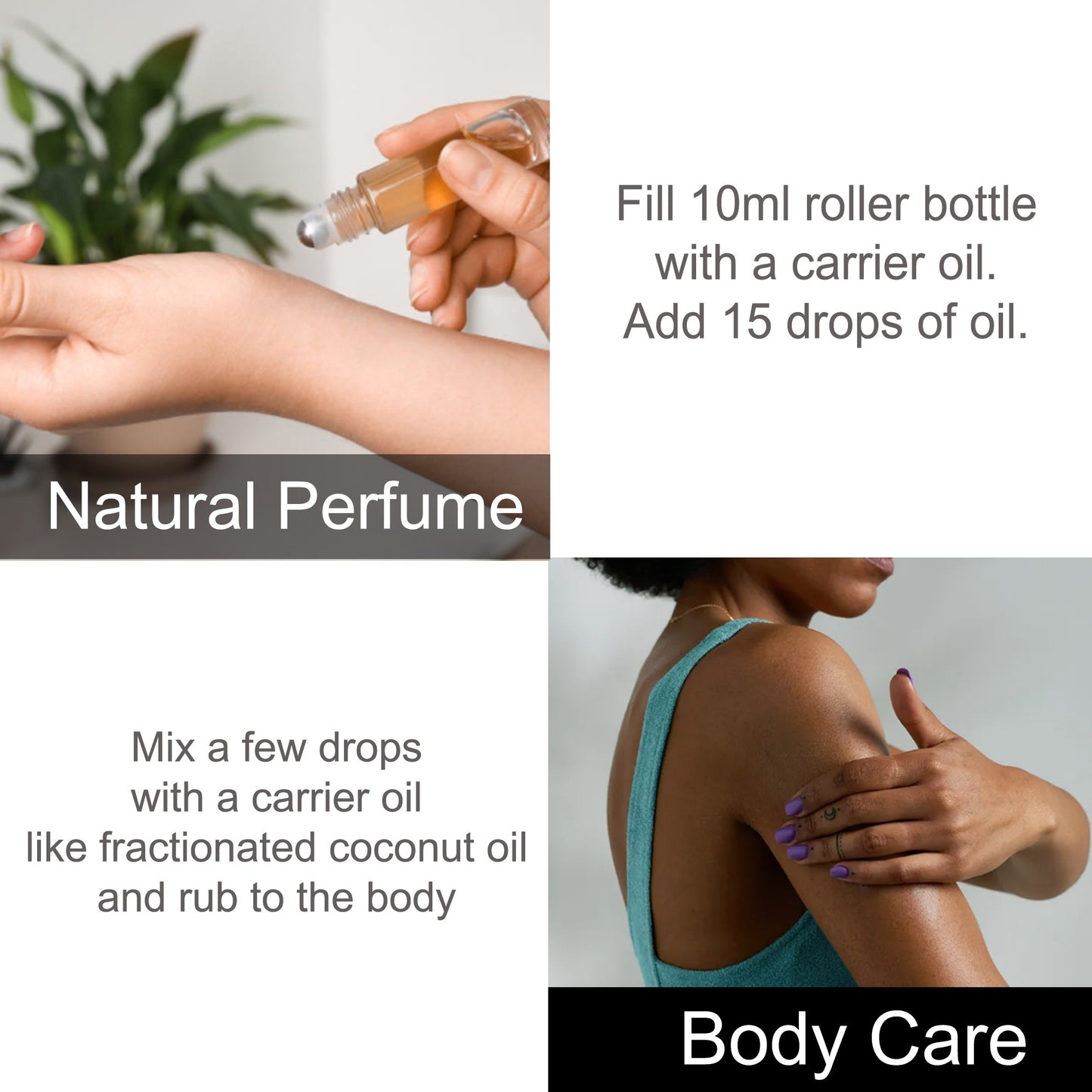
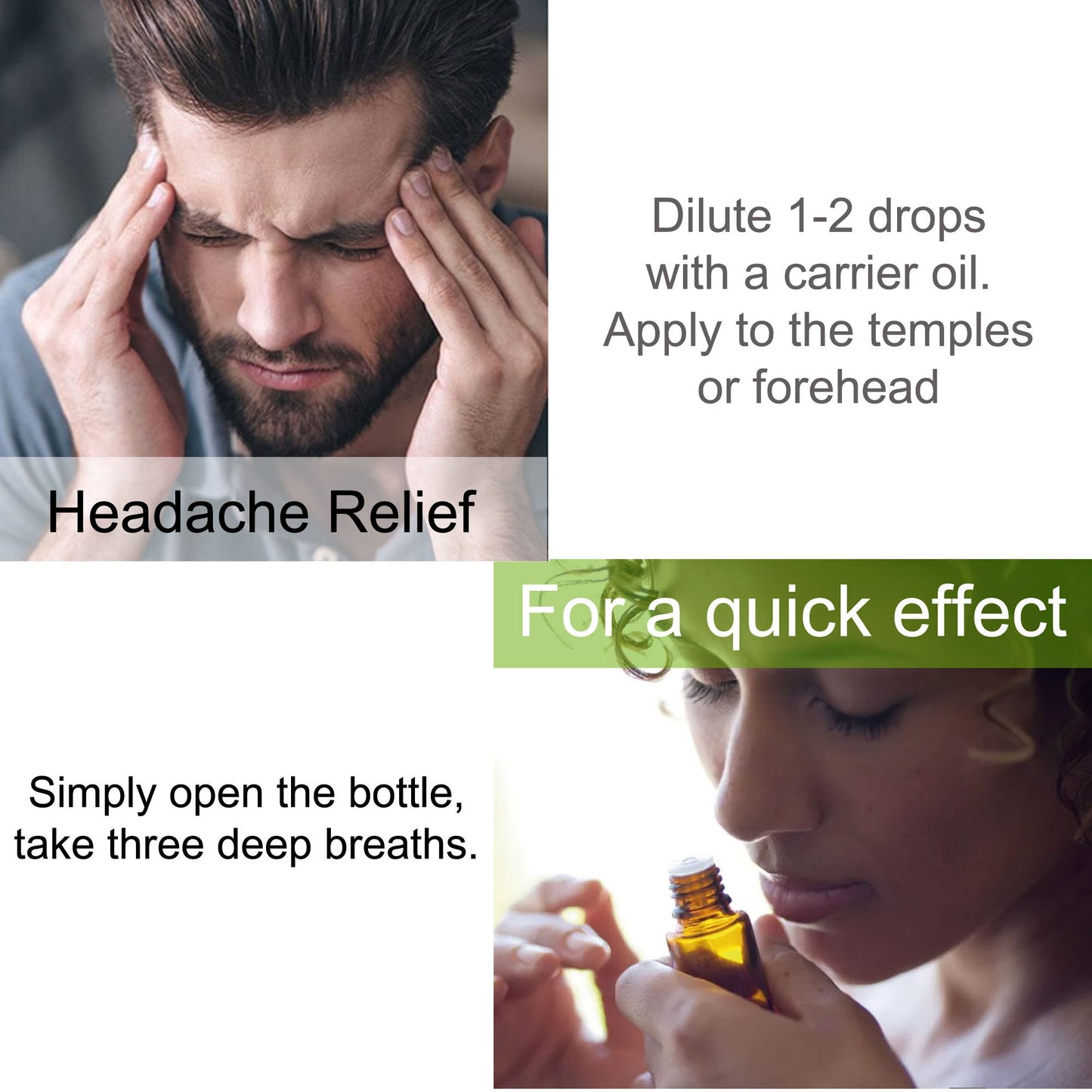
- Dilution Method: Mix two drops of vanilla oil into a teaspoon of carrier oil before topical application.
- Patch Testing: Apply a small amount of diluted mixture to your inner forearm and wait twenty-four hours.
- Skin Safety: Neat application can cause severe irritation, sensitized reaction, redness, and discomfort on sensitive skin.


Applying undiluted botanical extracts directly to the epidermis creates a high risk of localized barrier disruption and allergic contact dermatitis. To safely enjoy topical applications, always blend Vanilla essential oil into a nourishing lipid base such as Fractionated Coconut Oil, jojoba oil, or rosehip seed oil. A standard two percent dilution ratio—roughly ten to twelve drops of extract per thirty milliliters of carrier oil—is ideal for adult body application.
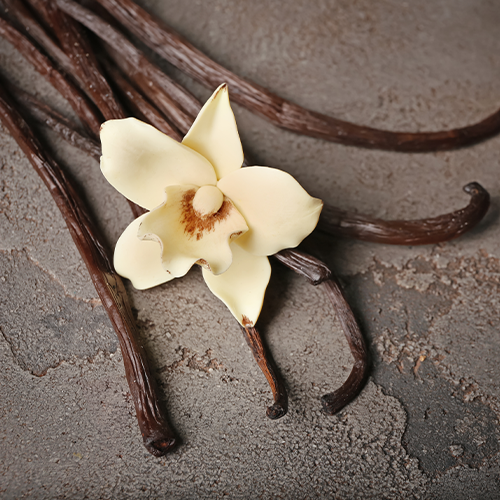
Derived from the cured pods of Vanilla planifolia within the Orchidaceae plant family, this aromatic extract is processed through solvent extraction to yield a rich oleoresin or absolute. Because solvent-extracted botanical absolutes are highly concentrated, raw contact with skin tissue can provoke rapid inflammation. Diluting Vanilla in cold-pressed plant oils ensures even distribution across the dermal layer while locking in essential surface moisture.
Before introducing any new botanical product to your skincare regimen, performing a patch test on a small area of skin is highly recommended. Coat a small patch of skin on your inner wrist or crook of the elbow with the diluted blend and monitor for twenty-four hours for signs of itching or redness. If no adverse skin reaction occurs, the mixture can be safely incorporated into your daily body care oils or facial routines.
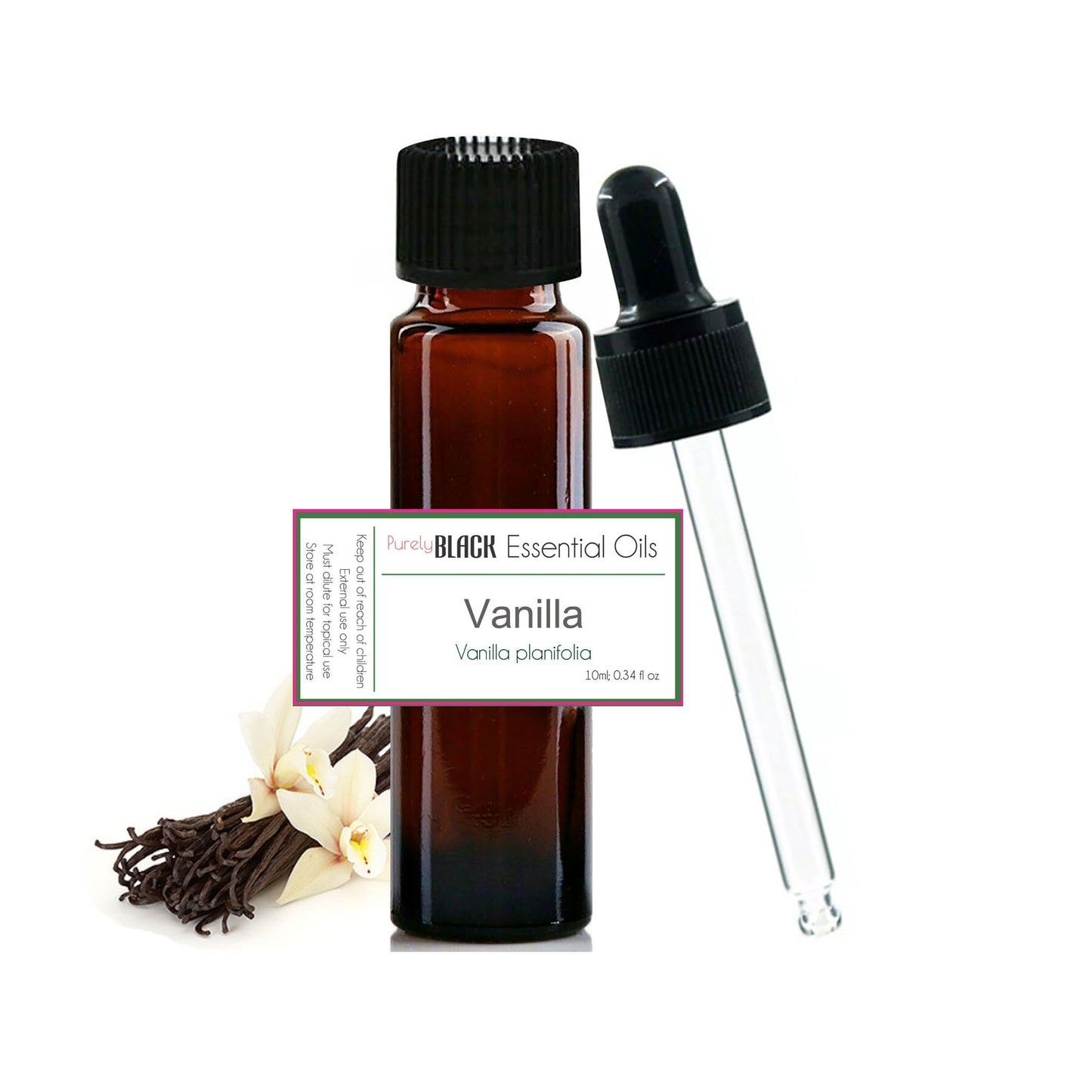
purelyBlack's pure vanilla oil is available as a 100% pure essential oil, dispatched from Sydney.
What are the side effects of vanilla oil?
Side effects of vanilla oil may include localized skin irritation, allergic contact dermatitis, redness, or sensitivity when applied undiluted.
Topical application of Vanilla oil without appropriate liquid carrier dilution can irritate sensitive skin types. The primary aromatic constituent, vanillin, along with natural trace compounds in botanical extracts, can trigger histamine responses in susceptible individuals. Symptoms of mild dermal sensitivity typically present as localized itching, mild stinging, or dry epidermal patches.
Sensitization is another potential concern with long-term misuse of undiluted botanical extracts. Repeated neat contact can train the immune system to recognize natural compounds as foreign threats, resulting in chronic contact allergies over time. Unlike cold-pressed citrus extracts like bergamot or express lime, Vanilla essential oil is entirely non-phototoxic, meaning it will not react under natural sunlight or artificial UV radiation.
If an adverse dermal reaction occurs, immediately wash the affected skin area with a gentle oil-based cleanser rather than plain water. Because natural botanical compounds are lipophilic, water alone cannot quickly lift aromatic molecules from the dermal layer. Applying a plain vegetable oil directly to the irritated area will dilute the active aromatic compounds, followed by mild soap and lukewarm water rinse.


Is vanilla anti-aging?
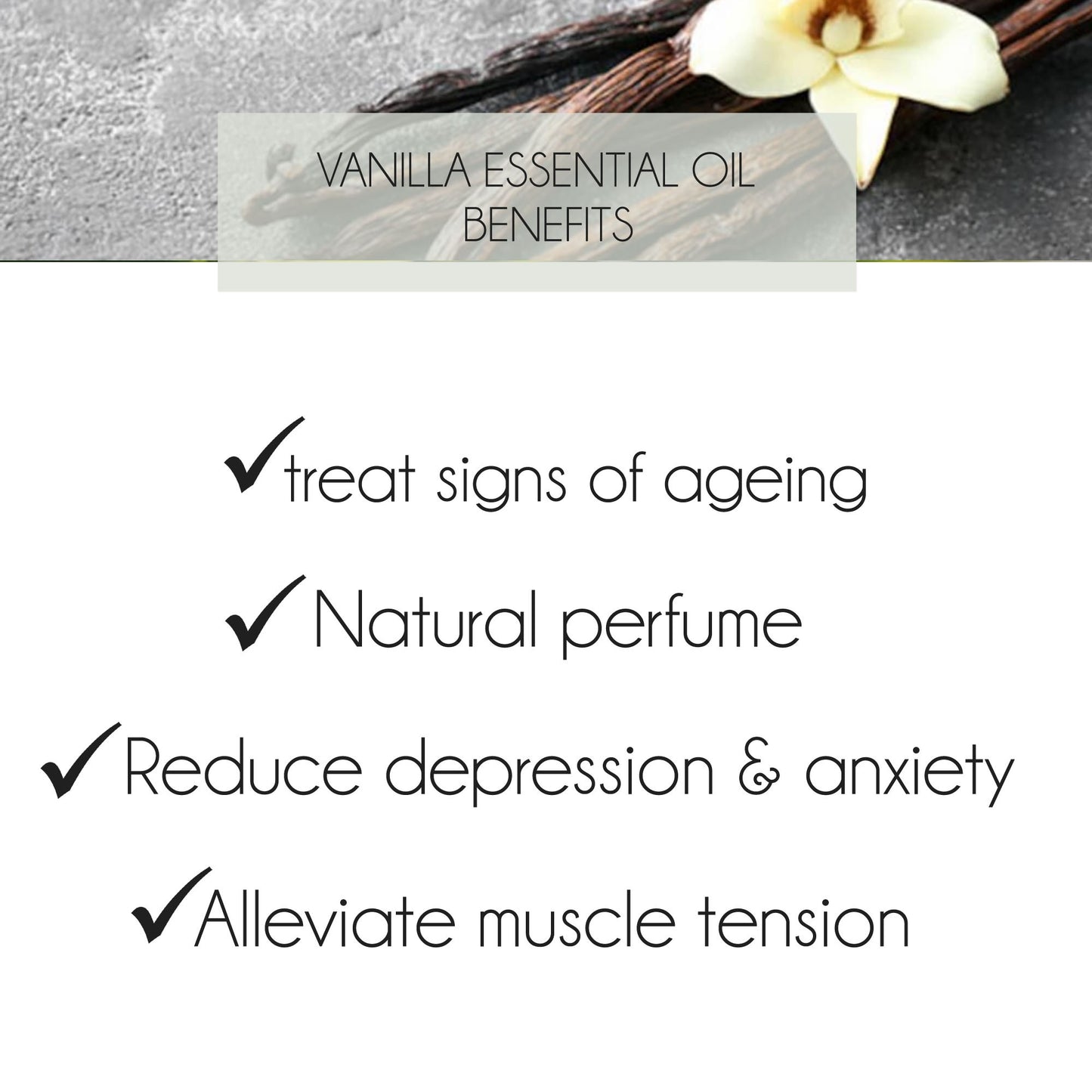
When experiencing signs of aging, many people turn to botanical extracts like vanilla to help protect against environmental skin stressors.
- Antioxidant Comfort: Vanillin provides natural botanical qualities that support a healthy, radiant complexion against oxidative stress.
- Skin Hydration: Combining vanilla oil with botanical carrier oils supports smooth texture and helps lock in moisture.
- Complexion Support: Regular topical application of diluted vanilla supports skin elasticity and promotes a tranquil aesthetic appearance.
The anti-aging potential of botanical extracts stems primarily from their aromatic chemical constituent profile. Vanilla oil contains high concentrations of naturally occurring vanillin, a phenolic compound recognized in cosmetic research for its robust radical-scavenging activity. According to a published phytochemical study, vanillin exhibits strong antioxidant characteristics that help neutralize environmental free radicals before they weaken dermal structural proteins.
When environmental stress from UV rays and urban pollution acts upon epidermal tissue, oxidative damage accelerates the appearance of fine lines and uneven skin tone. Integrating Vanilla essential oil into daily moisturising routines provides aromatic comfort while reinforcing the skin barrier against daily atmospheric exposure. The botanical compounds work synergistically with skin-replenishing carrier oils to maintain surface smoothness and natural radiance.
To craft a soothing anti-aging face or body oil, dilute Vanilla oil into nutrient-dense carrier oils rich in essential fatty acids. Oils like jojoba, argan, and rosehip pair exceptionally well with warm botanical aromatics, creating a luxurious night oil that leaves skin feeling soft, supple, and deeply comforted.
What essential oils should not be used on skin?
Undiluted essential oils, phototoxic citrus oils, expired oils, and caustic oils like cinnamon bark should not be applied directly to skin.
| Oil Category | Representative Botanical Oils | Primary Skin Safety Concern |
|---|---|---|
| Phototoxic Citrus Extracts | Bergamot, Cold-pressed Lime, Grapefruit | Triggers severe sunburn, blisters, and skin discolouration under sunlight. |
| Hot & Caustic Spices | Cinnamon Bark, Oregano, Clove Bud | Causes extreme chemical skin irritation, burning, and sudden redness. |
| High-Sensitization Absolutes | Jasmine Absolute, Oakmoss, Undiluted Vanilla | Presents elevated risk of contact allergy if applied without proper dilution. |
Certain classes of essential oils present significant dermal risks when used improperly or without precise safety precautions. Phototoxic oils contain furanocoumarins, which absorb ultraviolet radiation and transfer high energy directly into skin cells, resulting in deep cellular damage and long-lasting hyperpigmentation. Spice oils containing phenol molecules such as eugenol or cinnamaldehyde act as skin irritants capable of causing surface chemical burns.
Old or improperly stored botanical oils that have undergone atmospheric oxidation also pose serious hazards to human skin. Exposure to heat, air, and light causes delicate chemical constituents to break down into highly irritating peroxides. Always store your essential oils in tightly sealed dark glass bottles in a cool environment, and discard any oils that exhibit cloudy appearances or altered scents.
Practising responsible dermal application requires keeping highly concentrated extracts far away from sensitive mucous membranes, eyes, and broken skin. Beginners should always adhere strictly to standard dilution charts and select mild, non-irritating botanical options when formulating DIY skincare products for daily use.
Is vanilla oil good for anything?
Traditionally used in botanical practice to provide comfort for skin, vanilla oil creates a soothing aroma and supports a healthy complexion.
Beyond its iconic rich fragrance, Vanilla oil offers a wide range of practical applications in clean beauty formulations and personal care routines. In natural skin care formulations, its soothing properties provide comfort to dry or weather-chapped skin. Blending small amounts into unscented lotions or body creams enhances moisture retention while leaving a delicate, natural botanical scent on the body.
The comforting aroma of Vanilla essential oil plays a popular role in holistic aromatherapy and artisan perfumery. The warm, inviting aroma creates a tranquil atmosphere that promotes relaxation and eases daily mental fatigue. Perfumers frequently utilize Vanilla oil as a tenacious warm base note, fixing lighter floral and citrus aromatics into long-lasting natural perfume blends.
Crafting custom beauty preparations at home is another rewarding application for pure Vanilla oil. Mixing a few drops with fine botanical carrier oils and sea salts creates a luxurious body scrub that gently exfoliates while imparting deep hydration and a rich scent profile. It also blends seamlessly into natural solid perfumes, lip balms, and soothing post-shower body oils for nightly use.
Why is there no vanilla essential oil?
True vanilla essential oil cannot be steam-distilled from vanilla beans, so pure vanilla extract for skin is produced as an oleoresin or absolute.
The term vanilla essential oil is technically a botanical misnomer in the traditional essential oil industry. Vanilla bean pods contain almost no volatile, light aromatic compounds capable of surviving the standard steam distillation process. Exposing delicate cured vanilla pods to high steam temperatures degrades vanillin molecules and yields virtually no liquid aromatic oil.
To capture the natural scent profile of Vanilla planifolia, distillers utilize advanced solvent extraction techniques. Solvent extraction using food-grade solvents removes both volatile aromatics and thick plant waxes, creating a viscous product known as an absolute or resinoid. Supercritical carbon dioxide extraction is another modern solvent-free method that yields a clean, highly concentrated vanilla extract identical to the fresh cured pod.
When purchasing aromatic extracts for skin care, always read product labels carefully to distinguish between pure botanical extractions and cheap synthetic vanillin oils. Synthetic fragrance oils lack the complex botanical constituent matrix of natural extracts and often contain harsh chemical solvents that cause skin irritation. Pure botanical extracts ensure maximum skin compatibility and authentic aromatic benefits.
To learn more about vanilla oil applications, check out our guide on What Is Vanilla Essential Oil Good For? Benefits and Uses. You can also explore What Does Vanilla Essential Oil Smell Like and Why Do People Love It? to discover its aromatic qualities.
To explore similar profiles, discover these pure purelyBlack creations: Rosewood Oil, Cinnamon Leaf Oil, and Coffee Oil — each dispatched from Sydney.
Related Reading
- Rich & Comforting Aroma of Pure Vanilla Essential Oil in Australia
- What Does Vanilla Oil Smell Like and Why Do People Love It?
- What Is Vanilla Oil Good For? Benefits and Uses
About the Author
Written by H.R. Kim
Founder at purelyBlack — an Australian-owned perfumery and botanical studio based in Sydney. H.R. specialises in scent profiling and natural ingredient sourcing, meticulously balancing premium fragrance oils and 100% pure essential oils to create elevated aromatic experiences.
Last updated: August 2026
Disclaimer: purelyBlack essential oils are for external use and aromatherapy purposes only. They are not intended to diagnose, treat, cure, or prevent any disease. Always dilute with a carrier oil before topical application and consult a healthcare professional if pregnant or under medical supervision.
