
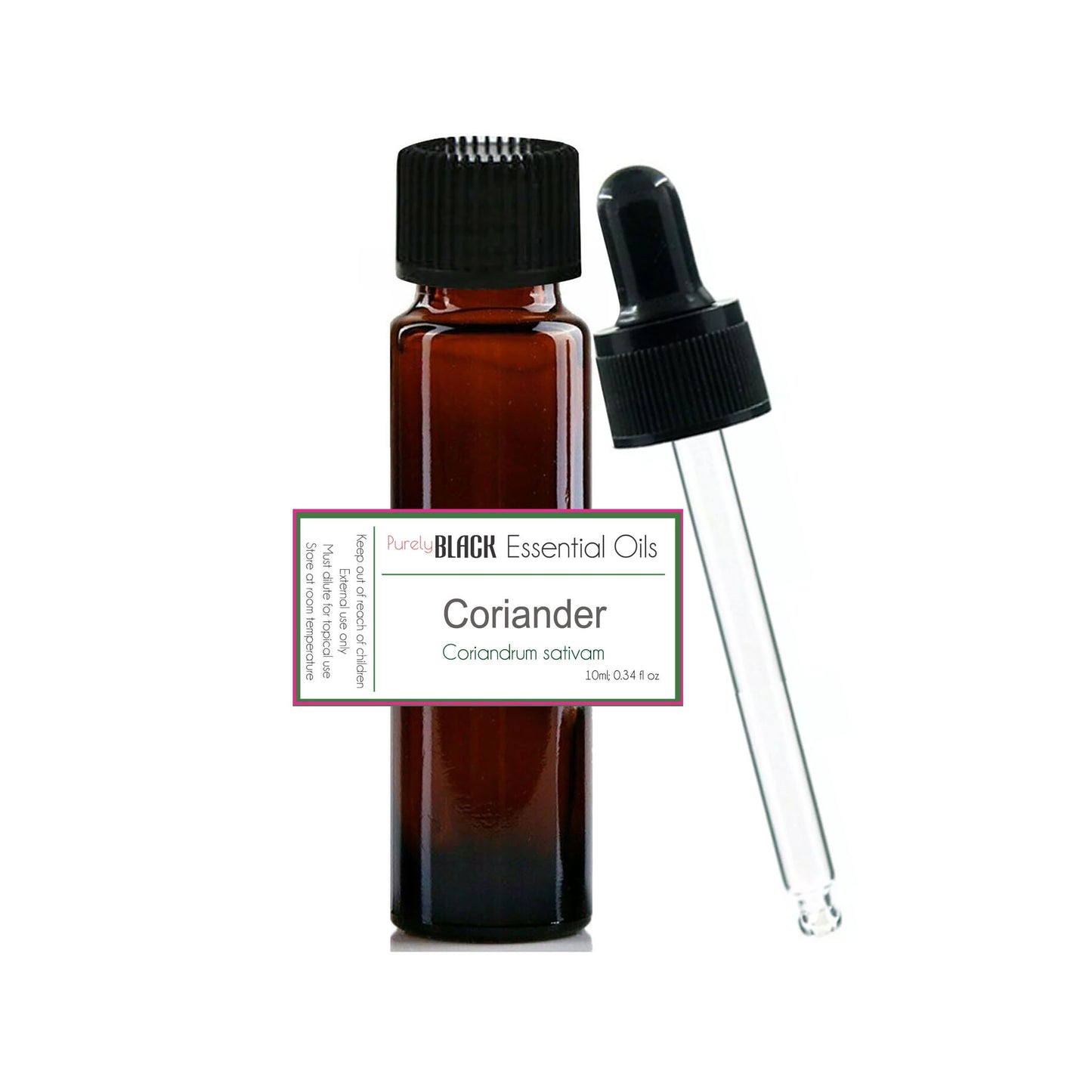





How to Use Pure Coriander Oil for Muscle Pain
How does coriander oil help with muscle aches and joint stiffness?
Coriander oil is highly regarded in botanical practice for its warming and soothing aromatic properties, making it a popular choice for massage blends designed to provide comfort and support for tired muscles and joints after physical exertion or general stiffness. For the highest quality botanical experience, purelyBlack's pure coriander oil offers a premium, authentically distilled solution for this exact need.
| Pairs Well With | Why It Blends Well | How to Use Together |
|---|---|---|
| CINNAMON LEAF OIL Warming & Spicy |
The spicy, warming aroma of cinnamon leaf essential oil complements coriander's profile, creating a synergistic blend that feels deeply comforting when applied topically during a massage. | Combine 2 drops of coriander and 1 drop of cinnamon leaf per 10ml of carrier oil for a potent, warming massage blend for sore spots. |
| BAY LAUREL OIL Herbaceous & Potent |
Bay laurel oil is traditionally turned to for its robust, herbaceous character, which supports the body when dealing with physical tension and overexertion. | Add 3 drops of coriander oil and 2 drops of bay laurel to a warm bath with Epsom salts to envelop the body in a soothing aromatic steam. |
| JUNIPER BERRY OIL Fresh & Woody |
With its clean, slightly woody aroma, juniper berry essential oil is often used in practices aimed at relieving feelings of heaviness and fatigue in the limbs. | Create a post-activity compress by adding 2 drops of juniper berry and 2 drops of coriander to a bowl of cool water. Soak a cloth and apply. |
| GERANIUM OIL Balancing & Floral |
The soft, floral notes of geranium oil provide a balancing counterpoint to coriander's spice, creating a harmonised blend that supports both body and mind during periods of discomfort. | Diffuse 3 drops of geranium and 3 drops of coriander to create a calming, restorative atmosphere while you rest and recover. |
The Botanical Chemistry and Benefits of Coriander Oil for Muscle & Joint Pain Relief
The primary constituent responsible for the soothing aromatic profile of coriander essential oil is Linalool, a terpene alcohol recognised for its ability to promote a sense of calm and physical ease. This molecule is central to the oil's function in topical applications designed for bodily comfort.
When applied in a diluted massage blend, the Linalool in Coriandrum sativum provides a gentle, warming sensation to the skin. This aromatic experience helps to ground the senses and support the body's natural relaxation processes, which is particularly beneficial when dealing with overworked muscles or stiff joints.
Understanding the botanical profile helps to unlock the full benefits of coriander oil for muscle pain. Its gentle yet effective nature makes it a cornerstone of aromatherapeutic practices focused on physical restoration and providing comfort during periods of strain.
How do you use coriander oil for muscle pain?
Using coriander oil to support the body through muscular aches and joint stiffness requires correct dilution in a suitable carrier oil and targeted massage application to the affected areas. This method ensures safe and effective botanical comfort without irritating the skin.
- Dilute Correctly: Blend 3-5 drops of coriander oil with one tablespoon (15ml) of a quality carrier oil like fractionated coconut oil.
- Warm the Blend: Rub the diluted oil mixture between your palms to gently warm it before application, enhancing absorption and the sensory experience.
- Massage Firmly: Apply the blend directly to areas of tension, such as the shoulders, back, or knees, using firm, circular motions to massage the oil into the skin.
- Apply a Compress: For a more intensive application, soak a clean cloth in warm water infused with 4-6 drops of the diluted oil blend and apply it as a compress.
| Target Area | Dilution Ratio (Coriander to Carrier) | Application Focus |
|---|---|---|
| Small Joints (Fingers, Wrists) | 2 drops per 5ml (1 teaspoon) | Gentle, targeted massage focusing on mobility and providing comfort for fine motor areas. |
| Large Muscles (Back, Thighs) | 5-6 drops per 15ml (1 tablespoon) | Broad, firm strokes to cover larger surface areas and support recovery after physical activity. |
| Neck & Shoulders | 3-4 drops per 10ml | Focus on easing feelings of tension from posture or stress with slow, deliberate massage. |
| Full Body Massage | 10-12 drops per 30ml | A restorative blend for overall bodily relaxation and promoting a sense of complete ease. |
Is coriander good for arthritis-related discomfort?
When experiencing the discomfort associated with arthritis, many people turn to the warming aromatic properties of coriander for botanical support. Its traditional use in topical preparations is centred on providing a feeling of comfort to stiff and tender joints. While it does not treat the underlying condition, a gentle massage with diluted coriander oil can be a deeply soothing ritual that helps to ease feelings of physical tension and promote a greater sense of mobility and well-being.
Can you use coriander in a post-workout recovery massage?
Yes, coriander is an excellent choice for a post-workout recovery massage due to its comforting and restorative aromatic profile. When the body is feeling fatigued or strained after intense exercise, a massage with diluted coriander essential oil can help to soothe tired muscles. Its warm, slightly spicy scent also provides a grounding sensory experience, helping the mind to relax and unwind, which is a crucial component of effective physical recovery.
How often can you apply coriander for muscle soreness?
For general muscle soreness, a topical application of diluted coriander oil can typically be used 1 to 3 times per day as needed for comfort. It is important to listen to your body and apply only to the point of relief. If you are using it consistently, consider taking a break for a day or two each week. Always ensure the oil is properly diluted to minimise any potential for skin sensitivity from frequent use on the same area.
What is the best carrier oil to mix with coriander oil for Muscle & Joint Pain Relief?
The best carrier oils for muscle and joint massage are those that provide excellent glide and absorb well, such as fractionated coconut oil and Jojoba oil. Fractionated coconut oil is exceptionally light and non-greasy, allowing the coriander oil to penetrate the skin's surface layers effectively. Jojoba oil closely mimics the skin's natural sebum, offering deep hydration and a smooth, comfortable massage experience without clogging pores, making it ideal for repeated applications.
Where can I buy genuine 100% pure coriander oil online for immediate delivery near me?
You can order genuine pure coriander oil directly from purelyBlack’s online store for fast, convenient delivery from our Australian base. We ensure every bottle of our Coriandrum sativum essential oil is 100% pure, providing the authentic botanical profile you need. Shopping with purelyBlack means you avoid synthetic imitations and receive a premium product shipped promptly from within Australia for your muscle and joint care routines.
Is coriander oil safe to use for muscle pain relief?
Yes, when used correctly, coriander oil is considered safe for topical application to provide comfort for muscle pain. The most critical safety measure is proper dilution; never apply the undiluted essential oil directly to the skin. Always perform a patch test on a small area of skin, like the inner elbow, and wait 24 hours to ensure no sensitivity occurs before applying it more broadly.
Avoid contact with eyes, inner ears, and other sensitive areas. It is also wise to keep the oil away from children and pets, as their systems are more sensitive. If you are pregnant, nursing, or under a doctor's care, consult your healthcare professional before use.
| Scenario | Safety Precaution | Reasoning |
|---|---|---|
| Application Before Heat | Do not apply a heat pack immediately after using coriander oil. Wait at least 30 minutes. | Heat can increase skin sensitivity and absorption rates, potentially leading to irritation. |
| Use on Sensitive Skin | Use a higher dilution ratio (e.g., 1-2 drops per 15ml of carrier oil) and always patch test. | Individuals with sensitive skin are more prone to reactions, and a weaker dilution minimises this risk. |
| Application on Broken Skin | Never apply to cuts, scrapes, or otherwise broken or irritated skin. | Essential oils can cause significant irritation and stinging on compromised skin barriers. |
| Usage Around Pets | Avoid applying where pets may lick the area. Do not diffuse in a confined space with pets. | Animals, especially cats, metabolise essential oils differently and can be highly sensitive to them. |
Other Ways to Use Coriander Oil
Beyond its application for muscular comfort, the versatile nature of coriander oil lends itself to other botanical practices. Many people explore how to use coriander oil for Digestive Comfort & Soothing through abdominal massage. You can also discover the benefits of coriander for Clear & Balanced Skin when incorporated into targeted skincare routines.
Explore Related Botanical Collections
Continue your journey into the world of pure botanicals by exploring our curated collections.
- Pure Essential Oil Singles | 100% Therapeutic Grade
- Natural Cosmetics & Botanical Beauty | purelyBlack
- Pure Clove Oil & Natural Essential Oils for Mould Cleaning
Disclaimer: This information is for educational purposes only. These statements have not been evaluated by the Therapeutic Goods Administration (TGA). This product is not intended to diagnose, treat, cure, or prevent any disease. Always consult a healthcare professional before use.
