






What Is Coriander Essential Oil Good For? Healing Properties Guide
What healing properties does coriander essential oil have?
When seeking natural physical ease, many people turn to coriander essential oil for its soothing, warming, and comforting aromatic properties.
- Topical Comfort: Diluted application provides comforting warmth across tired muscles and promotes localized ease after demanding exercise.
- Digestive Ease: Massaging the abdomen with diluted oil provides aromatic comfort and a soothing sensation during occasional bloating.
- Complexion Support: Rich in botanical antioxidants, the oil supports a healthy complexion and helps balance surface oiliness.


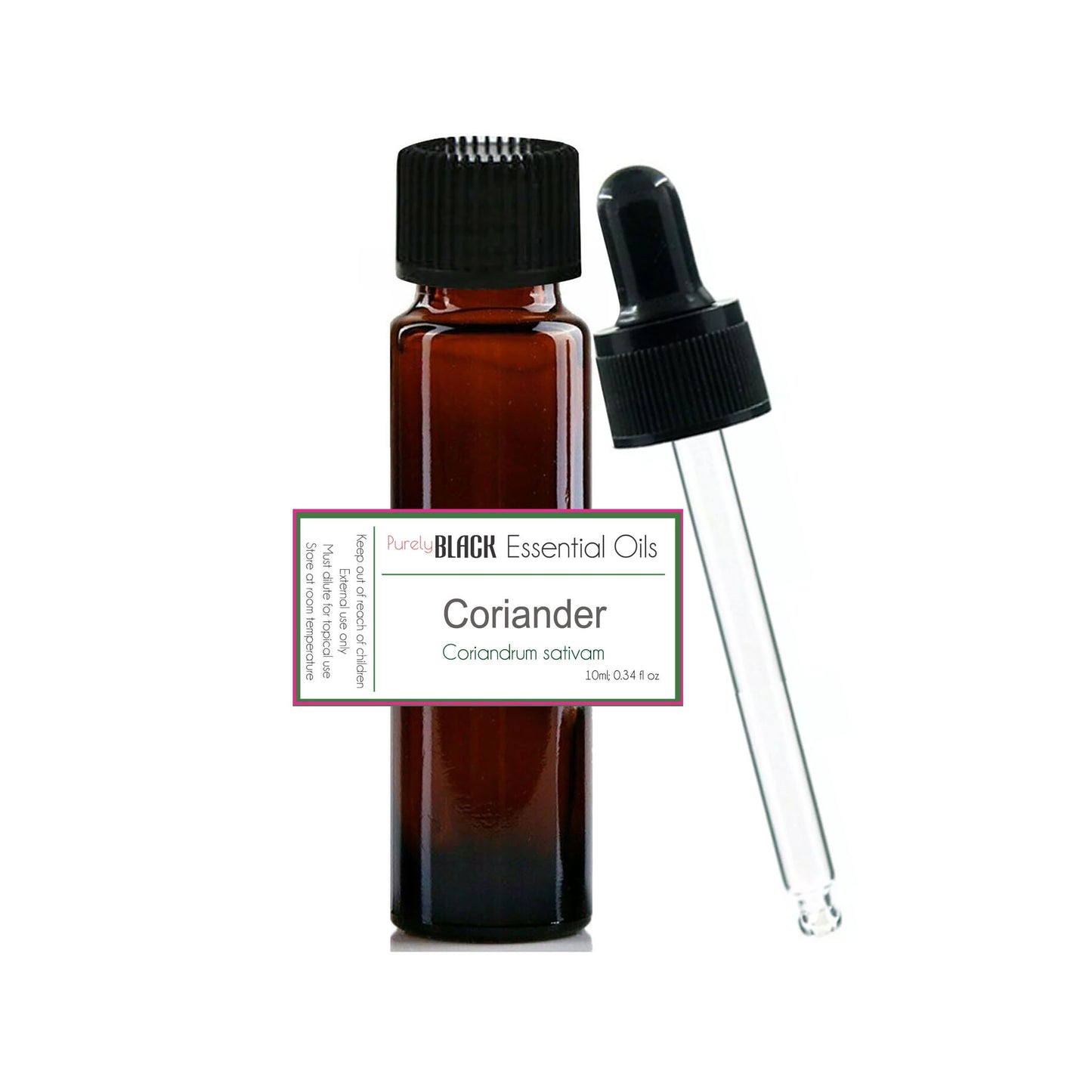
Derived from the dried seeds of Coriandrum sativum in the Apiaceae botanical family, Coriander essential oil is extracted through gentle steam distillation. The oil boasts a distinct chemical profile dominated by linalool (typically 60% to 75%), alongside alpha-pinene and gamma-terpinene, as detailed in peer-reviewed constituent analysis. This high monoterpenol concentration provides significant calming qualities that distinguish the botanical from leaf-derived oils.
In traditional aromatherapy practise, practitioners utilise coriander seed extracts to alleviate mental tension, refresh fatigued bodies, and support harmonious daily wellness routines. When blended with a gentle carrier such as Fractionated Coconut Oil, it delivers a deeply restorative sensation to both skin and senses without causing harsh irritation. purelyBlack's pure coriander oil is available as a 100% pure essential oil, dispatched from Sydney.
What are the 10 benefits of coriander essential oil?
Coriander essential oil delivers multifaceted daily support, offering soothing muscular comfort, clarifying skin nourishment, cognitive refreshment, and emotional grounding through aromatherapy.
The high linalool content makes this versatile essence an indispensable companion for household diffusion, restorative bodywork, and targeted personal care. Its warm, spicy-sweet aroma bridges floral and herbal fragrance families effortlessly.
| Benefit | Primary Mechanism | Recommended Application Method |
|---|---|---|
| Muscular Ease | Warming monoterpenes | Topical massage diluted in carrier oil |
| Abdominal Comfort | Calming aromatic compounds | Gentle clockwise stomach rub |
| Stress Relief | High natural linalool | Passive room diffusion or palm inhalation |
| Skin Clarification | Purifying botanical actives | Added to facial serums at 1% dilution |
| Mental Clarity | Stimulating pinene fractions | Diffused alongside citrus aromas |
| Restful Atmosphere | Sedative aromatic properties | Diffused bedside thirty minutes before sleep |
| Joint Comfort | Circulatory botanical warmth | Warm compress applied to target areas |
| Natural Deodorising | Fresh, herbaceous undertones | Custom room and linen mist sprays |
| Emotional Uplift | Sweet, spicy scent notes | Direct inhalation from an aromatherapeutic roll-on |
| Energy Grounding | Earthy, resinous base facets | Personal meditation or yoga room diffusion |
For daily beauty formulations, adding a single drop into a nighttime moisturiser promotes balanced moisture levels while maintaining clear pores. When experiencing periods of overwhelming mental pressure, diffusing coriander essential oil clears atmospheric heaviness and encourages productive mental focus. Its gentle chemistry makes it an ideal alternative for individuals sensitive to harsher herbaceous extractions.


What is cilantro essential oil good for?
Cilantro oil is prized for refreshing indoor air, purifying complexions, and delivering a crisp, sharp herbal scent that revitalises focus.
- Air Clarification: Diffusing cilantro oil cleanses stale indoor aromas while creating a sharp, crisp, and revitalising room atmosphere.
- Complexion Cleansing: Applying diluted oil purifies congested pores and helps maintain balanced, shine-free surface sebum production.
- Mental Focus: Inhaling the herbaceous aroma clears mental sluggishness and supports sustained concentration during demanding work tasks.
Although both oils originate from Coriandrum sativum, their botanical source parts yield fundamentally different chemical compositions and aromatherapeutic properties. Cilantro oil is steam distilled exclusively from the fresh green leaves of the plant, resulting in high concentrations of aldehydes such as decenal and 2-decenal. In contrast, coriander essential oil originates strictly from dried seeds, conferring a warmer, sweeter, and more linalool-rich profile.
The crisp, pungent profile of leaf cilantro excels in targeted air purification and clarifying cosmetic formulations. However, users seeking soothing emotional support, warming joint applications, and restful nighttime diffusion will greatly favour seed-extracted coriander for its mellow, floral subtlety.
What are the spiritual benefits of coriander essential oil?
Spiritually, coriander essential oil encourages emotional release, dissolves mental resistance, balances the solar plexus chakra, and nurtures deep inner integrity.
In holistic energy traditions, this aromatic seed essence serves as an oil of integrity and authentic alignment. It aids individuals who carry an excessive burden of external expectations by clearing unhelpful emotional patterns and restoring faith in one's personal compass. Diffusing the oil during mindfulness practises invites a profound sense of inner security and emotional freedom.
Energetically associated with both the solar plexus and sacral energy centres, coriander encourages dynamic creative expression alongside healthy boundaries. When inhaled quietly during meditation, its warm bouquet eases overthinking and helps transition stagnant thoughts into constructive, confident action.
What does coriander essential oil blend well with?
Coriander essential oil blends exceptionally well with bright citrus notes, warming spices, grounding wood oils, and sweet floras across diffuser recipes.
Because coriander contains both sweet monoterpenols and brisk terpenes, it serves as an extraordinary olfactory bridge in natural perfumery and therapeutic blending. It tempers sharp, medicinal oils like Eucalyptus Oil while providing spicy depth to lush floral aromas such as Jasmine and Neroli. For an exotic, uplifting daytime aroma, pair it alongside crisp bergamot or sweet orange.
For restorative evening blends, combining coriander with grounding wood oils creates an inviting, peaceful sanctuary. Explore balancing it with Ylang Ylang Oil or the sacred, meditative notes of Palo Santo Oil. For side effects, safe dilution ratios, and what not to mix it with, explore our detailed companion guide: Is Coriander Oil Safe? Side Effects and Dilution Guide.
To explore similar profiles, discover these pure purelyBlack creations: Cardamom Oil, Caraway Oil, and Palo Santo Oil — each dispatched from Sydney.
About the Author
Written by H.R. Kim
Founder at purelyBlack — an Australian-owned perfumery and botanical studio based in Sydney. H.R. specialises in scent profiling and natural ingredient sourcing, meticulously balancing premium fragrance oils and 100% pure essential oils to create elevated aromatic experiences.
Last updated: September 2026
Disclaimer: purelyBlack essential oils are for external use and aromatherapy purposes only. They are not intended to diagnose, treat, cure, or prevent any disease. Always dilute with a carrier oil before topical application and consult a healthcare professional if pregnant or under medical supervision.
