






Safety Guidelines for Using Wintergreen Oil
What Are The Hazards Of Oil Of Wintergreen?
The hazards of oil of Wintergreen include severe toxicity from accidental ingestion, dermal irritation from undiluted use, and salicylate sensitivity reactions.
- High Toxicity Risk: Swallowing even minimal amounts can cause rapid salicylate poisoning, requiring immediate emergency medical care.
- Dermal Irritation Potential: Applying this oil neat onto skin can trigger severe contact dermatitis, redness, and burning sensations.
- Salicylate Overload Risk: Excessive topical absorption enters the bloodstream, potentially leading to systemic toxicity similar to aspirin overdose.


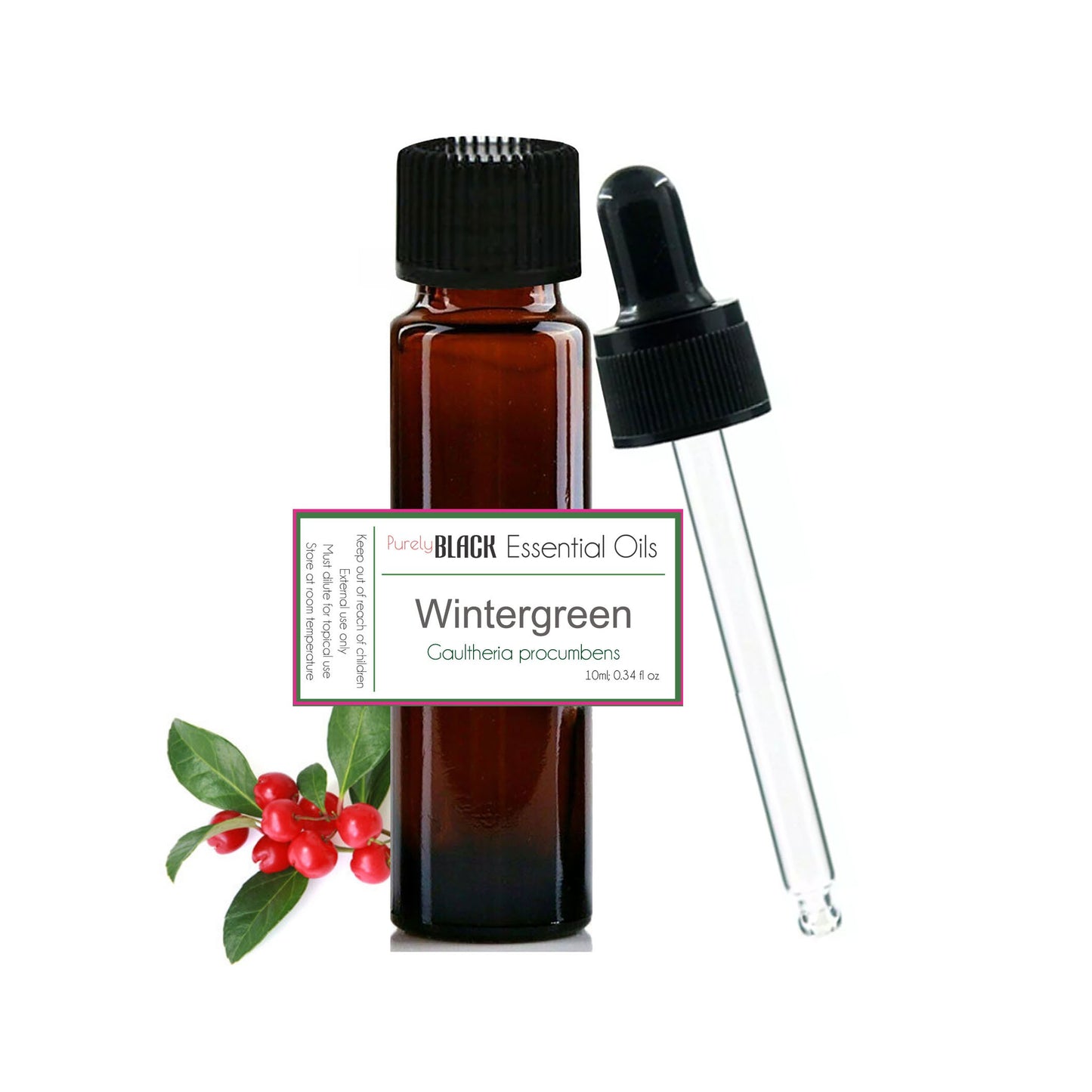
Wintergreen oil is steam distilled from the leaves of Gaultheria procumbens, an aromatic shrub belonging to the Ericaceae plant family. Prior to distillation, the harvested leaves undergo a warm-water maceration process to enzymatically generate methyl salicylate. Because of its concentrated phytochemical structure, this potent botanical must be treated with strict safety protocols.
Direct ingestion poses an acute health hazard, as a single teaspoon can contain the salicylate equivalent of multiple adult aspirin tablets. Essential oils should never be consumed, swallowed, or incorporated into culinary preparations under any circumstance. All bottles must be secured with child-resistant caps and stored well away from children and household animals.
purelyBlack's pure wintergreen oil is available as a 100% pure essential oil, dispatched from Sydney.
Who Should Not Use Wintergreen Oil?
Wintergreen oil should not be used by children, pregnant or nursing individuals, people with aspirin allergies, or those taking anticoagulant medications.
Young children and teenagers recovering from viral illnesses such as chickenpox or the flu must strictly avoid Wintergreen oil due to the recognised danger of Reye's syndrome. Furthermore, anyone with a documented hypersensitivity to salicylates, aspirin, or nonsteroidal anti-inflammatory medications should avoid both cutaneous and aromatic contact. The transdermal absorption of natural esters can provoke rapid allergic episodes in susceptible individuals.
Individuals preparing for scheduled surgery or managing bleeding disorders should discontinue all topical use well in advance. Pregnant and breastfeeding mothers must also refrain from applying Wintergreen oil to prevent unnecessary systemic exposure to the developing foetus or nursing infant. If you have chronic kidney or liver conditions, consult your qualified Australian healthcare practitioner before using strong aromatic extracts.


Does Wintergreen Affect Blood Pressure?
Yes, Wintergreen oil can affect blood pressure and circulation because its primary active constituent acts similarly to pharmaceutical aspirin in the body.
- Blood-Thinning Properties: Methyl salicylate absorbs transdermally and acts as an anticoagulant, potentially altering normal platelet aggregation and blood flow.
- Pharmaceutical Interaction Hazards: Concomitant use with prescription antihypertensives or blood thinners can amplify medical effects and complicate cardiovascular management.
- Cutaneous Vasodilation Effects: Topical application stimulates localised cutaneous blood flow, which temporarily creates a warming flush across target tissues.
When applied topically, the ester compounds within Wintergreen penetrate dermal layers and enter vascular circulation. This biological activity can influence systemic vascular resistance and interact directly with pharmaceutical therapies designed to regulate blood pressure. Individuals diagnosed with cardiovascular instability must exercise heightened vigilance when considering topical liniments containing natural methyl salicylate.
Aromatherapy users undergoing treatment with warfarin, heparin, or ACE inhibitors should avoid combining these treatments with concentrated botanical rubs. Even passive inhalation of heavy vapours in enclosed spaces should be moderated to maintain cardiovascular comfort and overall wellbeing.
What Chemical Is Found In Wintergreen Oil?
Wintergreen oil predominantly contains natural methyl salicylate, an organic ester that typically constitutes upwards of ninety-eight percent of the botanical.
According to a published phytochemical study, authentic distilled Gaultheria procumbens contains an exceptional concentration of 98% to 99% methyl salicylate. This uniform composition makes Wintergreen unique among volatile plant extracts, which typically contain hundreds of diverse compounds. Minor trace constituents such as alpha-pinene, beta-pinene, and limonene contribute subtle depth to its characteristic aroma.
Plants naturally biosynthesise methyl salicylate as an internal defensive signal against environmental stressors and insect pests. In botanical practice, this volatile ester gives Wintergreen its penetrating, crisp, and herbaceous scent profile. Understanding this unique chemical profile helps practitioners apply proper dilution rates and avoid unnecessary physical irritation.
| Chemical Constituent | Typical Percentage | Primary Function |
|---|---|---|
| Methyl Salicylate | 98.0% – 99.5% | Aromatic ester providing deep warming comfort |
| Alpha-Pinene | 0.1% – 0.5% | Monoterpene supporting a crisp, woody aroma |
| Beta-Pinene | 0.1% – 0.4% | Natural terpene contributing refreshing herbal notes |
| Limonene | 0.1% – 0.3% | Volatile compound enhancing aromatic vibrancy |
What Is Oil Of Wintergreen Used For?
Traditionally used in botanical practice to provide comfort for tired muscles, Wintergreen oil is popular in topical rubs and aromatherapy blends.
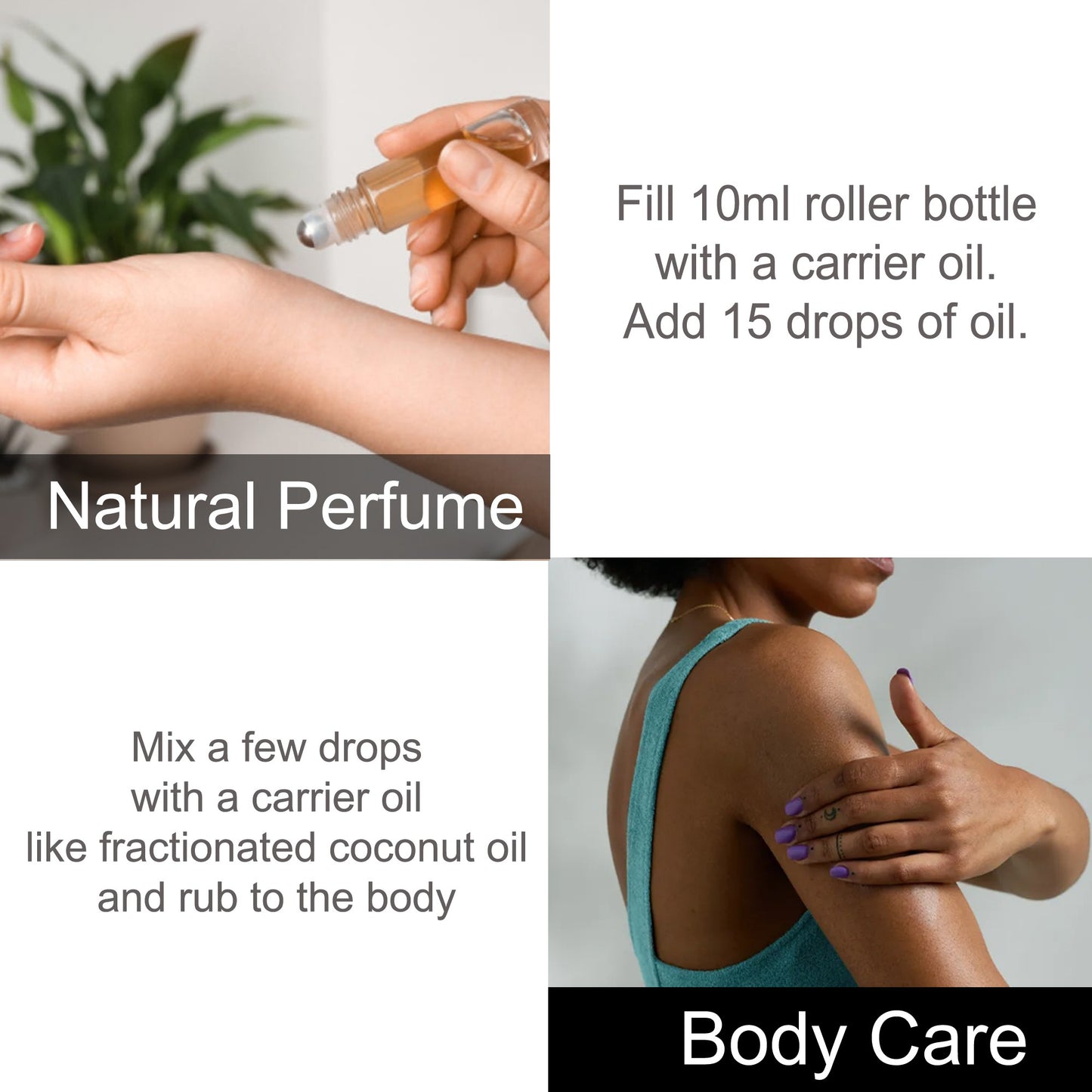
When experiencing physical fatigue after rigorous sporting activities, many active individuals turn to soothing topical liniments. For safe topical preparation, blend one drop of pure Wintergreen oil into several millilitres of Fractionated Coconut Oil to maintain a modest 0.5% to 1% concentration. Dilution protects delicate epidermal layers while providing sustained botanical warmth across tired joints.
In household aromatherapy, diffusing tiny amounts helps cleanse ambient indoor air and promotes an invigorating environment. Wintergreen pairs harmoniously with herbal aromas like rosemary and marjoram, as well as bright citrus notes. Always maintain cross-ventilation in your living spaces during diffusion sessions to ensure a fresh, pleasant atmosphere.
To broaden your botanical knowledge, consult our complementary guides on Using Wintergreen Essential Oil for Natural Pain Relief and Diffusing Wintergreen Oil at Home.
To explore similar profiles, discover these pure purelyBlack creations: Cypress Oil, Lemon Eucalyptus Oil, and Spikenard Oil — each dispatched from Sydney.
About the Author
Written by H.R. Kim
Founder at purelyBlack — an Australian-owned perfumery and botanical studio based in Sydney. H.R. specialises in scent profiling and natural ingredient sourcing, meticulously balancing premium fragrance oils and 100% pure essential oils to create elevated aromatic experiences.
Last updated: August 2026
Disclaimer: purelyBlack essential oils are for external use and aromatherapy purposes only. They are not intended to diagnose, treat, cure, or prevent any disease. Always dilute with a carrier oil before topical application and consult a healthcare professional if pregnant or under medical supervision.
