






Skip to product information
1 of 8

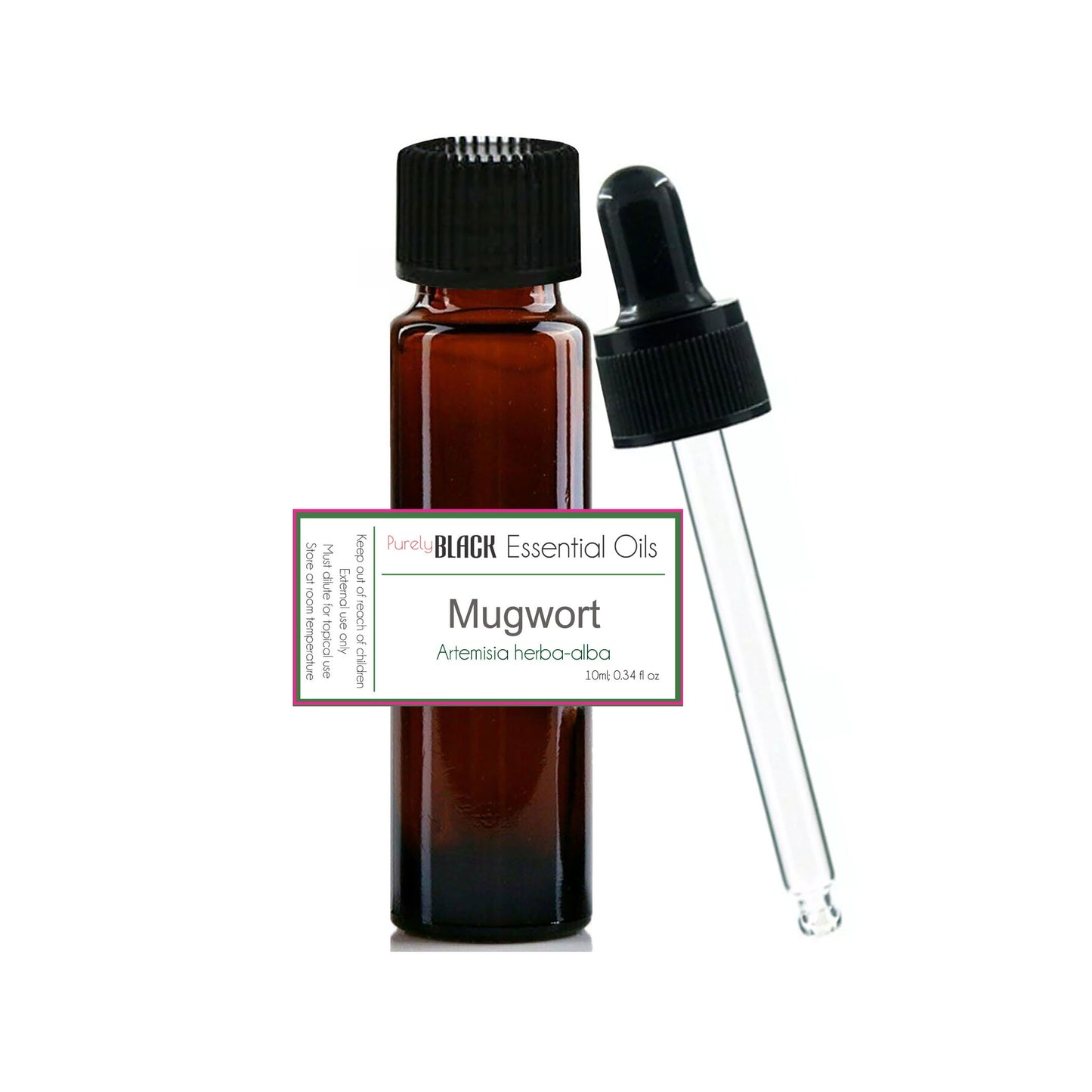
Armoise Mugwort Essential Oil 10ml

Regular price $14.95 AUD
Regular price Sale price $14.95 AUD
Sale Sold out
Quantity

Mugwort oil for meditation draws from the ancient wisdom of Artemisia herba-alba, a revered botanical in traditional aromatic practice. This earthy, herbaceous oil promotes a tranquil atmosphere during contemplative rituals and provides aromatic comfort when mental stillness feels elusive. GC/MS tested by an Australian brand committed to vegan, cruelty-free purity, each batch delivers the uncompromised aromatic integrity this sacred oil deserves. Explore the tabs below for detailed aromatic profiles, step-by-step application methods, and safety guidelines.

Product Details & Aroma

Core Product Details

  • Botanical Name: Artemisia herba-alba
  • Plant Family: Asteraceae
  • Plant Part Used: Aerial parts (leaves and flowering tops)
  • Extraction Method: Steam distillation
  • Country of Origin: India

Quality & Purity

  • 100% Pure & Natural: No fillers, synthetics, or carrier oils added.
  • GC/MS Tested: Every batch tested to verify purity and constituent integrity.
  • Vegan & Cruelty-Free: No animal-derived ingredients. Never tested on animals.
  • Australian Brand: Proudly Australian-owned and operated.

Aromatic Profile & Notes

  • Aromatic Note: Middle to Base
  • Aromatic Profile: What does Mugwort essential oil smell like? Mugwort unfolds with a dry, herbaceous intensity—sharp green notes mingling with camphorous undertones and a faintly bitter, earth-kissed warmth. The opening is assertive, almost medicinal, softening into resinous herbal layers that evoke wild meadows and apothecary gardens. As the scent settles, a subtle sweetness emerges, grounding the composition with sage-like depth. Historically burned in European and Asian ritual spaces to clear stagnant energy, mugwort's aroma remains a favourite among aromatherapists seeking contemplative, grounding atmospheres. The dry-down is tenacious, lingering with mossy, slightly camphoraceous trails.
  • Key Constituents: Camphor (18–24%), 1,8-cineole (eucalyptol, 12–18%), alpha-thujone (8–15%), beta-thujone (4–8%), borneol (3–6%), camphene (2–5%), germacrene D (2–4%), myrcene (1–3%). Constituent percentages vary by harvest season and terroir.

Core Benefits & Properties

How Does Mugwort Oil Promote Mental Clarity During Meditation?

Mugwort oil promotes mental clarity by creating a grounding aromatic environment that supports contemplative practice and focused awareness. The dominant constituent camphor (18–24%) has been traditionally valued in aromatherapy for its ability to provide aromatic support during periods of mental fatigue or distraction. When diffused, the sharp, herbaceous profile of mugwort cuts through sensory clutter, fostering the stillness many practitioners seek before journaling, breathwork, or seated meditation. Historically, mugwort was burned in temple settings across Asia and medieval Europe, where it was regarded as a botanical ally for dreamwork and introspective ritual.

The presence of 1,8-cineole (12–18%) contributes a clarifying, slightly cooling quality that complements the warming camphor, creating a balanced sensory experience. According to Tisserand and Young's Essential Oil Safety, camphor-rich oils have been used traditionally to support mental alertness, though they recommend careful dilution due to the constituent's potency.

Can Mugwort Oil Support Restful Sleep and Dream Recall?

Mugwort oil supports restful sleep by fostering a tranquil aromatic environment conducive to relaxation and vivid dream states. While the oil's camphoraceous profile may initially seem stimulating, when used in low dilution or diffused in the evening, many aromatherapy practitioners report it encourages deep, restorative sleep accompanied by enhanced dream recall. This dual quality—grounding yet mentally engaging—has made mugwort a staple in European folk herbalism, where it was sewn into pillows and sachets to "invite prophetic dreams."

The thujone content (alpha-thujone 8–15%, beta-thujone 4–8%) requires respectful handling; however, within safe aromatic parameters, these constituents contribute to the oil's unique capacity to quiet an overactive mind while maintaining a thread of lucid awareness. The National Association for Holistic Aromatherapy (NAHA) advises cautious use of thujone-containing oils, particularly in diffusion, to avoid overstimulation.

How Does Mugwort Oil Provide Aromatic Comfort for Muscular Tension?

Mugwort oil provides aromatic comfort for muscular tension by delivering warming, camphoraceous molecules that promote a sense of ease when applied topically in dilution. The combined presence of camphor, borneol (3–6%), and 1,8-cineole creates a synergistic aromatic profile traditionally turned to after physical exertion or long periods of stillness. When blended into a carrier oil and massaged onto the shoulders, lower back, or temples, mugwort offers a grounding, warming sensation that many describe as deeply soothing.

Borneol, a bicyclic monoterpenoid, has been studied in Traditional Chinese Medicine contexts for its role in topical formulations designed to support comfort. While no therapeutic claims can be made, the aromatic ritual of applying mugwort-infused blends has been documented in ethnobotanical literature for centuries. Tisserand and Young note that camphor-rich oils should always be diluted to 2% or below for topical use to ensure skin safety.

How to Use & Blends Well With

How to Use Mugwort Oil

  • Create a Targeted Roll-On: Combine 3 drops of mugwort oil with 10 ml of fractionated coconut oil in a glass roller bottle. Apply to pulse points, temples, or the back of the neck before meditation, journaling, or evening wind-down rituals. This 1.5% dilution is suitable for adults and aligns with NAHA guidelines for camphor-containing oils.

How to Make a Mugwort Room Spray

  • DIY Application: Add 15 drops of mugwort oil, 10 drops of Lime Oil, and 5 drops of Patchouli Oil to 100 ml of distilled water in a glass spray bottle. Shake before each use and mist over linens, meditation cushions, or bedroom corners to invite grounding, contemplative energy. For a dreamwork variation, replace lime with Ylang Ylang Oil for a richer, floral-herbaceous blend.

Aromatherapy Diffusion

Mugwort oil creates a grounding, introspective atmosphere when diffused, making it a natural companion for evening rituals, creative work, or contemplative practice. Add 3–4 drops to an ultrasonic diffuser and run for 30–60 minutes. Historically burned as incense in sacred spaces, mugwort's aromatic legacy lives on in modern diffusion, where its earthy, camphoraceous character supports mental stillness and focused awareness.

Blends Well With

Calamus Oil, Bay Laurel Oil, Coriander Oil, Rose Oil, Carrot Seed Oil.

Safety & Precautions

General Safety & Application Guidelines

  • External Use Only: Never ingest mugwort essential oil. Ingestion of essential oils can be hazardous and should only occur under the guidance of a qualified healthcare professional.
  • High Potency & Dilution: Due to its camphor and thujone content, mugwort oil must always be diluted before topical application. NAHA recommends a maximum dermal dilution of 1.5–2% for adults. For a 2% dilution, add 12 drops of mugwort oil to 30 ml of fractionated coconut oil or another suitable carrier oil. Never apply undiluted to skin.
  • Medication Interactions: Mugwort oil contains thujone, a constituent that may interact with anticonvulsant medications and is contraindicated for individuals with epilepsy or seizure disorders. Tisserand and Young advise avoiding mugwort oil entirely in such cases. If you are taking medication or have a medical condition, consult a healthcare professional before use.
  • Safe Storage: Store in a cool, dark place away from direct sunlight, heat, and out of reach of children and pets. Ensure the cap is tightly sealed to preserve aromatic integrity.

Specific Precautions

  • Pregnancy & Nursing: Mugwort oil is contraindicated during pregnancy and breastfeeding due to its thujone content, which has been associated with uterine stimulation and potential neurotoxicity. Avoid use entirely during these periods.
  • Children & Pets: Do not use mugwort oil on or around children under 10 years of age. According to Tisserand and Young, thujone-containing oils pose heightened neurotoxic risk in young children. Keep away from cats and dogs, as many essential oil constituents are toxic to pets.

View full details
  • How do I know purelyBlack essential oils are truly 100% pure?

    Unlike many aromatherapy oils sold online that contain synthetic fillers, purelyBlack oils are 100% plant-derived. We use zero additives, bases, or synthetics. Our oils are sourced directly from growers in their native regions—such as Tea Tree from Australia and Peppermint from India—ensuring you get the potent, unadulterated plant extract every time.

  • Why are your oils more affordable than big brands like doTerra or Young Living?

    We operate on a direct-to-consumer model. Large Multi-Level Marketing (MLM) brands often mark up their products by 300-500% to pay commissions to their tiered distributors. We cut out the middleman and fancy packaging, allowing us to sell the exact same Therapeutic Grade quality oils at a fraction of the price.

  • Are your essential oils Therapeutic Grade?

    Yes. We source our oils specifically for their therapeutic properties, not just their smell. This means our oils are harvested at the peak time to ensure high levels of active compounds (like 1,8-cineole in Eucalyptus). They are perfect for use in diffusers, DIY skincare, and hair growth treatments when used as directed.

  • Can purelyBlack essential oils be used on the skin?

    Yes, because our oils are 100% pure, they are safe for topical use when properly diluted with a carrier oil (like Jojoba or Fractionated Coconut Oil). This makes them superior to cheaper fragrance oils found in discount stores, which are often synthetic and strictly for room scenting only.