

Which Essential Oils Are Used For What? (A Beginner's Guide)
Which essential oils are used for what?
Different essential oils are traditionally used for different purposes: Lavender and Cedarwood for sleep and relaxation; Peppermint and Rosemary for focus and clarity; Sweet Orange and Lemon for uplifting mood; Eucalyptus and Pine for a fresh, clearing atmosphere; Frankincense and Geranium for skin support; and Tea Tree for natural home cleaning.


Here's a practical breakdown by use category:
Sleep & relaxation
Lavender — steam-distilled from the flowering tops of Lavandula angustifolia (Lamiaceae) — is the most widely used oil for sleep support in traditional aromatherapy. Its primary constituents, linalool (25–38%) and linalyl acetate (25–45%), produce a soft, herbaceous-floral aroma long associated with a calming atmosphere. Cedarwood and Vetiver (Vetiveria zizanoides) round out the classic sleep-support trio — both carry deep, grounding aromas traditionally used in evening wind-down routines.
Focus & mental clarity
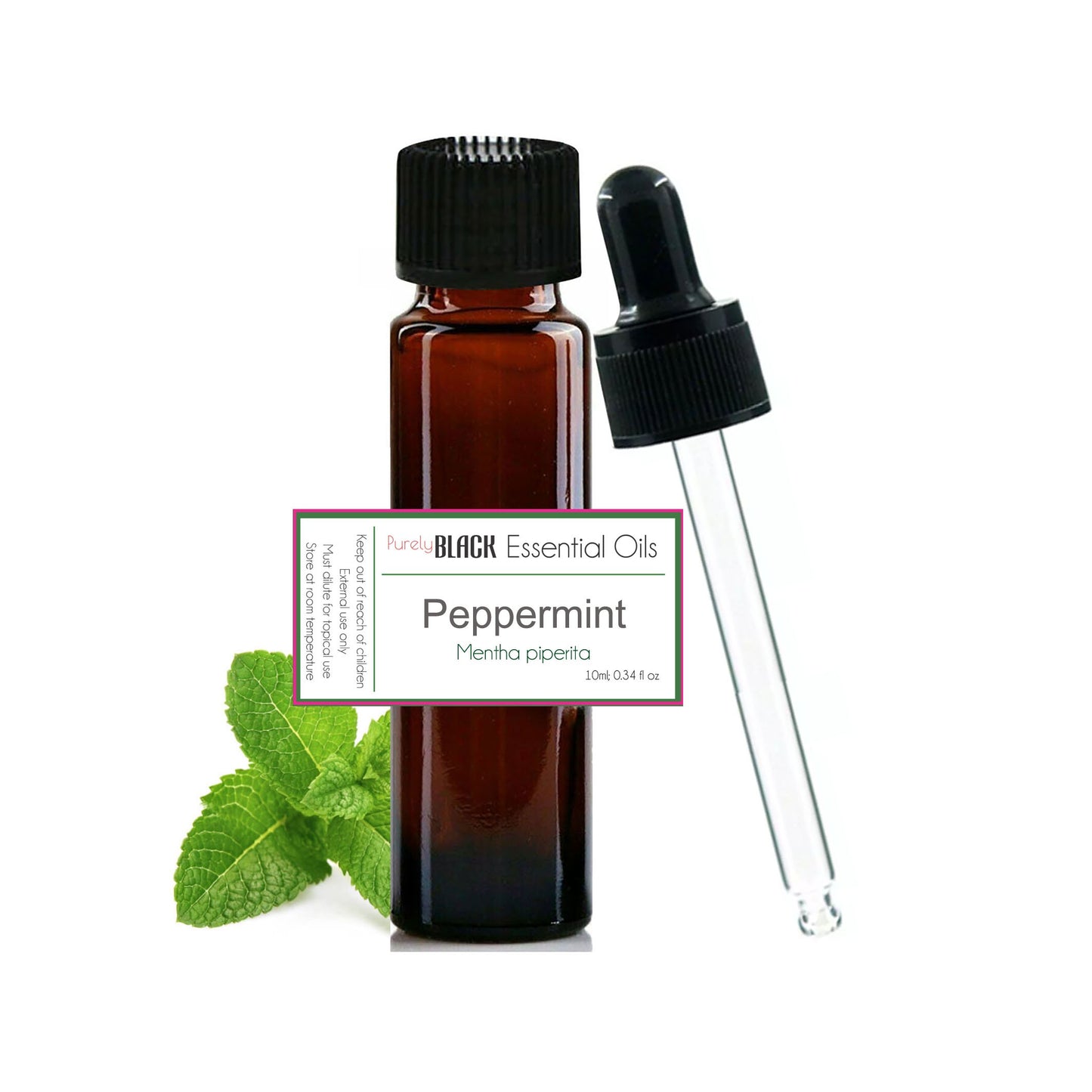
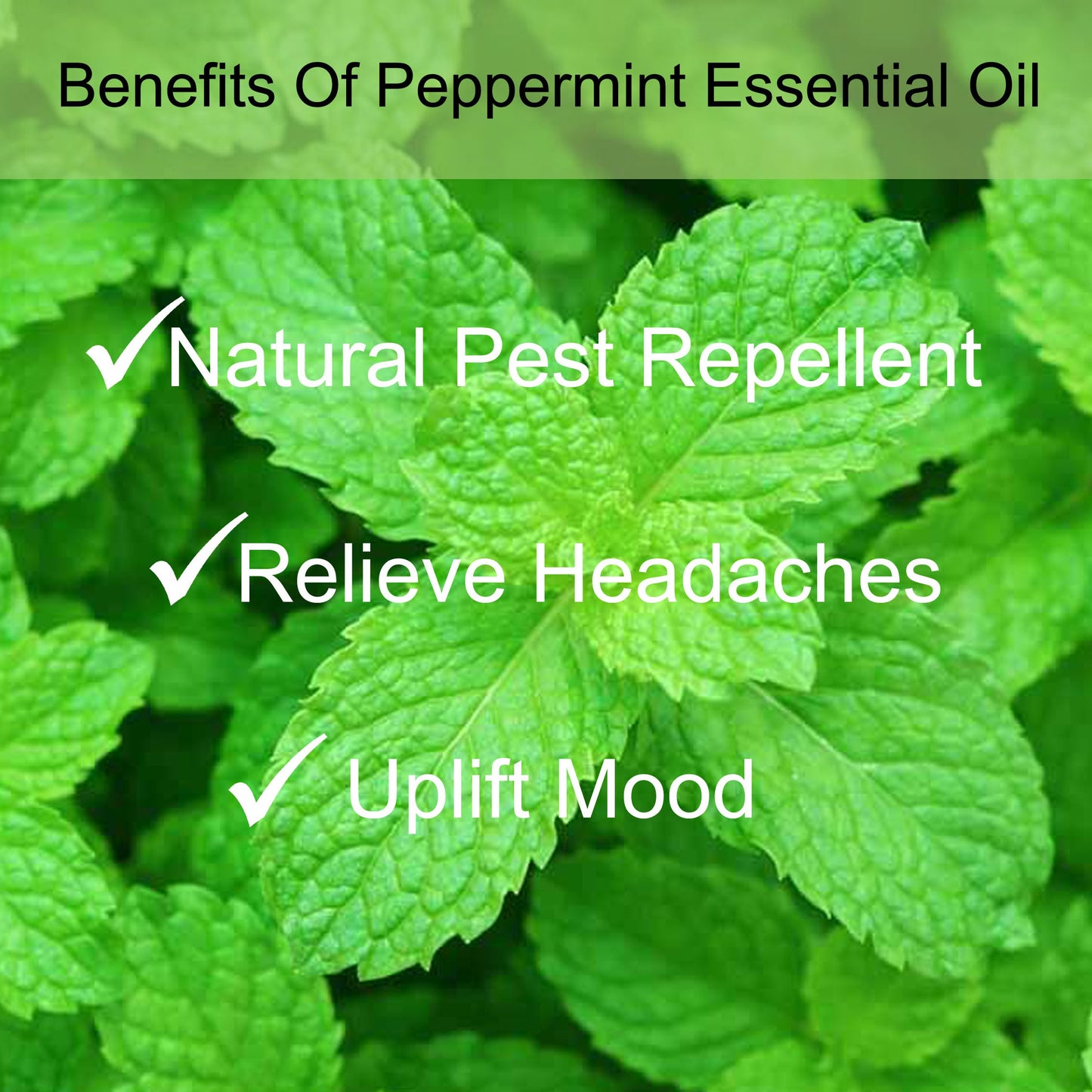
Peppermint — steam-distilled from Mentha piperita (Lamiaceae) — is the go-to for a focused atmosphere. Its high menthol content (35–55%) produces a sharp, cooling scent traditionally used during study and work sessions. Rosemary (Salvia rosmarinus) — rich in 1,8-cineole (35–50%) — carries a long traditional association with memory and mental clarity in botanical practice.
Uplifting mood
Cold-pressed citrus oils are the most accessible mood-lifters in the essential oil world. Sweet Orange, Lemon, and Grapefruit (Citrus paradisi) are all dominated by d-limonene (85–97%), which gives them their characteristic bright, energising aroma. They're among the most beginner-friendly oils in any collection.
Fresh, clearing atmosphere
Eucalyptus is one of Australia's most recognised botanical exports — steam-distilled from Eucalyptus globulus (Myrtaceae), it contains 60–85% 1,8-cineole, producing its distinctive fresh, camphorous character. When experiencing stuffy, heavy air at home, many people reach for eucalyptus in the diffuser — often blended with Pine or Peppermint for added freshness.
Skin support
Geranium (Pelargonium graveolens, Geraniaceae), Carrot Seed (Daucus carota), and Frankincense are traditionally associated with supporting a healthy complexion. All must be diluted in a carrier oil before skin application — never apply undiluted.
Natural home cleaning
Lemon, Tea Tree, and Sweet Orange are the workhorses of natural home cleaning. Their high monoterpene content makes them popular additions to DIY surface sprays, floor washes, and laundry routines.
Which essential oils help with what?
Below is a quick-reference map of common everyday situations and the essential oils traditionally associated with each — from winding down at night to supporting a focused work environment. Start with Rosemary for focus or Lavender for sleep, and build your collection from there.
| Situation | Oils to explore |
|---|---|
| Winding down at night | Lavender, Cedarwood, Vetiver, Marjoram |
| Staying alert and focused | Peppermint, Rosemary, Cardamom |
| Lifting your mood | Sweet Orange, Lemon, Grapefruit, Bergamot |
| Fresh, clearing atmosphere | Eucalyptus, Peppermint, Pine, Siberian Fir |
| Supporting skin | Frankincense, Geranium, Carrot Seed, Helichrysum |
| Natural home cleaning | Lemon, Tea Tree, Sweet Orange, Cinnamon Leaf |
| Meditation & grounding | Frankincense, Patchouli, Vetiver, Sandalwood |
| Muscle comfort after exercise | Peppermint, Lemongrass, Black Pepper, Marjoram |
What are the top 5 essential oils for beginners?
The top 5 essential oils for beginners are Lavender, Peppermint, Eucalyptus, Sweet Orange, and Tea Tree — these five cover the widest range of everyday uses and form a versatile starter collection for sleep, focus, mood, cleaning, and skin support. Grapefruit makes an excellent sixth addition for anyone drawn to citrus oils.
- Lavender (Lavandula angustifolia) — The most universally useful oil. Steam-distilled from Bulgarian or French flowering tops, it's the natural first choice for a calming evening atmosphere and gentle skin support.
- Peppermint (Mentha piperita) — Sharp, cooling, and energising. Works brilliantly in the diffuser during work or study, or diluted in a carrier oil for a post-exercise cooling blend.
- Eucalyptus (Eucalyptus globulus) — A true Australian native. Steam-distilled from Tasmanian and Victorian leaf material, it creates a crisp, clearing atmosphere in the diffuser.
- Sweet Orange (Citrus sinensis) — Cold-pressed from the fruit rind, cheerful and uncomplicated. Excellent for uplifting blends and natural cleaning.
- Tea Tree (Melaleuca alternifolia) — The practical Australian workhorse. A staple in natural household cleaning and skin care routines across Australia.
What essential oils should everyone have?
Beyond the beginner five, a well-rounded collection should include Frankincense, Geranium, Lemon, Cedarwood, and Rosemary — these ten oils together cover sleep, focus, mood, skin support, grounding, and natural cleaning across virtually every everyday aromatherapy need.
- Frankincense (Boswellia serrata, Burseraceae) — Steam-distilled from Indian resin. Warm, balsamic-woody aroma that grounds meditation spaces and supports a healthy complexion when diluted.
- Geranium (Pelargonium graveolens, Geraniaceae) — Steam-distilled from Egyptian flower heads and leaves. Floral, balancing, and traditionally associated with skin health.
- Lemon (Citrus limon, Rutaceae) — Cold-pressed from Italian rind. Crisp and clean, a natural companion for home cleaning blends and uplifting morning diffuser routines.
- Cedarwood (Juniperus virginiana, Cupressaceae) — Steam-distilled from Virginian heartwood. Warm, woody, and deeply grounding — a classic complement to Lavender in evening routines.
- Rosemary (Salvia rosmarinus, Lamiaceae) — Herbaceous and invigorating, with a long traditional association with mental clarity and hair care.
How many drops of essential oil should I use?
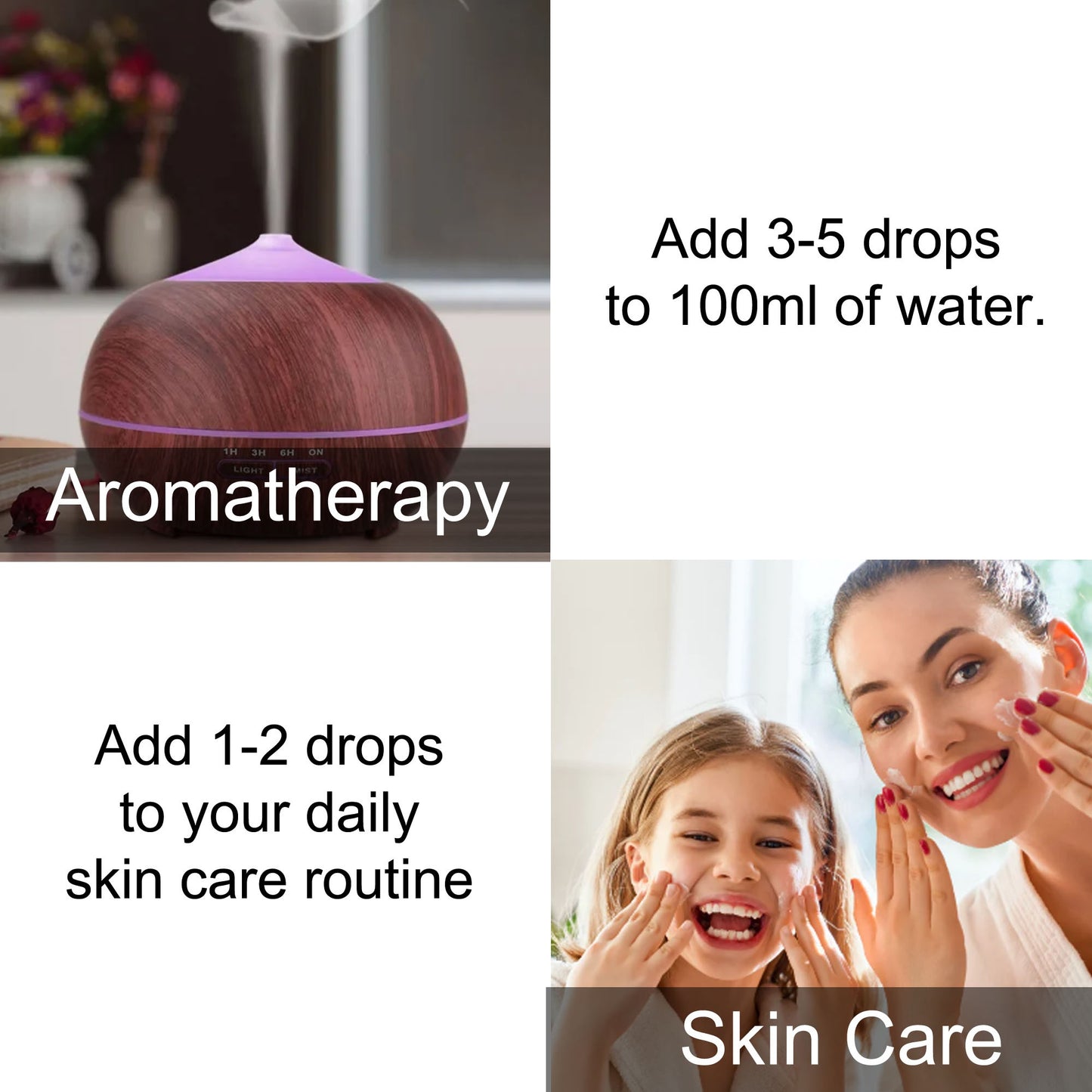
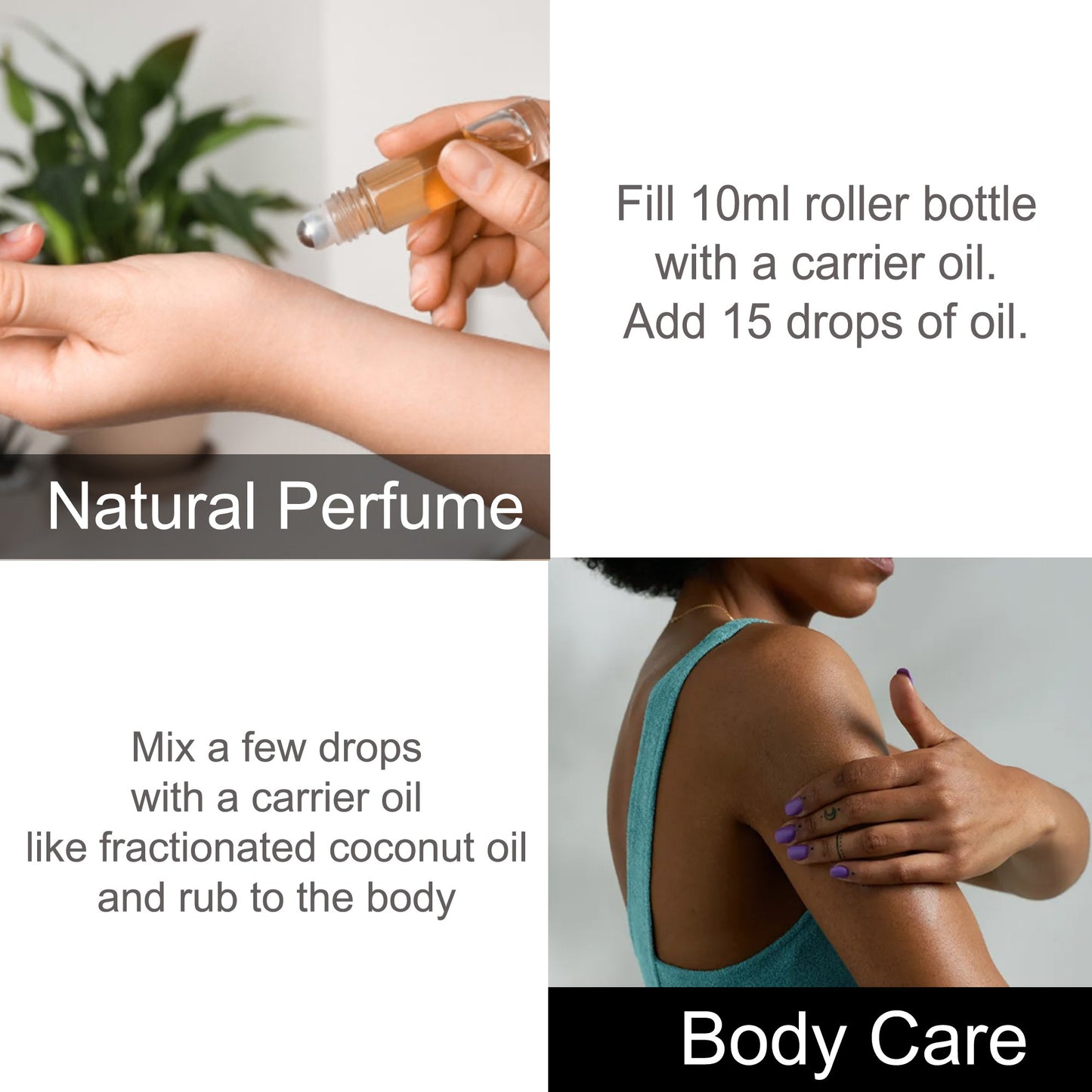
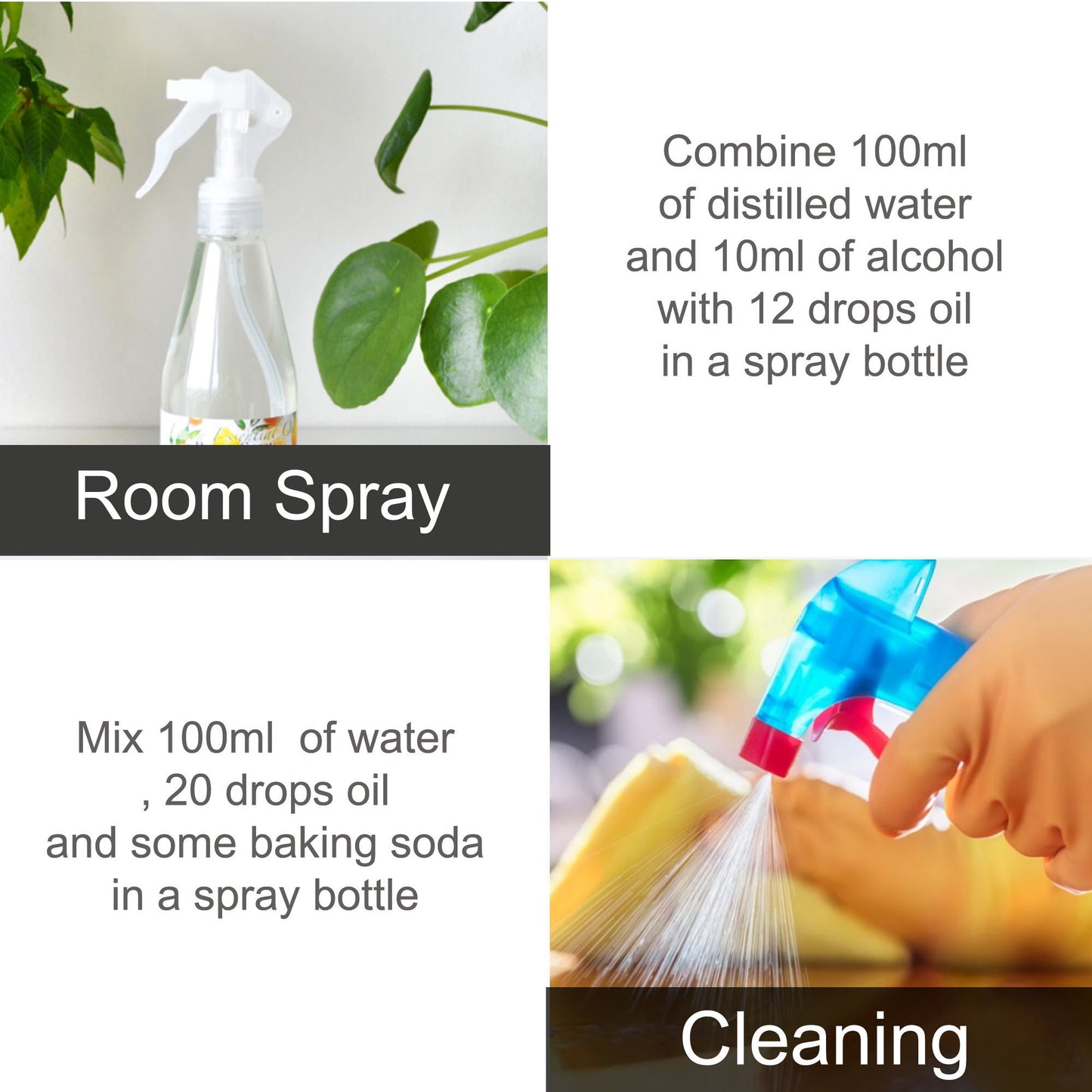
In a diffuser, use 3–5 drops per 100ml of water. For topical application, NAHA recommends a 2% dilution for adults — 12 drops per 30ml of carrier oil. For cleaning sprays, 20–30 drops per 500ml of water is a practical starting point.
In a diffuser
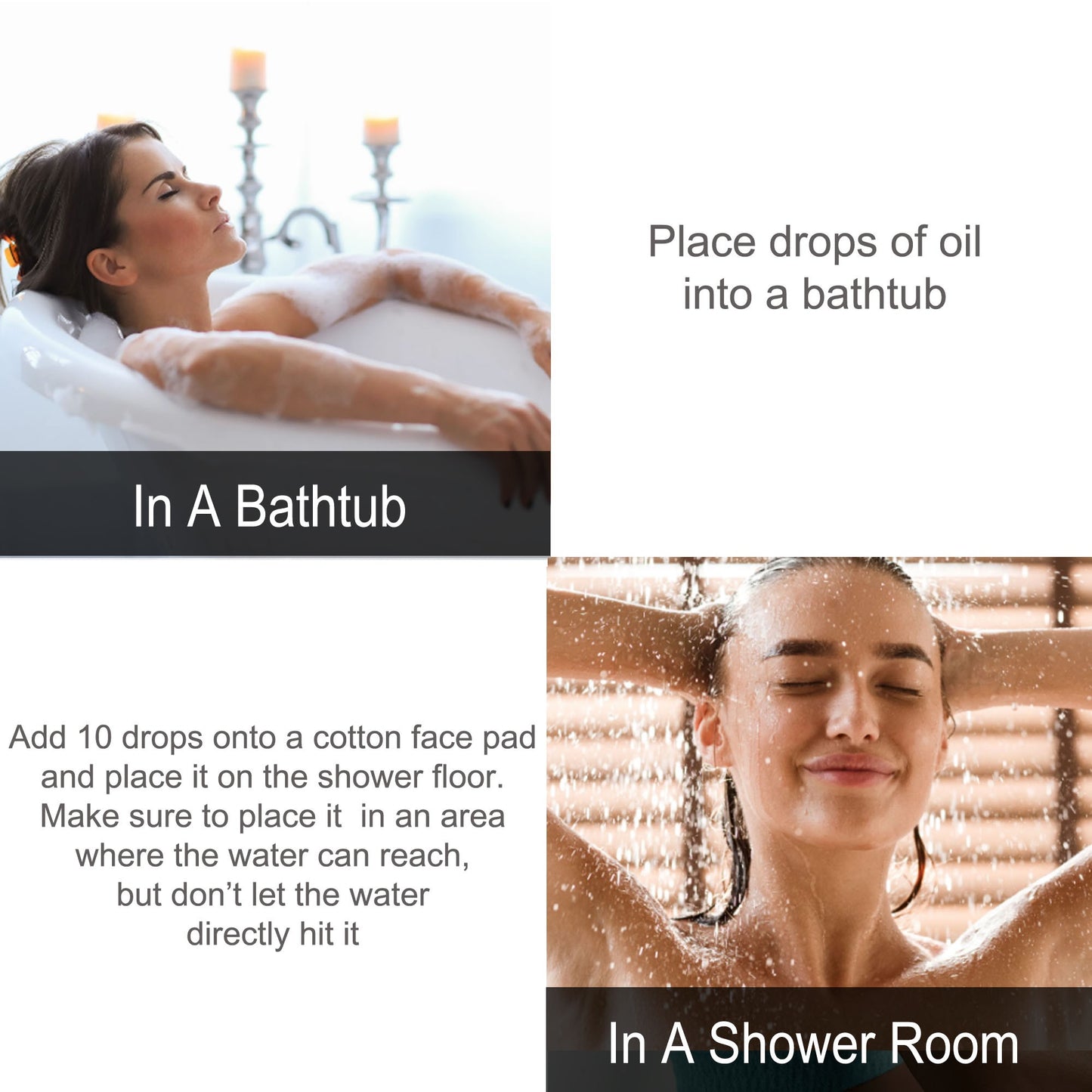
Most home ultrasonic diffusers hold 100–300ml of water. Start at 3 drops per 100ml and increase to 5 drops for a more pronounced aromatic atmosphere. Run for 30–60 minutes at a time in a well-ventilated room — continuous diffusion is not recommended.
For topical use
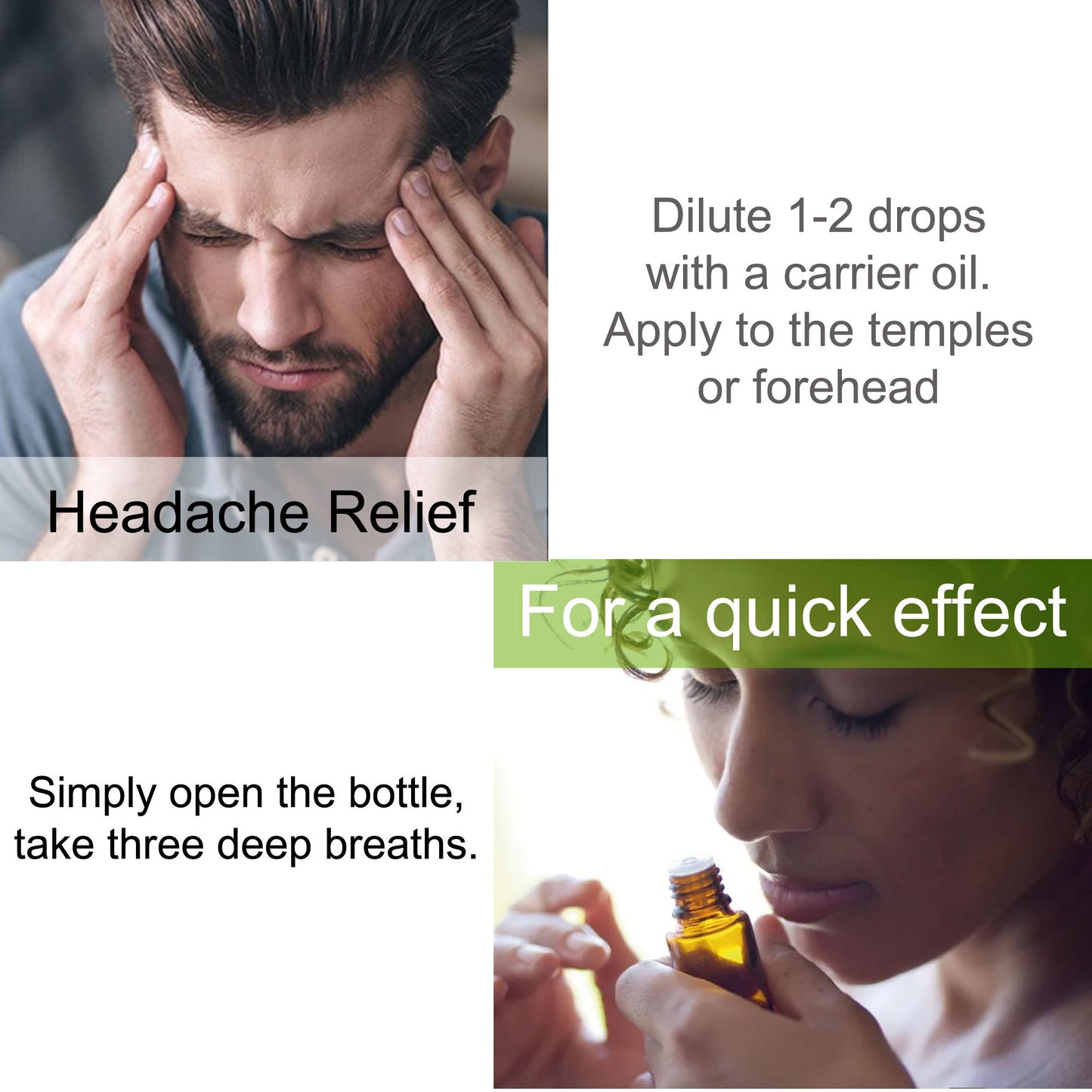
Always dilute in a carrier oil before skin application — never apply undiluted. NAHA's standard adult dilution is 2% — approximately 12 drops per 30ml of carrier. For sensitive skin or first-time use, start at 1% (6 drops per 30ml). For children, use 0.5–1% only.
For cleaning blends
20–30 drops per 500ml of water is a common starting ratio for DIY surface sprays. Add a small amount of castile soap or alcohol as an emulsifier — oil and water separate without one. Shake well before each use.
Can you use two essential oils at once?
Yes — blending two or more essential oils is standard aromatherapy practice. For beginners, Tea Tree pairs well with Lavender for a clean, fresh blend, while Peppermint and Eucalyptus make one of the most popular Australian diffuser combinations.
Blend by scent family
Oils within the same aromatic family complement each other naturally:
- Citrus: Lemon, Sweet Orange, Grapefruit, Mandarin
- Floral: Lavender, Geranium, Ylang Ylang, Rose Geranium
- Woody & earthy: Cedarwood, Vetiver, Patchouli, Sandalwood
- Fresh & herbal: Eucalyptus, Peppermint, Rosemary, Pine
Cross-family blends for beginners
- Lavender + Cedarwood — calm and grounding
- Peppermint + Eucalyptus — fresh and clearing
- Sweet Orange + Frankincense — warm and uplifting
- Lemon + Rosemary — clean and focused
As a starting ratio, try 3 drops of the dominant oil and 2 drops of the supporting oil. Adjust to taste — aromatherapy blending is personal.
Where to buy essential oils in Australia
purelyBlack is an Australian-owned essential oil business supplying 100% pure essential oils, shipped from Australia — browse the complete range at purelyblack.com.
Disclaimer: This article is for general educational purposes only and does not constitute medical advice. Essential oils are not intended to diagnose, treat, cure, or prevent any disease. These statements have not been evaluated by the Therapeutic Goods Administration (TGA). Always dilute before topical use, patch test before wider application, and consult a qualified healthcare professional before use during pregnancy or if managing a medical condition.
Written by H.R. Kim
Founder at purelyBlack — an Australian-owned essential oil and perfumery business based in Sydney.
