


What Is Aniseed Essential Oil Used For? — Complete Aromatherapy Guide
What is aniseed essential oil used for?
Aniseed essential oil is used in aromatherapy to provide aromatic comfort, support relaxation, refresh indoor air, and enhance botanical cosmetic formulations.
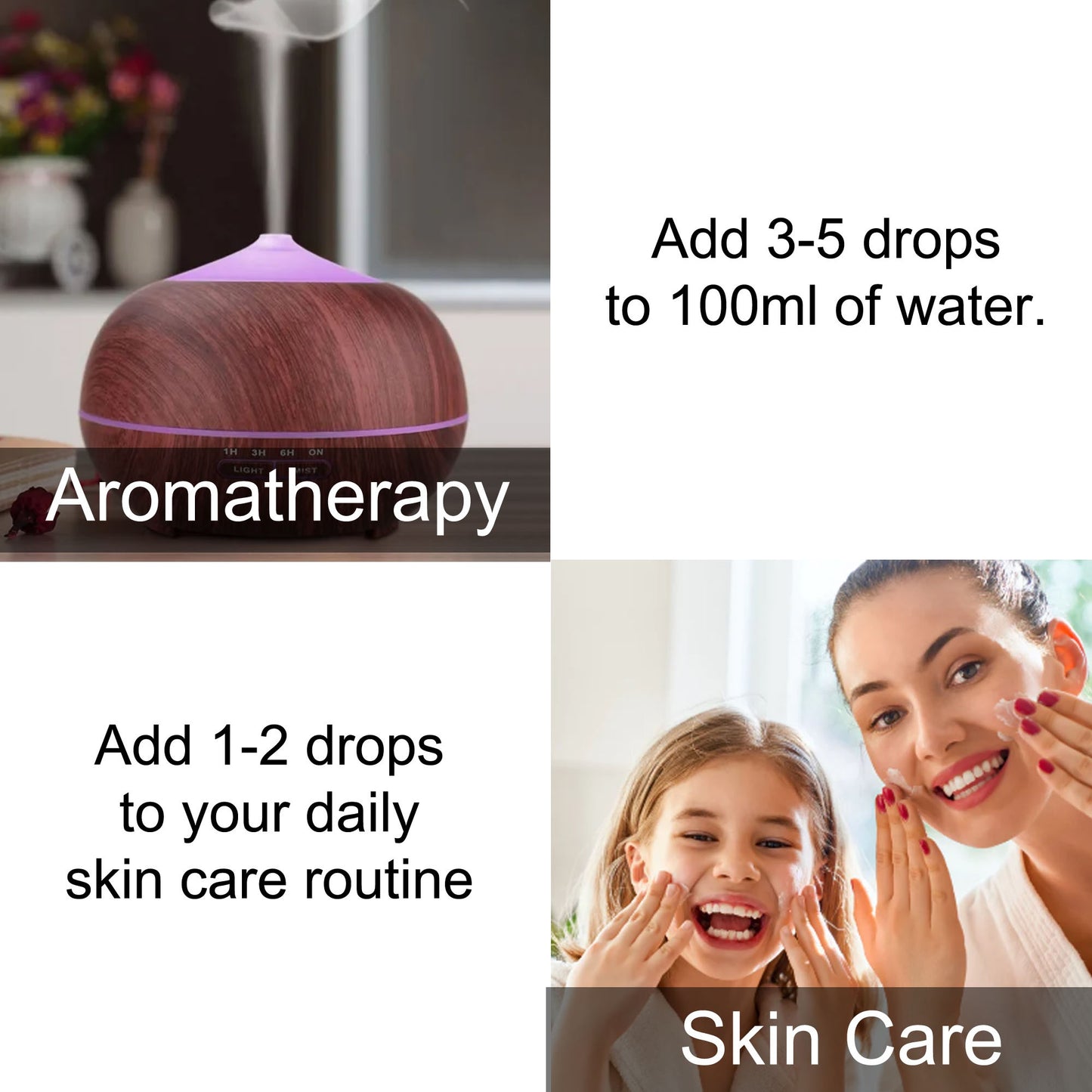
- Aromatic Diffusion: Diffusing aniseed oil clears stale aromas and creates a comforting, warm, liquorice-scented atmosphere throughout your living space.
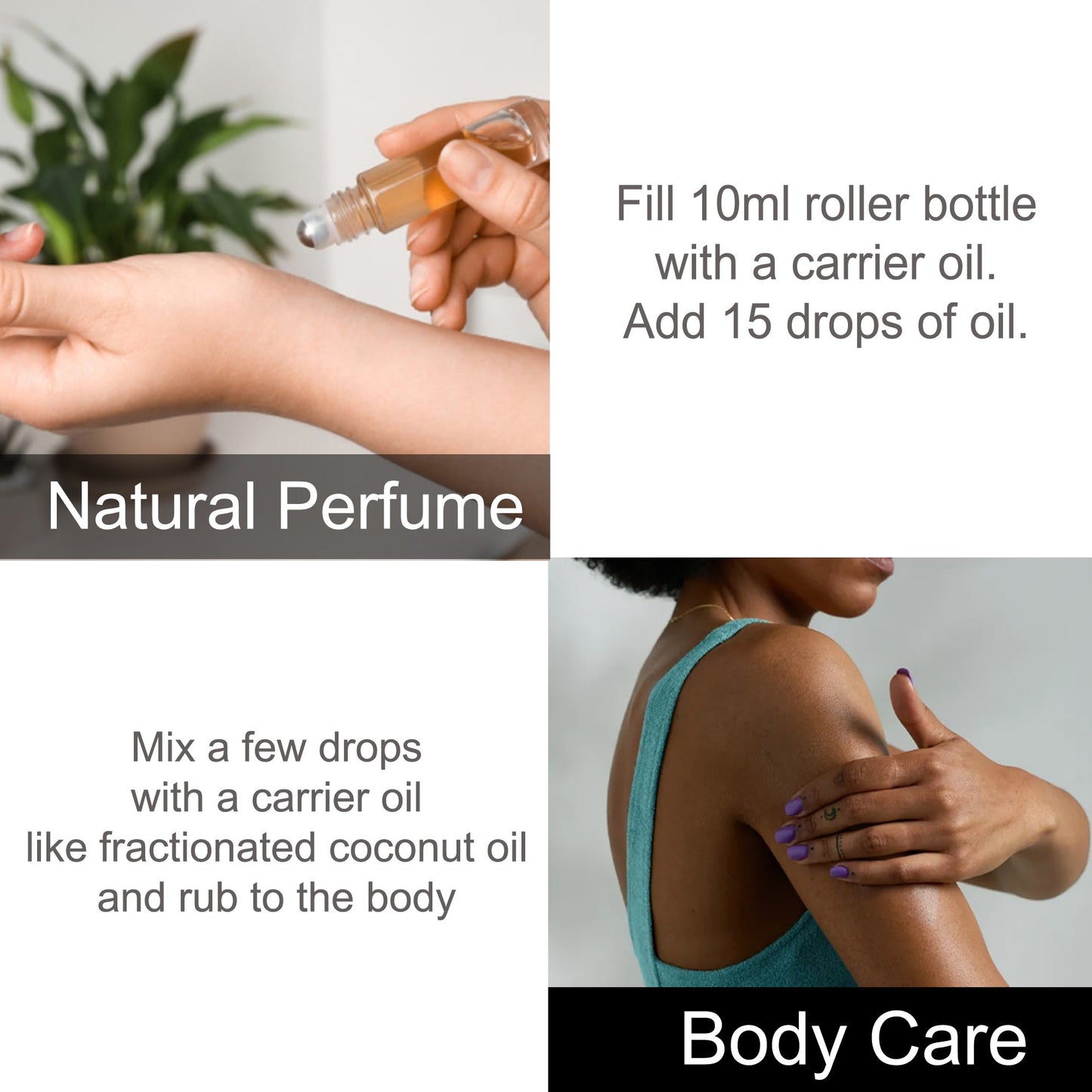
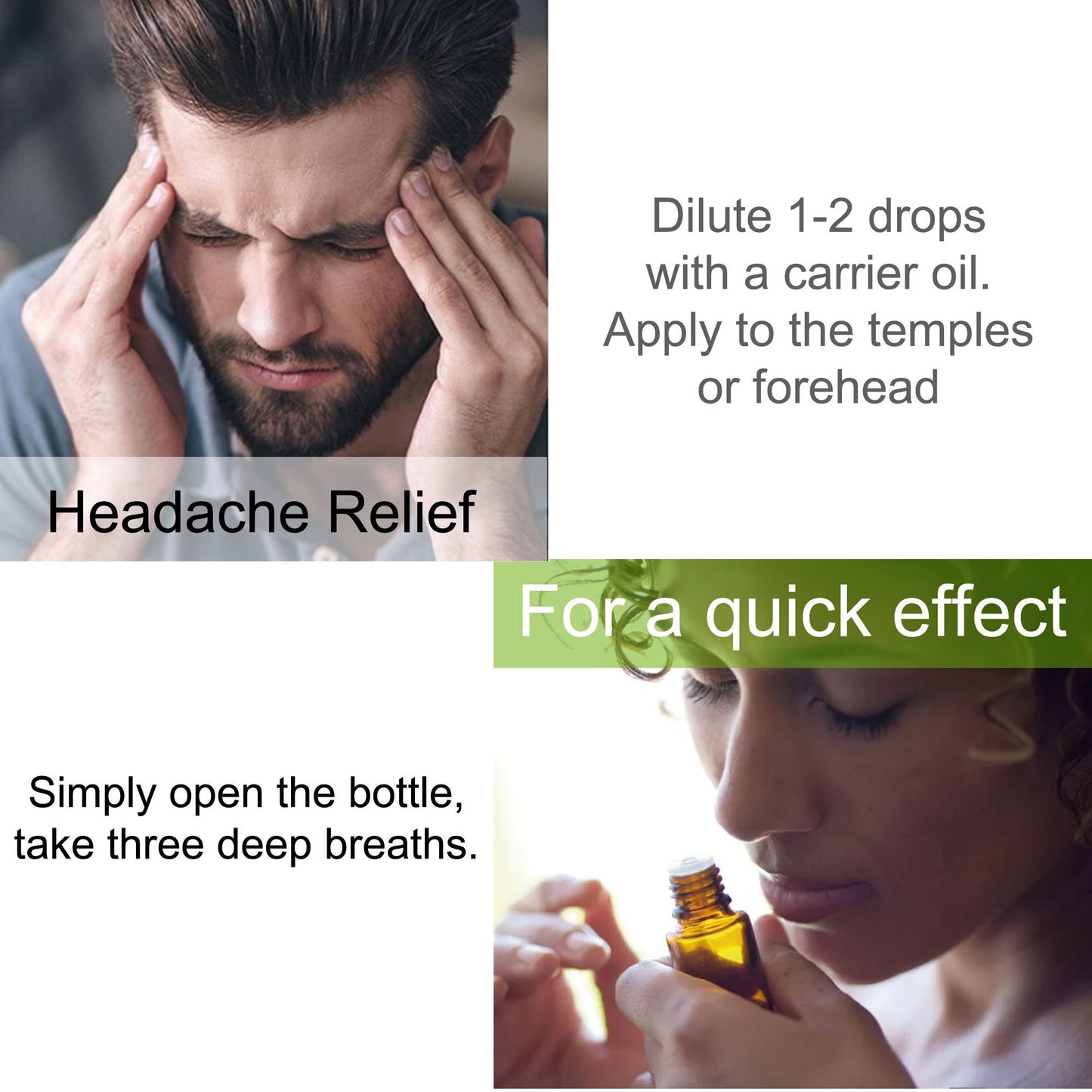
- Topical Comfort: Blended with a carrier oil, it provides soothing aromatic comfort when massaged gently over the abdomen and chest.
- Cosmetic Care: It is frequently added to botanical hair serums and cleansers to support healthy scalp clarity and shine.


Derived from the dried fruits of Pimpinella anisum, a flowering annual herb belonging to the Apiaceae botanical family, this distinct essence is obtained through careful steam distillation. The resulting Aniseed oil yields a rich, warm, and intensely sweet profile that has been valued in traditional botanical practices for centuries. In modern aromatherapy, the extract is prized for creating a deeply grounding and tranquil ambient environment.
When diffused into a living area or workspace, Aniseed helps to dispel lingering household odours while introducing a soothing, herbal sweetness that pairs exceptionally well with floral, citrus, and woody essences. Practitioners often incorporate it into bespoke diffuser blends designed for evening unwind rituals and peaceful contemplation. Its rich aromatic character brings a distinctive complexity to multi-oil botanical recipes.
Beyond aromatic diffusion, Aniseed essential oil is widely utilised in artisanal personal care and restorative massage rituals. When diluted in plant-based lipids, it imparts a gentle warming sensation that eases feelings of physical tightness. Formulators also incorporate the oil into botanical skin washes and balancing scalp preparations to harness its purifying qualities.
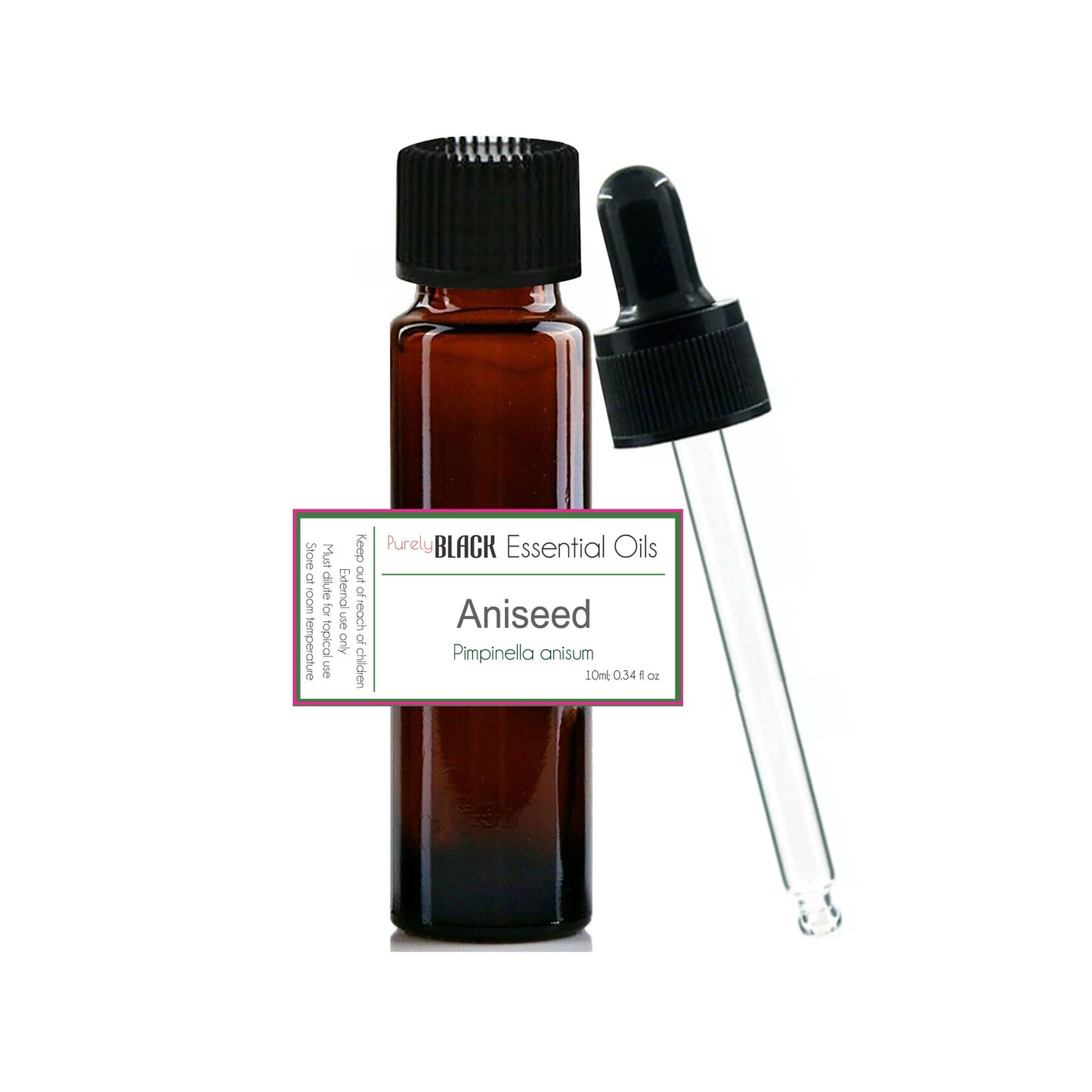
purelyBlack's pure aniseed oil is available as a 100% pure essential oil, dispatched from Sydney.
What does aniseed essential oil do to the body?
When experiencing physical tension or digestive sluggishness, many people turn to aniseed essential oil for soothing, warming topical and aromatic comfort.
The physiological action of Aniseed oil is predominantly driven by its unique phenylpropanoid chemistry, which is characterised by high concentrations of (E)-anethole. In fact, trans-anethole accounts for 80% to 95% of the total botanical profile, as demonstrated in a peer-reviewed constituent analysis. This naturally occurring aromatic molecule produces a mild, comforting warmth when absorbed through the skin in safe cosmetic dilutions.
Traditionally used in botanical practice to provide comfort for abdominal tension, gentle massage with diluted Aniseed oil helps create a relaxed, balanced feeling across the midsection. The natural antispasmodic aroma works holistically by calming sensory pathways while the topical massage stimulates gentle local circulation. This dual approach makes it a favourite component in restorative belly rubs and tension-relieving body oils.
From an olfactory perspective, inhaling the sweet vapour of Aniseed essential oil promotes a tranquil atmosphere that helps settle mental overactivity. In times of seasonal respiratory discomfort, inhaling the clarifying vapour during a warm steam session provides aromatic comfort to the chest and nasal passages. The presence of secondary compounds, including estragole and anisaldehyde, contributes to the overall soothing synergy of the extract.


What is the difference between anise oil and aniseed essential oil?
Aniseed essential oil is steam-distilled from herbaceous anise seeds, whereas anise oil often refers to oil distilled from star anise tree fruits.
- Botanical Origin: Aniseed derives from a flowering annual herb, while star anise originates from an evergreen tree native to Asia.
- Aroma Profile: Both share a liquorice note, but aniseed oil is softer and sweeter, whereas star anise is sharper and more pungent.
- Therapeutic Composition: While both contain trans-anethole, star anise possesses different trace terpenes, altering its overall aromatic density and performance.
Although the terms are frequently used interchangeably in retail environments, true Aniseed essential oil comes strictly from the herbaceous plant Pimpinella anisum, native to the eastern Mediterranean and Southwest Asia. Star anise oil, on the other hand, is extracted from the star-shaped seed pods of Illicium verum, a medium-sized evergreen tree indigenous to northeast Vietnam and southwest China. This fundamental distinction in botanical taxonomy leads to subtle but important variations in their aromatic depth.
While both botanical extracts are rich in trans-anethole, giving them their shared characteristic black liquorice bouquet, Aniseed oil delivers a cleaner, more delicate sweetness with subtle herbal undertones. Star anise tends to carry a sharper, more pungent, and slightly bitter spice note due to higher concentrations of trace sesquiterpenes. Aromatherapists generally prefer the refined softness of Aniseed for intimate topical applications and gentle personal blends.
Understanding this distinction ensures proper safety awareness, as star anise can occasionally be confused with toxic non-edible species such as Japanese star anise. By choosing certified Pimpinella anisum, enthusiasts ensure they are working with the classic European botanical renowned for centuries in traditional herbal practice. Both oils blend harmoniously with pine, fennel, wintergreen, and cypress when crafting purifying ambient blends.
Can you put aniseed essential oil on your skin?
Yes, you can apply aniseed essential oil to your skin, provided it is properly diluted in a nourishing carrier oil beforehand.
Because Aniseed oil contains highly concentrated phytochemicals, direct undiluted application to the skin can cause dermal irritation or sensitisation. Safe cosmetic practice requires blending the concentrated botanical into a gentle carrier such as Fractionated Coconut Oil prior to topical use. When blended at appropriate ratios, the botanical supports a healthy complexion and provides soothing comfort to tired muscles.
A standard adult dilution rate of 1% to 2% is generally recommended for topical application, with a conservative maximum dermal limit of 2.4% to avoid skin irritation. Always perform a patch test by applying a single drop of diluted oil to the inner forearm and observing the area for twenty-four hours. If redness, itching, or irritation develops, discontinue use immediately and cleanse the area with plain vegetable oil.
| Application Purpose | Dilution Rate | Drops per 30ml Carrier Oil |
|---|---|---|
| Facial Care & Complexion | 0.5% – 1% | 3 to 6 drops |
| Abdominal & Chest Massage | 1.5% – 2% | 9 to 12 drops |
| Targeted Muscle Rub | 2% – 2.4% | 12 to 14 drops |
Never apply Aniseed essential oil to broken, inflamed, or sensitive skin, and avoid contact with the eyes, ears, and mucous membranes. Individuals with sensitive skin types or oestrogen-dependent health considerations should consult a qualified health professional prior to topical application. Storing your diluted skin blends in amber glass bottles away from sunlight helps preserve their chemical integrity and prevents oxidation.
Is aniseed essential oil good for your hair?
Yes, aniseed essential oil is beneficial for hair health by refreshing the scalp, balancing oiliness, and enhancing natural hair shine.
Incorporating Aniseed essential oil into your hair care routine is an effective way to maintain scalp hygiene and invigorate sluggish roots. The purifying properties of the botanical help cleanse the scalp of environmental residue and product build-up. Its naturally balancing profile assists in regulating sebum production, making it especially beneficial for individuals experiencing greasy roots or an irritated scalp.
To use Aniseed for hair care, mix one to two drops into your regular palmful of botanical shampoo or conditioner before washing. Alternatively, you can formulate an intensive pre-wash scalp tonic by blending four drops of pure Aniseed oil into 30ml of lightweight jojoba or argan oil. Gently massaging this blend into the scalp for five minutes before showering encourages local microcirculation and imparts a vibrant, healthy lustre to hair strands.
To understand maximum usage limits and safety precautions, read our companion guide: Is Aniseed Essential Oil Safe? Side Effects and Who Should Avoid It.
To explore similar profiles, discover these pure purelyBlack creations: Holy Basil Oil, Eucalyptus Oil, and Tangerine Oil — each dispatched from Sydney.
About the Author
Written by H.R. Kim
Founder at purelyBlack — an Australian-owned perfumery and botanical studio based in Sydney. H.R. specialises in scent profiling and natural ingredient sourcing, meticulously balancing premium fragrance oils and 100% pure essential oils to create elevated aromatic experiences.
Last updated: August 2026
Disclaimer: purelyBlack essential oils are for external use and aromatherapy purposes only. They are not intended to diagnose, treat, cure, or prevent any disease. Always dilute with a carrier oil before topical application and consult a healthcare professional if pregnant or under medical supervision.
