

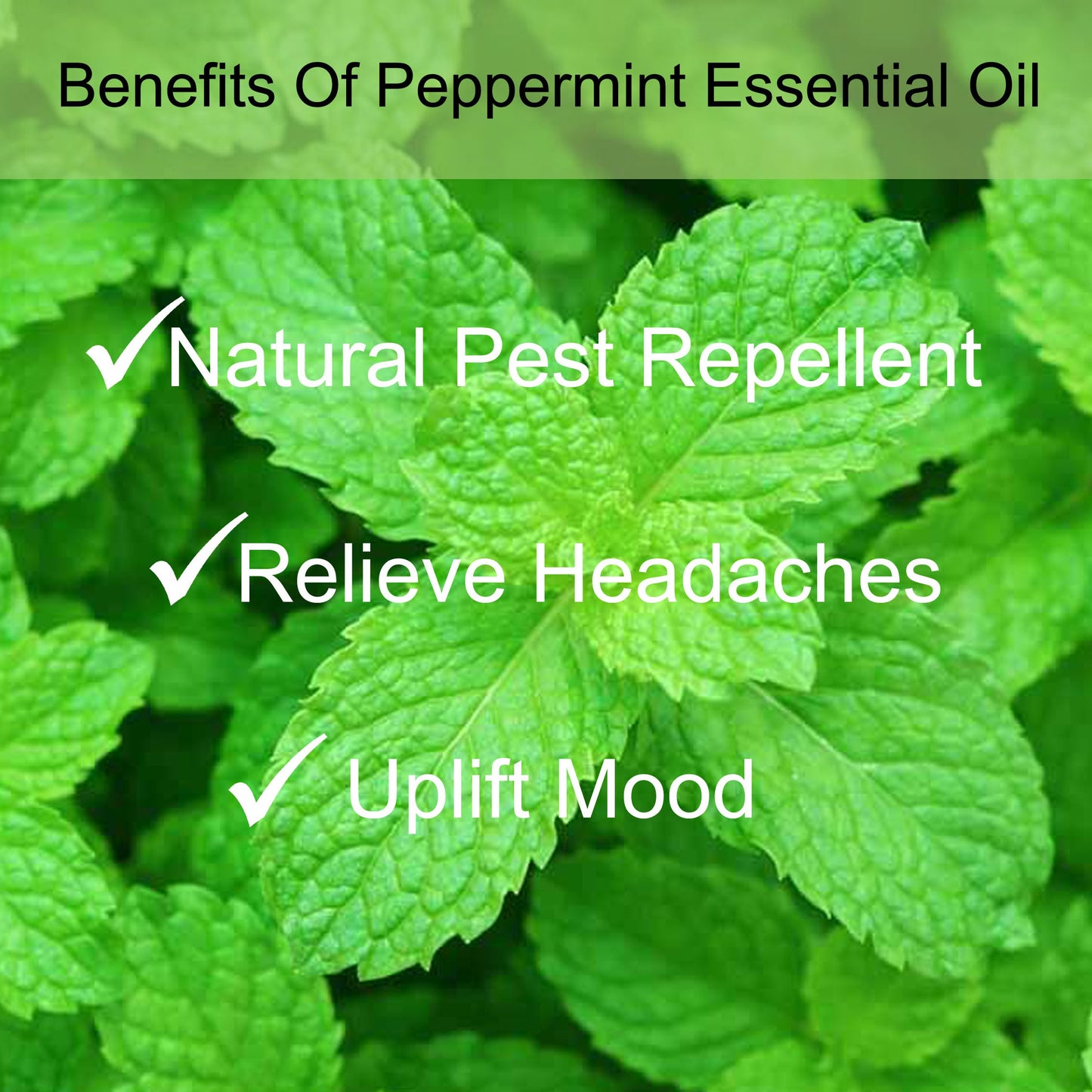
What Is Peppermint Essential Oil? Benefits, Uses & How to Use It
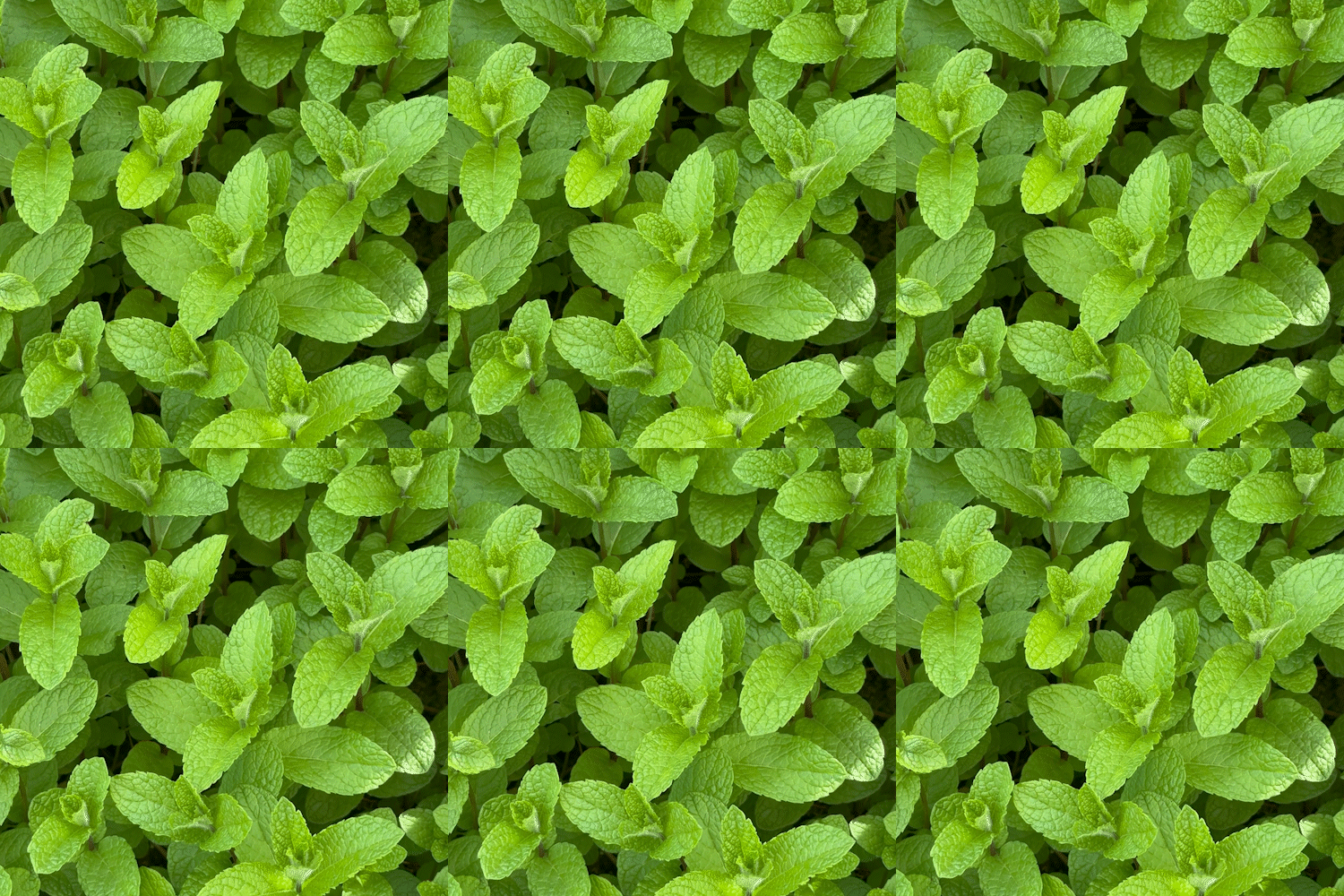
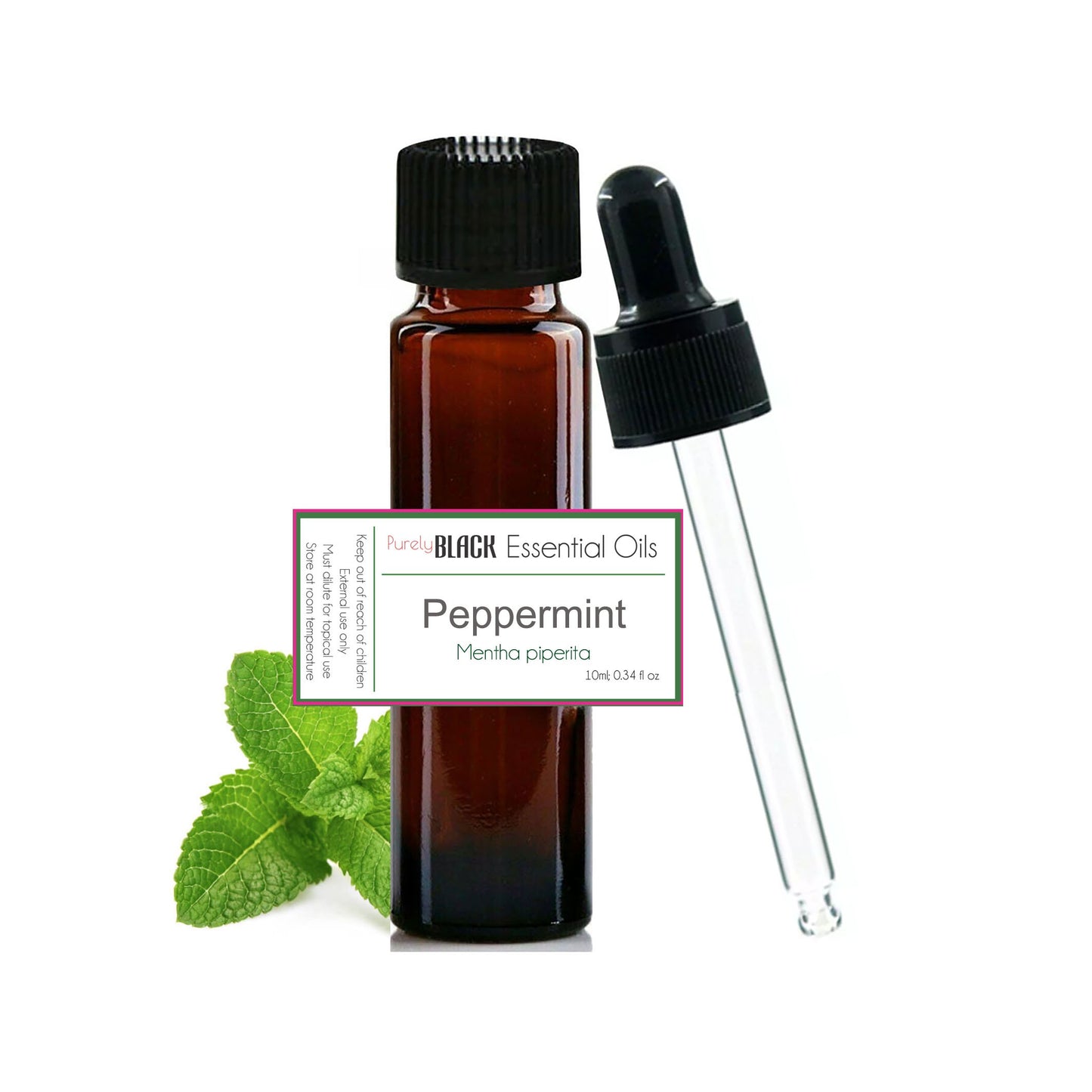
 Peppermint essential oil is a highly concentrated botanical extract steam-distilled from the leaves and flowering tops of the Mentha piperita plant. Renowned for its intense, cooling aroma, this versatile oil is widely used in aromatherapy to promote mental clarity, refresh indoor spaces, and provide a cooling sensation when applied topically.
Where does Peppermint essential oil come from?
Peppermint is a natural hybrid of watermint (Mentha aquatica) and spearmint (Mentha spicata). It belongs to the Lamiaceae family, a botanical group known for its highly aromatic culinary and therapeutic herbs. While native to Europe and the Middle East, the plant thrives in moist, temperate climates, with premium commercial cultivation concentrated in India and the United States.
What does Peppermint oil smell like?
Peppermint oil features a powerfully fresh, sharp, and penetrating menthol aroma with sweet, herbaceous undertones. Its initial scent profile is intensely cool and minty, which transitions into a cleaner, softer green note as it diffuses in a room. In aromatherapy, it is classified as a top note, meaning it provides an immediate, invigorating burst of fragrance that revitalises any environment.
This punchy character makes it an excellent choice for cutting through heavy, stagnant atmospheres. It brings a bright, clean lift to custom blends without overpowering softer underlying notes when used in moderation.
What are the key constituents of Peppermint essential oil?
The therapeutic and aromatic properties of this oil are determined by its complex chemical profile. Below are the primary naturally occurring constituents found in high-quality batches.
| Constituent | % Range | Character |
|---|---|---|
| Menthol | 30% – 50% | Cooling, refreshing, minty |
| Menthone | 14% – 32% | Sharp, woody, energising |
| Menthofuran | 1% – 9% | Sweet, musty, deep herb-like |
| 1,8-Cineole | 3% – 8% | Camphorous, fresh, clarifying |
| Menthyl acetate | 2% – 10% | Sweet, herbal, fruity-minty |
| Isomenthone | 1.5% – 10% | Minty, herbal, uplifting |
How is Peppermint essential oil extracted?
Peppermint essential oil is extracted using steam distillation, a gentle, time-tested method that preserves the plant's volatile aromatic compounds. During this process, pressurised steam passes through the freshly harvested leaves and flowering tops of the herb. The heat causes the plant's microscopic glands to release their essential oils, which rise with the steam into a condenser.
Once cooled, the steam reverts to liquid water while the essential oil collects on the surface. Because oil and water do not mix, the pure essential oil is easily separated from the hydrosol, ensuring a highly concentrated final product.
How do you use Peppermint oil?
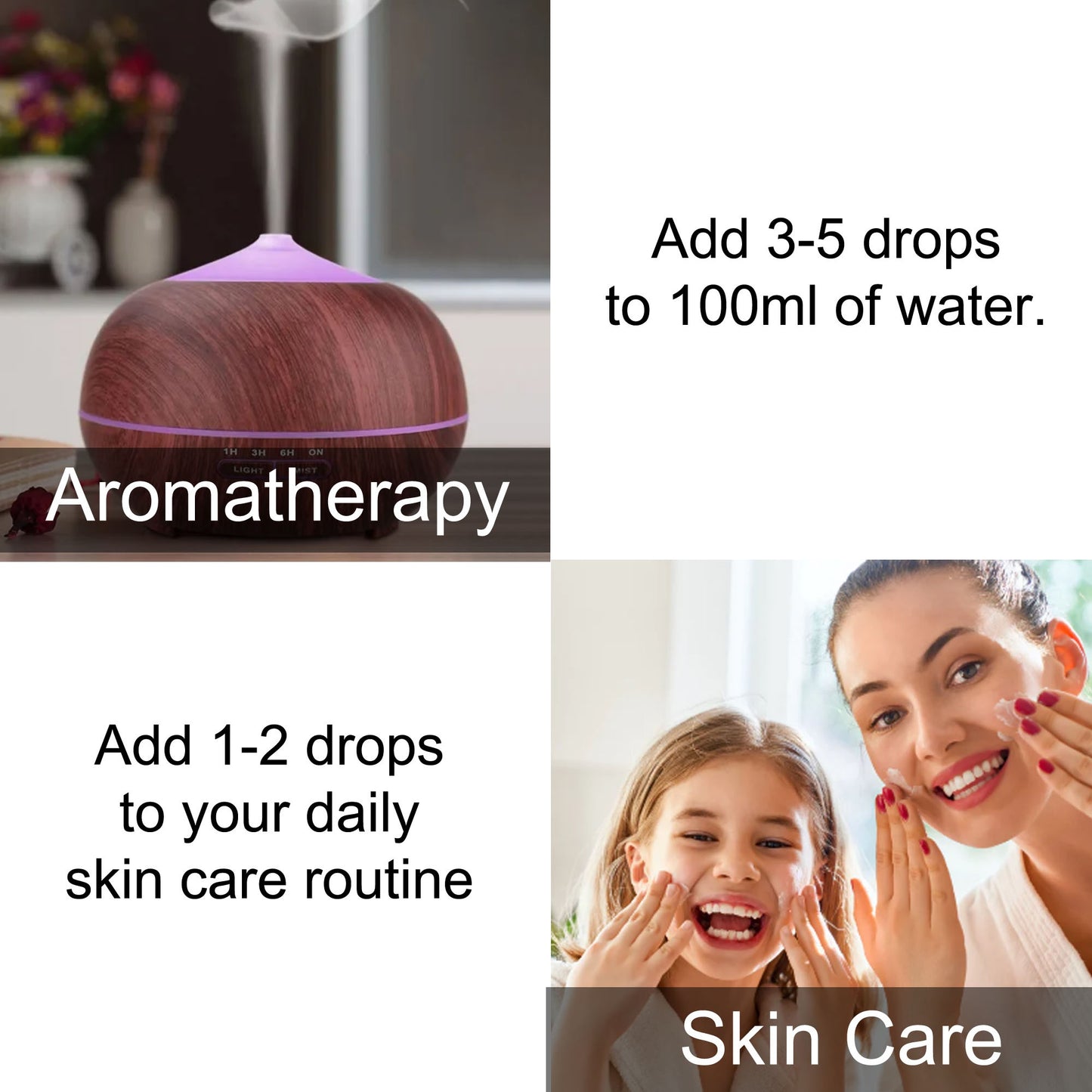
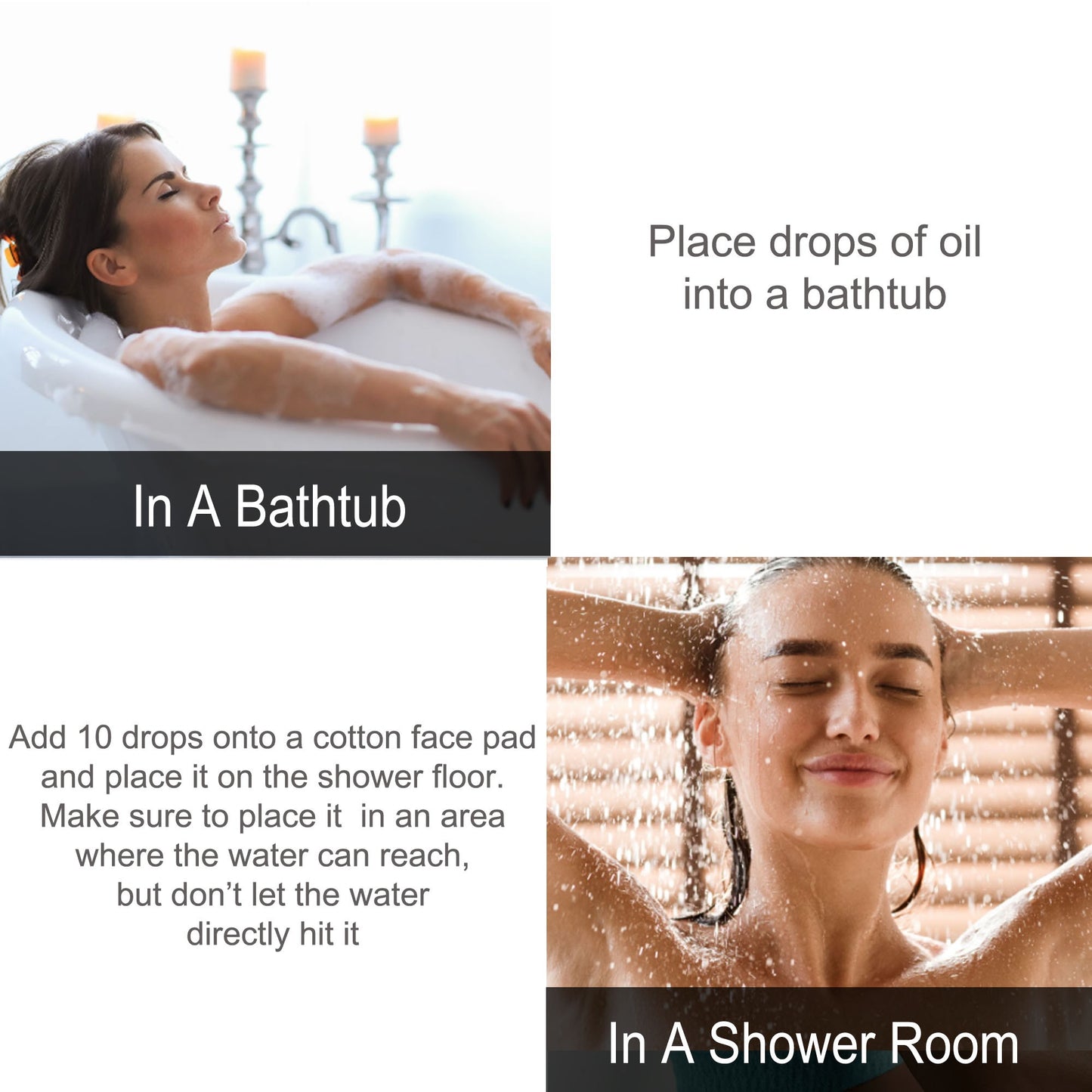
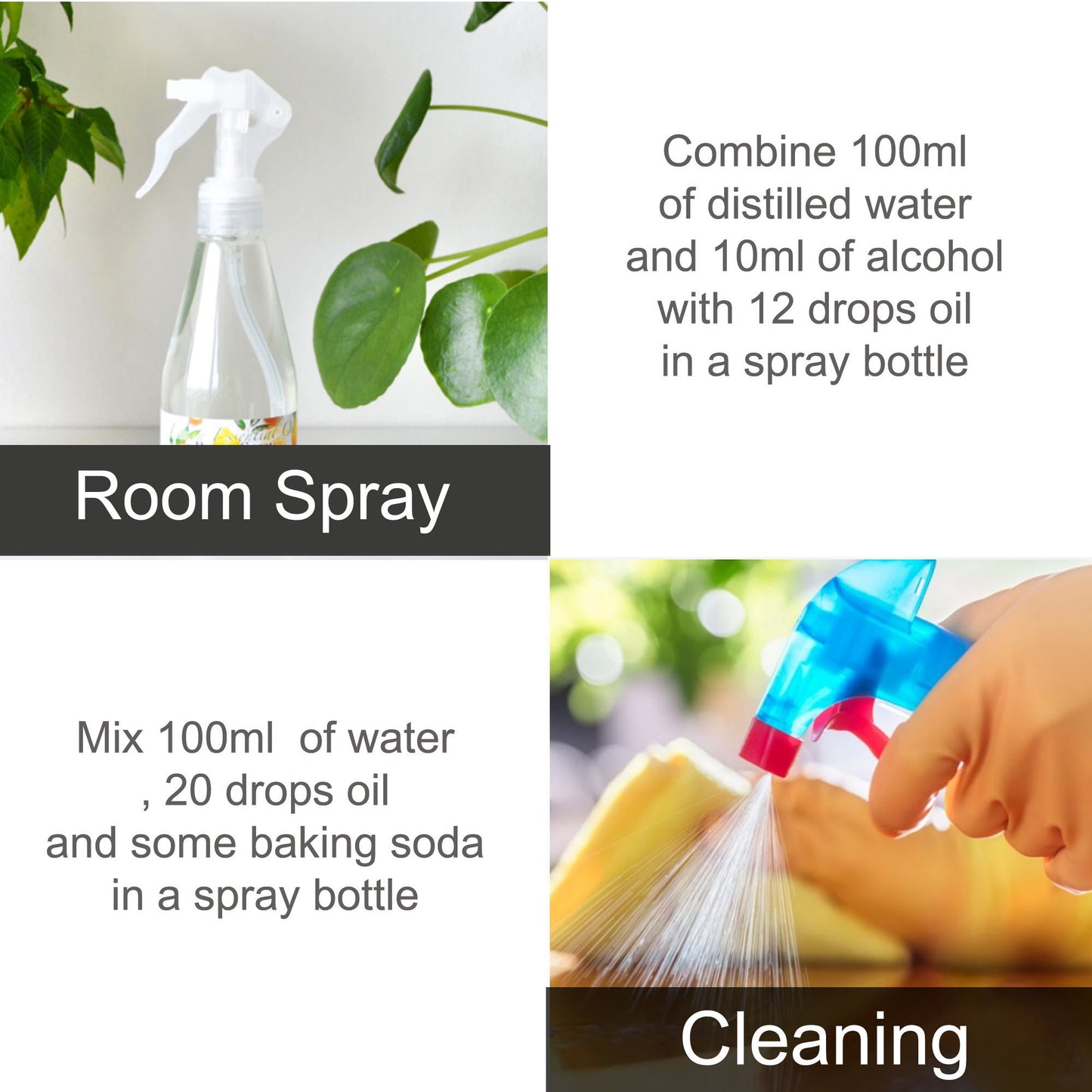
Peppermint oil is exceptionally versatile and can be diffused or applied topically to enjoy its refreshing properties. To clear the air and encourage focus, add 3 to 5 drops to your ultrasonic diffuser. The fresh vapour helps create an active, energising atmosphere during work or study sessions.
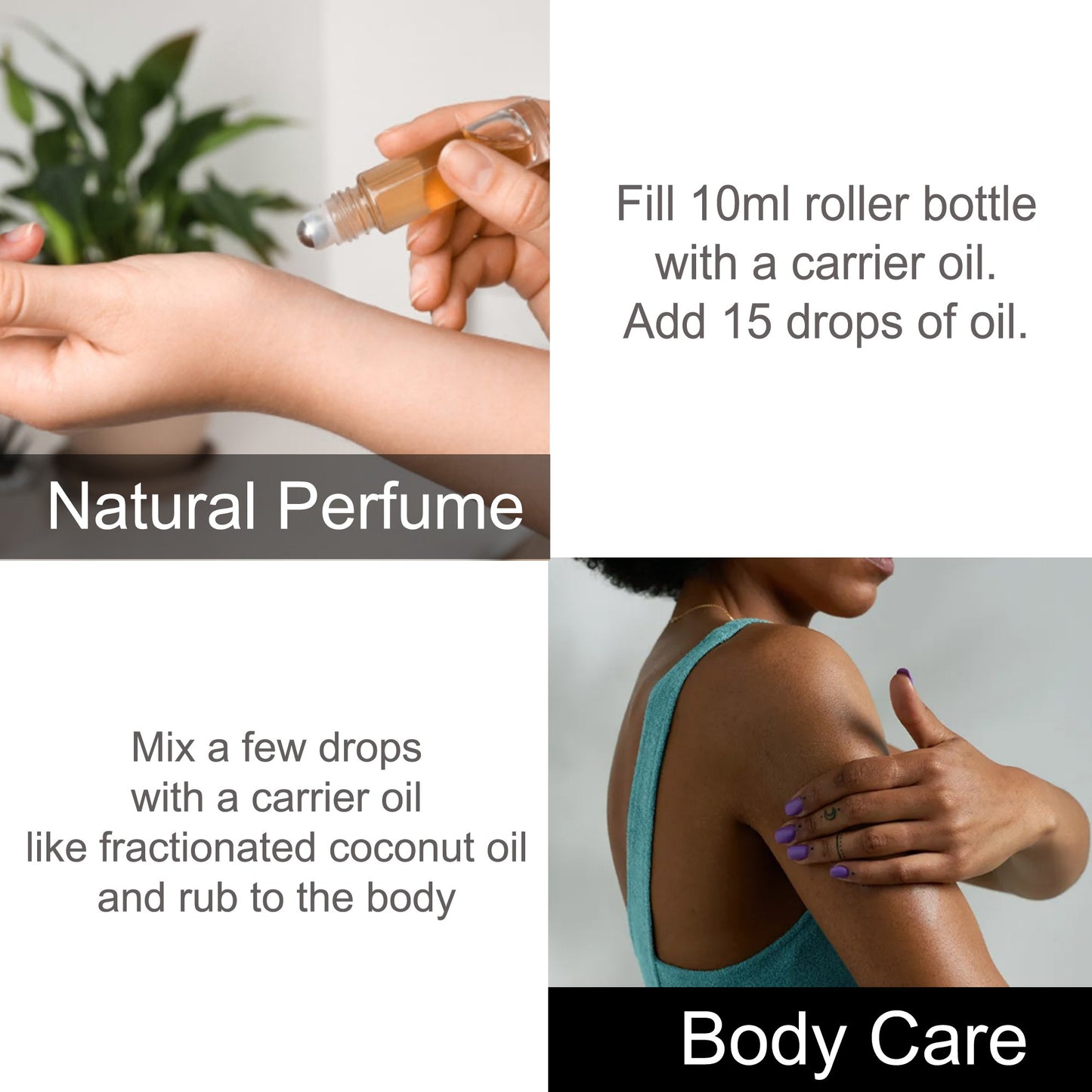
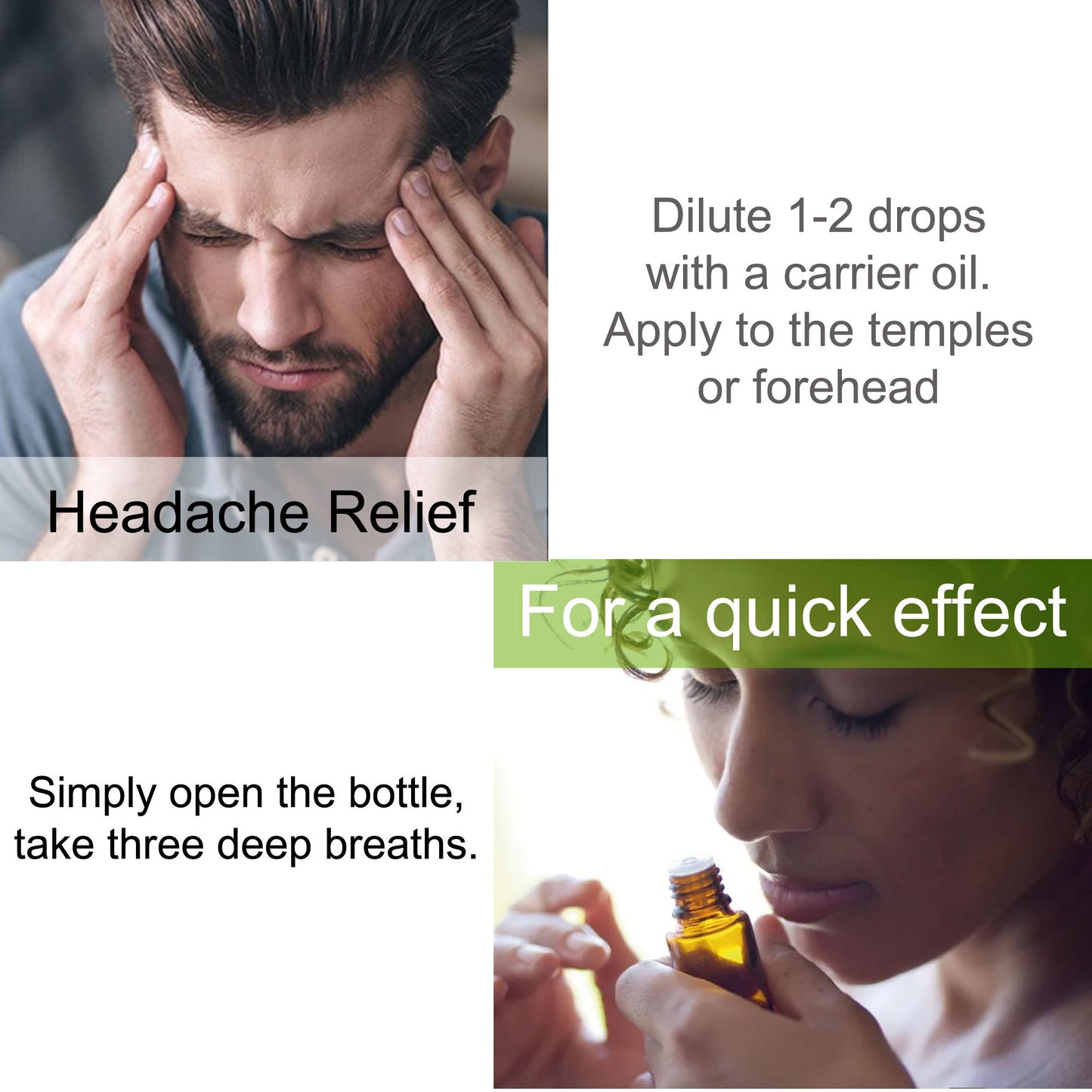
For topical applications, always dilute the product to prevent skin irritation. Following NAHA guidelines, mix the essential oil with a nourishing carrier oil, such as fractionated coconut oil, at a 1% to 2% dilution ratio. This equates to roughly 6 to 12 drops of essential oil per 30ml of carrier oil. Never use this oil for culinary purposes, and avoid ingestion in any form, as concentrated essential oils can cause internal discomfort.
What does Peppermint oil blend well with?
- Lavender: Softens the sharp, minty edges with a calming, floral harmony.
- Eucalyptus: Amplifies the camphorous, clearing qualities for an ultra-fresh sensory experience.
- Lemon: Adds a bright, zesty citrus lift that boosts motivation and focus.
- Rosemary: Complements the herbaceous undertones to support cognitive clarity and alertness.
- Frankincense: Grounds the volatile mint notes with a rich, resinous, and warm base.
Is Peppermint essential oil safe?
While safe for general lifestyle use, its high menthol content demands respectful application. Always perform a patch test on a small area of skin before widespread topical use, and maintain strict dilution ratios. Pregnant or nursing individuals should consult a qualified healthcare professional before incorporating it into their routines.
Because menthol can impact breathing patterns in young children, avoid using this oil on or near the faces of babies and children under six years old. Always store your essential oils in a cool, dark place out of reach of pets and children to preserve their chemical stability and safety.
Where to buy Peppermint essential oil in Australia
For those looking to source authentic Peppermint essential oil in Australia, purelyBlack provides batch-tested, unadulterated botanical products. Sourced responsibly from ethical global growers, each bottle is prepared to meet professional aromatherapy standards, bringing natural vitality directly to your Australian home.
Explore Our Peppermint Oil Guides
- How to Use Pure Peppermint Oil for DIY Pest Control Spray in Australia
- How to Use Pure Peppermint Oil for Headaches and Tension Relief in Australia
- How to Use Pure Peppermint Oil for Cooling Muscle Comfort in Australia
Disclaimer: This information is for educational purposes only. These statements have not been evaluated by the Therapeutic Goods Administration (TGA), and this product is not intended to diagnose, treat, cure, or prevent any disease. Always consult a healthcare professional before use.
About the Author: Formulated & Written by H.R. Kim
Founder at purelyBlack — an Australian-owned botanical perfumery and essential oil supplier based in Sydney. Blending a deep knowledge of molecular ingredient chemistry with holistic aromatherapy, H.R. specialises in creating harmonious, safe, and effective essential oil blends for natural home fragrance, cosmetic balancing, and daily wellness.
