

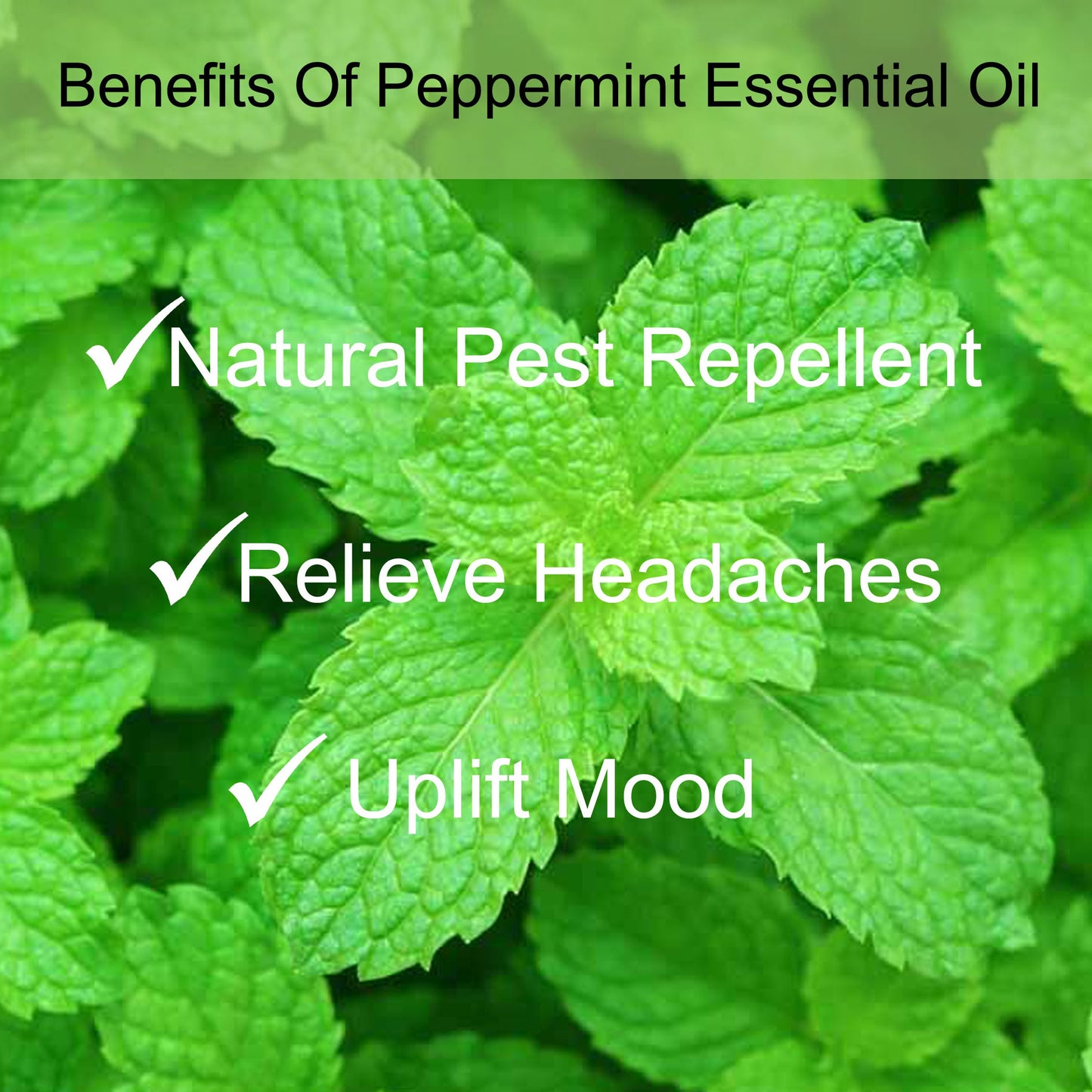
How to Use Peppermint Oil to Repel Rats and Insects
What will peppermint oil keep away?
Peppermint oil effectively deters rodents like rats and mice, as well as insects including spiders, ants, mosquitoes, flies, and roaches.
- Rodents and Mice: Strong aromatic scents overpower their sensitive sense of smell, forcing rats and mice to abandon nesting sites.
- Crawling Insects: Pungent botanical vapours create an invisible barrier that disrupts trail pheromones for ants, spiders, and cockroaches.
- Flying Pests: Concentrated volatile compounds confuse flying insects like mosquitoes and gnats, preventing them from landing on target areas.


Botanical Mechanism of Action
Derived from the steam-distilled flowering tops and leaves of Mentha x piperita, an aromatic plant in the Lamiaceae family, Peppermint essential oil contains strong natural repellents. Its volatile organic constituents interact directly with the sensitive olfactory receptors of small mammals and insects. While humans enjoy the invigorating scent, pests interpret the sharp menthol atmosphere as an immediate environmental hazard.
In Australian households, cooler weather frequently encourages pests to shelter inside roof spaces, wall cavities, and pantries. Diffusing or spraying Peppermint provides an accessible method for establishing pest-free zones across indoor environments. Combining Peppermint with other aromatic herbs like Eucalyptus or Caraway creates a versatile fragrant shield around home perimeters.
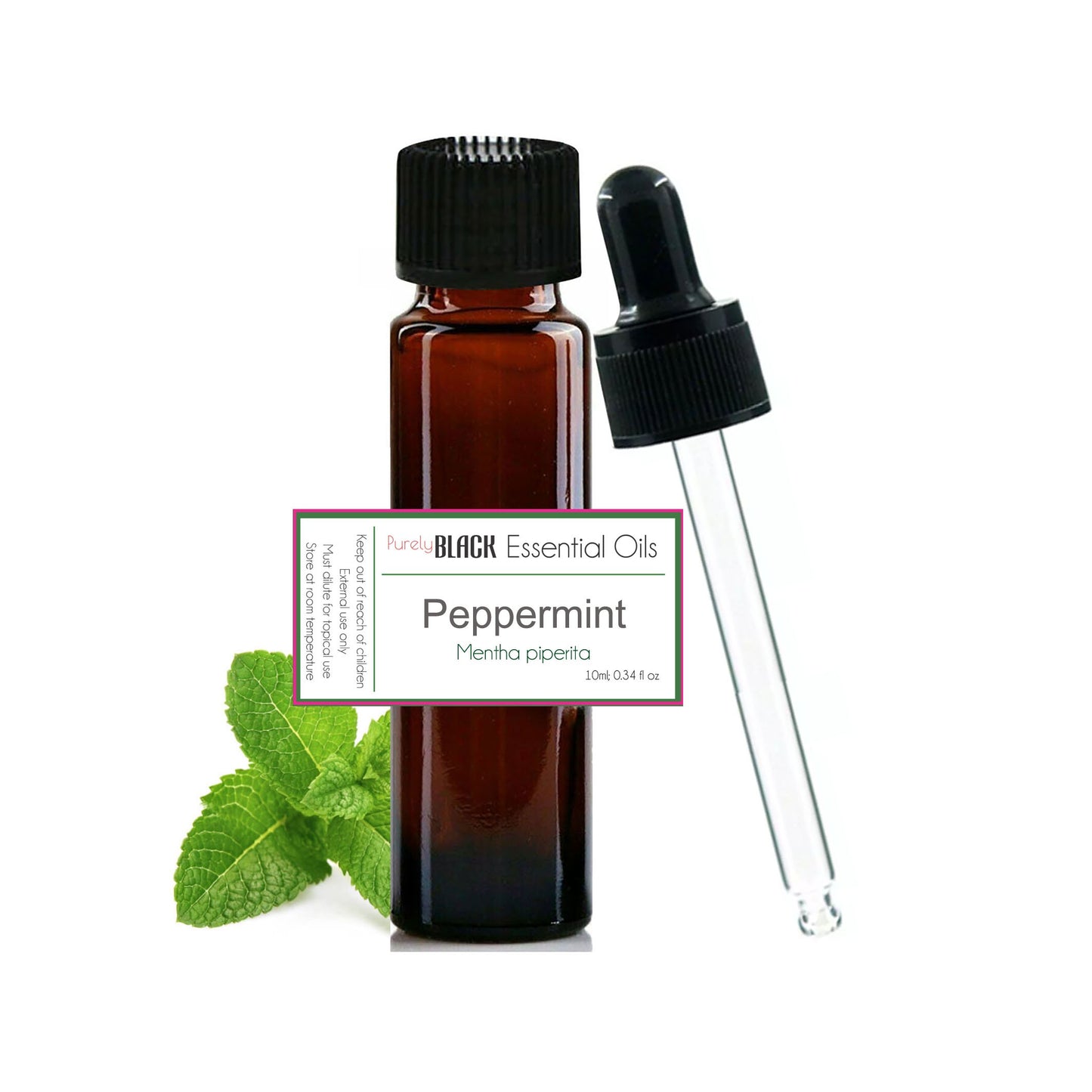
purelyBlack's pure peppermint oil is available as a 100% pure essential oil, dispatched from Sydney.
How do you mix peppermint oil for rats?
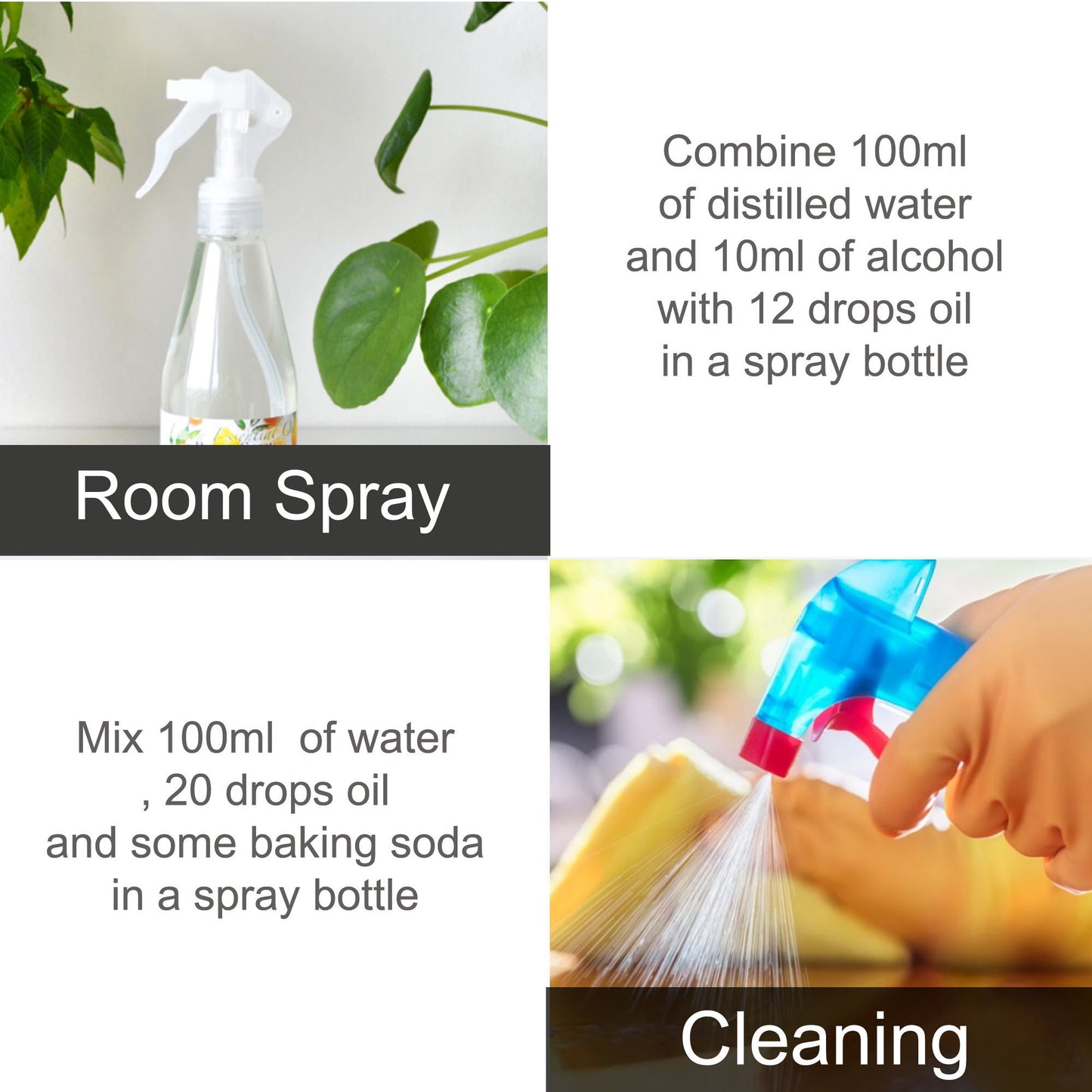
Mix fifteen to twenty drops of peppermint oil with one cup of water and a teaspoon of dish soap in a spray bottle.
| Application Method | Peppermint Oil Concentration | Base Carrier / Solvent |
|---|---|---|
| Perimeter Surface Spray | 15–20 drops | 250 ml Water + 1 tsp Liquid Soap |
| Localized Cotton Pad Treatment | 5–10 drops (undiluted) | 1 Raw Cotton Pad or Ball |
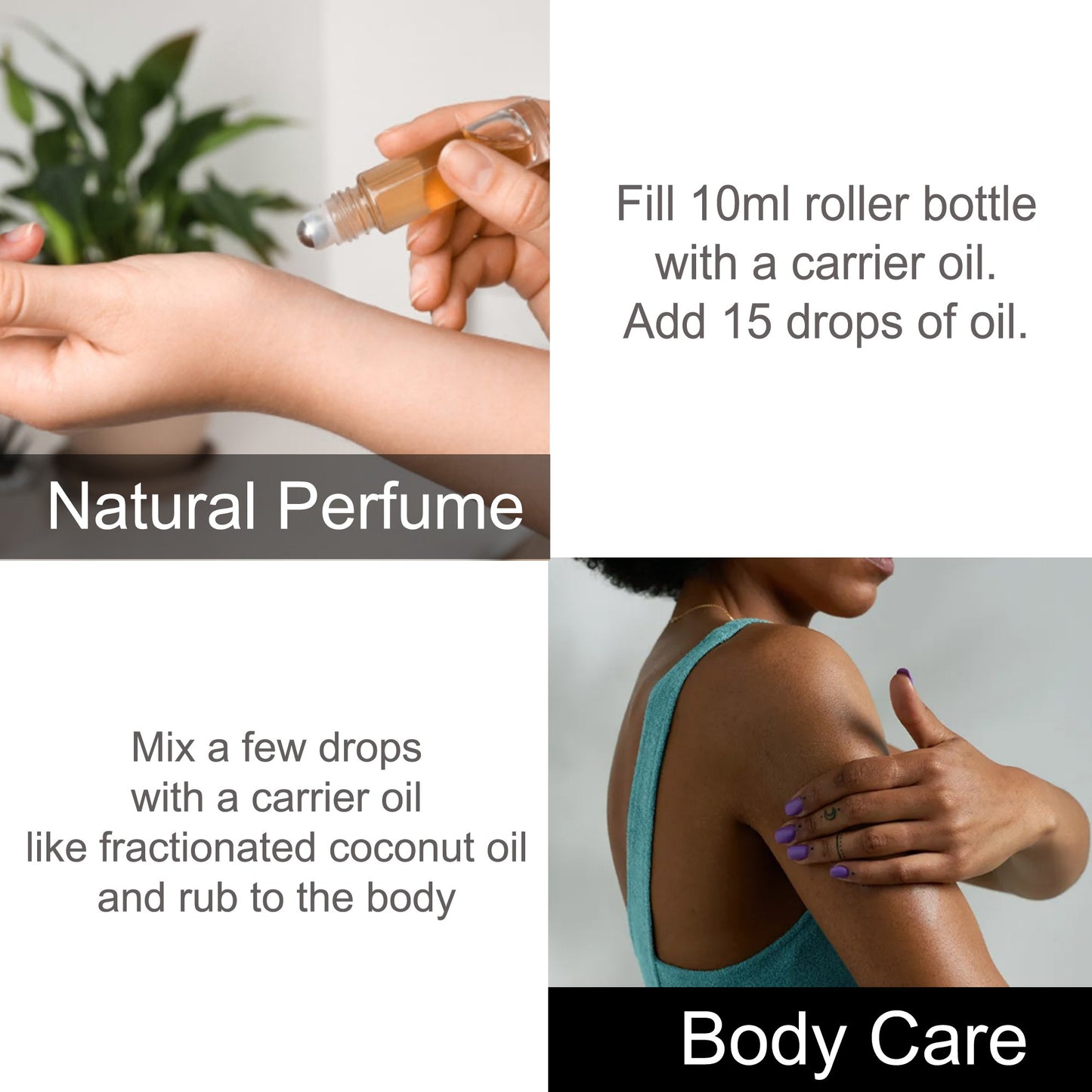
| Topical Outdoor Spray | 6–12 drops | 30 ml Fractionated Coconut Oil |
Formulating a Spray Barrier
Because botanical oils naturally float on water, combining them requires a mild emulsifier. Adding a few drops of dish soap or Organic Witch Hazel Extract breaks surface tension, ensuring even distribution throughout the bottle. Shake the spray bottle vigorously before each application to maintain an even dispersion.
Peppermint essential oil contains high natural levels of menthol (30–50%) and menthone (15–30%), as detailed in published phytochemical research. These active terpenes produce a strong vapour that lingers on non-porous household surfaces. Spray thoroughly along door sills, subfloor access panels, and garage perimeters to keep rodents out.
Undiluted Cotton Ball Method
For secluded areas where liquids evaporate too quickly, direct application onto absorbent cotton balls offers longer deterrence. Place saturated cotton pads directly inside dark cupboards, crawl spaces, and near electrical conduits. The thick cotton fibres absorb the liquid and slowly release fragrant vapours into enclosed spaces.


How long does peppermint oil keep rats away?
Peppermint oil keeps rats away for three to seven days before the volatile aromatic compounds evaporate and require fresh reapplication.
- Spray Longevity: Liquid surface sprays remain active for two to three days before ambient air currents dissipate the fragrance.
- Cotton Ball Saturation: Direct oil drops on cotton pads stay potent for up to one week in sheltered indoor spaces.
- Outdoor Dissipation: Exterior applications degrade rapidly within twenty-four hours due to wind exposure, heat, and direct sunlight.
Environmental Factors Influencing Persistence
The operational lifespan of Peppermint oil depends heavily on ambient temperature, airflow, and surface porosity. Higher temperatures accelerate the evaporation of light aromatic terpenes, requiring more frequent application. In sheltered areas like subfloors and dark cupboards, the scent remains strong for longer periods.
Porous materials like timber absorb the aromatic liquid and sustain the fragrance longer than tile or glass. However, dust accumulation over time can mask the volatile molecules, reducing overall effectiveness. Routine cleaning of target areas prior to treatment ensures optimal fragrance distribution.
Establishing a Reapplication Schedule
To maintain an effective barrier against nocturnal pests, apply fresh spray every three days during high-risk seasons. Replace saturated cotton pads weekly or whenever the crisp menthol scent starts to fade. Consistency is essential when using plant-based deterrents to prevent rodents from returning.
How to apply peppermint oil to deter rats?
Apply peppermint oil by spraying diluted mixtures along wall perimeters or placing saturated cotton balls near known entry holes and nests.
- Inspect and Clean: Identify rodent entry points and clean away droppings or food residue prior to applying botanical repellents.
- Mix the Solution: Combine water, dish soap, and Peppermint essential oil into a clean spray bottle and shake thoroughly.
- Apply to Perimeter: Spray perimeter skirting boards, entry doorways, and gaps around piping twice weekly to maintain deterrence.
- Place Cotton Pads: Saturate cotton balls with neat oil and position them directly inside dark cabinets, roof cavities, and voids.
Targeting Key Indoor Entry Points
Rats prefer traveling along secure edges rather than open floor spaces. Direct your spray along skirting boards, behind heavy appliances, and around internal plumbing cutouts. Pay special attention to quiet storage zones where boxes and papers provide potential nesting material.
Sealing external gaps with steel mesh before applying Peppermint oil establishes an effective defense system. Rodents cannot chew through the metal wire, while the surrounding aromatic atmosphere discourages them from attempting entry.
Protecting Outdoor Voids and Machinery
Outbuildings, engine bays, and garden sheds offer ideal shelter for outdoor pests. Spraying vehicle tire arches and subfloor frames discourages rats from nesting near wiring looms during cold weather. For outdoor insect protection, blending Peppermint with Lemon Eucalyptus Oil creates a broad-spectrum outdoor shield.
What do rats do when they smell peppermint oil?
Rats experience intense olfactory sensory overload from peppermint oil, causing them to immediately retreat and seek clear air elsewhere.
Sensory Overload and Behavioral Response
Rodents rely primarily on their acute sense of smell to navigate, forage, and detect hidden danger in darkness. Concentrated menthol triggers chemical receptor cells within their nasal cavities, creating disorientation and intense irritation. Unwilling to remain in an overwhelming sensory environment, rats flee the treated area in search of neutral air.
Unlike toxic chemical baits, botanical repellents discourage pest activity without leaving hazardous residues around your home. This humane mechanism encourages rodents to move away naturally without endangering domestic pets or native wildlife. Regular application reinforces the boundary, training local rodent populations to avoid your property altogether.
Integrated Pest Prevention Strategies
While pure Peppermint oil works well as a scent repellent, combining it with good housekeeping yields the best results. Store dry grain, pet foods, and pantry items inside airtight glass or metal containers. Promptly wipe away grease spills and repair dripping taps to eliminate accessible water sources.
Integrating additional botanical oils such as Tea Tree Oil or Bay Laurel Oil into your cleaning routine promotes a fresh home environment while keeping pests away naturally.
For more natural pest management tips and botanical guides, read our related article: What Is Peppermint Oil Used For? Complete Aromatherapy Guide.
To explore similar profiles, discover these pure purelyBlack creations: Pine Oil and Peru Balsam Oil — each dispatched from Sydney.
Explore our complete range of Pure Essential Oils Australia for natural home care solutions.
Related Reading
For more on peppermint oil, see our companion guides: What Is Peppermint Essential Oil Used For? Complete Aromatherapy Guide. Peppermint Oil Roll On: How to Use It for Tension and On-the-Go Comfort.
About the Author
Written by H.R. Kim
Founder at purelyBlack — an Australian-owned perfumery and botanical studio based in Sydney. H.R. specialises in scent profiling and natural ingredient sourcing, meticulously balancing premium fragrance oils and 100% pure essential oils to create elevated aromatic experiences.
Last updated: August 2026
Disclaimer: purelyBlack essential oils are for external use and aromatherapy purposes only. They are not intended to diagnose, treat, cure, or prevent any disease. Always dilute with a carrier oil before topical application and consult a healthcare professional if pregnant or under medical supervision.
