


Traditional Botanicals: Soothing Oils for Physical Comfort
What essential oils are good for inflammation?
When experiencing inflammation or physical discomfort, many people traditionally turn to Copaiba, Frankincense, Lavender, and Peppermint in botanical practice — each has a long history of traditional aromatic and topical use for physical comfort. Copaiba in particular is one of the most highly regarded oils in traditional botanical practice for joint and muscle comfort support.


Here's an overview of the oils most traditionally associated with physical comfort in botanical practice:
Copaiba (Copaifera officinalis, Fabaceae)
Steam-distilled from South American oleoresin, Copaiba contains one of the highest known concentrations of beta-caryophyllene (up to 55%) of any essential oil — a sesquiterpene with a long history of traditional use in botanical practice for physical comfort. It has a soft, woody, mildly balsamic aroma and is one of the gentler oils for topical use when diluted in a carrier.
Frankincense (Boswellia serrata, Burseraceae)
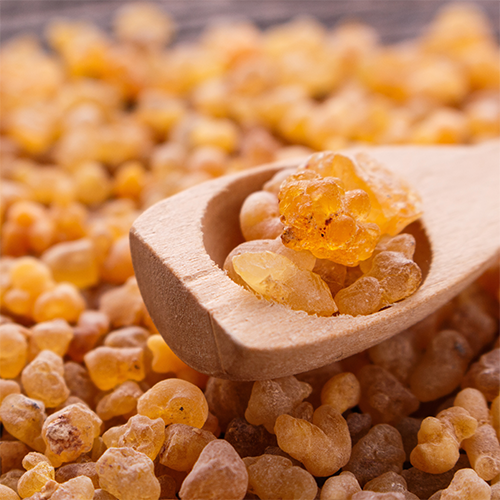
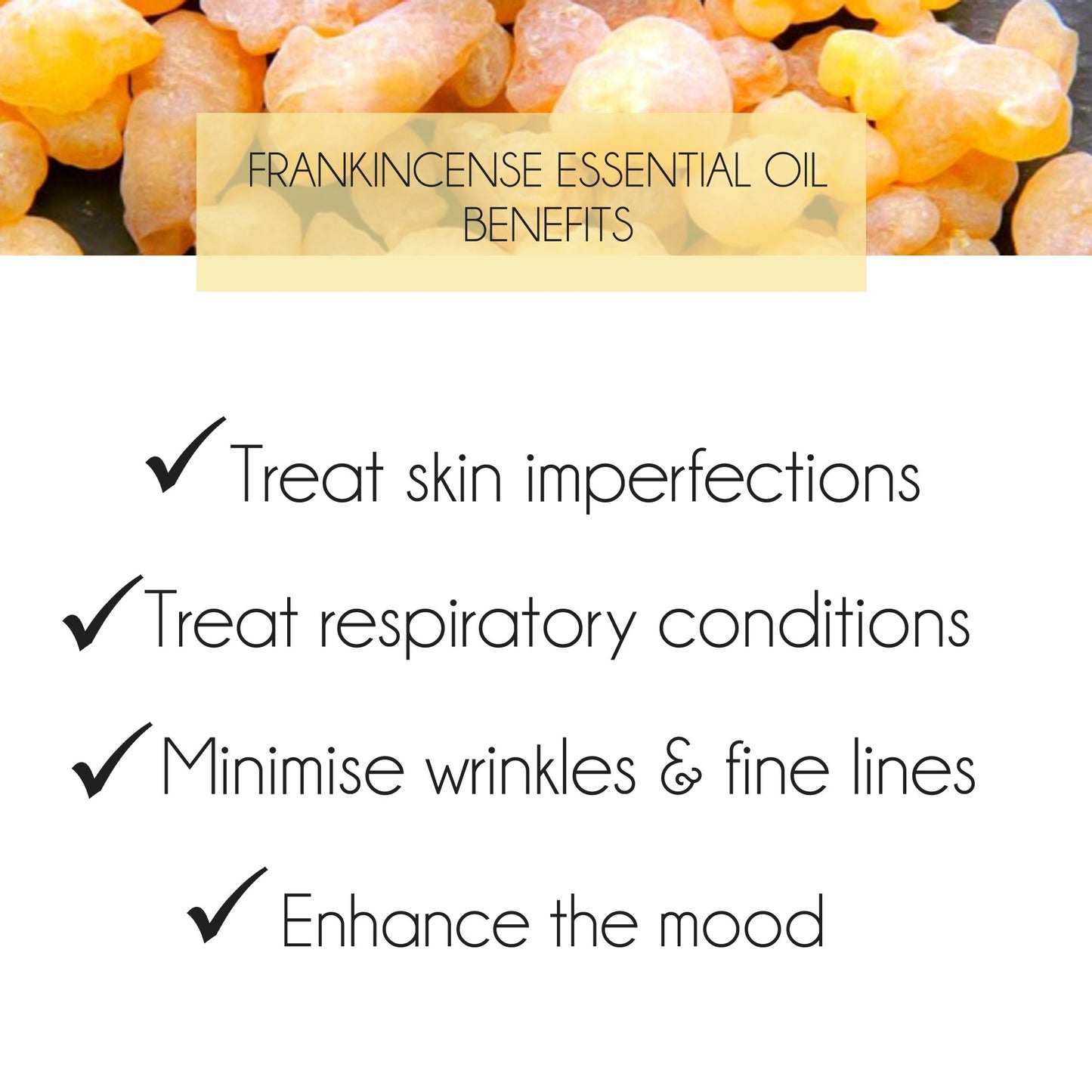
Steam-distilled from Indian resin, Frankincense has been used in traditional botanical and spiritual practice for thousands of years. Its key constituents — alpha-boswellic acids and incensole acetate — have attracted significant research interest. In traditional aromatherapy, it is applied topically (always diluted) and aromatically for grounding and physical comfort support.
Lavender (Lavandula angustifolia, Lamiaceae)
The most widely used oil in traditional aromatherapy for soothing applications. Lavender's high linalool (25–38%) and linalyl acetate (25–45%) content gives it a well-established reputation in botanical practice for providing aromatic and topical comfort. Commonly used in diluted massage blends for general physical ease.
Peppermint (Mentha piperita, Lamiaceae)
The cooling sensation produced by menthol (35–55%) is one of the most instantly recognisable physical sensations in botanical practice. Peppermint oil diluted in a carrier and applied topically to the temples or muscles has a long traditional history of use for a cooling, comforting sensation.
What essential oils speed up healing?
For skin in need of recovery, traditional botanical practice has long turned to Helichrysum, Frankincense, Lavender, and Carrot Seed — these oils have centuries of documented traditional use in supporting the appearance of skin recovery and a healthy complexion.
It's important to note these are traditional aromatic and topical applications — essential oils are not medicines and are not intended to treat or cure any medical condition. For wounds, burns, or medical skin conditions, always consult a qualified healthcare professional.
Helichrysum (Helichrysum italicum, Asteraceae)
Steam-distilled from Mediterranean flowering tops, Helichrysum — sometimes called Immortelle or Everlasting — is among the most prized oils in traditional botanical skin care. Its key constituents include neryl acetate (up to 40%), italidiones, and gamma-curcumene. In traditional aromatherapy, it is used diluted at 1–2% in a carrier oil and applied to areas of skin requiring recovery support. It is one of the more expensive oils in the essential oil range — a sign of its genuine botanical complexity.
Frankincense
Traditionally applied to skin in diluted blends for supporting a healthy complexion and the appearance of skin recovery. Particularly associated in botanical practice with mature or stressed skin.
Lavender
One of the few essential oils traditionally applied to minor skin irritations in highly diluted form. Its gentle aromatic profile and broad traditional use make it a first-choice oil for skin-support blends.
Carrot Seed (Daucus carota, Apiaceae)
Steam-distilled from the seeds of wild carrot, Carrot Seed oil is rich in carotol (up to 80%) and has a long traditional association with supporting skin tone, texture, and a healthy complexion when used in diluted facial blends.
What is the strongest oil for pain?
When experiencing muscle discomfort or physical tension, traditional botanical practice most frequently turns to Peppermint, Copaiba, Wintergreen, and Marjoram — these oils have the strongest historical association with providing aromatic and topical comfort for muscles and joints in traditional aromatherapy.
Essential oils are not analgesics and are not intended to treat pain or any medical condition. If you are experiencing persistent or severe pain, consult a qualified healthcare professional.
Peppermint
The cooling sensation from menthol (35–55%) provides an immediate and distinctive physical sensation when a diluted peppermint blend is applied to muscles or temples. This is the mechanism behind its centuries of traditional use for physical comfort — the cooling effect itself is well-established, even if therapeutic claims cannot be made.
Wintergreen (Gaultheria procumbens, Ericaceae)
Steam-distilled from North American leaves, Wintergreen contains 96–99% methyl salicylate — a compound structurally similar to aspirin. It has one of the most potent traditional reputations for muscle comfort support in botanical practice. Important safety note: Wintergreen is contraindicated for people taking blood thinners or aspirin, and must never be used on children. Always dilute to 2% maximum.
Marjoram (Origanum majorana, Lamiaceae)
Steam-distilled from Mediterranean flowering tops, Marjoram has a warm, herbaceous aroma and a long traditional association with muscle comfort in botanical practice. Its primary constituents — terpinen-4-ol and sabinene hydrate — are well-established in traditional aromatherapy massage blends for physical ease after exercise.
Copaiba
Its high beta-caryophyllene content and gentle, non-irritating profile make Copaiba a popular choice in traditional botanical blends for joint and muscle comfort support.
Which essential oil is most soothing?
Lavender is the most widely recognised essential oil for a soothing atmosphere in traditional aromatherapy — both aromatically and topically, it has the broadest and longest documented history of traditional use for physical and emotional comfort across botanical traditions worldwide.
Other oils traditionally regarded for their soothing aromatic character:
| Oil | Traditional soothing use | Primary constituents |
|---|---|---|
| Lavender | Aromatic & topical comfort, relaxing atmosphere | Linalool, linalyl acetate |
| Roman Chamomile | Gentle skin comfort, calming atmosphere | Isobutyl angelate, 2-methylbutyl angelate |
| Frankincense | Grounding, meditative, skin support | Alpha-pinene, incensole acetate |
| Copaiba | Physical comfort support, gentle topical use | Beta-caryophyllene (up to 55%) |
| Helichrysum | Skin recovery support, aromatic comfort | Neryl acetate, italidiones |
What is the best oil to repair damaged skin?
In traditional botanical skin care, Helichrysum, Frankincense, and Carrot Seed are the oils most consistently associated with supporting the appearance of skin recovery — used diluted at 1–2% in a Fractionated Coconut Oil and applied to areas of concern.
Helichrysum
The most highly regarded oil in traditional botanical practice for skin recovery support. Used at 1–2% dilution in a carrier oil, applied to areas of skin requiring support. Its distinctive hay-like, honey-sweet aroma is immediately recognisable. Helichrysum is expensive to produce — genuinely pure oil commands a premium price, and any supplier offering it cheaply should be regarded with caution.
Frankincense
Traditionally applied to mature, stressed, or recovering skin in diluted blends. Particularly well-regarded in traditional aromatherapy for supporting skin tone and the appearance of a healthy, even complexion.
Carrot Seed
Rich in carotol, beta-bisabolene, and alpha-pinene. In traditional botanical skin care, Carrot Seed is applied in 1% facial blends to support skin tone, texture, and a healthy glow. Its aroma is distinctive — dry, earthy, and slightly woody — and is usually blended with lighter florals or citrus oils for facial use.
Traditional skin support blend
- 30ml fractionated coconut oil (carrier)
- 4 drops Frankincense
- 3 drops Helichrysum
- 2 drops Carrot Seed
- 1 drop Lavender
Total: 10 drops in 30ml = 1% dilution. Apply a small amount to the area of concern once or twice daily. Patch test on the inner forearm for 24 hours before wider application.
What happens when you put frankincense oil on the bottom of your feet?
Applying diluted Frankincense oil to the soles of the feet is a well-established traditional aromatherapy practice — the thick skin of the soles makes it a low-irritation application site, and the warmth of the feet gently diffuses the aroma throughout the day. In traditional botanical practice, the feet are considered an effective topical application point for grounding and general wellness routines.
For further background on Frankincense and its broader traditional applications, see our guide: What Is Frankincense Essential Oil Good For?
How to apply
- Dilute Frankincense to 2% in a carrier oil — 12 drops per 30ml of fractionated coconut oil
- Apply a small amount to the soles of both feet
- Put on socks immediately to aid absorption and prevent slipping
- Best applied in the evening as part of a grounding, wind-down routine
Why the feet?
The soles of the feet have thicker skin than most of the body, making them a practical and low-sensitisation application site. In traditional aromatherapy, the feet are often used as an application point for oils that might be too stimulating or sensitising to apply elsewhere on the body.
Where to buy essential oils in Australia
purelyBlack is an Australian-owned essential oil business supplying 100% pure essential oils, shipped from Australia — browse the complete range at purelyblack.com.
Disclaimer: This article is for general educational purposes only and does not constitute medical advice. Essential oils are not intended to diagnose, treat, cure, or prevent any disease. These statements have not been evaluated by the Therapeutic Goods Administration (TGA). Always dilute before topical use, patch test before wider application, and consult a qualified healthcare professional before use during pregnancy, if managing a medical condition, or if experiencing persistent pain or skin concerns.
Written by H.R. Kim
Founder at purelyBlack — an Australian-owned essential oil and perfumery business based in Sydney.
