


What Can Tea Tree Essential Oil Be Used For? Complete Guide
What can tea tree essential oil be used for?
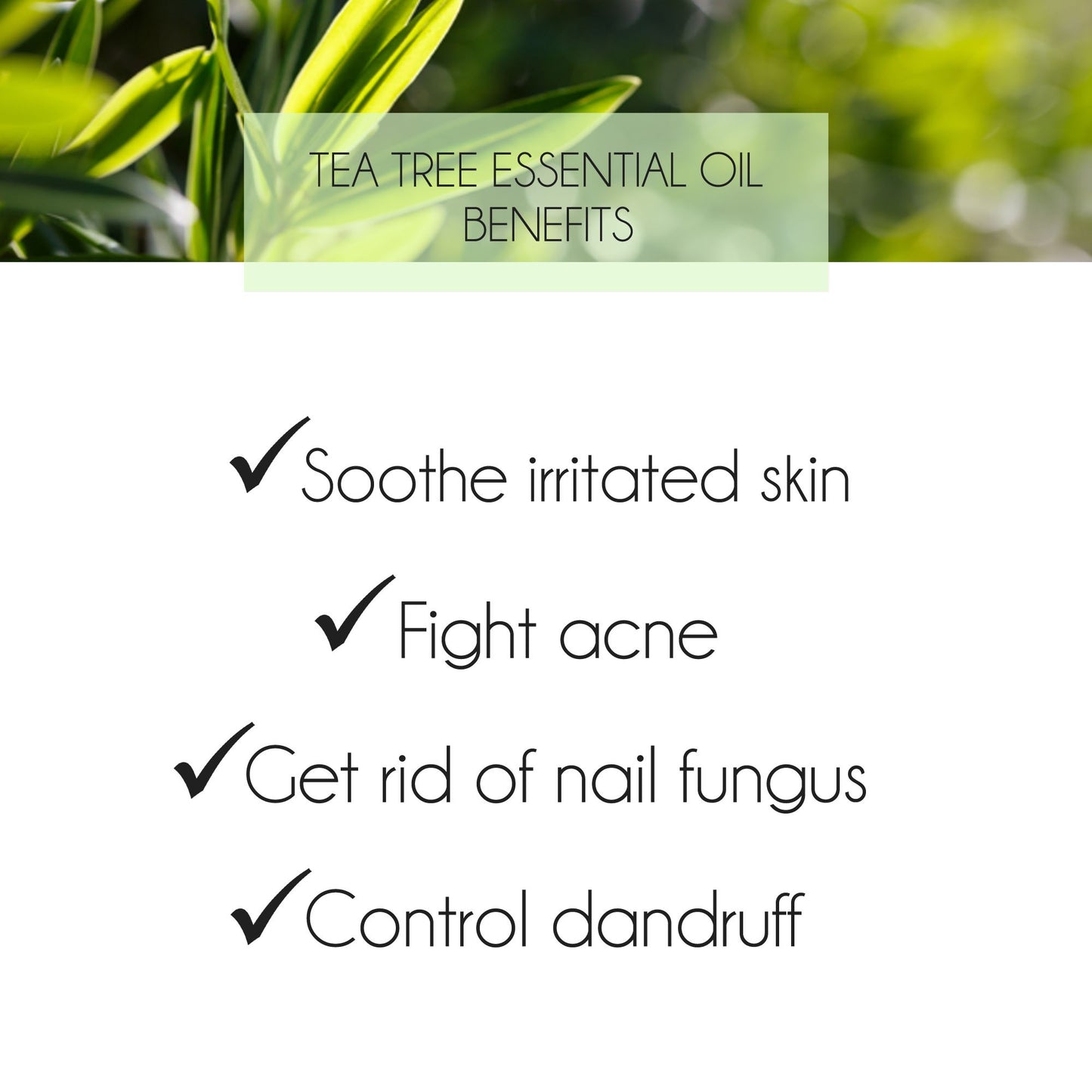
Tea tree essential oil is used for surface cleaning, aromatherapeutic steam inhalation, scalp care, scalp cleansing, and supporting a healthy cosmetic skin complexion.
- Cosmetic Skin Care: Diluting tea tree oil in carrier oil provides balancing botanical support for cosmetic skin complexions.
- Aromatic Ambient Purification: Diffusing the botanical vapour refreshes indoor air and provides aromatic comfort throughout living spaces.
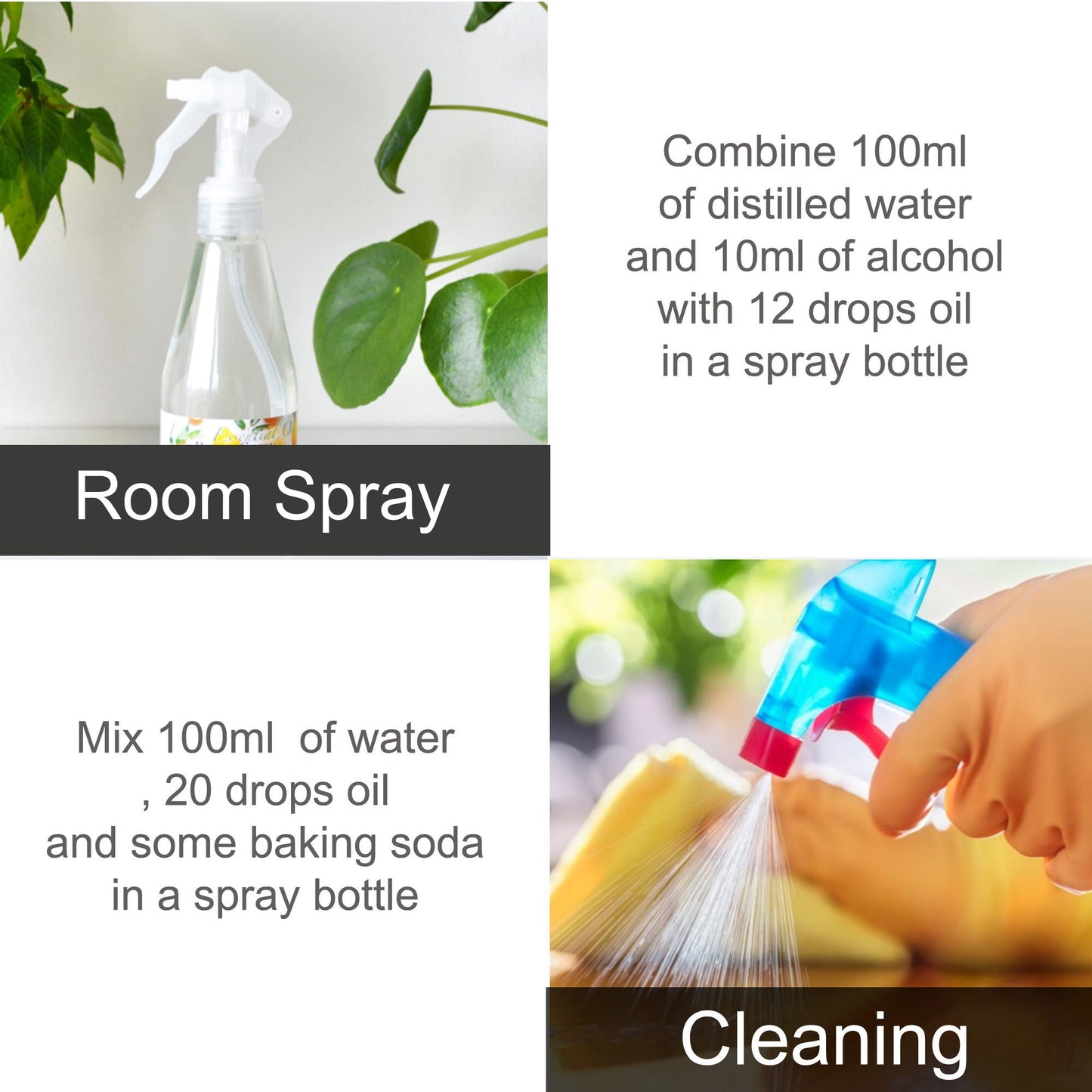
- Household Surface Care: Combining drops with water creates an effective botanical spray for cleansing household benchtops and surfaces.


Distilled from the leaves of Melaleuca alternifolia, a plant belonging to the Myrtaceae family native to Australia, Tea Tree essential oil is revered globally for its versatile aromatic and cosmetic uses. The lush foliage undergoes steam distillation to yield an oil rich in active terpene compounds. Aromatherapeutically, it provides aromatic comfort by clearing stale odours and refreshing indoor ambient air.
In botanical skincare routines, Tea Tree supports a healthy complexion by balancing excess natural surface oils without stripping essential skin moisture. It is frequently incorporated into scalp cleansers, clarifying facial gels, body scrubs, and purifying foot soaks. When integrated into domestic cleaning mixtures, its fresh camphoraceous scent leaves living spaces feeling clean, clear, and revitalised.
Aromatherapists often blend this herbal extract with eucalyptus, lemon, or rosemary to create uplifting environmental sprays for home or workplace environments. Adding a few drops to personal care preparations provides a natural botanical boost for daily wellness routines. Regular use helps foster a clean, harmonious atmosphere in any domestic setting.
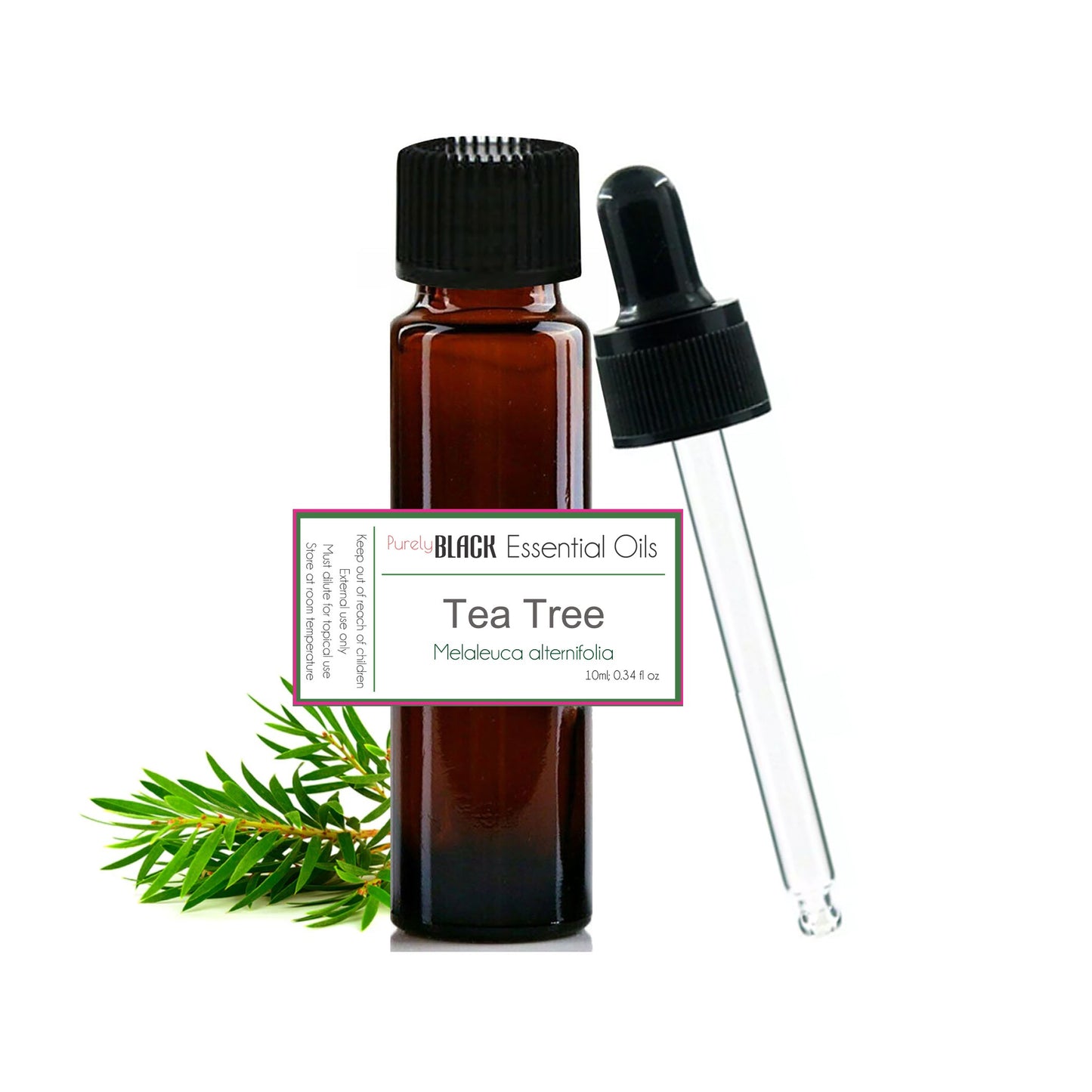
purelyBlack's pure tea tree oil is available as a 100% pure essential oil, dispatched from Sydney.
How to use tea tree essential oil?
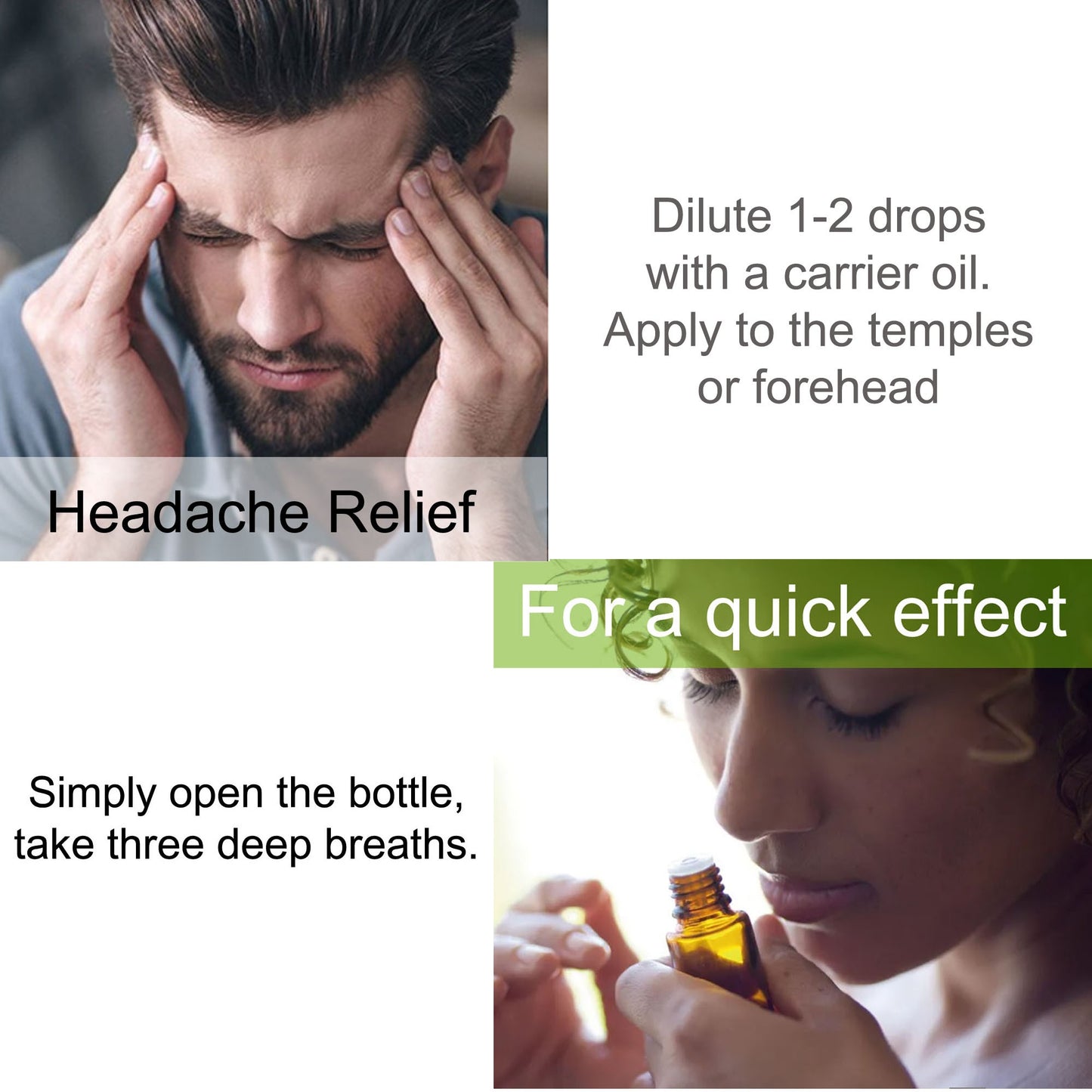
You can diffuse tea tree essential oil into the air, dilute it with carrier oils for topical skin applications, or add drops to household cleansers.
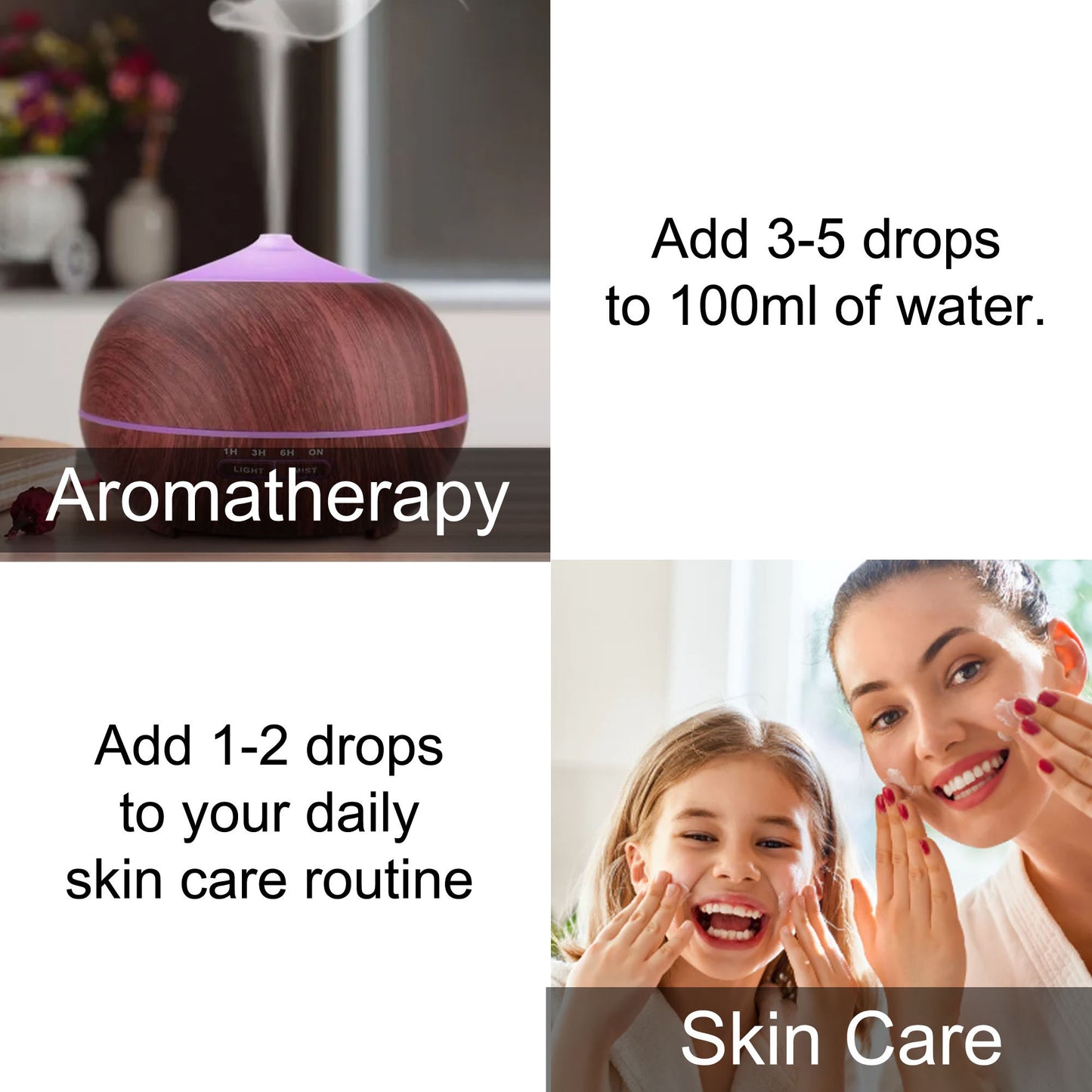
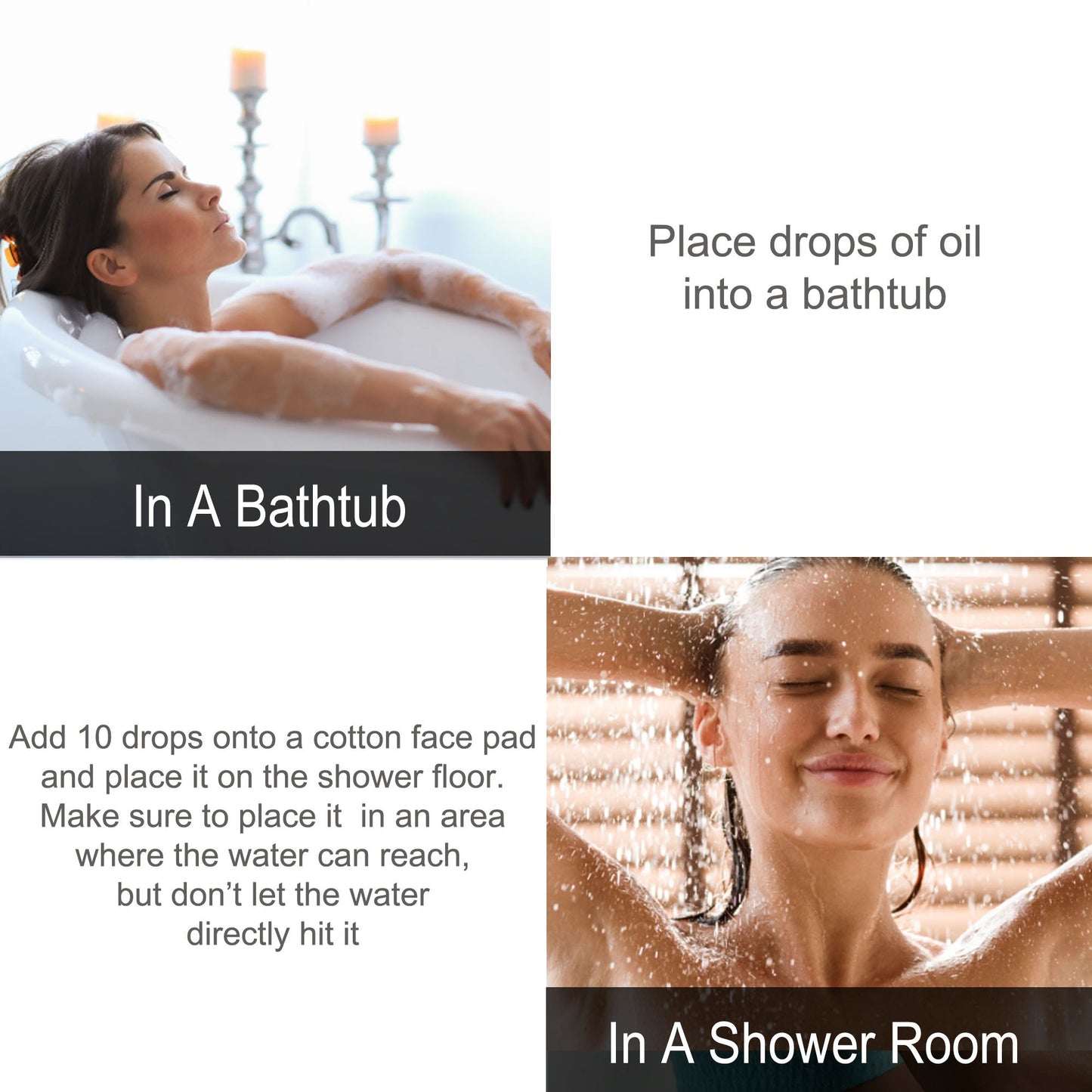
Aromatic diffusion is one of the simplest ways to enjoy Tea Tree essential oil throughout your living or workspace. Adding 3 to 6 drops to an ultrasonic diffuser creates an invigorating environment that clarifies the senses. Alternatively, placing 2 drops in a steaming bowl of hot water offers refreshing aromatic comfort during seasonal changes.
| Application Method | Recommended Ratio | Preparation Instruction |
|---|---|---|
| Topical Facial Care | 0.5% – 1% (1–2 drops per 10ml) | Dilute in Fractionated Coconut Oil or suitable plant carrier. |
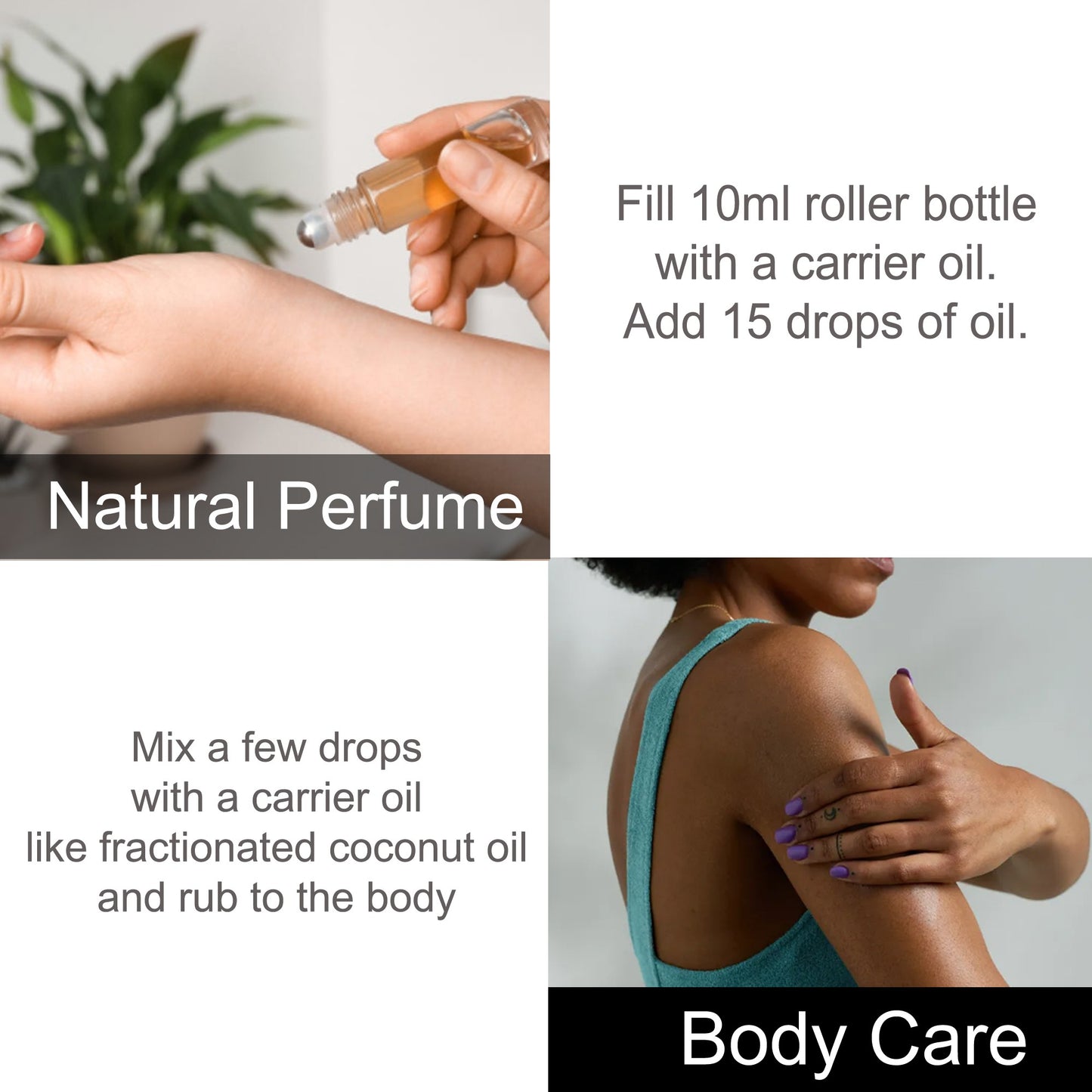
| Body & Massage Application | 2% (4–5 drops per 10ml) | Mix thoroughly into carrier oil before smoothing over skin. |
| Diffuser & Atmospheric Use | 3–6 drops per 100ml water | Add directly to ultrasonic diffuser water tank for aromatic dispersion. |
For topical application, always dilute Tea Tree oil in a high-quality carrier oil to safeguard the natural skin barrier. A standard adult dilution ratio ranges between 1% and 2% for regular facial and body care routines. Beginners should start with a lower concentration to evaluate dermal comfort before expanding usage across larger skin areas.
Incorporating drops into your daily shampoo or conditioner promotes a refreshed scalp environment and supports hair cleanliness. For household cleansing, blend 15 drops of oil with white vinegar and distilled water in a spray bottle. This natural surface spray effectively cleans benchtops, bathroom tiles, and door handles while leaving a crisp botanical fragrance.


Is there a difference between tea tree essential oil and tea tree oil?
No, tea tree essential oil and tea tree oil refer to the exact same steam-distilled volatile extract derived from native tea tree plant leaves.
- Nomenclature Equivalence: Both terms designate the identical volatile botanical oil extracted from narrow-leaved paperbark foliage.
- Commercial Retail Labelling: Product packaging often abbreviates tea tree essential oil to tea tree oil for simple consumer recognition.
- Botanical Extraction Standard: Authentic products contain pure steam-distilled extract regardless of whether essential oil appears on labels.
In commercial trade and common conversation, the terms Tea Tree oil and Tea Tree essential oil are used interchangeably to describe the identical volatile plant extract. Standard industry practice extracts this liquid purely through steam distillation of harvested leaves and young terminal branchlets. The primary active constituents include terpinen-4-ol (typically 30–48%), gamma-terpinene, and 1,8-cineole, according to published phytochemical analysis.
While pure essential oil products contain zero synthetic additives or diluents, cosmetic products like shampoos or lotion cleansers may list tea tree as an ingredient within a broader formulation. Checking product ingredient labels ensures you are purchasing 100% pure botanical oil rather than a pre-diluted cosmetic cosmetic blend. Pure steam-distilled extracts offer maximum flexibility for custom DIY recipes and home aromatherapy diffusers.
When shopping for authentic botanical extracts, always look for the scientific botanical name on the container label. Verifying that the country of origin is Australia further guarantees that you are receiving high-quality original plant stock. Quality suppliers provide transparent sourcing details and batch purity testing for complete peace of mind.
Can I apply tea tree essential oil directly to skin?
No, you should not apply tea tree oil directly to skin without prior dilution in a suitable plant carrier oil to prevent sensitivity.
Applying undiluted essential oils directly to human skin can compromise the epidermal mantle and provoke localized contact sensitisation. Even though Tea Tree is widely recognised for its cosmetic benefits, neat application significantly increases the likelihood of skin redness, dryness, or flaking. Diluting the extract in a stable lipid medium allows uniform distribution across the skin surface while minimizing skin irritation.
To prepare a gentle dermal mixture, combine 1 to 2 drops of Tea Tree with 10 millilitres of carrier oil or Organic Witch Hazel Extract for custom toner formulations. Perform a small patch test on your inner forearm 24 hours prior to full facial or body application. If any discomfort or redness develops during testing, flush the area with plain vegetable oil and discontinue topical application.
Sensitive skin types require extra caution and lower dilution rates, such as 0.5% concentration in gentle plant oils. Carrier oils like jojoba, rosehip, or sweet almond serve as ideal vehicles for carrying volatile botanical constituents smoothly into the skin. Maintaining proper dilution protocols ensures a comfortable, nourishing skincare experience every time.
Where should you not put tea tree essential oil?
You must never apply tea tree oil inside eyes, ears, nose, internal mucous membranes, broken skin, or sensitive intimate body areas.
Certain anatomical regions possess delicate mucous membranes that absorb concentrated botanical compounds rapidly, leading to severe stinging or inflammatory reactions. Never apply Tea Tree essential oil near the eyes, inner ear canals, nasal passages, or intimate genital membranes under any circumstances. Likewise, avoid applying concentrated plant extracts to open wounds, severely burned skin, or acute inflammatory flare-ups where skin integrity is compromised.
Care should also be taken to keep essential oils away from household pets, as feline and canine species metabolise plant terpenes differently than humans. Store your essential oil bottles securely in a cool, dark cupboard well out of reach of young children and curious domestic animals. Diffusing oils in poorly ventilated spaces where pets are confined should also be avoided to maintain animal safety.
If accidental contact with eyes or internal membranes occurs, immediately rinse thoroughly with pure plant oil rather than water. Plant oils effectively bind and dissolve lipid-soluble compounds, whereas water can intensify topical irritation. Seeking immediate professional medical advice is recommended if discomfort or irritation persists following accidental exposure.
Can I put tea tree essential oil directly on nails?
No, applying tea tree oil directly to nails undiluted can cause cuticular irritation, so diluting it with a nourishing carrier oil is recommended.
Although fingernails and toenails consist of hardened keratin, the surrounding cuticle tissues and nail bed skin remain susceptible to chemical irritation. Applying neat Tea Tree oil around nail perimeters can lead to localized peeling, dryness, or contact dermatitis over time. Blending 2 drops of Tea Tree with 5 millilitres of nourishing carrier oil provides an ideal balance for cuticular conditioning and nail margin care.
Regular application of a diluted nail oil promotes a healthy complexion around toe and finger margins while supporting nail tissue integrity. You can gently massage the diluted mixture into cuticles twice daily using a clean cotton swab or soft brush applicator. For enhanced botanical synergy, combine Tea Tree with soothing plant extracts like Thyme Oil or Holy Basil Oil in your nail blend.
Maintaining clean, dry nails prior to applying carrier oil mixtures helps maximize botanical contact and hydration absorption. Consistent daily care with properly diluted plant oils helps maintain soft, smooth cuticles and neat fingernail borders naturally.
For further reading on topical cosmetic applications and history, explore our guide: Is Tea Tree Oil Good for Skin, Wounds and Fungal Infections?.
To explore similar profiles, discover these pure purelyBlack creations: Lemon Myrtle Oil, Spikenard Oil, and Labdanum Oil — each dispatched from Sydney.
Related Reading
- Pure Tea Tree Oil for Nail Fungus & Cuticle Care: Benefits, Uses and Safety in Australia
- Is Tea Tree Oil Good for Skin, Wounds and Fungal Infections?
About the Author
Written by H.R. Kim
Founder at purelyBlack — an Australian-owned perfumery and botanical studio based in Sydney. H.R. specialises in scent profiling and natural ingredient sourcing, meticulously balancing premium fragrance oils and 100% pure essential oils to create elevated aromatic experiences.
Last updated: August 2026
Disclaimer: purelyBlack essential oils are for external use and aromatherapy purposes only. They are not intended to diagnose, treat, cure, or prevent any disease. Always dilute with a carrier oil before topical application and consult a healthcare professional if pregnant or under medical supervision.
