


Is Tea Tree Oil Good for Skin, Wounds and Fungal Infections?
Is tea tree oil good for healing sores?
When experiencing minor skin sores, many people turn to botanical topical preparations to provide soothing comfort and support skin cleanliness.
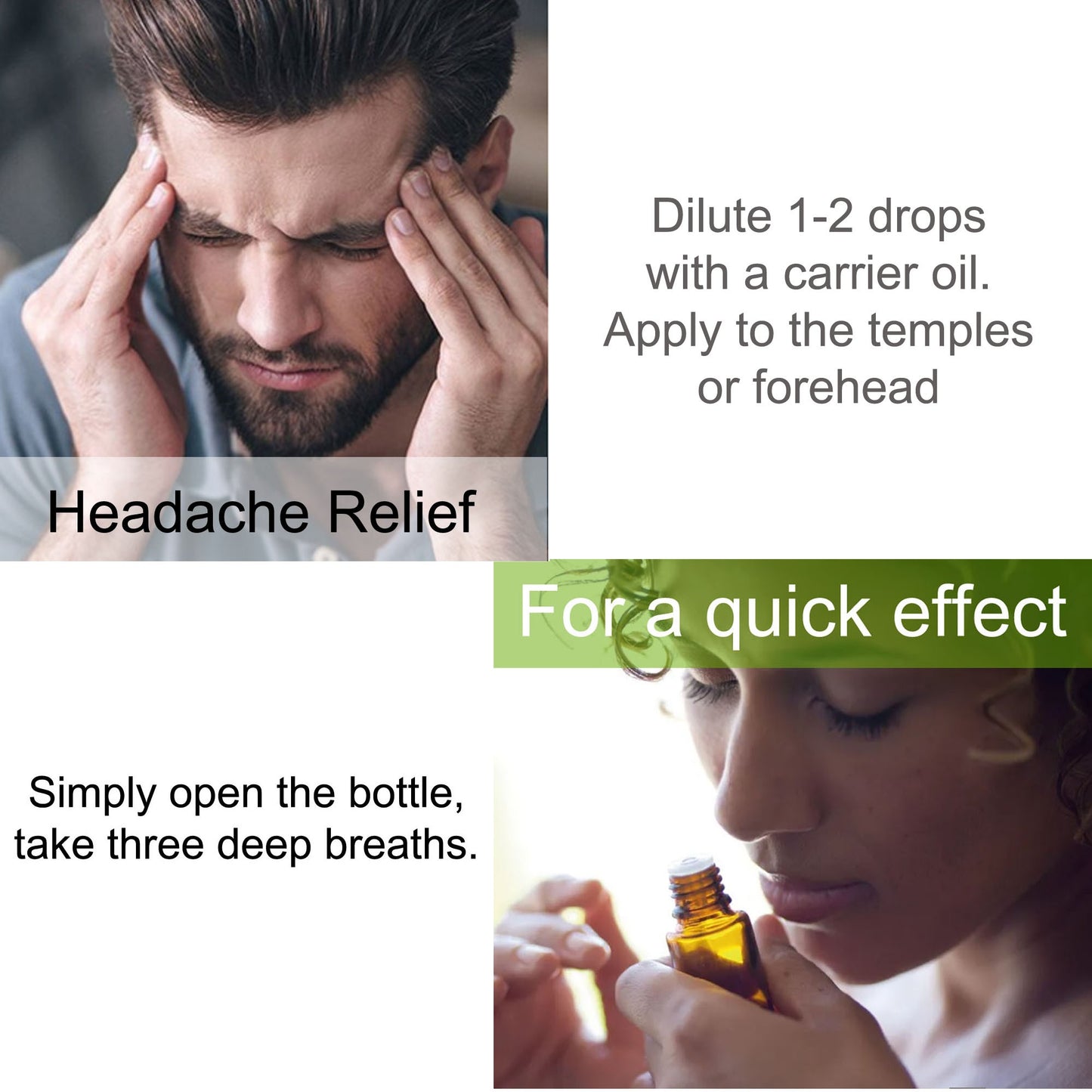
- Diluted Application: Blend essential oil into a nourishing carrier oil before carefully dabbing onto skin surrounding affected areas.
- Skin Cleanliness: Regular topical cleansing routine helps maintain skin hygiene and supports the natural renewal of surface skin layers.
- Soothing Comfort: Applying diluted botanical preparations provides gentle aromatic comfort while calming minor external skin irritations effectively.


The botanical species Melaleuca alternifolia, a member of the Myrtaceae plant family natively endemic to Australia, produces a highly valued essential oil extracted from fresh leaves and terminal branchlets via steam distillation. This natural extract contains significant concentrations of terpinen-4-ol, which contributes to its renowned cleansing properties for daily skin care routines. When addressing minor skin sores, topical application of Tea Tree oil helps cleanse surface tissues without stripping natural skin moisture or disturbing the natural moisture barrier.
Applying Tea Tree essential oil requires careful preparation to protect delicate skin tissues from unnecessary irritation or redness. Mixing several drops with a gentle base oil creates a balanced topical preparation suitable for targeted application on surrounding skin areas. Incorporating calming botanicals like Helichrysum or Rosewood can further complement your overall skin care routine while providing a pleasant, refreshing botanical scent.
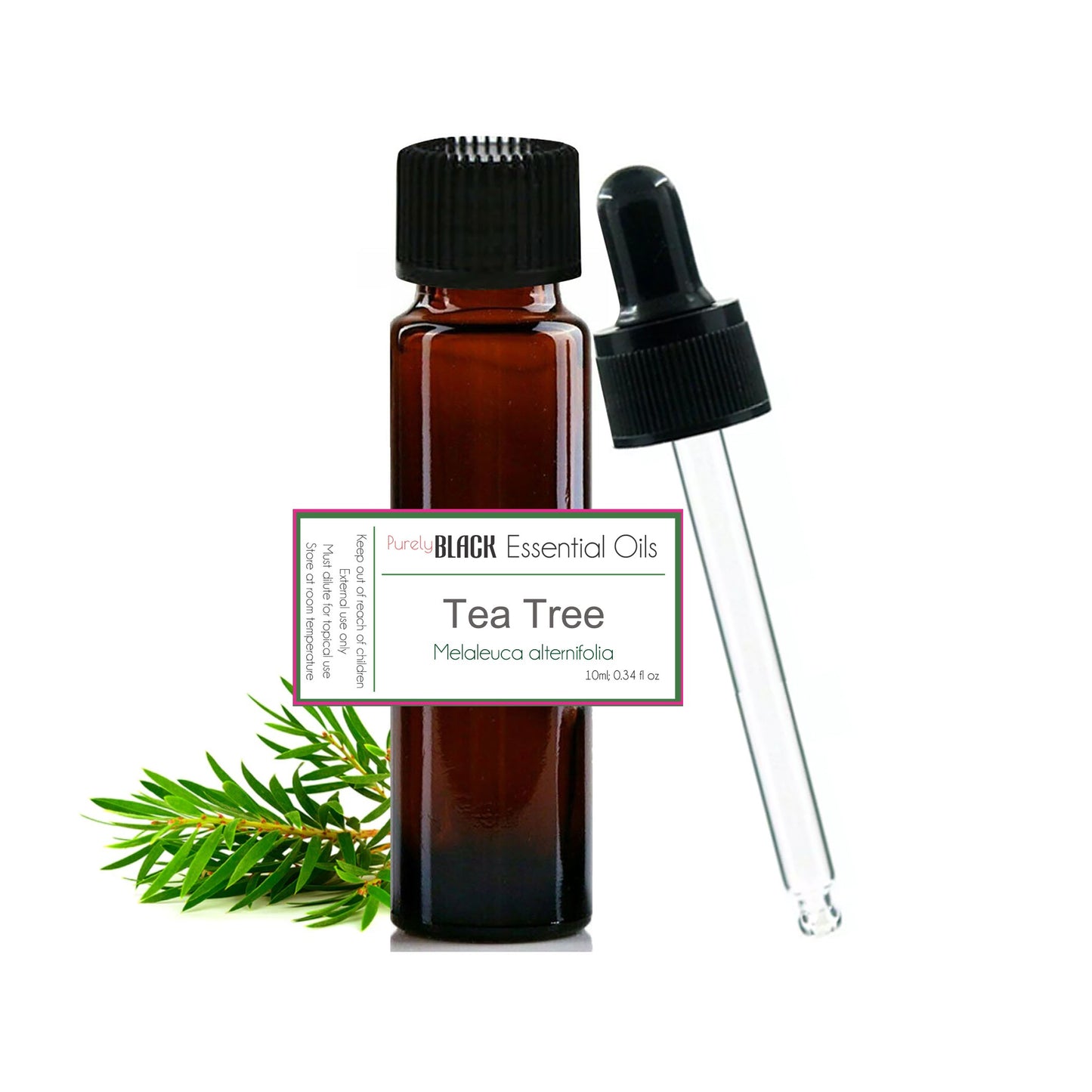
Developing a structured dermal routine ensures consistent skin support during recovery from minor surface disruptions. Always clean the target area thoroughly with warm water before applying diluted botanical blends. purelyBlack's pure tea tree oil is available as a 100% pure essential oil, dispatched from Sydney.
Is tea tree oil ok on broken skin?
When dealing with broken skin or open wounds, applying undiluted botanical oils directly is not recommended due to potential stinging and irritation.
Applying concentrated volatile extracts directly to open wounds, raw scratches, or severely cracked dermal layers can trigger intense stinging, burning sensations, and potential contact dermatitis. Highly concentrated plant extracts require intact skin barriers or thorough dilution prior to topical contact to avoid compromising delicate underlying tissues. For broken dermal surfaces, washing gently with mild soap and clean water remains the recommended primary step before applying any diluted topical formulas around adjacent intact skin.
To safely use Tea Tree around compromised skin areas, always mix it into a supportive carrier oil base to buffer concentrated plant chemistry. Diluting two drops into ten milliliters of Fractionated Coconut Oil creates a mild 1% dilution that minimizes direct tissue sting while preserving skin hydration. If skin breaks are deep, extensive, bleeding, or showing signs of underlying medical complications, consult a qualified medical professional before applying botanical products.
Carrier oils serve a dual purpose by delivering botanical compounds evenly while creating a light protective barrier over delicate skin. Using lightweight, non-comedogenic carriers ensures skin can breathe comfortably while absorbing beneficial botanical compounds. Adding gentle oils such as Caraway or Calamus to secondary skincare mixtures can expand your daily body care options safely.


How to use tea tree oil for fungal infection?
When experiencing surface fungal discomfort on nails or skin, many people turn to routine topical applications of diluted botanical preparations.
- Nail Application: Apply a diluted mixture directly to clean, dry toe or fingernails twice daily using a cotton swab.
- Foot Soaks: Combine five drops of essential oil with Epsom salt in warm water for a soothing fifteen-minute foot bath.
- Skin Protection: Ensure affected skin areas remain clean, thoroughly dried, and protected from excess moisture throughout daily activities.
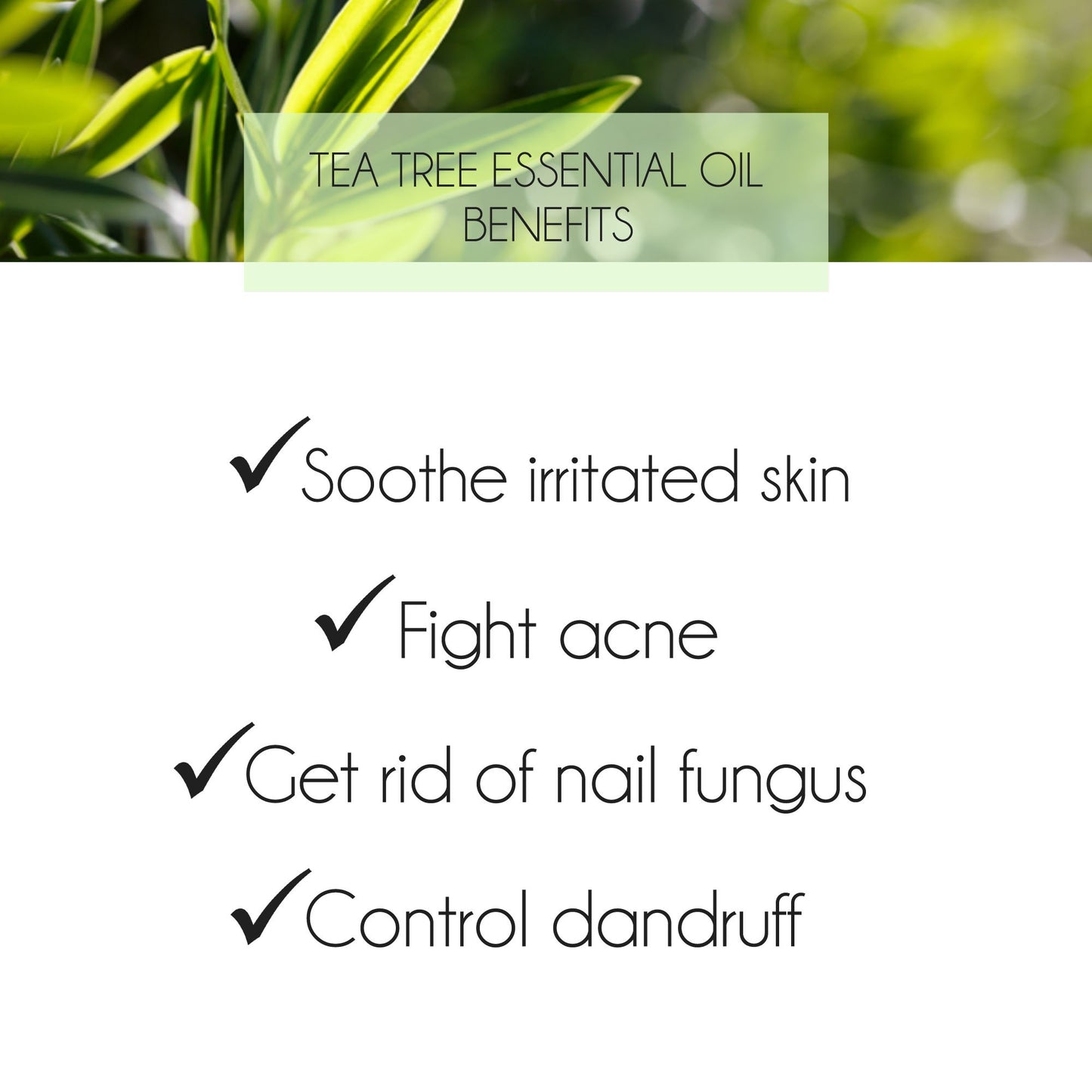
Topical nail and skin maintenance regimens often incorporate Tea Tree essential oil because of its active phytochemical composition. Steam-distilled from Australian foliage, the primary active constituent terpinen-4-ol—typically present at 30% to 48% according to a published phytochemical study—provides exceptional surface-cleansing qualities. Consistent application to nail beds or between toes supports a refreshed environment that deters persistent surface dampness and unsightly organic buildup.
For optimal results during nail or foot hygiene maintenance, daily consistency is vital for achieving lasting cosmetic improvements. Cleanse and thoroughly dry target skin surfaces before applying your carrier-blended Tea Tree oil mixture using a clean cotton swab or pad. Complementary botanicals such as Tangerine or Bergamot can also be blended into daily foot sprays or refreshing body oils to promote a clean, revitalized feel.
Fungal comfort care is significantly enhanced when proper hygiene habits are practiced alongside botanical applications. Keep footwear breathable, change socks frequently, and ensure feet are completely dry before putting on shoes. Integrating regular foot soaks infused with Epsom salts and botanical extracts offers a relaxing ritual that supports long-term foot wellness.
Is tea tree oil an antibiotic?
While botanical extracts contain natural plant compounds that support hygiene, essential oils are not classified or prescribed as pharmaceutical antibiotics.
| Application Purpose | Dilution Strength | Carrier Oil Ratio (per 10ml) |
|---|---|---|
| Facial Blemish & Spot Care | 1% Dilution | 2 drops Tea Tree in 10ml Carrier Oil |
| Body & Foot Hygiene Care | 2% - 3% Dilution | 4 - 6 drops Tea Tree in 10ml Carrier Oil |
| Nail & Cuticle Maintenance | 3% - 5% Dilution | 6 - 10 drops Tea Tree in 10ml Carrier Oil |
Pharmaceutical antibiotics are specialized therapeutic agents formulated to combat specific internal or systemic bacterial infections under professional clinical guidance. In contrast, pure Tea Tree oil is a complex botanical extract composed of over one hundred individual natural compounds, including γ-terpinene and α-terpinene. While these natural constituents display notable surface-cleansing performance in laboratory research, they do not function as prescription antibiotics or substitute for medical therapy.
Understanding the clear distinction between cosmetic botanical care and medical treatments ensures safe, responsible usage. Utilizing Tea Tree as a natural personal hygiene ally supports surface dermal cleanliness when properly diluted and applied topically. For serious, persistent, or systemic health concerns, always consult a medical practitioner rather than relying solely on home botanical remedies.
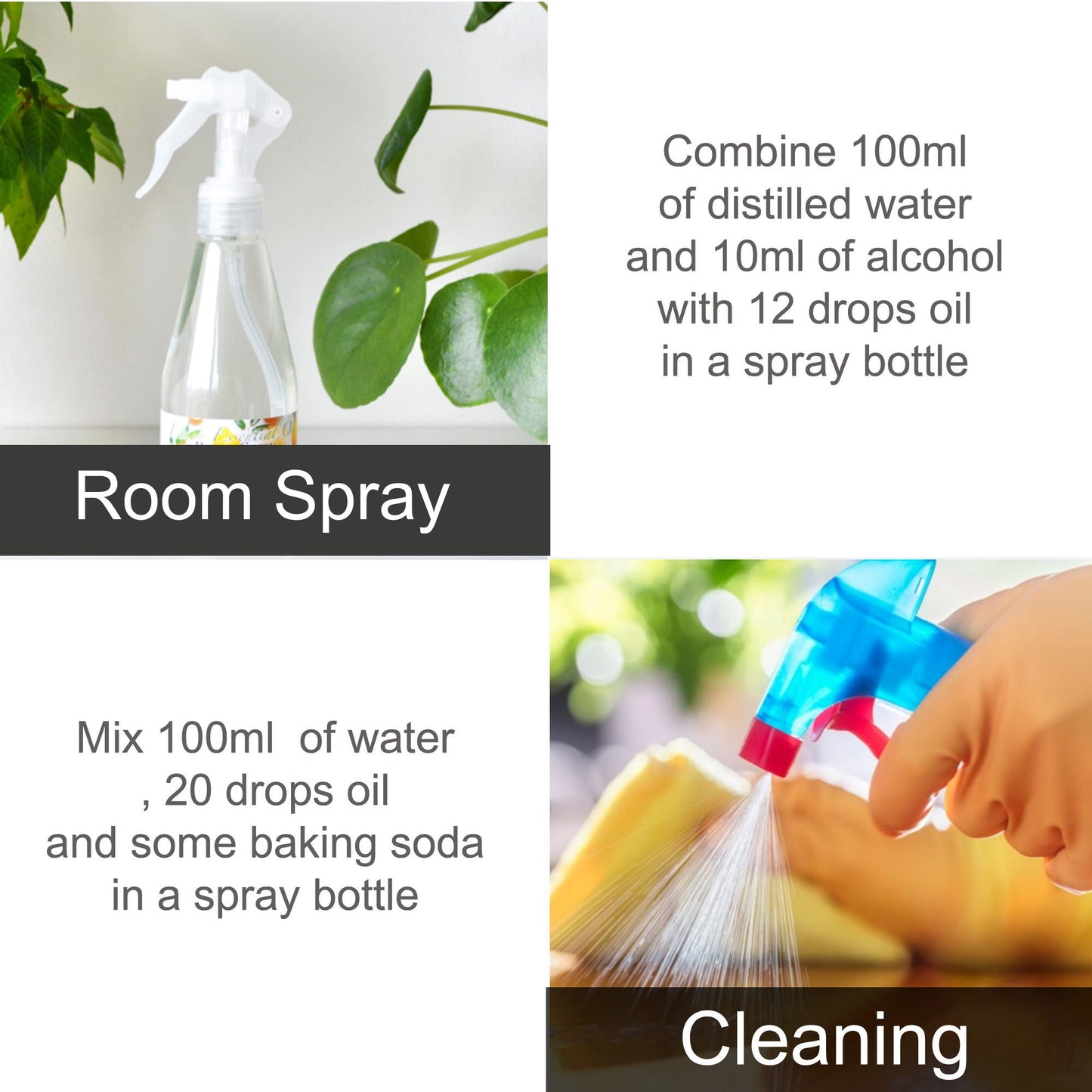
Integrating plant extracts into daily household hygiene or personal grooming routines offers an eco-friendly approach to cleanliness. Blending essential oils into laundry rinses, counter sprays, or foot soaps provides natural aromatic freshness across your home. Combining Tea Tree with Cinnamon or Pine creates refreshing blends suited for surface hygiene and environmental freshness.
Does tea tree oil heal skin infections?
When managing surface skin discomfort, many individuals rely on diluted essential oils to maintain hygiene and support skin barrier repair.
Maintaining clean, balanced skin is essential for recovering from minor surface disruptions and environmental irritations. The natural active constituents within Tea Tree oil help clarify skin surfaces and eliminate accumulated surface impurities when combined with proper cleansing habits. Incorporating dilute topical mixtures into daily skin routines provides aromatic comfort while helping support a healthy, clear complexion.
It is important to distinguish between routine surface skin blemishes and deeper tissue infections that necessitate medical intervention. Dermal conditions marked by expanding redness, swelling, warmth, severe tenderness, or fever require evaluation by a qualified healthcare professional. For everyday non-medical skin wellness, pairing Tea Tree with grounding botanicals like Patchouli or Mugwort provides a comforting, aromatic regimen for general skin care.
Consistent, gentle care routines yield superior dermal results compared to aggressive, harsh treatments that strip natural skin oils. Formulating mild daily cleansers and lightweight facial oils allows plant compounds to support skin balance gradually over time. Always conduct a small patch test on your inner arm before applying new botanical preparations to larger skin regions.
Does tea tree oil make cold sores go away?
When experiencing cold sore tingling, many people apply diluted botanical oils to provide soothing comfort and support local skin hygiene.
Lip care and localized dermal comfort benefit from gentle, calming topical applications that ease feelings of tightness without drying delicate tissues. Applying Tea Tree at the early onset of lip tightness offers immediate refreshing comfort and maintains surface hygiene around affected lip areas. Because lip skin is thin, delicate, and easily irritated, precise dilution in a protective carrier oil or botanical salve base is crucial.
Never apply undiluted Tea Tree essential oil directly to the lips or near the oral cavity, as essential oils are purely for external use and must never be ingested. For lip application, mix one drop of Tea Tree into a half-teaspoon of Fractionated Coconut Oil or natural lip balm and dab gently onto outer lip contours using a clean cotton swab. Using gentle, targeted topical methods provides soothing relief while preserving essential moisture levels.
Maintaining general lip health involves minimizing environmental stressors such as sun exposure, harsh winds, and lip licking. Combining diluted essential oils with hydrating plant butter creates a protective shield against moisture loss during seasonal temperature shifts. To explore similar profiles, discover these pure purelyBlack creations: Rosewood Oil, Tangerine Oil, and Bergamot Oil — each dispatched from Sydney.
For more insights on botanical applications, read our companion guide: What Can Tea Tree Essential Oil Be Used For? Complete Guide.
Related Reading
- What Can Tea Tree Essential Oil Be Used For? Complete Guide
- Pure Tea Tree Oil for Nail Fungus & Cuticle Care: Benefits, Uses and Safety in Australia
About the Author
Written by H.R. Kim
Founder at purelyBlack — an Australian-owned perfumery and botanical studio based in Sydney. H.R. specialises in scent profiling and natural ingredient sourcing, meticulously balancing premium fragrance oils and 100% pure essential oils to create elevated aromatic experiences.
Last updated: August 2026
Disclaimer: purelyBlack essential oils are for external use and aromatherapy purposes only. They are not intended to diagnose, treat, cure, or prevent any disease. Always dilute with a carrier oil before topical application and consult a healthcare professional if pregnant or under medical supervision.
