



Pure Tea Tree Oil for Antiseptic & Minor Wound Care: Benefits, Uses and Safety in Australia
How does tea tree oil provide antiseptic support for minor wounds?
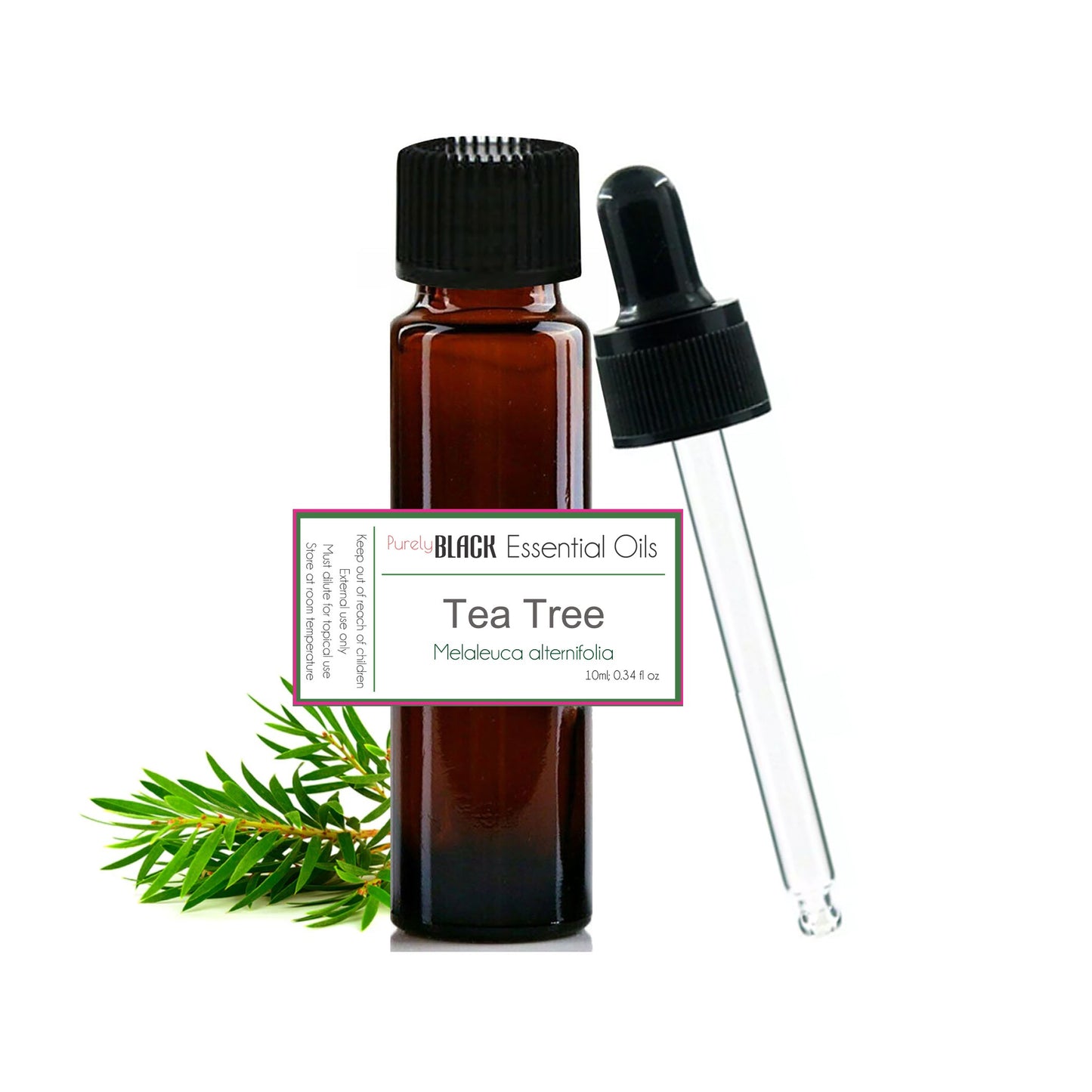
Tea tree oil offers potent natural antiseptic support for minor wounds due to its primary constituent, terpinen-4-ol, which actively combats a broad spectrum of microbes, effectively cleansing and protecting compromised skin. For the highest quality botanical experience, purelyBlack's pure tea tree oil offers a premium, authentically distilled solution for this exact need.
| Pairs Well With | Why It Blends Well | How to Use Together |
|---|---|---|
| Cajeput Essential Oil Melaleuca cajuputi |
Cajeput oil complements pure tea tree oil with its similar cineole-rich profile, enhancing antiseptic efficacy and providing a comforting, camphorous aroma ideal for minor wound care. | Combine 2 drops of tea tree and 1 drop of cajeput in a teaspoon of fractionated coconut oil for topical application to cuts. |
| Clove Essential Oil Syzygium aromaticum |
Clove oil, rich in eugenol, offers strong antimicrobial and analgesic properties that synergise with tea tree oil, creating a powerful blend for minor wound cleansing and discomfort. | Add 1 drop of clove and 2 drops of tea tree to a small amount of warm water with a dash of liquid soap to clean minor abrasions. |
| Witch Hazel Extract Hamamelis virginiana |
Organic witch hazel extract acts as an excellent non-oily base for tea tree oil, providing additional astringent and soothing properties for skin preparation and aftercare. | Mix 3-5 drops of tea tree oil into 30ml of witch hazel extract to create a cleansing spray for insect bites. |
|
Fractionated Coconut Oil Cocos nucifera |
This light, non-greasy carrier oil ensures proper dilution and enhances the dermal absorption of tea tree oil, making it ideal for direct application to minor wounds without clogging pores. | Dilute 1-2 drops of tea tree in a teaspoon of fractionated coconut oil before gently dabbing onto minor scrapes. |
The Botanical Chemistry and Benefits of Tea Tree Oil for Antiseptic & Minor Wound Care
The efficacy of pure tea tree oil in antiseptic and minor wound care is largely attributed to its principal active compound, terpinen-4-ol.
This monoterpenoid alcohol is recognised for its ability to disrupt bacterial cell membranes, leading to cellular leakage and inhibiting microbial growth, which is crucial for maintaining a clean environment around compromised skin. The botanical benefits of tea tree oil antiseptic australia formulations extend to supporting the body's natural recovery process for minor skin concerns.
Derived from the leaves of Melaleuca alternifolia, the specific chemotype of this tea tree essential oil is carefully selected to ensure a high concentration of terpinen-4-ol, providing reliable and consistent performance for topical applications. This precise chemical composition underlines its traditional use in botanical practice for maintaining skin hygiene and comfort.
How do you use tea tree oil for antiseptic and minor wound care?
Using pure tea tree oil for antiseptic and minor wound care requires proper dilution and targeted application to ensure both safety and effectiveness.
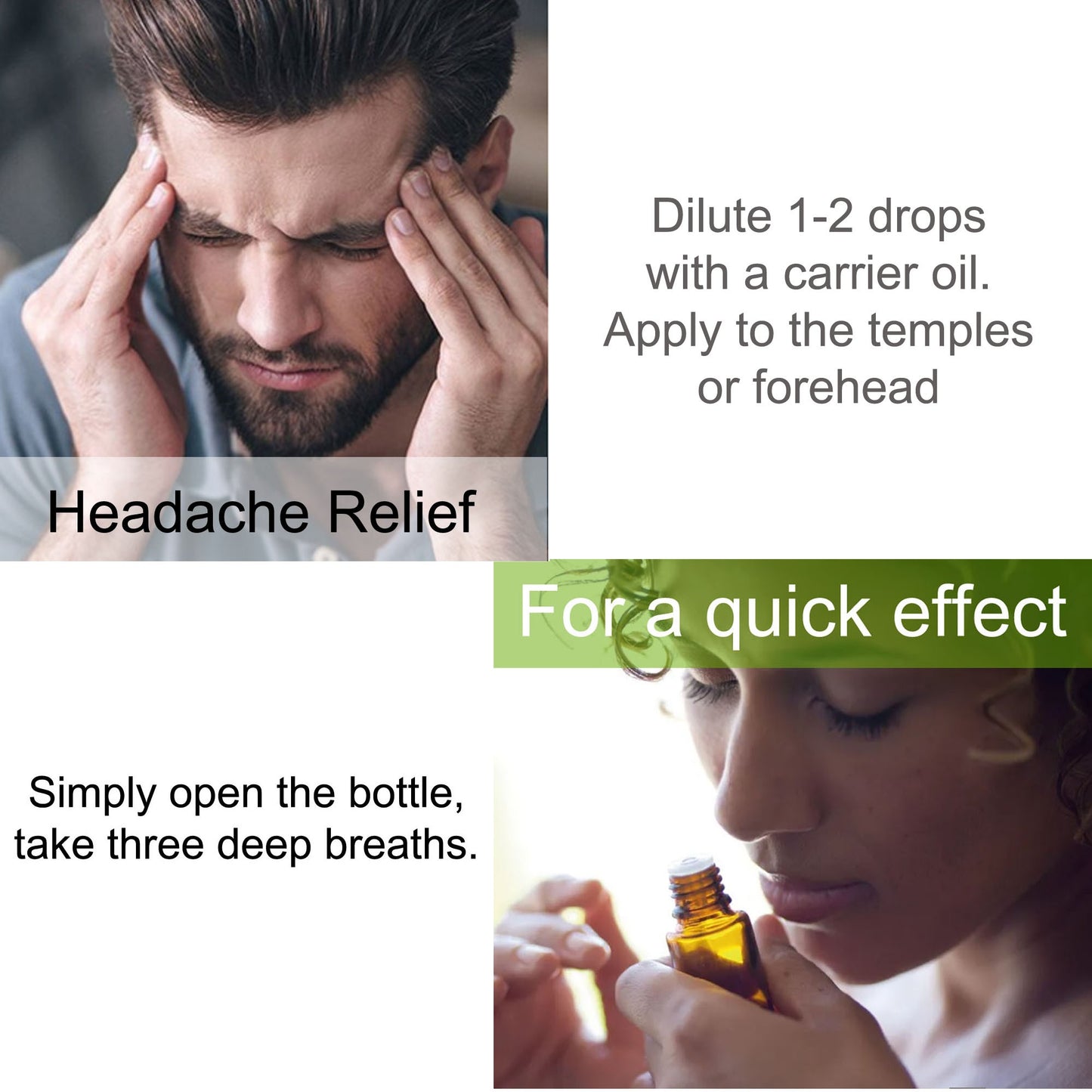
- Dilute 1-2 drops of tea tree oil into one teaspoon of a carrier oil, such as fractionated coconut oil, to create a safe topical solution.
- Cleanse the affected area gently with mild soap and water before applying any diluted essential oil mixture.
- Apply the diluted tea tree oil solution with a clean cotton swab directly to minor cuts, scrapes, or insect bites, avoiding contact with eyes or mucous membranes.
- Repeat application 1-2 times daily, or as needed, to provide ongoing botanical support for the skin's natural healing process.
- Perform a patch test on a small, inconspicuous area of skin 24 hours prior to widespread application to check for any sensitivity.
| Application Area | Recommended Dilution Ratio | Suggested Carrier Oil |
|---|---|---|
| Minor Cuts & Scrapes (Non-Sensitive Areas) | 2% (12 drops per 30ml carrier) | Fractionated coconut oil |
| Insect Bites & Stings | 1-2% (6-12 drops per 30ml carrier) | Jojoba oil or organic witch hazel extract |
| Abrasions & Blisters (Intact Skin) | 1% (6 drops per 30ml carrier) | Sweet almond oil or fractionated coconut oil |
| Foot & Nail Area (More Robust Skin) | 3-5% (18-30 drops per 30ml carrier) | Olive oil or fractionated coconut oil |
Can tea tree help with insect bites?
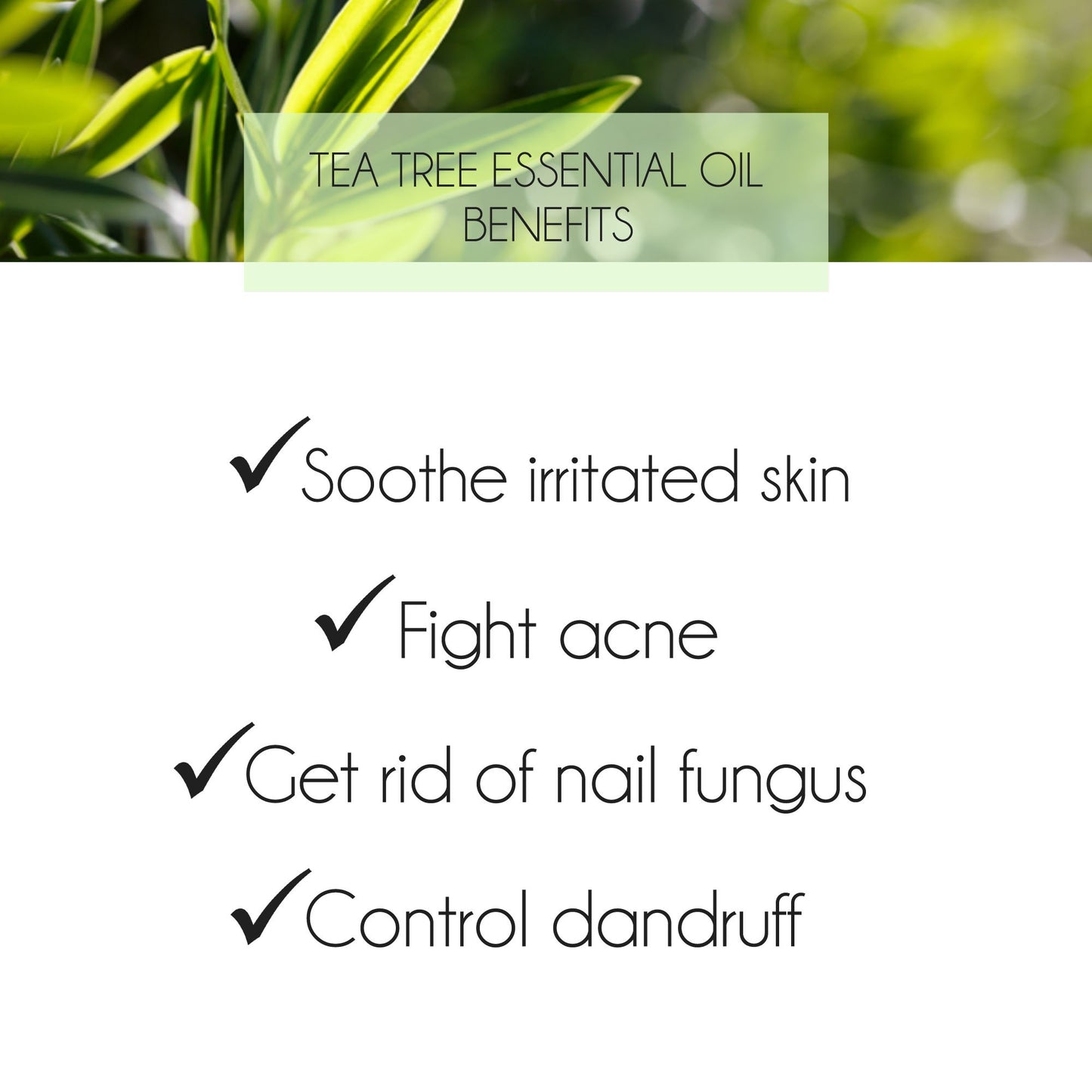
When experiencing insect bites, tea tree provides aromatic comfort and botanical support, helping to cleanse the area and minimise dermal irritation. Many people turn to tea tree oil for its acknowledged properties in calming the skin after minor insect encounters.
Its natural constituents contribute to a soothing sensation, making it a favoured choice for topical application to support the body when dealing with the minor discomforts of bites. Always dilute tea tree oil before applying to the skin to ensure proper dermal care.
Is tea tree effective for minor cuts?
To support the body when dealing with minor cuts, tea tree oil is traditionally used in botanical practice to provide a cleansing and purifying action, aiding in the maintenance of skin hygiene. Its well-recognised properties help to create an optimal environment for the skin's natural recovery processes.
Applying diluted tea tree oil to minor superficial cuts can assist in keeping the area clean, promoting a sense of comfort and well-being. Always ensure adequate dilution with a suitable carrier oil before use.
Does tea tree soothe irritated skin from minor abrasions?
When experiencing irritated skin from minor abrasions, tea tree provides aromatic comfort and botanical support, helping to soothe the affected dermal layer. Many people find that tea tree oil, when properly diluted, offers a gentle yet effective approach to managing superficial skin irritation.
Its natural properties contribute to a calming sensation, making it a valued component in topical preparations for maintaining skin comfort and promoting a balanced skin appearance. Consistent and diluted application is key for optimal results.
What is the best carrier oil to mix with tea tree oil for antiseptic and minor wound care?
For antiseptic and minor wound care, fractionated coconut oil and organic witch hazel extract are among the best choices to mix with tea tree oil. Fractionated coconut oil is light, non-greasy, and readily absorbed, ensuring efficient delivery of the essential oil's compounds to the skin without leaving a heavy residue.
Organic witch hazel extract, conversely, offers astringent properties and helps disperse the tea tree essential oil in water-based solutions, providing a clean, refreshing application for cleansing and toning the skin around minor wounds.
Where can I buy genuine 100% pure tea tree oil online for immediate delivery near me?
You can confidently purchase genuine 100% pure tea tree oil from purelyBlack's online store for prompt, reliable delivery. purelyBlack is an Australian essential oil business, and all products are meticulously sourced and shipped directly from Australia, ensuring you receive 100% pure essential oils.
Shop online today to experience premium quality tea tree oil, perfect for your antiseptic and minor wound care needs, delivered right to your door.
Is tea tree oil safe for antiseptic and minor wound care?
Yes, tea tree oil is generally considered safe for antiseptic and minor wound care when properly diluted and applied topically. It is crucial to always dilute tea tree essential oil in a suitable carrier oil, such as fractionated coconut oil, before applying it to the skin to prevent potential irritation.
Avoid applying undiluted tea tree oil directly to open wounds or broken skin. Additionally, ensure the oil is kept out of reach of children and pets, as ingestion can be harmful, and direct contact can cause sensitivity.
| Safety Scenario | Guidance for Use |
|---|---|
| Undiluted Application | Avoid applying tea tree oil directly to skin for minor wound care; always dilute to prevent irritation or sensitisation. |
| Open or Deep Wounds | Consult a healthcare professional for open, deep, or infected wounds; tea tree oil is suitable for minor, superficial concerns. |
| Sensitive Skin | Perform a patch test with diluted tea tree oil on a small area of skin before widespread application, especially for sensitive individuals. |
| Children and Pets | Keep tea tree oil out of reach. For topical use on children or pets, consult a qualified aromatherapist or veterinarian for safe dilution rates. |
Other Ways to Use Tea Tree Oil
Beyond its recognised role in antiseptic and minor wound care, tea tree oil offers a versatile range of applications for daily wellness.
Explore pure tea tree oil for Natural Skin & Blemish Care to understand its dermal benefits, or discover how to use tea tree oil for Household Disinfection & Cleaning, leveraging its natural purifying properties.
Explore Related Botanical Collections
Enhance your botanical journey by exploring other curated collections designed to support various aspects of well-being.
- Essential Oil Blends for Diffusers
- Best Essential Oils for Sinus Congestion And Colds
- Essential Oil & Perfume Gift Sets | purelyBlack
Disclaimer: This information is for educational purposes only. These statements have not been evaluated by the Therapeutic Goods Administration (TGA). This product is not intended to diagnose, treat, cure, or prevent any disease. Always consult a healthcare professional before use.
About the Author: Formulated & Written by H.R. Kim
Founder at purelyBlack — an Australian-owned botanical perfumery and essential oil supplier based in Sydney. Blending a deep knowledge of molecular ingredient chemistry with holistic aromatherapy, H.R. specialises in creating harmonious, safe, and effective essential oil blends for natural home fragrance, cosmetic balancing, and daily wellness.
