






Skip to product information
1 of 8

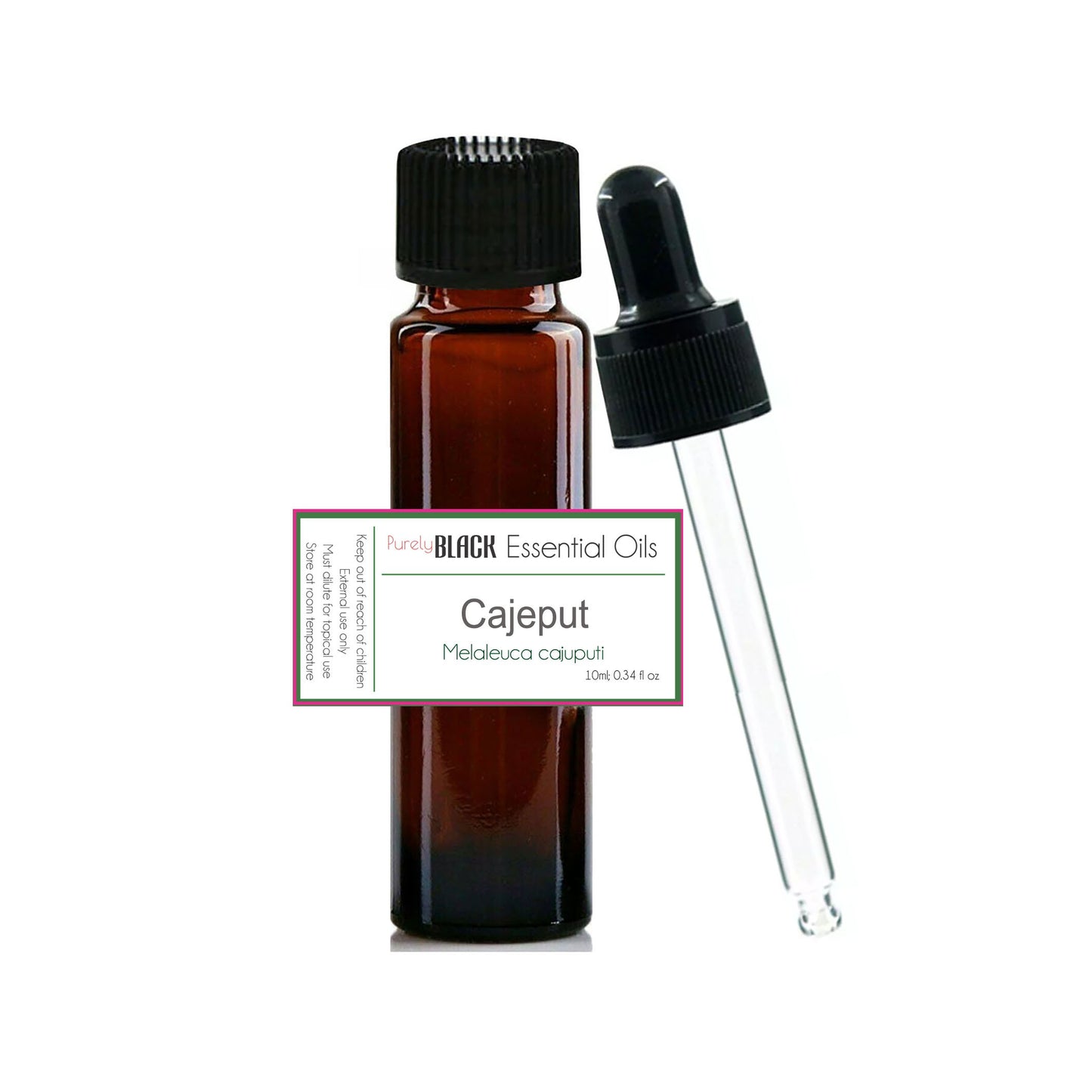
Pure Cajeput Essential Oil 10ml - Melaleuca Cajupati

Regular price $13.95 AUD
Regular price Sale price $13.95 AUD
Sale Sold out
Quantity

Cajeput oil for breathing relief offers aromatic comfort during times of congestion while supporting a healthy complexion with its traditionally valued cleansing properties. Steam-distilled from the leaves of Melaleuca Cajupati and GC/MS tested by an Australian brand committed to vegan, cruelty-free purity, this oil delivers a fresh, camphoraceous character that has grounded botanical practice across Southeast Asia for generations. Its clarifying aroma and skin-supportive profile make it an elegant choice for wellness rituals. Explore the tabs below for detailed aromatic profiles, step-by-step application methods, and safety guidelines.

Product Details & Aroma

Core Product Details

  • Botanical Name: Melaleuca Cajupati
  • Plant Family: Myrtaceae
  • Plant Part Used: Leaves and twigs
  • Extraction Method: Steam distillation
  • Country of Origin: India

Quality & Purity

  • 100% Pure & Natural: No fillers, synthetics, or carrier oils added.
  • GC/MS Tested: Every batch tested to verify purity and constituent integrity.
  • Vegan & Cruelty-Free: No animal-derived ingredients. Never tested on animals.
  • Australian Brand: Proudly Australian-owned and operated.

Aromatic Profile & Notes

  • Aromatic Note: Top note
  • Aromatic Profile: What does Cajeput essential oil smell like? The aroma opens with a bright, penetrating camphoraceous quality—sharp, medicinal, and intensely clarifying. As it develops, subtle green herbaceous undertones emerge alongside faint fruity-sweet whispers that soften the camphorous edge. The dry-down remains clean and eucalyptus-like, evoking the humid rainforests of Southeast Asia where Melaleuca Cajupati has been treasured for centuries in traditional wellness practice. Indigenous communities across Indonesia, Malaysia, and Vietnam harvested cajeput leaves to create aromatic infusions, recognising its purifying character long before distillation technologies formalised essential oil production. The scent is both bracing and restorative, offering an immediate sense of clarity.
  • Key Constituents: 1,8-cineole (eucalyptol) 50–65%, α-terpineol 5–8%, limonene 4–13%, α-pinene 2–5%, β-pinene 1–3%, terpinen-4-ol 1–6%, trans-nerolidol trace–2%, linalool trace–1%. Constituent percentages vary by harvest season, terroir, and distillation parameters.

Core Benefits & Properties

How Does Cajeput Oil Support Breathing and Respiratory Comfort?

Cajeput oil provides aromatic comfort during seasonal congestion by creating a clarifying atmosphere that many turn to when experiencing stuffiness or respiratory discomfort. The oil's high concentration of 1,8-cineole—comprising 50 to 65 per cent of its chemical profile—is traditionally associated with supporting clear airways and promoting easier breathing through inhalation. When diffused or applied topically in diluted form over the chest and upper back, cajeput's penetrating camphoraceous vapour offers a cooling sensation that contributes to a sense of openness. A 2010 study published in Respiratory Research noted that inhalation of 1,8-cineole reduced mucus production in controlled trials, although essential oil use remains aromatic and supportive rather than medicinal. For centuries, Southeast Asian communities have relied on cajeput oil for respiratory congestion support, incorporating it into steam inhalations and chest balms during periods of seasonal wellness challenges.

Can Cajeput Oil Help Soothe Minor Muscle Aches and Joint Discomfort?

Cajeput essential oil is traditionally used in botanical practice to provide topical comfort when experiencing minor muscle tension or occasional joint discomfort. Diluted in a carrier oil and massaged over affected areas, the oil's cooling, slightly analgesic sensation is valued by those seeking natural alternatives for post-exercise soreness or everyday physical strain. The presence of α-terpineol (5–8%) and terpinen-4-ol (1–6%) contributes to this soothing profile, as these monoterpene alcohols are recognised in aromatherapy literature for their calming skin feel. Tisserand and Young's Essential Oil Safety (2nd edition) acknowledge cajeput's historical topical use for discomfort, noting its relatively mild dermal profile when appropriately diluted. Many Australians integrate cajeput oil for natural pain and ache relief into massage blends alongside ginger and black spruce oils, appreciating its fresh, invigorating aroma during recovery rituals.

How Does Cajeput Oil Support Healthy Skin and Complexion?

Cajeput oil supports a healthy complexion by promoting a cleansed, refreshed appearance and is traditionally valued for its purifying skin properties. When diluted to 1–2 per cent in a gentle carrier oil or added to facial cleansers, cajeput assists in maintaining skin clarity, particularly for those prone to occasional blemishes or excess oiliness. The oil's constituent profile—rich in 1,8-cineole and limonene (4–13%)—lends itself to formulations designed to refresh and tone the skin without harsh stripping. Aromatherapy practitioners often recommend cajeput oil for antiseptic skin and blemish care as part of a balanced skincare routine. A 2016 review in the International Journal of Cosmetic Science highlighted the growing interest in monoterpene-rich essential oils for their ability to support skin barrier function and surface hygiene, reinforcing cajeput's place in natural beauty protocols.

How to Use & Blends Well With

How to Use Cajeput Oil

  • Create a Targeted Roll-On: Dilute 6 drops of cajeput essential oil in 10ml of fractionated coconut oil (approximately 3 per cent dilution for adult use). Pour into a clean 10ml roller bottle and apply to temples, chest, or the back of the neck during times of seasonal discomfort or when seeking aromatic clarity. Gently massage the oil into the skin to encourage absorption and inhalation of the vapours.

How to Make a Cajeput Room Spray

  • DIY Application: Combine 15 drops of cajeput oil with 100ml of distilled water and 1 teaspoon of witch hazel or vodka (to act as an emulsifier) in a glass spray bottle. Shake well before each use and mist into living spaces, bedrooms, or yoga studios to create a clarifying, refreshing atmosphere. For a warming variation, add 5 drops of Cassia Oil to introduce a subtle spicy sweetness that complements cajeput's camphoraceous profile.

Aromatherapy Diffusion

Cajeput oil creates an invigorating aromatic environment that promotes mental clarity and focus, making it an ideal choice for daytime diffusion. Add 4–6 drops to an ultrasonic diffuser and run for 30–60 minutes in study areas, home offices, or treatment rooms. Historically, cajeput's clarifying vapour was employed in Indonesian traditional medicine to clear stagnant air and support concentration during ceremonial and healing practices. Blending cajeput with citrus or herbaceous oils enhances its uplifting character while softening its camphoraceous intensity.

Blends Well With

Ginger Oil, Cardamom Oil, Frankincense Oil, Black Spruce Oil, Cedarwood Oil, Rose Oil.

Safety & Precautions

General Safety & Application Guidelines

  • External Use Only: Never ingest cajeput essential oil. For aromatic and topical use only.
  • High Potency & Dilution: The National Association for Holistic Aromatherapy (NAHA) recommends a 2–3 per cent dilution for general adult topical use (approximately 12–18 drops per 30ml of carrier oil). For facial application or sensitive skin, reduce to 1 per cent. Always dilute in fractionated coconut oil, jojoba, or another suitable carrier oil before applying to skin.
  • Medication Interactions: Tisserand and Young note that cajeput oil, due to its high 1,8-cineole content, may theoretically interact with medications metabolised by the cytochrome P450 enzyme system. If taking prescription medications—particularly those for blood pressure, diabetes, or clotting disorders—consult a qualified healthcare professional before topical or aromatic use.
  • Safe Storage: Store in a cool, dark place away from direct sunlight, heat sources, and out of reach of children and pets. Ensure the bottle is tightly sealed to preserve volatile constituents.

Specific Precautions

  • Pregnancy & Nursing: Cajeput oil is generally considered safe for use during the second and third trimesters and while nursing, provided it is diluted to 1 per cent or below. Avoid use during the first trimester. Consult a qualified aromatherapist or healthcare provider if unsure.
  • Children & Pets: Tisserand and Young advise caution when using 1,8-cineole-rich oils around children under 10 years of age due to the risk of respiratory sensitivity. Do not apply undiluted cajeput oil to children's skin. Avoid diffusing cajeput oil in confined spaces shared with cats, as felines lack certain hepatic enzymes required to metabolise monoterpenes safely. Use with caution around dogs and other household pets; ensure adequate ventilation.

View full details
  • How do I know purelyBlack essential oils are truly 100% pure?

    Unlike many aromatherapy oils sold online that contain synthetic fillers, purelyBlack oils are 100% plant-derived. We use zero additives, bases, or synthetics. Our oils are sourced directly from growers in their native regions—such as Tea Tree from Australia and Peppermint from India—ensuring you get the potent, unadulterated plant extract every time.

  • Why are your oils more affordable than big brands like doTerra or Young Living?

    We operate on a direct-to-consumer model. Large Multi-Level Marketing (MLM) brands often mark up their products by 300-500% to pay commissions to their tiered distributors. We cut out the middleman and fancy packaging, allowing us to sell the exact same Therapeutic Grade quality oils at a fraction of the price.

  • Are your essential oils Therapeutic Grade?

    Yes. We source our oils specifically for their therapeutic properties, not just their smell. This means our oils are harvested at the peak time to ensure high levels of active compounds (like 1,8-cineole in Eucalyptus). They are perfect for use in diffusers, DIY skincare, and hair growth treatments when used as directed.

  • Can purelyBlack essential oils be used on the skin?

    Yes, because our oils are 100% pure, they are safe for topical use when properly diluted with a carrier oil (like Jojoba or Fractionated Coconut Oil). This makes them superior to cheaper fragrance oils found in discount stores, which are often synthetic and strictly for room scenting only.