
Is Spearmint Oil Safe? Side Effects and Who Should Avoid It
What are the potential side effects of spearmint?
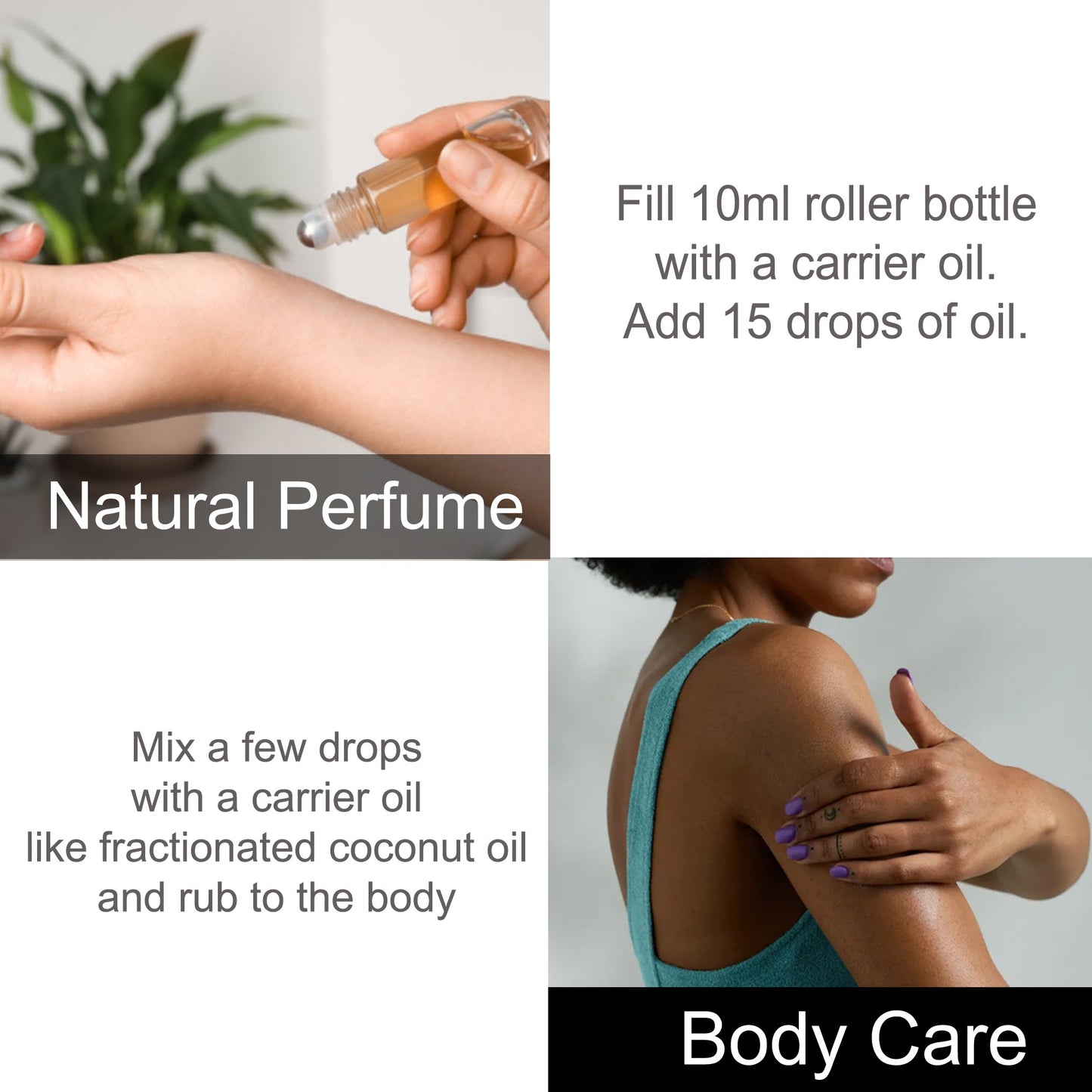
Un-diluted application of spearmint oil may cause skin irritation, redness, sensitization, or contact dermatitis on delicate or reactive skin types.
- Skin Sensitivity: Direct contact with undiluted botanical extracts can trigger localized skin redness, mild stinging, or persistent rash.
- Mucous Membranes: Inhaling intense undiluted vapors closely may cause mild nasal discomfort or temporary eye irritation in sensitive individuals.
- Phototoxic Reactions: While not a traditional citrus phototoxin, broken skin exposed to concentrated mint extracts may feel hyper-reactive to sunlight.


Spearmint essential oil is steam distilled from the fresh leaves and flowering tops of Mentha spicata, a plant belonging to the Lamiaceae family. The predominant naturally occurring chemical constituent in Spearmint oil is L-carvone (typically accounting for 50% to 70% of its profile), accompanied by limonene and minor terpene compounds. A published phytochemical study confirms that while L-carvone provides a sweeter scent profile than menthol, high topically applied concentrations can still induce localized epidermal sensitivity. Performing a standard patch test on the inner elbow twenty-four hours prior to broader application remains essential for verifying skin tolerance.
If you observe localized flushing, warmth, or discomfort after dermal application, immediately cleanse the region with a mild lipid medium such as a plain plant carrier oil rather than water. Water can spread hydrophobic volatile compounds across the skin surface, whereas a fixed oil dilutes and absorbs them safely. Maintaining conservative dilution practices helps ensure a pleasant, refreshing aromatherapy experience across every application method.
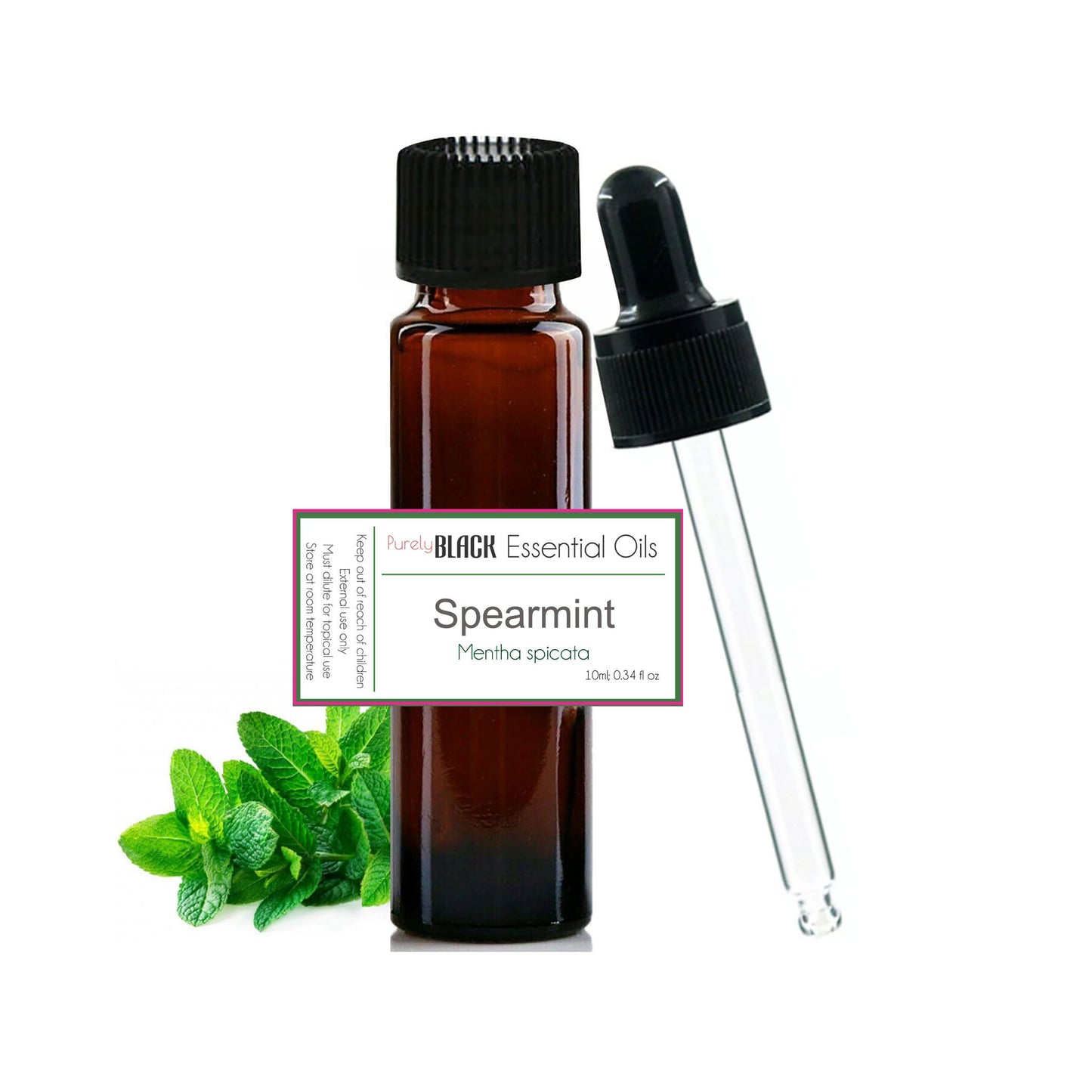
purelyBlack's pure spearmint oil is available as a 100% pure essential oil, dispatched from Sydney.
What not to mix with spearmint?
Spearmint oil should not be mixed with harsh synthetic chemicals, strong undiluted acids, or incompatible active pharmaceutical topical products.
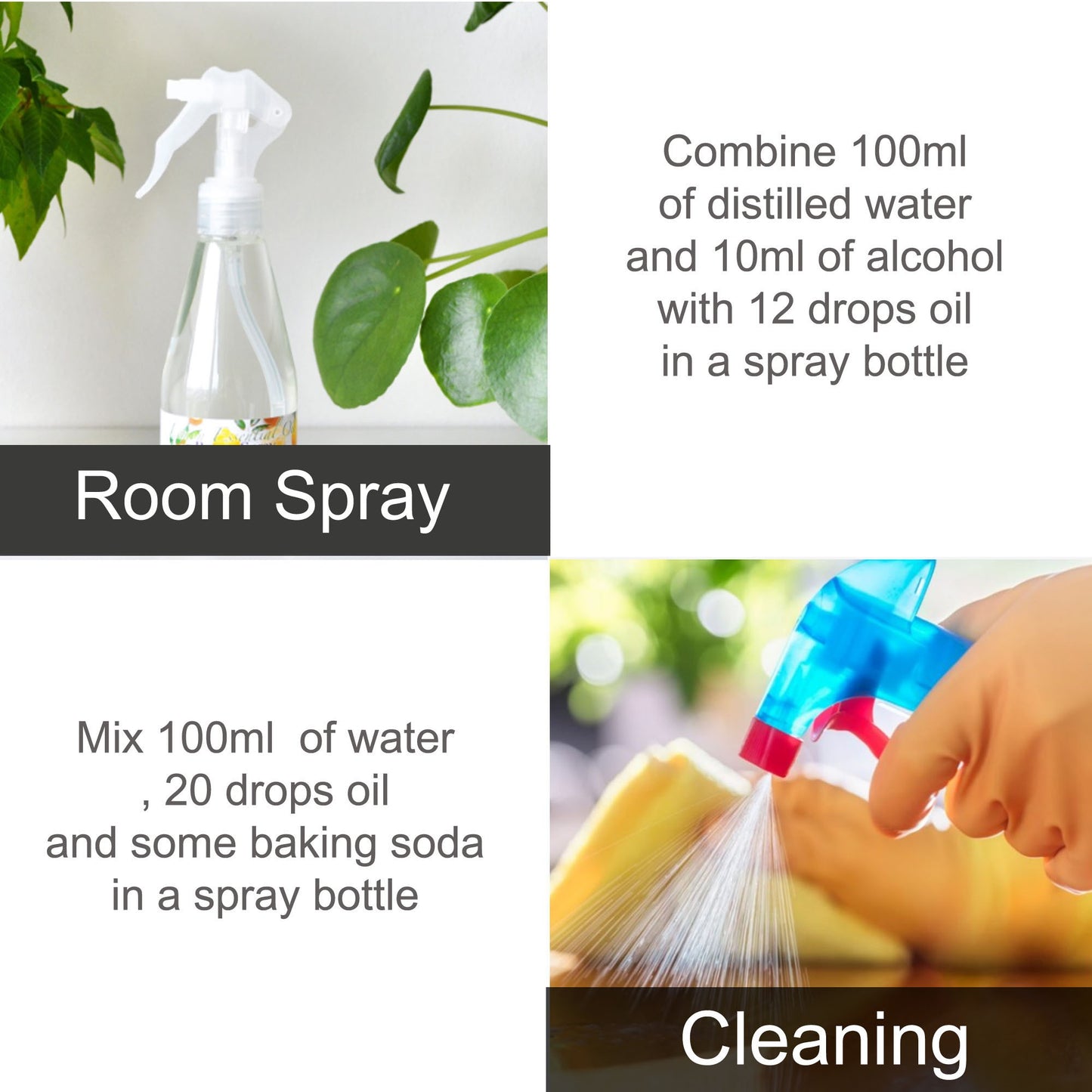
When creating custom aromatherapy blends or topical formulations, avoid combining Spearmint essential oil with synthetic fragrance chemicals or alcohol-rich bases. High concentrations of synthetic drying agents can compromise the natural lipid barrier of the skin, increasing the risk of sensitization when combined with volatile aromatic botanicals. Likewise, mixing concentrated mint extracts with potent chemical exfoliants or prescription dermal ointments can alter skin absorption dynamics unpredictably.
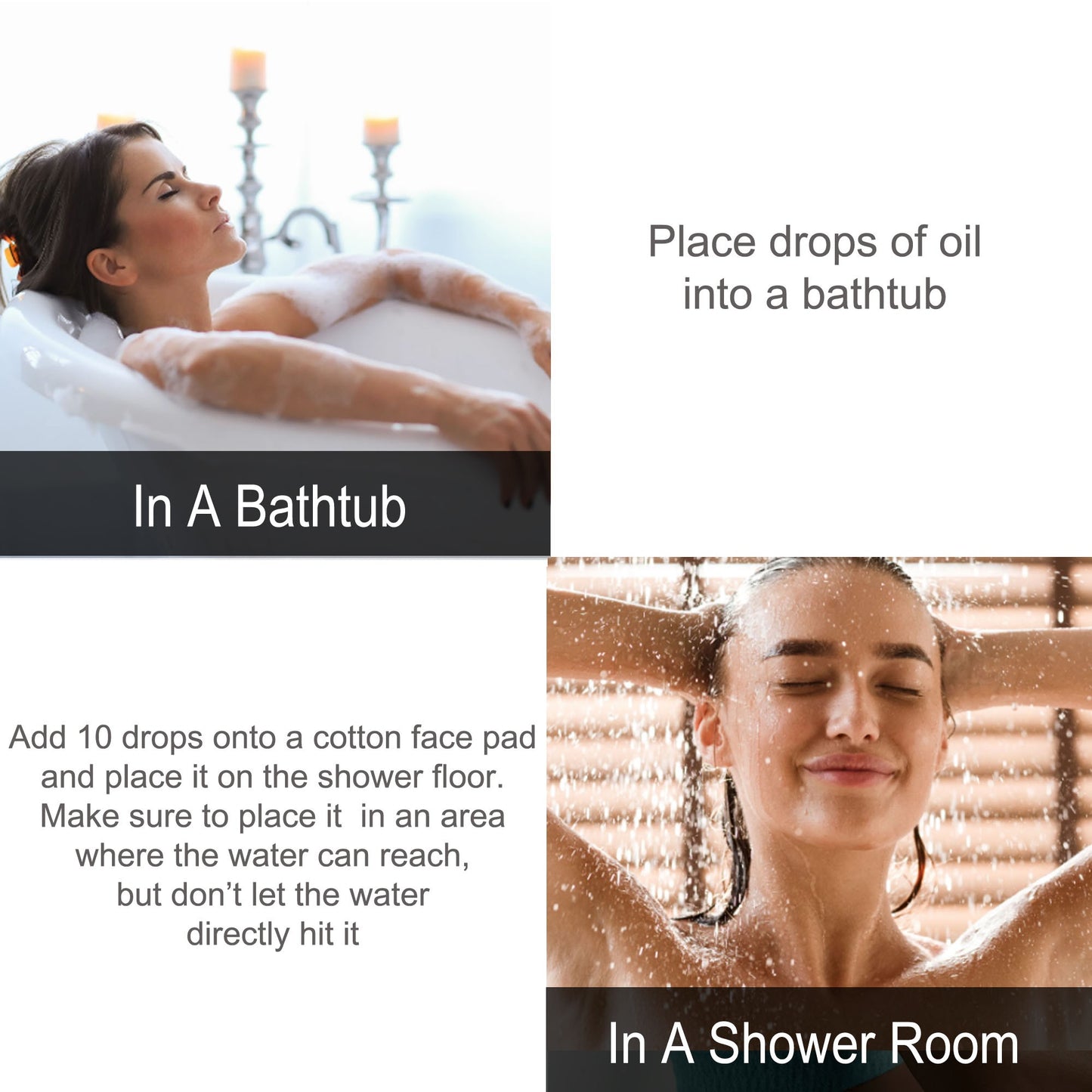
In home diffusion, Spearmint oil pairs beautifully with sweet citrus notes, grounding woods, and gentle floral scents like lavender or marjoram. However, mixing it with overly heavy spice extracts without proper proportion balancing can result in a harsh, muddy scent profile that lacks clarity. Always adhere to recommended droplet ratios when combining multiple concentrated botanical extractions in ultrasonic diffusers.


Can spearmint oil be used on the face?
Yes, spearmint oil can be used on the face when properly diluted in a gentle carrier oil to avoid skin sensitivity.
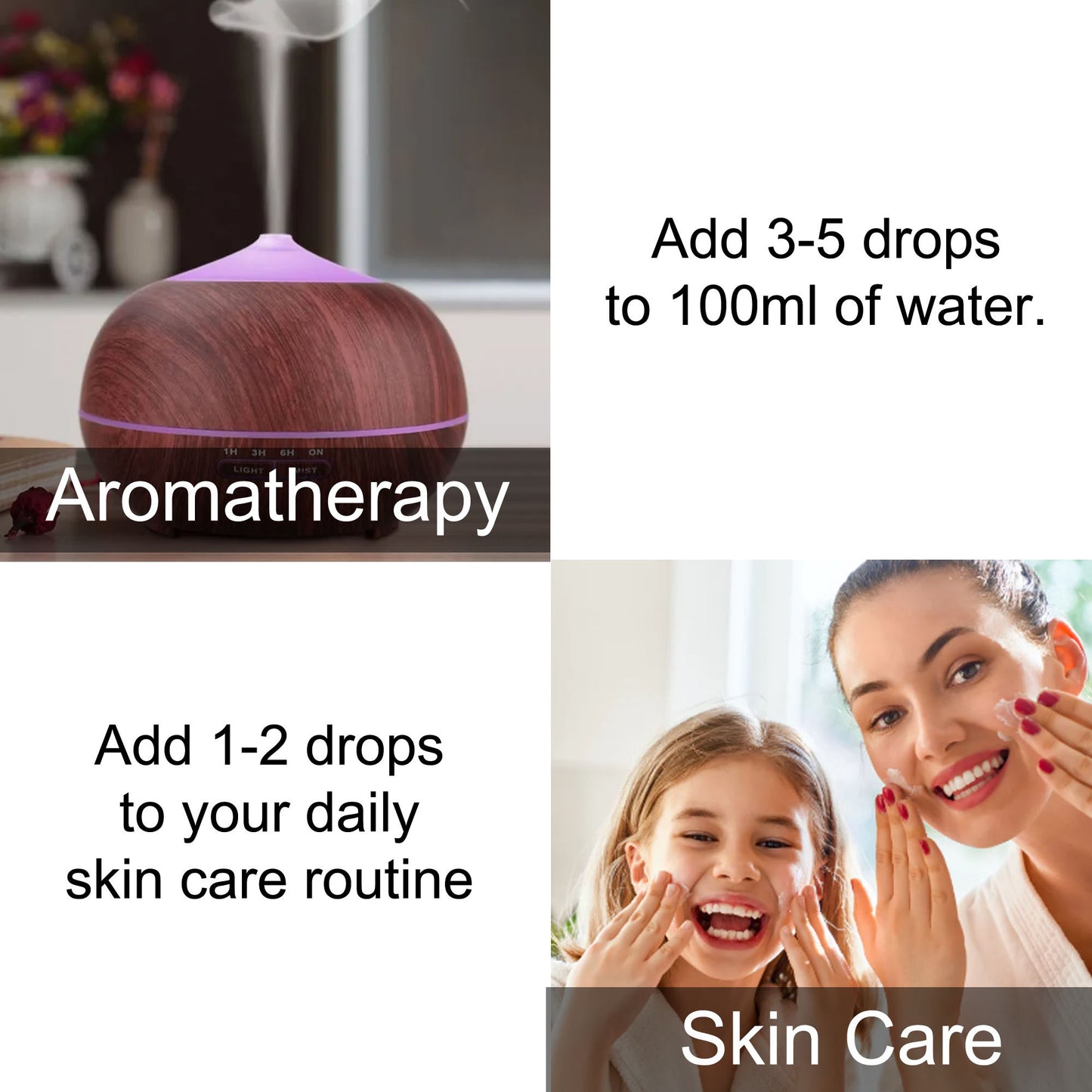
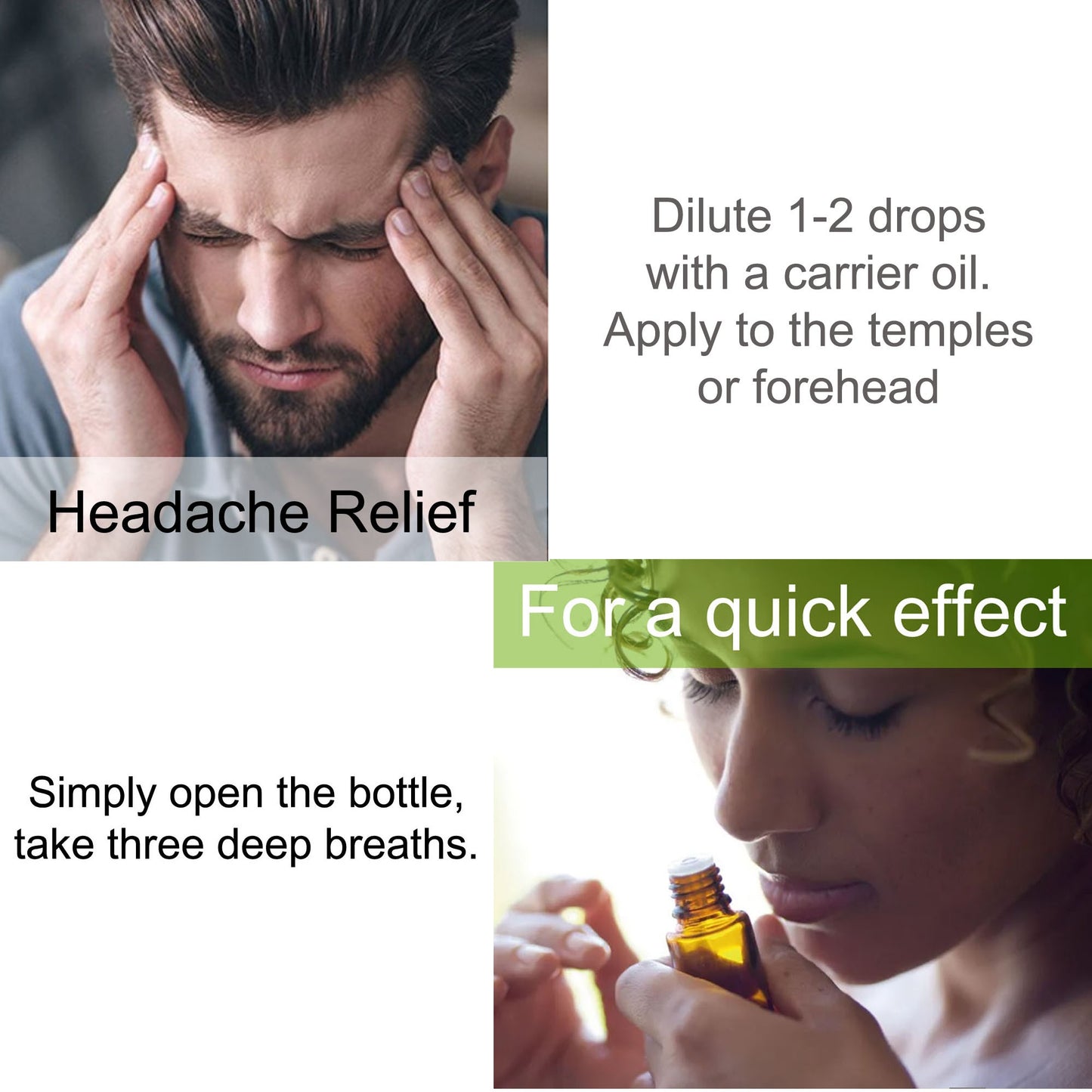
- Safe Dilution: Mix one drop of botanical extract with a full teaspoon of carrier oil for safe facial application.
- Patch Testing: Test diluted mixture on the inner wrist twenty-four hours before applying to sensitive facial skin zones.
- Avoid Eyes: Keep all mint solutions strictly clear of the delicate orbital eye zone and upper eyelids.
Facial dermal tissue is significantly thinner and more sensitive than the skin on the body, necessitating low blending concentrations. A maximum concentration of 0.5% to 1% is ideal for facial formulations, which translates to roughly one drop of botanical extract per ten millilitres of carrier base. Diluting Spearmint in Fractionated Coconut Oil supports a healthy complexion while providing lightweight nourishment that absorbs easily into pores.
For an invigorating skincare routine, many individuals in Australia combine diluted Spearmint applications with botanical hydrosols. Misting the face with Organic Rosewater prior to oil application helps lock in hydration and softens the skin surface. Alternatively, integrating Organic Witch Hazel Extract into your cleansing routine provides natural astringent qualities that complement a clarifying facial regimen.
Who should not use peppermint essential oil?
Peppermint essential oil should be avoided by young infants, pregnant or nursing women, and individuals with specific cardiac or respiratory sensitivities.
High menthol content gives peppermint its intense cooling effect, but this key constituent also poses distinct safety considerations. When inhaled by infants or young children under six years old, menthol can trigger sudden respiratory reflex spasms or breathing difficulty. Furthermore, individuals diagnosed with cardiac arrhythmias, G6PD enzyme deficiency, or active gallbladder disorders are generally advised to avoid high-menthol botanical products entirely.
By comparison, Spearmint essential oil contains only trace quantities of menthol, making it a notably gentler selection for ambient household diffusion around older children. However, pregnant or nursing mothers should always consult a qualified healthcare practitioner before introducing any concentrated aromatic botanical into their daily routine. Responsible usage and proper dilution remain the foundation of safe aromatherapy practice.
Is spearmint or peppermint better for anxiety?
When experiencing feelings of stress or anxiousness, many people turn to gentle botanical aromas to promote a tranquil atmosphere and provide aromatic comfort.
Choosing between these two mint varieties often depends on personal aromatic preferences and sensory tolerance. Spearmint oil possesses a sweet, soft, herbaceous scent profile that promotes a tranquil atmosphere without overwhelming the senses. Its gentler aromatic presence makes it particularly suitable for afternoon or evening diffusion when a serene, grounded environment is desired.
Peppermint, on the other hand, delivers a sharp, penetrating sensory boost due to its dominant menthol content. While some find this intense freshness invigorating during morning focus periods, others with heightened sensory reactivity may find it overly stimulating. Utilizing gentle diffusion methods with Spearmint provides a balanced approach to creating a calming, restful home environment.
Which is more powerful, spearmint or peppermint?
Peppermint is chemically more powerful due to its high menthol content, whereas spearmint provides a milder, softer L-carvone aromatic profile.
From a chemical standpoint, peppermint is considered significantly more potent due to high concentrations of menthol and menthone, which create an intense cooling sensation. In contrast, pure Spearmint oil relies on L-carvone for its distinct aromatic character, resulting in a substantially milder physiological impact on the skin and senses. This profile difference makes Spearmint an excellent option for those who find peppermint excessively harsh or sharp.
The comparative guide below outlines the structural, sensory, and functional distinctions between these two widely utilized botanical extracts.
| Characteristic | Spearmint Essential Oil | Peppermint Essential Oil |
|---|---|---|
| Primary Constituent | L-carvone (50%–70%) | Menthol (30%–50%) |
| Aromatherapy Intensity | Gentle, sweet, softly herbaceous | Intense, sharp, cooling, penetrating |
| Child-Friendly Profile | Milder and preferred for general home use | Requires strict age restrictions due to high menthol |
| Facial Skincare Compatibility | Higher tolerance at low dilution | Requires ultra-low dilution due to cooling bite |
To explore similar profiles, discover these pure purelyBlack creations: Copaiba Oil, Pine Oil, and Lemon Myrtle Oil — each dispatched from Sydney.
For more detailed insights on applications and botanical profiles, read our complete guide: What Is Spearmint Essential Oil Good For? Complete Guide.
Related Reading
For more on spearmint oil, see our companion guides: A Refreshing Guide to Pure Spearmint Essential Oil Uses in Australia. What Is Spearmint Oil Good For? Complete Guide.
About the Author
Written by H.R. Kim
Founder at purelyBlack — an Australian-owned perfumery and botanical studio based in Sydney. H.R. specialises in scent profiling and natural ingredient sourcing, meticulously balancing premium fragrance oils and 100% pure essential oils to create elevated aromatic experiences.
Last updated: August 2026
Disclaimer: purelyBlack essential oils are for external use and aromatherapy purposes only. They are not intended to diagnose, treat, cure, or prevent any disease. Always dilute with a carrier oil before topical application and consult a healthcare professional if pregnant or under medical supervision.
