



What Is Niaouli Oil Used For? — Complete Guide
What is niaouli oil used for?
Niaouli essential oil is primarily used for seasonal respiratory diffusion, skin-clearing steam rituals, household surface purification, and focused aromatic clarity.
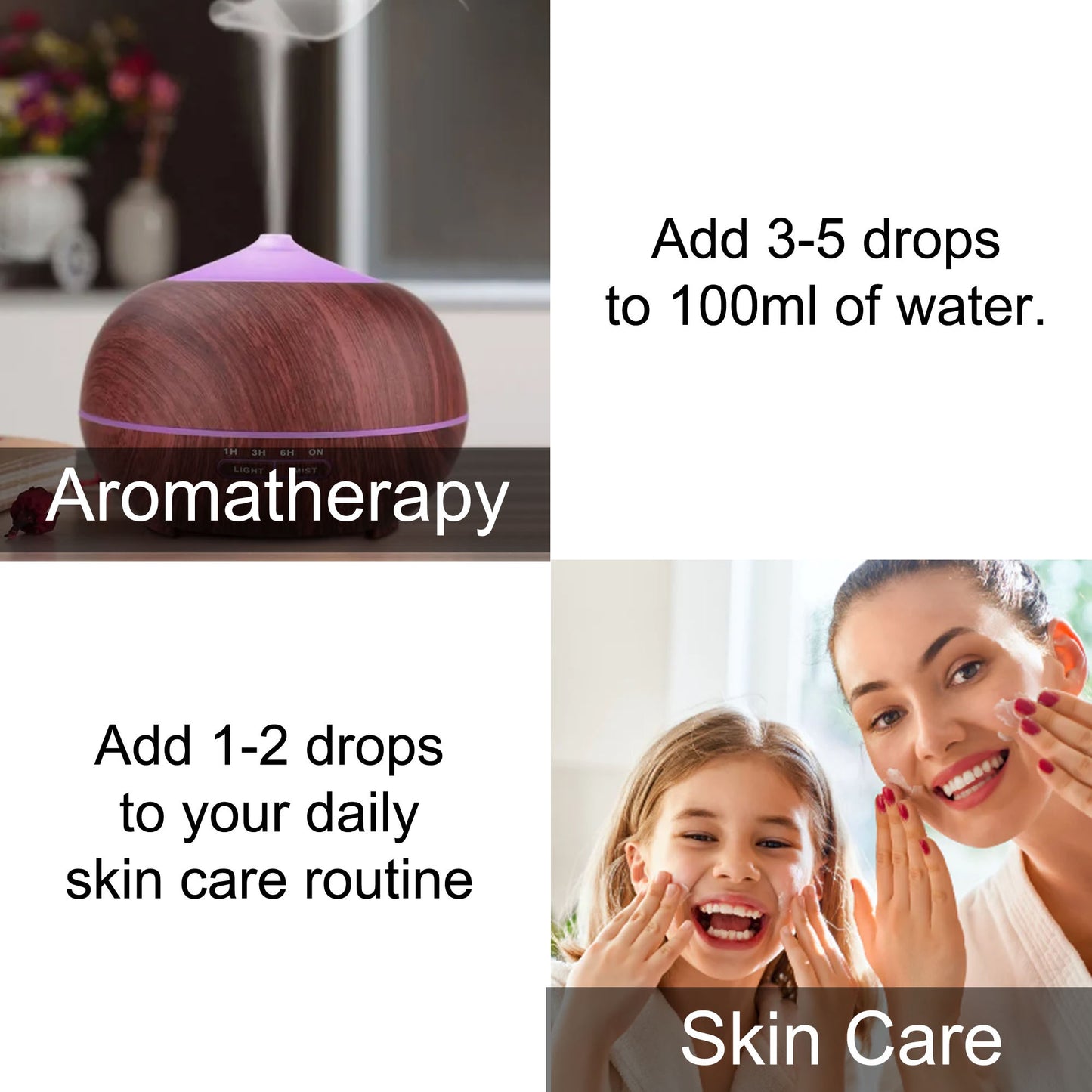
- Respiratory Inhalation: Diffuse several drops to create a clear, refreshing atmosphere during cold and seasonal changes.
- Complexion Cleansing: Add a diluted drop to daily facial wash to promote balanced, clear, and healthy skin.
- Household Freshening: Blend with water in a spray bottle for natural countertop wiping and botanical room deodorising.


Extracted from the leaves and young twigs of Melaleuca quinquenervia, a robust evergreen tree in the Myrtaceae family, Niaouli is harvested primarily through gentle steam distillation. Native to Australia and surrounding coastal regions, this remarkable tree yields an essence closely related to tea tree, yet distinctly softer in aromatic delivery. Aromatherapists frequently select Niaouli oil for purifying personal spaces, refreshing stuffy rooms, and supporting natural resilience during climate fluctuations.
Because the botanical composition is naturally rich in invigorating active compounds, Niaouli essential oil serves as a versatile staple in wellness cabinets. Beyond room diffusion and household care, it is commonly diluted into botanical massage oils and chest rubs to encourage effortless, deep breathing. Integrating this multi-purpose oil into personal care routines helps clear stale energy while nurturing a pristine living environment.
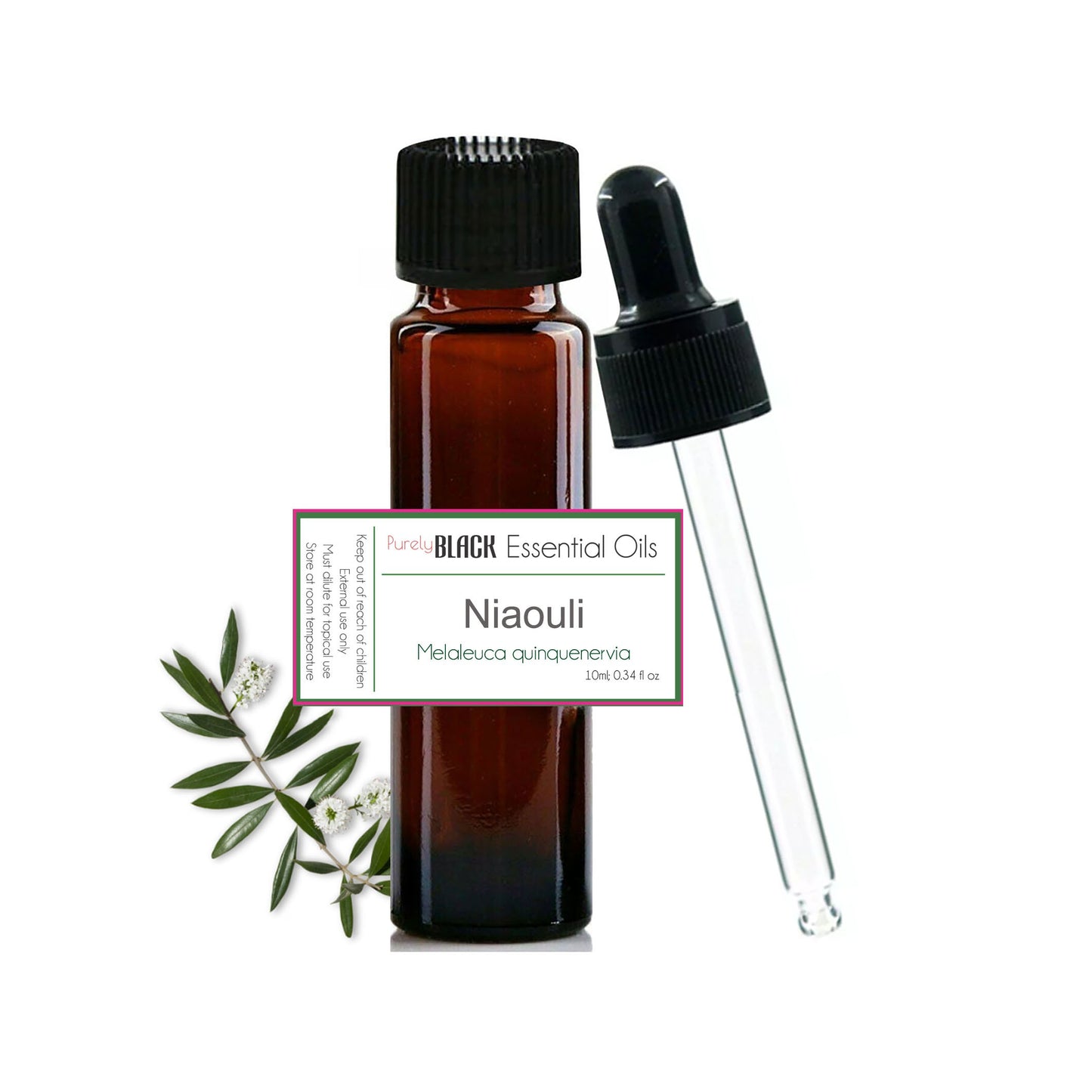
purelyBlack's pure niaouli oil is available as a 100% pure essential oil, dispatched from Sydney.
What does niaouli oil smell like?
Niaouli essential oil has a fresh, sweet, and camphorous aroma with herbal, woody undertones reminiscent of eucalyptus and tea tree.
The fragrance of Niaouli oil opens with a brisk, vaporous top note that immediately awakens the senses. While sharing the penetrating qualities of traditional eucalyptus, Niaouli carries an intrinsically sweeter, slightly earthy middle note that softens its sharp medicinal edges. This delicate balance between crisp camphor and delicate botanical sweetness gives the oil its refined, approachable aromatic profile.
The distinctive scent arises directly from its rich phytochemical makeup, which predominantly features 1,8-cineole (eucalyptol) at 40% to 60%, alongside alpha-pinene and viridiflorol according to a published phytochemical study. Viridiflorol introduces a warm, subtly resinous depth that prevents the aroma from dissipating too quickly in room diffusers. When dispersed into the air, Niaouli leaves behind a remarkably clean, forest-like trail that neutralises lingering household odours.
Aromatherapists often favour Niaouli over harsher camphorous botanicals when creating blends for daytime productivity or study environments. Its vibrant herbaceous clarity lifts mental fog without overwhelming delicate olfactory senses. For those who find tea tree overly medicinal or eucalyptus too sharp, Niaouli oil provides the perfect sweet, botanical alternative.


What is niaouli oil good for?
Niaouli essential oil is good for promoting a tranquil atmosphere, refreshing stagnant indoor air, and supporting a healthy, balanced skin complexion.
- Air Purification: Diffuse during seasonal changes to cleanse stale indoor spaces with a brisk, invigorating botanical vapour.
- Targeted Skin Soothing: Blend with carrier oil to comfort blemish-prone areas and nurture smooth, resilient epidermal tissue.
- Mindful Grounding: Inhale the crisp vaporous notes during meditation to encourage balanced focus and renewed mental stamina.
When experiencing seasonal congestion or fatigue, many people turn to Niaouli essential oil to provide aromatic comfort throughout the home. Traditionally used in botanical practice to provide comfort for tired muscles and irritated complexions, Niaouli supports overall vitality without causing undue sensory overload. Its gentle purifying qualities make it suitable for both topical personal care rituals and whole-home botanical freshening.
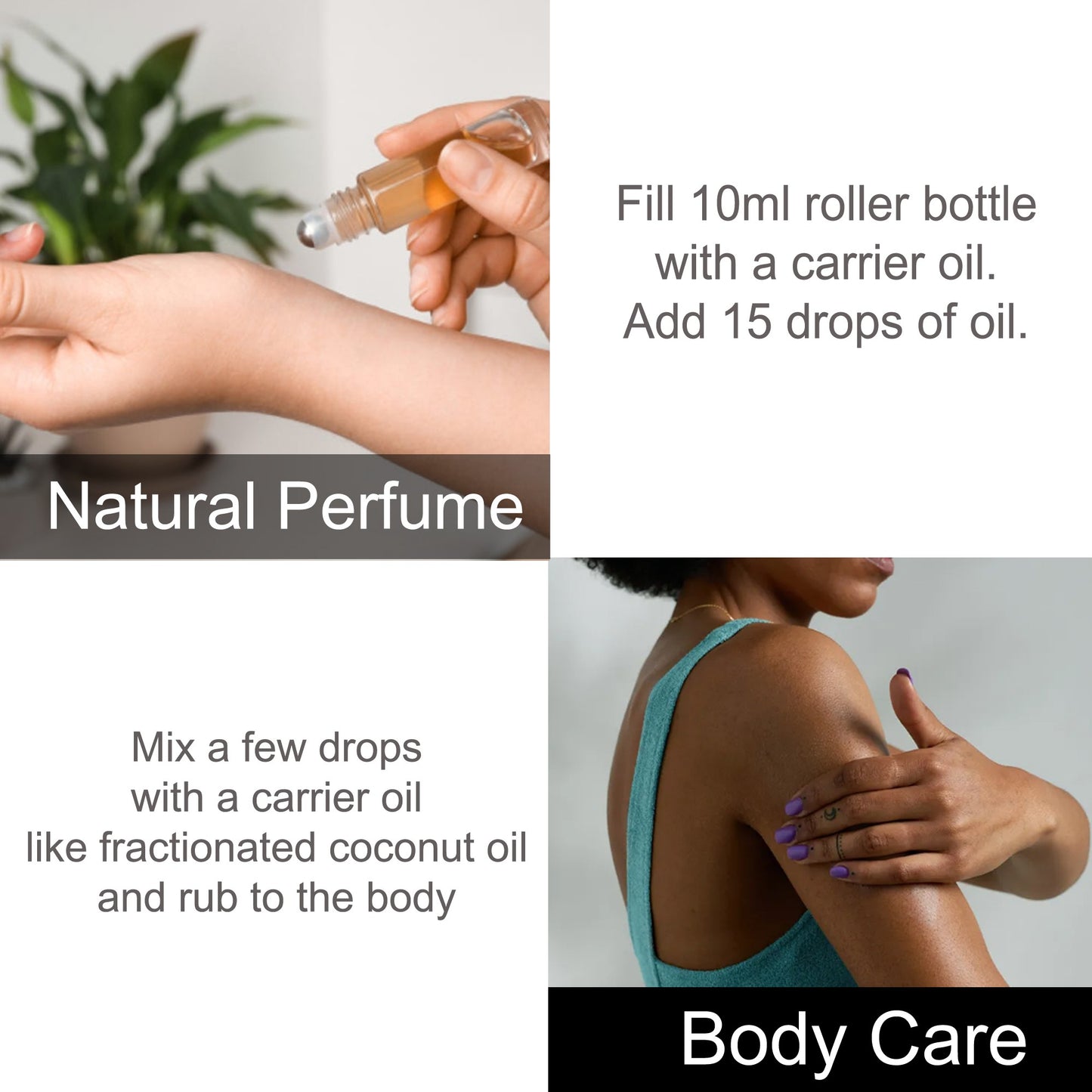
To comfort delicate or blemish-prone skin, blend two drops of Niaouli oil into 10ml of Fractionated Coconut Oil before smoothing over target areas. This dilution supports a healthy complexion by balancing excess surface oils while maintaining vital dermal hydration. Applying this nourishing blend after gentle cleansing helps maintain skin clarity and natural resilience.
In holistic lifestyle practices, diffusing Niaouli helps establish an uplifting and focused environment conducive to work, study, or restorative rest. The brisk vaporous profile cuts through heavy, stagnant ambient air to restore vitality to quiet rooms. Whether utilised in soothing warm baths or desktop diffusers, Niaouli oil reliably encourages mental clarity and environmental freshness.
Can niaouli oil be used to treat a yeast infection?
When experiencing intimate discomfort, many people explore gentle botanicals, though niaouli oil is not medically proven to treat yeast infections.
Intimate wellness requires careful, evidence-based care because mucosal membranes are extraordinarily delicate and prone to chemical irritation. Undiluted essential oils are highly concentrated chemical substances that can cause severe contact dermatitis, burning, and tissue inflammation when applied directly to sensitive areas. While laboratory studies observe botanical cleansing properties in pure compounds, clinical treatment of fungal or yeast infections requires targeted medical therapies.
Holistic wellness enthusiasts occasionally incorporate heavily diluted Niaouli into external personal hygiene rituals, such as shallow sitz baths. Adding two drops of Niaouli oil pre-dispersed in a tablespoon of carrier oil to warm bathwater provides soothing aromatic comfort. However, this traditional practice serves only as an external hygiene aid and should never substitute professional medical evaluation or prescribed antifungal treatments.
Anyone experiencing persistent pelvic pain, unusual discharge, or acute irritation should immediately consult a qualified healthcare practitioner. Self-treating suspected yeast infections with concentrated botanicals can disrupt the delicate natural microbiome and exacerbate underlying conditions. Maintaining safety and proper dilution remains the most vital consideration when utilising potent plant extracts.
What does niaouli oil blend well with?
Niaouli essential oil blends exceptionally well with woody, minty, citrus, and herbal oils like cypress, peppermint, lavender, and cedarwood.
Because Niaouli possesses both bright camphorous top notes and sweet, grounding woody undertones, it harmonises effortlessly across diverse botanical families. Pairing Niaouli oil with bright citrus oils softens its sharp medicinal edges, while combining it with rich wood essences anchors its fleeting vaporous qualities. These synergistic pairings allow you to craft bespoke aromatic profiles tailored to seasonal wellness, skincare, or peaceful meditation.
| Essential Oil | Fragrance Family | Synergistic Purpose |
|---|---|---|
| Cypress Oil | Woody / Coniferous | Promotes deep breathing and creates an invigorating forest room aroma. |
| Peppermint Oil | Minty / Fresh | Enhances mental alertness and clears heavy morning brain fog. |
| Cedarwood Oil | Woody / Earthy | Anchors camphorous notes for evening relaxation and grounded meditation. |
| Fennel Oil | Herbal / Aniseed | Introduces sweet, herbaceous depth to purifying diffuser blends. |
| Cardamom Oil | Warm Spice | Balances brisk vaporous undertones with comforting, aromatic warmth. |
For a refreshing home purifying blend, combine three drops of Niaouli, two drops of spearmint, and two drops of cypress in your ultrasonic diffuser. If you prefer a tranquil, grounding environment before bedtime, try blending Niaouli with sweet floral palmarosa and warm sandalwood. Experimenting with varying drop ratios enables you to adjust the sweetness and vaporous strength to match your personal sensory preference.
To discover more about topical skincare applications, read our detailed companion guide: Is Niaouli Essential Oil Good for Skin? Anti-Aging and Skin Care Guide.
To explore similar profiles, discover these pure purelyBlack creations: Cypress Oil, Peppermint Oil, and Cedarwood Oil — each dispatched from Sydney.
Related Reading
For more on niaouli oil, see our companion guides: A Complete Guide to Pure Niaouli Essential Oil in Australia. Is Niaouli Oil Good for Skin? Anti-Aging and Skin Care Guide.
About the Author
Written by H.R. Kim
Founder at purelyBlack — an Australian-owned perfumery and botanical studio based in Sydney. H.R. specialises in scent profiling and natural ingredient sourcing, meticulously balancing premium fragrance oils and 100% pure essential oils to create elevated aromatic experiences.
Last updated: August 2026
Disclaimer: purelyBlack essential oils are for external use and aromatherapy purposes only. They are not intended to diagnose, treat, cure, or prevent any disease. Always dilute with a carrier oil before topical application and consult a healthcare professional if pregnant or under medical supervision.
