



Is Niaouli Oil Good for Skin? Anti-Aging and Skin Care Guide
Is niaouli oil good for skin?
Yes, niaouli essential oil is good for skin because its clarifying compounds cleanse congested pores and support balanced moisture.
- Blemish Clarification: Niaouli oil helps purify congested skin by clearing surface impurities and excess sebum without overdrying.
- Complexion Tone: Regular topical application of niaouli promotes an even skin texture and supports overall barrier balance.
- Gentle Cleansing: It provides a milder aromatic profile than tea tree while offering similar skin-purifying properties.


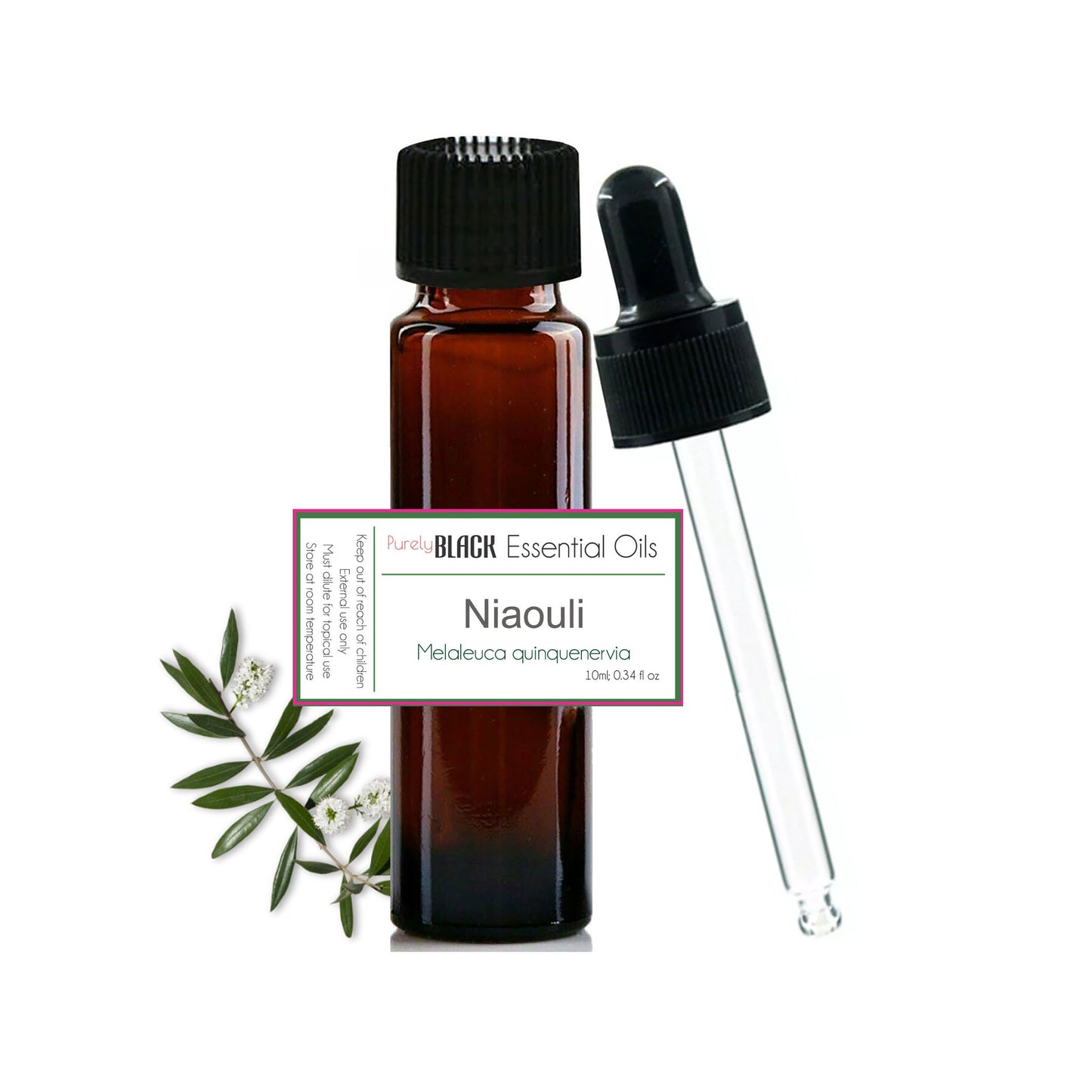
Niaouli essential oil is obtained through the steam distillation of the fresh leaves and young twigs of Melaleuca quinquenervia, an evergreen tree belonging to the Myrtaceae botanical family. This aromatic tree flourishes across coastal regions, producing a remarkably gentle yet active botanical extract. In modern cosmetic formulation, skincare specialists value this oil for its versatile, skin-friendly profile.
The biochemical profile of the oil features high levels of 1,8-cineole (40–60%), viridiflorol (6–15%), alpha-pinene, and limonene, as documented in this published phytochemical study. These natural constituents work together to refresh the dermal barrier and protect against daily environmental impurities. Because viridiflorol offers exceptional soothing properties, the oil provides profound equilibrium to oily and combination skin types.
When used in daily beauty rituals, niaouli oil helps diminish the look of persistent redness and clarifies congested pores. The oil delivers essential nutrients that support an even skin tone and natural luminosity. purelyBlack's pure niaouli oil is available as a 100% pure essential oil, dispatched from Sydney.
Which essential oil is like Botox for wrinkles?
While no botanical completely mimics medical Botox, helichrysum and frankincense essential oils are renowned for smoothing the appearance of wrinkles.
Medical cosmetic treatments function by temporarily immobilising targeted facial muscles to prevent expression lines. In contrast, plant essences work on the surface layers of the epidermis by delivering vital antioxidants, retaining hydration, and promoting visible elasticity. While essential oils cannot replicate injectable neuromodulators, several botanical extracts deliver remarkable skin-firming and line-softening results over time.
Helichrysum and frankincense oils are often celebrated as plant-based alternatives for aging skin due to their skin-regenerating qualities. Niaouli essential oil complements these anti-aging titans by toning the epidermal texture and protecting the skin against oxidative stress. Its natural astringency tightens the appearance of slackened pores, lending a smoother, more refined surface to mature skin.
You can create a potent botanical face elixir by blending niaouli oil with sandalwood and geranium in a base of nutrient-dense carrier oil. Sandalwood helps lock in deep moisture, while geranium balances sebum production across mature complexions. Together, these botanicals encourage a firmer, plumped appearance that softens the look of fine laugh lines and crow's feet.


What oil tightens saggy skin?
Astringent botanicals like frankincense, cypress, and niaouli oil naturally support skin elasticity and help firm the appearance of loose areas.
- Pore Refinement: Niaouli oil naturally tightens pore appearance, creating a firmer and visibly smoother facial canvas.
- Antioxidant Protection: Botanical antioxidants defend epidermal layers against environmental factors that contribute to premature skin sagging.
- Cellular Hydration: Blending astringent essences with nourishing plant carriers preserves critical moisture for visibly plumper contours.
Skin firmness gradually diminishes as structural proteins like collagen and elastin experience natural degradation from UV exposure and chronological aging. Integrating astringent essential oils into your skincare regimen helps tone surface tissues and improve visible skin density. Niaouli oil contains natural monoterpenes that gently tighten relaxed tissue without disrupting the skin's protective lipid barrier.
When combined with cypress oil and frankincense, niaouli enhances microcirculation across the epidermis during facial massage. This boost in circulation delivers oxygen and vital nutrients to dull, sagging skin cells. Performing an upward facial massage with this botanical blend helps contour the jawline and lift the look of tired cheek contours.
What is niaouli oil good for topically?
Topically, niaouli essential oil excels at purifying congested skin, soothing surface irritations, balancing excess sebum, and refreshing dull complexions.
| Application Goal | Recommended Recipe | Routine Frequency |
|---|---|---|
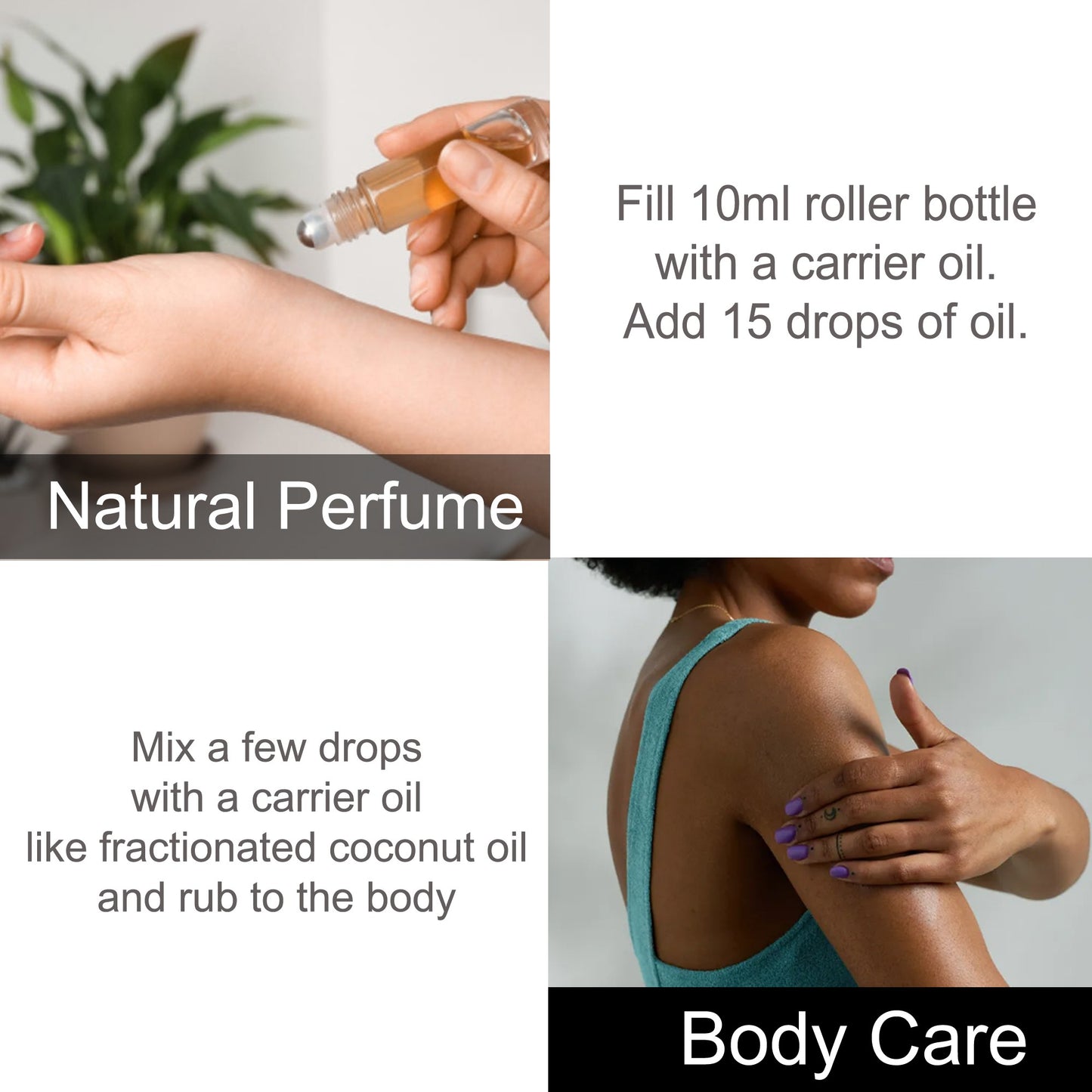
| Clarifying Face Serum | 2 drops niaouli oil + 10 ml Fractionated Coconut Oil | Nightly after cleansing |
| Blemish Clarifying Toner | 3 drops niaouli oil + 50 ml Organic Witch Hazel Extract | Twice daily with a cotton pad |
| Refreshing Facial Mist | 2 drops niaouli oil + 50 ml Organic Rosewater | Midday hydration spritz |
| Firming Body Oil | 6 drops niaouli oil + 30 ml carrier oil | Post-shower body massage |
Niaouli essential oil offers an impressive range of topical benefits for individuals navigating hormonal breakouts or excessive oil production. Unlike harsh synthetic astringents that strip natural lipids, niaouli gently harmonises dermal balance while maintaining essential moisture. Its gentle cineole content helps clear pore-clogging debris, visibly reducing the size and redness of surface blemishes.
When experiencing uneven texture, adding niaouli to pure floral waters creates an invigorating skin tonic. Combining niaouli with gentle plant hydrosols provides aromatic comfort and restores vitality to weather-stressed skin. Niaouli also serves as a superb addition to post-shave balms, where it cools razor burn and revitalises delicate facial tissues.
Is niaouli oil safe to use on skin?
Yes, niaouli essential oil is safe for skin use when properly diluted in carrier oils and after performing a patch test.
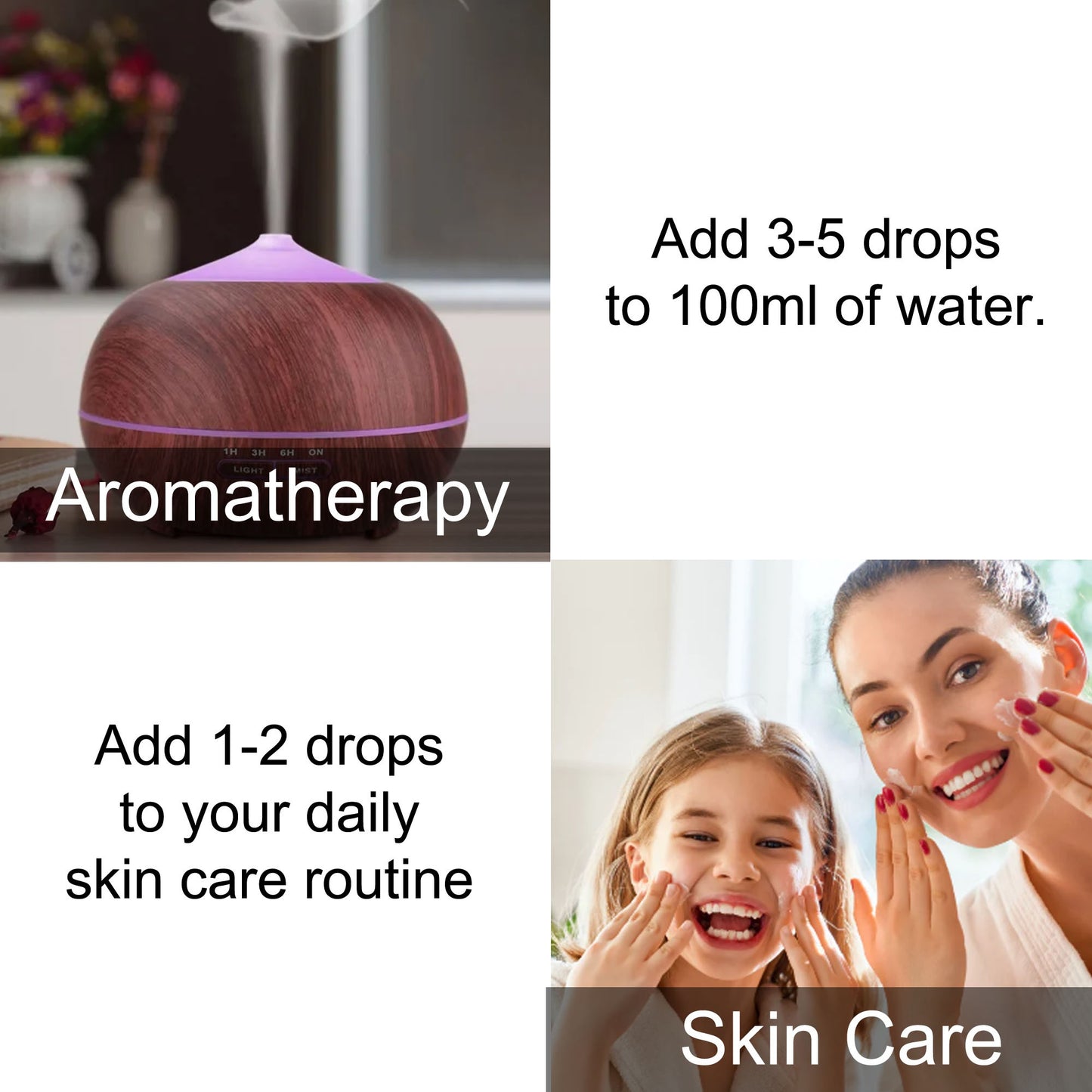
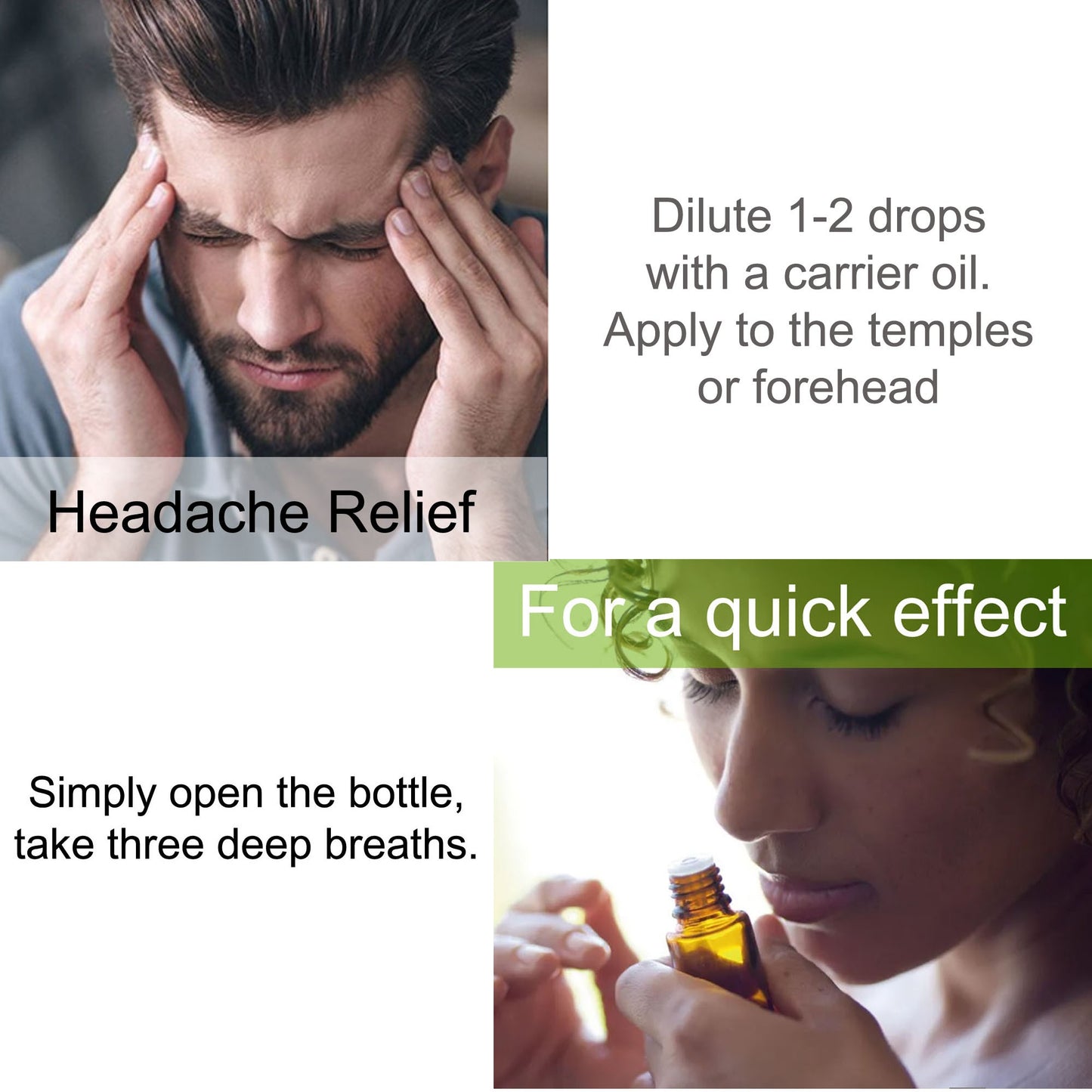
Like all concentrated essential oils, niaouli must never be applied directly to the skin in its undiluted form. Concentrated volatile oils can cause topical sensitization, redness, or barrier irritation if used without adequate dilution. A safe dilution rate for daily facial application is 0.5% to 1%, which equates to 1 to 2 drops of essential oil per 10 ml of carrier oil.
Before introducing niaouli into your regular beauty ritual, perform a simple patch test on a small area of your inner forearm. Apply a few drops of your diluted mixture and observe the area for twenty-four hours to ensure complete skin compatibility. Individuals with compromised barriers or hyper-reactive skin should start with lower concentrations to ensure comfort.
For more insights on this versatile botanical, read our companion guide: What Is Niaouli Essential Oil Used For? — Complete Guide.
To explore similar profiles, discover these pure purelyBlack creations: Marjoram Oil, Cardamom Oil, and Peru Balsam Oil — each dispatched from Sydney.
Related Reading
For more on niaouli oil, see our companion guides: A Complete Guide to Pure Niaouli Essential Oil in Australia. What Is Niaouli Oil Used For? — Complete Guide.
About the Author
Written by H.R. Kim
Founder at purelyBlack — an Australian-owned perfumery and botanical studio based in Sydney. H.R. specialises in scent profiling and natural ingredient sourcing, meticulously balancing premium fragrance oils and 100% pure essential oils to create elevated aromatic experiences.
Last updated: August 2026
Disclaimer: purelyBlack essential oils are for external use and aromatherapy purposes only. They are not intended to diagnose, treat, cure, or prevent any disease. Always dilute with a carrier oil before topical application and consult a healthcare professional if pregnant or under medical supervision.
