




Does Neroli Oil Help with Sleep and Anxiety?
Does neroli make you sleepy?
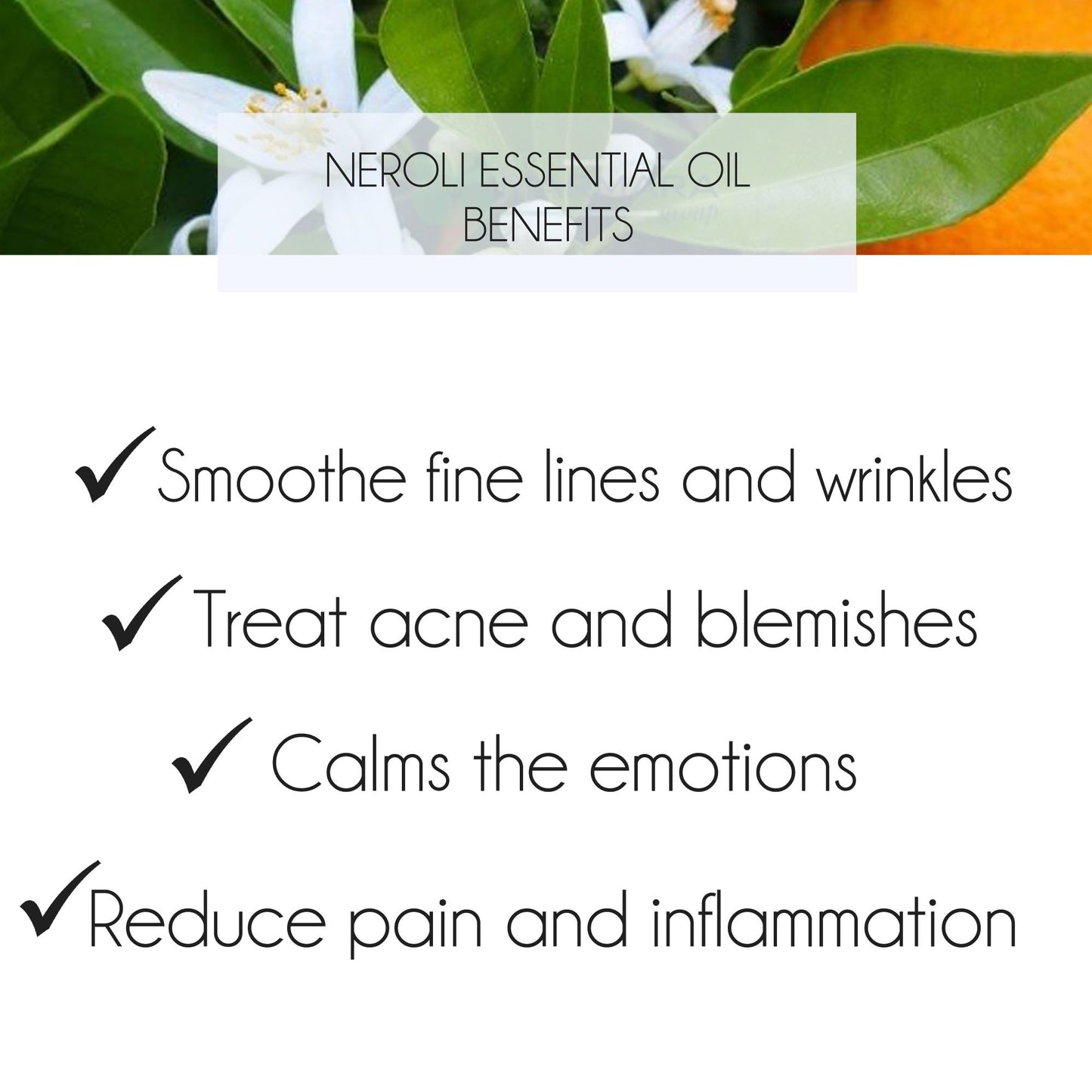
When experiencing restless evenings or nighttime tension, many people turn to neroli essential oil to promote a tranquil atmosphere for bedtime relaxation.
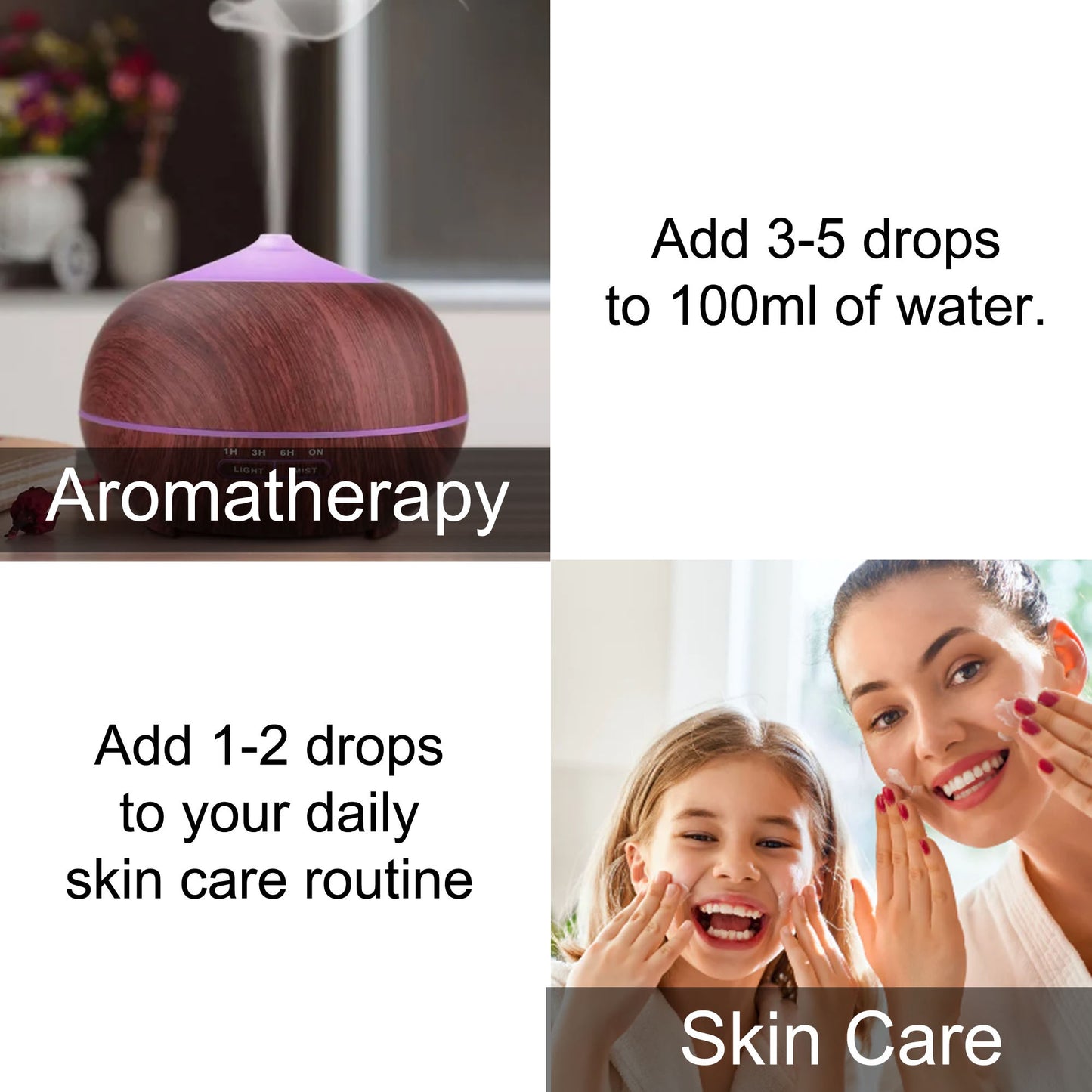
- Aromatic Diffusion: Diffusing three drops in a bedroom prior to sleep supports a tranquil and soothing nocturnal atmosphere.
- Topical Application: Diluting two drops in Fractionated Coconut Oil provides gentle evening comfort when applied to wrists.
- Bedtime Routines: Adding a floral aromatherapeutic ritual before sleep helps establish consistent signals for evening rest and calm.


Derived from the delicate white blossoms of the bitter orange tree (Citrus aurantium var. amara), belonging to the Rutaceae plant family, Neroli is prized for its soft floral and subtly citrus aroma. Aromatherapists often recommend diffusing this delicate botanical oil during evening winding-down rituals to prepare the mind for quietude. Its comforting olfactory profile creates a peaceful sanctuary that gently eases the transition from a demanding day into nighttime rest.
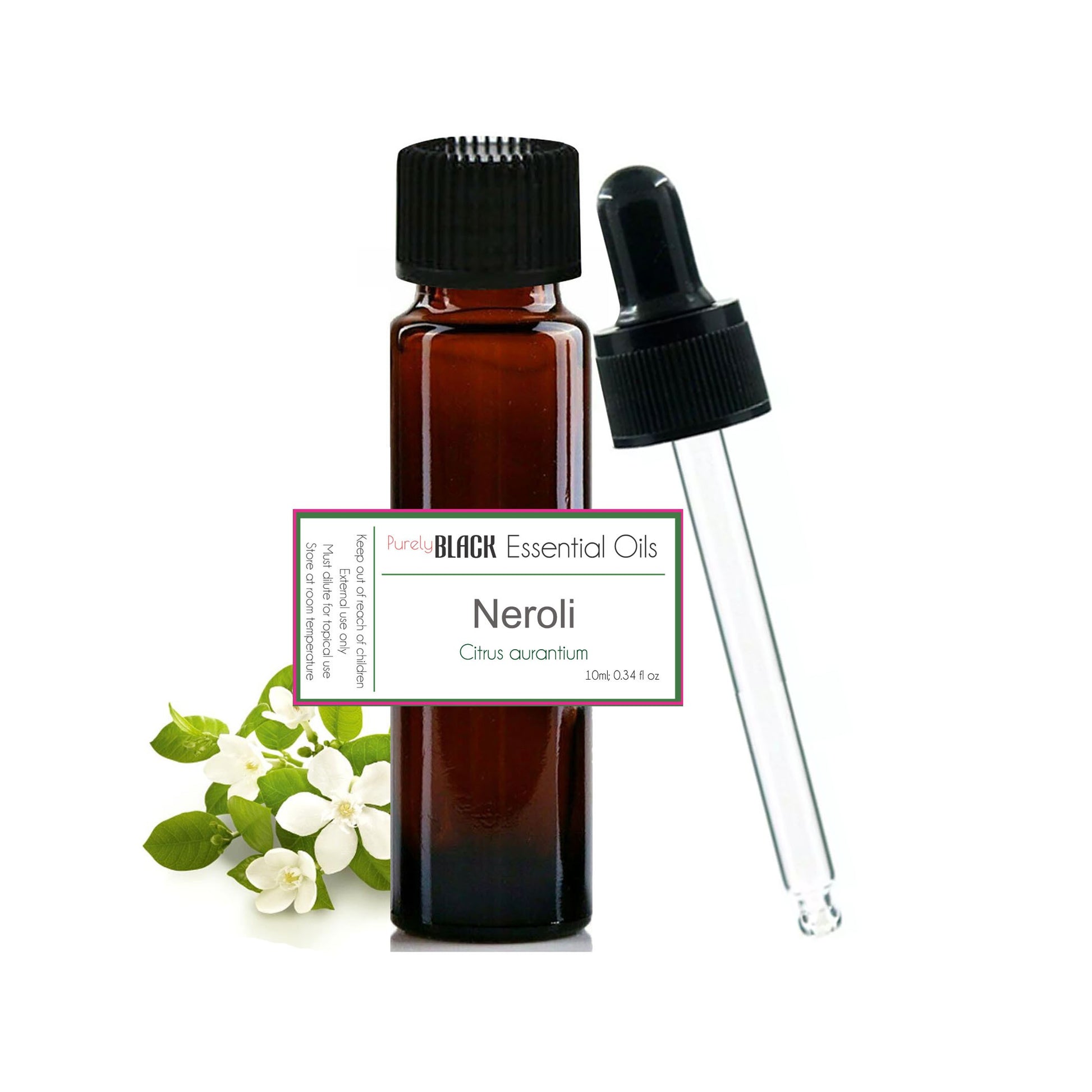
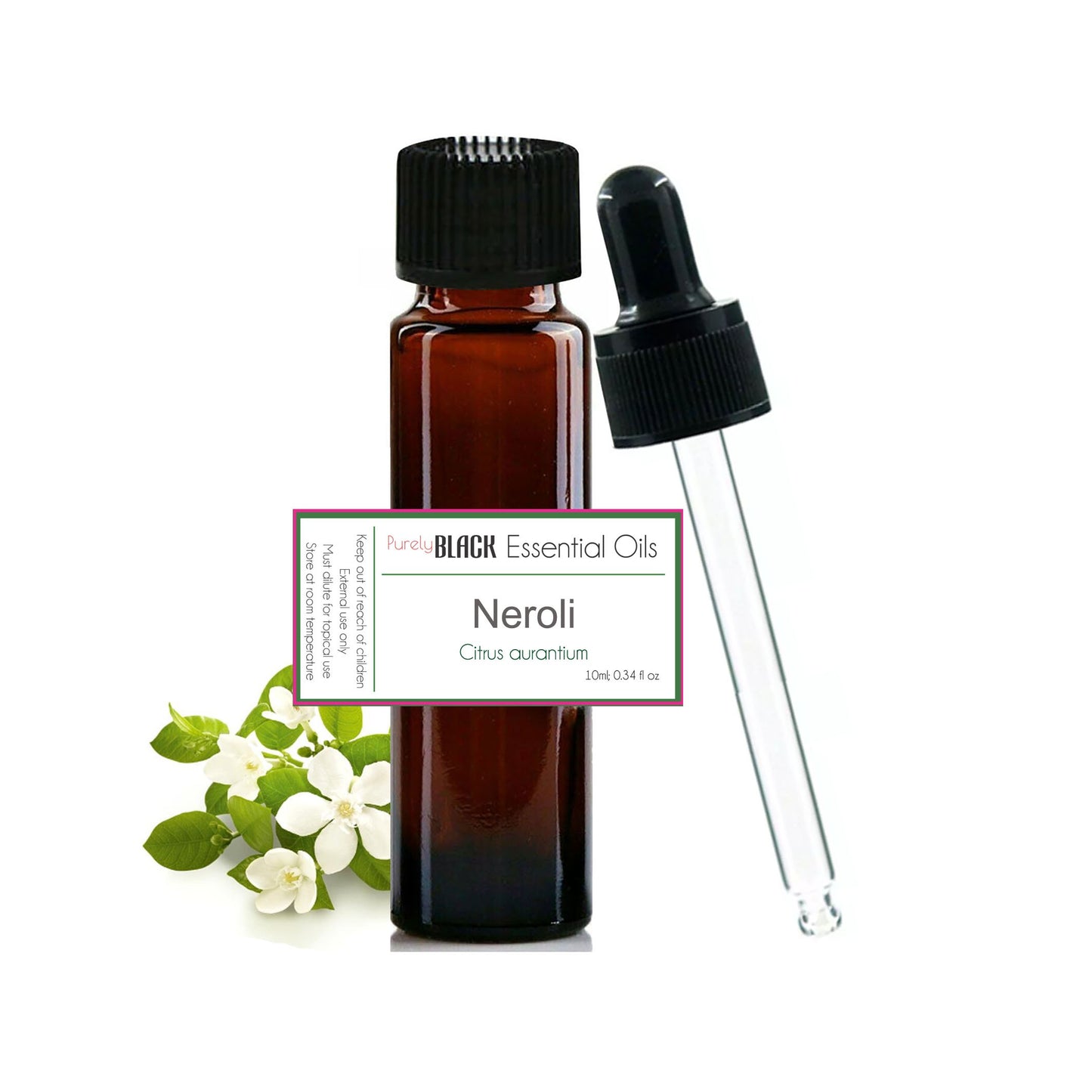
When used in nighttime routine practices across Australia, the essential oil supports a serene space that encourages physical and mental unbending. Integrating this fragrant flower extract into a bedside diffuser or warm evening bath routine provides subtle aromatic comfort. purelyBlack's pure neroli oil is available as a 100% pure essential oil, dispatched from Sydney.
Is neroli oil good for sleep?
When experiencing occasional nighttime restlessness, many people turn to neroli oil to create a deeply relaxing environment conducive to rest.
Creating an optimal sleep sanctuary requires sensory elements that calm an overactive mind, and floral aromatics play a key role in this process. Neroli oil contains naturally occurring monoterpenols and esters, notably linalool (28–44%) and linalyl acetate (3–17%), which are widely recognised for their soothing properties. According to a published phytochemical analysis, these specific botanical constituents work synergistically to provide a tranquil sensory experience.
To maximize sleep comfort, many individuals place a few drops of Neroli essential oil on a tissue near their pillow or combine it with lavender in a cool-mist diffuser. The gentle floral scent surrounds the sleeping area, helping to soothe sensory overload without relying on synthetic fragrances. This botanical practice offers an authentic, natural way to cultivate a peaceful bedtime environment night after night.


Is neroli stimulating?
No, neroli oil is not considered stimulating, but rather gently uplifting while maintaining a soothing floral ambiance that settles nervous energy.
- Mood Balance: Neroli provides a gentle uplifting aroma without triggering physical agitation or overstimulating the senses.
- Sensory Grounding: Inhaling the sweet blossom scent helps diffuse emotional tension while encouraging deep sensory grounding during stressful moments.
- Daytime Serenity: Combining small amounts with grounding oils fosters composure and focus without inducing heavy daytime drowsiness or lethargy.
While some citrus oils extracted from fruit rinds offer sharp, energising bursts of scent, blossom-derived oils maintain a far softer, grounding effect. Neroli possesses a unique dual quality that brightens the spirits while simultaneously comforting the nervous system. This dual nature allows it to alleviate feelings of mental exhaustion while keeping the mind centered and composed.
Because it is neither overly sedative nor harsh and awakening, it works brilliantly in workplace or study diffusers during demanding afternoons. It lifts heavy moods while maintaining emotional equilibrium, making it an ideal choice for high-pressure environments. Diffusing Neroli essential oil during times of overwhelming stress provides ongoing aromatic comfort throughout your busy day.
Is neroli the same as bergamot?
No, neroli and bergamot are different essential oils, extracted from the fresh flowers and fruit peels of citrus trees respectively.
| Characteristic | Neroli Oil | Bergamot Oil |
|---|---|---|
| Botanical Source | Citrus aurantium var. amara (blossoms) | Citrus bergamia (fruit peel) |
| Extraction Method | Steam distillation of fresh flowers | Cold pressing of fresh fruit rind |
| Aromatic Profile | Sweet, floral, honey-like with light green notes | Fresh, tart citrus with subtle floral undertones |
| Primary Constituents | Linalool, linalyl acetate, limonene | Limonene, linalyl acetate, linalool |
| Aromatherapy Focus | Deep evening calm and emotional grounding | Uplifting brightness and mood elevation |
Although both plants belong to the Rutaceae citrus family, their botanical origins and extraction processes create distinct aromatic profiles and therapeutic applications. Neroli is distilled from delicate hand-picked white blossoms, requiring hundreds of kilograms of flowers to yield a single bottle. Conversely, bergamot oil is cold-pressed from the thick outer rind of the bergamot orange fruit grown primarily in Mediterranean climates.
In terms of scent, Neroli presents a rich, honeyed floral bouquet with bittersweet undertones, whereas bergamot delivers a crisp, sparkling citrus aroma famous in Earl Grey tea blends. Both oils contain high levels of calming linalool and linalyl acetate, but Neroli carries a more pronounced floral sweetness that lingers longer in ambient air. Understanding these distinctions allows aromatherapists to choose the ideal profile for specific stress or relaxation goals.
What is another name for neroli oil?
Neroli oil is commonly known as orange blossom essential oil, derived specifically from the delicate flowers of the bitter orange tree.
The bitter orange tree is one of the most versatile plants in aromatherapy because it produces three entirely distinct essential oils. Beyond Neroli essential oil from the fresh flowers, the green leaves and young twigs yield petitgrain oil, while the cold-pressed fruit peels yield bitter orange oil. Historically, the name Neroli originated in the late 17th century when Anne Marie Orsini, Princess of Nerola, popularised the scent by using it to perfume her gloves and bathwater.
In commercial perfumery and traditional botanical practice, you may also see this precious extract referenced as orange flower essential oil. While some commercial formulations use solvent extraction to produce orange blossom absolute, steam distillation remains the classic method for producing pure Neroli oil. Choosing steam-distilled floral oils ensures you receive the complete, unadulterated botanical profile for personal aromatic enjoyment.
Do neroli and bergamot go together?
Yes, neroli and bergamot complement each other exceptionally well, creating a balanced citrus-floral blend that enhances natural aromatic comfort.
Combining floral and citrus notes is a classic technique in luxury perfumery and holistic blend creation. Because Neroli and bergamot share key aromatic compounds like linalool and linalyl acetate, they bridge seamlessly when combined in a room diffuser or roller bottle. The crisp, effervescent top notes of bergamot lift the deep, honeyed floral body of Neroli, producing an ambiance that is both refreshing and deeply relaxing.
To craft a balanced diffuser blend for evening relaxation, try combining three drops of bergamot with two drops of Neroli oil and one drop of frankincense. You can also explore base notes like patchouli or warm copaiba to give the blend lasting depth and grounding stability. These complementary botanicals work together to promote a calm, tranquil environment throughout Australian homes.
To deepen your understanding of citrus floral aromatics and personal care, explore our companion guides: What Is Neroli Essential Oil Good For? Benefits and Uses and Can You Put Neroli Oil on Your Face? Skin and Anti-Aging Guide.
To explore similar profiles, discover these pure purelyBlack creations: Patchouli Oil, Calamus Oil, and Honeysuckle Oil — each dispatched from Sydney.
Related Reading
For more on neroli oil, see our companion guides: What Is Neroli Essential Oil Good For? Benefits and Uses. Can You Put Neroli Oil on Your Face? Skin and Anti-Aging Guide.
About the Author
Written by H.R. Kim
Founder at purelyBlack — an Australian-owned perfumery and botanical studio based in Sydney. H.R. specialises in scent profiling and natural ingredient sourcing, meticulously balancing premium fragrance oils and 100% pure essential oils to create elevated aromatic experiences.
Last updated: August 2026
Disclaimer: purelyBlack essential oils are for external use and aromatherapy purposes only. They are not intended to diagnose, treat, cure, or prevent any disease. Always dilute with a carrier oil before topical application and consult a healthcare professional if pregnant or under medical supervision.
