


Making Your Home Smell Amazing with Lavender Oil
How Do I Make My House Smell Like Lavender?
To make your house smell like lavender, diffuse pure essential oil, mist homemade room sprays, or place scented cotton balls in closets.
- Ultrasonic Diffusing: Add five drops of oil to water for continuous cold-mist dispersion.
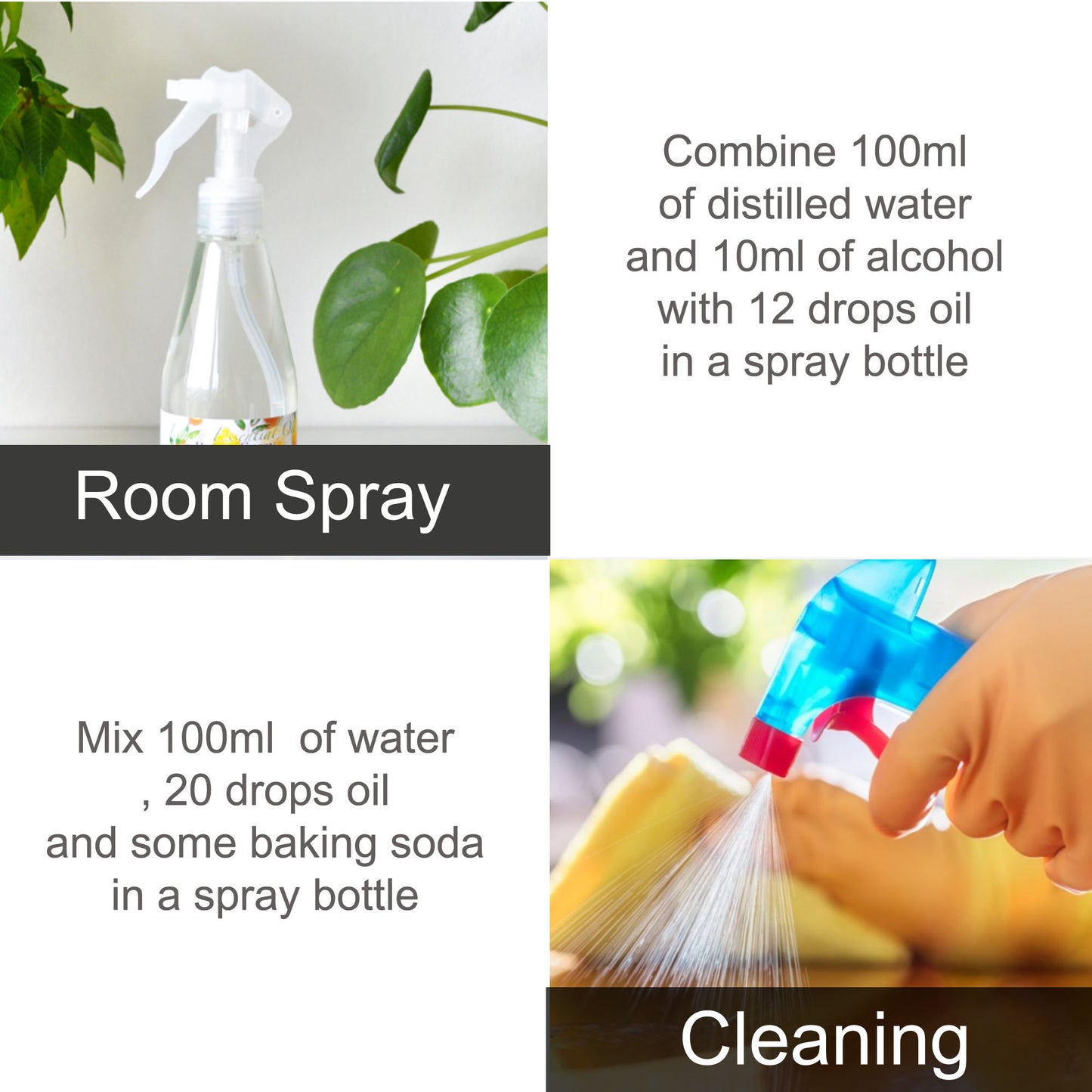
- DIY Room Spray: Combine floral oil with distilled water and witch hazel in a spray bottle.
- Scented Drawer Liners: Place drops onto cotton pads and tuck them into linen cupboards.


Using high-quality botanical extracts from the Lamiaceae family ensures a crisp floral aroma throughout living spaces. Lavandula angustifolia is harvested from flowering tops and processed through gentle steam distillation to preserve its natural fragrant profile. Regular diffusion creates an inviting atmosphere while neutralising lingering household odours across bedrooms and living quarters.
Effective Methods for Diffusing Floral Scents
Ultrasonic diffusers break down water and plant extracts into a micro-fine vapour without heating the delicate liquid. This process preserves the delicate top notes of Lavender oil while distributing a constant stream of natural fragrance. Placing diffusers near central doorways encourages natural airflow to carry the botanical aroma into adjacent hallways and dining spaces.
Another practical method involves applying several drops onto natural wooden blocks or unglazed ceramic discs. These porous materials absorb liquid extracts and slowly release subtle herbal tones over several days. They work exceptionally well in smaller enclosed areas like wardrobes, shoe racks, and laundry rooms throughout Australian homes.
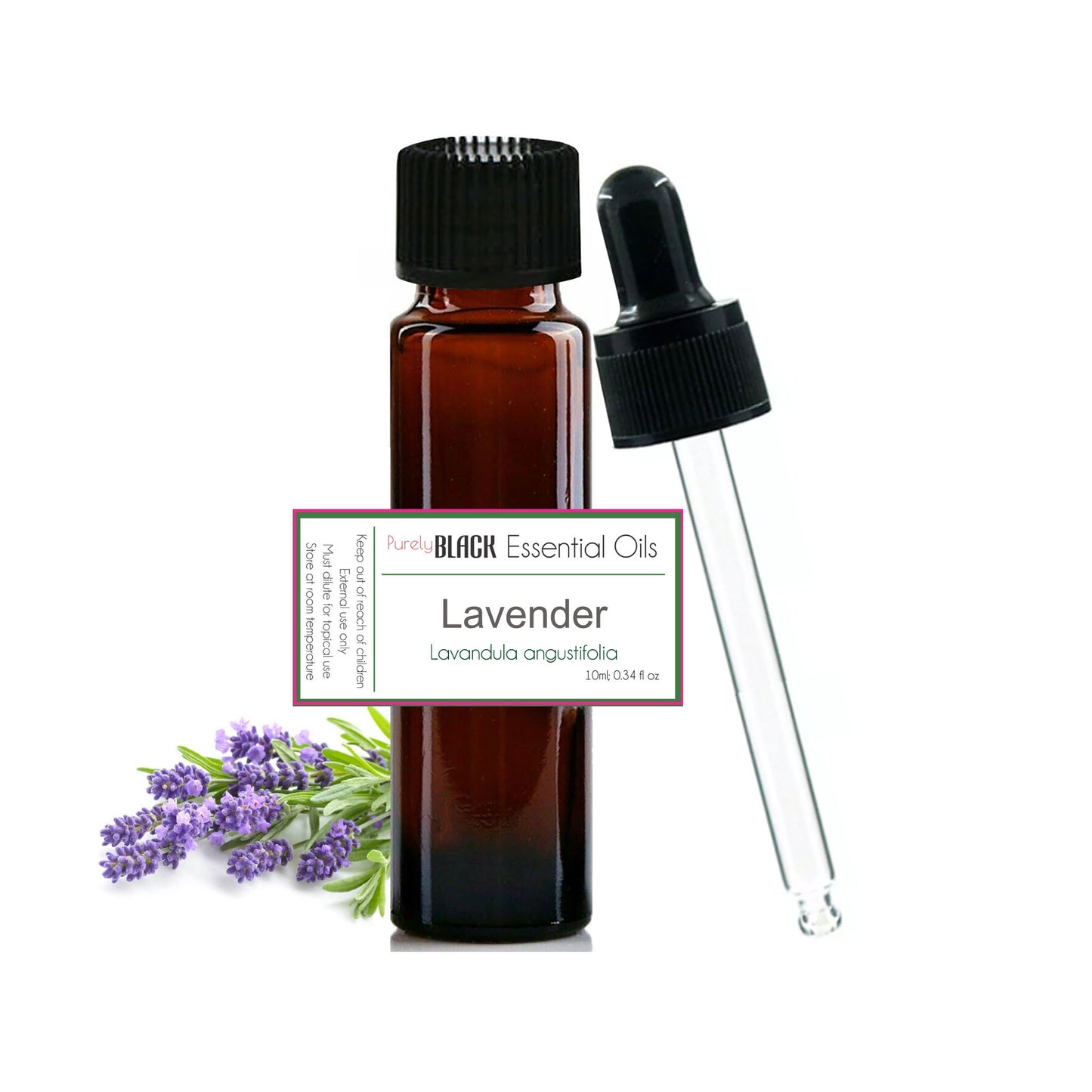
purelyBlack's pure lavender oil is available as a 100% pure essential oil, dispatched from Sydney.
What To Mix Lavender Oil With For Room Spray?
Mix lavender oil with distilled water, alcohol-free witch hazel, and complementary essential oils like sweet orange, bergamot, or eucalyptus for sprays.
| Blending Partner | Aroma Profile | Recommended Ratio (per 100ml) |
|---|---|---|
| Sweet Orange | Uplifting Citrus & Warm Floral | 10 drops Lavender / 5 drops Sweet Orange |
| Eucalyptus | Crisp Herbaceous & Fresh Camphor | 8 drops Lavender / 4 drops Eucalyptus |
| Bergamot | Bright Botanical & Subtle Spice | 10 drops Lavender / 6 drops Bergamot |
| Cedarwood | Deep Woody & Grounding Earthy | 8 drops Lavender / 5 drops Cedarwood |
Creating an aqueous room spray requires a gentle emulsifying agent so the natural botanical components disperse evenly throughout the liquid. Adding Organic Witch Hazel Extract helps solubilise essential droplets without introducing harsh chemical odours. Distilled water serves as the ideal pure base, preventing mineral buildup inside spray nozzle mechanisms.
Crafting a Balanced Home Room Spray
Blending complementary plant essences enhances the lingering power and complexity of your handmade room spray. Citrus extracts introduce bright, clean notes that instantly lift stale indoor environments, making them ideal for kitchens and entryways. Grounding wood essences like cedarwood or pine provide deep base notes that keep the spray smelling fresh for hours.
Store your finished room mist in dark glass spray bottles to protect sensitive aromatic molecules from direct light exposure. Shake the bottle gently before every application to recombine the botanical liquid and water base. Lightly misting curtains, cushions, and fabric lampshades allows soft furnishings to hold the floral aroma far longer than spraying bare air.


How To Naturally Make Your House Smell Amazing?
Naturally make your house smell amazing by combining essential oil diffusion, natural botanical potpourri, stove-top simmer pots, and carpet freshening powders.
- Simmer Pots: Boil citrus peels and botanical drops in water over gentle heat.
- Carpet Powder: Mix baking soda with floral oils, sprinkle on rugs, and vacuum clean.
- Reed Diffusers: Combine carrier oil with pure extracts inside a glass vase with reeds.
Natural home fragrancing relies on clean plant materials rather than synthetic aerosols or heavy chemical perfumes. Mixing a lightweight liquid base such as Fractionated Coconut Oil with botanical extracts allows reed diffusers to wick fragrance smoothly across open spaces. This creates an ongoing, passive scent distribution system that requires minimal daily maintenance.
Maintaining Long-Lasting Natural Freshness
To eliminate trapped household odours naturally, sprinkle an oil-infused baking soda mixture directly onto rugs and carpets before vacuuming. The baking soda neutralises persistent organic odours, while the Lavender essential oil leaves a soft floral trace behind. This technique is especially useful for busy living areas and homes with indoor pets.
Simmer pots offer another simple approach during cooler months when indoor heating can make indoor air feel dry. Float citrus slices, fresh rosemary sprigs, and a few drops of Lavender oil in simmering water on the stovetop. The warm steam disperses natural moisture and rich botanical fragrance across your ground floor space.
What Is The Strongest Smelling Lavender Oil?
High-altitude French lavender and Lavandula x intermedia hybrids yield the strongest, most intense floral and herbaceous fragrance profiles for home scenting.
The scent intensity of Lavender oil depends heavily on growing elevation, soil health, and key chemical constituents. Research in a published phytochemical study highlights that high concentrations of linalool (25–45%) and linalyl acetate (25–47%) dictate aroma strength and longevity. Oils distilled from high-altitude fields display rich, complex floral nuances that fill large rooms easily.
Chemical Profile and Aroma Variations
Lavandin species, derived from natural hybrid plants, contain noticeably higher levels of camphor than traditional true species. This gives Lavandin a punchier, sharper herbal aroma that cuts through tough kitchen cooking smells or damp air. While true floral species deliver a softer scent, hybrid varieties offer maximum scent throw for expansive open-plan living areas.
When selecting extracts for room fragrancing, 100% pure steam-distilled options provide the cleanest and most potent aromatic experience. Synthetic fragrance liquids often lose their scent quickly and can leave unwanted artificial residues behind. Choosing genuine plant extractions ensures your living space smells fresh, clean, and authentically floral.
How Long Will Dried Lavender Smell Last?
Dried lavender flowers generally retain their distinct natural fragrance for one to three years when stored away from direct sunlight.
Over time, the natural essential compounds stored inside dried botanical buds slowly evaporate due to air circulation and warmth. Squeezing or rolling dried flower sachets between your palms breaks microscopic oil glands, instantly releasing a fresh burst of aroma. This simple periodic friction restores scent intensity without requiring new dried botanical material.
Refreshing Dried Botanicals and Home Scent Containers
To revive aging dried bundles or linen sachets, add two or three drops of Lavender essential oil directly onto the flower buds. The dried plant material absorbs the fresh liquid, effectively extending the lifespan of your decor for additional months. This simple habit ensures continuous closet and drawer freshening without unnecessary waste.
Keeping dried botanical arrangements out of direct sunlight and away from humid bathrooms helps preserve their visual appeal and fragrance. Balanced indoor environments allow natural plant materials to maintain subtle herbal notes for years across Australian living spaces.
To explore similar profiles, discover these pure purelyBlack creations: Cardamom Oil, Neroli Oil, and Organic Rosewater — each dispatched from Sydney.
Related Reading
For more on lavender oil, see our companion guides: How to Use Lavender Essential Oil for Better Sleep, Applying Lavender Oil to Your Skin, and Lavender Oil Roll On: A Complete Guide.
About the Author
Written by H.R. Kim
Founder at purelyBlack — an Australian-owned perfumery and botanical studio based in Sydney. H.R. specialises in scent profiling and natural ingredient sourcing, meticulously balancing premium fragrance oils and 100% pure essential oils to create elevated aromatic experiences.
Last updated: August 2026
Disclaimer: purelyBlack essential oils are for external use and aromatherapy purposes only. They are not intended to diagnose, treat, cure, or prevent any disease. Always dilute with a carrier oil before topical application and consult a healthcare professional if pregnant or under medical supervision.
