



Applying Lavender Oil to Your Skin
Can You Use Lavender Oil Directly On Skin?
No, you should not use Lavender essential oil directly on skin without diluting it in a suitable carrier oil first.
- Carrier Dilution: Mix pure essential oils into plant-based lipids before topically applying them to any cutaneous surfaces.
- Skin Sensitisation: Undiluted botanical oils increase the potential risk of developing localized irritation or allergic skin reactions.
- Evaporation Rate: Lipids hold volatile aromatic molecules on the skin layer, enhancing botanical absorption and reducing evaporation.


Understanding Botanical Concentration
Steam distillation produces highly concentrated botanical extracts from Lavandula angustifolia, a key member of the Lamiaceae plant family. The fresh flowering tops undergo steam extraction to isolate volatile aromatic terpenes, which are far too potent for neat application. In Australia, practicing consistent dilution ensures the delicate cutaneous barrier remains protected, comfortable, and balanced.
Carrier lipids like Fractionated Coconut Oil serve as protective bases that spread active constituents evenly across skin tissues. Unfiltered application concentrated directly onto epidermal surfaces can easily overwhelm sensitive skin types. Utilizing proper lipid ratios safeguards your skin while delivering desired aromatic comfort.
Importance of Dilution for Daily Use
While many popular aromatherapy guides discuss neat application, clinical botanical standards strictly advise against applying undiluted extracts. Plant compounds interact rapidly with epidermal surface fats, which can lead to accumulative sensitivity over time. Proper dilution maintains long-term skin health while providing a soothe and tranquil atmosphere.
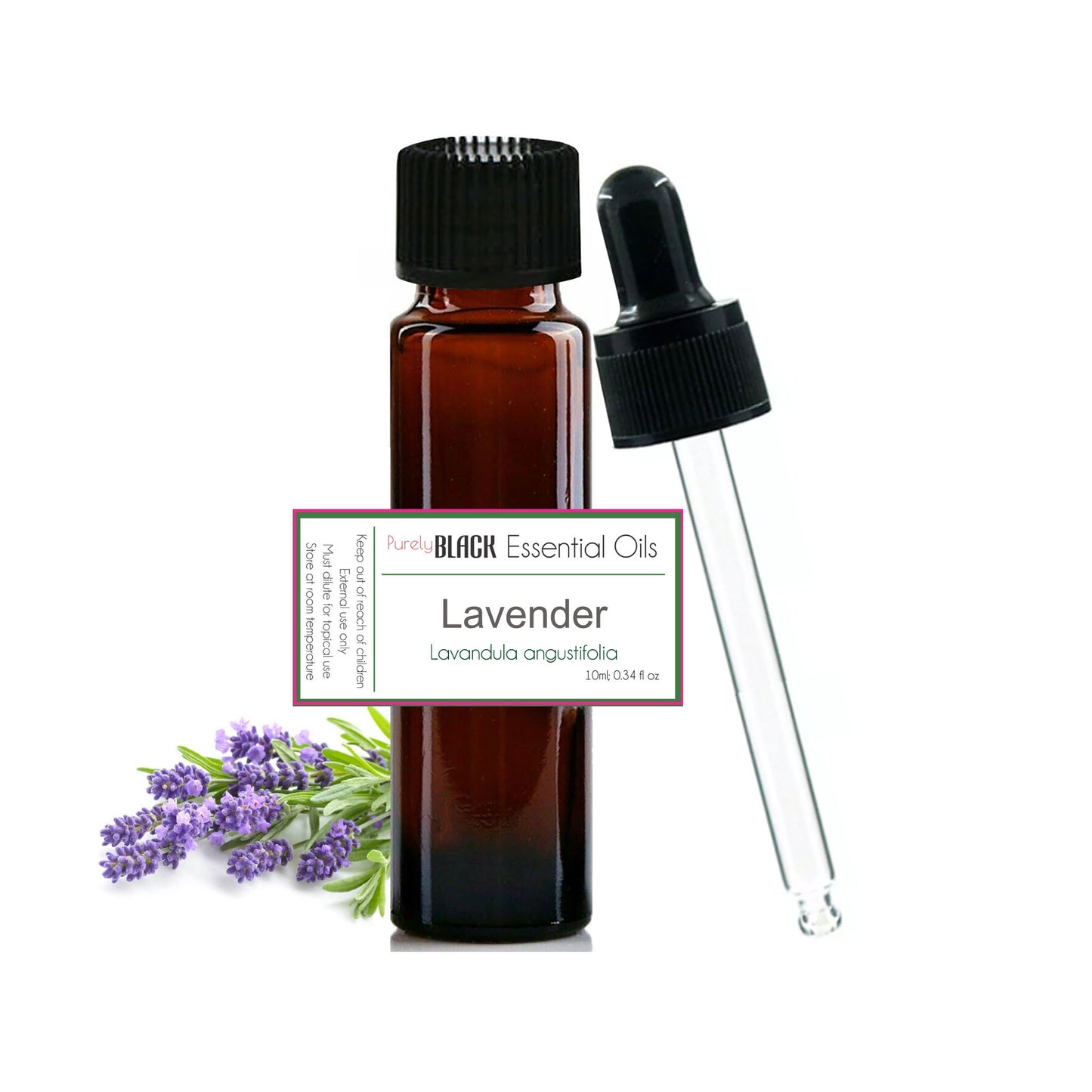
purelyBlack's pure lavender oil is available as a 100% pure essential oil, dispatched from Sydney.
Where Do You Put Lavender Oil On Your Body?
You can apply diluted Lavender oil to pulse points, wrist areas, temples, neck, upper chest, and areas needing botanical skin care.
| Body Zone | Recommended Dilution Ratio | Best Practice Application Method |
|---|---|---|
| Inner Wrists & Pulse Points | 2% Dilution (4–6 drops per 10ml) | Gently dab blended lipid mixture onto wrist points for continuous aroma. |
| Temples & Neck Line | 1% Dilution (2–3 drops per 10ml) | Lightly massage across the hairline and back of neck for calming comfort. |
| Facial Surface & Complexion | 0.5% to 1% Dilution (1–2 drops per 10ml) | Combine with light carriers to support a healthy complexion without clogging pores. |
| Chest & Shoulders | 2% Dilution (4–6 drops per 10ml) | Smooth across upper torso to encourage natural inhalation and aromatic diffusion. |
Targeted Pulse Point Application
Applying diluted Lavender oil to targeted pulse points allows normal body heat to warm the plant compounds gradually. The inner wrists, temples, throat, and lower neck feature superficial blood vessels near the skin surface. This localized thermal activity releases comforting aromatic notes consistently throughout the day.
When selecting application spots, choose areas free from existing cuts, scratches, or reactive inflammation. Massaging pulse points after a warm bath enhances absorption, as open pores absorb beneficial carrier lipids efficiently. This daily ritual supports a peaceful routine and promotes a tranquil atmosphere.
Facial Care and Nourishing Routines
When integrating aromatic extractions into facial skincare, maintaining minimal concentration levels protects sensitive facial tissues. Mixing diluted Lavender oil with hydrosols such as Organic Rosewater offers a refreshing facial mist routine. This combination hydrates the skin barrier while supporting a healthy complexion naturally.
For evening routines, smoothing a gentle diluted solution over the upper chest allows relaxing vapours to drift upward naturally. Many users favour this method before bedtime to foster relaxing evening atmospheres across Australian households. Always avoid sensitive tissue areas directly surrounding the eyes, nostrils, and mouth.


What Happens If You Put Lavender Oil Directly On Skin?
Applying undiluted Lavender essential oil directly on skin can cause redness, irritation, localized skin sensitisation, and increased risk of contact dermatitis.
- Cutaneous Sensitisation: Direct exposure triggers immune responses that make skin reactive to future botanical applications over time.
- Epidermal Irritation: Undiluted volatile phenols can disrupt the lipid barrier, leading to visible redness and localized burning.
- Rapid Volatilitisation: Concentrated molecules evaporate into the air quickly rather than absorbing effectively into targeted skin tissues.
Chemical Constituents and Epidermal Reactions
Lavender essential oil contains primary organic constituents including linalool (25–45%) and linalyl acetate (25–47%), as documented in a published phytochemical study. While these volatile terpene alcohols provide aromatic comfort, raw contact on epidermal layers can induce chemical irritation. High constituent concentrations alter protective lipid layers, causing moisture loss and structural barrier strain.
Repeated exposure to neat essential oils increases the probability of contact sensitisation over time. Sensitisation occurs when the skin immune system recognizes concentrated constituents as irritants, creating lasting sensitivities. Once sensitised, even highly diluted future applications can trigger uncomfortable surface flaring.
Managing Accidental Direct Exposure
If undiluted droplets spill directly onto your skin, react quickly using gentle, oil-based cleansing techniques. Water alone cannot dissolve lipophilic volatile oils and may spread concentrated liquid further across outer skin layers. Instead, apply a generous amount of plain vegetable or carrier lipid over the affected zone to solubilise the concentrated compounds immediately.
After applying carrier lipids to dilute the area, wipe the site softly with a clean towel and wash with mild soap and lukewarm water. If mild warmth or redness persists, apply cold compresses to soothe the outer epidermal surface. Practicing careful handling prevents accidental spillages and protects long-term dermal integrity.
Can Lavender Oil Go Directly On Skin?
No, Lavender essential oil should always be diluted with a carrier oil before applying it directly onto your skin safely.
Safe Dilution Ratios for Skin Application
Understanding proper dilution ratios ensures comfortable topical application across all cutaneous surface zones. For adult body massage, a standard 2% concentration requires six drops of Lavender oil per ten millilitres of carrier base. Sensitive skin types or facial applications require lower ratios between 0.5% and 1% concentration.
Using measured dropper tools guarantees precise formulation without risking accidental over-concentration. Blending your essential extracts into stable carrier bases creates balanced formulations that absorb smoothly without clogging pores. Proper mixing ensures even compound dispersion, maximizing botanical performance and providing comfortable application.
Step-by-Step Patch Testing Protocol
Performing a dermal patch test prior to full topical application is essential for assessing individual skin compatibility. Mix one drop of Lavender essential oil into a teaspoon of carrier oil, then apply a small droplet to your inner forearm. Cover the area loosely with a bandage and leave it undisturbed for twenty-four hours.
Inspect the test area after twenty-four hours for any signs of discomfort, redness, itching, or swelling. If the skin appears clear and calm, the diluted blend is considered suitable for wider application across body regions. If irritation develops, rinse the area thoroughly with plain plant oil and discontinue topical use.
What Are The Side Effects Of Lavender Oil?
When experiencing skin sensitivity, potential side effects of Lavender oil include mild contact irritation, redness, dryness, or potential allergic contact dermatitis.
Recognising Cutaneous Sensitivity Symptoms
When experiencing uncomfortable dermal responses, users typically notice surface itching, localized redness, burning sensations, or mild dryness. These mild side effects usually result from undiluted application, overly sensitive skin barriers, or degraded oil quality. Oxidized essential oils, caused by heat or air exposure, are significantly more likely to trigger adverse dermal responses.
Proper storage is essential to prevent degradation and protect skin health over time. Store your botanical bottles tightly sealed in cool, dark environments away from direct sunlight. Fresh extracts rich in unoxidized terpenes maintain aromatic stability while minimising chances of unexpected topical irritation.
Mitigating Risk Factors and Precautionary Steps
Individuals with existing reactive skin conditions or known plant allergies should approach new essential oils cautiously. Always follow strict dilution guidelines, avoid broken skin areas, and keep botanical products away from sensitive mucous membranes. Discontinue topical use immediately if persistent irritation or uncomfortable itching develops during application.
When used responsibly with proper carrier lipids, high-quality botanical oils provide outstanding aromatic comfort and support a healthy complexion. Combining thoughtful safety practices with pure plant extracts ensures rewarding aromatherapy experiences throughout your home. To explore similar profiles, discover these pure purelyBlack creations: Manuka Oil, Lemon Oil, and Rosewood Oil — each dispatched from Sydney.
Related Reading
For more on lavender oil, see our companion guides: How to Use Lavender Essential Oil for Better Sleep, Making Your Home Smell Amazing with Lavender Oil, and Lavender Oil Roll On: A Complete Guide.
About the Author
Written by H.R. Kim
Founder at purelyBlack — an Australian-owned perfumery and botanical studio based in Sydney. H.R. specialises in scent profiling and natural ingredient sourcing, meticulously balancing premium fragrance oils and 100% pure essential oils to create elevated aromatic experiences.
Last updated: August 2026
Disclaimer: purelyBlack essential oils are for external use and aromatherapy purposes only. They are not intended to diagnose, treat, cure, or prevent any disease. Always dilute with a carrier oil before topical application and consult a healthcare professional if pregnant or under medical supervision.
