
What Is Labdanum Essential Oil Good For? — Perfumery and Aromatherapy Guide
What does labdanum essential oil smell like?
Labdanum essential oil smells rich, complex, and deeply resinous, featuring warm balsamic undertones layered with sweet honey, leather, and earthy herbal notes.
- Balsamic Leather Profile: Labdanum oil delivers a deep, warm fragrance reminiscent of vintage leather paired with smoky botanical resin.
- Sweet Honey Undertones: The aromatic drydown reveals subtle molasses and dried fruit notes that soften its intense earthy base.
- Complex Botanical Earth: Distilled rockrose leaves impart a dry, herbal musk that grounds lighter floral and citrus essences.


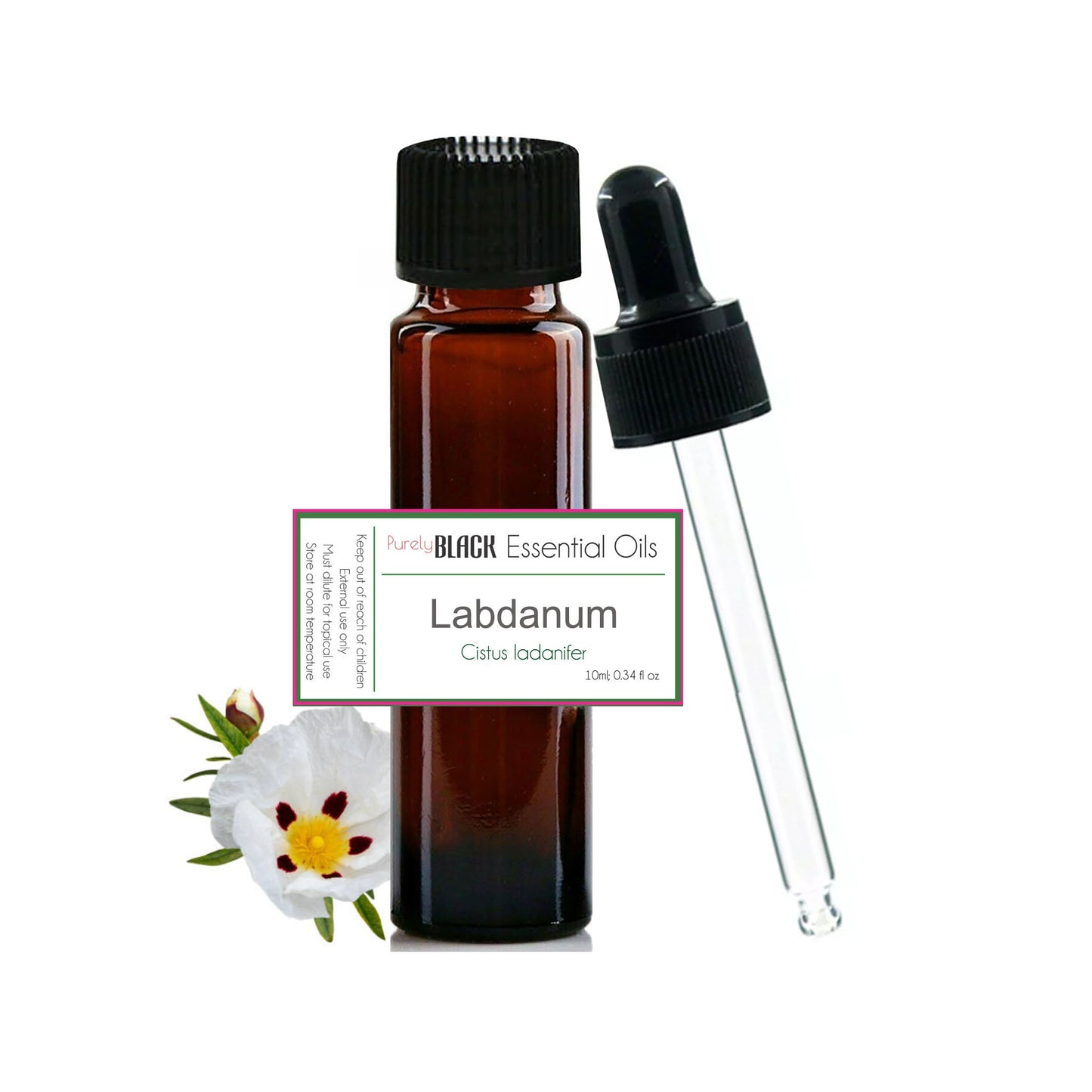
Derived from the sticky gum of Cistus ladanifer, an evergreen shrub in the Cistaceae family, this Mediterranean essence presents one of the most multifaceted scent profiles in botanical perfumery. The steam distillation of crude rockrose gum and leafy twigs yields a thick, golden-amber liquid renowned for its warm intensity. When inhaled, the initial herbal sharp note quickly mellows into a velvety, balsamic aroma that lingers for hours.
Unlike light floral oils, Labdanum offers an intoxicating balance of sweet caramel warmth and rustic leather. Aromatic practitioners value this oil for its grounding presence, which brings depth and emotional reassurance to diffusion blends. Its intricate drydown makes it a cornerstone ingredient for creating sophisticated, nature-inspired home fragrances.
purelyBlack's pure labdanum oil is available as a 100% pure essential oil, dispatched from Sydney.
Does labdanum smell like amber?
Yes, labdanum is the botanical cornerstone of amber accords, providing the characteristic warm, sweet, musky, and resinous scent found in amber perfumery.
True geological amber is fossilised tree resin that possesses no extractable scent of its own for aromatherapy. To capture the beloved concept of amber, traditional perfumers crafted a classic accord by blending labdanum oil with sweet vanilla, benzoin, and rich woods. Labdanum provides the deep, leathery warmth and animalic undertones that give amber its opulent, enduring character.
Phytochemical evaluations demonstrate why Labdanum oil performs this role with such distinction. A published phytochemical study highlights that key constituents such as alpha-pinene (often reaching 30% to 50%), camphene, and bornyl acetate give the botanical its distinctive balsamic complexity. These natural compounds mimic the rich warmth of aged resinous materials without requiring synthetic additives.
When used in artisanal crafting, Labdanum creates an authentic amber atmosphere that feels comforting and timeless. Its natural sweetness harmonises effortlessly with smoky base notes, making it the most celebrated plant-derived foundation for natural amber accords.


What is labdanum essential oil good for?
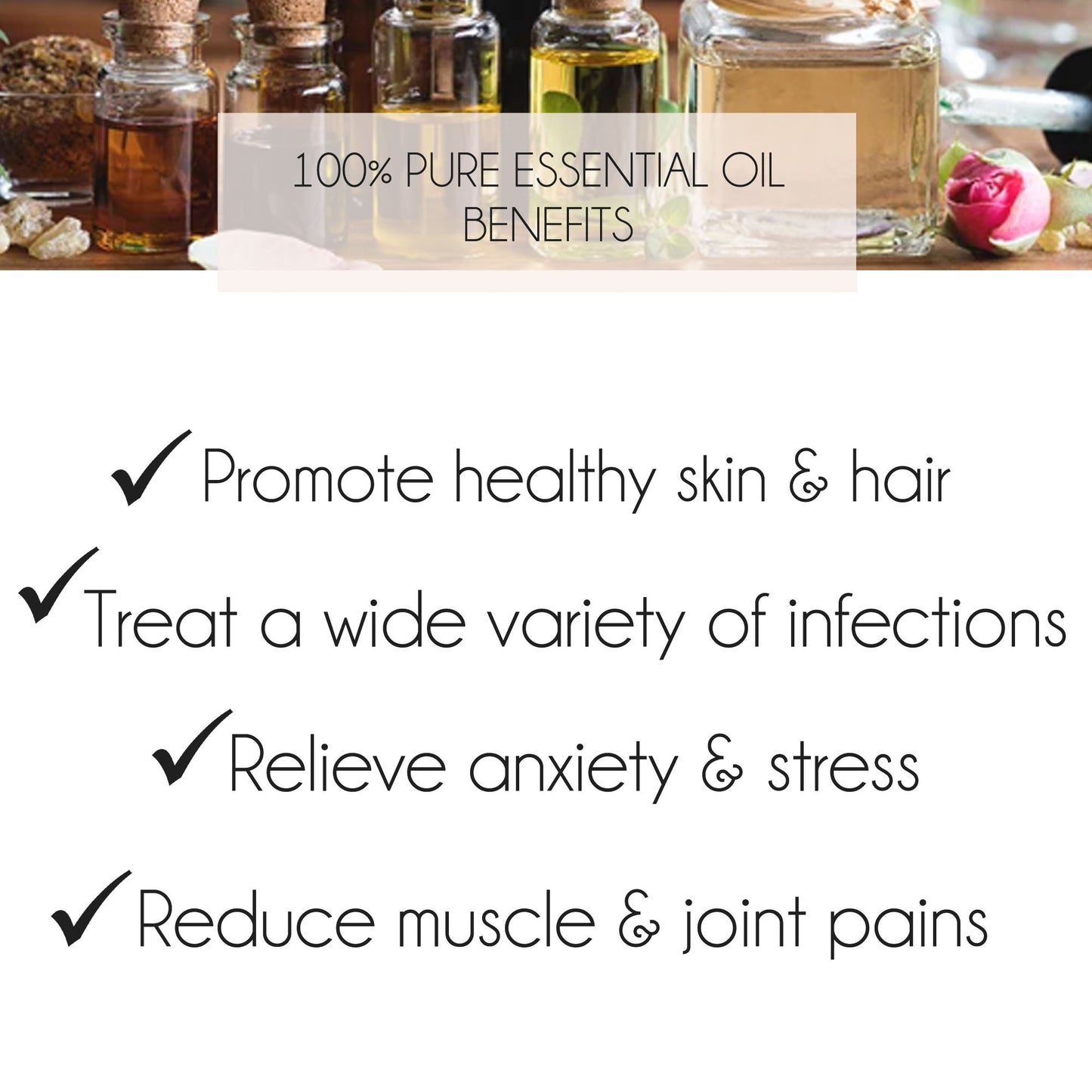
When seeking grounding rituals or mature skin nourishment, many people turn to labdanum essential oil for tranquil aromatic comfort and complexion support.
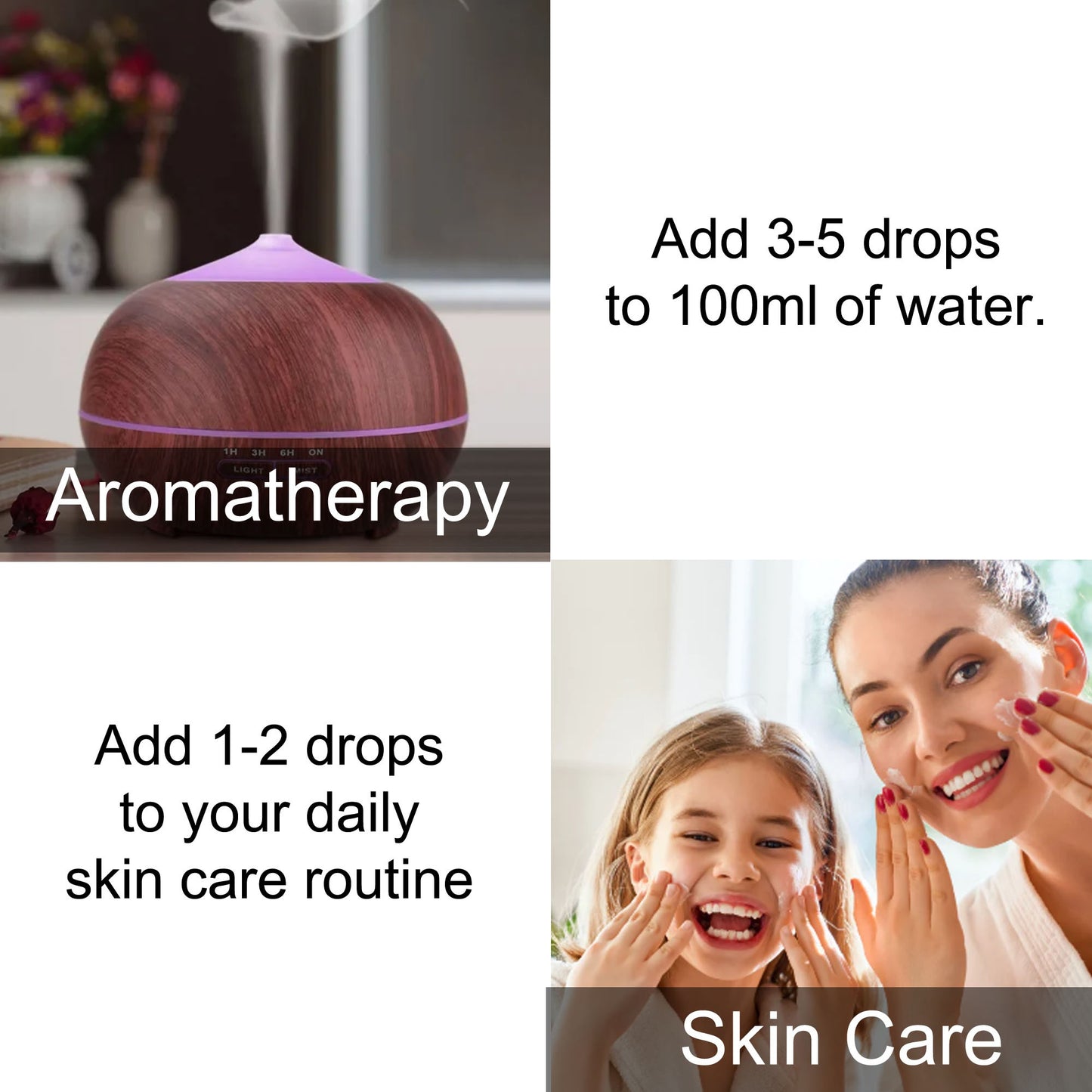
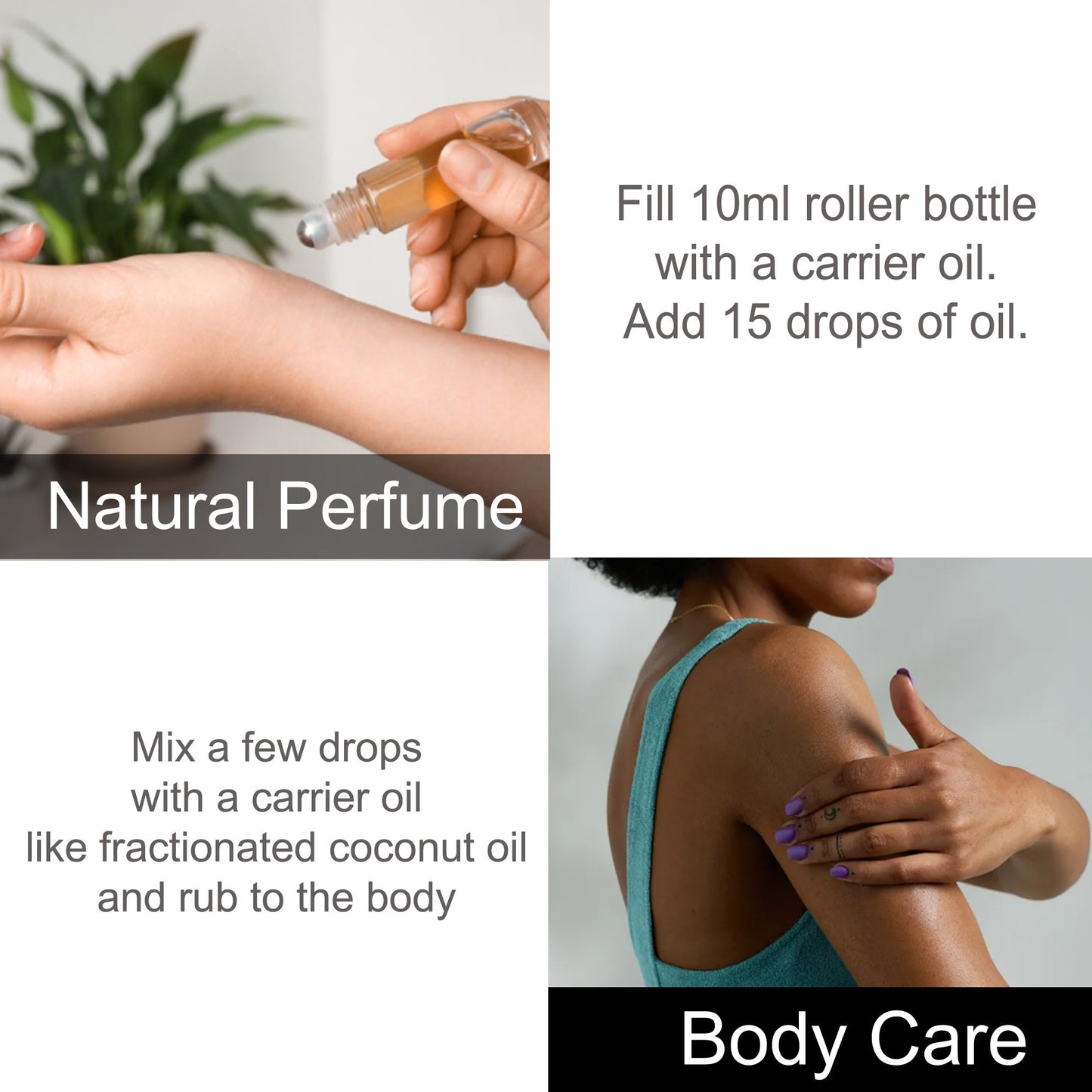
- Complexion Support: Dilute labdanum oil in Fractionated Coconut Oil to tone mature skin and support a smooth, healthy appearance.
- Meditative Grounding: Diffusing this resinous botanical promotes a tranquil atmosphere during evening reflection, breathwork, or mindfulness practise.
- Botanical Fixative: Natural perfumers use this rich essence to anchor fleeting floral notes and extend fragrance longevity.
Traditionally used in botanical practice to provide comfort for worn, mature skin, Labdanum oil is celebrated for its natural toning and revitalising qualities. When incorporated into nightly skincare routines at low concentrations, it helps soothe dry patches and promotes an evenly toned, radiant complexion. Pairing this botanical with gentle carrier oils offers a deeply restorative experience for environmental exposure.
In aromatherapy spaces, Labdanum is favoured for calming restless thoughts and establishing inner stillness. Adding a single drop to an ultrasonic diffuser creates an atmosphere of contemplation that encourages relaxation after demanding days. Its comforting resinous vapour envelops the room, helping to disperse tension while grounding emotional well-being.
How is labdanum used in perfumery?
Labdanum is used as an indispensable base note and natural fixative, anchoring volatile top notes across chypre, oriental, and fougère fragrance families.
In traditional fragrance formulation, Labdanum serves as an essential pillar of classic chypre and oriental accords. Its tenacity allows it to act as a natural fixative, slowing down the evaporation rate of lighter botanicals such as Sweet Orange Oil and Palmarosa Oil. Without heavy base notes like Labdanum, delicate citrus and floral top notes would dissipate rapidly from the skin.
Artisan perfumers also rely on Labdanum essential oil to craft cruelty-free alternatives to traditional animalic scents like leather and ambergris. Its natural viscosity and balsamic warmth bridge the gap between bright herbal openings and dry, woody bases. The table below outlines how this versatile resin integrates across popular botanical perfume families.
| Fragrance Accord | Aromatic Function | Complementary Botanical Oils |
|---|---|---|
| Classic Amber | Provides resinous depth and leathery warmth | Vanilla, Benzoin, Frankincense, Patchouli |
| Chypre Structure | Acts as the tenacious base fixative | Bergamot, Oakmoss, Rose, Sandalwood |
| Botanical Leather | Imparts smoky, rich animalic nuances | Vetiver, Cedarwood, Clove Bud, Tobacco |
| Warm Oriental | Binds spicy heart notes with balsamic drydown | Cardamom, Cinnamon Bark, Jasmine, Myrrh |
When blending at home, start with modest quantities, as the resinous intensity of Labdanum can easily dominate a formula. Pre-diluting the oil in a neutral carrier allows perfumers to control drop ratios accurately and achieve balanced, harmonious aromatic compositions.
What is labdanum essential oil in the Bible?
In the Bible, labdanum is historically identified as the aromatic resin known as labdanum or loth, referenced as precious Judean incense and balm.
Biblical scholars widely translate the Hebrew word loth (found in Genesis 37:25 and Genesis 43:11) as the sticky resin gathered from the Cistus rockrose shrub. In antiquity, merchant caravans carried this rare gum from Gilead down into Egypt alongside myrrh and fragrant spices. It stood among the choice fruits of the land, gifted to royalty and sought after for sacred ceremonies across the Ancient Near East.
Ancient harvesters collected this resin using unique historical methods across the rocky hillsides of the Mediterranean and Levant. Shepherds noticed the dark gum adhering to the fleece of grazing goats and the beards of wandering rams as they brushed past flowering rockrose bushes. Harvesters would comb the fleece or use leather-thonged rakes called ladanisters to gather the precious gum directly from wild plants.
Beyond commerce, this sacred botanical was valued for spiritual purification and anointing unguents in ancient temple rituals. Its persistent balsamic aroma was believed to symbolise endurance, divine favour, and steadfast calm during contemplative prayer.
To explore similar profiles, discover these pure purelyBlack creations: Chamomile Roman Oil, Spearmint Oil, and Peppermint Oil — each dispatched from Sydney.
Related Reading
For more on labdanum oil, see our companion guide: How to Use Labdanum Oil for Natural Perfumery and Blending.
About the Author
Written by H.R. Kim
Founder at purelyBlack — an Australian-owned perfumery and botanical studio based in Sydney. H.R. specialises in scent profiling and natural ingredient sourcing, meticulously balancing premium fragrance oils and 100% pure essential oils to create elevated aromatic experiences.
Last updated: August 2026
Disclaimer: purelyBlack essential oils are for external use and aromatherapy purposes only. They are not intended to diagnose, treat, cure, or prevent any disease. Always dilute with a carrier oil before topical application and consult a healthcare professional if pregnant or under medical supervision.
