

What Is Fennel Essential Oil Used For? — Complete Guide
What is fennel essential oil used for?
Fennel oil is widely used in aromatherapy for abdominal massage, diffused grounding blends, soothing skincare, and comforting muscle rubs.
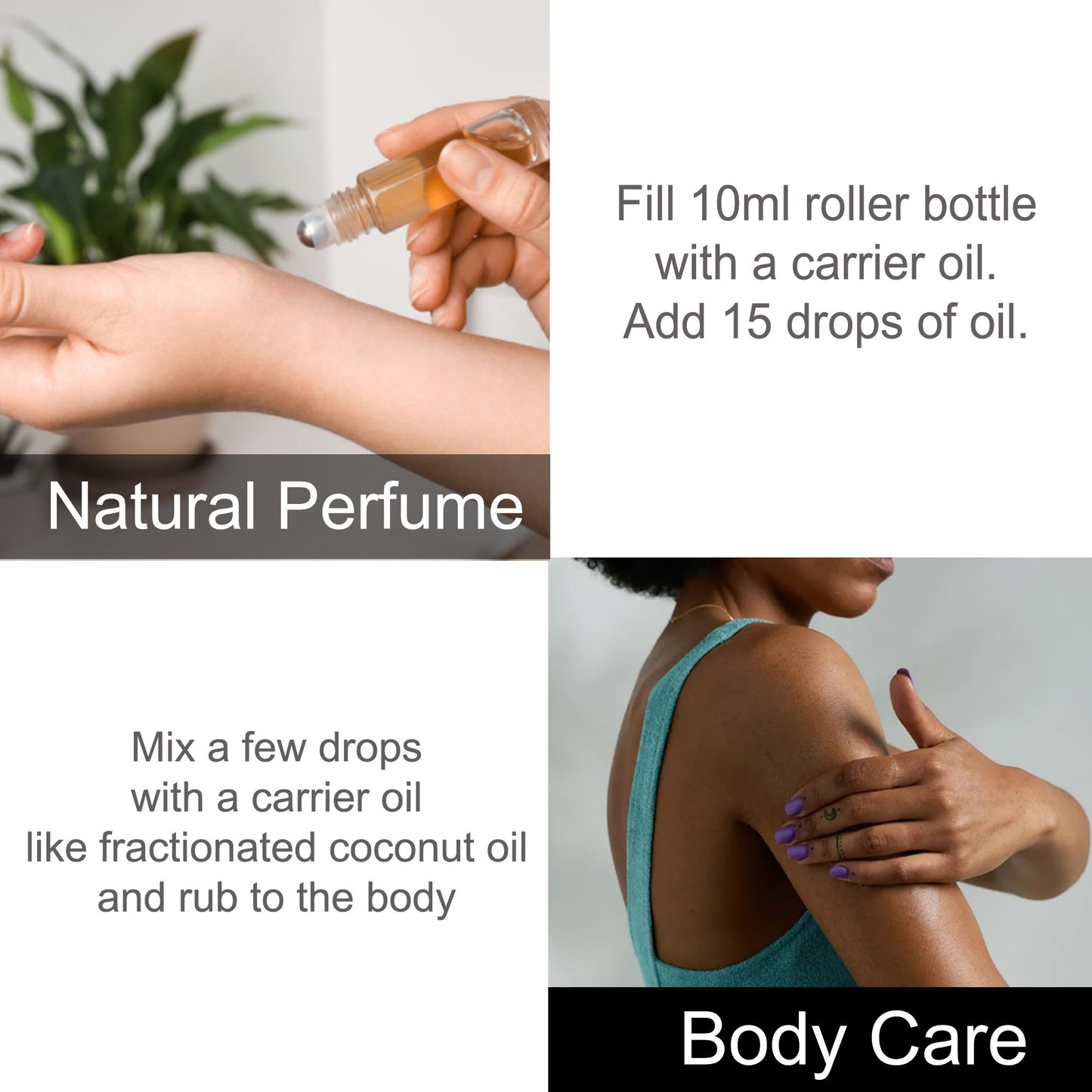
- Abdominal Massage: Diluting the oil in carrier oil provides warming topical comfort across the stomach and lower back.
- Aromatic Diffusion: Diffusing the sweet, herbaceous scent creates an uplifting atmosphere that helps clear lingering mental fatigue.
- Skincare Balance: Adding small amounts to balancing facial creams supports a clear, radiant, and healthy complexion.


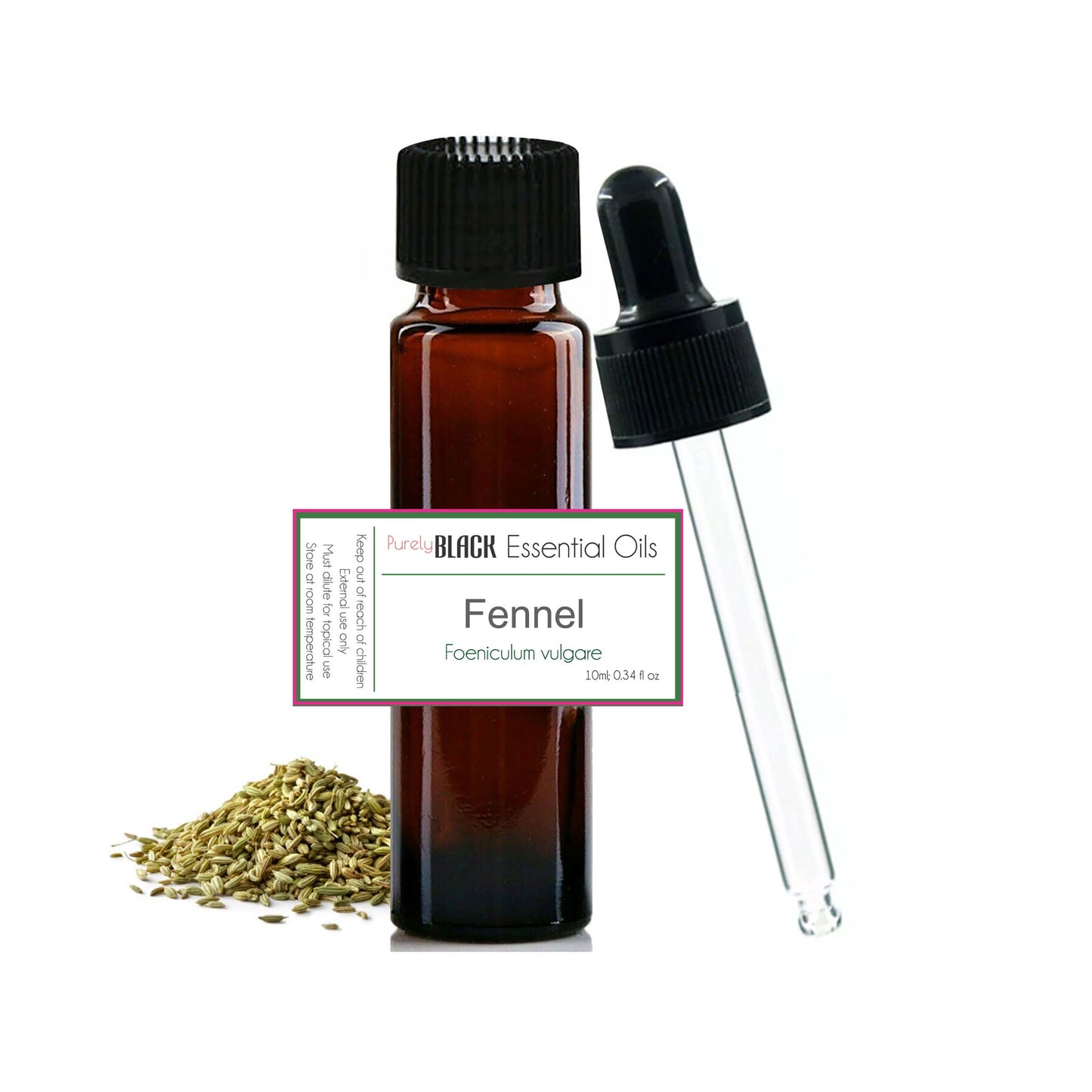
Derived from the crushed seeds of Foeniculum vulgare dulce, a member of the Apiaceae botanical family, this aromatic extract is produced through gentle steam distillation. The resulting oil possesses a distinctively sweet, liquorice-like aroma with earthy undertones that blend seamlessly into daily holistic wellness routines.
Aromatherapists and bodywork practitioners frequently incorporate the oil into targeted topical formulations to encourage physical relaxation. Its warming topical nature makes it an enduring favourite for seasonal chest rubs and post-exercise muscle applications.
purelyBlack's pure fennel oil is available as a 100% pure essential oil, dispatched from Sydney.
What does fennel essential oil help with?
When experiencing physical tension or digestive sluggishness, many people turn to fennel oil for comforting botanical massage and grounding aromatherapy.
The distinctive phytochemical profile of fennel provides aromatic comfort during moments of seasonal sluggishness or low vitality. When diffused throughout the home or office, its crisp scent helps ground scattered thoughts while revitalising stale indoor air.
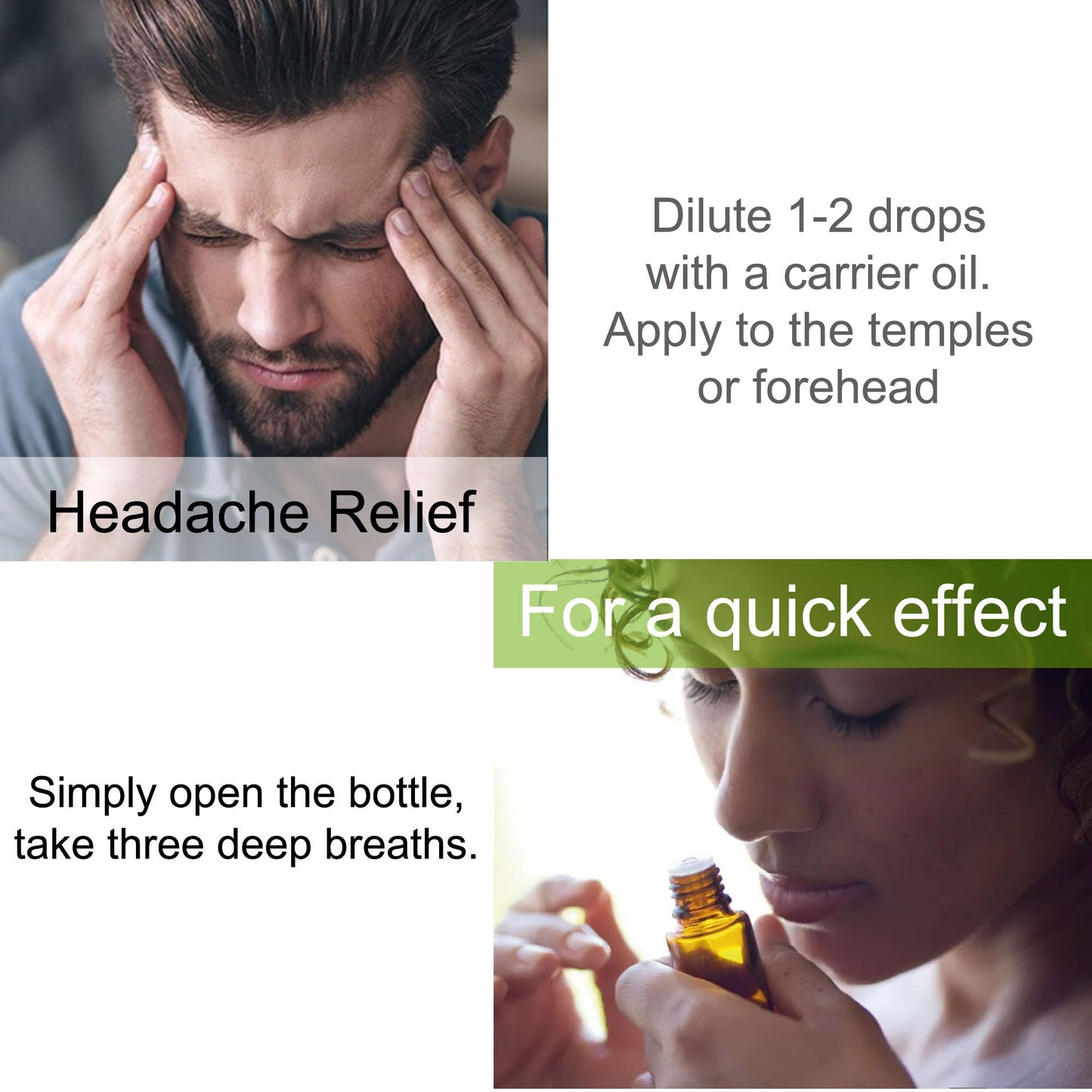
Topical application remains one of the most celebrated methods for experiencing the benefits of Fennel essential oil. When diluted properly, the botanical components interact pleasantly with the skin, delivering a gentle warming sensation that eases everyday muscular tightness.
| Intended Application | Recommended Dilution | Ideal Blending Partners |
|---|---|---|
| Abdominal Comfort Massage | 1% to 2% (2–4 drops per 10ml) | Peppermint Oil, Roman chamomile |
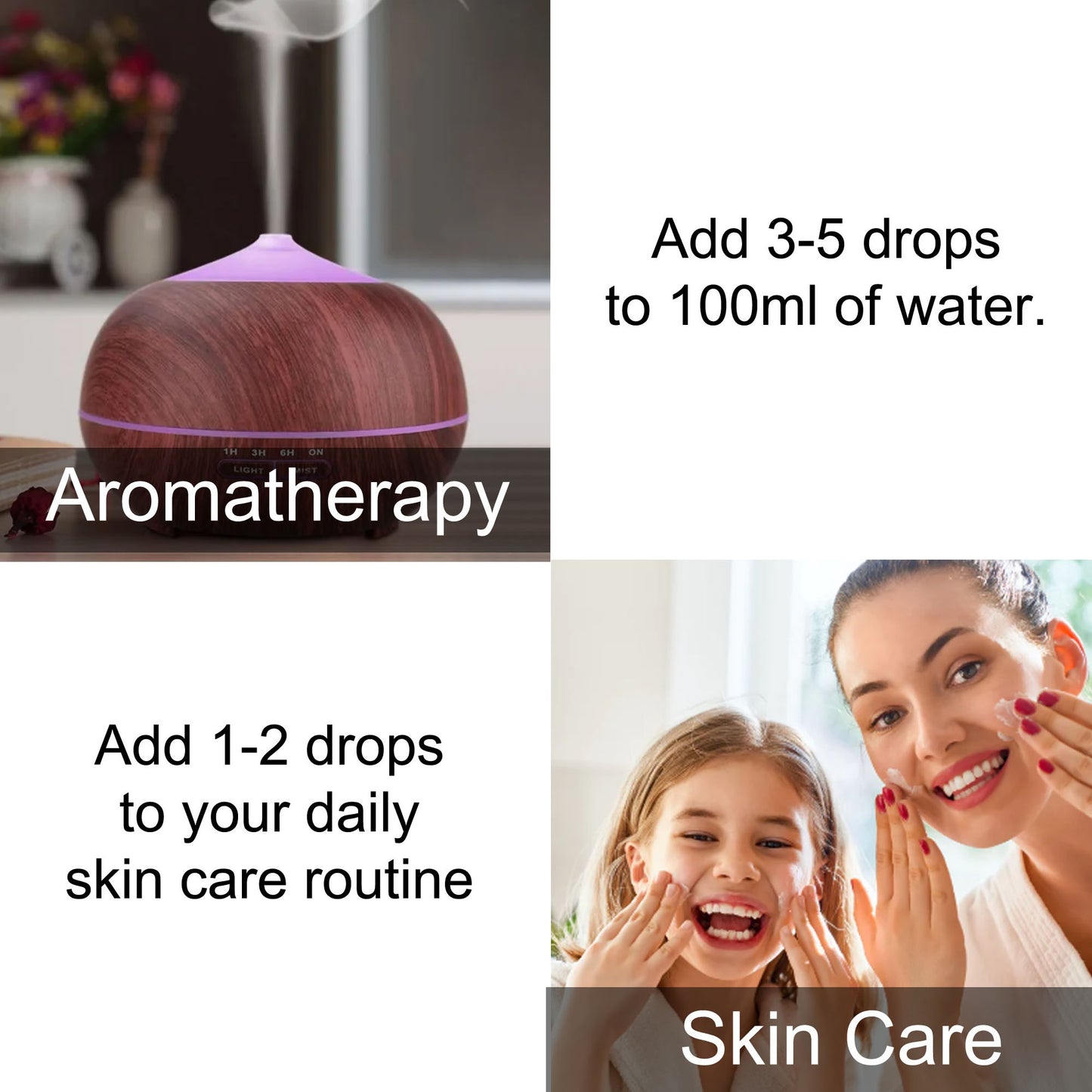
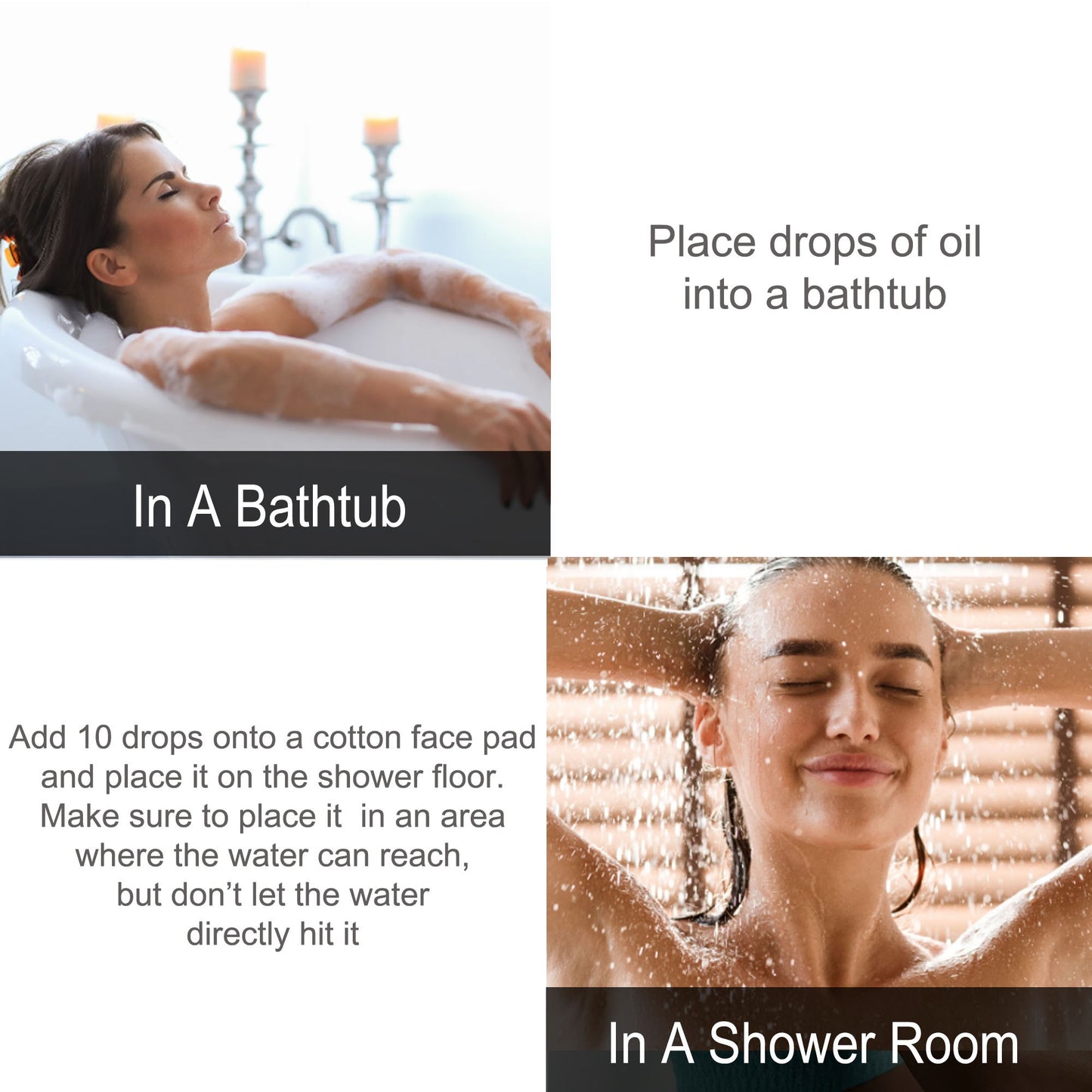
| Grounding Room Diffusion | 3 to 5 drops in ultrasonic diffuser | Cardamom Oil, sweet orange, rosemary |
| Post-Workout Body Rub | 2% (4 drops per 10ml) | Cypress Oil, lemongrass, black pepper |
| Complexion Balancing Serum | 0.5% (1 drop per 10ml) | Geranium, frankincense, lavender |
Incorporating Fennel into skincare preparations offers toning and clarifying benefits for dull or congested skin types. The oil helps maintain surface moisture balance when combined with non-comedogenic carrier oils or lightweight botanical lotions.
Many individuals also appreciate the emotional stability provided by diffusing Fennel oil during meditation or yoga. Its balancing aroma fosters a tranquil atmosphere that encourages steady, mindful breathing throughout quiet contemplation.


Is fennel essential oil good for constipation?
When experiencing occasional bowel sluggishness, many people turn to diluted fennel oil for rhythmic abdominal massage to provide soothing comfort.
- Abdominal Massage: Massaging clockwise over the abdomen with diluted oil encourages soothing, warming comfort along the digestive tract.
- Warm Compresses: Placing a warm, oil-infused towel across the abdomen promotes muscle relaxation and abdominal ease.
- Aromatic Diffusion: Inhaling the sweet, liquorice-like scent eases stress that often contributes to slow intestinal motility.
Clockwise abdominal massage serves as a time-honoured bodywork technique that follows the natural anatomical path of the colon. Combining this physical movement with the warming topical sensation of fennel oil supports overall relaxation in the abdominal wall.
To prepare a soothing blend, dilute two drops of Fennel in a tablespoon of Fractionated Coconut Oil. Gently massage the blend in circular motions starting from the lower right abdomen, moving upward, across, and down the left side.
A warm compress can further enhance this comforting botanical ritual. Simply apply the diluted oil to the skin and cover with a warm, damp cloth for ten to fifteen minutes of restful relaxation.
Is fennel essential oil high in estrogen?
No, fennel essential oil contains no actual estrogen hormones, though its constituent trans-anethole demonstrates natural phytoestrogenic mimicry in scientific studies.
Fennel does not produce mammalian hormones, but its chemical makeup is rich in active aromatic ethers. The primary active molecule, trans-anethole, typically comprises 60% to 80% of the total botanical composition, as documented in published phytochemical studies.
Due to its structural similarity to human estrogen molecules, trans-anethole can interact weakly with cellular hormone receptors. This property is known in botanical science as phytoestrogenic activity, which explains why Fennel essential oil has been historically favoured for women's wellness applications.
Because of this mild estrogen-like behaviour, individuals with hormone-sensitive health considerations should exercise sensible caution. Aromatic diffusion poses minimal systemic exposure, but concentrated topical application warrants professional advice prior to regular use.
Other key chemical constituents naturally present in the oil include fenchone (typically 10% to 20%), alpha-pinene, and minor trace terpenes. These compounds work synergistically to create the oil's distinct therapeutic fragrance and protective topical properties.
What are the side effects of fennel essential oil?
Excessive application of fennel essential oil can cause skin irritation, contact dermatitis, photosensitivity, nausea, and theoretical interactions with estrogen-sensitive conditions.
Topical sensitivity remains the most common adverse reaction when essential oils are applied without proper dilution. Always perform a standard patch test on the inner forearm using a 1% dilution before incorporating Fennel oil into wider massage routines.
Due to the presence of trans-anethole and fenchone, safety guidelines recommend avoiding Fennel essential oil during pregnancy and breastfeeding. The oil should also be avoided on infants and young children, as strong aromatic compounds can provoke respiratory sensitivities in developing airways.
Those with a history of seizures, epilepsy, or estrogen-dependent conditions should consult a qualified healthcare professional before using Fennel topically.
To explore similar profiles, discover these pure purelyBlack creations: Rose Oil, Chamomile Roman Oil, and Melissa Oil — each dispatched from Sydney.
Related Reading
For more on fennel oil, see our companion guide: Is Fennel Oil Safe? Side Effects and Who Should Avoid It.
About the Author
Written by H.R. Kim
Founder at purelyBlack — an Australian-owned perfumery and botanical studio based in Sydney. H.R. specialises in scent profiling and natural ingredient sourcing, meticulously balancing premium fragrance oils and 100% pure essential oils to create elevated aromatic experiences.
Last updated: August 2026
Disclaimer: purelyBlack essential oils are for external use and aromatherapy purposes only. They are not intended to diagnose, treat, cure, or prevent any disease. Always dilute with a carrier oil before topical application and consult a healthcare professional if pregnant or under medical supervision.
