



Pure Coriander Oil for Skin Benefits: Benefits, Uses and Safety

How does coriander help with skin breakouts and oiliness?
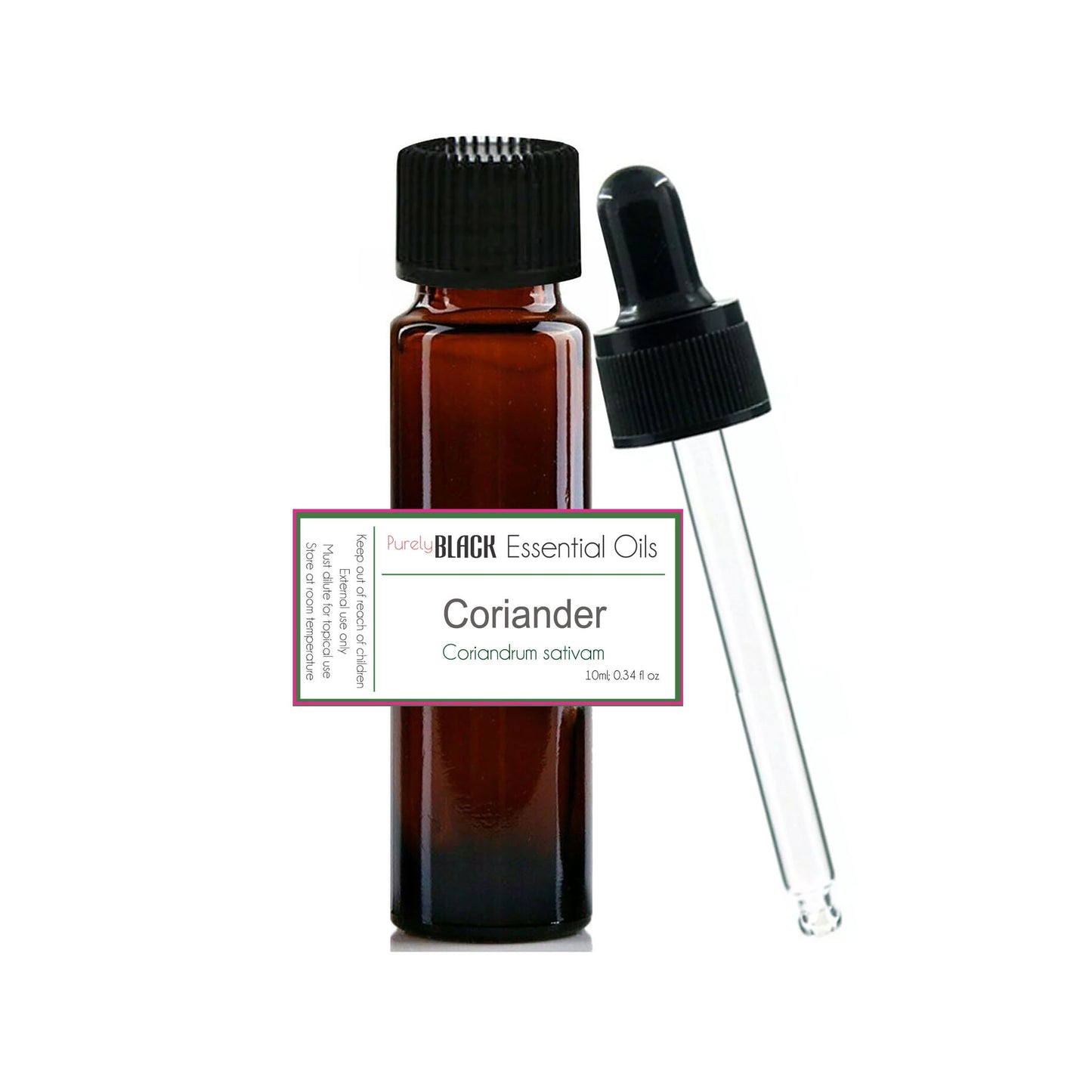
Coriander oil is prized in botanical skincare for its remarkable clarifying and balancing properties, helping to soothe the appearance of redness and regulate surface oils that can lead to breakouts, promoting a clearer and more harmonious complexion. For the highest quality botanical experience, purelyBlack's pure coriander oil offers a premium, authentically distilled solution for this exact need.
| Pairs Well With | Why It Blends Well | How to Use Together |
|---|---|---|
| CYPRESS OIL Toning & Astringent |
Cypress essential oil has natural astringent properties that help to tone the skin and minimise the appearance of pores, complementing coriander’s balancing actions. | Combine one drop of each in a teaspoon of carrier oil for a targeted serum to address oily T-zones. |
| LEMON MYRTLE OIL Purifying & Cleansing |
The potent cleansing nature of lemon myrtle oil provides powerful support for skin prone to blemishes, creating a synergistic purifying effect. | Add one drop of each to a small amount of non-comedogenic facial cleanser to enhance its clarifying power. |
| BERGAMOT OIL Brightening & Uplifting |
Bergamot helps to promote a bright, even skin tone, addressing the look of post-blemish marks while its aroma provides an uplifting experience. | Blend with coriander in a light lotion for evening application to support skin renewal. Note: Use bergapten-free bergamot or avoid sun exposure after use. |
| CARAWAY OIL Clarifying & Soothing |
Caraway oil shares a similar botanical family and offers complementary clarifying benefits, making it an excellent partner for soothing troubled skin. | Use in a weekly clay mask with a few drops of each oil to help draw out impurities and calm the skin. |
The Botanical Chemistry and Benefits of Coriander Oil for Clear & Balanced Skin
The secret to coriander oil’s skin-balancing efficacy lies in its high concentration of Linalool, a monoterpenoid alcohol recognised for its ability to soothe dermal irritation and support a healthy skin microbiome. This key component works by calming the skin’s stress responses, which can often manifest as redness, sensitivity, and excessive oil production.
The botanical profile of Coriandrum sativum is particularly suited to skincare formulations targeting blemishes and congestion. Unlike harsher ingredients that can strip the skin’s natural moisture barrier, the Linalool in coriander essential oil helps maintain equilibrium.
Harnessing the full benefits of coriander oil for skin benefits involves leveraging this gentle yet effective action. It supports the skin’s own processes, encouraging a visibly clearer, calmer, and more balanced state without causing dryness or irritation, making it a sophisticated choice for problematic complexions.
How do you use coriander oil for skin benefits?
Using coriander oil for clear and balanced skin requires correct dilution in a suitable carrier and targeted application to problem areas. This ensures the botanical compounds are delivered effectively to the skin without causing sensitivity.
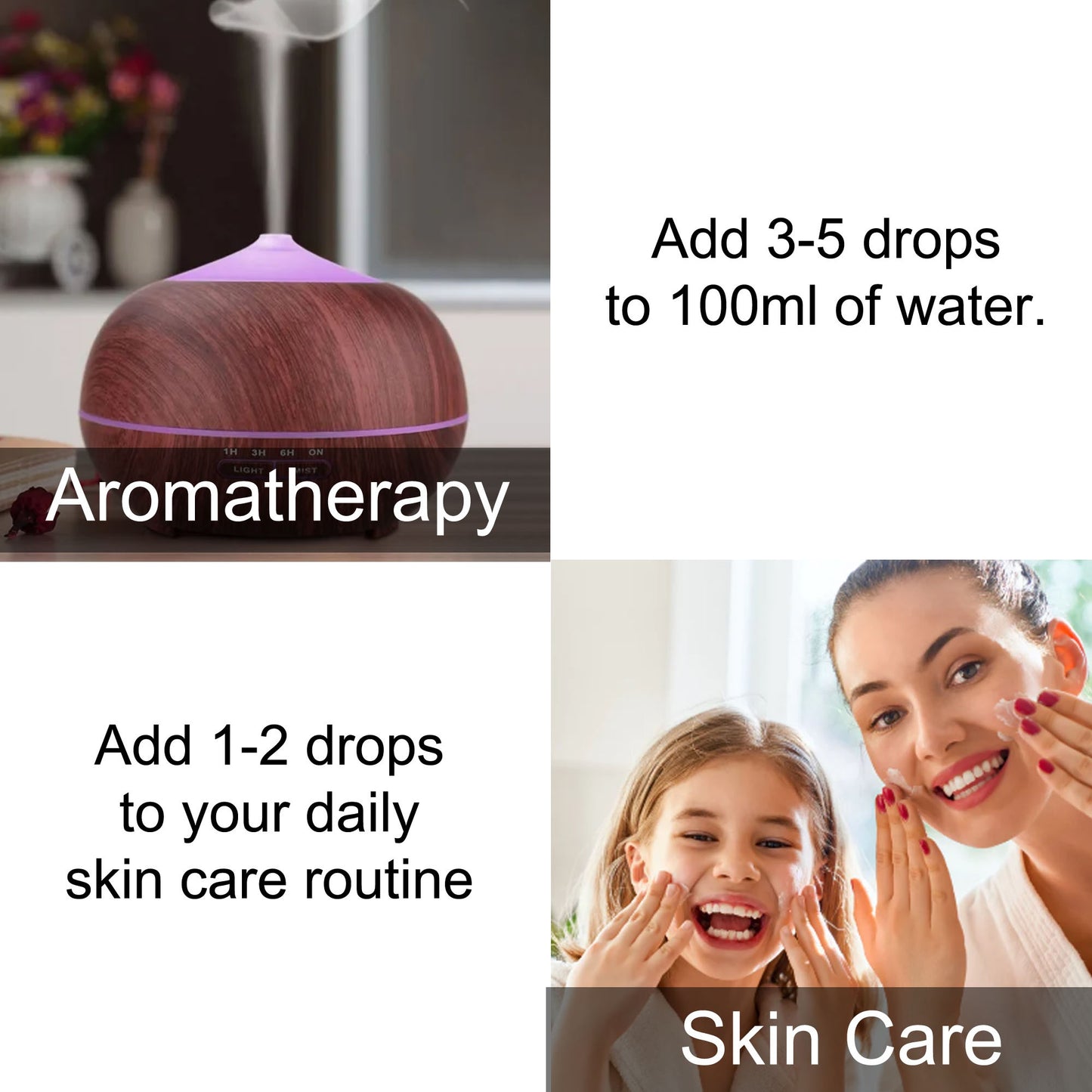
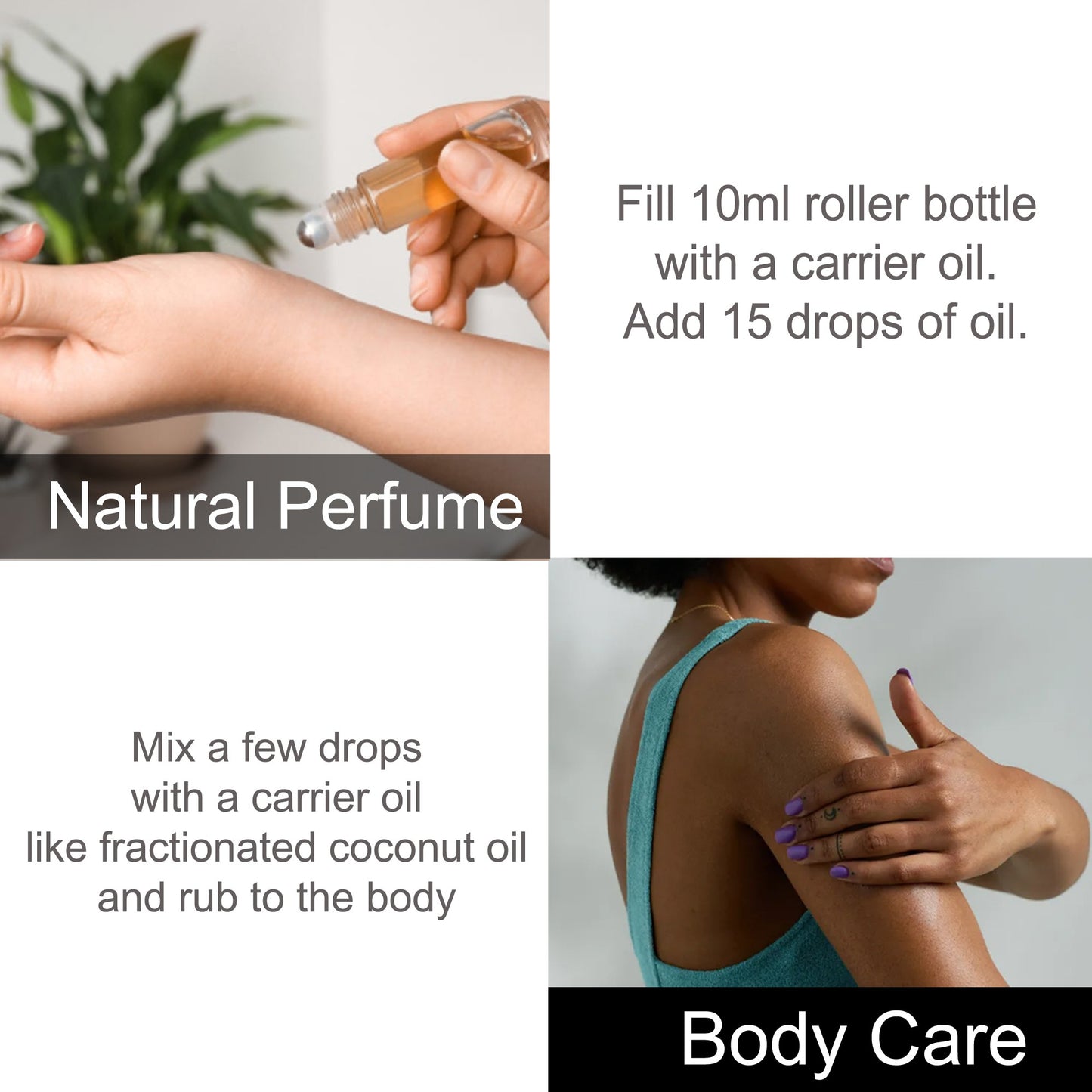
- Dilute Correctly: Blend 1-2 drops of coriander oil with one teaspoon of a non-comedogenic carrier oil like fractionated coconut oil.
- Perform a Patch Test: Apply a small amount of the diluted oil to your inner arm and wait 24 hours to ensure no sensitivity occurs.
- Create a Spot Treatment: Use a cotton bud to apply the diluted mixture directly onto blemishes to provide targeted botanical support.
- Craft a Balancing Toner: Add 3-4 drops to 50ml of organic witch hazel extract or organic rosewater in a spray bottle. Shake well before misting onto the face.
- Enhance Your Moisturiser: Mix a single drop into your nightly facial moisturiser to boost its clarifying and balancing properties.
| Skin Type | Recommended Application | Expert Tip |
|---|---|---|
| Oily / Congested | In a weekly clay mask or as a targeted spot treatment. | The absorbent properties of clay combined with coriander's clarifying nature help to deeply cleanse pores and manage excess sebum. |
| Combination | As a balancing facial serum applied to the T-zone. | Use a lightweight carrier oil to deliver coriander's benefits where needed most, without overloading drier areas of the face. |
| Sensitive / Reactive | Highly diluted in a soothing night cream or lotion. | Start with a very low dilution (e.g., 1 drop per 15ml of product) to allow the skin to acclimate to its soothing properties. |
Can coriander get rid of pimples?
When dealing with the appearance of blemishes and pimples, many people turn to the clarifying properties of coriander for botanical support. While no essential oil can be claimed to 'get rid of' a medical condition like acne, coriander oil is traditionally used in skincare to help soothe redness and calm troubled areas. Its balancing action assists in managing surface oils, creating an environment less prone to congestion and promoting a clearer-looking complexion through consistent, targeted application.
Is coriander good for oily skin?
Yes, coriander is exceptionally well-suited for those looking to manage the appearance of oily skin. Its primary benefit is its ability to provide balance. Rather than stripping the skin of its natural oils, which can trigger a rebound effect and even more oil production, coriander oil helps to gently regulate surface sebum. This promotes a more matte, refined, and harmonious complexion, making it an intelligent addition to a skincare routine focused on oil control.
Does coriander help with acne scars?
To support the skin's natural renewal process and improve the appearance of post-blemish marks, coriander is often incorporated into targeted skincare routines. While it does not 'heal' or 'remove' scars, its botanical compounds can assist in promoting a more even and uniform skin tone and texture. By supporting dermal comfort and hydration, it helps the skin look smoother and more radiant, which can diminish the visibility of discolouration left behind by past breakouts.
What is the best carrier oil to mix with coriander oil for Clear & Balanced Skin?
For clear and balanced skin, the best carrier oils to pair with coriander oil are lightweight, non-comedogenic options like fractionated coconut oil and Jojoba Oil. Fractionated coconut oil is exceptionally light and absorbs quickly without clogging pores, making it ideal for oily or blemish-prone skin. Jojoba Oil is structurally similar to the skin's own sebum, which allows it to help balance oil production, providing hydration where needed and signalling to overactive glands to reduce output.
Where can I buy genuine coriander oil online without risking cheap synthetic oils?
To avoid the risk of ineffective synthetic fragrances, you should always purchase from a dedicated botanical supplier like purelyBlack, where you can order authentic pure coriander oil online. As an Australian essential oil business, purelyBlack is committed to supplying 100% pure essential oils, shipped directly from within Australia. You can safely purchase with confidence today to support your goal of achieving clear and balanced skin.
Is coriander oil safe to use on your face?
Yes, coriander oil is generally considered safe for facial use when appropriate safety precautions are taken, primarily proper dilution. Never apply undiluted coriander essential oil directly to the skin, as this can cause significant irritation. Always perform a patch test on a small, discreet area of skin before applying it more widely to your face. Keep the oil away from the delicate eye area, and discontinue use immediately if any redness or discomfort occurs.
| Safety Concern | Guideline |
|---|---|
| Dilution for Facial Use | Maintain a dilution ratio of 1% or less for facial applications. This equates to 1 drop of essential oil per teaspoon (5ml) of carrier oil. |
| Use on Sensitive Skin | If you have sensitive or reactive skin, start with an even lower dilution (e.g., 0.5%) and perform a thorough 24-48 hour patch test. |
| Sun Exposure (Photosensitivity) | Coriander oil is not considered phototoxic, but practising sun safety by applying sunscreen daily is always recommended when using active botanical ingredients. |
| Children and Pets | Keep bottles out of reach of children. Avoid topical use on young children and pets, as their skin is more sensitive. |
Other Ways to Use Coriander Oil
Beyond its remarkable dermal benefits, coriander offers a versatile profile for holistic wellness. Many people explore the benefits of coriander for Digestive Comfort & Soothing through aromatic application. Others learn how to use coriander oil for Muscle & Joint Pain Relief in massage blends.
Explore Our Coriander Oil Guides
Disclaimer: This information is for educational purposes only. These statements have not been evaluated by the Therapeutic Goods Administration (TGA), and this product is not intended to diagnose, treat, cure, or prevent any disease. Always consult a healthcare professional before use.
About the Author: Formulated & Written by H.R. Kim
Founder at purelyBlack — an Australian-owned botanical perfumery and essential oil supplier based in Sydney. Blending a deep knowledge of molecular ingredient chemistry with holistic aromatherapy, H.R. specialises in creating harmonious, safe, and effective essential oil blends for natural home fragrance, cosmetic balancing, and daily wellness.
