





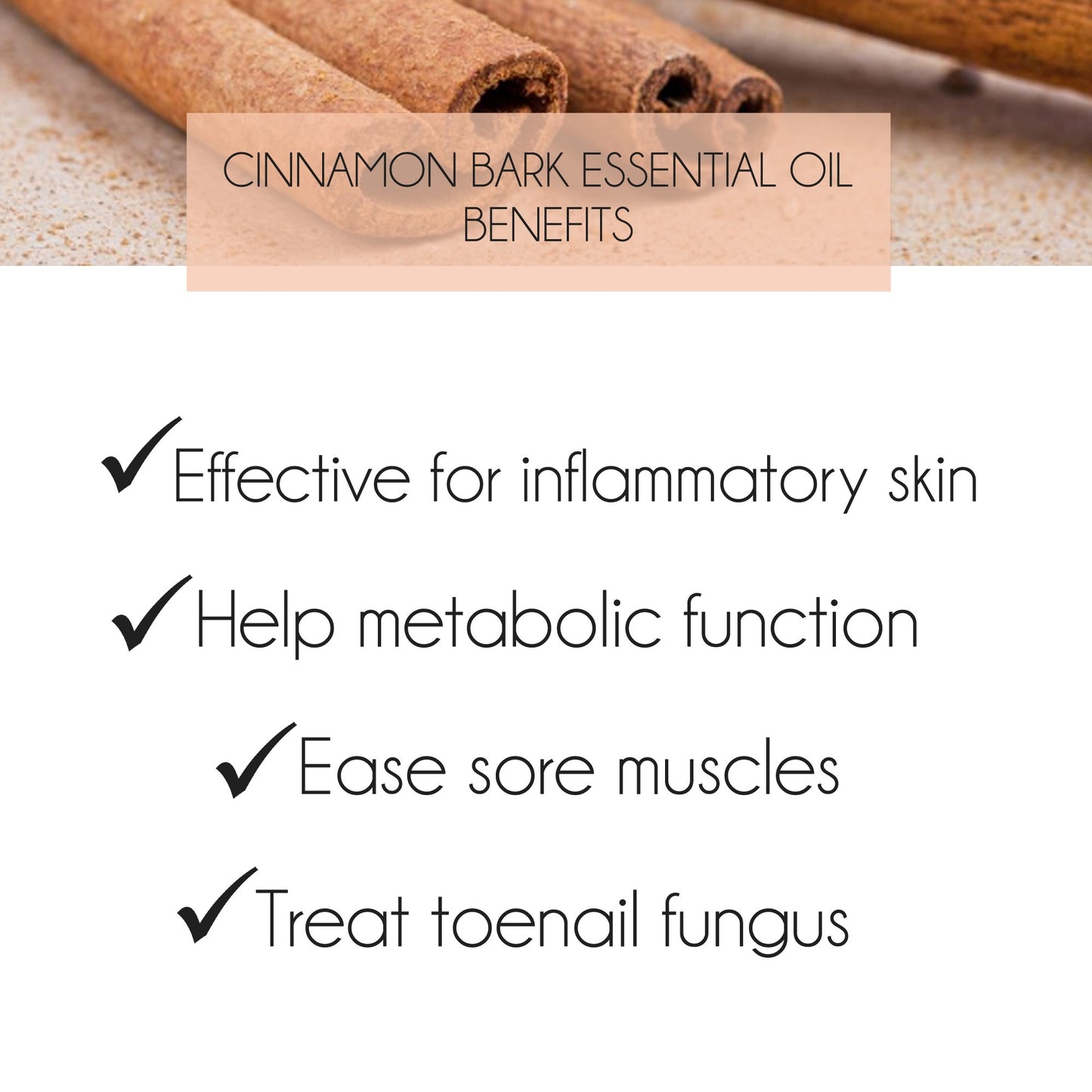
The Healing Properties of Cinnamon Oil
What Is The Cinnamon Oil Good For?
Cinnamon essential oil is widely used to create a warming atmosphere, support surface cleanliness, and provide soothing botanical comfort when diluted properly.
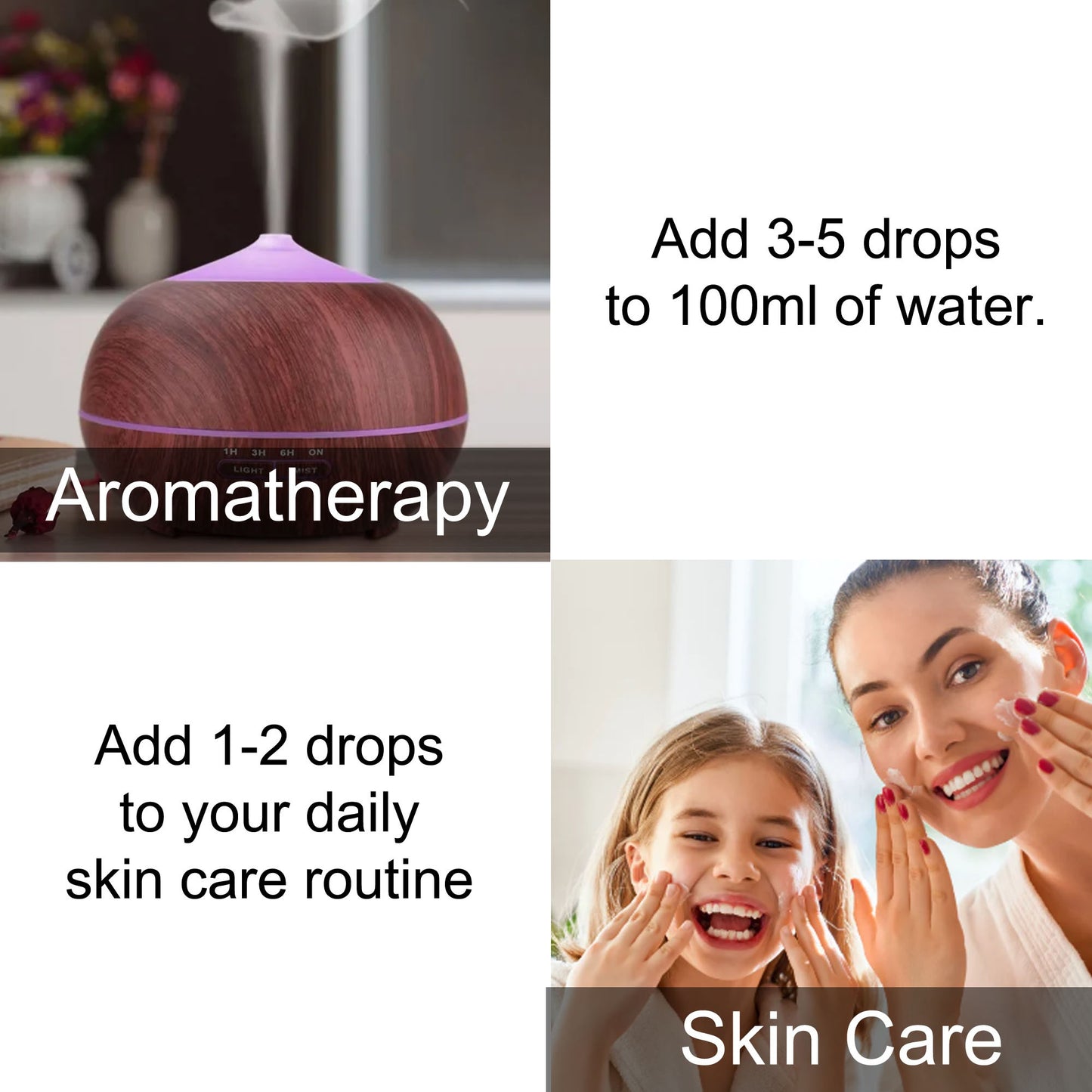
- Aromatic Warmth: Diffusing cinnamon oil provides aromatic comfort and creates an energising, tranquil atmosphere throughout living spaces.
- Topical Comfort: Dilute with Fractionated Coconut Oil to massage fatigued muscles after physical exertion.
- Household Cleansing: Adding botanical drops to cleaning blends helps refresh indoor surfaces and maintain household freshness naturally.


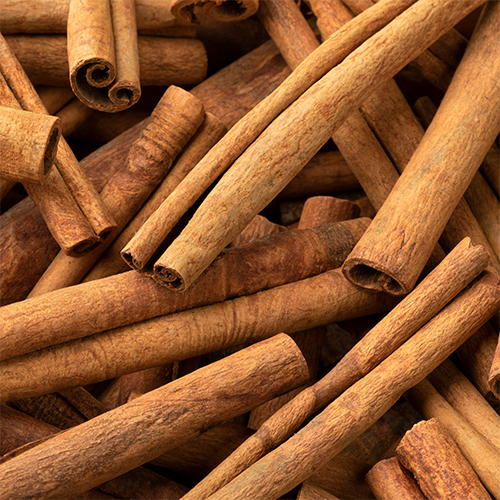
Derived from the inner bark of Cinnamomum verum (Lauraceae family) via steam distillation, this potent botanical extract is celebrated for its deep, spicy aroma. In aromatherapy, Cinnamon oil is valued for revitalising dull environments and creating a welcoming, fireside ambiance during cooler seasons. When experiencing sluggishness, many people turn to its invigorating scent to uplift focus and maintain vitality throughout demanding afternoons.
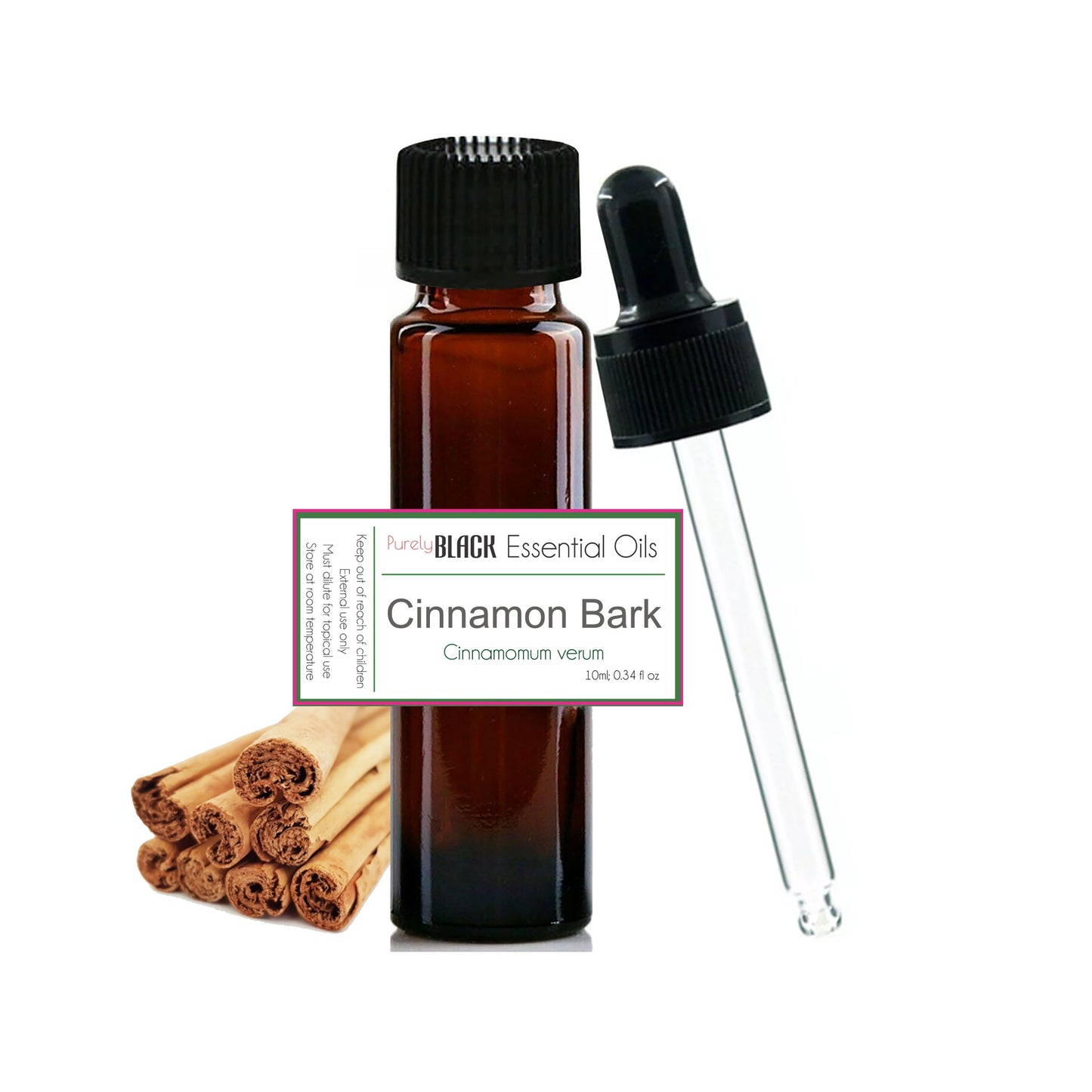
Beyond diffusion, Cinnamon serves as a key component in natural home care formulations and seasonal scent crafting. Because it is highly concentrated, standard topical practice requires thorough dilution in a nourishing carrier base before skin contact. purelyBlack's pure cinnamon oil is available as a 100% pure essential oil, dispatched from Sydney.
What Is The Healing Power Of Cinnamon?
Traditionally used in botanical practice to provide comfort, Cinnamon offers revitalising warmth, skin-purifying properties, and an uplifting, grounding sensory environment.
The botanical efficacy of Cinnamon essential oil stems from its rich concentration of bioactive volatile compounds. Chemical evaluations show that high-grade bark distillation yields between 65% and 75% cinnamaldehyde, supported by minor constituents like eugenol, according to a published phytochemical study. These natural constituents contribute to the intense warming sensation and purifying properties associated with traditional preparations.
When experiencing bodily tension or muscular stiffness, many people turn to Cinnamon oil diluted in plant oils for warming topical relief. The stimulating profile promotes local surface warmth, comforting tired joints after physical exercise or strenuous activity. Aromatherapists also rely on its rich, spicy bouquet to support a comforting state of mental clarity during periods of nervous exhaustion.
Because the concentration of cinnamaldehyde makes this extract a dermal sensitiser, careful handling is essential for safe application. Formulators recommend keeping topical concentrations below 0.1% for full-body massage or leave-on skin products. Practising responsible dilution ensures users enjoy its soothing properties while protecting the delicate moisture barrier of the skin.


What Organ Is Cinnamon Good For?
In traditional botanical traditions, Cinnamon is appreciated for supporting respiratory comfort through inhalation and comforting the digestive area during soothing abdominal massage.
- Respiratory Tract: Inhaling diffused cinnamon oil vapour provides aromatic comfort and promotes clear, unobstructed seasonal breathing.
- Digestive Comfort: Gentle topical massage diluted over the abdomen offers warming physical comfort during occasional sluggish sensations.
- Circulatory Sensation: Diluted topical application provides a gentle warming sensation that invigorates the skin and local microcirculation.
Aromatherapy practices historically associate Cinnamon essential oil with core vitality and respiratory wellness. Diffusing tiny quantities into ambient air helps purify the breathing space, offering botanical comfort when seasonal stuffiness affects household comfort. Aromatic molecules stimulate olfactory pathways, which in turn encourage deep, grounded breathing during restful evening routines.
For abdominal care, applying a properly diluted blend using gentle clockwise motions supports physical ease. Blending Cinnamon with gentle balancing oils like coriander or sweet orange creates an effective botanical balm for soothing external massage. Under Australian aromatherapy guidelines, external and aromatic methods remain the safest avenues to harness these comforting botanical actions.
What Pests Does Cinnamon Repel?
Cinnamon oil naturally repels common household pests including ants, silverfish, mosquitoes, fruit flies, and dust mites through its pungent cinnamaldehyde aroma.
| Target Pest | Application Method | Recommended Blend Recipe |
|---|---|---|
| Sugar Ants & Trail Ants | Perimeter Barrier Spray | 10 drops Cinnamon oil + 100ml water + 10ml Organic Witch Hazel Extract |
| Silverfish & Pantry Moths | Cotton Ball Placement | 3 drops Cinnamon + 2 drops Peppermint on raw cotton |
| Mosquitoes & Flying Insects | Terrace Ultrasonic Diffusion | 2 drops pure Cinnamon oil + 4 drops Lemongrass in diffuser |
The potent scent of cinnamaldehyde disrupts the chemical scent trails that trailing insects like ants rely on for foraging and navigation. When applied around baseboards, window sills, and doorways, Cinnamon oil forms an aromatic deterrent that discourages bugs without harsh synthetic residues. Spraying entry points every few days maintains an invisible botanical barrier that keeps domestic spaces pest-free.
In wardrobes and linen closets, the sharp spicy notes mask the natural keratin scents that attract fabric pests. Combining Cinnamon with woody or herbaceous botanicals provides dual-action freshness, protecting stored fabrics while keeping mustiness away. Regular aromatic diffusion also discourages lingering fruit flies around food preparation surfaces and kitchen waste bins.
What Does The Bible Say About Using Cinnamon?
The Bible references cinnamon as a sacred aromatic spice in Exodus for holy anointing oil, and in Proverbs and Song of Solomon.
Scriptural passages highlight Cinnamon as an exotic, revered botanical ingredient prized among ancient Near Eastern cultures. In Exodus 30:23, Moses receives divine instructions to blend 250 shekels of sweet cinnamon with liquid myrrh, aromatic cane, and cassia to craft the sacred Holy Anointing Oil. This fragrant oil was reserved exclusively for consecrated priests, sacred vessels, and the Tent of Meeting, signifying holiness and purification.
Later biblical writings celebrate Cinnamon for its luxurious aromatic appeal in personal adornment and sacred love poetry. Proverbs 7:17 describes perfumed bedchambers adorned with myrrh, aloes, and fragrant spices, while Song of Solomon 4:14 lists cinnamon trees among the magnificent plants of an exotic royal garden. These historical records demonstrate that ancient civilisations viewed the spice not merely as a seasoning, but as an invaluable botanical treasure for luxury and ceremony.
To explore similar profiles, discover these pure purelyBlack creations: Holy Basil Oil, Black Pepper Oil, and Yarrow Oil — each dispatched from Sydney.
Related Reading
For more on cinnamon, see our companion guides: Diffusing Cinnamon Essential Oil in Your Home. How to Use Cinnamon Oil for Skin and Nails.
About the Author
Written by H.R. Kim
Founder at purelyBlack — an Australian-owned perfumery and botanical studio based in Sydney. H.R. specialises in scent profiling and natural ingredient sourcing, meticulously balancing premium fragrance oils and 100% pure essential oils to create elevated aromatic experiences.
Last updated: August 2026
Disclaimer: purelyBlack essential oils are for external use and aromatherapy purposes only. They are not intended to diagnose, treat, cure, or prevent any disease. Always dilute with a carrier oil before topical application and consult a healthcare professional if pregnant or under medical supervision.
