





The Benefits of Lemon Myrtle Oil for Sleep
Does Lemon Myrtle Make You Sleepy?
When experiencing night-time restlessness, many people turn to Lemon Myrtle essential oil to create a tranquil environment that encourages peaceful sleep.
- Sedative Aromatics: The high citral content provides aromatic comfort that helps set a calming atmosphere before bed.
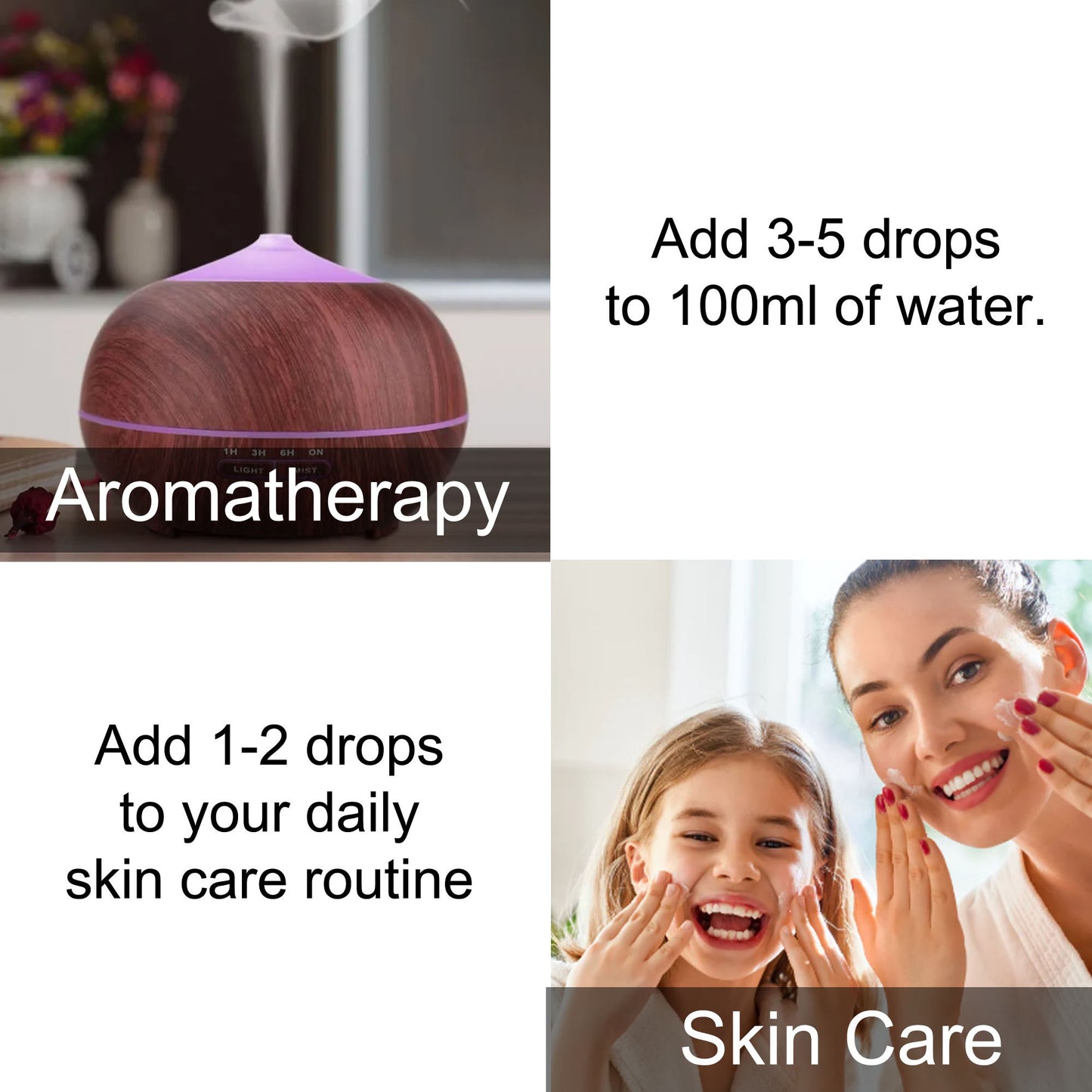
- Nighttime Diffusion: Diffusing two drops creates a refreshing citrus ambience that supports quiet evening relaxation rituals.
- Topical Application: Dilute with Fractionated Coconut Oil to massage pulse points before turning off lights.


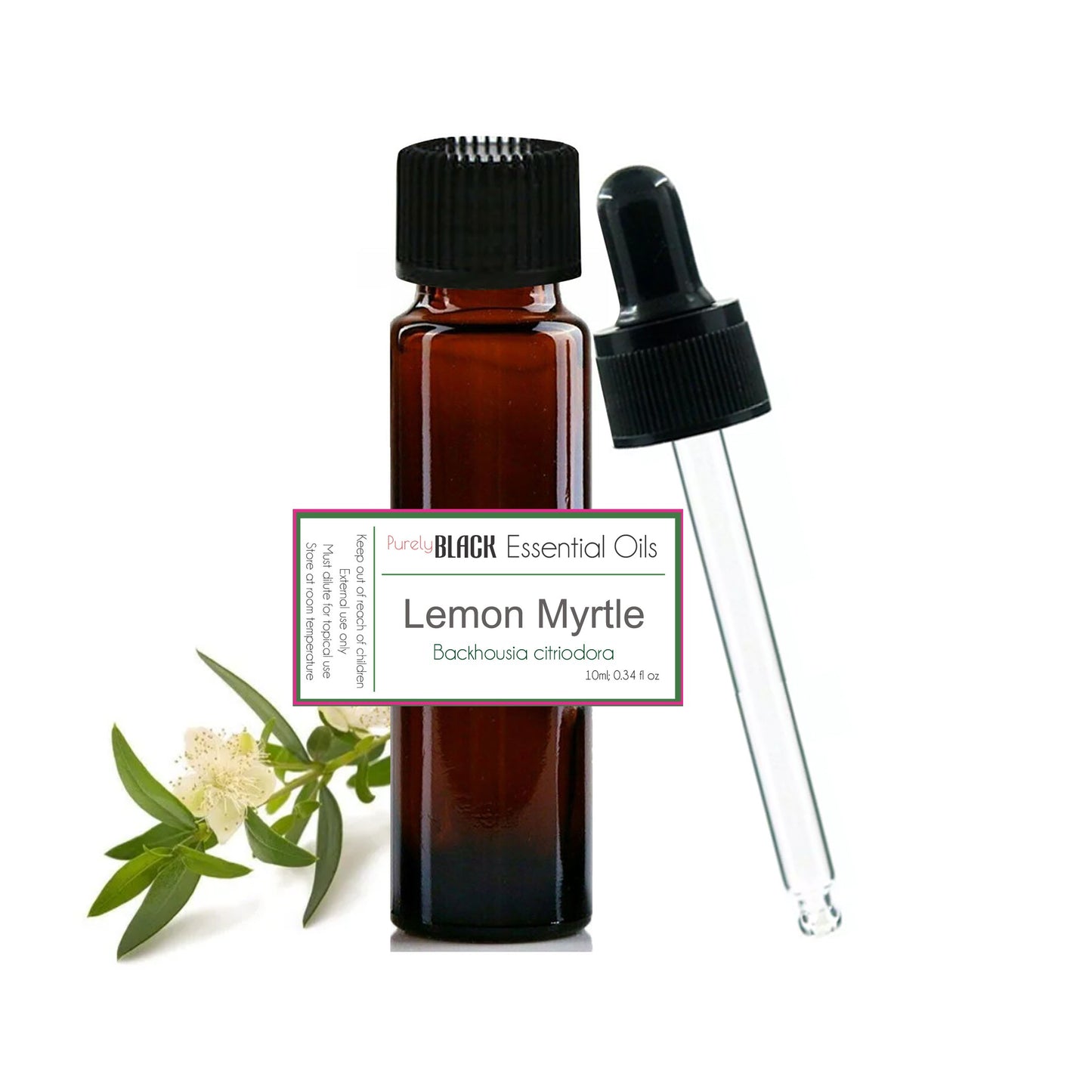
Indigenous to the subtropical rainforests of Australia, Lemon Myrtle originates from the leaves of the Backhousia citriodora tree, a prominent member of the Myrtaceae plant family. Extracted through traditional steam distillation, this vibrant botanical produces an exceptionally rich lemon aroma that helps soften environmental stressors. Many individuals incorporate Lemon Myrtle into their evening wind-down rituals to establish an atmosphere conducive to rest.
While bright citrus notes are often associated with daytime alertness, the complex aromatic profile of Lemon Myrtle offers a unique grounding quality. When diffused in the bedroom 30 minutes before sleep, its serene scent fills the space, helping clear away mental chatter from busy workdays. Pair it with gentle breathing exercises to maximize your evening tranquil atmosphere.
purelyBlack's pure lemon myrtle oil is available as a 100% pure essential oil, dispatched from Sydney.
Is Lemon Myrtle Good For Sleep?
When preparing for evening rest, traditionally used in botanical practice to provide aromatic comfort for a soothing bedtime atmosphere and unwind routines.
Creating a consistent nocturnal environment is essential for achieving deep, uninterrupted rest. Lemon Myrtle essential oil serves as an effective botanical companion during night preparations, offering a crisp yet gentle fragrance that freshens air quality while promoting calm. Its natural sweet-herbaceous undertones balance the initial citrus top notes, making it noticeably softer than standard lemon or lime oils.
Bedtime Application Techniques
Incorporating this Australian botanical into your nocturnal routine can be accomplished through several simple home methods. Diffusing is the most popular technique, but topical massage and pillow mists offer personalized alternatives for targeted relaxation.
| Application Method | Recommended Ratio | Primary Aromatic Benefit |
|---|---|---|
| Ultrasonic Diffusion | 3–5 drops per 100ml water | Creates a refreshing, serene atmosphere for night routines |
| Evening Pulse Massage | 2 drops in 10ml carrier oil | Provides tactile relaxation and lingering botanical scent |
| Aromatherapy Pillow Mist | 4 drops in 50ml distilled water | Fosters a peaceful ambient scent across bedtime linens |
| Warm Foot Bath | 3 drops with Epsom salts | Offers soothing comfort to unwind after active days |
Blending Lemon Myrtle oil with complementary grounding botanicals can further enhance your nocturnal sensory space. Pairing it with floral notes like lavender or rich earthy scents creates a balanced olfactory experience that encourages tranquil downtime.


What Essential Oils Reduce Cortisol?
When experiencing daily stress, many people turn to soothing essential oils to foster a serene ambient environment that supports evening relaxation rituals.
- Lemon Myrtle Oil: Rich in natural citral, this bright botanical aroma promotes a serene atmospheric environment for night relaxation.
- Patchouli Essential Oil: Grounding earthy notes offer comforting environmental stability when winding down after demanding work hours.
- Black Spruce Oil: Fresh forest aromatics help establish a tranquil ambient space conducive to deep rest and recovery.
Managing daily stress responses is vital for long-term health and restorative night routines. High stress levels maintain physical alertness, making it difficult for the mind to settle when head meets pillow. Essential oils work through olfactory pathways to provide subtle environmental comfort, signalling to the mind that the day's tasks are complete.
Synergistic Evening Aromatherapy
Combining complementary botanical scents can produce a harmonized aromatic environment that enhances overall unwinding. Combining a bright Australian native scent with deep wood or resin oils creates a complex ambient background ideal for meditation or reading before sleep.
When creating evening blends, start with a subtle ratio to avoid overwhelming the room's scent profile. Two drops of Lemon Myrtle combined with grounding base notes provide an inviting sensory backdrop that calms the senses without feeling heavy or artificial.
What Is The Spiritual Meaning Of Lemon Myrtle?
Lemon Myrtle symbolizes spiritual purification, emotional balancing, and energetic renewal, helping to clear stagnant atmospheric energies during focused meditation practices.
In traditional botanical folklore, Australian native plants hold deep symbolic connection to land stewardship, resilience, and elemental balance. Lemon Myrtle is revered as a plant of vibrant vitality and emotional clarity. Its intense, clean aroma is traditionally associated with sweeping away lingering negative energy and restoring spiritual harmony within personal living spaces.
Chakra Alignment and Energy Work
In modern energetic practices, Lemon Myrtle resonates strongly with both the Solar Plexus and Heart Chakras. The vibrant yellow energy of its citrus scent inspires confidence and emotional release, while its gentle green leaf origins foster heart-centered peace.
Practitioners often diffuse Lemon Myrtle during evening reflection, journaling, or energy cleansing rituals. Its invigorating yet centering scent helps clear mental fog, allowing individuals to reconnect with inner stillness before sleep. Placing a drop on an diffuser stone during meditation creates an uplifting sanctuary in any room.
What Does Lemon Myrtle Do For The Body?
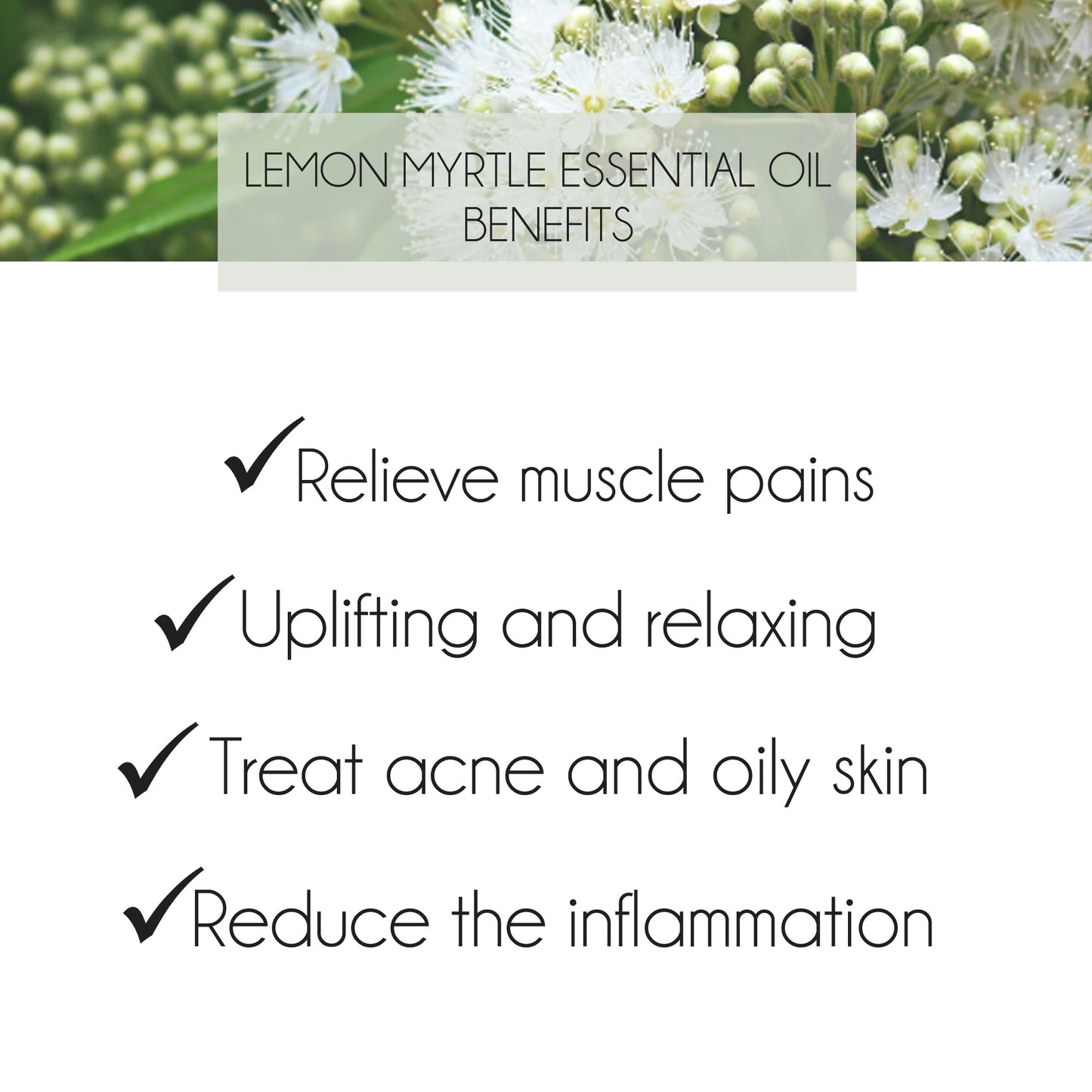
Traditionally used in botanical practice to provide comfort for tired muscles and support a healthy complexion through gentle topical skin application.
Beyond its peaceful sensory qualities, Lemon Myrtle offers notable physical utility when applied in personal care routines. The primary active component in Backhousia citriodora is citral, accounting for a high concentration in a published phytochemical study detailing its natural composition. This chemical profile gives the oil its intense fresh scent and distinct botanical properties.
Skin Care and Topical Comfort
When diluted properly in a nourishing plant base, Lemon Myrtle supports a healthy complexion and provides refreshing comfort to weary limbs after physical exertion. Its natural astringent character helps refine skin texture, while an evening shoulder massage with diluted Lemon Myrtle oil helps release physical tension accumulated throughout the day.
Always perform a patch test prior to full topical application, as pure botanical extracts require proper dilution for sensitive skin types. Mixing two drops into Fractionated Coconut Oil yields a smooth, skin-safe massage medium ideal for night-time self-care routines.
To explore similar profiles, discover these pure purelyBlack creations: Palo Santo Oil, Spearmint Oil, and Ravensara Oil — each dispatched from Sydney.
Related Reading
For more on lemon myrtle oil, see our companion guide: Diffusing Lemon Myrtle Essential Oil in Your Home.
About the Author
Written by H.R. Kim
Founder at purelyBlack — an Australian-owned perfumery and botanical studio based in Sydney. H.R. specialises in scent profiling and natural ingredient sourcing, meticulously balancing premium fragrance oils and 100% pure essential oils to create elevated aromatic experiences.
Last updated: August 2026
Disclaimer: purelyBlack essential oils are for external use and aromatherapy purposes only. They are not intended to diagnose, treat, cure, or prevent any disease. Always dilute with a carrier oil before topical application and consult a healthcare professional if pregnant or under medical supervision.
