





Diffusing Lemon Myrtle Essential Oil in Your Home
What Does Lemon Myrtle Smell Like?
Lemon Myrtle offers an intensely fresh, sweet citrus aroma with distinct herbal undertones, smelling significantly richer and cleaner than traditional lemon essential oil.
- Citrus Intensity: The scent features a powerful citrus top note that instantly enlivens indoor spaces with bright botanical warmth.
- Herbal Nuance: Warm lemongrass-like undertones give the aroma a well-rounded and soothing depth during home diffusion.
- Aromatic Purity: Crisp backnotes create a clean atmosphere without the harsh sharp edge common to synthetic lemon fragrances.


Native to the subtropical coastal rainforests of eastern Australia, Lemon Myrtle originates from the Backhousia citriodora tree, belonging to the Myrtaceae plant family. The foliage yields an extraordinary essential oil through steam distillation of fresh leaves, producing a complex aromatic profile that elevates any room. Its vibrant aroma brings an uplifting feel to living spaces, making it a favourite choice for home aromatherapists seeking a pure botanical atmosphere.
When diffused, Lemon Myrtle oil fills the room with an invigorating fragrance that promotes a tranquil atmosphere while masking lingering household odours. Many people enjoy diffusing this crisp botanical scent during morning routines or work sessions to foster an environment of clarity and focus. The naturally balanced bouquet harmonises beautifully with varied ambient settings throughout the Australian home.
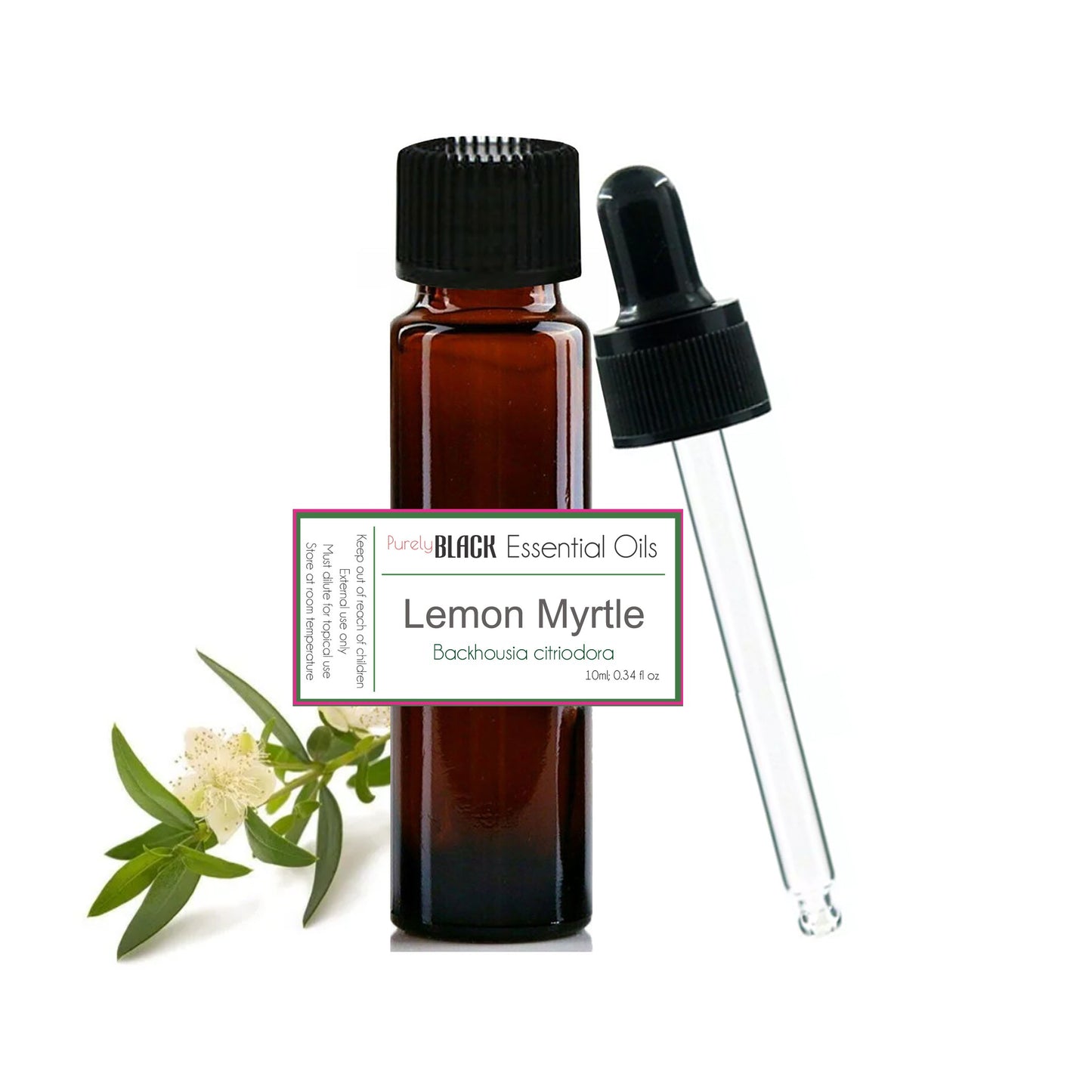
purelyBlack's pure lemon myrtle oil is available as a 100% pure essential oil, dispatched from Sydney.
What Pairs Well With Lemon Myrtle Essential Oil?
Lemon Myrtle essential oil pairs exceptionally well with floral, woody, herbaceous, and spicy oils, including lavender, eucalyptus, tea tree, and frankincense.
Blending Lemon Myrtle essential oil with complementary botanicals allows you to create customized aromatic environments tailored to your mood. Crisp herbaceous oils like Niaouli provide a refreshing grounding layer, while rich woods enhance the oil's lingering warmth. Experimenting with balanced drop counts helps achieve nuanced room scents for relaxation or active daily focus.
For a serene setting, combining citrus notes with sweet floral undertones softens the bright top notes into a relaxing room mist. Grounding base oils slow down evaporation, ensuring that the invigorating citrus character remains present for hours. The table below outlines balanced blending combinations using Lemon Myrtle for home diffusion and aromatic styling.
| Blend Category | Recommended Partner Oils | Aromatic Experience & Application |
|---|---|---|
| Fresh & Purifying | Tea Tree, Niaouli, Eucalyptus | Creates a crisp, purifying home environment suitable for living rooms and entries. |
| Calming & Restorative | Lavender, Bergamot, Roman Chamomile | Promotes a tranquil atmosphere ideal for evening wind-down routines. |
| Uplifting Citrus | Sweet Orange, Tangerine, Lime | Delivers a joyful, bright citrus bouquet that enlivens daytime spaces. |
| Earthy & Grounding | Frankincense, Cedarwood, Sandalwood | Adds warm woody depth, anchoring the sweet lemon fragrance for quiet study. |


What Do You Do With Lemon Myrtle Essential Oil?
You can diffuse Lemon Myrtle essential oil for room freshening, add it to natural cleaning solutions, or mix it with carrier oils for skin application.
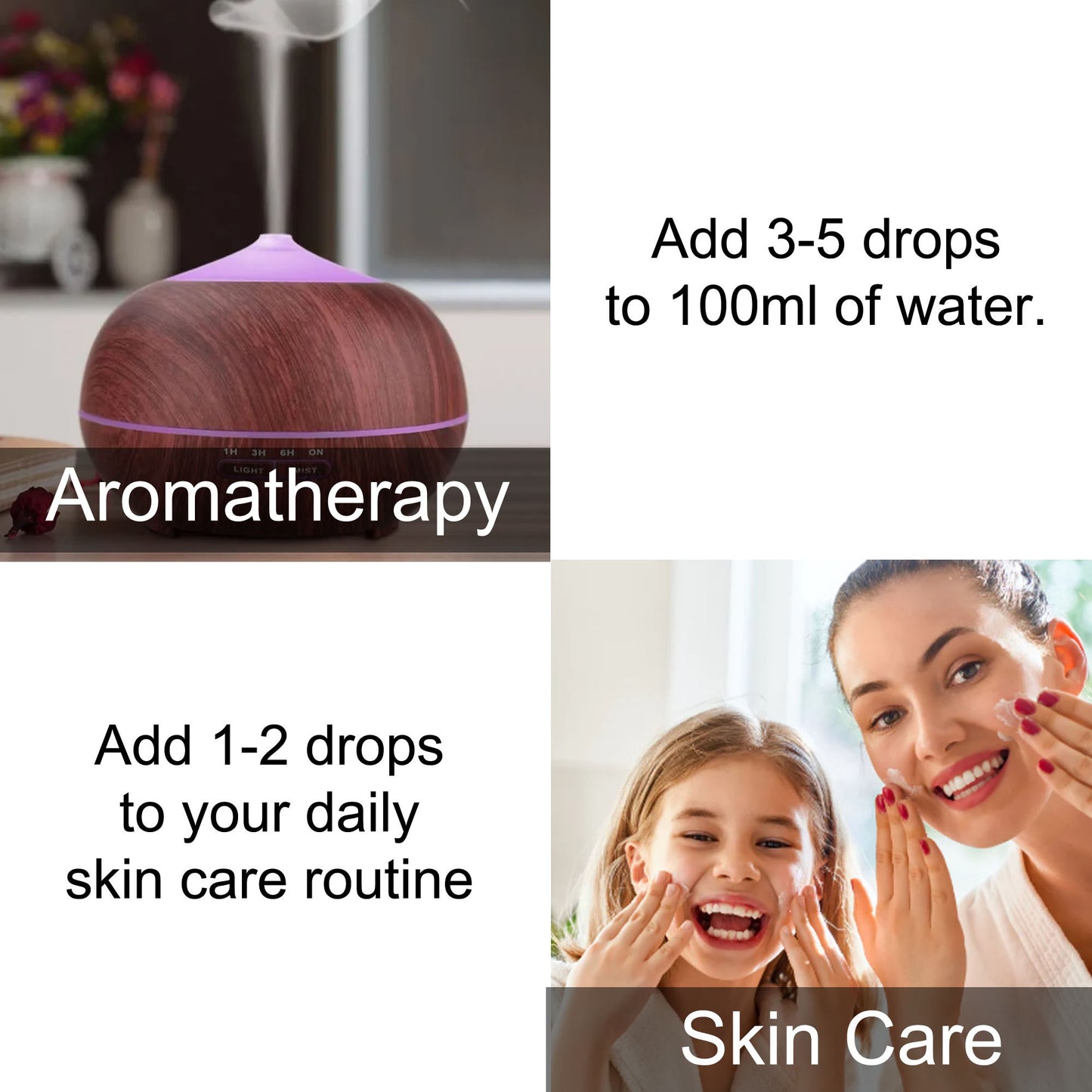
- Ultrasonic Diffusion: Add 3 to 5 drops to your water diffuser to disperse a refreshing, natural botanical aroma throughout your home.
- Topical Application: Dilute Lemon Myrtle oil in Fractionated Coconut Oil before applying to pulse points for personal comfort.
- Natural Cleaning: Combine several drops with distilled water and vinegar in a spray bottle for an aromatic, fresh surface spray.
Diffusing Lemon Myrtle essential oil is one of the most effective ways to elevate indoor air quality while creating a welcoming home environment. When diffusing around family spaces, start with a lower drop count to evaluate scent strength before increasing concentration. Regular diffusion provides aromatic comfort that replaces synthetic room sprays with pure botanical freshness.
Beyond ultrasonic diffusers, Lemon Myrtle oil can be incorporated into DIY home care mixtures to refresh linens and hard surfaces. When applying topically to support a healthy complexion, proper dilution with a gentle carrier oil ensures comfortable skin compatibility. Always perform a small patch test prior to full topical application to guarantee comfort.
Are Lemon Myrtle And Lemongrass The Same?
No, Lemon Myrtle and Lemongrass are distinct plants from different botanical families, though both contain high concentrations of the aromatic compound citral.
While both plants exhibit a bright lemon character, Lemon Myrtle stems from the Australian tree species Backhousia citriodora, whereas Lemongrass oil comes from the tropical grass Cymbopogon flexuosus. Lemon Myrtle features a sweeter, more refined aroma due to its remarkably high natural citral content. In contrast, Lemongrass possesses a sharper, heavier earthy undertone that reflects its herbal grass origins.
Chemically, Lemon Myrtle stands out as one of the richest natural sources of citral found in the botanical kingdom. Published research shows that Lemon Myrtle leaf essential oil contains up to 90–98% natural citral, comprising geranial and neral isomers (published phytochemical analysis). This exceptional purity gives Lemon Myrtle a cleaner, sweeter scent profile that lacks the grassy pungency of other citrus-scented oils.
Is Lemon Myrtle Essential Oil Antibacterial?
Yes, Lemon Myrtle essential oil contains extremely high levels of citral, a natural botanical constituent widely recognised for its surface cleansing and antibacterial properties.
The natural cleansing strength of Lemon Myrtle essential oil makes it an outstanding choice for home sanitation and atmospheric refreshment. When diffused into the air, its volatile compounds help neutralize unwanted airborne odours while filling room space with crisp botanical energy. Incorporating a few drops into household cleaning routines helps keep counter surfaces and communal areas feeling naturally rejuvenated.
When experiencing seasonal stuffiness or dynamic shifts in indoor air freshness, many people turn to Lemon Myrtle oil to maintain a fresh environment. Its bright aroma provides aromatic comfort during cold winter months when doors and windows remain closed. Integrating this pure botanical into daily household care fosters an inviting atmosphere that supports comfortable living year-round.
To explore similar profiles, discover these pure purelyBlack creations: Rosemary oil, May Chang oil, and Calamus oil — each dispatched from Sydney.
Related Reading
For more on lemon myrtle oil, see our companion guide: The Benefits of Lemon Myrtle Oil for Sleep.
About the Author
Written by H.R. Kim
Founder at purelyBlack — an Australian-owned perfumery and botanical studio based in Sydney. H.R. specialises in scent profiling and natural ingredient sourcing, meticulously balancing premium fragrance oils and 100% pure essential oils to create elevated aromatic experiences.
Last updated: August 2026
Disclaimer: purelyBlack essential oils are for external use and aromatherapy purposes only. They are not intended to diagnose, treat, cure, or prevent any disease. Always dilute with a carrier oil before topical application and consult a healthcare professional if pregnant or under medical supervision.
