




Essential Oil Safety: How to Protect Your Skin and Home
What not to do with essential oils?
The most common essential oil mistakes are applying undiluted oil directly to skin, using oils neat around eyes or mucous membranes, diffusing in unventilated spaces for extended periods, and assuming that "natural" means safe in any quantity or application. Always dilute in a carrier oil before any skin contact — the standard adult dilution is 2% (12 drops per 30ml of carrier) per NAHA guidelines.


Here are the most important things to avoid:
Never apply undiluted to skin
This is the single most common misuse. Even oils widely perceived as gentle — Lavender included — can cause sensitisation reactions when applied neat. Sensitisation is cumulative and irreversible: once your skin has reacted to an oil, repeated exposure makes the reaction worse, not better. Always dilute to 2% for adults, 1% for sensitive skin, and 0.5–1% for children per Tisserand & Young guidelines.
Never use near eyes or mucous membranes
Essential oils are highly concentrated and cause significant irritation on contact with mucous membranes. Keep all oils well away from eyes, nostrils, mouth, and genitals. If contact occurs, flush with a plain carrier oil (not water — oil displaces oil more effectively) and seek medical advice if irritation persists.
Never ingest
purelyBlack essential oils are not food-grade and are not intended for internal use under any circumstances. Internal use of essential oils carries significant risk and should only ever be considered under the supervision of a qualified medical professional or clinical aromatherapist.
Don't diffuse continuously
More is not better with aromatic diffusion. Diffuse for 30–60 minutes at a time in a well-ventilated room, then allow the space to air out. Continuous diffusion — particularly in small, enclosed spaces — can cause headaches, nausea, and respiratory irritation, especially in children, pets, and people with sensitivities.
Don't assume "natural" means safe
Essential oils are highly concentrated botanical extracts. Many are phototoxic, some are contraindicated during pregnancy, several interact with medications, and a number are toxic to pets. Natural origin does not determine safety — concentration, application method, and individual sensitivity all matter.
Where should you put essential oils on your body?
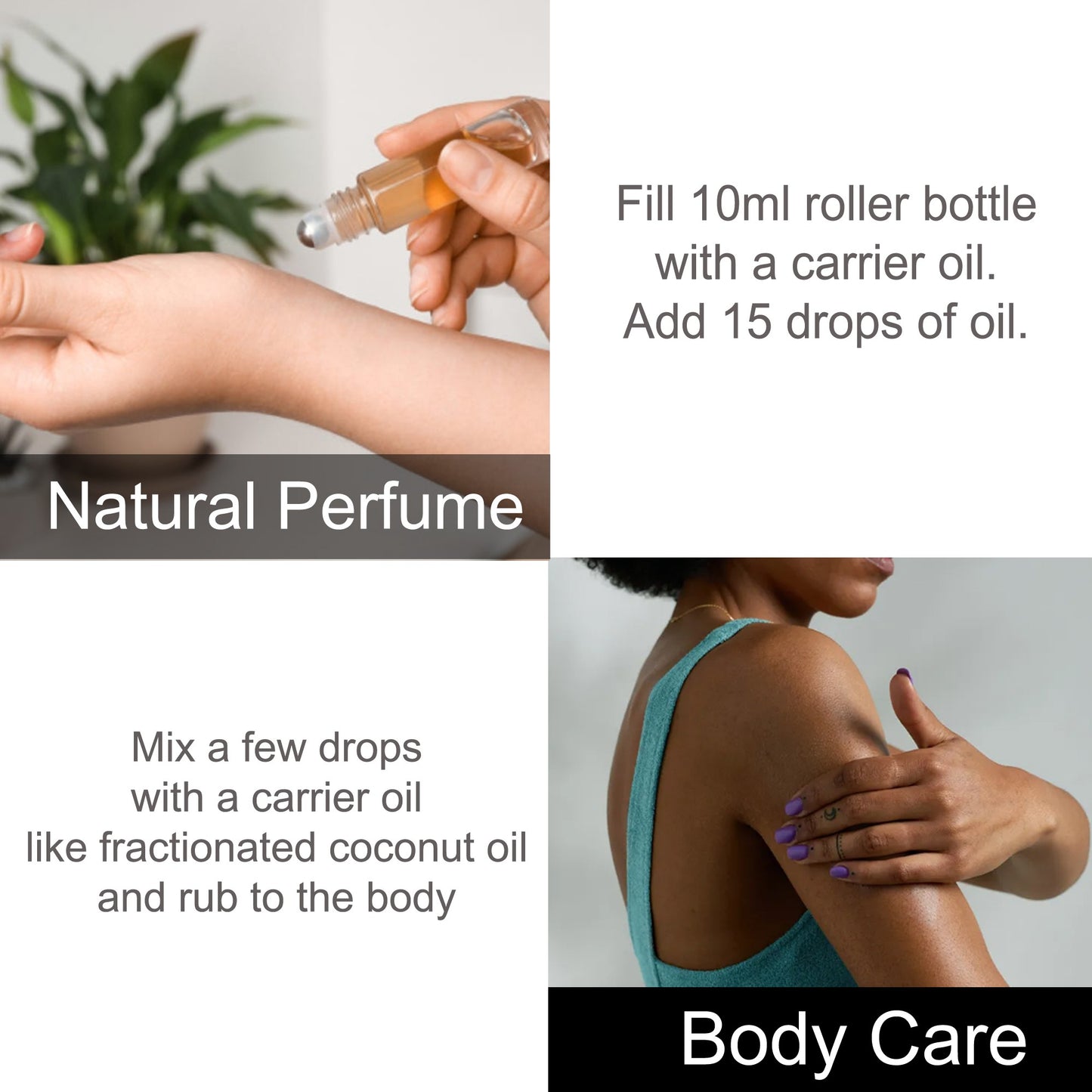
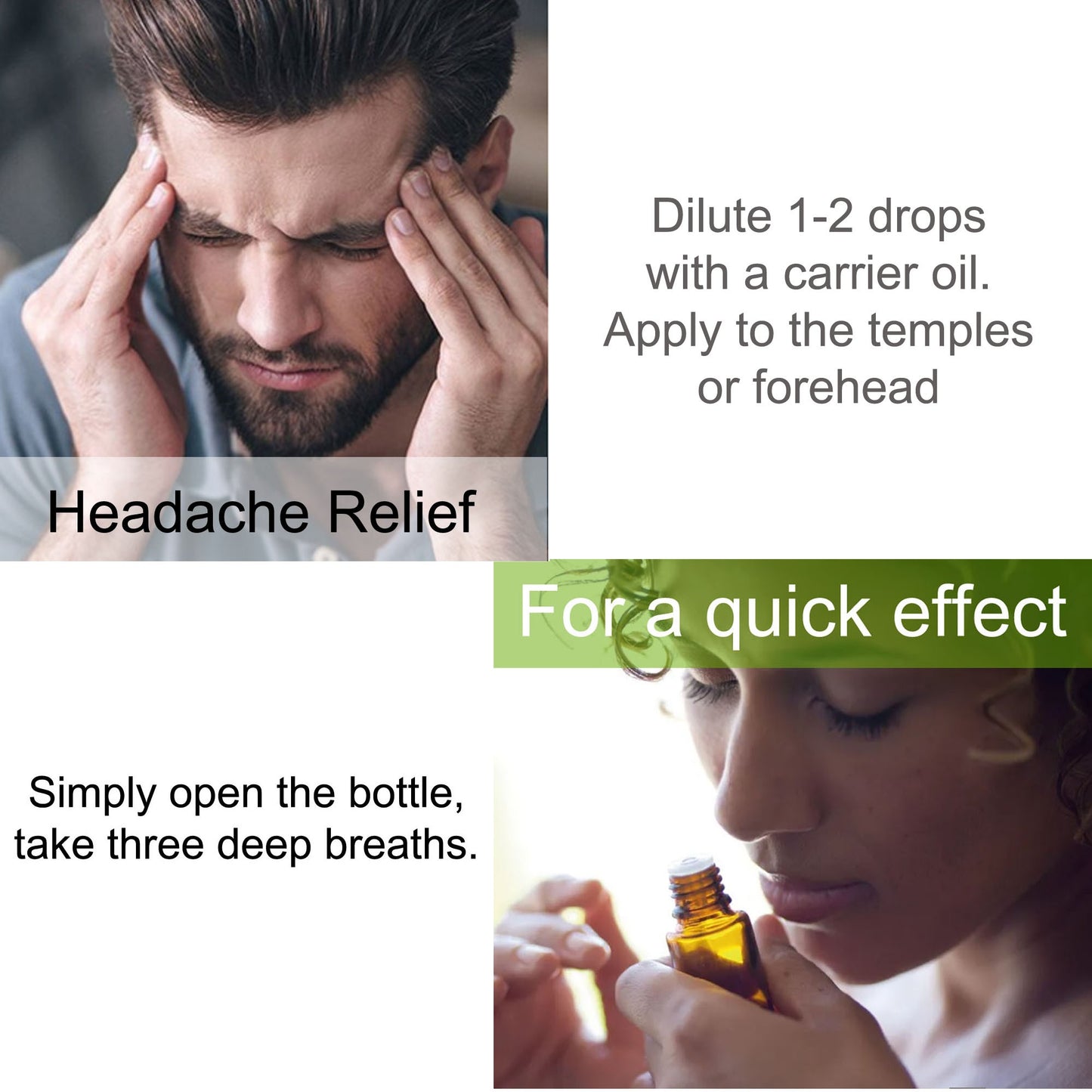
When diluted to the correct 2% ratio in a carrier oil, essential oils can be applied to pulse points (wrists, temples, behind the ears, base of throat), the chest and upper back for aromatic inhalation, and the soles of the feet — avoid the face until you've patch tested, and never apply near eyes, broken skin, or mucous membranes. Peppermint oil diluted at 1% and applied to the temples is one of the most traditional topical aromatherapy applications.
Pulse points
Wrists, temples, behind the ears, and the base of the throat are the most common topical application sites. The warmth of these areas gently diffuses the aroma throughout the day. Apply a small amount of your diluted blend and allow it to absorb — do not rub vigorously.
Chest and upper back
Applying a diluted blend to the chest or upper back allows for ongoing aromatic inhalation from body heat. This is particularly popular with respiratory-supporting oils such as Eucalyptus and Pine — always at 2% dilution or lower.
Soles of the feet
The soles of the feet have thicker skin and fewer sebaceous glands, making them a low-irritation application site. This is a well-established traditional practice in aromatherapy. Apply a diluted blend, then put on socks to aid absorption and prevent slipping.
Hair and scalp
Certain oils — Rosemary (Salvia rosmarinus) in particular — are traditionally used in scalp massage blends. Mix 4–6 drops per 30ml of a light carrier oil such as jojoba, apply to the scalp, and massage gently before washing out.
Where to avoid
Never apply essential oils — even diluted — to the eye area, broken or inflamed skin, or mucous membranes. Use with caution on the face until you've completed a 24-hour patch test on the inner forearm.
Which essential oils should not be used on skin?
Essential oils that should not be used on skin — or used only with extreme caution — include neat Cinnamon Bark, Clove, Oregano, and Thyme (all high-dermal-irritant oils that require very low dilution or topical avoidance), and phototoxic citrus oils including cold-pressed Bergamot, Lemon, and Lime, which must never be applied before sun exposure. Cedarwood and most woody oils, by contrast, are among the gentler options for topical use when properly diluted.
High dermal irritants (topical use requires special care)
These oils contain high concentrations of constituents that cause skin irritation or sensitisation at standard dilutions. Tisserand & Young recommend maximum dermal limits significantly below the standard 2%:
- Cinnamon Bark (Cinnamomum zeylanicum) — max 0.07% dermal limit per Tisserand & Young. Diffuser use only for most people.
- Clove Bud (Syzygium aromaticum) — max 0.5% dermal limit. High eugenol content.
- Oregano (Origanum vulgare) — max 1.1% dermal limit. High carvacrol content.
- Thyme (Thymus vulgaris, thymol chemotype) — max 1.3% dermal limit.
Phototoxic oils (never apply before sun exposure)
Cold-pressed citrus oils contain furanocoumarins — compounds that react with UV light and can cause severe skin burns and permanent pigmentation changes. Never apply to skin that will be exposed to sunlight or UV within 12–18 hours:
- Cold-pressed Bergamot (Citrus bergamia) — unless specifically labelled FCF (furanocoumarin-free)
- Cold-pressed Lemon and Lime
- Cold-pressed Grapefruit (lower risk but still phototoxic)
Steam-distilled versions of these oils are not phototoxic — the furanocoumarins are not volatile and do not carry over in distillation.
Is it safe to inhale essential oils daily?
Daily aromatic use of essential oils is generally considered safe for most healthy adults when diffused intermittently in a well-ventilated space — the key word is intermittently. Continuous diffusion, or diffusing in small enclosed spaces without ventilation, increases the risk of sensitisation, respiratory irritation, and headaches over time. Eucalyptus and other high-cineole oils in particular should not be diffused continuously around young children or people with asthma.
What the research says
The evidence base for aromatherapy inhalation is largely observational and traditional rather than clinical trial-based. What is established is that essential oil constituents are absorbed through the olfactory system and lungs during inhalation, and that prolonged exposure to high concentrations of any aromatic compound — natural or synthetic — can irritate the respiratory tract.
Safe daily diffusion guidelines
- Diffuse for 30–60 minutes at a time, then stop and ventilate
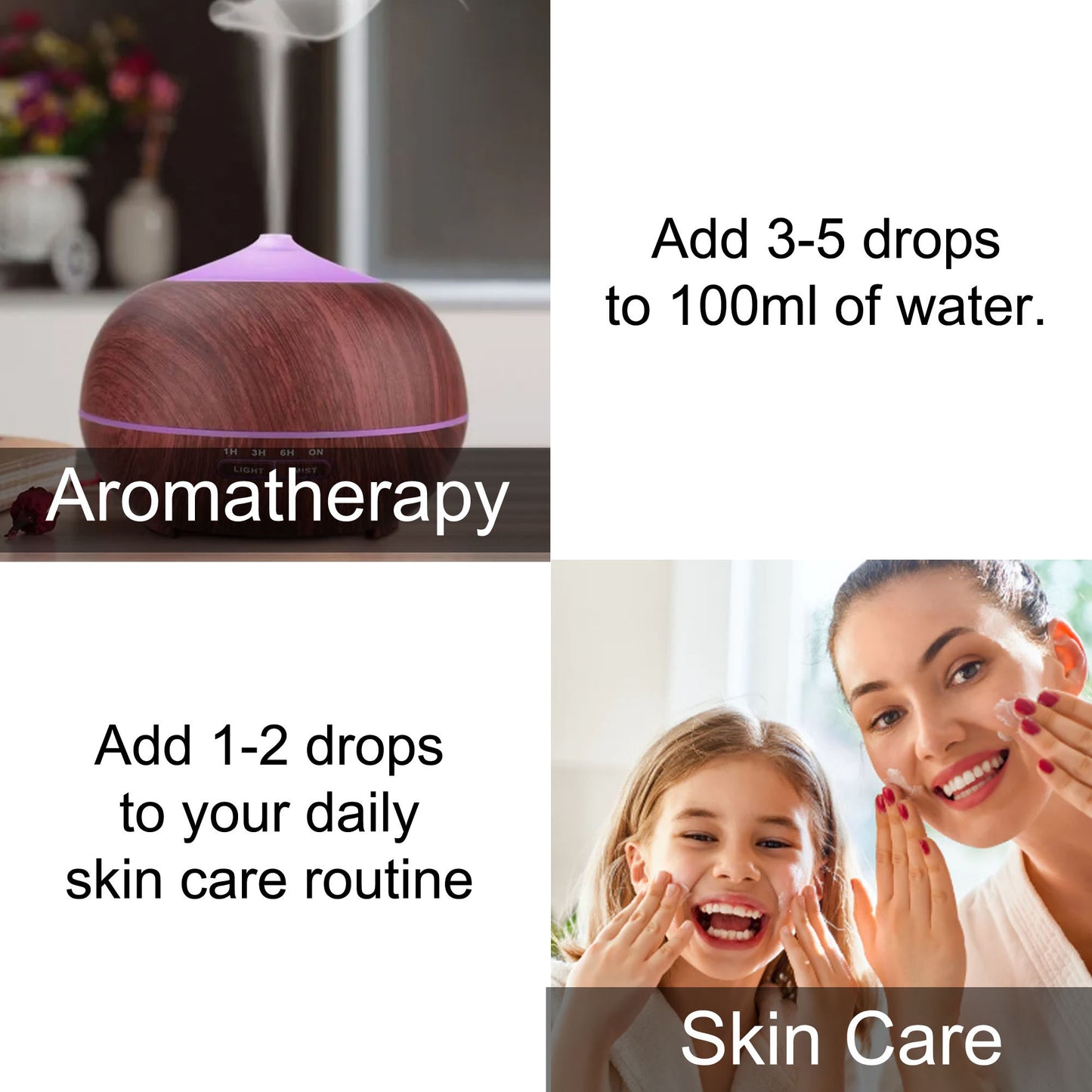
- Use 3–5 drops per 100ml of water — more is not better
- Keep the diffusing space well ventilated — open a window or door
- Do not diffuse in the same room as sleeping infants or toddlers
- Pregnant women should consult a healthcare professional before regular diffusion
- People with asthma or respiratory sensitivities should use with particular caution
What essential oils should you avoid?
The essential oils most commonly associated with adverse reactions are high-phenol and high-ketone oils — particularly Pennyroyal, Sassafras, Wormwood, and Tansy — which are not recommended for general aromatherapy use at all. For everyday home use, the oils to use with particular caution are Cinnamon Bark, Clove, Oregano, and cold-pressed citrus oils before sun exposure. Lemon oil is safe for diffusion and cleaning but requires care as a topical oil before sun exposure.
Oils not recommended for general home use
These oils contain constituents that pose significant safety risks even at low concentrations and are not typically stocked by responsible retailers for general aromatherapy use:
- Pennyroyal (Mentha pulegium) — high pulegone content, hepatotoxic
- Sassafras (Sassafras albidum) — high safrole content, carcinogenic
- Wormwood (Artemisia absinthium) — high thujone content, neurotoxic
- Tansy (Tanacetum vulgare) — high thujone content, neurotoxic
Oils requiring extra caution in everyday use
- Cinnamon Bark and Clove — high dermal irritant risk; diffuser use only for most applications
- Cold-pressed citrus oils — phototoxic; avoid topical use before sun exposure
- Wintergreen (Gaultheria procumbens) — high methyl salicylate content; contraindicated with blood thinners
- Camphor — avoid entirely around children under 2 and people with epilepsy
Why do dermatologists not like essential oils?
Dermatologists' concerns about essential oils centre on three documented issues: contact dermatitis from undiluted or high-concentration application, sensitisation reactions that develop with repeated misuse, and phototoxic reactions from citrus oils applied before sun exposure — all of which are preventable with correct dilution and application practice. The dermatological objection is largely to misuse, not to the oils themselves. Bergamot FCF (furanocoumarin-free) is a practical example of an oil reformulated specifically to address dermatological safety concerns.
Contact dermatitis
The most common dermatological complaint associated with essential oils is allergic contact dermatitis — a delayed hypersensitivity reaction caused by repeated exposure to sensitising compounds. Linalool (found in high concentrations in Lavender and many other oils) and limonene (dominant in citrus oils) are among the most common contact allergens identified in patch testing. Both compounds are safe at correct dilutions but become problematic when used neat or at high concentrations over time.
Sensitisation
Sensitisation is cumulative and irreversible. Once a sensitisation reaction has developed, subsequent exposures — even at very low concentrations — will trigger a reaction. This is the primary reason dermatologists caution against undiluted application or frequent high-concentration use, particularly on the face.
The dilution solution
The vast majority of dermatological adverse events associated with essential oils involve undiluted application or concentrations well above established safety guidelines. Tisserand & Young's evidence-based dilution recommendations exist precisely to address these risks. Following a 2% maximum dilution for adults, patch testing before wider application, and avoiding phototoxic oils before sun exposure eliminates most of the documented risk profile.
Where to buy essential oils in Australia
purelyBlack supplies 100% pure essential oils to customers across Australia, shipped from Australia — browse the complete range at purelyblack.com.
- Pure Lavender Essential Oil
- Pure Tea Tree Essential Oil
- Pure Frankincense Essential Oil
- Pure Geranium Essential Oil
Disclaimer: This article is for general educational purposes only and does not constitute medical advice. Essential oils are not intended to diagnose, treat, cure, or prevent any disease. These statements have not been evaluated by the Therapeutic Goods Administration (TGA). Always dilute before topical use, patch test before wider application, and consult a qualified healthcare professional before use during pregnancy or if managing a medical condition.
Written by H.R. Kim
Founder at purelyBlack — an Australian-owned essential oil and perfumery business based in Sydney.
