

Bergamot Oil for Oily Skin — Is It Good for Your Face?
Is Bergamot Good for Your Face?
Yes, bergamot oil is traditionally used in diluted skincare routines to support a balanced complexion, particularly for oily and blemish-prone skin types. purelyBlack's Bergamot Essential Oil is available as a 100% pure essential oil, dispatched from Sydney.
- Skin type suitability: Bergamot oil is most commonly used in diluted routines for oily, combination, and blemish-prone skin types.
- Key constituents: Linalyl acetate (25–40%), limonene (10–20%), and linalool (5–15%) give bergamot its citrus-floral character and skincare profile.
- Extraction: Cold-pressed from the rind of Citrus bergamia fruit grown primarily in Calabria, southern Italy.
- Dilution required: Always dilute to 1% for facial use (6 drops per 30ml carrier) — never apply undiluted to skin.
- Aromatic use: Bergamot is equally effective diffused aromatically, where its citrus-floral character promotes a fresh, uplifting atmosphere.


Bergamot (Citrus bergamia, Rutaceae family) is cold-pressed from Italian fruit rinds, yielding a citrus-floral oil rich in linalyl acetate (25–40%), limonene (10–20%), and linalool (5–15%). For facial use, a 1% dilution in a non-comedogenic carrier is recommended per NAHA guidelines — approximately 6 drops per 30ml.
Where to Put Bergamot Oil?
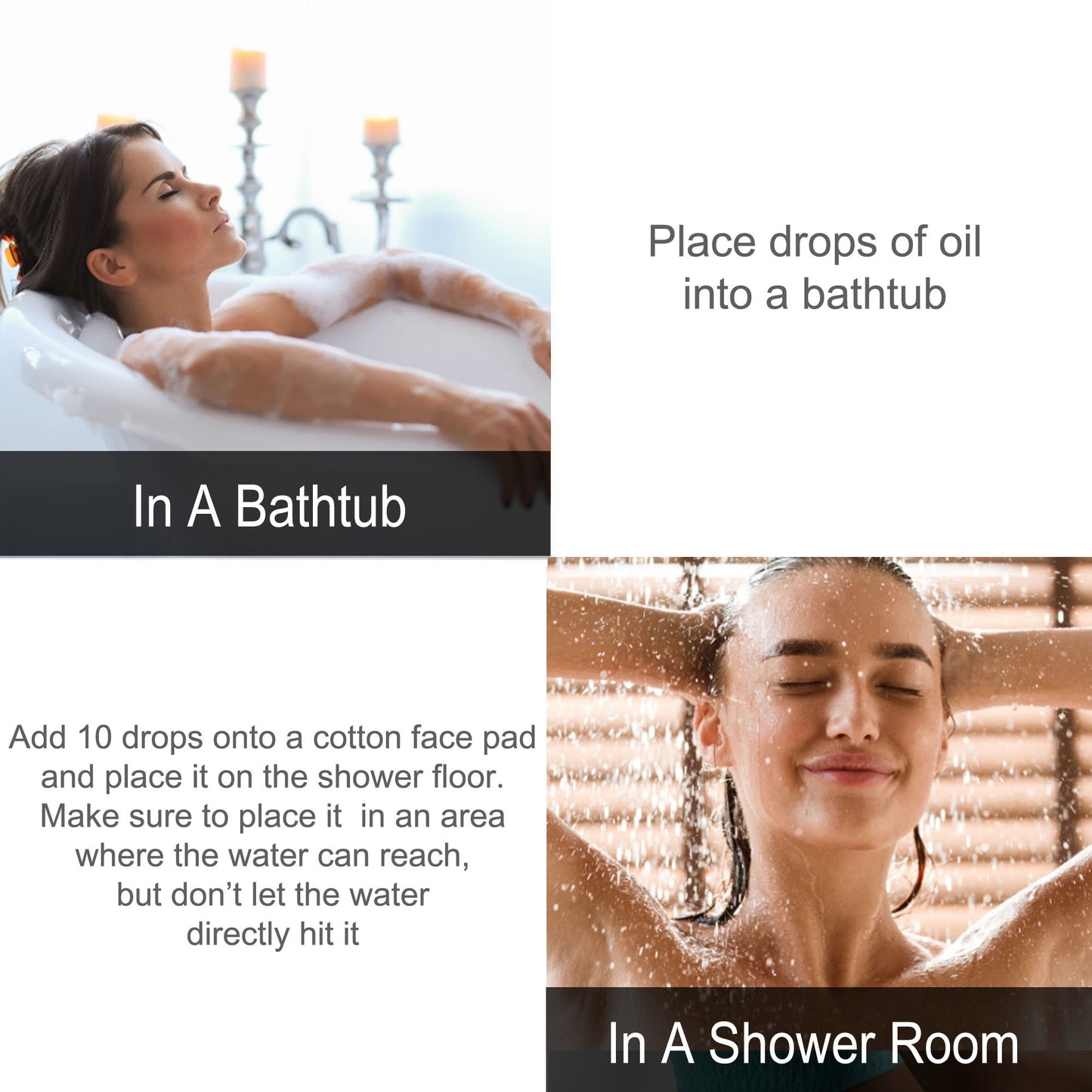
Bergamot oil is applied topically to the skin when properly diluted, diffused aromatically in a room, or added to a carrier base for a body or facial oil blend.
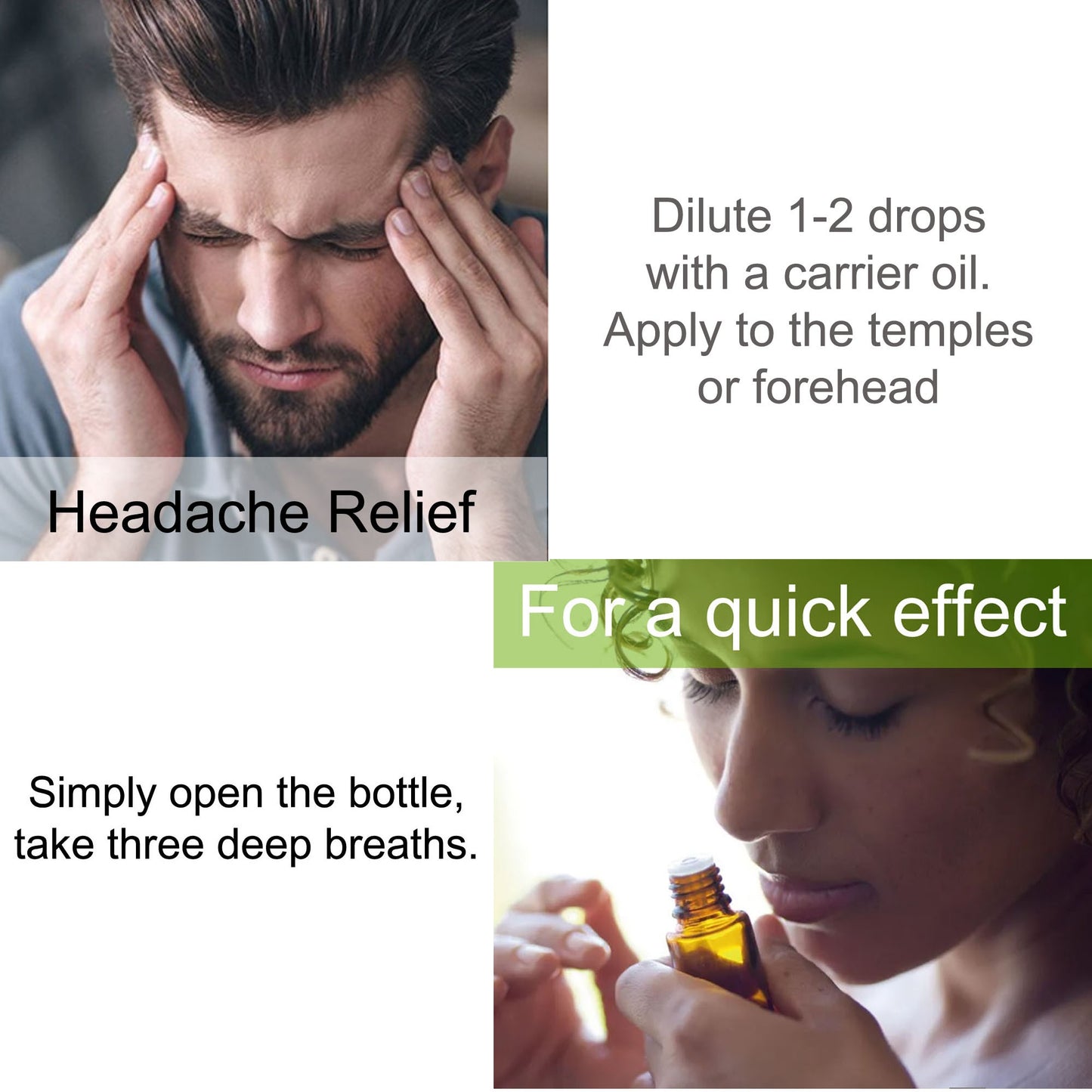
- Facial application: Dilute to 1% in a carrier oil and apply to oily or congested areas of the face as part of an evening routine.
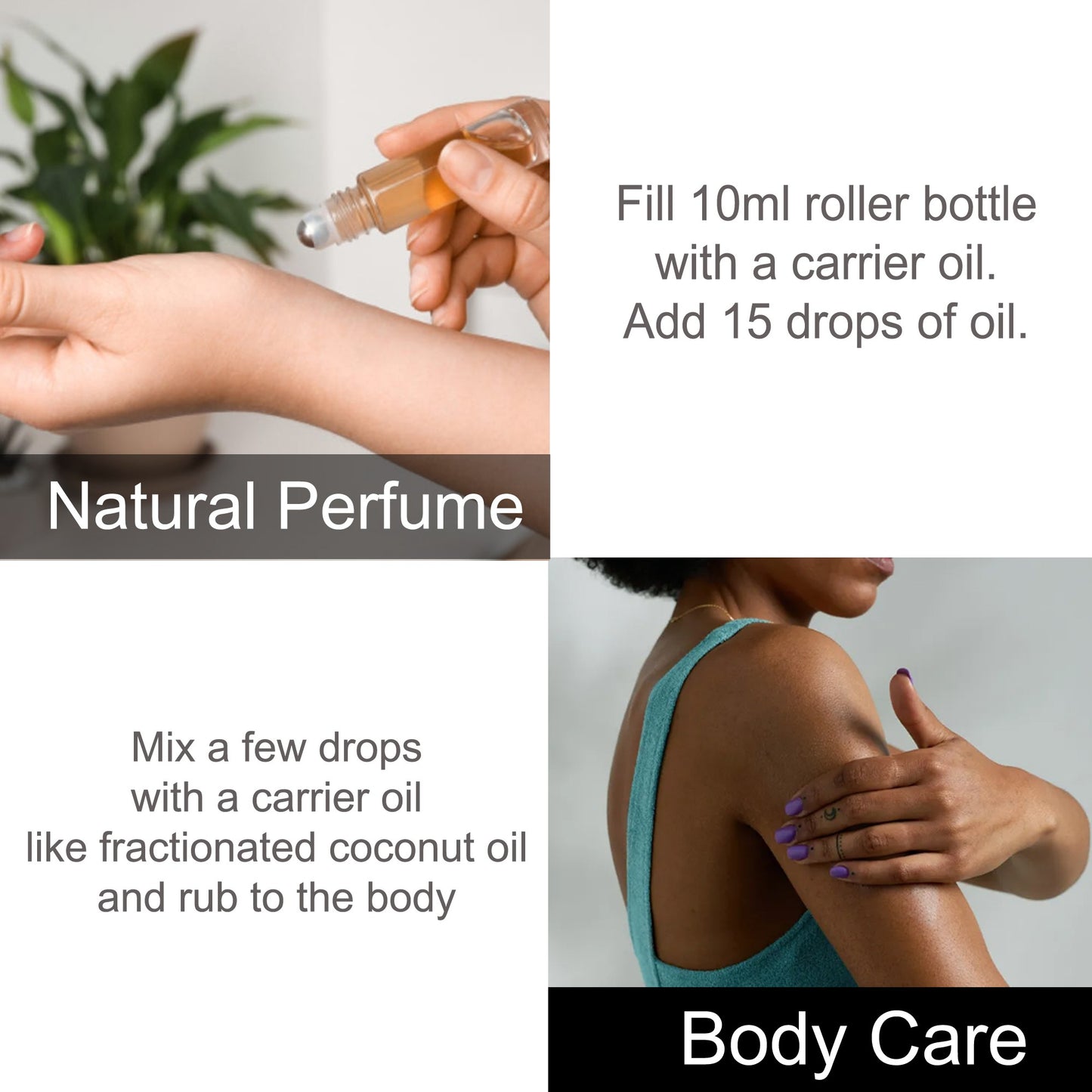
- Body use: A 2% dilution (approximately 12 drops per 30ml carrier) is suitable for general adult body application per NAHA guidelines.
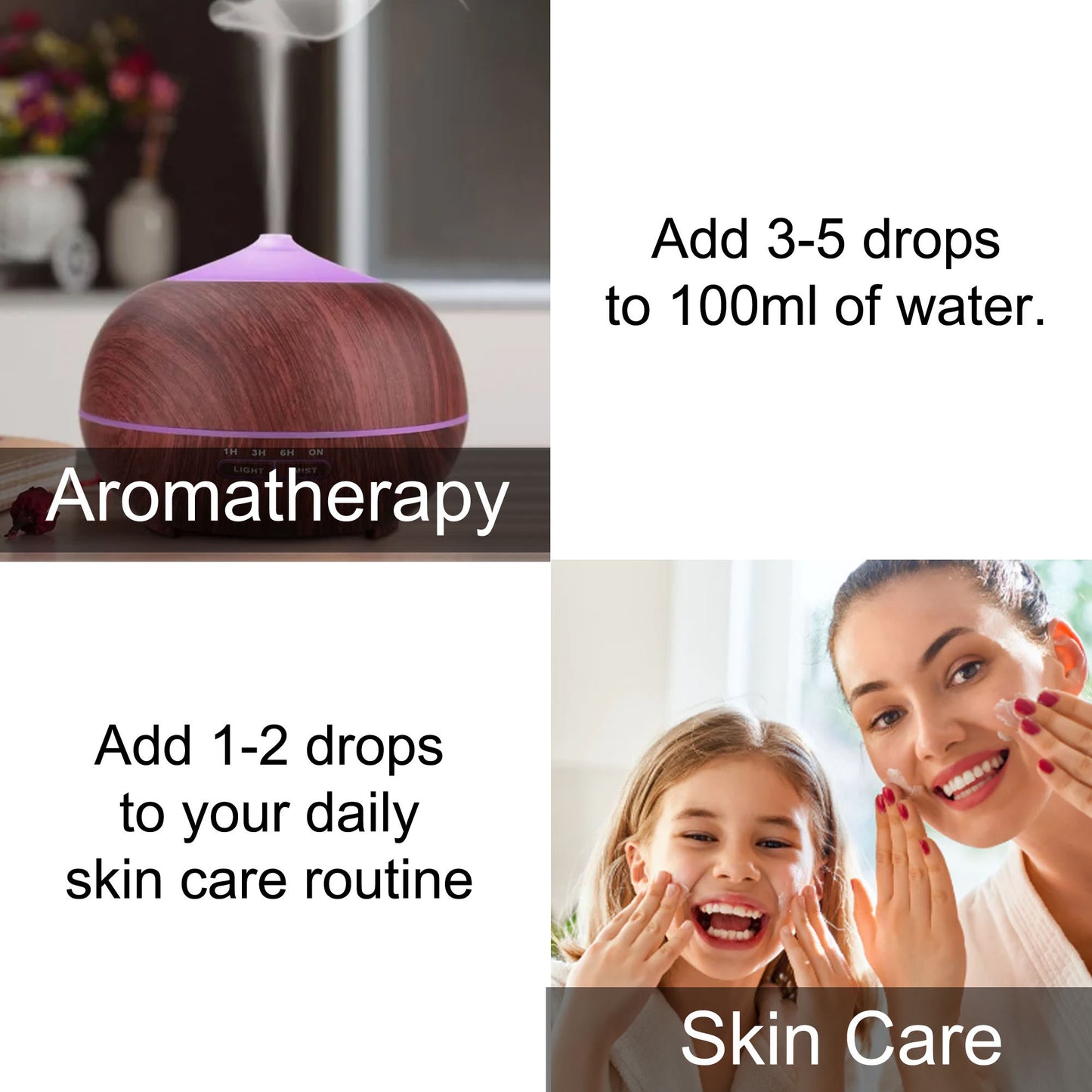
- Diffuser: Add 3–5 drops to an ultrasonic diffuser with 100ml water for aromatic use.
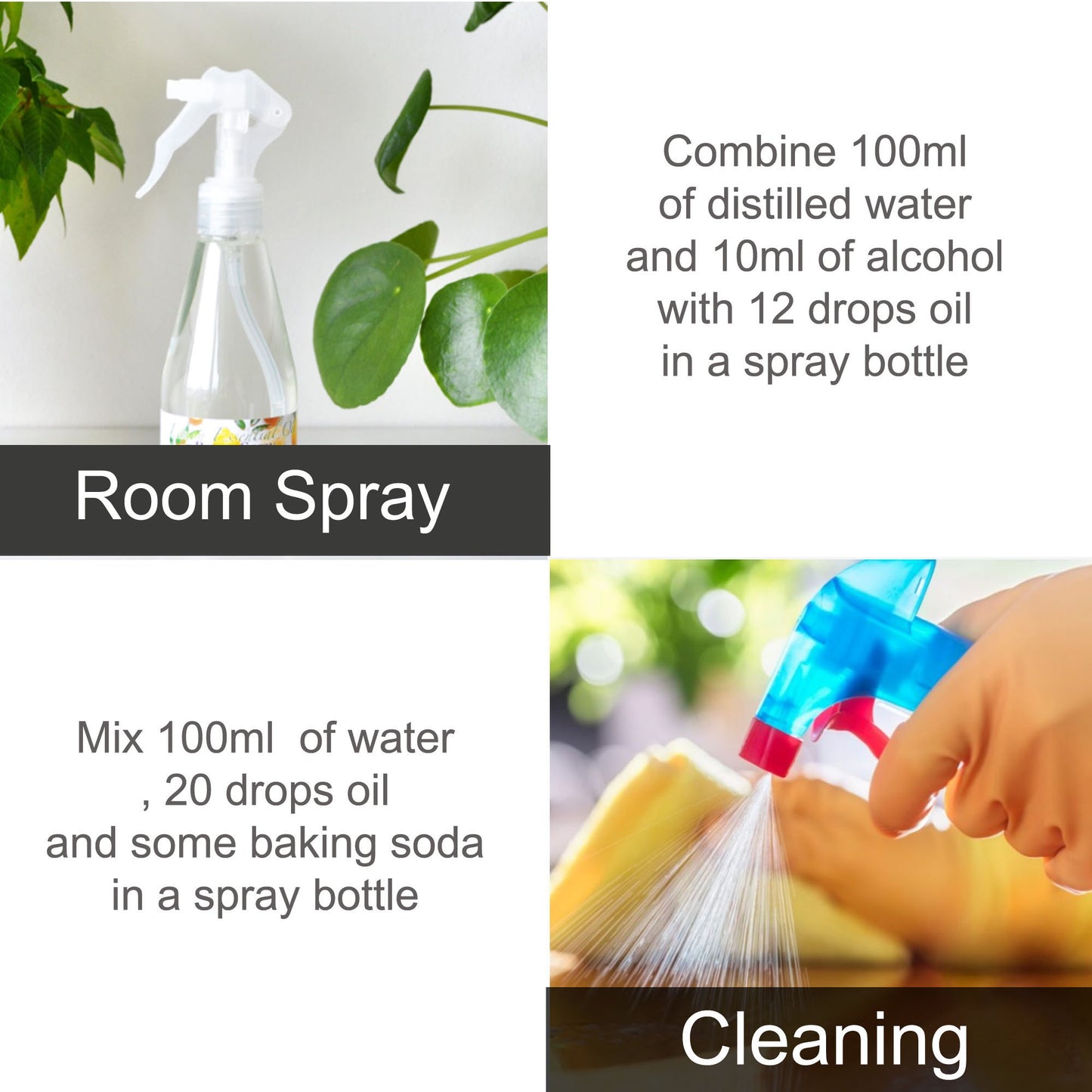
- Room spray: Combine 10–15 drops with 100ml water and an alcohol dispersant for a linen or room mist.
- Avoid sun-exposed skin: Standard cold-pressed bergamot contains bergapten, a furocoumarin that causes photosensitivity — avoid applying to skin that will be exposed to sunlight for at least 12 hours after use.
For topical use, the inner wrists, behind the ears, and T-zone (forehead, nose, chin) are common application points. Because of bergamot's phototoxicity, a nighttime routine is the safest approach for Australian skin. Fractionated Coconut Oil is a practical carrier — lightweight, odourless, and non-greasy.


What Are the Side Effects of Bergamot?
The primary side effect of bergamot oil is phototoxicity — skin exposed to UV light after topical application of standard cold-pressed bergamot can react with hyperpigmentation, redness, or irritation.
- Phototoxicity: Standard bergamot retains bergapten (5-MOP), a furocoumarin that reacts with UV light on the skin — avoid sun exposure for at least 12 hours after topical use.
- Skin sensitisation: Undiluted application can cause irritation or sensitisation, particularly on sensitive skin — always dilute before use.
- Oxidation risk: Citrus oils oxidise relatively quickly; oxidised bergamot oil is more likely to cause skin reactions — store in a cool, dark location and replace after 12–18 months.
- Pregnancy: Consult a qualified healthcare practitioner before using bergamot oil during pregnancy or while nursing.
- Children: Not recommended for use on children under 2 years of age; use a reduced dilution for older children and avoid facial application.
- Pets: Citrus oils are generally unsuitable around cats and dogs — diffuse only in well-ventilated spaces with an exit route available for animals.
In Australia, where UV intensity is among the highest in the world, bergapten's phototoxic reaction — darkening, burning, or uneven pigmentation — is a real risk. FCF (furocoumarin-free) bergamot has bergapten removed and carries a lower phototoxicity risk. For aromatic use context, see our guide on bergamot oil for aromatic grounding, and for blending, our natural perfume and cologne blending guide.
About the Author
Written by H.R. Kim
Founder at purelyBlack — an Australian-owned perfumery and essential oil supplier based in Sydney. H.R. specialises in molecular ingredient chemistry and scent profiling, with a focus on pure, single-origin essential oils for aromatherapy, skin care, and natural wellness.
Last updated: August 2026
Disclaimer: This article is for general educational purposes only and does not constitute medical advice. It is not intended to diagnose, treat, cure, or prevent any disease. These statements have not been evaluated by the Therapeutic Goods Administration (TGA). Always dilute before topical use, patch test before wider application, and consult a qualified healthcare professional before use during pregnancy or if managing a medical condition.
